You think you know what it means to die: the heart stops, the breathing fades, and the body goes still. But inside your skull, in those last moments, something far stranger is happening. Your brain does not simply switch off like a light; it may surge, struggle, and fire in patterns that look almost like a final burst of life.
When you really look at the science, the story gets both more unsettling and more comforting. You find brief windows of intense brain activity, strange perceptions, and a gradual uncoupling from the world around you. You might never think about dying the same way again.
Your Brain Does Not Die All at Once
When your heart stops, your brain does not instantly go dark. Blood flow drops off rapidly, but different parts of your brain begin to shut down at different speeds. The areas that depend most on oxygen, like the cortex that supports awareness and thinking, start to fail within seconds, while deeper structures may linger a little longer.
You can think of it less like a power outage and more like a city losing electricity block by block. For a brief period, some circuits are still firing, trying to function without enough fuel. This is why you can still have activity detectable on brain recordings for a short time after circulation stops, even though you’re no longer breathing or responding.
The Final Surge: A Possible Last Burst of Activity
Several animal and human studies suggest something surprising: in the seconds to minutes after the heart stops, your brain can show a sudden spike in organized activity. Instead of a quiet fade, you may see a burst of synchronized, high-frequency waves normally linked to attention, memory, or even conscious processing. It looks less like a flat line and more like a brief flare.
You might picture it as a backup generator kicking in for a moment when the main power fails. Your brain, starved of oxygen, seems to fire off intense patterns before finally collapsing into silence. Scientists are still arguing over what this means – whether it reflects any real experience, or is simply the last chaotic storm as cells lose balance and die.
Consciousness May Linger Longer Than You Think
There is growing evidence that, for a short window, you may still have some kind of awareness even when you appear unresponsive. In resuscitation research, some people who were clinically dead for minutes later described events in the room with surprising accuracy, or recalled feeling detached from their body. Their brains, when monitored, sometimes showed meaningful activity despite a stopped heart.
This does not mean you drift around the room watching everything from above in a movie-like way. It does suggest that the shutdown of consciousness is not a clean on–off switch. Instead, your brain seems to pass through a fading gray zone, where pockets of awareness and perception may briefly persist as the body crosses the threshold into death.
Why Time May Feel Distorted in the Final Moments

If you have ever been in a car crash or a near-miss, you may remember time stretching out, with every second feeling strangely long and detailed. In extreme situations, your brain can shift into a hyper-focused mode, packing in information and memories in a way that makes time feel warped. Something similar may happen as you approach death, when your brain is drenched in stress signals and deprived of oxygen.
You may not experience those last seconds as “just a few seconds” at all. Instead, your perception might slow, your internal world becoming more vivid while the outside world fades. From the outside, your heart might stop in an instant; from the inside, your last conscious moments could feel rich, dense, and oddly extended before they dissolve.
Near-Death Experiences: What Your Brain Might Be Doing
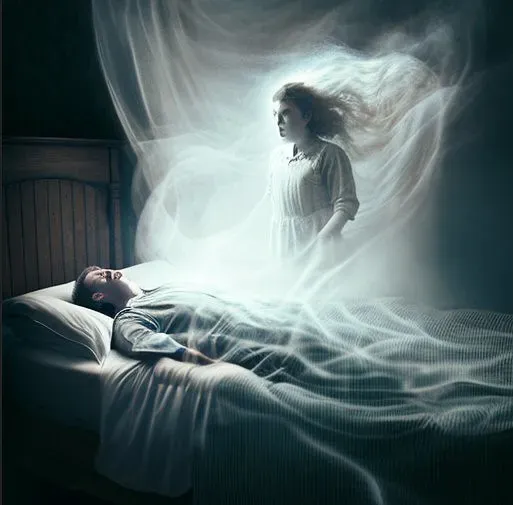
Many people who come close to dying report strikingly similar experiences: a sense of peace, detachment from the body, moving through darkness, encountering light or meaningful scenes. You can explain many of these features using what is already known about the brain under extreme stress. Reduced blood flow, changes in vision-related areas, surges of chemicals, and disconnection between brain regions can all create intense, dreamlike perceptions.
From your point of view, it might feel deeply real, even more real than ordinary life. To your brain, though, it is likely a constructed experience, built from memories, emotions, and sensory fragments as circuits misfire and systems uncouple. The fact that these patterns repeat across cultures hints that your brain has a limited set of ways it can fail – and those failure modes can feel strangely meaningful from the inside.
How the Body’s Chemistry Shapes Your Final Experience
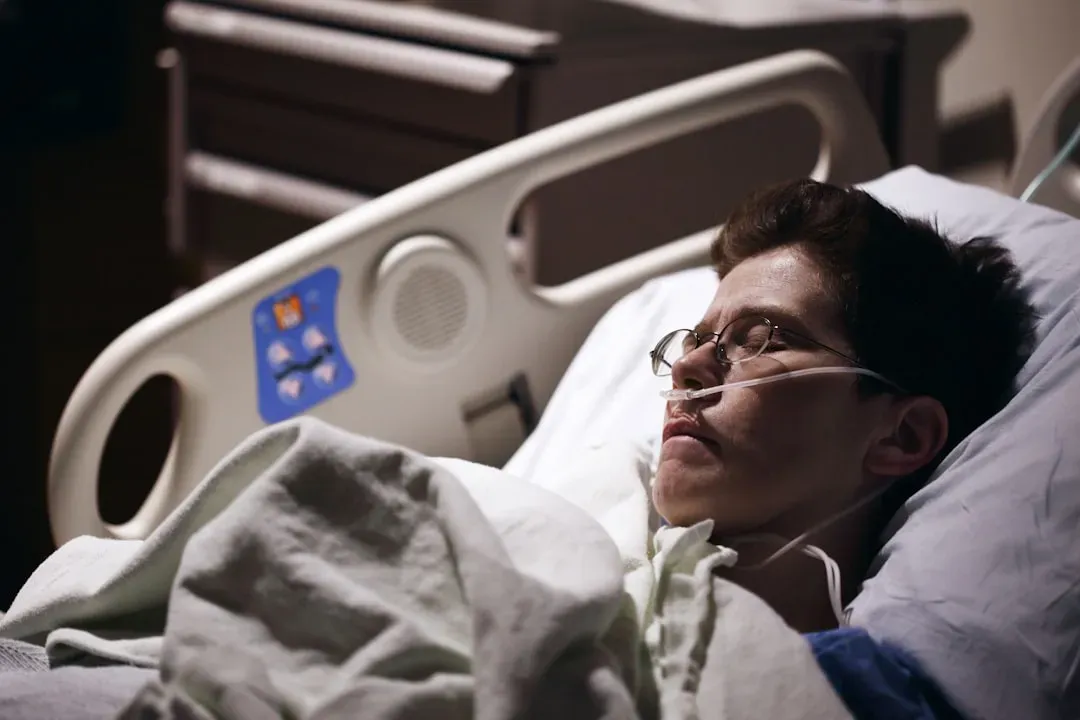
As your body realizes you are in serious danger, it unleashes a chemical storm. Stress hormones surge, pain pathways shift, and natural painkillers and calming molecules are released. This cocktail can blunt fear and physical suffering, and in some cases may create a sense of calm or detachment just when you might expect terror.
At the same time, low oxygen, shifts in carbon dioxide, and changes in brain chemicals can alter how you see, hear, and think. Colors might seem brighter, sounds distant, or your sense of your own body may fade. You are not imagining these changes out of nowhere; your brain is running on an emergency chemistry pack that reshapes your final moments from the inside out.
The Gradual Uncoupling of Self and World

In the last stretch, your brain slowly lets go of the outside world. Sensory systems that bring in vision, hearing, touch, and body awareness begin to fail, either from lack of blood flow or from disruption of their connections. You may stop tracking what is happening around you even while some inner sense of “you” still flickers for a little longer.
Think of it as the volume knob on the world turning down first, while the inner monologue and inner imagery keep playing briefly in the background. Then, as networks that bind all these pieces into a single sense of self start to collapse, that inner voice and inner space also thin out and disappear. From your perspective, there is no clear moment where you notice “now I am gone” – awareness just ceases, like a story that simply stops mid-sentence instead of ending with a period.
Why So Much About the Final Moments Remains Uncertain

Even with brain scans, monitors, and resuscitation research, there is still a lot you cannot know for sure about what your own last moments will feel like. Scientists cannot follow you all the way to irreversible death and then ask how it went. Most of what is known comes from people who almost died but came back, or from short recordings just before and after cardiac arrest, which only show part of the picture.
That means you have to hold all of this with a bit of humility. You can say that the brain shows brief bursts of activity, that awareness may fade gradually, and that certain experiences are common, but you cannot claim to fully map the territory. In a way, that uncertainty is part of the story: death remains both a biological event and a mystery you can only approach from the edges.
Conclusion: A Quiet Ending After a Brief Final Storm
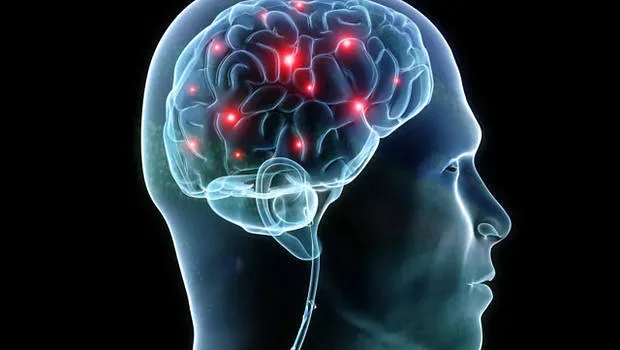
When you zoom in on the brain, dying turns out to be less like a simple off-switch and more like a short, intense storm followed by a deep, irreversible calm. Your brain fights to keep going with surges of activity and chemistry, reshaping your perception as the body fails. Awareness likely narrows, detaches from the world, and finally disappears without fanfare from your own point of view.
That picture can feel unsettling, but it can also be oddly reassuring: you are not a machine that just breaks; you are a living system that winds down through familiar patterns written into your biology. One day, your brain will run its final sequence and then fall silent, just as every brain has before you. Knowing that, how does it change the way you want to live while your neurons are still very much awake?