For decades, near-death experiences have sat at the edge of science like a lighthouse seen through fog – bright, haunting, and hard to measure. People describe tunnels of light, panoramic life reviews, and a feeling of leaving the body, yet the biology has seemed elusive. In the last few years, though, hospitals have begun catching the brain in the act, recording activity in the seconds to minutes around cardiac arrest. The emerging picture is not one of silence, but of a brain briefly roaring to life as oxygen drops. That surge, paired with known quirks of vision, memory, and body-mapping, may knit together what was once only story into testable science.
The Hidden Clues
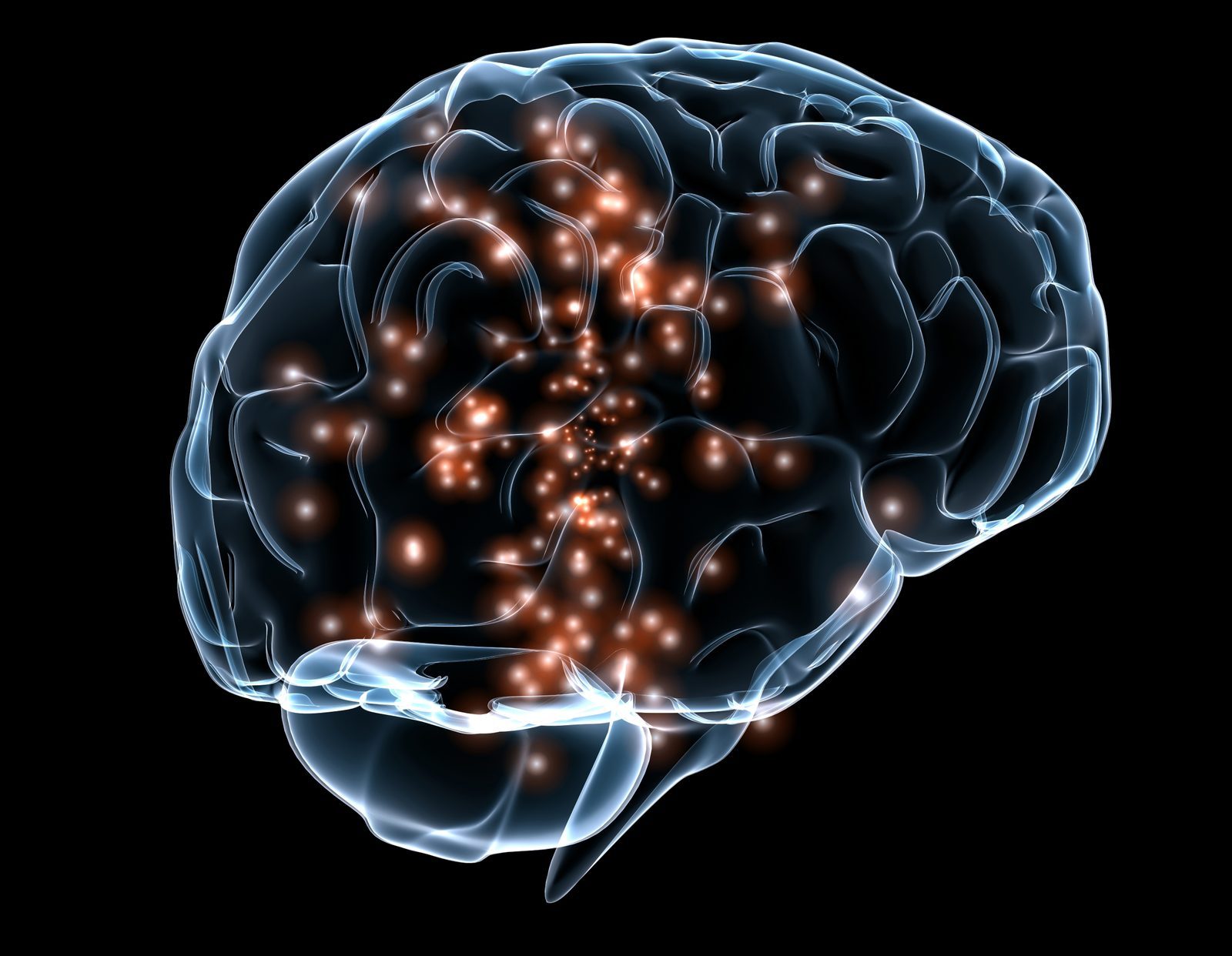
When the heart stops, the brain does not instantly switch off; it transitions through a turbulent phase. Researchers have reported organized bursts of high-frequency activity – especially gamma rhythms – that are often linked with vivid perception and binding of sensations. It sounds paradoxical, but the dying brain may briefly become more synchronized, not less, as inhibitory brakes fail and networks fire in unison. That could explain why experiences feel hyper-real rather than dreamlike. Many survivors describe clarity rather than confusion, which fits the idea of a short-lived, high-coherence state.
Accounts tend to share recurring motifs: an accelerated sense of time, profound meaning, and detachment from the body. Surveys of cardiac arrest survivors commonly find that a noticeable minority recall at least one of these features. This consistency is a clue that we are not dealing with random hallucination, but with patterned responses to extreme physiological stress. The regularity suggests shared circuitry is being pushed in similar ways. Biology, not chaos, is likely in the driver’s seat.
From Ancient Tools to Modern Science
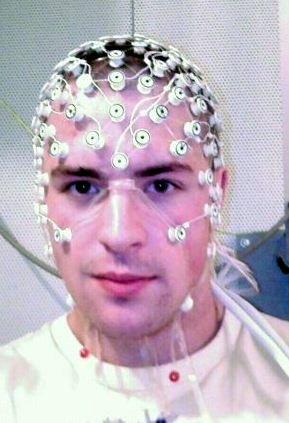
Humans have told versions of this story for millennia, but only recently have monitors followed patients into the decisive minutes of resuscitation. Intensive care units now use continuous EEG, oxygenation sensors, and advanced defibrillators that timestamp every intervention. That instrumentation lets teams align brain signals with the exact moment blood flow falters and returns. It also allows researchers to separate activity caused by drugs from activity intrinsic to the crisis. The result is a new kind of evidence: time-locked brain data paired with verified clinical events.
Beyond bedside monitors, lab studies have mapped the brain’s networks for selfhood and meaning using fMRI and intracranial electrodes. Stimulating the junction where vision, touch, and balance converge can evoke out-of-body illusions in awake volunteers. Activating memory hubs can trigger immersive recollection that feels present, not past. These controlled glimpses preview the ingredients that, under extreme stress, might combine spontaneously. The bridge from myth to mechanism is narrowing.
A Cascade at the Edge of Consciousness
As oxygen falls, neurons scramble to maintain balance, and that scramble can briefly look like overdrive. Inhibitory cells fade first, unleashing excitatory bursts that ripple across cortex and deeper structures. Cross-talk between memory circuits in the hippocampus and self-referential hubs in the default mode network may spike, tying together scenes, emotions, and identity. That could underlie the panoramic, meaning-soaked quality many people recall. It is less a gentle dimming than a last, coordinated flare.
Eventually, energy stores collapse and activity fragments, but the window before that crash can be surprisingly busy. Some patients show signatures of perceptual processing even during CPR, hinting that islands of cortex stay organized when the rest is fading. That fits with the idea of a threshold state, where consciousness is fragile yet not gone. In this liminal zone, the brain may be exquisitely sensitive to internal signals, turning small sparks into sweeping narratives. The physiology sets the stage; the mind writes the scene.
Seeing and Leaving the Body
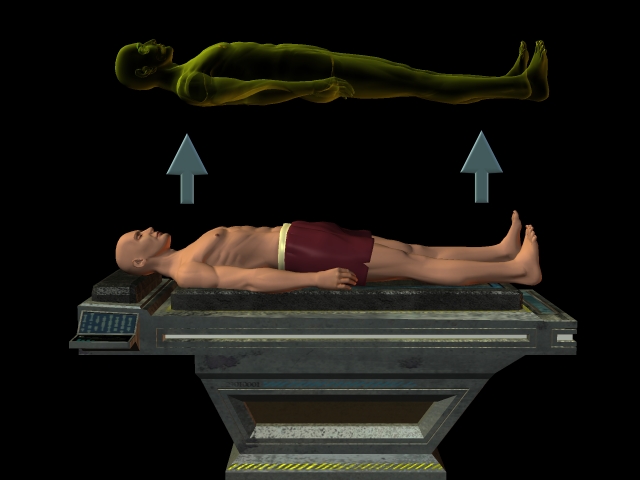
One of the most striking reports is the sensation of moving through a tunnel toward light. This has a straightforward visual explanation: when blood flow drops, the retina and visual cortex lose function from the periphery inward. The world narrows, and the center brightens relative to the darkening edges, creating a tunnel-like percept. Meanwhile, mismatched inputs from balance and body-position systems can produce the feeling of drifting above oneself. It is the brain doing its best to reconcile failing sensors with a coherent point of view.
Electrical stimulation of the temporo-parietal junction can induce similar detachment in healthy volunteers, underscoring that the machinery for this illusion already exists. Under crisis, that machinery may be activated by disorganized signals rather than electrodes. Add intense emotion and memory, and the scene gains weight: a vantage point, a destination, a sense of crossing. The brain is not inventing new tricks; it is leaning hard on old ones in extraordinary circumstances. The extraordinary, here, is built from the ordinary.
Memory and Meaning, Replayed at Speed
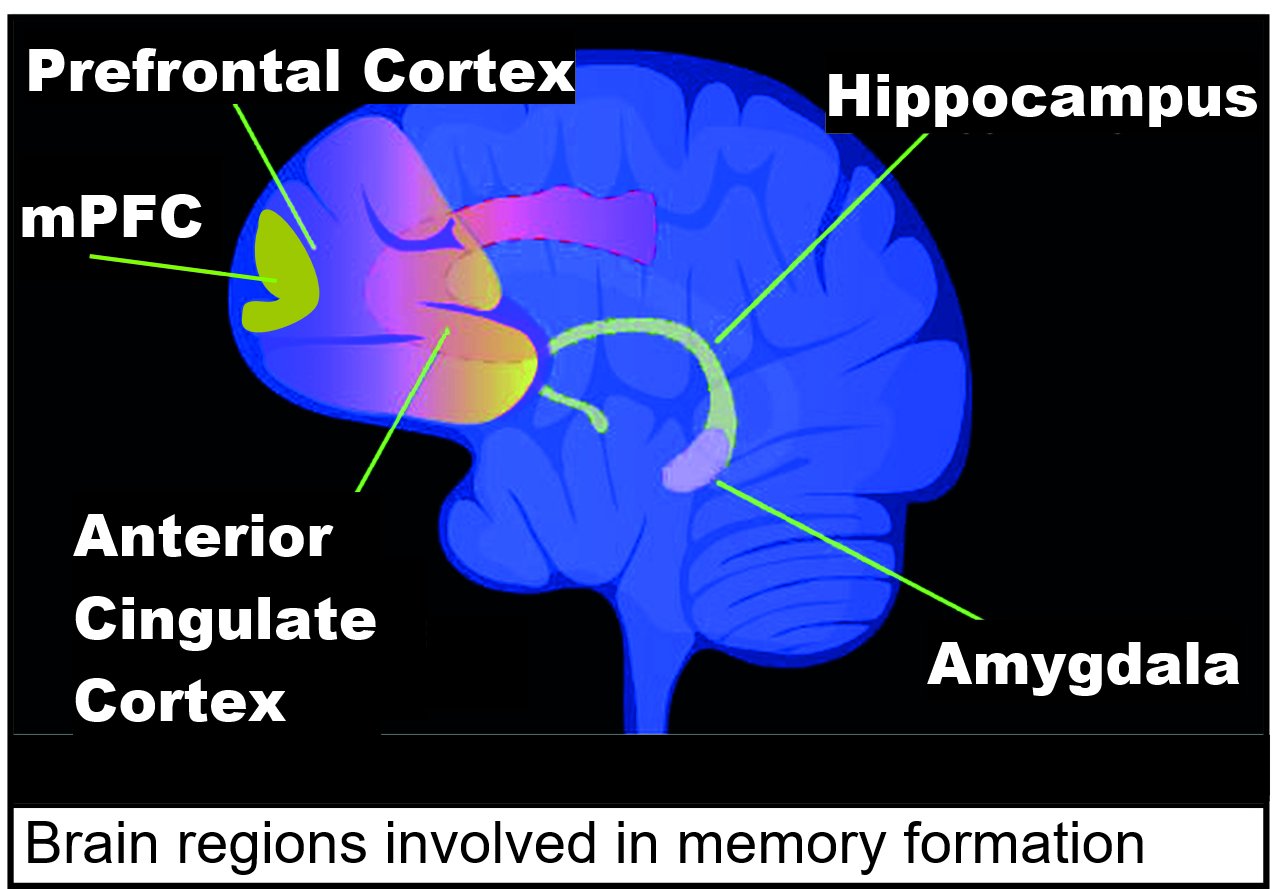
Another common motif is the vivid sweep of autobiographical memory, often felt as a life review. The hippocampus, which binds episodes, is tightly connected to networks that track the self and assign value. When these hubs synchronize, recollections can flood back with unusual clarity and emotional punch. Stress hormones and neuromodulators like norepinephrine can amplify salience, tagging moments that mattered. The result is memory sped up and spotlighted.
This alignment also explains why some people report profound shifts in perspective afterward. Networks that weigh social connection and moral relevance are the same ones that light up during reflection and awe. If those circuits are intensely co-activated during a brush with death, the experience can feel transformative rather than frightening. Many leave with less fear of dying and a stronger sense of priorities. Biology offers a route to meaning without dismissing the meaning itself.
The Chemistry Under the Hood
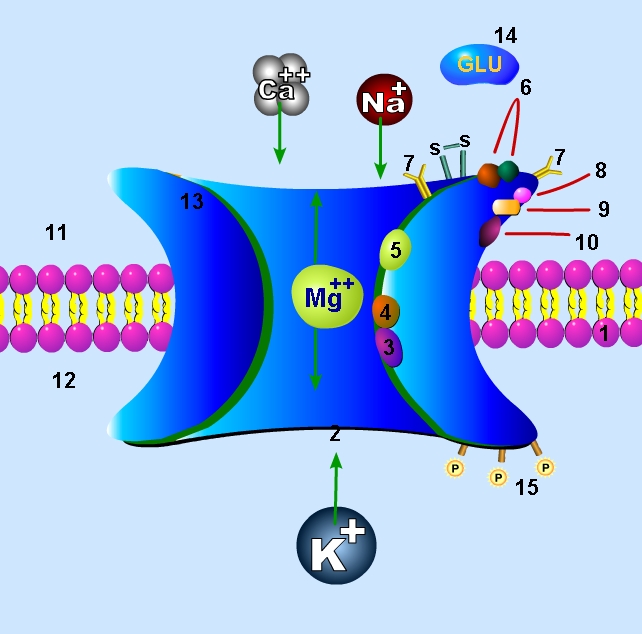
Extreme physiology pushes the brain into chemical territory that resembles certain altered states. Low oxygen, rising carbon dioxide, and surges of endogenous opioids and catecholamines can change how neurons talk to one another. NMDA receptor function, critical for perception and memory, shifts under these conditions, which helps explain why ketamine-like phenomenology overlaps with NDE reports. These are not perfect matches, but they point to shared pathways for intensity, dissociation, and imagery. The brain has only so many knobs to turn.
Importantly, chemistry is not the whole story; it is chemistry acting on vulnerable networks. The same dose of a drug does not create the same experience in every context. In a failing brain, receptor balance, blood gases, and electrical instability can align to amplify unusual perceptions. That stack of factors makes the borderland between waking and oblivion uniquely fertile for striking mental events. The recipe is complex, but the ingredients are on the shelf.
Why It Matters
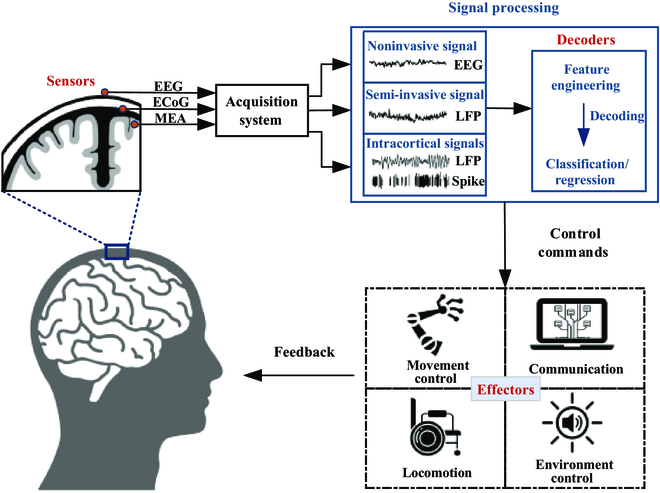
Near-death experiences are not just curiosities; they challenge how we measure consciousness and guide care. Traditional markers – pupils, reflexes, flat lines – were built for speed, not nuance, and can miss brief returns of organized brain activity. Recognizing those windows could refine resuscitation decisions, timing of sedation, and even when to pause or change strategy. It also reframes conversations about organ donation and end-of-life, areas where timing carries ethical weight. Clarity is not optional when minutes decide outcomes.
On a personal note, I once watched a relative’s monitor blip into silence, and the room seemed to tilt as if gravity had changed. Learning that the brain may flicker with one last pattern does not cheapen the mystery; it grounds it. Compared with past assumptions of instant blackout, this emerging view is more humane and more testable. It acknowledges experience without abandoning physiology. That is why this research sits at the heart of modern critical care, not at its fringes.
The Future Landscape
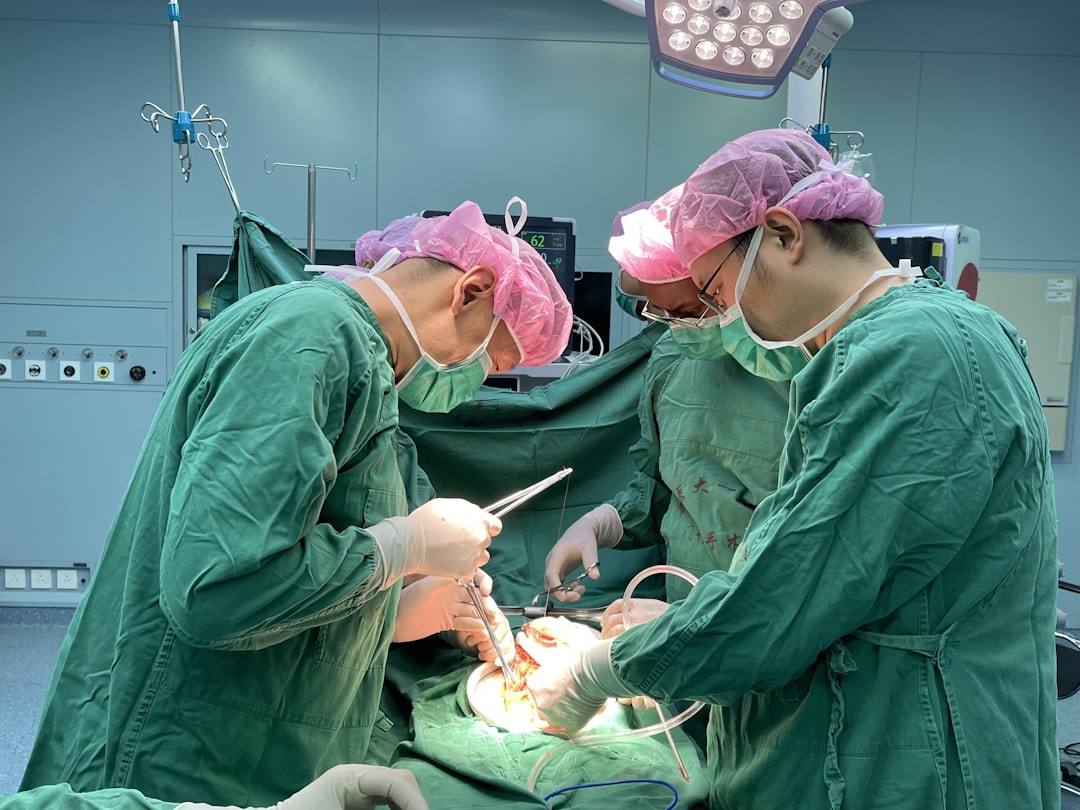
The next wave is already forming in emergency rooms: portable EEG during CPR, high-fidelity brain oxygen sensors, and synchronized data streams from chest compressions to drug timing. With more cases, scientists can map which patterns predict recovery, recall, or both, turning anecdotes into curves and confidence intervals. Machine learning may help spot subtle signatures that humans miss, nudging teams to adjust ventilation or circulation in real time. Cross-cultural studies will probe whether the narrative pieces vary while the neural scaffolding stays the same. Each advance turns a once unmeasurable moment into something we can test, compare, and improve.
Still, challenges loom. Motion and electrical noise during resuscitation make clean recordings hard, and the ethics of research in crisis demand great care. We also need open datasets, shared standards, and humility about what signals truly mean. The brain’s last burst is not a blank check for metaphysics nor a reason to ignore lived experience. The task ahead is to hold onto both rigor and respect as we map the edge of life.
Conclusion
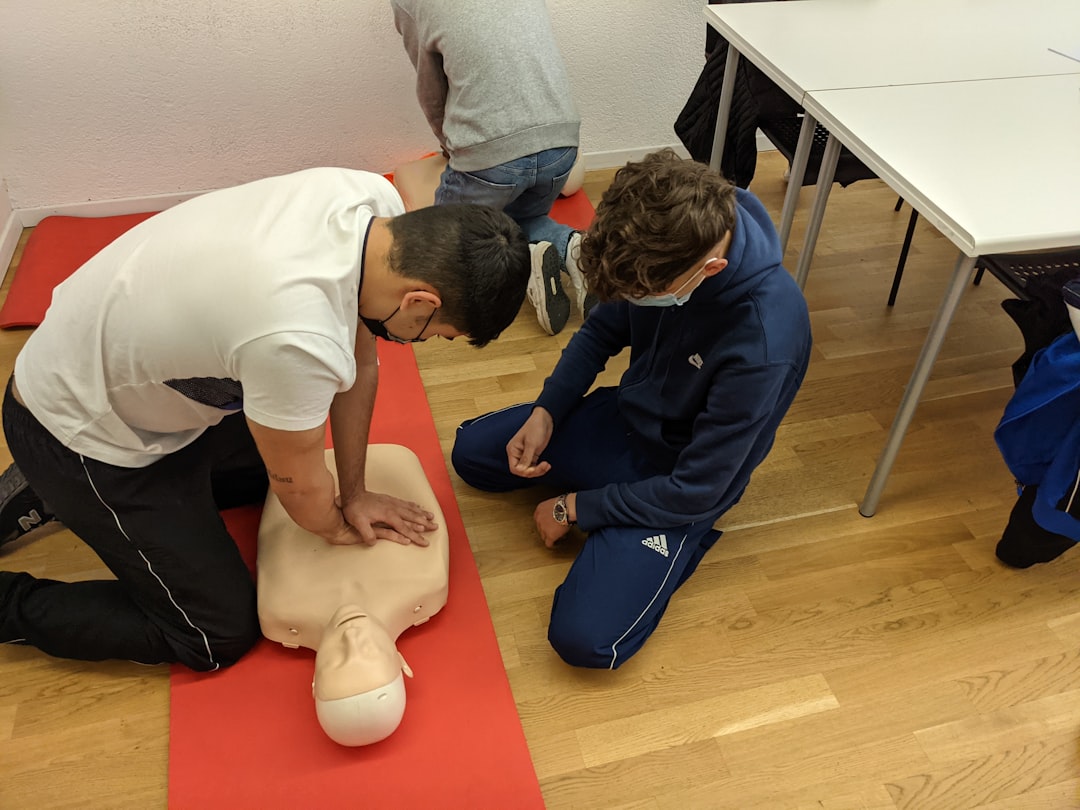
If this science resonates, there are practical ways to help it grow. Learn CPR and keep a defibrillator map app on your phone; you might be the person who buys a brain time to rejoin the world. Support hospitals and nonprofits that fund resuscitation research and data sharing, because better evidence saves lives as surely as better equipment. Talk with family about end-of-life preferences before a crisis, so medical teams can align care with values. And when you read sensational claims, look for the physiological through-line – oxygen, networks, timing – before you decide what a story means.
Curiosity is not a spectator sport. The more the public understands what monitors can and cannot show, the better our collective choices become in those most fragile minutes. Share what you learn with others who might face hard decisions in emergency rooms or at home. When science meets compassion, outcomes improve, even when not every heart restarts. That is engagement at its most human.
Suhail Ahmed is a passionate digital professional and nature enthusiast with over 8 years of experience in content strategy, SEO, web development, and digital operations. Alongside his freelance journey, Suhail actively contributes to nature and wildlife platforms like Discover Wildlife, where he channels his curiosity for the planet into engaging, educational storytelling.
With a strong background in managing digital ecosystems — from ecommerce stores and WordPress websites to social media and automation — Suhail merges technical precision with creative insight. His content reflects a rare balance: SEO-friendly yet deeply human, data-informed yet emotionally resonant.
Driven by a love for discovery and storytelling, Suhail believes in using digital platforms to amplify causes that matter — especially those protecting Earth’s biodiversity and inspiring sustainable living. Whether he’s managing online projects or crafting wildlife content, his goal remains the same: to inform, inspire, and leave a positive digital footprint.