High on a knife-edge ridge in the tropical Andes, a new city once flashed with fresh stone, golden thatch, and the bright green of engineered terraces – a royal mountain estate rising from cloud and cliff. Archaeology and earth science now let us glimpse those first seasons after construction, when water sang through brand-new fountains and smoke curled from hearths in tight-knit courtyards. The mystery is simple to ask but hard to answer: what, exactly, did people see and feel when Machu Picchu was new? Scientists are piecing the vision together from microscopic pollen, radiocarbon dates, quarry scars, and the geometry of precisely fitted blocks. The picture that emerges is both practical and astonishing, a blend of sophisticated engineering and highland beauty built for ceremony, power, and daily life.
The Hidden Clues
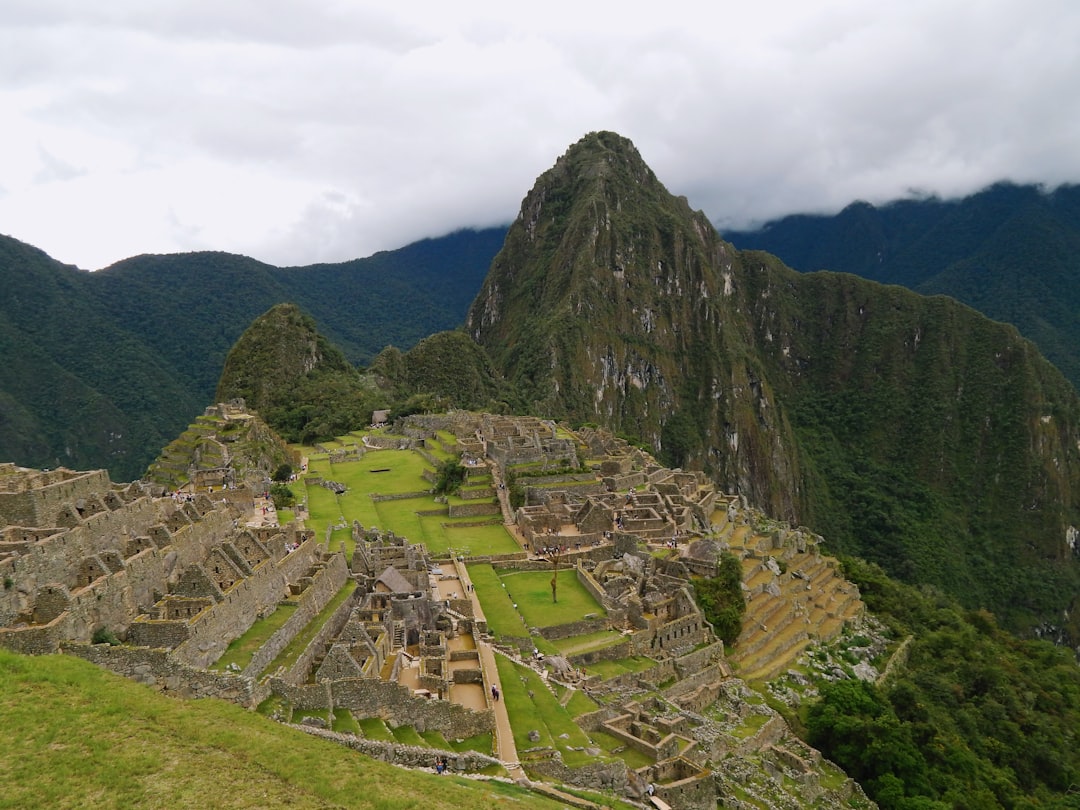
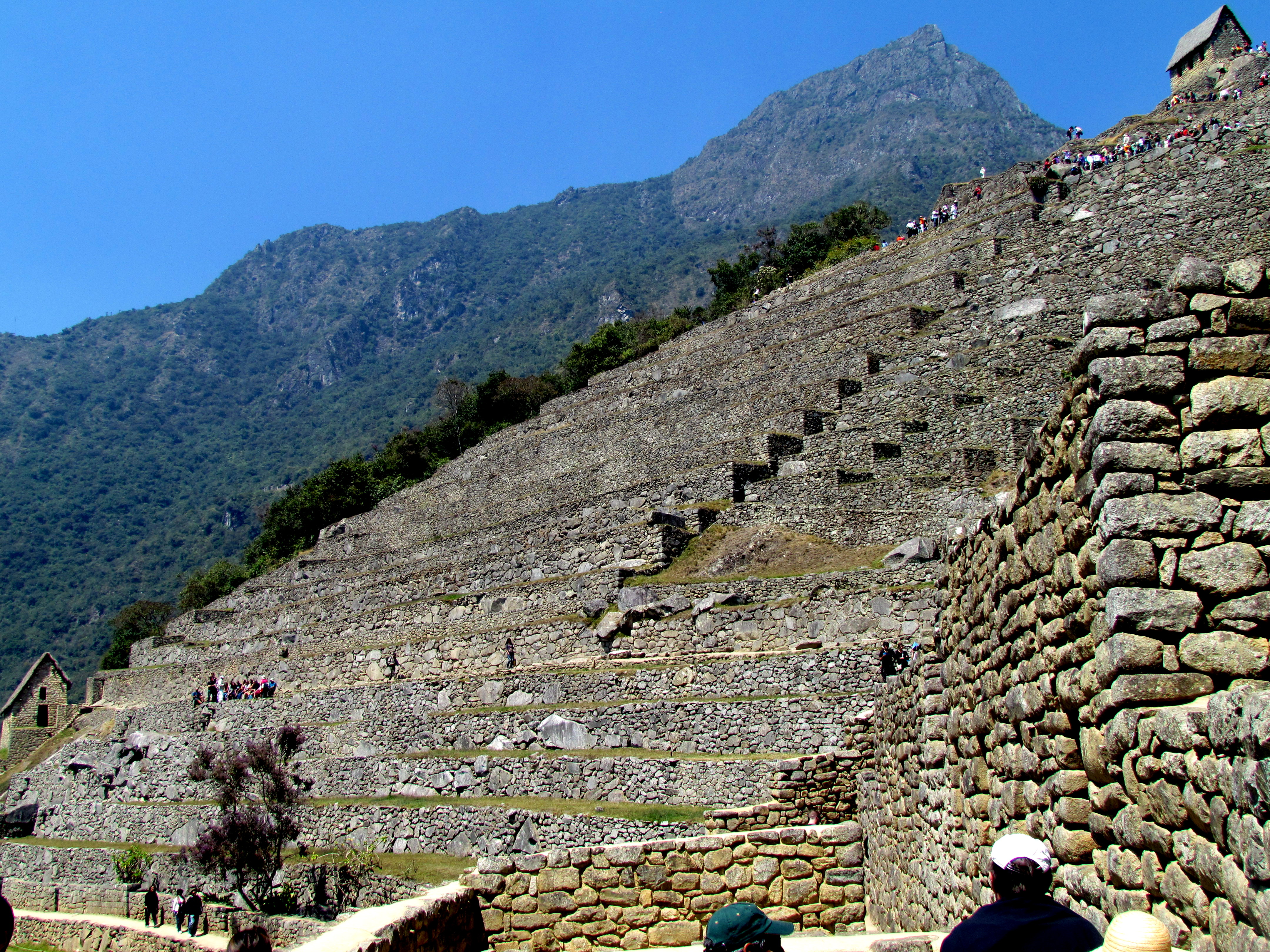
To time-travel here, researchers start small: grains of pollen trapped in terrace soils, charcoal flecks sealed beneath floor layers, and wear marks on stair treads. These fragments tell us that, in its earliest years, Machu Picchu was already a living place of footsteps, gardens, and fires rather than a silent monument. Soil stratigraphy shows engineered terrace profiles – a base of stone, a middle cushion of gravel, and a cap of fertile earth – designed from the start for stability and drainage.
Radiocarbon samples from human remains and building contexts suggest occupation began in the early 1400s, likely a few decades before many historical chronicles imply, aligning the city with the rise of an ambitious Inca ruler. Architectural clues – trapezoidal doorways, inward-leaning walls, and sash-weighted stones – point to a construction wave executed by expert guilds, not random labor. When you string these clues together, the site stops being a ruin and becomes a freshly built highland hub.
From Ancient Tools to Modern Science
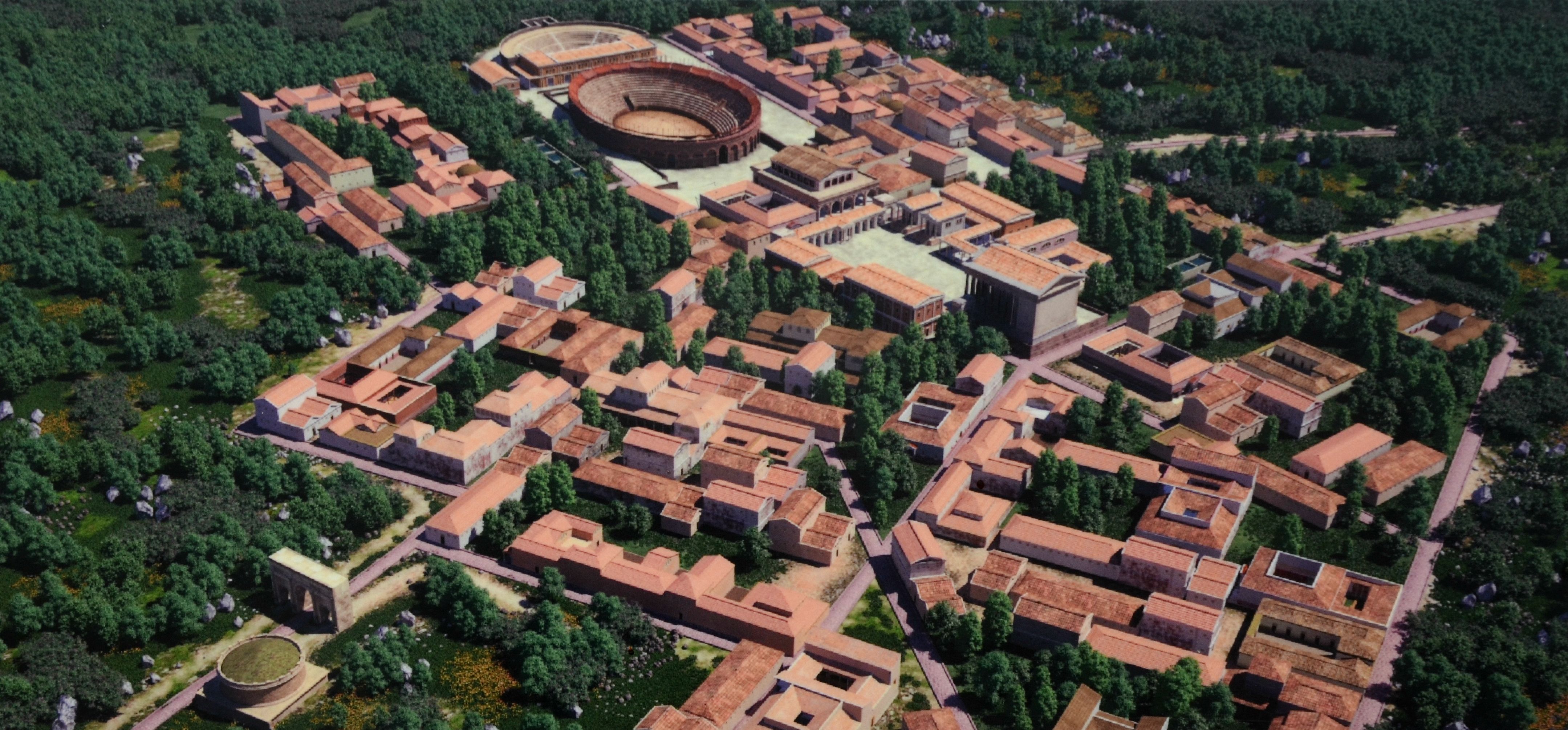
Rebuilding the original look relies on both chisel marks and algorithms. Drones and photogrammetry stitch rock faces into dense 3D models, while LiDAR mapping strips away vegetation to trace hidden terraces and channels. Researchers simulate rainfall moving over slopes to test how the first builders anticipated landslides and cloudburst runoff.
In the lab, thin-section microscopy of mortar remnants and plaster patches reveals mineral recipes and finishing techniques, adding texture and color to reconstructions. Combined with experimental archaeology – hauling local granite, setting thatch with ichu grass, tying roof beams to stone pegs – these methods anchor digital models in lived physics. The result is less fantasy and more science-based reassembly of a working mountain city.
Building a Royal Mountain City
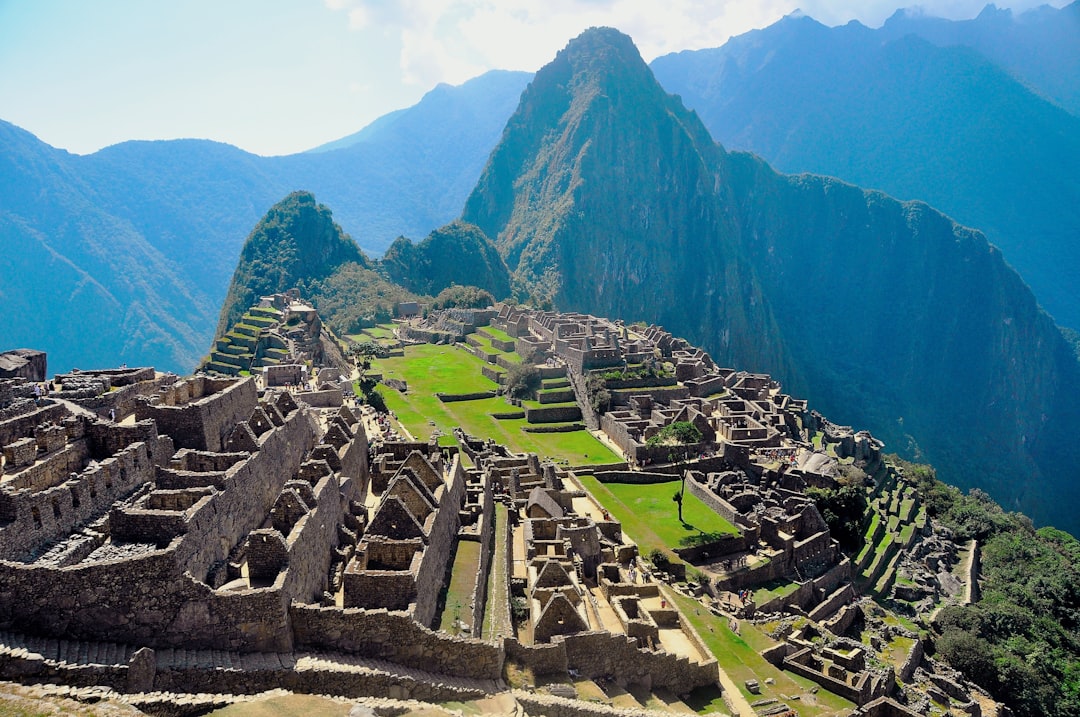
When construction began, builders quarried stone just uphill, reducing transport and exploiting bedrock already fractured by natural joints. Blocks were shaped with hammerstones and abrasion, then fitted in tight ashlar courses that shrugged off seismic shocks. Streets and stairs knit together clusters of rectangular compounds, each organized around a courtyard where cooking, crafting, and conversation unfolded.
The ceremonial sector on the ridge crest rose with special care, its blocks polished and aligned to the skyline. Storerooms and guard structures oversaw the approach along imperial roads, controlling who entered the heart of the estate. In those first years, the city would have felt new but not raw – its plan was deliberate, its hierarchy legible in stone.
Water, Terraces, and the Green Machine
Machu Picchu’s lifeblood was a mountainside spring captured by a long canal and stepped through a chain of more than a dozen fountains. Hydraulic drops, carved spouts, and carefully leveled basins created reliable pressure and minimized splash and erosion. The soundscape mattered, too: flowing water softened the hard edges of granite and turned the urban core into an acoustic garden.
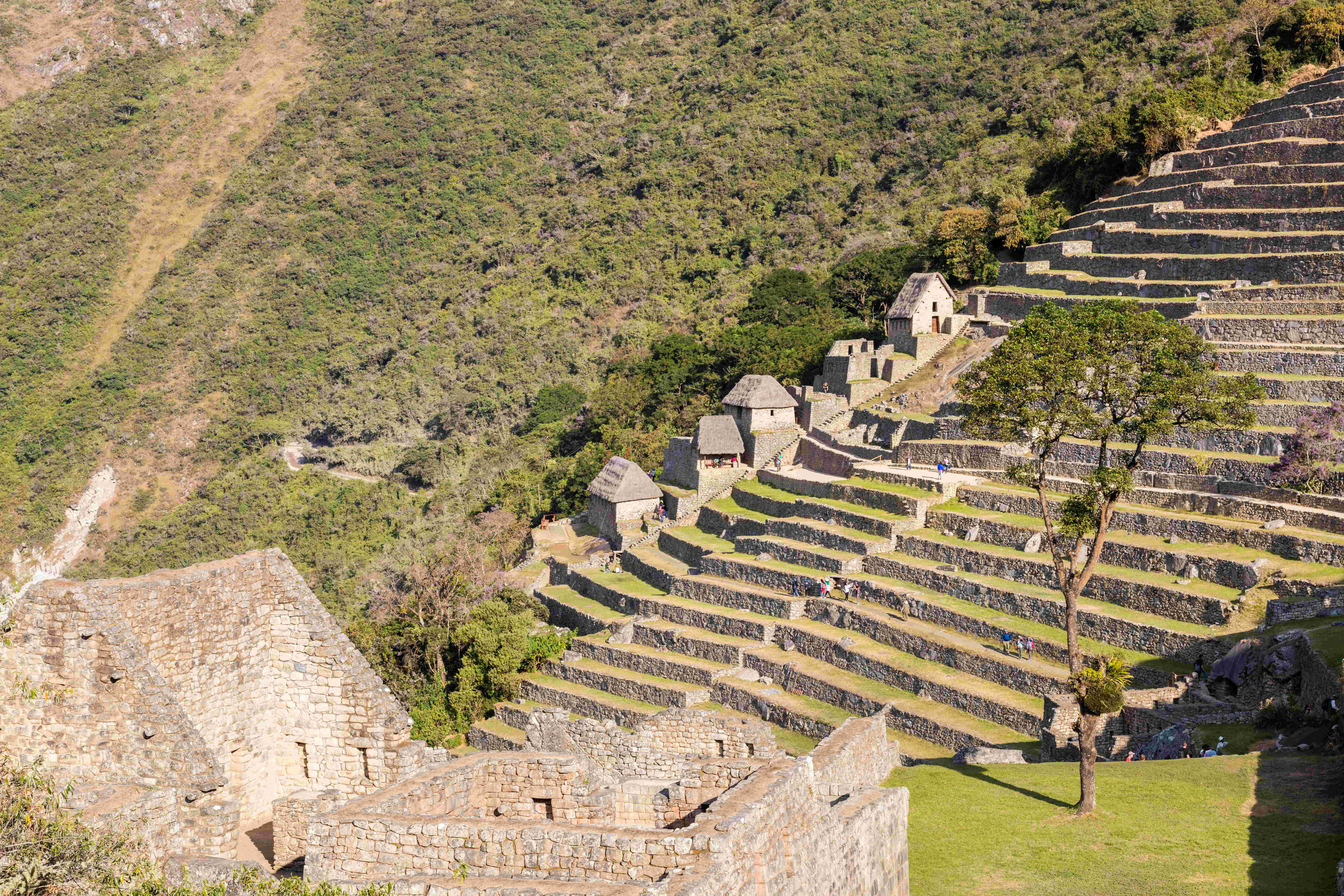
Below, agricultural terraces acted like giant breaths of the mountain, absorbing rain, draining quickly, and growing maize, beans, and Andean tubers for elite tables and ritual use. Their layered construction stabilized the slope while painting the city’s flanks in luminous green. In its first seasons, those terraces would have glowed with fresh earth and young crops, a living frame for the stone crown above.
Rooflines, Rooms, and Daily Life
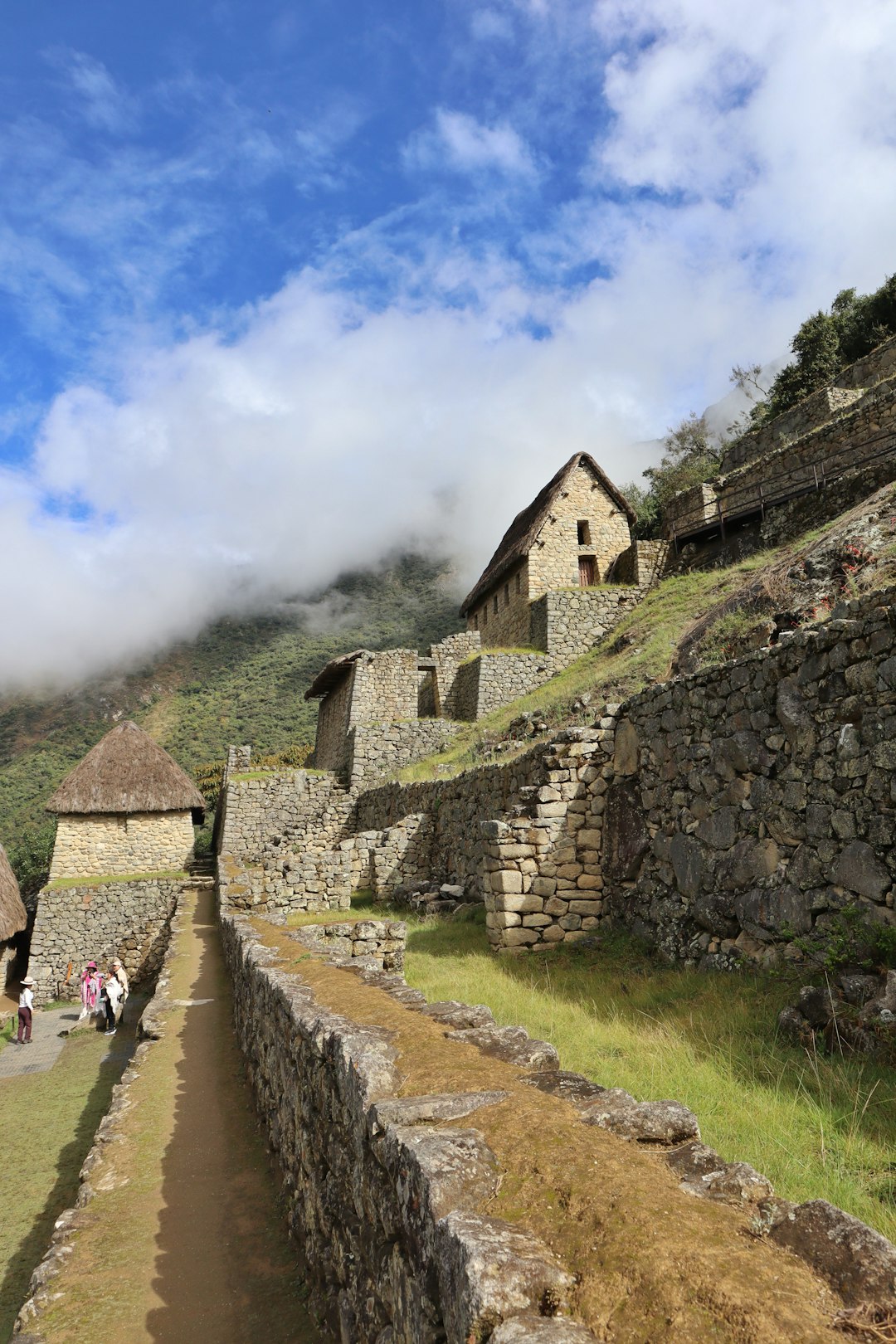
Forget skeletal walls under open sky – original Machu Picchu bristled with steep, amber-gold roofs that shed hard rains. Thatch bundles of ichu grass were cinched to ridge beams and anchored to stone pegs, creating warm, smoky interiors lit by small windows and doorways. Floors were compacted earth, sometimes finished with clay, and the best-cut masonry was reserved for sacred or high-status rooms.
Courtyards doubled as workshops and social stages, where textiles were readied, food was prepared, and llama caravans unloaded goods from far-flung corners of the empire. As for me, the first time I walked those terraces, a gust carried the sweet, dry scent of grass that made the whole place feel suddenly furnished again. If you imagine the bleat of animals, the crackle of hearths, and the rhythm of sandals on steps, the city springs back into its earliest pulse.
Global Perspectives
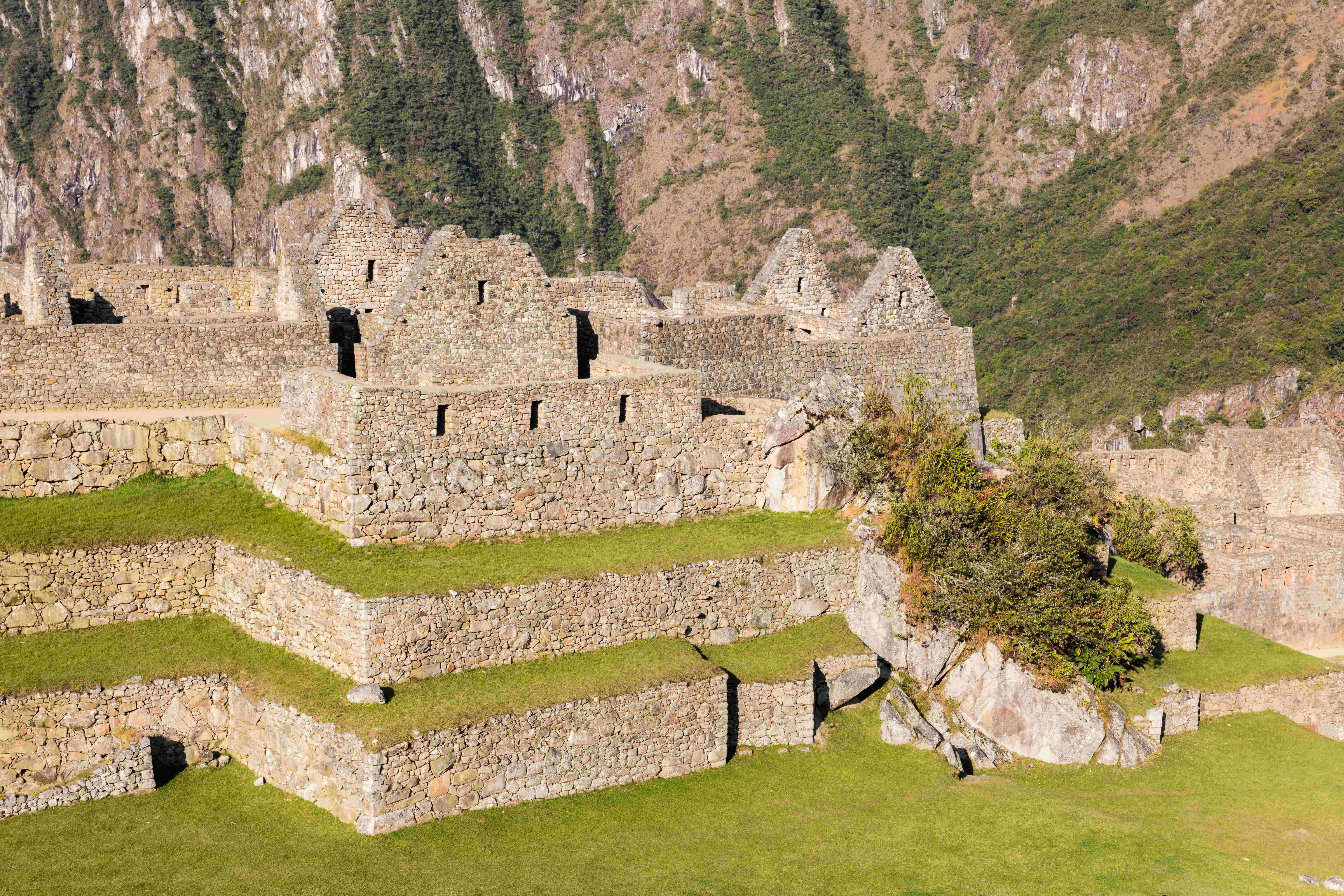
Seen alongside other highland cities, Machu Picchu’s debut look reads as uniquely Inca yet globally familiar in its engineering logic. Like Angkor’s barays or Petra’s channels, water control was both practical infrastructure and political theater. Steep thatch, seismic-smart walls, and resilient drainage show a system thinking approach centuries ahead of modern hillside design.
What sets it apart is the intimacy of scale – the site is compact, walkable, and nested within a dramatic ecological edge where cloud forest meets high puna. Early Machu Picchu wasn’t a sprawling capital; it was a finely tuned retreat that made the mountain itself an architectural partner. That partnership is a pattern echoed worldwide wherever builders turned terrain into technology.
Why It Matters
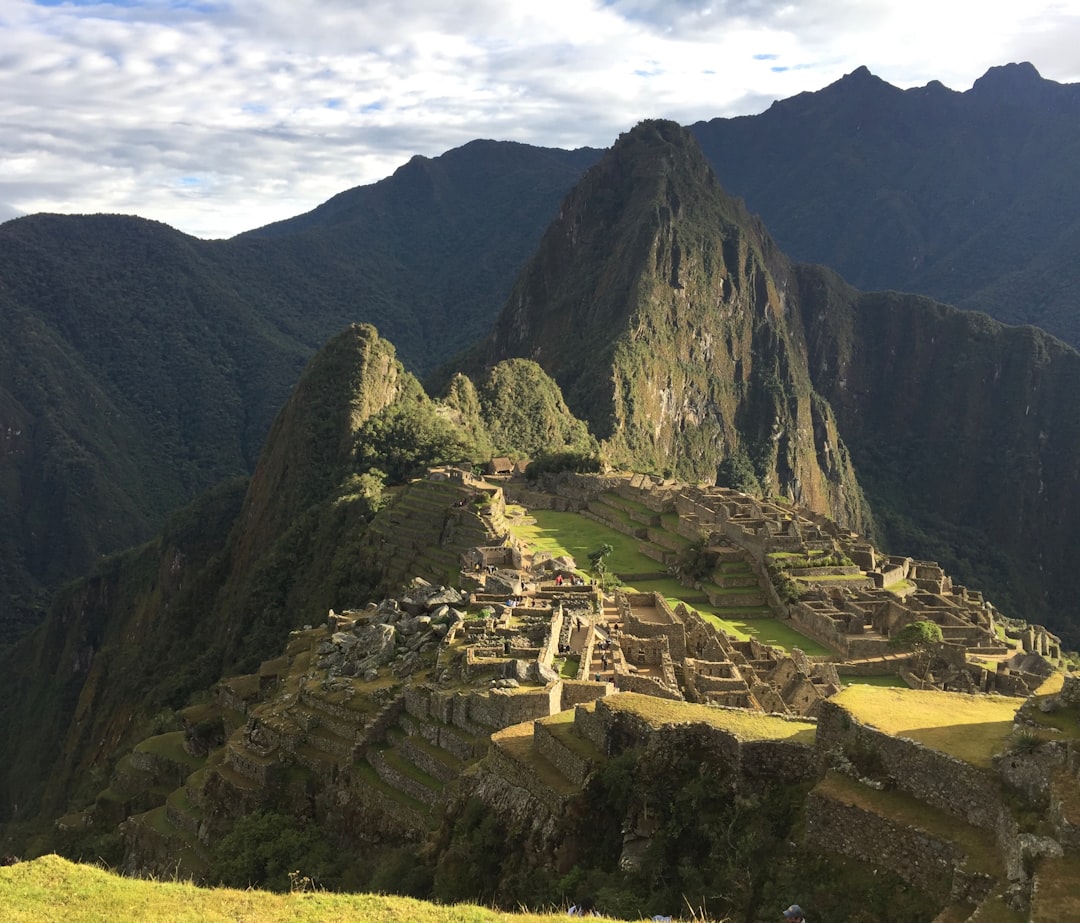
Understanding the original city isn’t antiquarian trivia; it’s a blueprint for resilient building under extreme conditions. Traditional reconstructions once leaned heavily on chronicles and romantic sketches, but the newer picture – driven by soil science, structural analysis, and refined dating – recalibrates timelines and functions. This matters because policy and preservation hinge on what we think the place was and how it worked.
In practical terms, terrace engineering informs modern landslide mitigation, water harvesting, and climate adaptation in steep, wet landscapes. The social layout, with clustered compounds and shared courtyards, suggests ways cities can build community while managing scarce space. In short, the past here is a laboratory, not a backdrop.
The Future Landscape
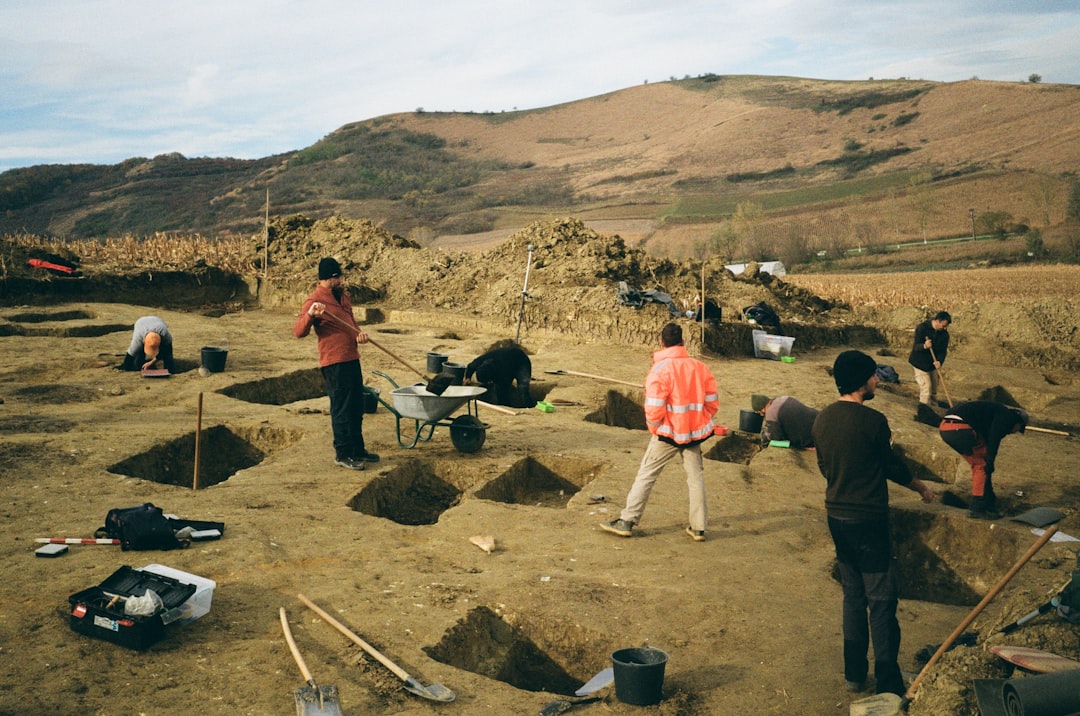
Next-generation surveys will likely pair LiDAR with hyperspectral imaging to map plant residues and detect past garden plots invisible to the eye. High-resolution radiocarbon dating tied to Bayesian models could tighten construction phases to spans of just a few years, turning a broad chronology into a season-by-season narrative. Digital twins – physics-based models of the entire ridge – may simulate storms, earthquakes, and foot traffic to guide preservation.
Challenges loom: heavier rains linked to climate shifts, slope instabilities, and the constant pressure of tourism. Smart paths, controlled visitor flows, and real-time monitoring can protect stone and soil without freezing the site in amber. If we succeed, the Machu Picchu of tomorrow will teach more people how the first one actually looked and lived.
Conclusion
If you go, choose operators who follow strict capacity limits, stay on marked routes, and support local guides trained in conservation. Small choices help – soft-soled shoes, reusable bottles, and attention to signage reduce wear on steps and soils. If you stay home, you can still back the science by supporting organizations that fund Andean archaeology, remote-sensing surveys, and climate resilience projects.
Educators can use open 3D models to teach terrace engineering and sustainable water design, translating highland ingenuity into classroom projects. And if you work in planning or civil engineering, consider piloting Inca-inspired drainage and slope strategies in vulnerable districts. Preserving the past while learning from it is the surest way to keep this mountain city clear in our collective future.
Suhail Ahmed is a passionate digital professional and nature enthusiast with over 8 years of experience in content strategy, SEO, web development, and digital operations. Alongside his freelance journey, Suhail actively contributes to nature and wildlife platforms like Discover Wildlife, where he channels his curiosity for the planet into engaging, educational storytelling.
With a strong background in managing digital ecosystems — from ecommerce stores and WordPress websites to social media and automation — Suhail merges technical precision with creative insight. His content reflects a rare balance: SEO-friendly yet deeply human, data-informed yet emotionally resonant.
Driven by a love for discovery and storytelling, Suhail believes in using digital platforms to amplify causes that matter — especially those protecting Earth’s biodiversity and inspiring sustainable living. Whether he’s managing online projects or crafting wildlife content, his goal remains the same: to inform, inspire, and leave a positive digital footprint.