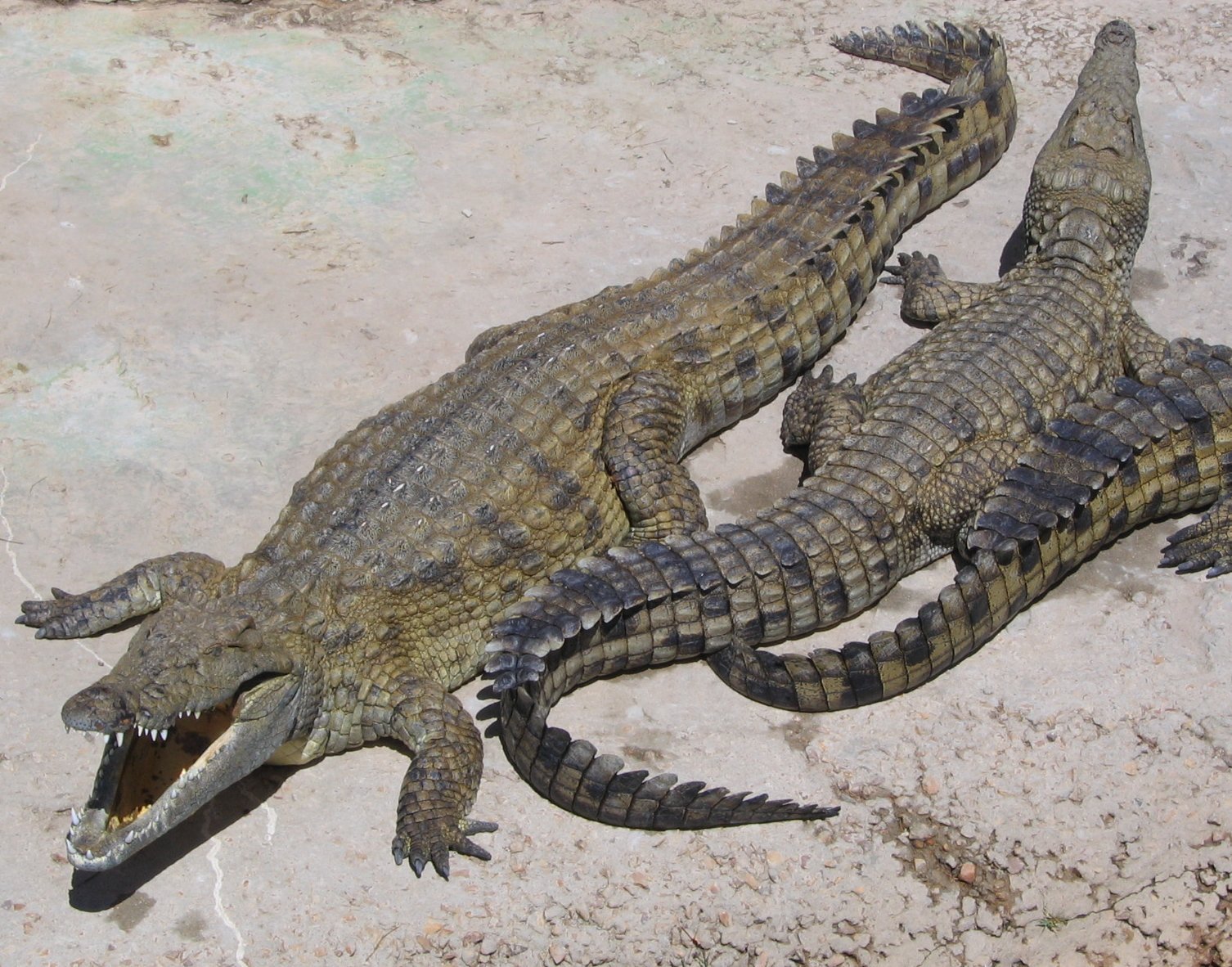
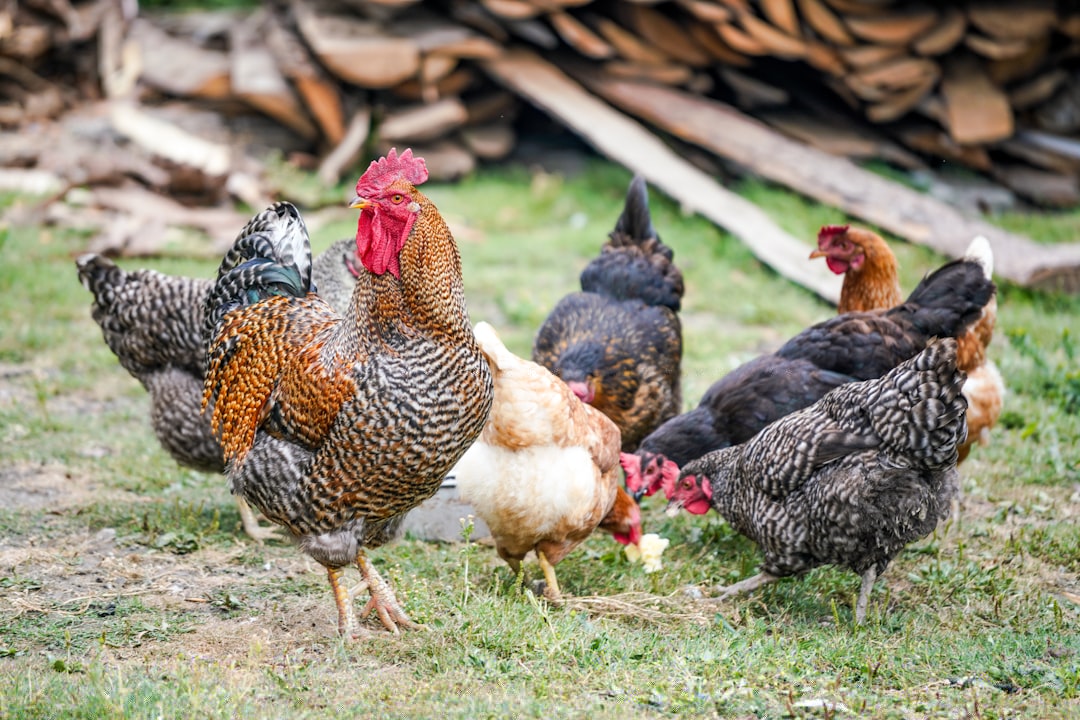
Imagine standing beside a prehistoric riverbank, watching a massive crocodile basking in the sun. Now, picture a chicken strutting through a farmyard, pecking at the ground. At first glance, these creatures couldn’t seem more different. One is a fearsome reptile, the other a familiar farm bird. But what if I told you that beneath their scales and feathers, crocodiles and chickens are surprising relatives, linked by millions of years of evolutionary history? The truth is, the line between these animals blurs in astonishing ways—ways that will challenge everything you thought you knew about the animal kingdom.
Shared Ancient Ancestors
It might sound shocking, but crocodiles and chickens are distant cousins on the tree of life. Both belong to a group called archosaurs, which means “ruling reptiles.” This group ruled the Earth during the time of the dinosaurs, and its branches eventually split into two main lines: one leading to modern birds (including chickens), and the other to crocodilians. The fact that these two animals shared a common ancestor around 240 million years ago might seem unimaginable, yet it’s written deep within their DNA. This ancient link is why, despite their differences, crocodiles and chickens share some core biological features.
Similarities in Skeletal Structure
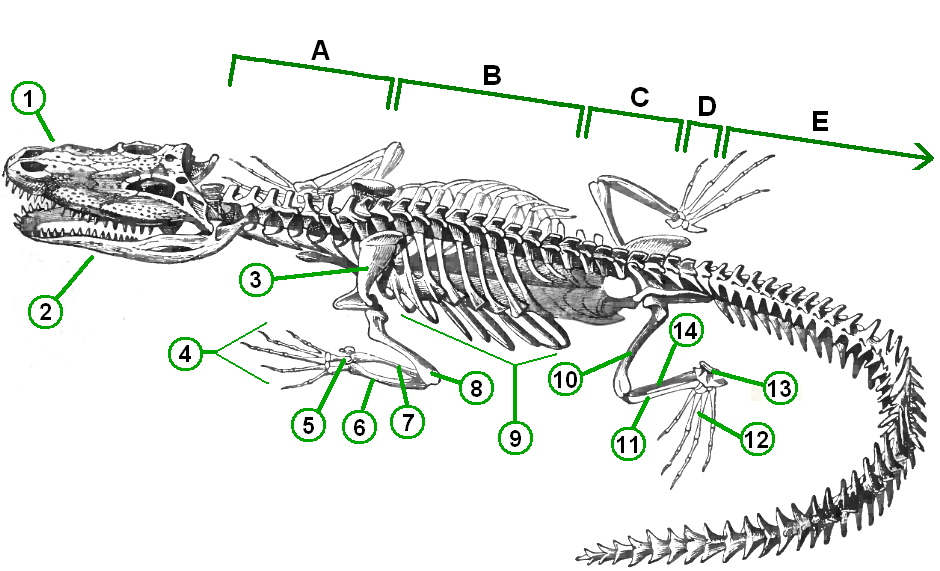
If you were to look beneath the skin, you might be surprised to find that chickens and crocodiles have comparable bone structures in certain parts of their bodies. For example, both have a similar arrangement of ankle bones, a trait passed down from their archosaur ancestors. Their skulls also reveal familiar patterns, like large eye sockets and similar jaw mechanics. These skeletal echoes are like fossils hidden within living creatures, providing a glimpse into their shared evolutionary blueprint.
Egg-Laying Relatives
It’s easy to forget that both crocodiles and chickens are egg-layers—a trait that links not just them, but most reptiles and all birds. Crocodiles build nests and fiercely guard their eggs, showing a maternal instinct that surprises many people. Chickens, of course, are famous for their eggs, but few realize how similar their nesting behaviors are to their reptilian relatives. Both animals rely on temperature and careful placement to ensure their young survive, and both have evolved intricate strategies to protect their eggs from predators and environmental threats.
Four-Chambered Hearts
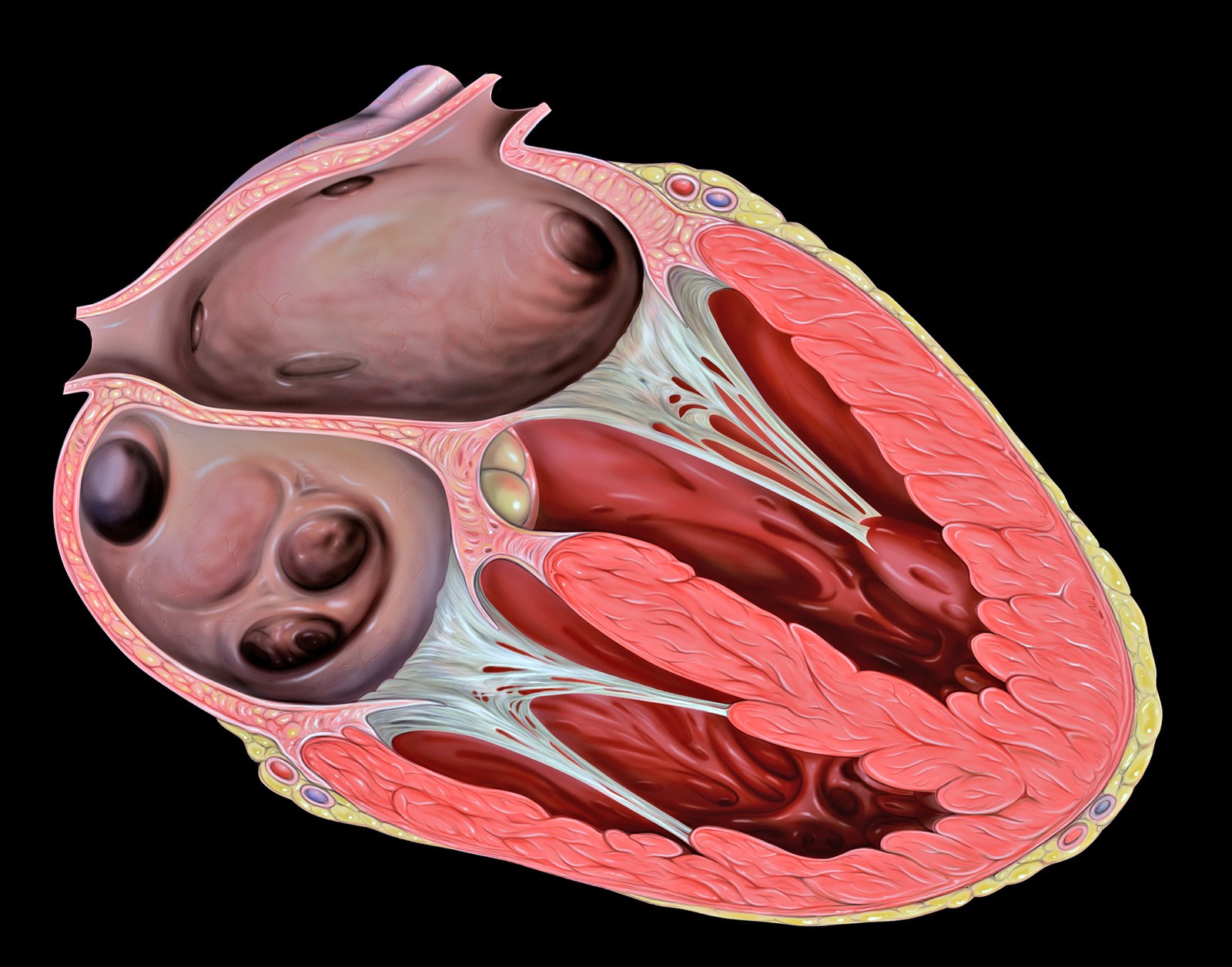
Most reptiles have three-chambered hearts, but crocodiles are different. Like chickens—and all birds—crocodiles have a four-chambered heart, which is more efficient at separating oxygenated and deoxygenated blood. This advanced heart design allows for better oxygen supply to their bodies, especially during intense activity or while underwater. This similarity in cardiovascular anatomy is a powerful reminder of their evolutionary connection, and it highlights how both animals have developed sophisticated systems to survive in their respective environments.
Vocalizations and Communication

Think chickens are the only chatterboxes in this pair? Think again. Crocodiles are surprisingly vocal, using a range of sounds to communicate—from low rumbles to high-pitched grunts. Scientists have discovered that both chickens and crocodiles use vocalizations to convey danger, attract mates, and even communicate with their young before hatching. Crocodile mothers will respond to the calls of their babies inside the eggs, just as a hen clucks to her chicks before they even see the light of day. It’s a heartwarming example of how deeply these behaviors are rooted in their biology.
Parental Care: More Alike Than You’d Expect
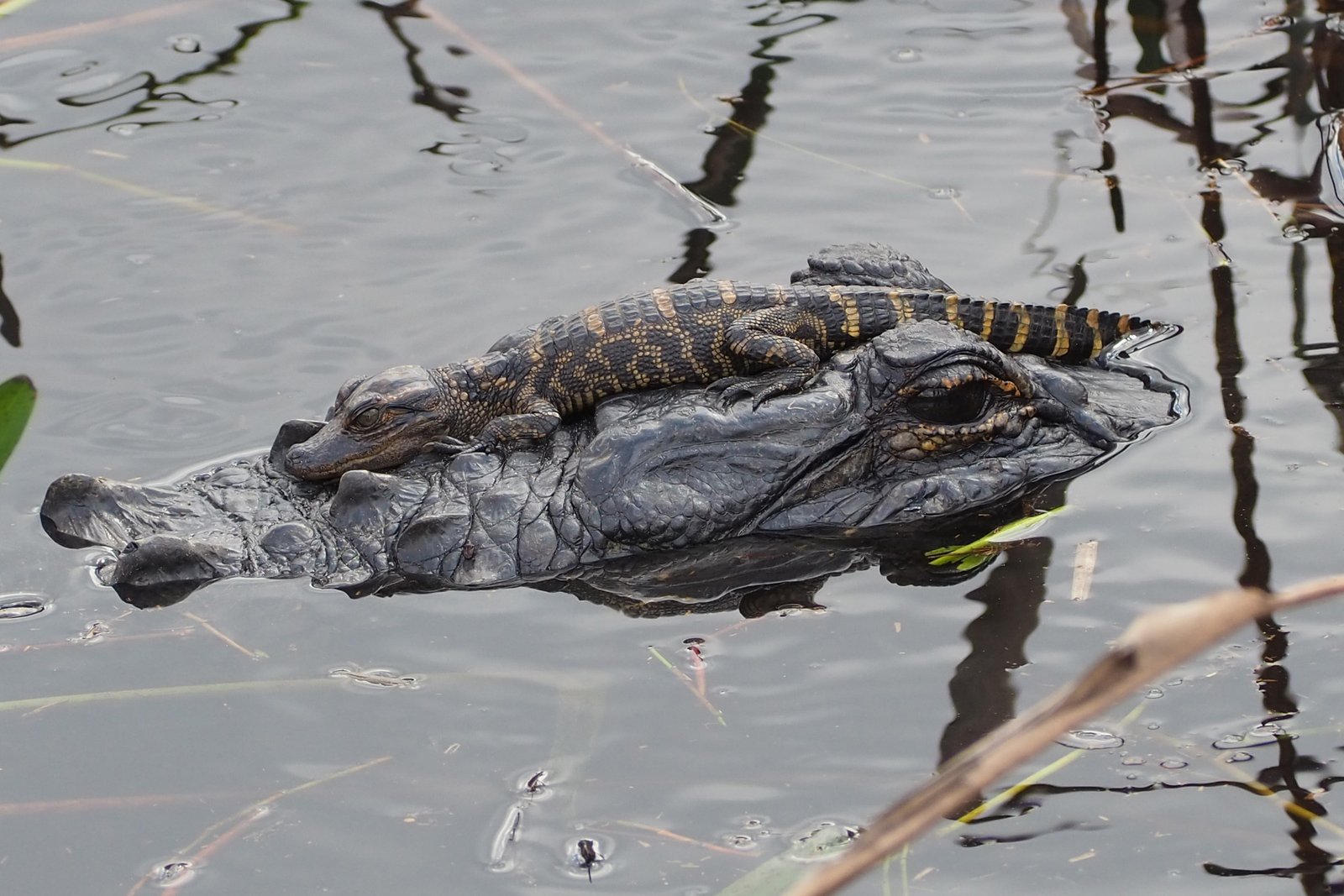
The idea of a crocodile as a caring parent might seem laughable, but it’s true. Crocodile mothers are fiercely protective, staying close to their nests and even carrying their hatchlings gently in their mouths to the water. Chickens, too, are known for their attentive brooding and protection of their chicks. This level of parental care is unusual in the animal kingdom, especially among reptiles, yet both crocodiles and chickens have evolved these nurturing instincts. It’s a testament to the powerful bond between parent and offspring, no matter the species.
Feathers and Scales: Clues from the Skin
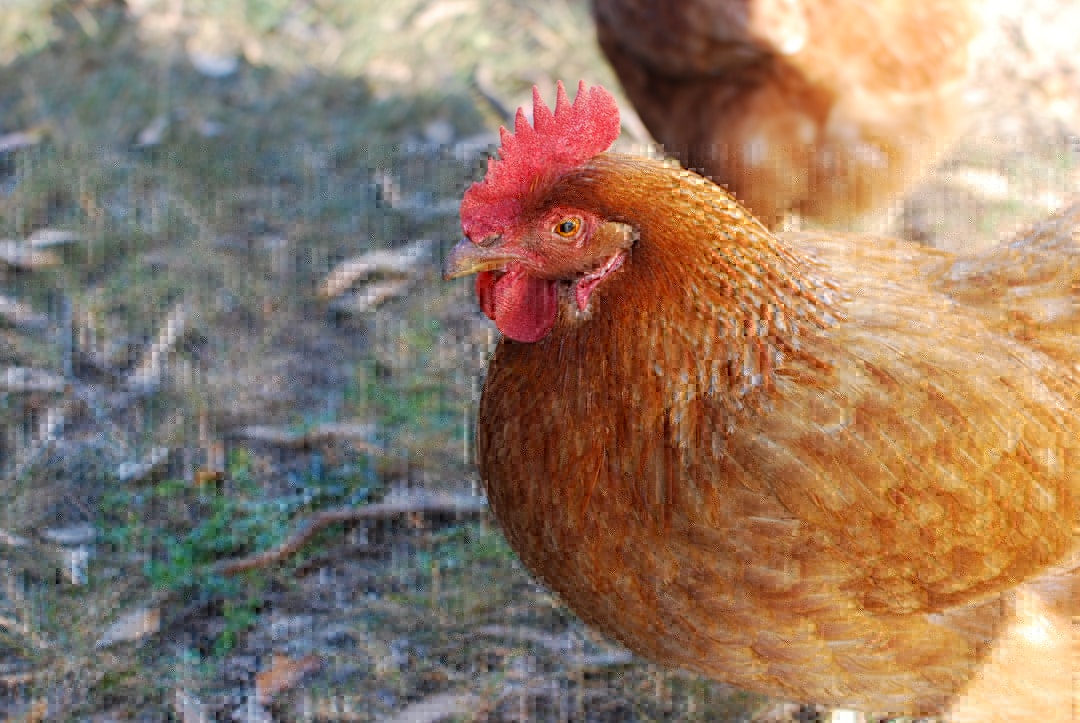
At first glance, feathers and scales couldn’t seem more different. However, both structures are made from keratin, a tough protein found in the animal kingdom. Recent discoveries have shown that the genes responsible for feather development in chickens are closely related to those that produce the tough, armored scales of crocodiles. In fact, some ancient crocodile relatives even had primitive feather-like structures, blurring the line between what we see as “bird” and “reptile.” These clues from the skin tell a remarkable story of shared heritage and adaptation.
Temperature-Dependent Sex Determination
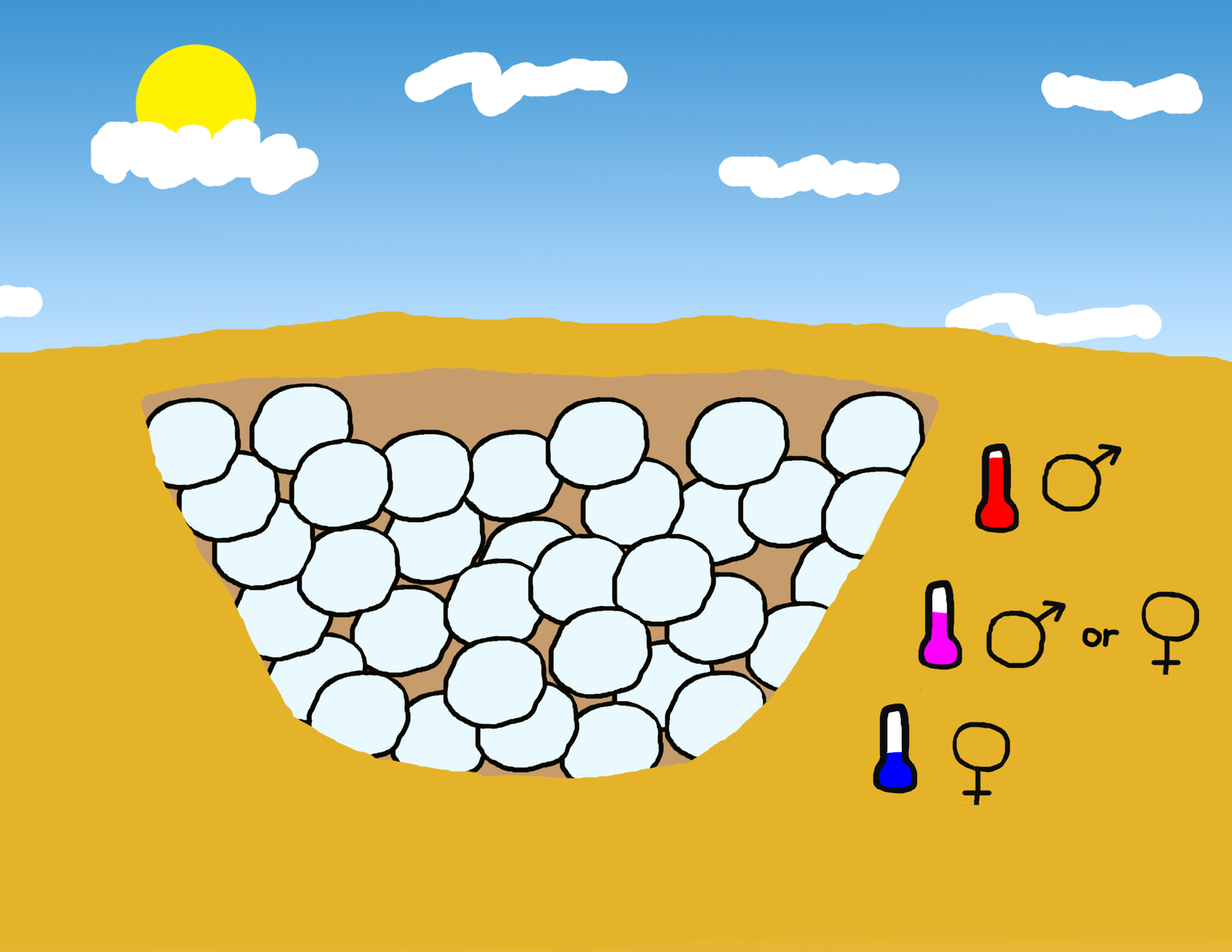
One of the most fascinating similarities is how both crocodiles and chickens determine the sex of their offspring. In crocodiles, the temperature at which eggs are incubated decides whether the hatchlings will be male or female. While chickens use genetic sex determination, the importance of nest temperature for the survival and development of chicks is still significant. Both animals have evolved complex ways to ensure the next generation thrives, adapting to their environments through temperature and timing.
Survival Strategies Through the Ages
Both crocodiles and chickens are survivors in their own right. Crocodiles have barely changed since the age of the dinosaurs, making them living fossils. Chickens, as modern birds, are the closest living relatives to the mighty T. rex. Their resilience is remarkable: crocodiles can go months without food, while chickens have adapted to thrive alongside humans in almost every climate. Their different strategies for survival point to a shared ingenuity inherited from ancient ancestors.
Genetic Surprises: DNA Doesn’t Lie

The most compelling evidence for their connection comes from genetics. When scientists sequenced the genomes of birds and crocodilians, they found striking similarities. Genes involved in metabolism, development, and immunity show that crocodiles and chickens share more in common with each other than with most other animals. These genetic clues confirm what paleontologists suspected: that the divide between bird and reptile is smaller than we ever imagined.
The Fascination of Evolutionary Links
The relationship between crocodiles and chickens is a living example of how evolution weaves together the fates of the most unlikely creatures. Their shared traits are not just curiosities but evidence of an ancient, ongoing story that connects the present to the past. The next time you see a chicken or catch a glimpse of a crocodile, you might just feel a spark of wonder at the invisible threads that tie them together. Isn’t it amazing what secrets nature hides right in front of our eyes?