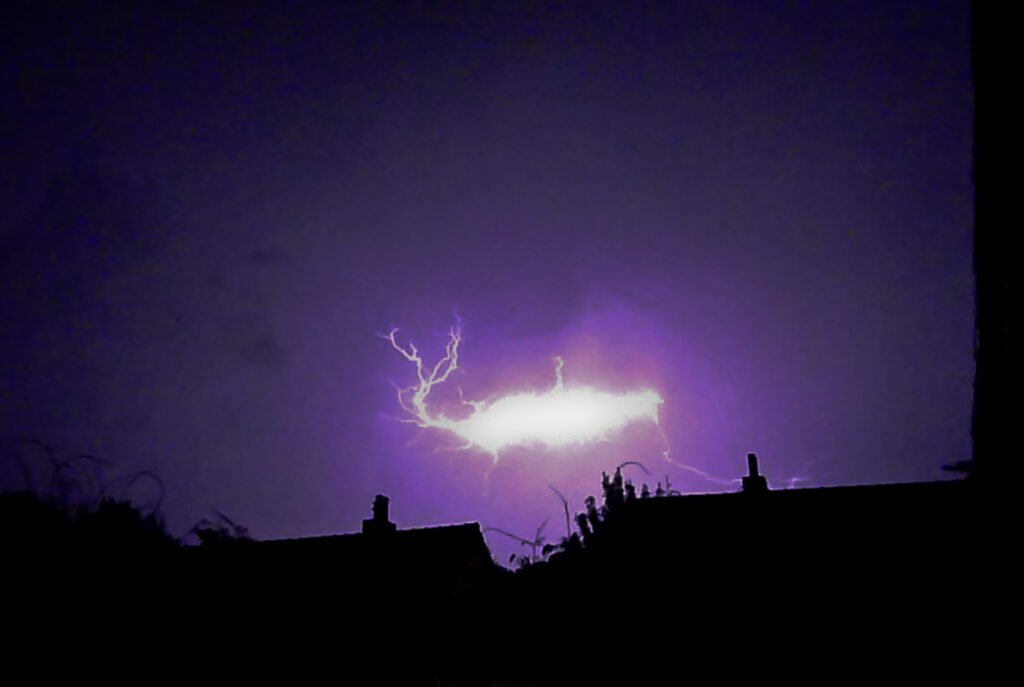

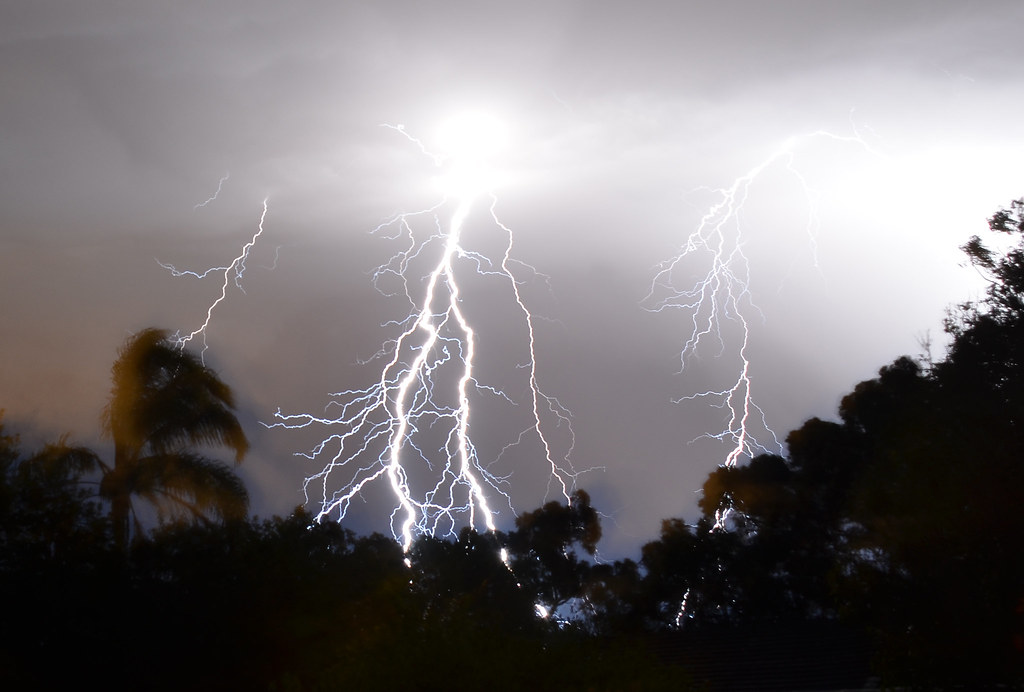
Picture yourself watching a thunderstorm from your window when suddenly, a glowing sphere the size of a basketball floats past your house. It moves slowly, defying gravity, and vanishes with a gentle pop. You’ve just witnessed one of nature’s most perplexing phenomena. Ball lightning has mystified scientists, terrified observers, and sparked countless theories for centuries, yet its true nature remains one of the greatest unsolved puzzles in atmospheric physics.
It’s estimated that between one in 30 and one in 150 people around the world believe they have seen balls of lightning hovering over the ground, floating through walls and even killing people. Despite thousands of documented cases, there is at present no widely accepted explanation for ball lightning. The phenomenon continues to challenge our understanding of physics while sparking heated debates in the scientific community about whether it even exists at all.
The Mysterious Nature of Ball Lightning
Eyewitness accounts describe hovering balls of light typically about 20 centimeters in diameter, slightly smaller than a bowling ball. The balls appear white, yellow, orange, blue, or (rarely) green and can last from mere seconds to up to a minute before fading, flashing, or exploding into nothing. Unlike regular lightning that follows predictable paths, ball lightning seems to have a mind of its own.
What makes this phenomenon truly bizarre is its unpredictable behavior. Ball lightning usually moves parallel to the earth, but it takes vertical jumps. Sometimes it descends from the clouds, other times it suddenly materializes either indoors or outdoors or enters a room through a closed or open window, through thin nonmetallic walls or through the chimney. Some witnesses report these glowing orbs bouncing like rubber balls, while others describe them floating serenely through solid objects as if they were ghosts.
The Silicon Vapor Hypothesis
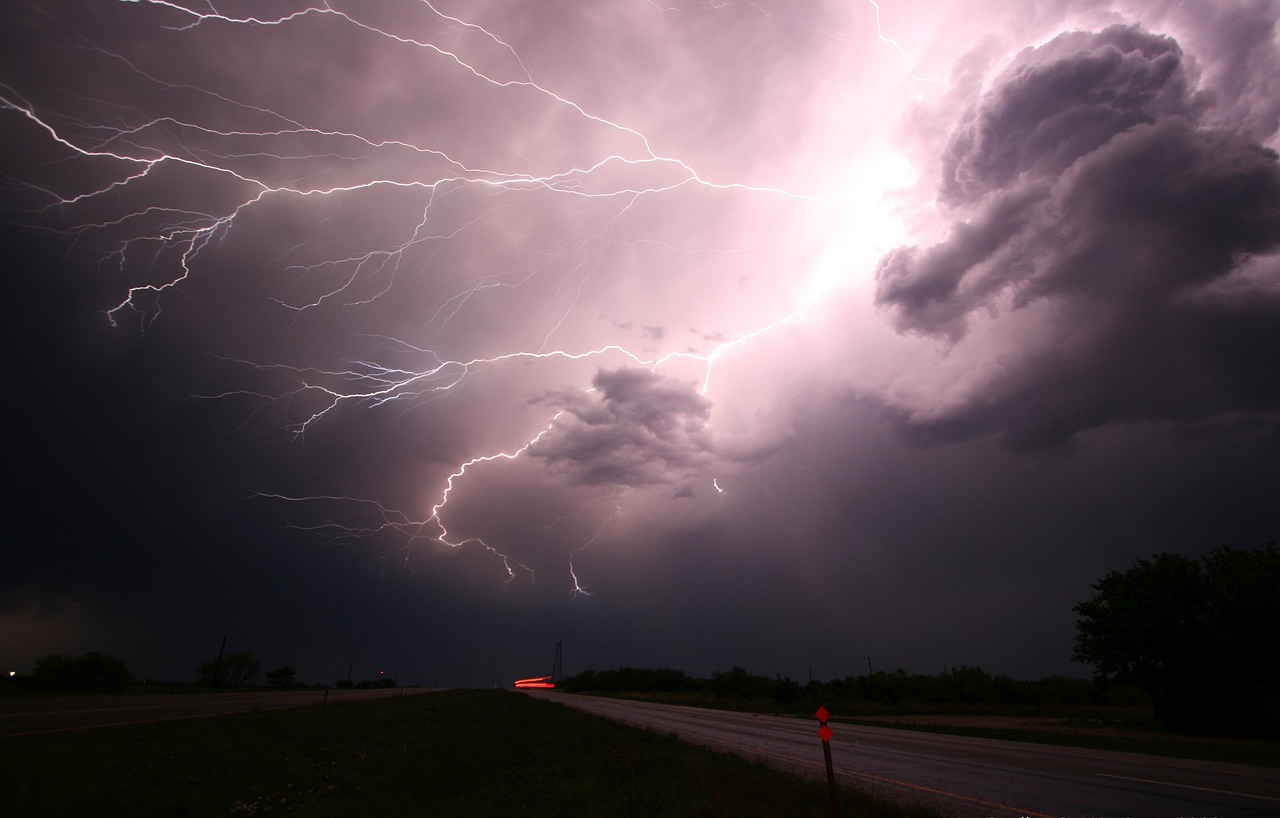
The most widely accepted theory among researchers suggests that ball lightning forms when regular lightning strikes soil containing silicon compounds. Lightning striking Earth’s soil could vaporize the silica contained within it, and somehow separate the oxygen from the silicon dioxide, turning it into pure silicon vapor. As it cools, the silicon could condense into a floating aerosol, bound by its charge, glowing due to the heat of silicon recombining with oxygen.
This theory gained substantial credibility when researchers discovered something remarkable. Yuan says that this is the first time ball lightning has been seen to be created by a cloud-to-ground lightning strike. The researchers found that the spectrum contained several emission lines from silicon, iron, and calcium – all elements expected to be abundant in soil. This 2012 observation in China provided the first spectroscopic evidence that ball lightning might indeed be related to vaporized earth materials.
The Microwave Plasma Theory
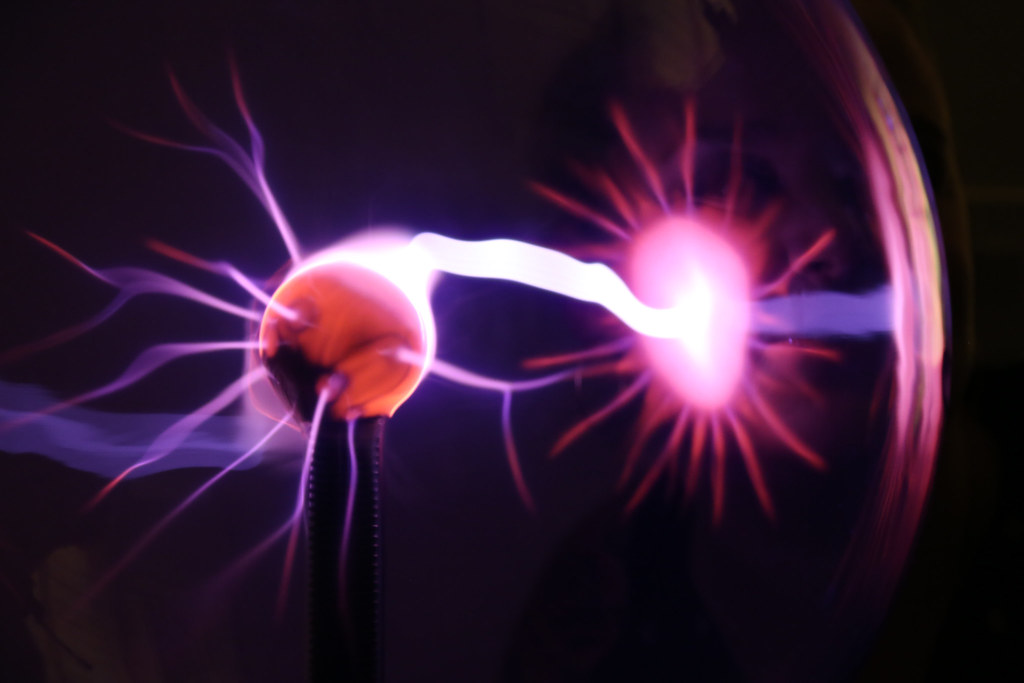
Pyotr Kapitsa proposed that ball lightning is a glow discharge driven by microwave radiation that is guided to the ball along lines of ionized air from lightning clouds where it is produced. The ball serves as a resonant microwave cavity, automatically adjusting its radius to the wavelength of the microwave radiation so that resonance is maintained. Think of it as nature’s version of a microwave oven, but one that creates glowing spheres instead of heating your dinner.
In 2017, Researchers from Zhejiang University in Hangzhou, China, proposed that the bright glow of lightning balls is created when microwaves become trapped inside a plasma bubble. Microwaves trapped inside the ball continue to generate plasma for a moment to maintain the bright flashes described in observer accounts. This theory elegantly explains why ball lightning can sometimes pass through windows, since microwaves can penetrate glass.
Laboratory Experiments and Artificial Ball Lightning
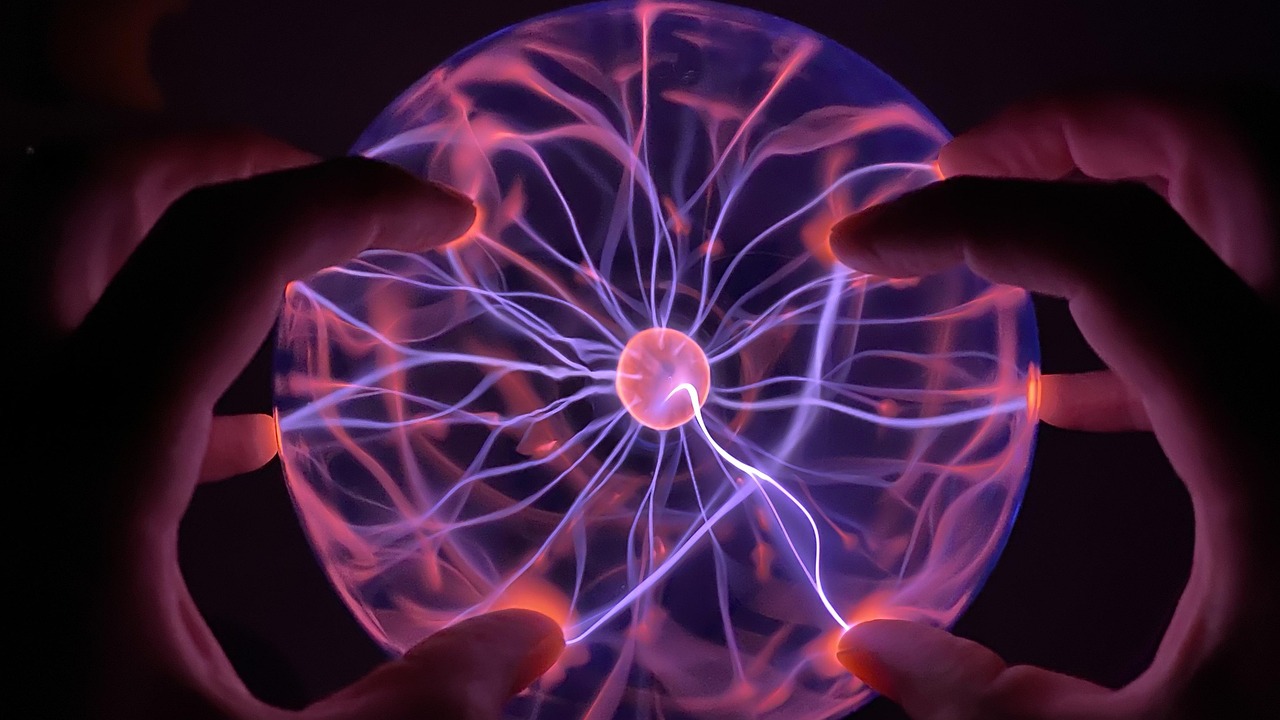
Scientists haven’t been content to wait for natural ball lightning to appear. Experiments in 2007 involved shocking silicon wafers with electricity, which vaporizes the silicon and induces oxidation in the vapors. The visual effect can be described as small glowing, sparkling orbs that roll around a surface. Two Brazilian scientists, Antonio Pavão and Gerson Paiva of the Federal University of Pernambuco have reportedly consistently made small long-lasting balls using this method.
More recent experiments have pushed the boundaries even further. Spherical luminous formations with dimensions up to 1.5 cm and a lifetime of up to 3–7 s were obtained. They have a shell and a cavity filled by a vapor. By a way of motion, they are similar to natural BL. These laboratory creations are helping researchers understand the physics behind the phenomenon, though they still fall short of fully replicating natural ball lightning.
The Great Scientific Controversy
Not everyone in the scientific community accepts ball lightning as genuine. Cooray and Cooray (2008) stated that the features of hallucinations experienced by patients having epileptic seizures in the occipital lobe are similar to the observed features of ball lightning. The study also showed that the rapidly changing magnetic field of a close lightning flash is strong enough to excite the neurons in the brain. This strengthens the possibility of lightning-induced seizure in the occipital lobe of a person close to a lightning strike.
However, this skeptical view faces significant challenges. This hypothesis fails to explain observed physical damage caused by ball lightning or simultaneous observation by multiple witnesses. When multiple people witness the same phenomenon and physical evidence remains behind, the hallucination theory becomes much harder to defend.
Recent Breakthrough Research
Recent research has provided support for the vaporized silicon theory, demonstrating how silicon nanoparticles could form a glowing ball in laboratory conditions. The study represents a significant step forward in our understanding of this elusive phenomenon. Scientists are now using advanced computer models to simulate the exact conditions needed for ball lightning formation.
Advanced computer models are being used to simulate the conditions under which ball lightning might form and persist. These simulations help researchers test different theories and predict the behavior of ball lightning under various conditions. This computational approach is revolutionizing how scientists study rare atmospheric phenomena.
The Search for Evidence
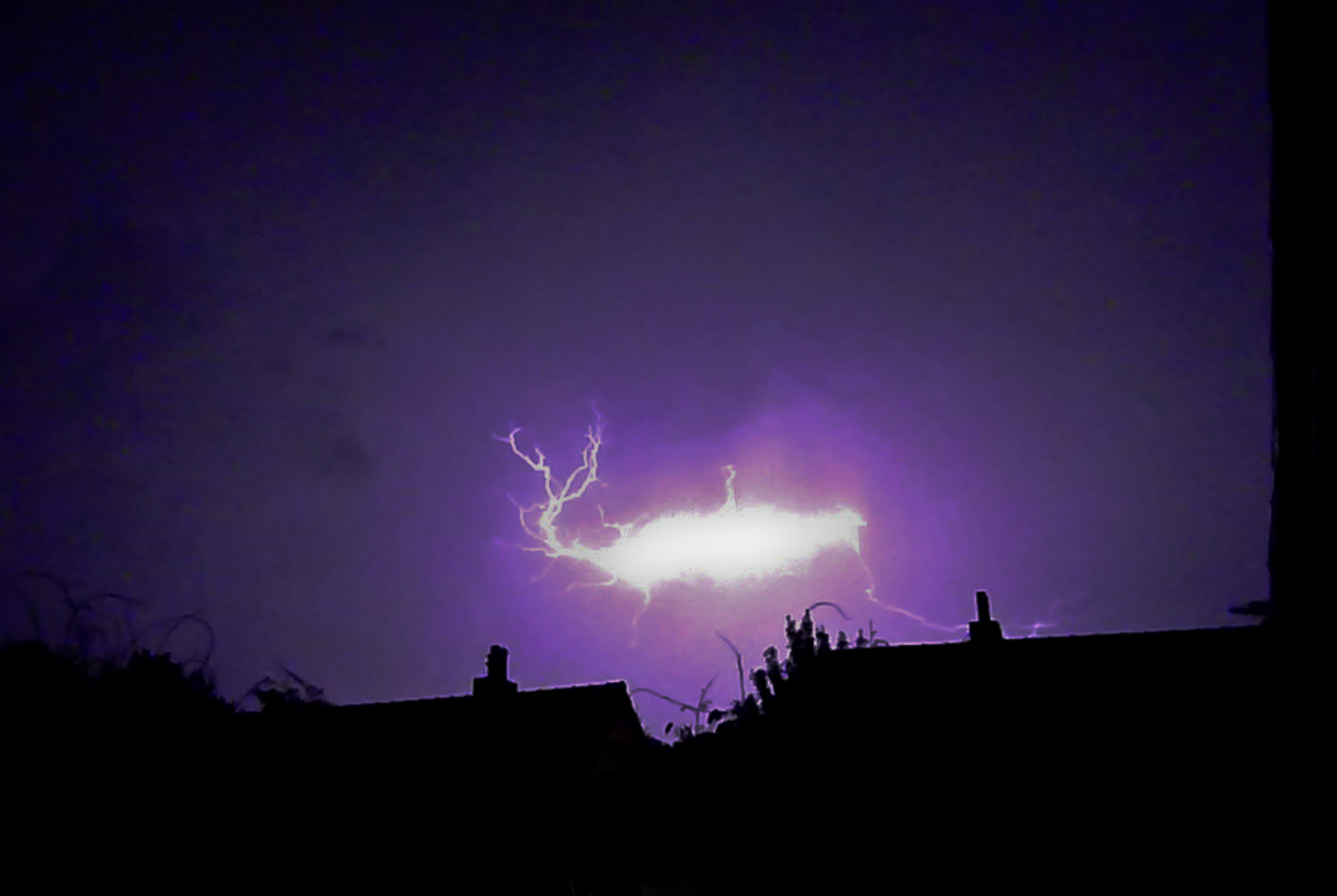
A new website hosted by New Mexico Tech physicist Richard Sonnenfeld and Texas State University engineer Karl Stephan is collecting eyewitness accounts to improve the basic understanding of the phenomenon. They’ll compare the accounts with weather radar systems to characterize the factors that could lead to ball lightning. This systematic approach to data collection represents a new era in ball lightning research.
The challenge lies in the rarity of the phenomenon. There are literally dozens of ball lightning theories because it’s an unconstrained situation. Since there [are] virtually no data, anybody can come with a theory, and you can’t prove them wrong. This lack of reliable data has allowed speculation to flourish while concrete understanding remains elusive.
The Future of Ball Lightning Research
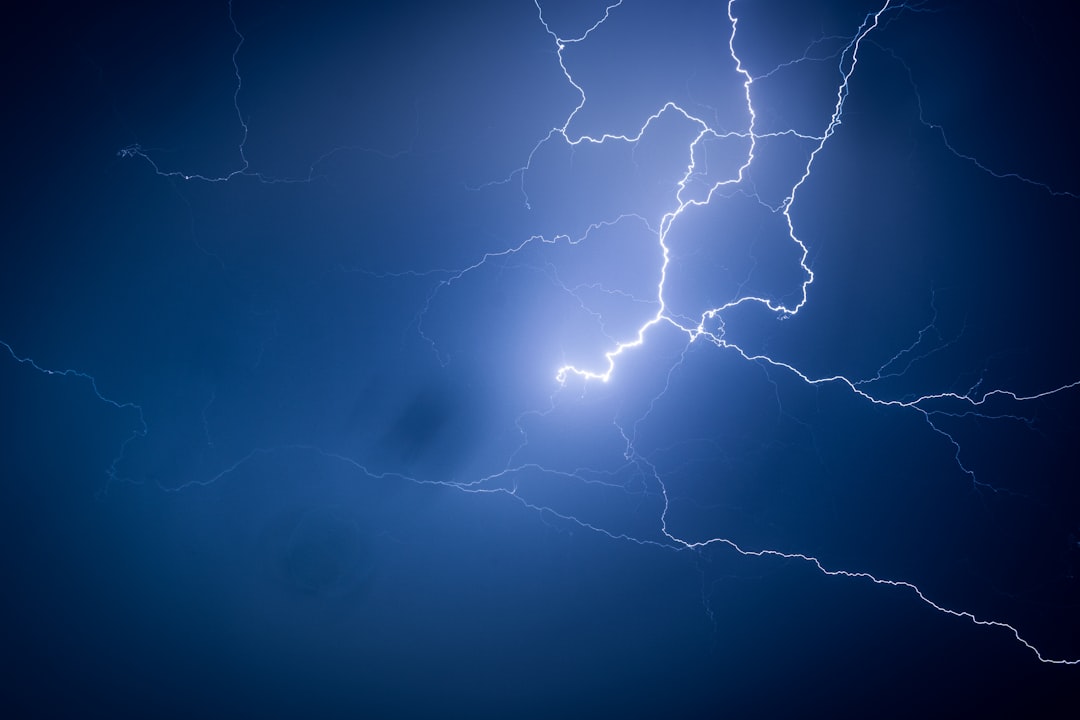
Modern technology is finally giving researchers the tools they need to study ball lightning properly. Research on ball lightning has languished up to now due to, in particular, the extreme difficulty of obtaining instrumented data on the phenomenon. But the popularity of fixed and mobile video recording devices and systematic observations with the use of scientific instruments may lead to a renaissance of sorts in the study of this heretofore nearly intractable scientific problem.
The implications of solving the ball lightning mystery extend far beyond satisfying scientific curiosity. If ball lightning turns out to be explainable by science, the findings could revolutionize our understanding of physics. The phenomenon might hold keys to understanding plasma physics, electromagnetic fields, and energy storage in ways we’ve never imagined before.
Conclusion
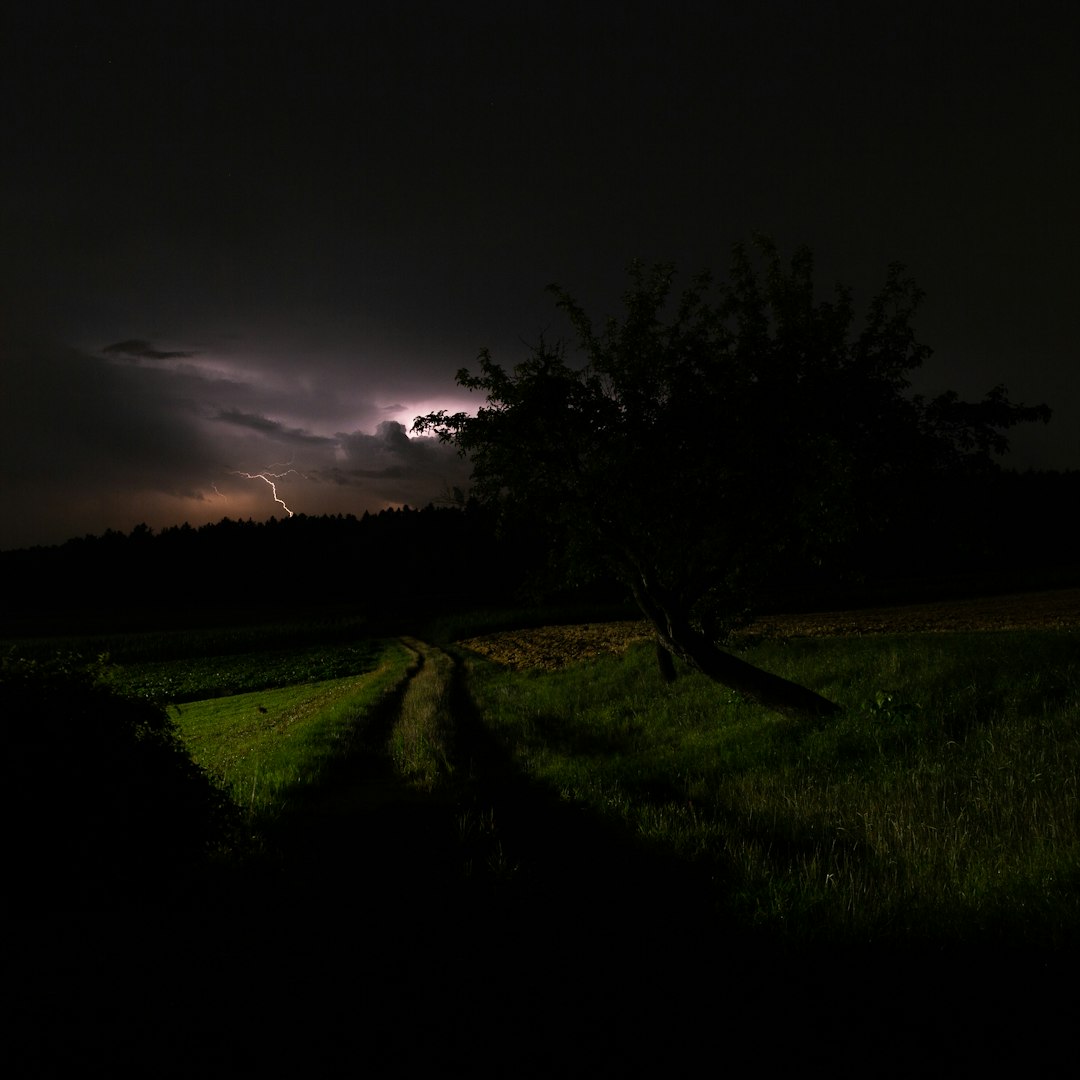
Ball lightning remains nature’s most tantalizing mystery, a phenomenon that bridges the gap between the supernatural and the scientific. While we’ve made significant strides in understanding potential mechanisms, from silicon vaporization to microwave plasma bubbles, the complete picture remains frustratingly out of reach. The convergence of modern detection technology, systematic data collection, and sophisticated laboratory experiments suggests we may finally be approaching a breakthrough. Yet ball lightning continues to humble even our most advanced scientific methods, reminding us that nature still holds secrets we’re only beginning to understand.
What fascinates you more about this mystery – the possibility that it’s all in our heads, or that nature has been creating floating plasma balls right under our noses all along?
Jan loves Wildlife and Animals and is one of the founders of Animals Around The Globe. He holds an MSc in Finance & Economics and is a passionate PADI Open Water Diver. His favorite animals are Mountain Gorillas, Tigers, and Great White Sharks. He lived in South Africa, Germany, the USA, Ireland, Italy, China, and Australia. Before AATG, Jan worked for Google, Axel Springer, BMW and others.