If you’ve spent any time on the internet, you’ve probably seen wild claims that the Anunnaki were ancient space gods who engineered humanity as a slave race. It sounds thrilling, like a mash-up of mythology and sci‑fi, and it spreads fast because it taps straight into our love of secrets and forbidden knowledge. But when you go back to the actual Sumerian texts, the story looks very different – less Hollywood, more sober and strangely human.
Once you strip away the modern conspiracy theories, the Anunnaki turn out to be something far more grounded: a group of gods tied to justice, kingship, the underworld, and the natural order of the cosmos. The real picture is still fascinating, but for very different reasons than YouTube thumbnails promise. I remember the first time I read a translation of a Sumerian hymn and realized how ordinary the concerns were: grain, floods, law, family, legacy. The Anunnaki weren’t aliens in spaceships; they were divine characters used to make sense of a harsh, unpredictable world.
Who the Anunnaki Actually Were in Sumerian Religion
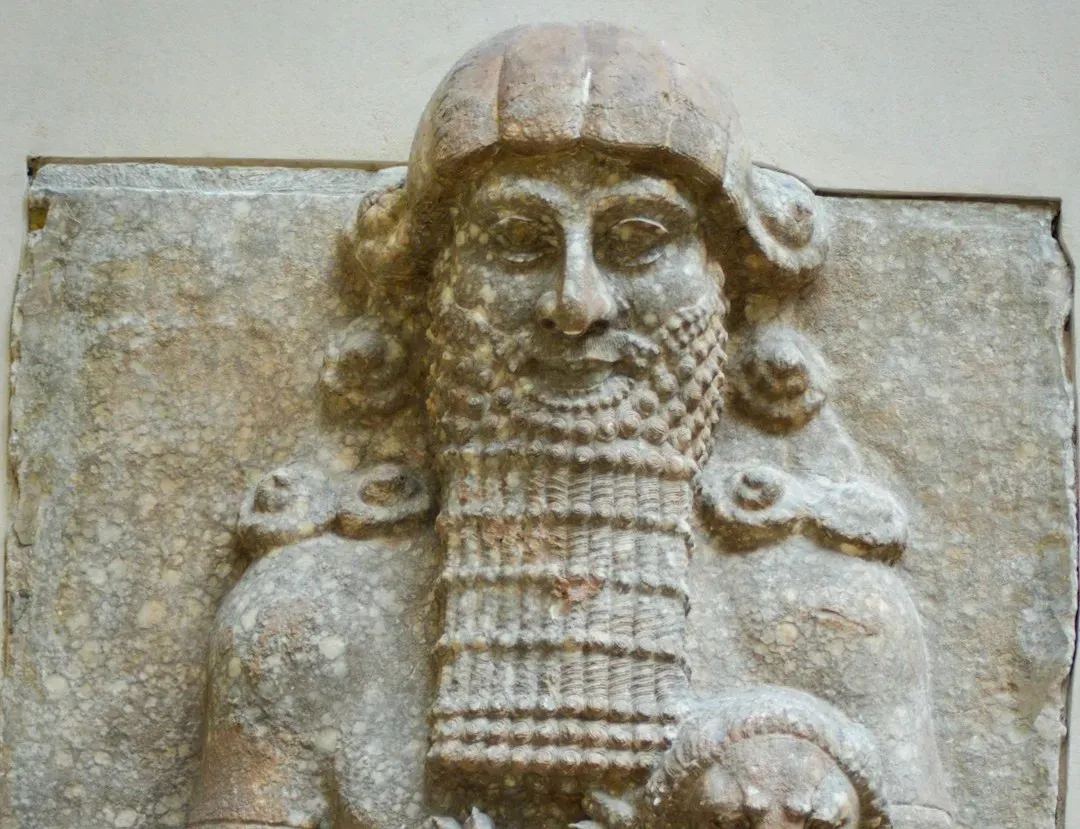
One of the most surprising things in the original texts is how un-mysterious the word “Anunnaki” is to the people who wrote it. In Sumerian, it basically means “the princely seed” or “the offspring of An,” with An (or Anu in Akkadian) being the high god of the heavens. The Anunnaki are essentially a group of important gods – like a divine council – rather than one specific alien-like race with a single agenda. They show up again and again as major deities who preside over key functions of cosmic and social order.
Scholars working with cuneiform tablets usually describe the Anunnaki as a collective term for high-ranking gods associated with heaven and the underworld, not interstellar visitors. They appear as judges of the dead, witnesses to oaths, and guarantors of royal authority. When kings boasted in inscriptions, they often claimed legitimacy not from technology‑wielding visitors from the stars, but from the Anunnaki backing their rule. In other words, in their own time, the Anunnaki were a divine elite embedded in a religious system, not outsiders from another planet.]
What the Texts Actually Say: Myth, Not Space Travel
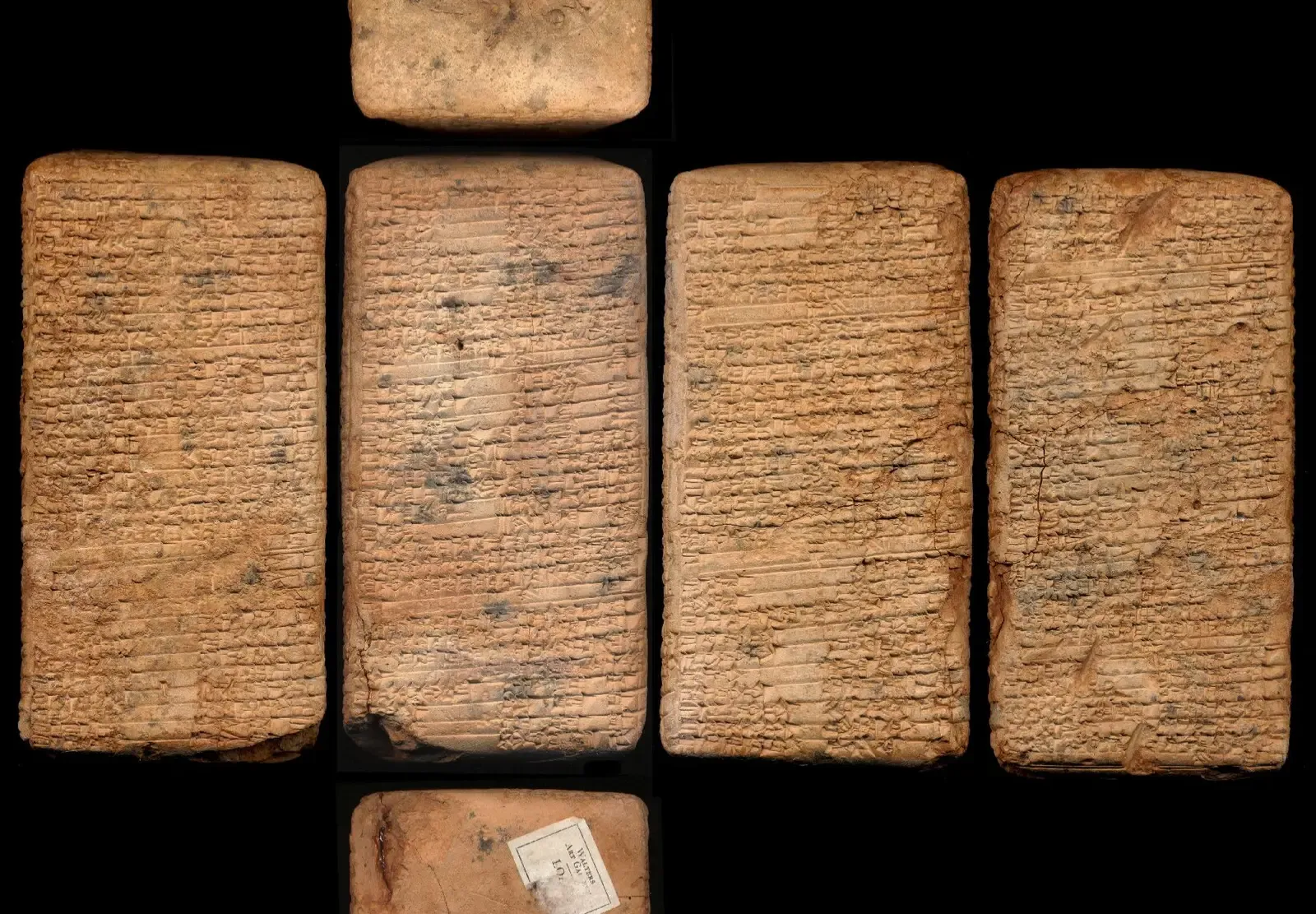
If the Anunnaki really were described as spacefaring beings, we’d expect to see clear descriptions of flying machines, metal craft, or journeys between stars in the original texts. Those details just aren’t there. Instead, we get familiar mythic themes: assemblies of gods, divine decrees, battles with chaos, the ordering of the world, and the rise and fall of cities. The language is poetic, metaphorical, and very much in line with other ancient mythologies from around the world.
Take the Sumerian myths where the Anunnaki gather in council: they sit, deliberate, give verdicts, assign fates. When they “descend,” it’s in ritual or mythic terms – coming to a city, to a temple, or to the underworld. These are religious images, not technical ones. When modern writers see “descending gods” or “from heaven to earth,” they often read rockets and spaceports where the original texts talk about divine presence and authority. It’s like insisting that every reference to “the heavens” in a poem today must be about actual astronomy instead of spirituality or metaphor.
Why Gold, Slave Races, and Genetic Engineering Aren’t in the Tablets
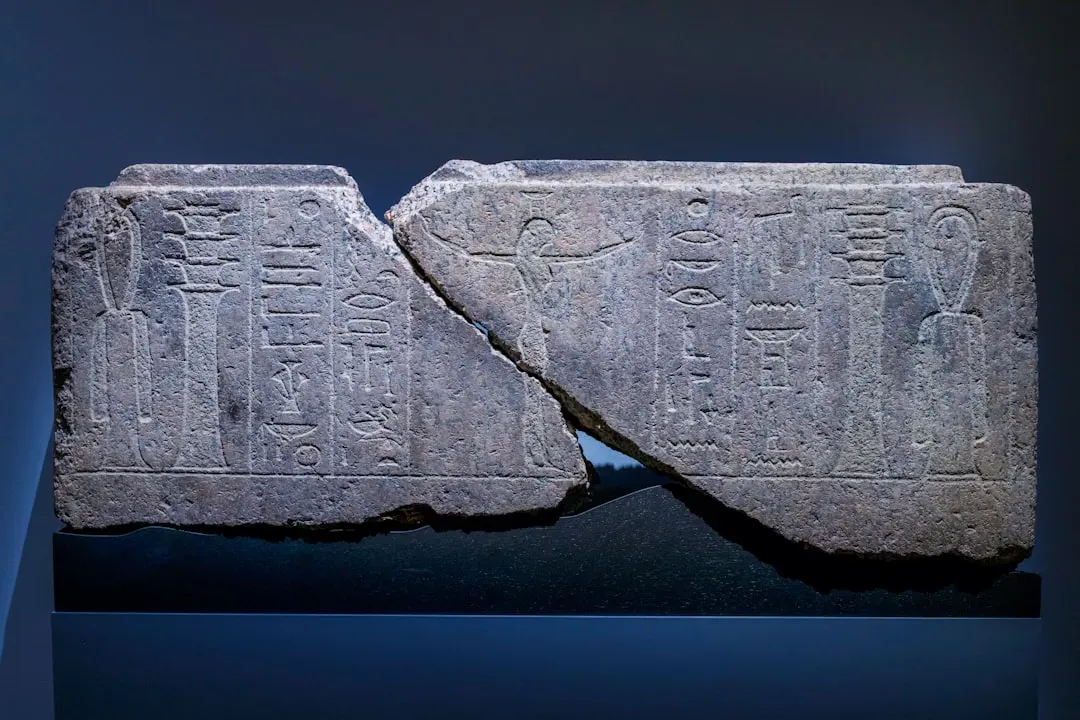
Modern Anunnaki stories love the idea that these beings came to Earth to mine gold and engineered humans as a labor force. But that plotline simply doesn’t appear in authenticated Sumerian or Akkadian texts. There are creation myths where gods fashion humans from clay mixed with divine elements, usually to relieve minor gods of heavy labor or to serve the temples. None of them talk about off‑world mining operations, orbital platforms, or any need for gold to repair failing atmospheres.
When gold is mentioned in Mesopotamian texts, it’s precious, yes – but mostly as a symbol of wealth, status, and temple splendor. Gold decorates statues, jewelry, and ritual objects, not star drives. The stories about laboratory-style genetic engineering and DNA splicing are modern reinterpretations projected backward onto ancient myths. The original scribes weren’t trying to describe biotech; they were trying to explain why humans exist, why they must work, and why they owe offerings and obedience to both kings and gods. It’s more about social order and theology than about science fiction.
How the Anunnaki Were Connected to the Underworld and Justice
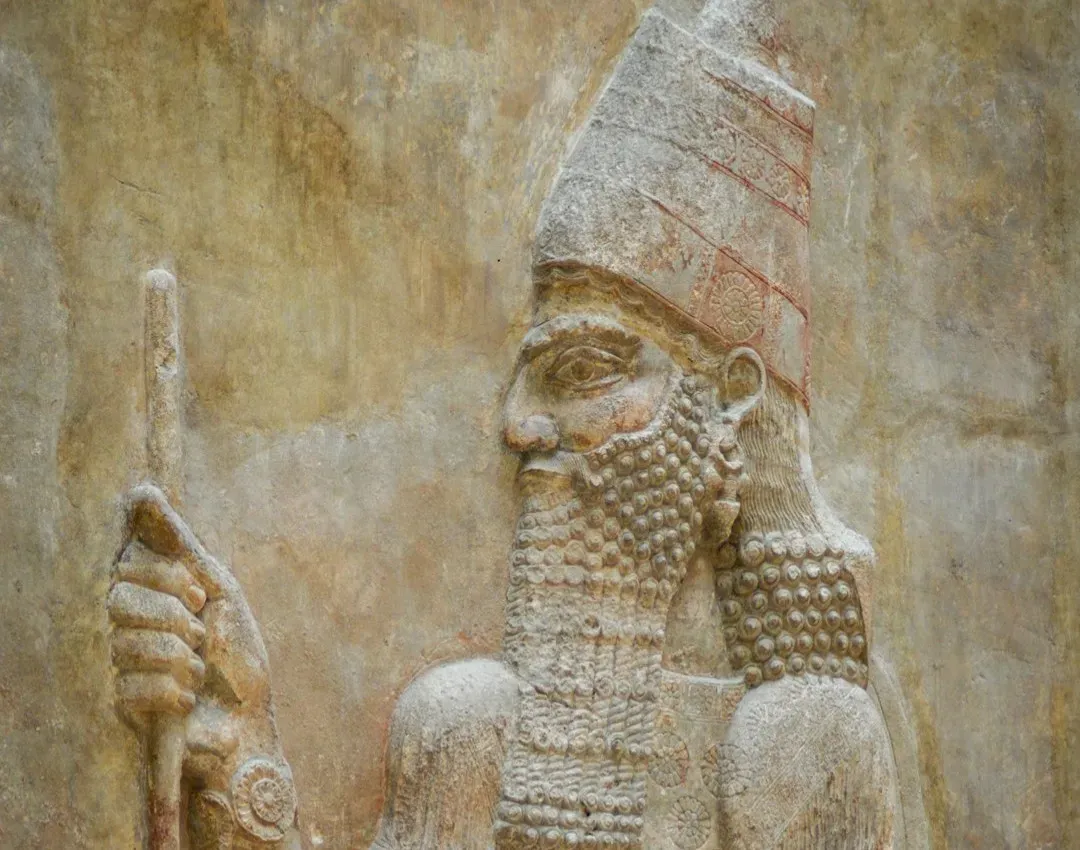
In many texts, the Anunnaki are less like cosmic engineers and more like cosmic judges. They often appear as a panel of divine beings who decide fates, punish wrongdoing, and oversee the dead. In some compositions, the Anunnaki dwell in the underworld and preside over the judgment of souls, echoing a pattern we also see later in other cultures, where multiple divine figures manage the afterlife rather than a single ruler. They are not portrayed as roaming the galaxy, but as deeply involved in what happens after people die.
This judicial role made them central to ideas of justice and law. Kings invoked the Anunnaki to show they ruled in harmony with divine order, and oaths were sworn by their names to give them extra weight. When disasters struck – floods, invasions, crop failures – people might interpret it as the Anunnaki having issued a harsh judgment. That gives the myths a kind of psychological realism: rather than imagining a silent universe, the Sumerians imagined a universe that is watching, weighing, and responding, with the Anunnaki as important decision‑makers rather than interstellar miners.
The Role of Kingship, Temples, and Human Duty in the Anunnaki Myths
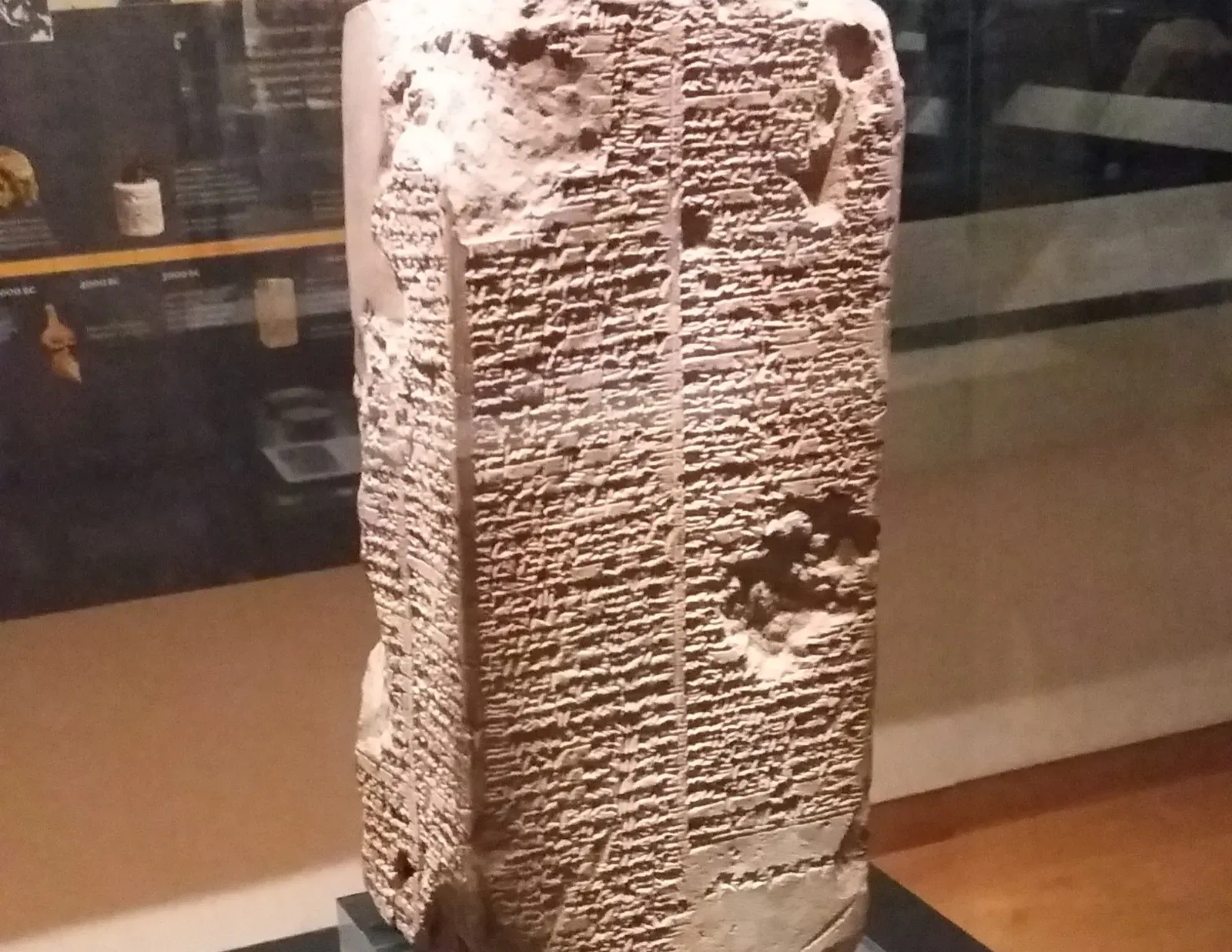
When you zoom out, the Anunnaki myths are really about power, obligation, and survival in a tough environment. Mesopotamia could be brutal: unpredictable rivers, sudden droughts, and constant political rivalry between cities. The stories of the Anunnaki helped frame that chaos within a cosmic structure, where gods chosen by higher powers gave kings their mandate to keep order. Kingship was described as descending from heaven, but that meant sacred legitimation, not a shuttle landing with a new supervisor.
Temples were the focal point of this relationship. Priests, offerings, processions, and rituals all positioned humans as caretakers of the gods’ dwellings and as participants in a larger divine network. Humanity’s “service” to the Anunnaki was not described in terms of being shackled in off‑planet mines; it was about feeding the gods through ritual meals, maintaining temples, and upholding social justice. For the Sumerians, the worst thing wasn’t being a slave to space gods – it was living in a world where the gods had abandoned their cities and left them exposed to chaos.
How Modern Alien Theories Twisted a Very Different Story
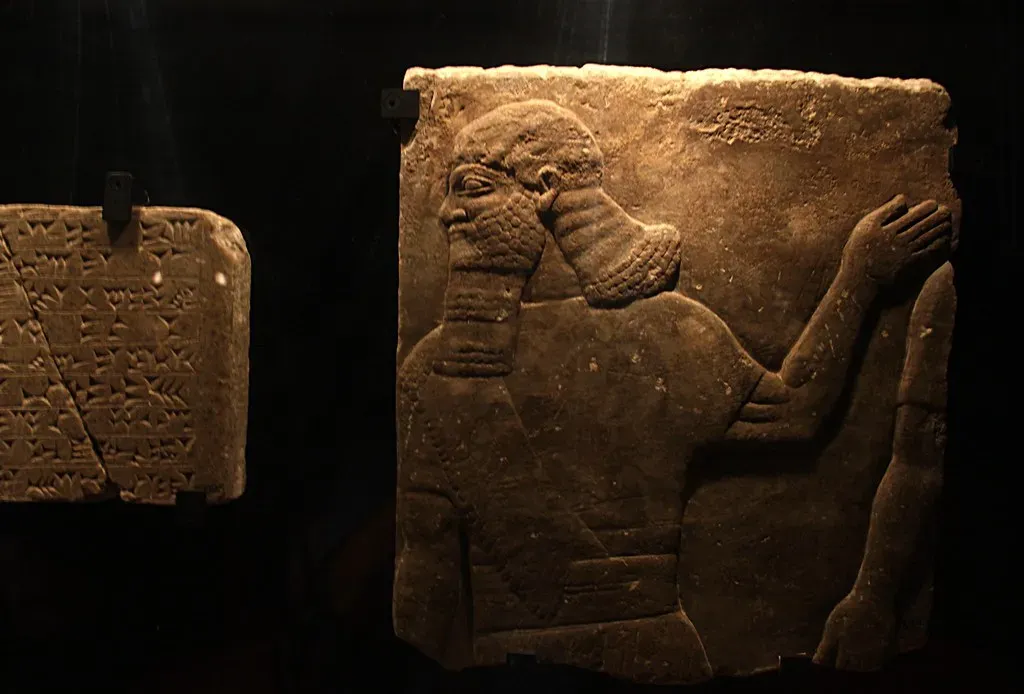
The popular alien-Anunnaki narrative mostly takes shape in the twentieth century, long after scholars had started translating Sumerian and Akkadian texts. Writers without formal training in cuneiform cherry‑picked terms like “those who from heaven to earth came” from secondary sources, blurred Sumerian and later myths together, and then filled in the gaps with modern ideas about astronauts and advanced technology. A casual reader sees a tablet with a winged disk or a god in a horned crown and is told, with great confidence, that these are helmets or spacecraft, even though specialists interpret them very differently.
Part of why these theories stick is that they’re fun and they feel rebellious, like you’re in on a giant hidden truth that “they” don’t want you to know. But they can also flatten the ancient people themselves, turning them into props for someone else’s sci‑fi story instead of letting them be complex cultures with their own worldviews. When you sit with the actual texts, you start to see just how much work, imagination, and emotion went into them – grief over lost cities, pride in royal achievements, fear of divine judgment, hope for protection. That very human texture disappears when every god becomes a pilot and every myth becomes a technical manual.
The Real Mystery Behind the Anunnaki
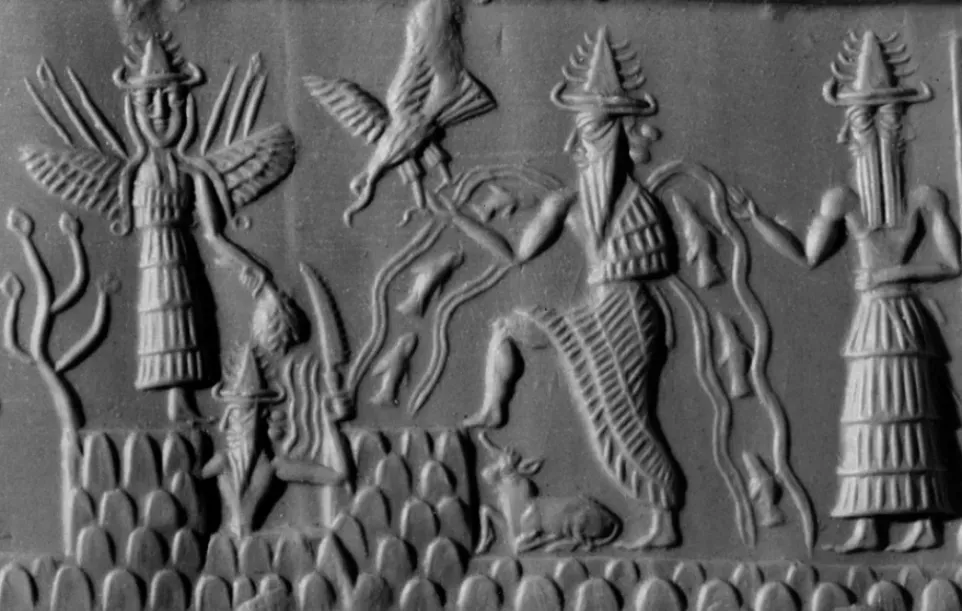
When you clear away the layers of modern speculation, the Anunnaki aren’t less interesting; they’re just interesting in a different way. They are a divine council of powerful gods, rooted in Sumerian and later Mesopotamian religion, bound up with kingship, justice, the underworld, and the fragile balance between order and chaos. They don’t come across as extraterrestrial engineers with a mining contract, but as mythic figures that helped people explain why the world is harsh, why power needs limits, and why human choices matter in the eyes of something greater.
In the end, the real mystery isn’t whether the Anunnaki came from another planet, but how people five thousand years ago managed to weave such rich, layered stories from their daily struggle with floods, famine, war, and hope. Their tablets show a world where humans and gods are entangled in duty, fear, gratitude, and negotiation – not a set of secret blueprints for alien technology. Maybe the more daring move now is not to look up to the stars for hidden overseers, but to look back at the clay tablets and ask what they reveal about us: our need for meaning, our fear of chaos, and our longing to believe that someone, somewhere, is paying attention.