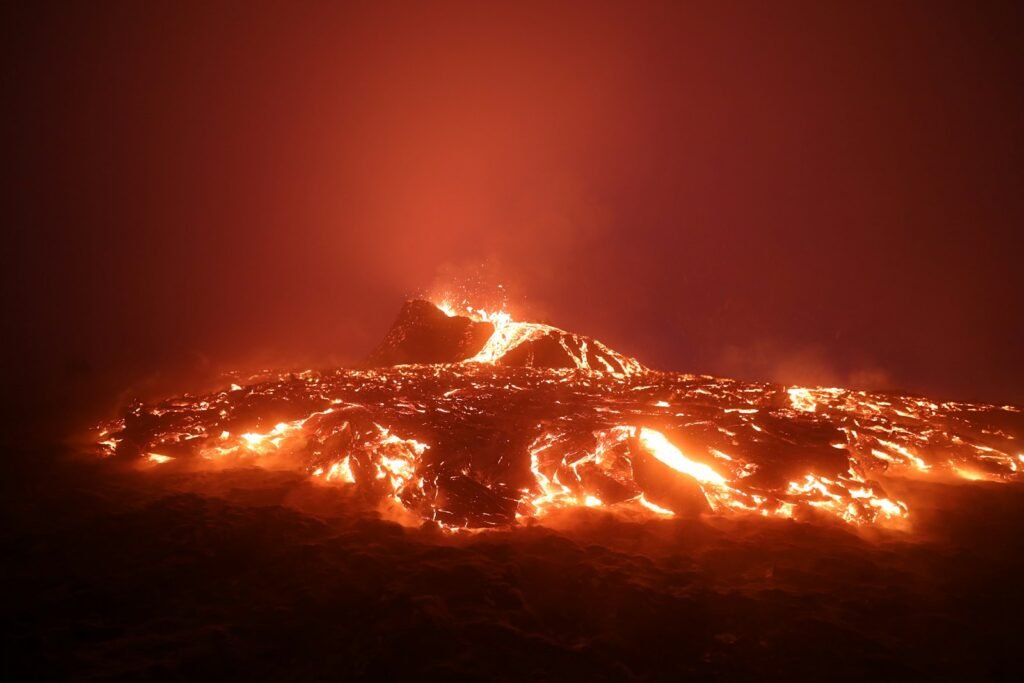

When volcanoes rewrote the sky in the distant past, Earth kept the receipts. Layers of ice locked away chemical clues, lake beds filed ash like timestamped postcards, and fossilized reefs recorded the seas’ changing moods. Today, scientists are reading this archive with fresh urgency, searching for guidance as the planet warms at a human pace, not a geological one. The mystery is simple to state and hard to solve: what do these violent bursts of Earth’s interior tell us about our own ongoing experiment with the atmosphere? The answer is a story of contrasts – sudden chills and long, relentless thaws – and the surprising ways fire can teach us to think clearly about carbon.
The Hidden Clues
Ice cores from Greenland and Antarctica hold whisper-thin layers of sulfate that align with known eruptions, acting like tick marks on a climatic ruler. These chemical spikes often coincide with years of dimmer sunlight and colder seasons recorded in tree rings, where narrow bands betray tough summers and frost-bitten springs. In ocean sediments, shards of volcanic glass settle out of the water column and become mile markers for ancient disruptions.
Each archive speaks its own dialect, but together they translate chaos into chronology. By cross-referencing ash chemistry, sulfur isotopes, and radiometric dates, researchers can reconstruct not only when an eruption happened, but also how it nudged temperature, rainfall, and ocean circulation. It’s like triangulating a distant storm from scattered lightning flashes.
From Ancient Tools to Modern Science
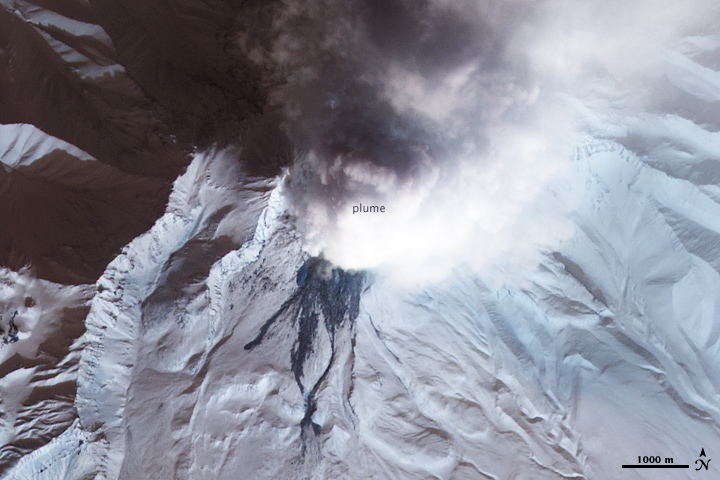
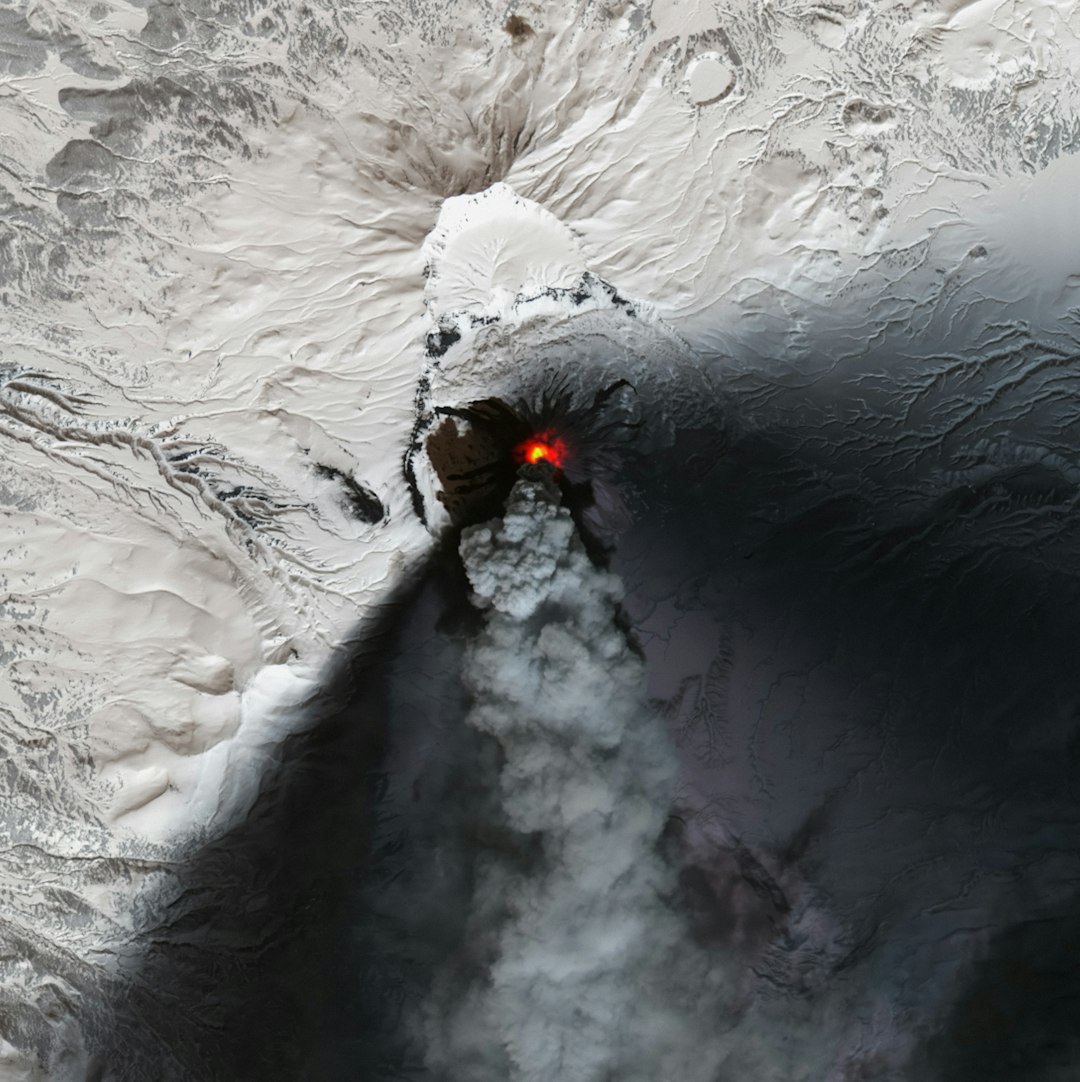
Archaeologists once mapped ash by hand; now satellites track plumes nearly in real time, and laser-based instruments profile particles miles above our heads. High-resolution climate models ingest these inputs, testing how aerosols scatter sunlight, seed clouds, and alter winds from the tropics to the poles. Even small details – like the size of ash grains or the altitude of sulfur injections – can swing the result from mild cooling to a sharp global dip.
On the ground, gas sensors ring restless volcanoes, and drones sniff plumes too risky for people to approach. In the lab, experimental petrology recreates magmas to estimate gas budgets that once leaked into ancient skies. The toolkit is broader and sharper than ever, and it is turning old stories into quantifiable lessons.
The Carbon Ledger
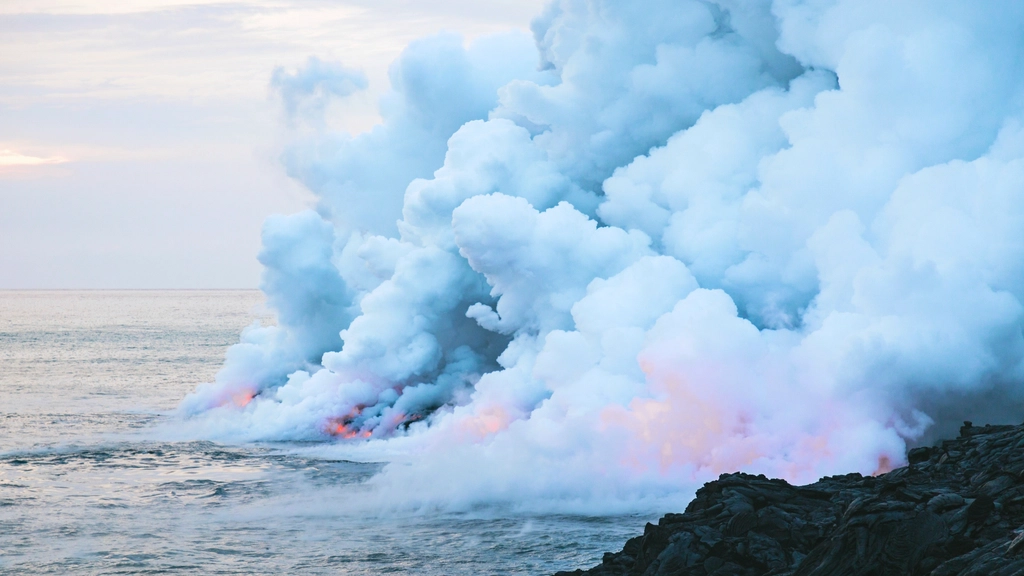
One of the most stubborn myths in climate conversations is that volcanoes outpace our smokestacks. In reality, human activities emit far more carbon dioxide each year than all Earth’s volcanoes combined, by a wide margin that stacks up to multiple tens over. Explosive eruptions can loft ash spectacularly, but their carbon footprints are modest compared with the steady, industrial drumbeat since the mid‑twentieth century.
What volcanoes do offer is a built-in control experiment in how the carbon cycle bounces back. After eruptions, oceans and forests respond quickly, drawing down and redistributing gases, while rock weathering works the slower, deeper repair over thousands of years. The contrast clarifies the core issue today: our emissions are fast and sustained, while Earth’s natural fixes are patient and slow.
Shocks to the Sky
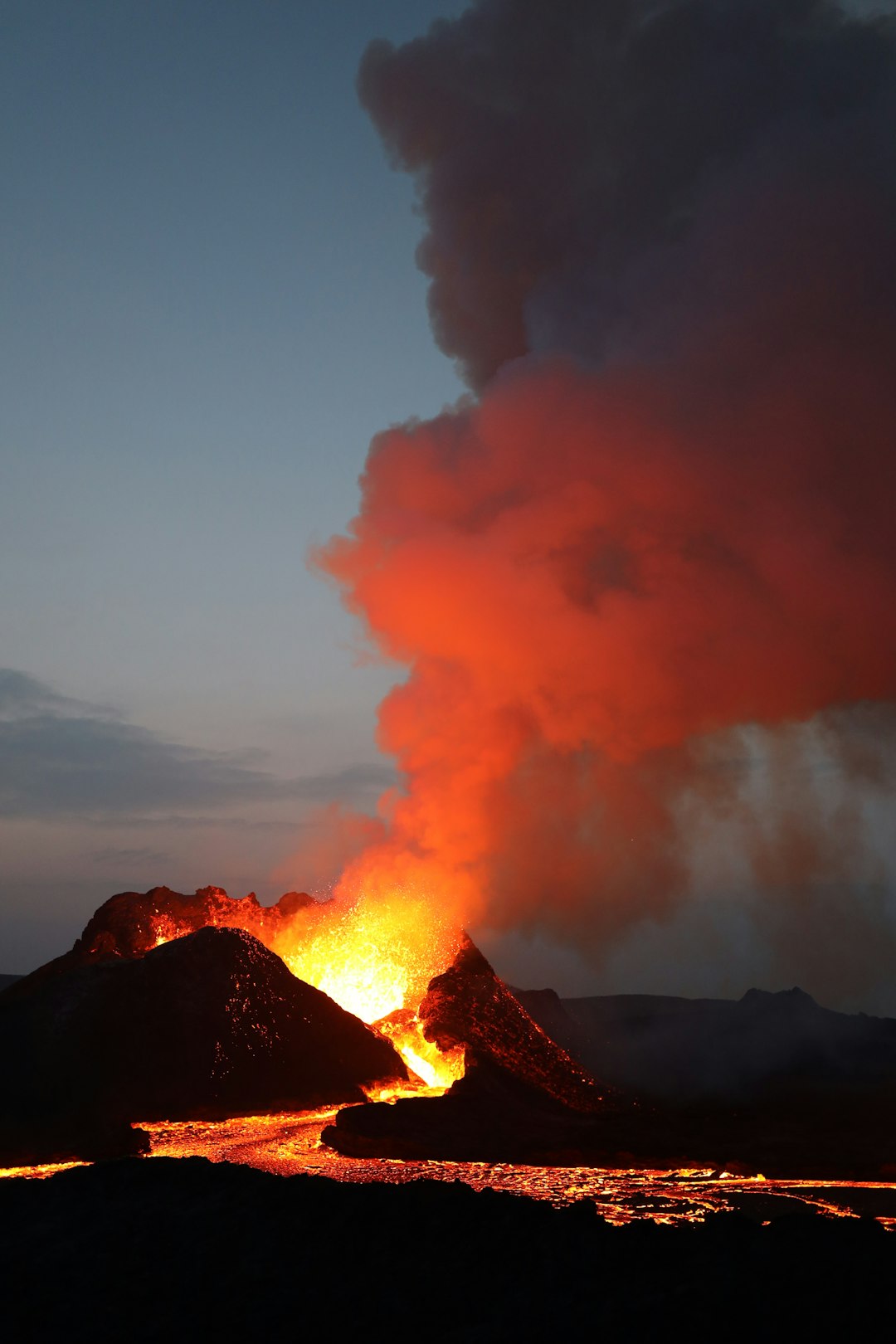
Unlike greenhouse gases that trap heat for decades to centuries, volcanic sulfur dioxide transforms into reflective aerosols that cool the planet for only a few years. Historic episodes – captured in diaries of dimmed sunsets and in thermometer records – show a familiar pattern: a sharp temperature dip, altered rainfall, and a gradual climb back. The cooling is short-lived but globally coherent, a kind of natural pulse test for the climate system.
Not every blast plays by the same rules. Some eruptions inject unusual mixtures or reach altitudes that change the chemistry and longevity of plumes, occasionally complicating the typical cooling script. The lesson is practical and sobering: short-term shocks reveal sensitivities, but they do not cancel long-term warming driven by persistent greenhouse gases.
When Fire Meets Feedback
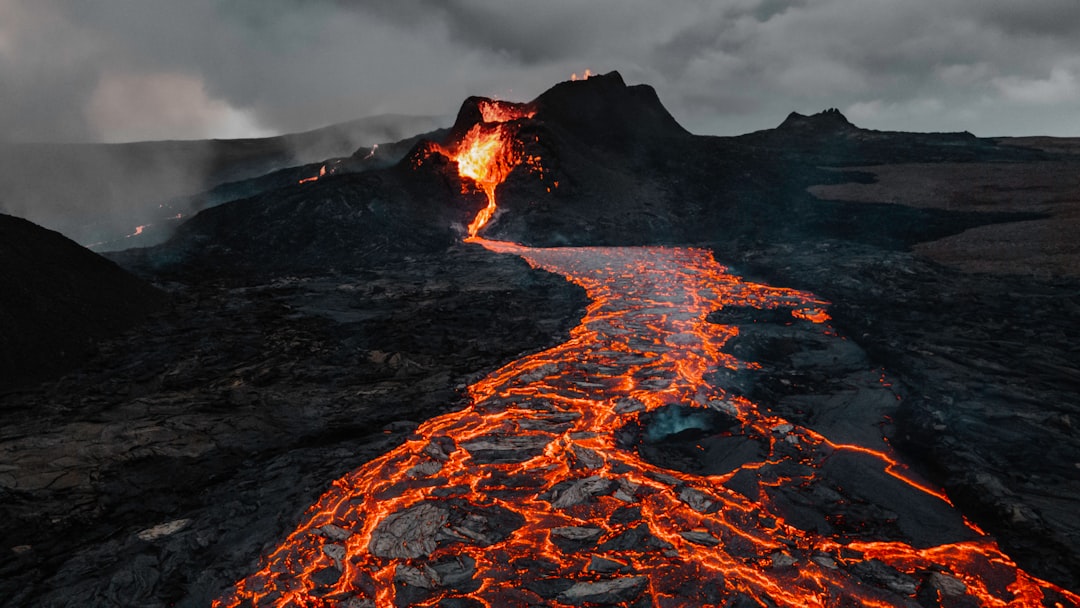
Large igneous provinces – those marathon outpourings of lava in Earth’s past – tell a different tale from quick explosive bursts. Over spans of many thousands of years, they released immense volumes of carbon and other gases, warming oceans, tipping ecosystems, and sometimes aligning with mass extinctions in the fossil record. The timelines matter; slow but massive degassing pushes climate and life toward thresholds, where feedbacks amplify the initial shove.
Once certain thresholds are crossed, the system answers back: warmer seas hold less oxygen, weathering patterns shift, and methane can burp from sediments. These cascading effects explain why some ancient warming events lasted far longer than the initial pulse of volcanic activity. In modern terms, they underscore how steady emissions can awaken dormant amplifiers.
Global Perspectives
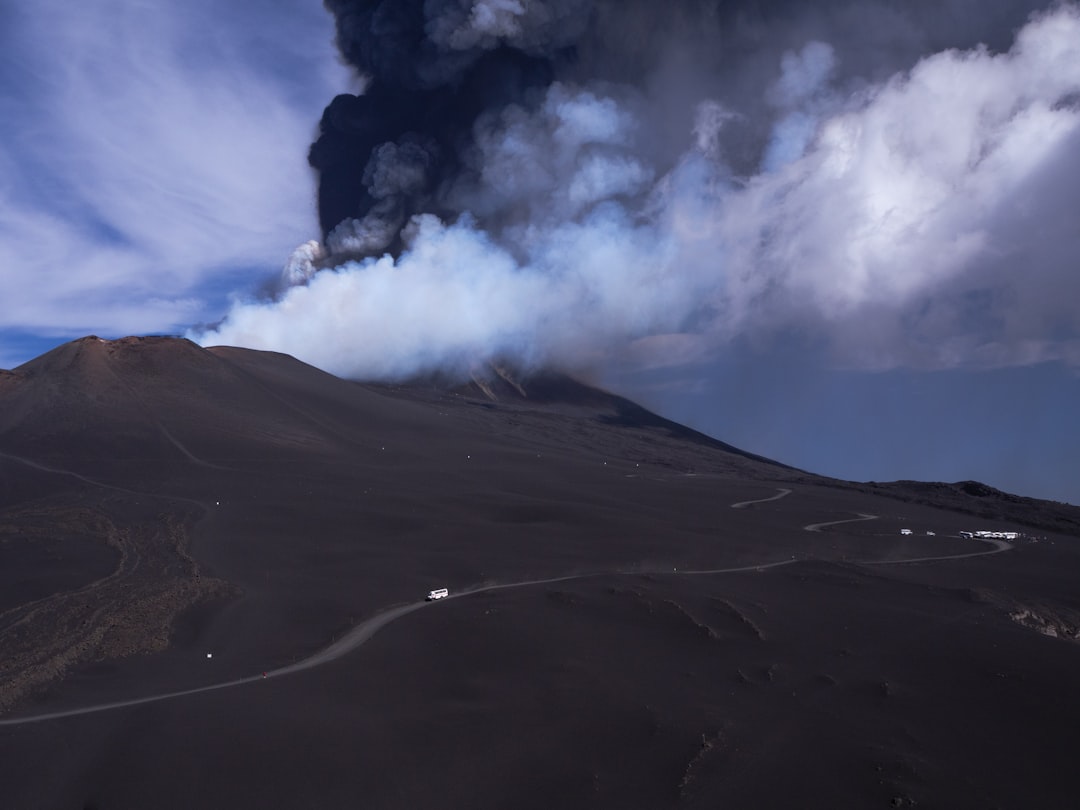
Volcanic stories are global, but their consequences are felt locally first – hard frosts after northern eruptions, muted monsoons after tropical ones, harvests saved or ruined by a few weeks of dust-dimmed sun. For communities near volcanoes, ash is a crop-killer one season and a soil enhancer the next, capturing the double-edged reality of living with volcanism. Farther away, aviation routes, supply chains, and even electricity grids can wobble under airborne ash and atmospheric ripples.
These local snapshots scale upward to international relevance. Cooling spurts and rainfall shifts test food systems, water management, and disaster planning, offering a rehearsal for the kinds of climate variability a warmer world is likely to see more often. The scientific takeaway is inseparable from the human one: resilience grows from scenario planning that spans continents.
Why It Matters
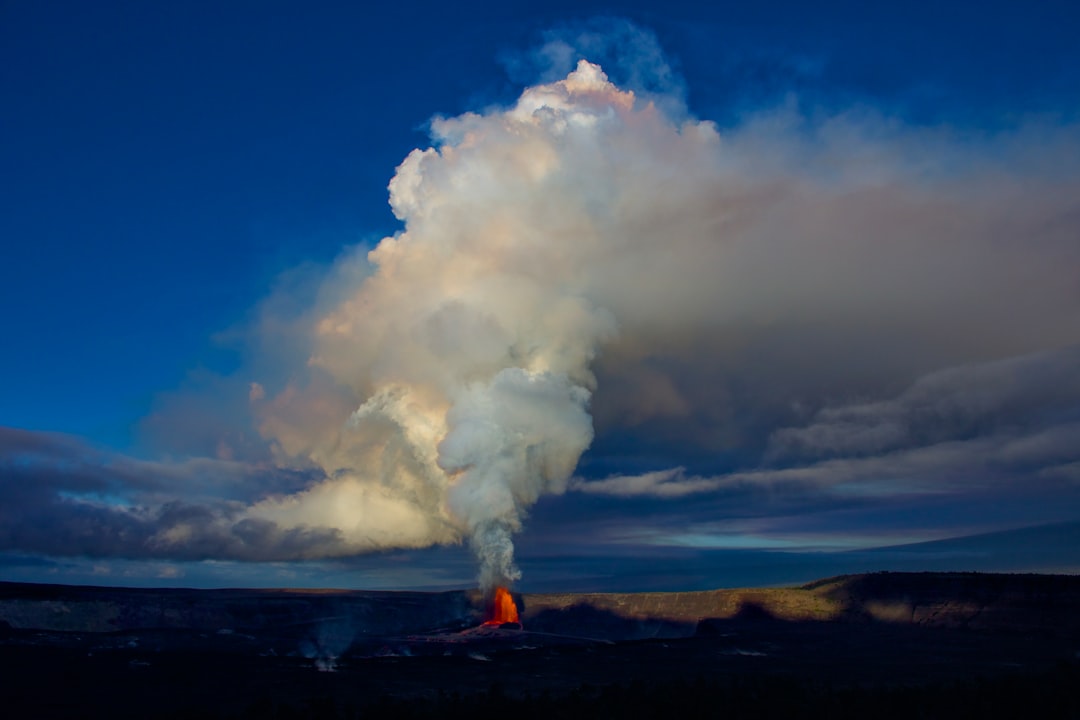
Eruptions are one of the few natural experiments big enough to kick the entire climate and let us watch it wobble. They validate models that policymakers rely on, revealing whether our simulated clouds, oceans, and jet streams respond like the real thing. When models capture volcanic cooling well, confidence rises in their projections of long-term warming under different emissions choices.
Volcanic analogs also sharpen the debate over proposed climate interventions that mimic stratospheric aerosols. The historical record says short-term cooling is achievable; it also warns about side effects like disrupted rainfall and regional temperature swings. In other words, the past hands us both the user manual and the list of caveats.
The Future Landscape
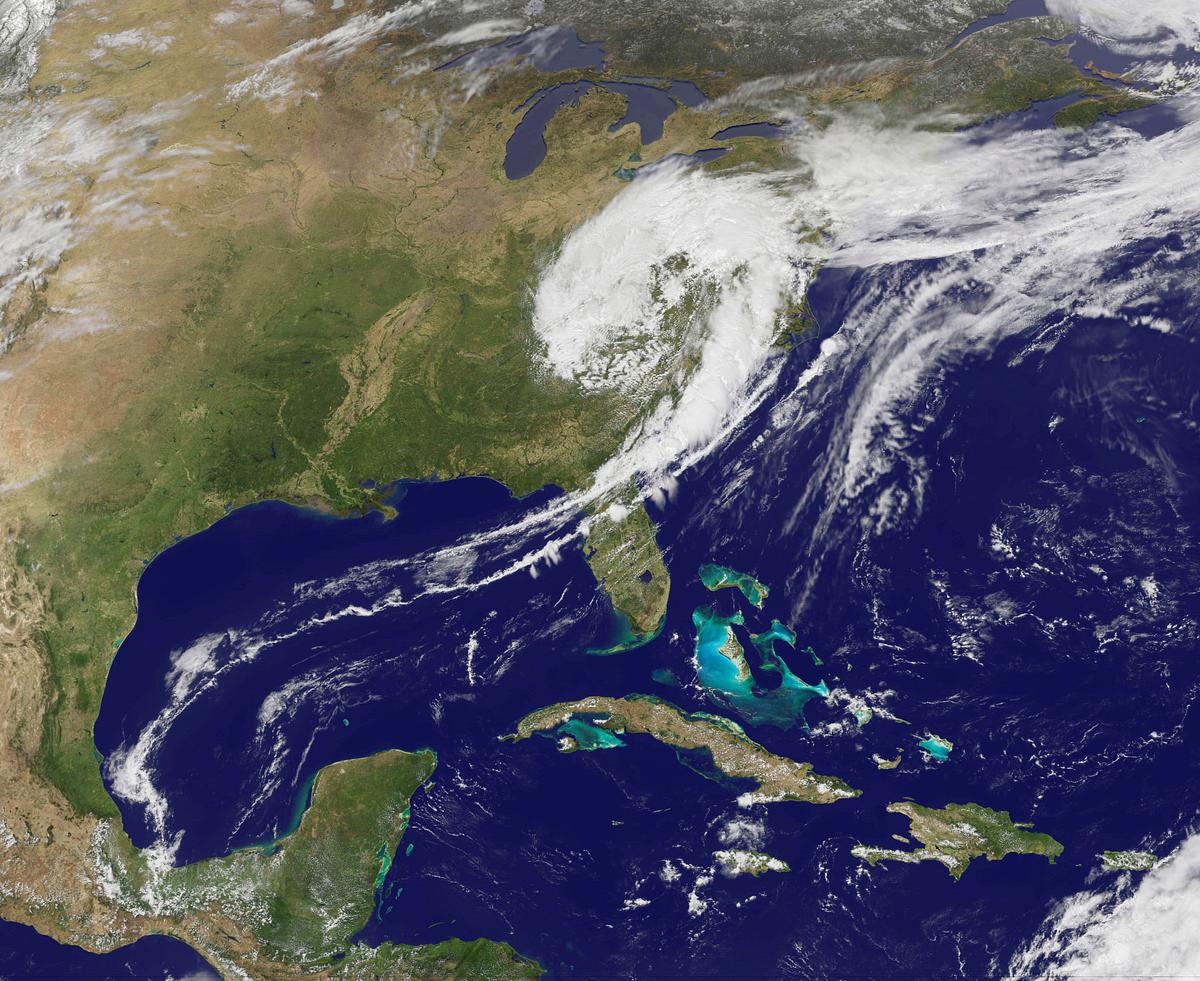
Next-generation satellites will track volcanic gases with finer spectral fingerprints, catching subtle leaks before they become dramatic headlines. Global sensor networks, paired with machine learning, are being trained to spot pre-eruption patterns in ground deformation, seismic tremor, and gas chemistry. These feeds can be piped directly into climate models to run rapid what-if scenarios after an eruption begins.
At the same time, carbon-cycle monitoring is moving toward real-time accountability, knitting together atmospheric stations, ocean buoys, and space-based measurements. That integrated view will help separate volcanic pulses from human trends and quantify how quickly sinks recover. Expect faster answers, clearer attribution, and fewer excuses to misunderstand the signals written in the sky.
Conclusion

Pay attention when a plume rises on the horizon or in the news; it’s not just a geology story, it’s a climate tutorial unfolding live. Support the observatories and early-warning systems that guard both nearby communities and global airspace, because better data during eruptions improves climate models for everyone. If you have a say in classrooms, newsrooms, or boardrooms, insist on the simple truth that human emissions dwarf volcanic carbon and demand long-term solutions.
On the personal ledger, cut what you can – energy waste, needless flights, throwaway consumption – and back policies that speed clean power, resilient agriculture, and smarter infrastructure. The past has already run the experiment; our job is to learn from it faster than we warm. Did you expect that?
Suhail Ahmed is a passionate digital professional and nature enthusiast with over 8 years of experience in content strategy, SEO, web development, and digital operations. Alongside his freelance journey, Suhail actively contributes to nature and wildlife platforms like Discover Wildlife, where he channels his curiosity for the planet into engaging, educational storytelling.
With a strong background in managing digital ecosystems — from ecommerce stores and WordPress websites to social media and automation — Suhail merges technical precision with creative insight. His content reflects a rare balance: SEO-friendly yet deeply human, data-informed yet emotionally resonant.
Driven by a love for discovery and storytelling, Suhail believes in using digital platforms to amplify causes that matter — especially those protecting Earth’s biodiversity and inspiring sustainable living. Whether he’s managing online projects or crafting wildlife content, his goal remains the same: to inform, inspire, and leave a positive digital footprint.