
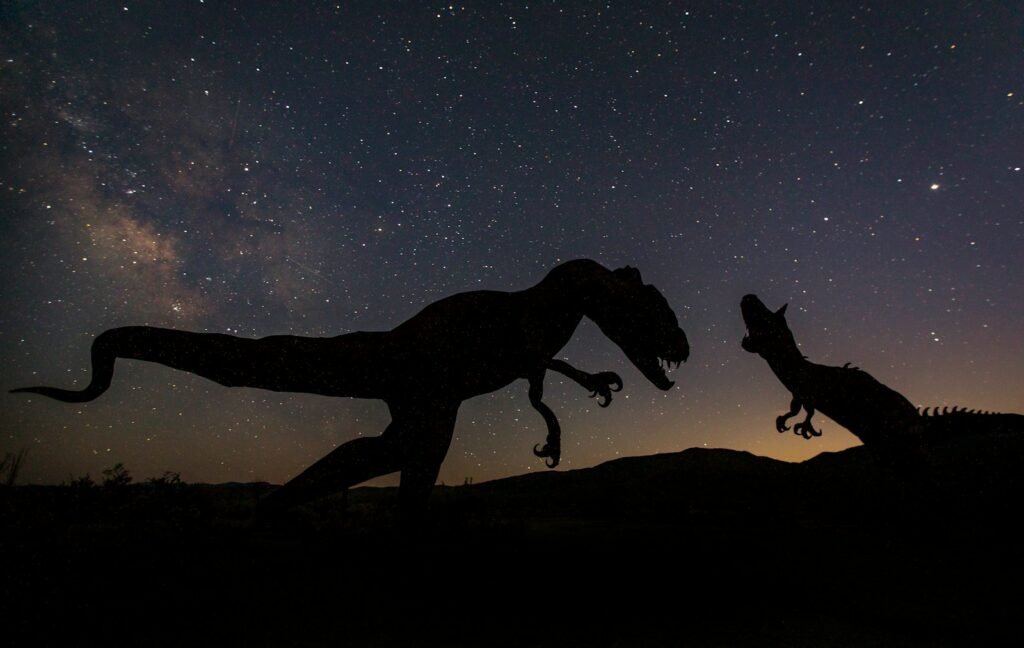

Astrologers have matched human behavior to animals for thousands of years, but most of the creatures we picture today are modern, familiar species: the bold lion, the wise owl, the loyal dog. When you zoom out into deep time, though, the fossil record offers a far stranger bestiary to work with, from armored fish that bit like industrial cutters to tiny mammals that outwitted dinosaurs. In this article, we pair each zodiac sign with an ancient animal that better captures its core wiring than the usual horoscope clichés, drawing on real paleontology rather than fantasy. It is a playful exercise, but it also reveals how much our personalities echo long‑vanished survival strategies: risk‑taking, patience, social cooperation, stubborn resilience. Think of it less as fortune‑telling and more as a science‑flavored mirror, held up by creatures that vanished millions of years before the first horoscope was ever written.
Aries and the Saber-Toothed Cat: Impulsive Power on a Short Fuse
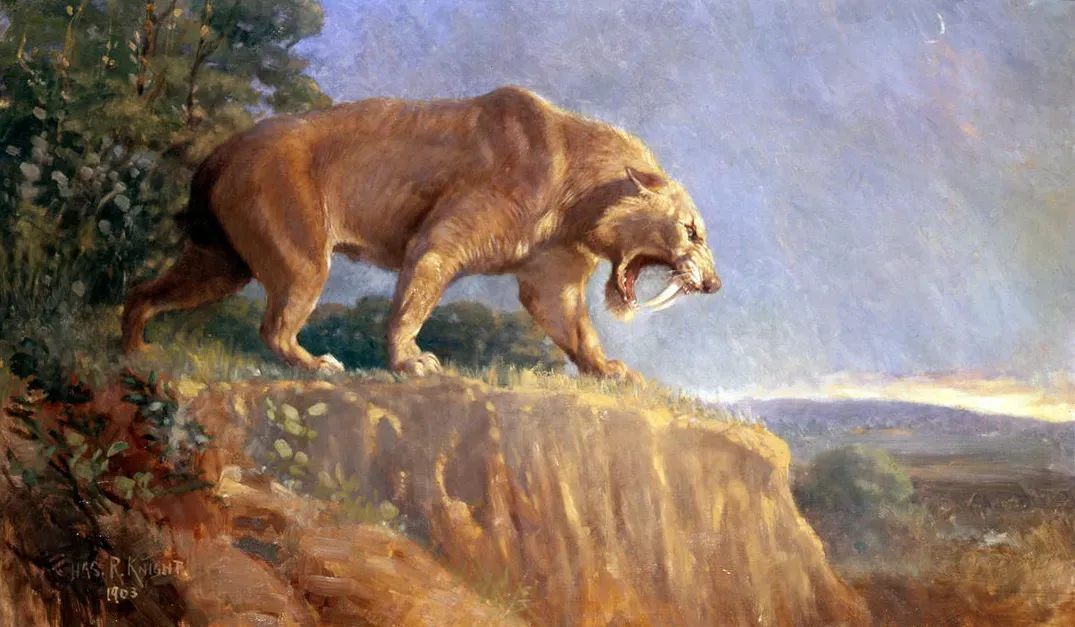
Aries is often described as the zodiac’s battering ram, but in the fossil record its energy looks a lot more like the saber-toothed cat. These big predators, including the famous Smilodon, relied on sudden, explosive ambushes rather than long chases, burning through energy quickly to win or lose in a single decisive move. Their huge canines were incredibly effective but also fragile tools, so a badly judged attack could break the very weapons they depended on, a perfect metaphor for Aries’ tendency to leap first and deal with consequences later. Paleontologists studying bone injuries in saber-toothed cats have found high rates of healed fractures, hinting at a lifestyle full of risky pounces and rough landings.
If you are Aries at heart, that ancient cat energy shows up every time you jump into a new project, confrontation, or adventure before the details are nailed down. Like Smilodon, you thrive on being first to act, whether that means starting a business, defending a friend, or blurting out what everyone else is too polite to say. The same instincts that drove saber-toothed cats to dominate their environment can drive you to stand out – if you remember that, even for apex predators, pacing and strategy sometimes beat raw speed.
Taurus and the Woolly Mammoth: Patient Strength Built to Endure
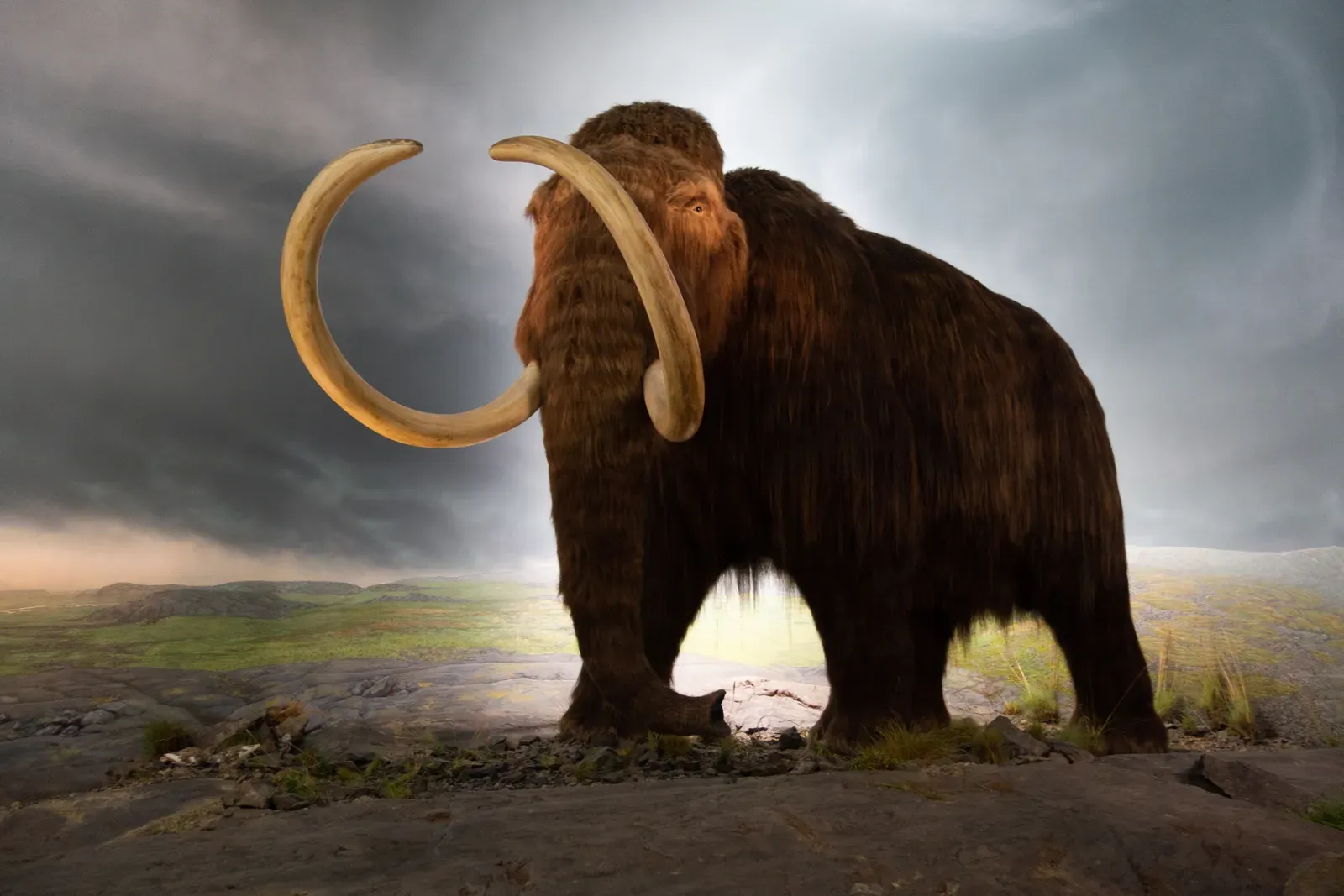
Taurus is usually linked to bulls, but an even better ancient stand‑in is the woolly mammoth, the shaggy icon of the Ice Age. These massive herbivores survived brutal glacial climates not through speed or cunning but through sheer robustness: thick fur, insulating fat, and massive tusks that could move ice and snow to reach buried food. Their lives were about persistence, slow migrations, and the reliable rhythms of grazing and seasonal travel, which lines up strikingly well with Taurus’ love of routine, comfort, and material security. Fossil evidence of worn molars shows mammoths grinding tough vegetation day after day, a quiet testament to the power of steady effort over drama.
A Taurus‑type personality channels that same mammoth logic: build what lasts, protect what you love, and avoid pointless risks that threaten stability. You might feel out of step in a culture obsessed with rapid change, yet just like mammoths anchoring Ice Age ecosystems, your reliability sets the tone for the people around you. Of course, mammoths also remind Taurus of a hard truth – climate and landscape can shift faster than even giants can adapt – so there is a gentle nudge here to stay flexible while still honoring your fundamentally grounded nature.
Gemini and Microraptor: Multi-Tasking with Four Wings and a Curious Brain
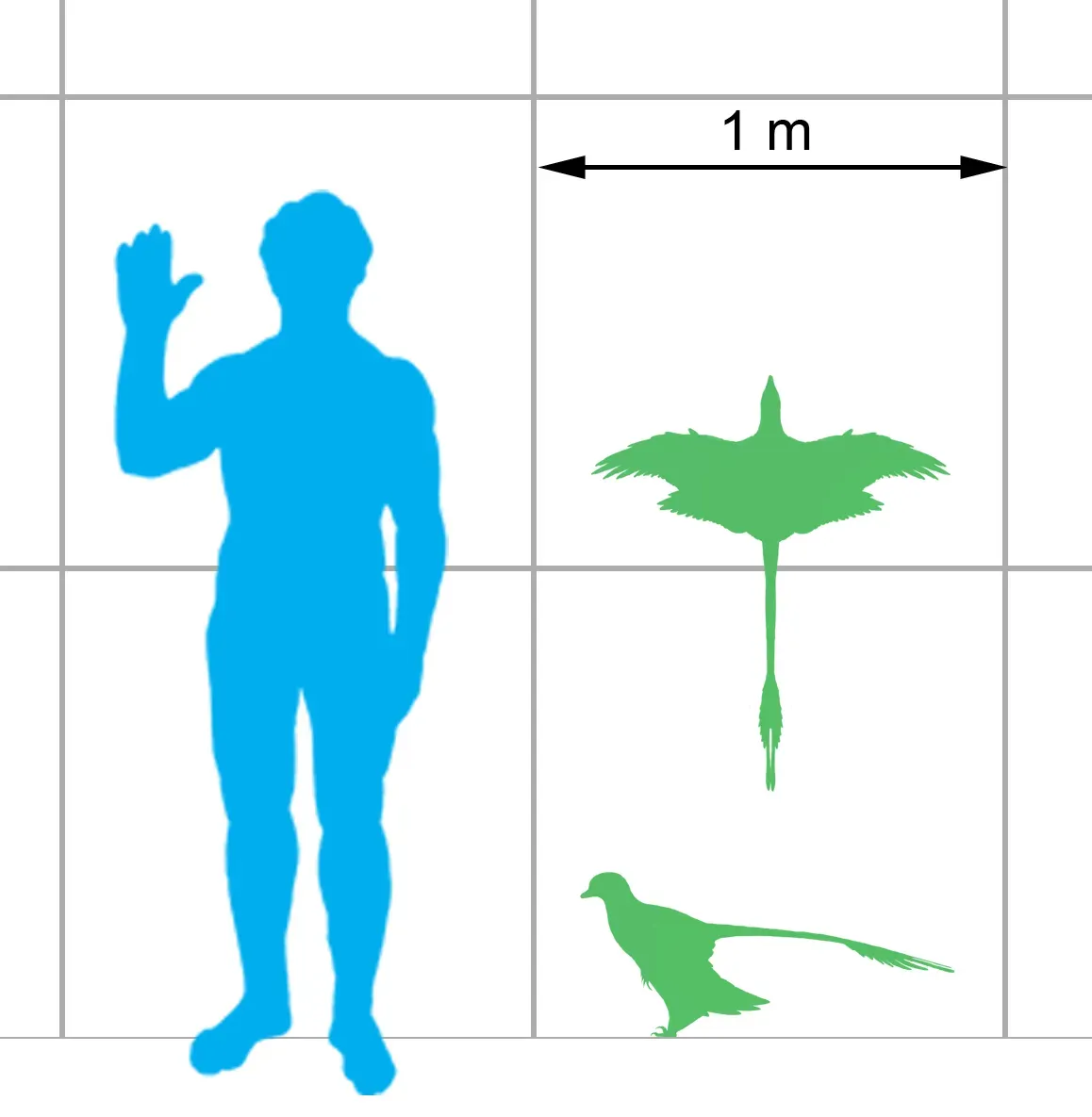
Gemini is often associated with restless minds and quick speech, and there is a near-perfect match for that in a small feathered dinosaur called Microraptor. This crow-sized predator had feathers on both its arms and legs, effectively giving it four wings and a bizarre but versatile way of gliding through early forests. Studies of its feathers and limb proportions show it was capable of complex aerial maneuvers and possibly multiple gliding styles, a physical parallel to Gemini’s habit of juggling different ideas, roles, and social groups. Its sharp teeth and claws point to a flexible diet, from insects to small vertebrates, suggesting a creature that sampled opportunities rather than specializing in just one niche.
If you identify with Gemini, you carry Microraptor energy every time you switch from problem‑solving at work to storytelling with friends and then to some side hobby you swear you are finally going to finish. Like this little dinosaur, you are at your best when you can move between “branches” in your life, never staying in one mental tree for too long. The downside, just as for any experimental flyer, is that constant change can mean plenty of near misses and half‑finished flights, but the upside is a brain and social life that never fossilizes into boredom.
Cancer and the Ammonite: Spiraled Homes and Tides of Emotion
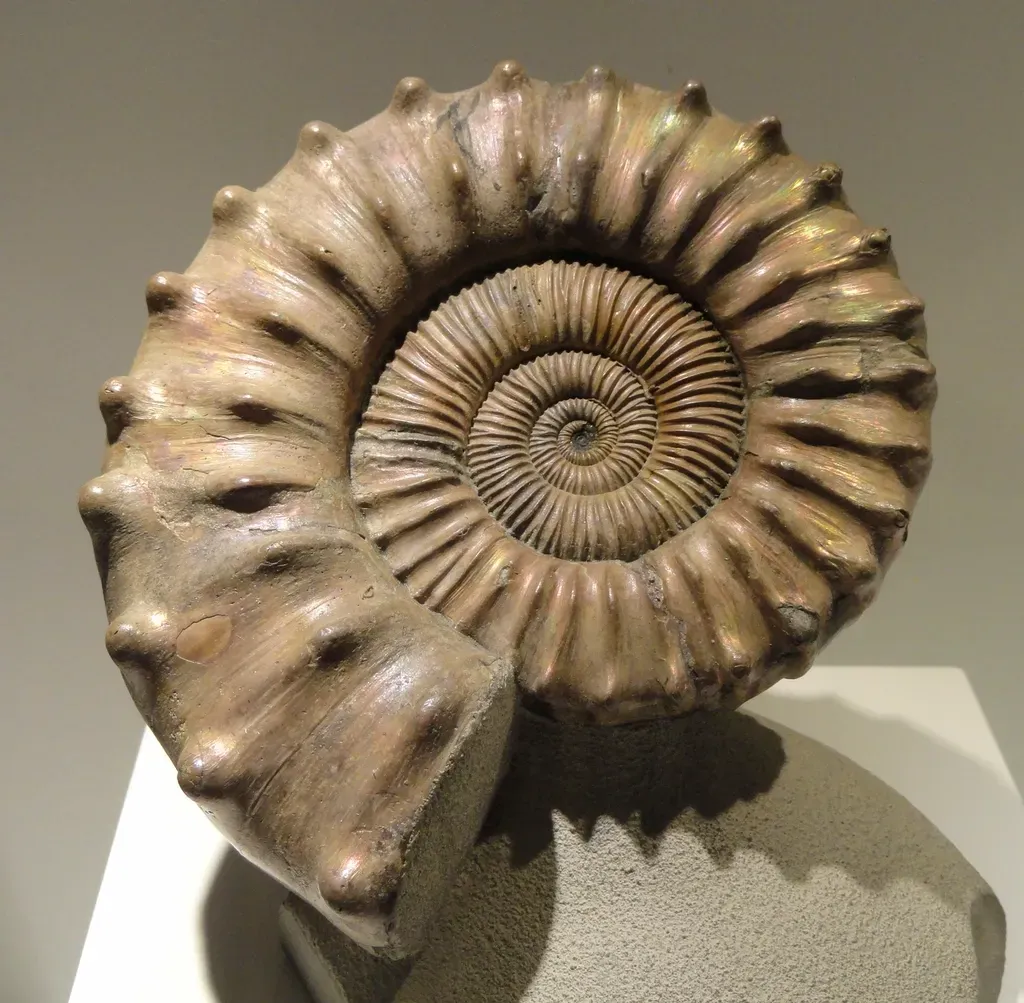
Cancer is traditionally linked to the crab, yet the ancient oceans offer a more evocative symbol: the ammonite. These extinct mollusks built coiled, chambered shells that grew with them throughout life, each new whorl expanding their living space while older chambers were sealed off or filled for buoyancy control. That architecture mirrors Cancer’s emotional world, where home, memory, and protection intertwine, and where new experiences wrap around old ones rather than replacing them. Ammonite fossils show intricate shell patterns and occasional bite marks, tangible signs of a life lived between vulnerability and defense.
If your inner wiring runs Cancer‑like, you may recognize that ammonite habit of carrying your history with you, layer upon layer. You invest deeply in domestic spaces, traditions, and chosen family, the way ammonites invested calcium and energy into building a secure coil in an unpredictable sea. Just as these animals used their shells to adjust depth and find the right conditions, you use your emotional intelligence to navigate relationships and moods, sometimes retreating, sometimes rising, but always tethered to a core sense of home you have built yourself.
Leo and the Tyrannosaurus Rex: Charisma, Presence, and the Weight of the Spotlight
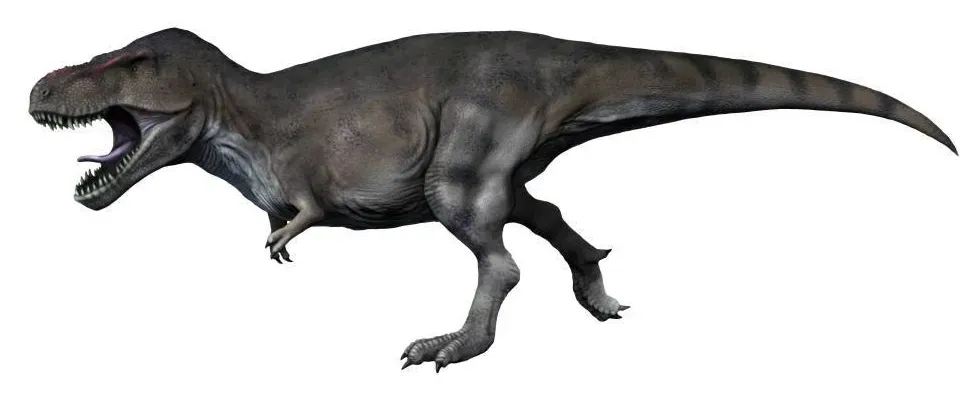
Leo is almost always paired with the lion, but in the realm of fossils there is one creature that dominates public imagination more than any other: Tyrannosaurus rex. This massive predator had a skull nearly as long as a person is tall and a bite force that, according to biomechanical estimates, rivaled the crushing pressure of industrial presses, making it the undisputed icon of power in its ecosystem. Yet recent research suggests T. rex may have been more than just a brutal hunter; evidence of healed injuries and potential social behavior implies complex lives involving competition, display, and perhaps loose group structures. That blend of raw strength, showmanship, and social drama matches Leo’s flair for the theatrical remarkably well.
If Leo is your core flavor, you probably understand how it feels to walk into a room and change the atmosphere simply by existing, much like a T. rex would have done with every thunderous step. You shine when you have an audience, whether that is a literal stage or just your friends’ group chat, and you are often judged more on your visible successes and failures than on the quiet work behind them. The dinosaur king reminds you that being at the center of attention is both a thrill and a burden: you get the applause, but also the scrutiny, and your challenge is to wield that power with heart instead of fear.
Virgo and the Trilobite: Meticulous Design in a Long-Running Success Story
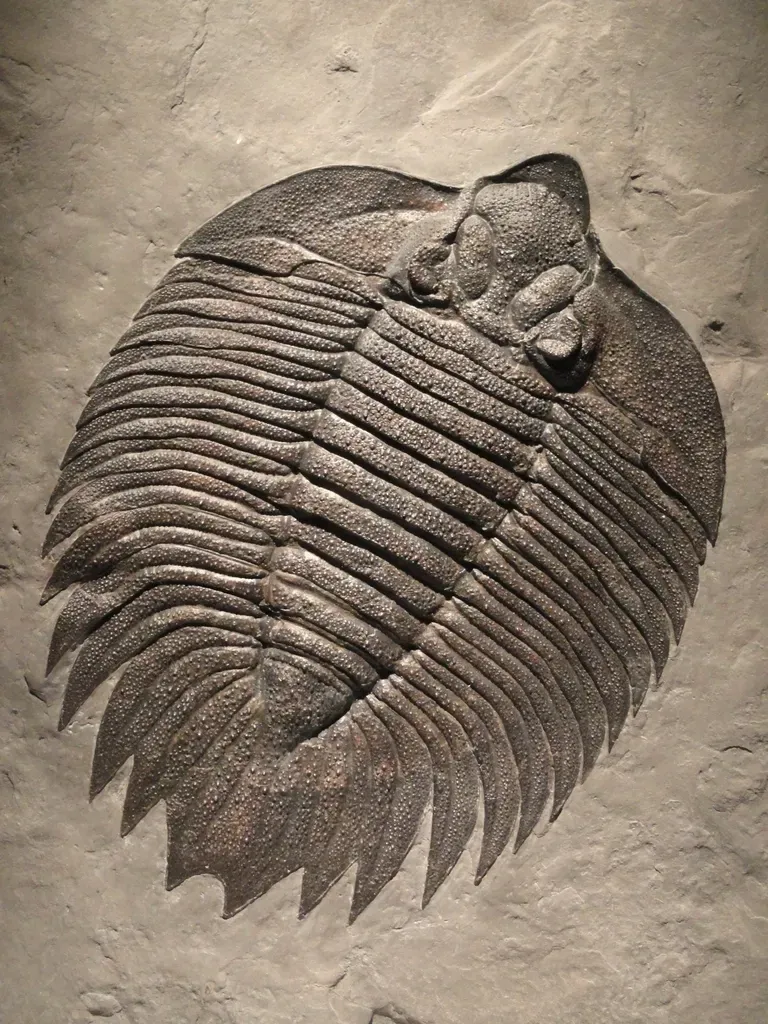
Virgo’s reputation for precision and quiet competence finds a striking predecessor in trilobites, the armored arthropods that dominated ancient seas for hundreds of millions of years. Their bodies were divided into distinct segments and plates, with fine details that varied slightly between species in ways paleontologists now use like barcodes to identify them. Some trilobites evolved complex, many‑faceted eyes made of calcite crystals, turning literal stone into a highly ordered visual system that captured light efficiently in murky water. All of this reflects a kind of evolutionary fine‑tuning that feels very Virgo: not flashy, but unbelievably effective and obsessively optimized.
If Virgo energy is your default setting, you might see yourself in those careful segments and intricate eyes, always sorting, analyzing, and refining. You tend to notice what others miss, whether that is a small error in a report or a subtle emotional shift in a friend’s tone. Like trilobites adapting their spines, ridges, and eye structures to fit new environments, you excel when you can methodically improve systems and routines, even if you rarely get the same recognition as the “predator” personalities around you. Your quiet legacy often looks like theirs: long‑lasting patterns that outlive louder, flashier experiments.
Libra and the Pterosaur Quetzalcoatlus: Balancing Grace and Risk in Open Air
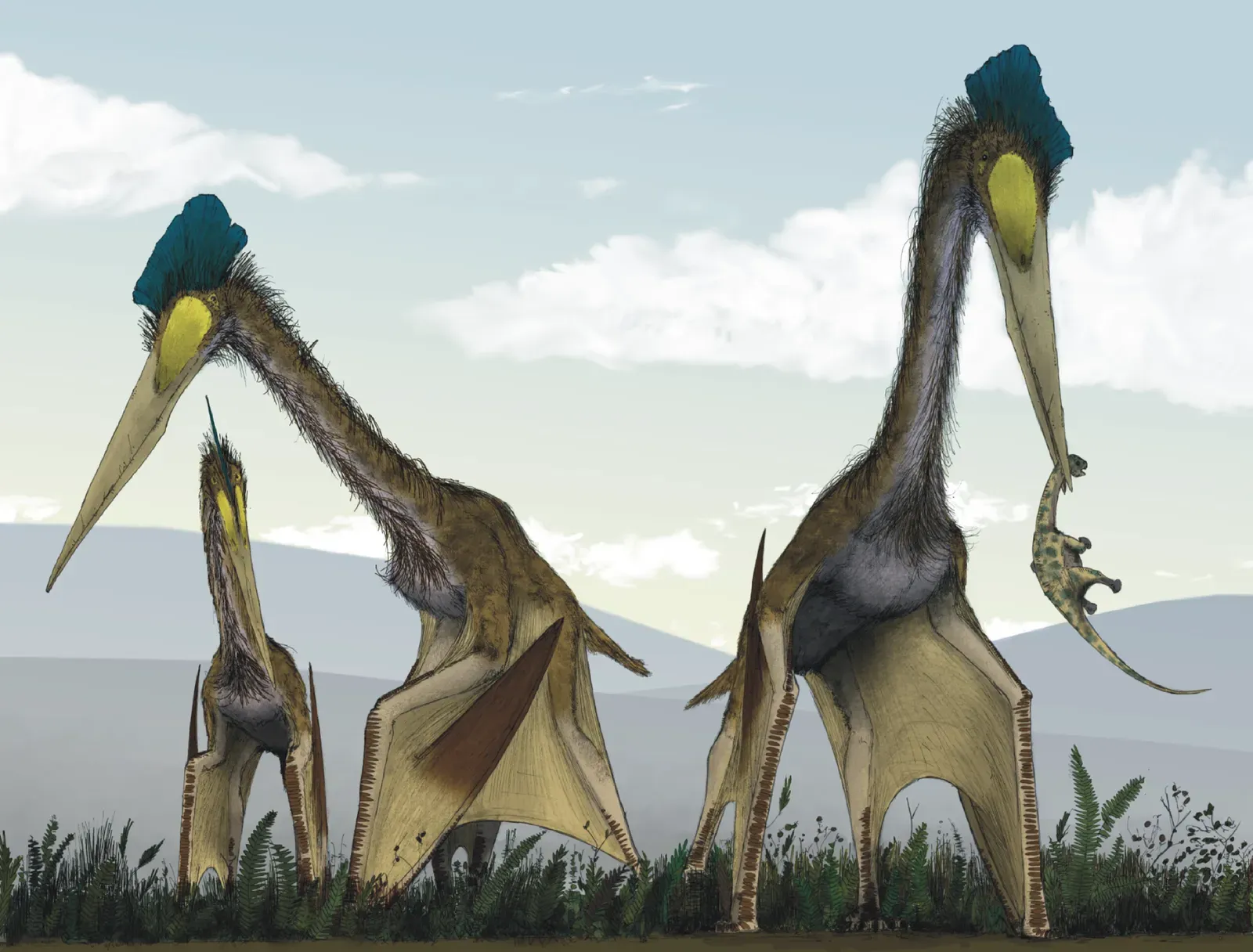
Libra is symbolized by scales, the sign of balance, but the ancient sky offers a more dynamic metaphor in Quetzalcoatlus, one of the largest known flying animals of all time. With wingspans comparable to a small airplane and bodies that had to be both light and strong, these pterosaurs lived at the razor’s edge of what is physically possible for flight. Their bones were hollow and reinforced, and their wings relied on delicate membranes stretched over elongated fingers, making every takeoff and landing an intricate negotiation between gravity, wind, and muscle. That constant balancing act mirrors Libra’s lifelong project of weighing options, harmonizing relationships, and keeping social air currents smooth.
If Libra themes show up strongly in you, you might feel like that giant pterosaur at a dinner party, always scanning for turbulence, adjusting your “wing angle” to keep conversations from crashing. Your diplomacy and sense of fairness are not just niceties; like Quetzalcoatlus’ structural engineering, they are survival skills that allow complex social groups to function without tearing themselves apart. The pterosaur’s story is a reminder that balance is not a static state but a series of tiny, ongoing adjustments – beautiful when it works, and hard to appreciate until it is gone.
Scorpio and Dunkleosteus: Armor, Depth, and Devastating Focus
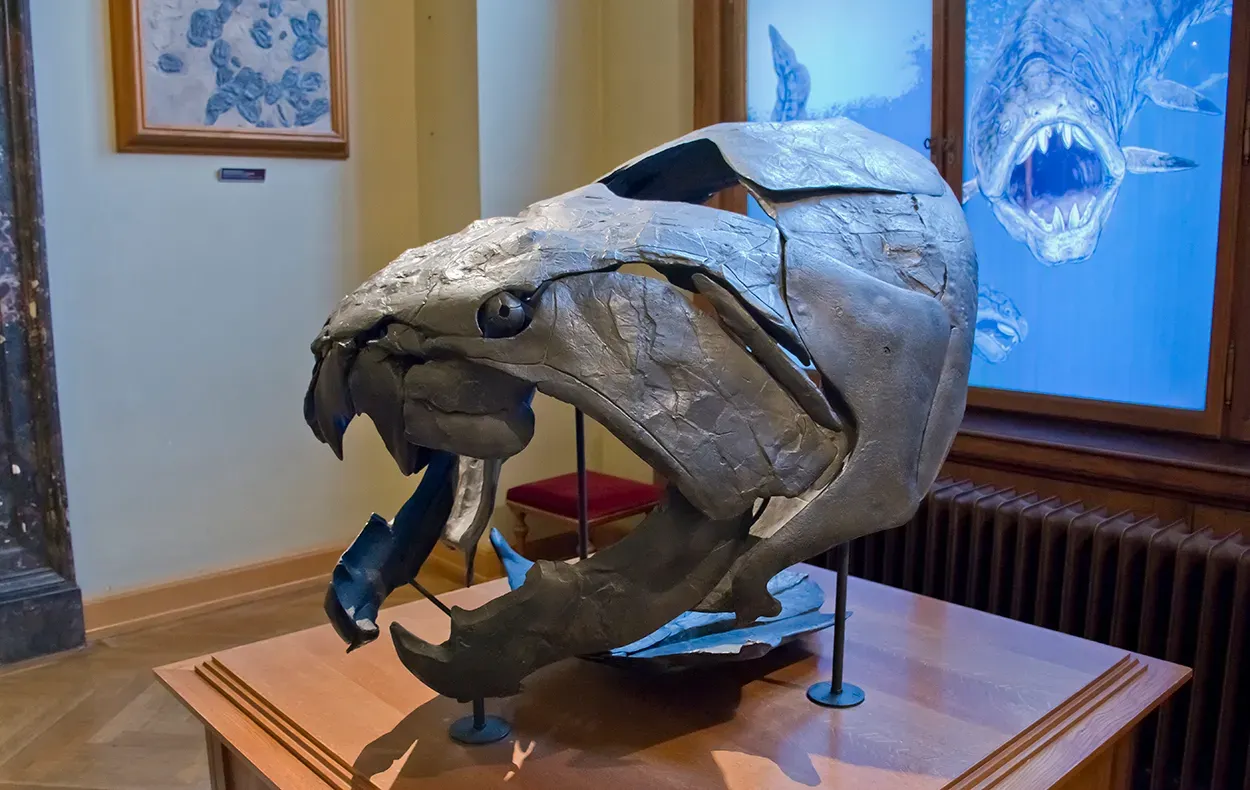
Scorpio is frequently tied to scorpions or eagles, yet an ancient fish called Dunkleosteus captures its intensity with unsettling precision. This giant placoderm from the Devonian seas had a head encased in bony armor plates and jaw mechanisms that could slam shut with enormous force, shearing through prey with sharpened bone edges instead of teeth. Biomechanical models suggest its bite ranks among the most powerful known in fish, and its fossils are often found with fragments of other armored creatures inside, hinting at a predator unafraid to tackle hard targets. The combination of heavy defenses and lethal precision resonates strongly with Scorpio’s themes of secrecy, psychological armor, and transformative power.
If you lean Scorpio, you know how it feels to carry protection around your softest parts, much like Dunkleosteus swimming through dangerous waters behind a shield of bone. You tend to focus intensely on whatever matters to you – projects, relationships, causes – and you rarely play at surface level for long. That depth can be intimidating, but it also makes you the kind of person who can cut through pretense and get to the truth, for better or worse. The ancient fish’s legacy is a reminder that power without self-awareness can be destructive, yet when channeled wisely, it reshapes entire ecosystems, or in your case, entire chapters of your life.
Sagittarius and Argentinosaurus: Long Journeys Across Vast Landscapes
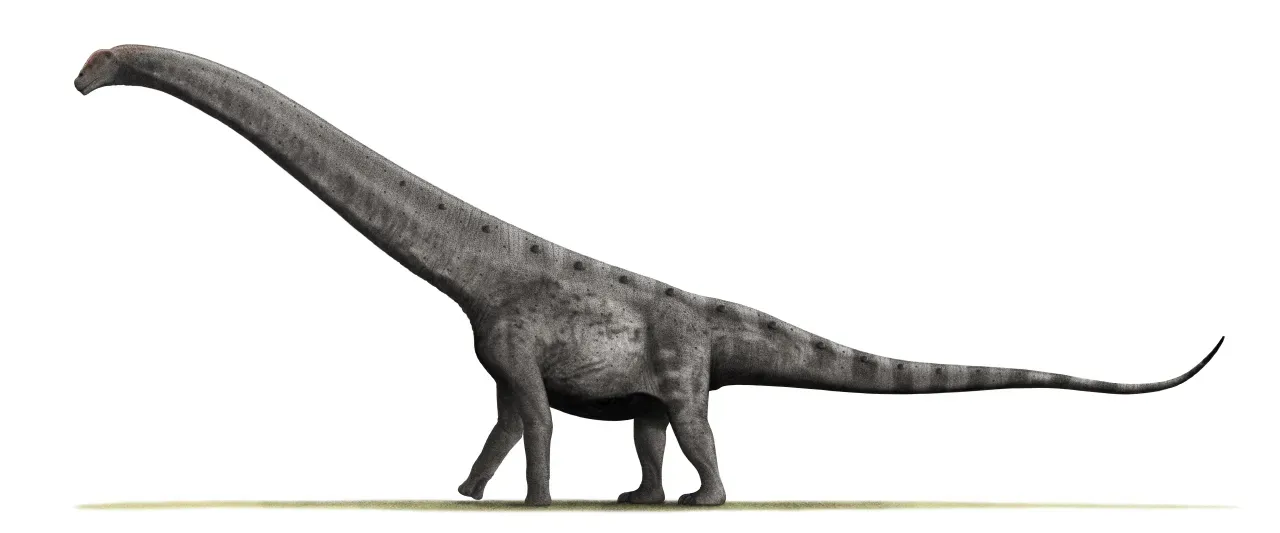
Sagittarius is the zodiac’s explorer, and its fossil twin might be Argentinosaurus, one of the largest land animals ever to exist. This gigantic sauropod roamed what is now South America in herds, traveling long distances in search of enough vegetation to sustain its colossal appetite. Its immense neck and tail, along with a body that pushed the limits of what bones and muscles can support, turned each journey into a slow-moving epic across floodplains and forests. That restless, horizon-chasing lifestyle mirrors Sagittarius’ hunger for new experiences, cultures, and ideas.
If Sagittarius is your core frequency, you probably recognize that Argentinosaurus drive to keep moving, even when staying put would be easier. You might collect stamps in a passport, courses on an online platform, or friendships scattered across cities, all in pursuit of a bigger picture. The giant sauropod’s story underlines both the thrill and the challenge of that path: great journeys demand enormous resources and occasional course corrections, but they also leave wide tracks in history and memory that no one can mistake for playing small.
Capricorn and Tiktaalik: Climbing from Water to Land One Careful Step at a Time
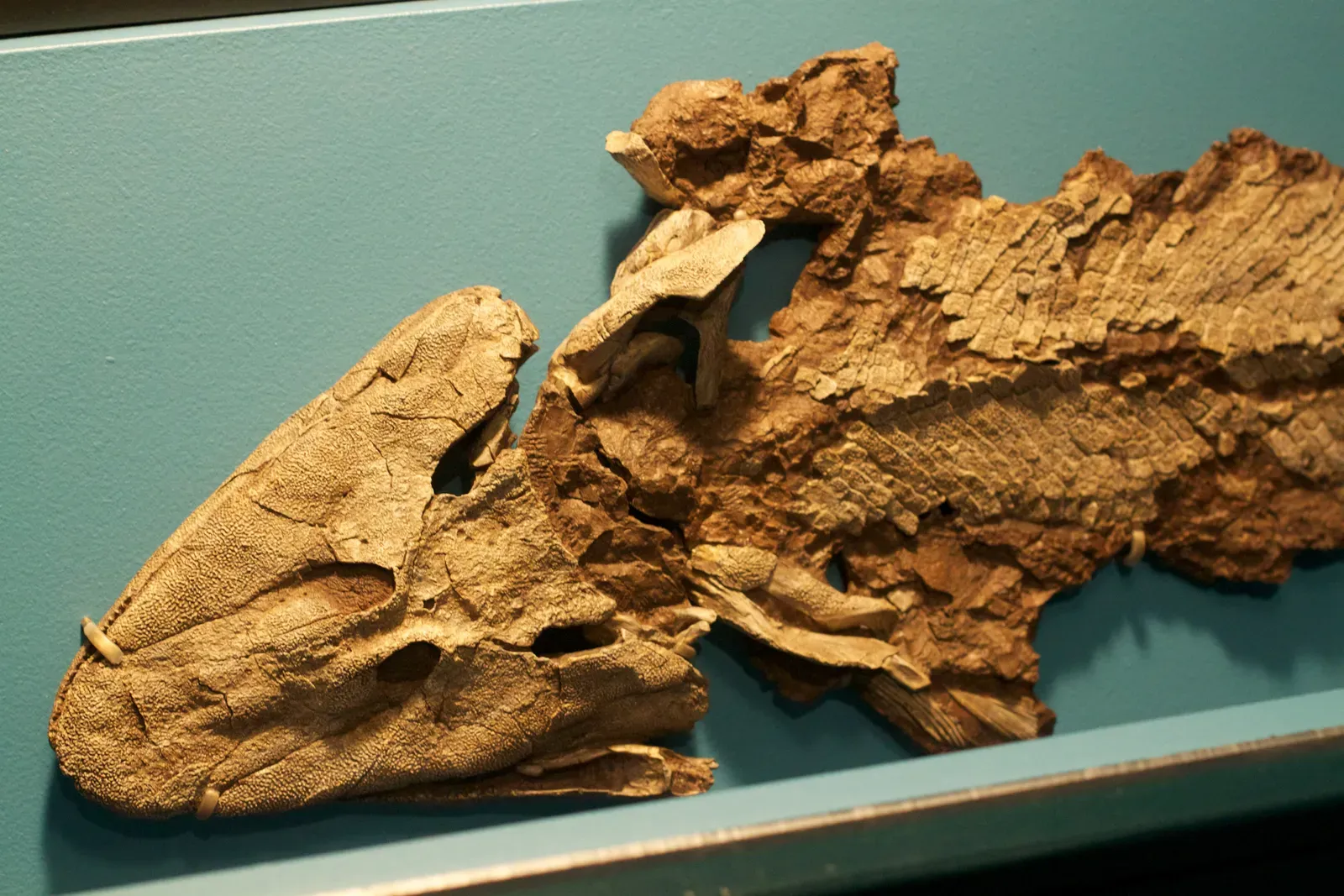
Capricorn is often symbolized by a mountain goat, but its deepest ancient analogue is Tiktaalik, the fishlike creature that helped pioneer the move from water to land roughly about three hundred seventy-five million years ago. Fossils show it had both gills and lungs, along with sturdy, limb‑like fins and a mobile neck, making it a transitional form between aquatic fish and the first four‑legged animals. This was not a flashy leap but a series of incremental anatomical upgrades that allowed it to push up in shallow water, explore muddy banks, and gradually claim a new frontier. That mix of ambition, caution, and structural discipline fits Capricorn’s core personality almost eerily well.
If Capricorn themes dominate your chart, you may recognize that Tiktaalik mindset of quietly building capacity behind the scenes before making a visible move. You take responsibility seriously, you plan for the long haul, and you are willing to endure temporary discomfort if it leads to lasting progress. The creature’s place in evolutionary history is a reminder that some of the most radical transformations do not look glamorous in the moment; they look like a tired animal dragging itself one more body length up the shore, trusting that the view will eventually be worth it.
Aquarius and the First Hominins: Rule-Breaking Brains in a World of Beasts
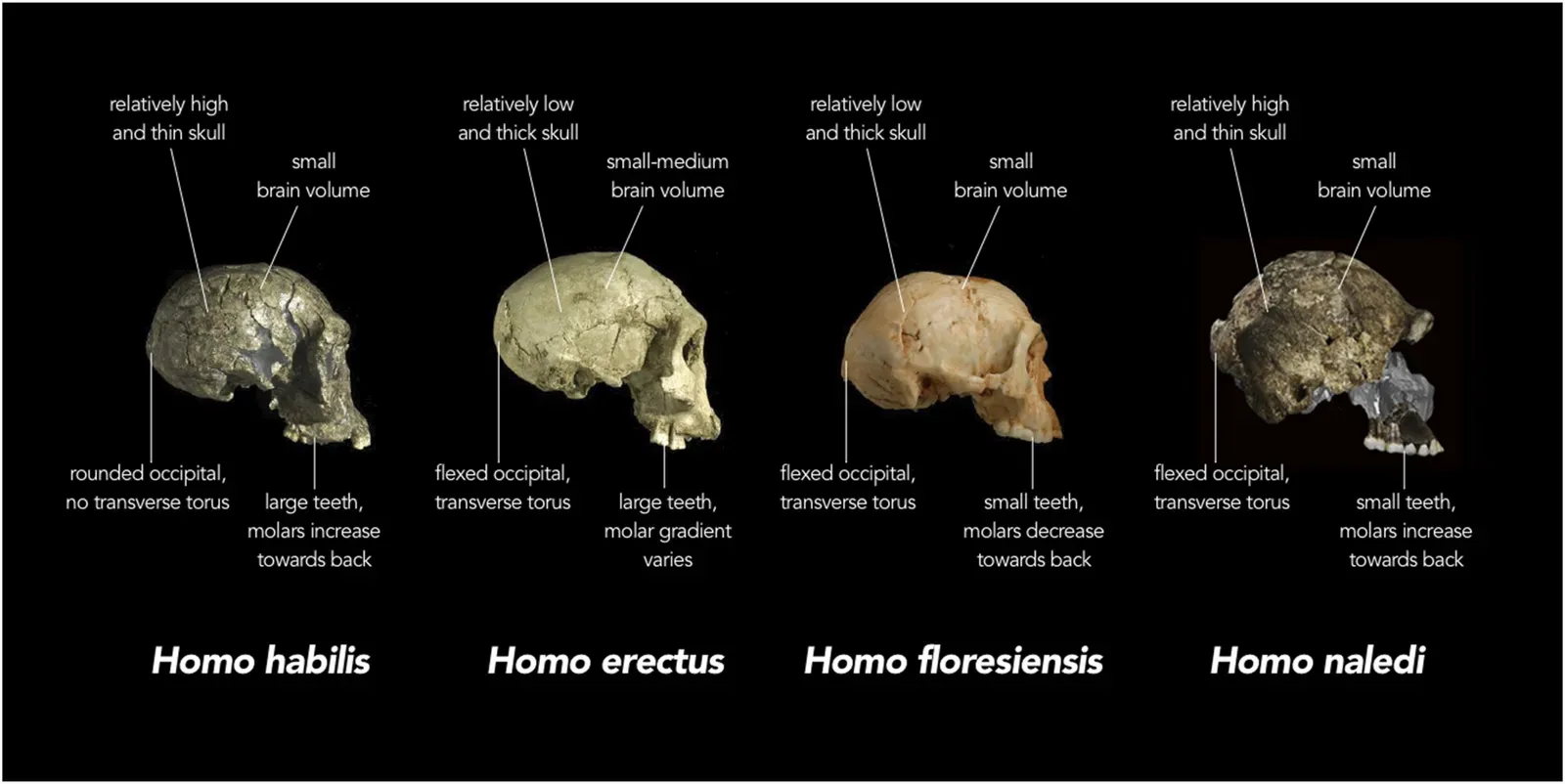
Aquarius is associated with the visionary and the outsider, which finds a fitting echo in the earliest hominins and members of our genus, such as Homo erectus. These ancient humans walked upright with long-distance endurance, freeing their hands for tool use and their minds for increasingly complex social life. Fossil sites preserve stone tools, butchery marks on bones, and evidence of controlled fire, all signs that these beings rewrote the rules of survival compared with the big cats and giant herbivores around them. Their willingness to experiment with technology and collaboration marked a turning point in evolution where ideas started to matter as much as claws or teeth.
If Aquarius runs strong in you, you likely resonate with that hominin urge to challenge the status quo and imagine alternatives. You might be the person in your circle suggesting a radically different way to organize work, a new technology to test, or an unconventional community to build. Just as early humans combined individual ingenuity with group cooperation, your best ideas gain power when you share them, refine them collectively, and are willing to live a little strangely by contemporary standards. The fossil traces they left behind are a quiet testament that weird, brave experiments can reshape the entire trajectory of a species.
Pisces and the Coelacanth: Ancient Soul in Deep, Mysterious Waters
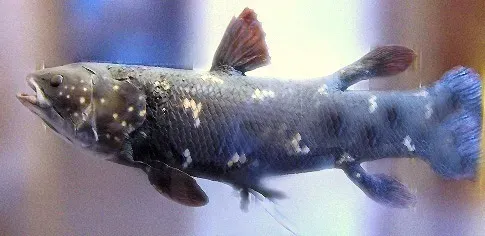
Pisces often gets described as dreamy or otherworldly, and the coelacanth – a so‑called living fossil – captures that feeling almost too well. Thought to have vanished with the dinosaurs, this lobe‑finned fish was dramatically rediscovered alive in the twentieth century, still cruising deep, dark waters off African and Indonesian coasts. Its anatomy includes limb‑like fins and a unique, jointed skull, relics of an ancient branch of vertebrates that once flirted with the idea of walking onto land. Instead, the coelacanth stayed in the depths, turned inward toward a specialized niche, and persisted there in near secrecy for tens of millions of years.
If you are strongly Pisces, you might recognize yourself in that blend of age‑old wisdom and apparent invisibility. You tend to operate below the surface of conversations, picking up currents of mood and meaning that others miss, and you may feel out of sync with fast, shallow trends. The coelacanth’s story suggests that not every path has to lead to the spotlight; there is a different kind of success in finding your own depth, staying loyal to it, and resurfacing only when it actually matters. Your sensitivity is not a flaw but a long-evolved instrument tuned to quiet, important signals.
Why Ancient Animal Mirrors Matter More Than Cute Zodiac Memes
Underneath the playful pairings, there is a serious question: why do these ancient animals feel like such good mirrors for modern personalities? Part of the answer lies in convergent strategies; across hundreds of millions of years, life has repeatedly solved similar problems with similar traits, such as bold risk-takers, cautious planners, social cooperators, and resilient survivors. When you recognize yourself in Tiktaalik’s steady climb or Dunkleosteus’ armored intensity, you are seeing your own behavior framed as one possible solution in a much larger evolutionary experiment. That perspective can be oddly grounding, reminding you that your quirks and instincts are not random defects but variations on old survival themes.
There is also a cultural layer here: humans understand themselves through stories, symbols, and metaphors, and the fossil record offers a library that is at once scientific and mythic. By linking zodiac signs to real prehistoric creatures instead of invented archetypes, we bridge emotional language and empirical evidence, making it easier for people who love astrology to bump into paleontology and vice versa. You do not have to believe the stars dictate your fate to find value in asking which ancient animal feels like home, and what that choice says about the way you move through the world.
How to Keep Exploring Your Inner Fossil Record
If one of these ancient animals clicked with you, you can treat that spark as an invitation to learn more about both your own wiring and the deep history of life on Earth. Visit a natural history museum and stand in front of the skeleton or fossil closest to “your” creature, taking a moment to imagine the sensory world it inhabited: the smells, sounds, and threats it faced. Read a popular science book or watch a documentary about that period in geologic time, and notice which survival strategies feel familiar or alien to you. You might even sketch or journal about your fossil twin, turning it into a personal symbol that reminds you of your strengths and blind spots.
On a broader level, paying attention to prehistoric life can sharpen your sense of belonging on a changing planet, because our own species is now reshaping the environment as profoundly as any ancient extinction event. The more you care about these vanished creatures, the more likely you are to support conservation, science education, and policies that protect today’s threatened species from becoming tomorrow’s fossils. In a small but real way, asking what ancient animal matches your zodiac sign can be a doorway into thinking longer, feeling deeper, and acting with a bit more responsibility toward the living world that made you possible in the first place.
Suhail Ahmed is a passionate digital professional and nature enthusiast with over 8 years of experience in content strategy, SEO, web development, and digital operations. Alongside his freelance journey, Suhail actively contributes to nature and wildlife platforms like Discover Wildlife, where he channels his curiosity for the planet into engaging, educational storytelling.
With a strong background in managing digital ecosystems — from ecommerce stores and WordPress websites to social media and automation — Suhail merges technical precision with creative insight. His content reflects a rare balance: SEO-friendly yet deeply human, data-informed yet emotionally resonant.
Driven by a love for discovery and storytelling, Suhail believes in using digital platforms to amplify causes that matter — especially those protecting Earth’s biodiversity and inspiring sustainable living. Whether he’s managing online projects or crafting wildlife content, his goal remains the same: to inform, inspire, and leave a positive digital footprint.


