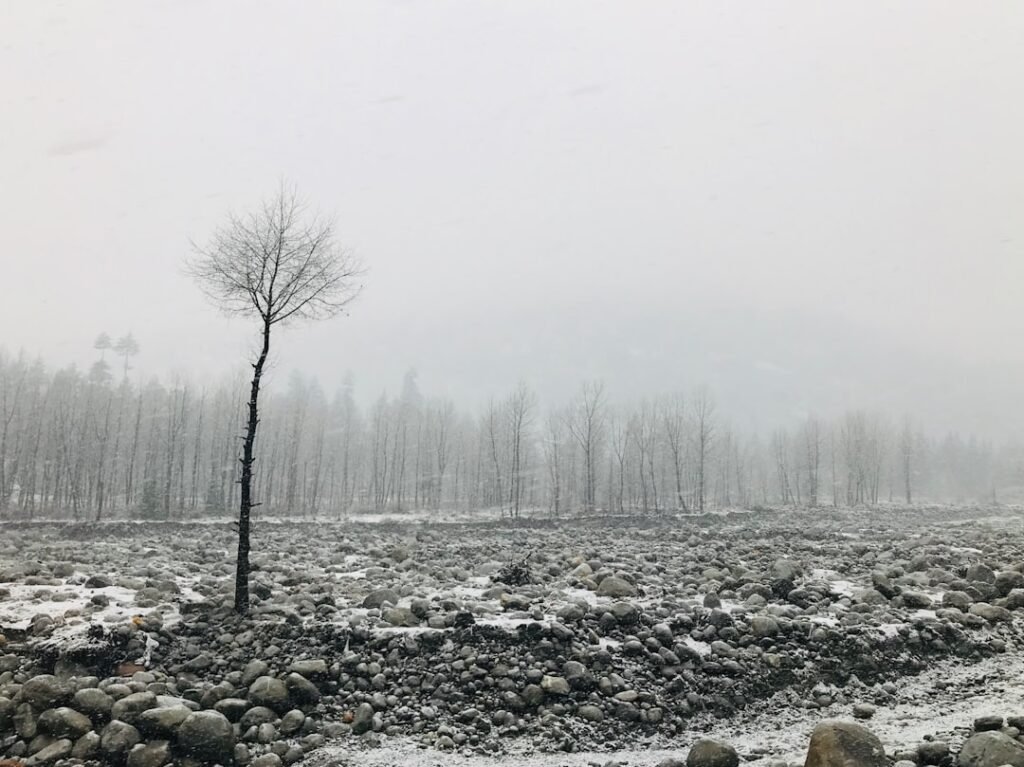

Over 8,500 Heat Records Shattered in Unrelenting Warmth (Image Credits: Unsplash)
Western United States – A persistent snow drought combined with extreme winter warmth has plunged mountain snowpack to historic lows, threatening water security and fire safety as spring approaches.
Over 8,500 Heat Records Shattered in Unrelenting Warmth
Scientists described the conditions as unprecedented after more than 8,500 daily high temperature records broke or tied across the West since early December.[1][2]
At least 67 weather stations logged their warmest December through early February periods on record. This heat transformed much of the winter’s precipitation into rain rather than snow, preventing accumulation in higher elevations. January proved particularly dry, with most states receiving half or less of average precipitation amid sunny skies.
“I have not seen a winter like this before,” said Mark Serreze, director of the National Snow and Ice Data Center. “This pattern that we’re in is so darned persistent.”[1]
Snow cover now spans just 155,000 square miles—roughly the size of California—compared to a typical 460,000 square miles this time of year.[1]
Hardest-Hit States Face Snowpack Nadir
Oregon, Colorado, and Utah reported their lowest statewide snowpack since records began in the early 1980s. Oregon’s snow water equivalent plunged to 30% below the previous record low, according to NOAA’s Jason Gerlich.[1]
Nearly all SNOTEL monitoring sites in these states registered snow water equivalent below the 20th percentile, signaling severe drought conditions. Salt Lake City endured 327 days without an inch of snow, the longest streak since 1890-91.[1]
California fared better thanks to December rains, but basins like the Upper Colorado River remained critically low, with some sub-basins at 57% to 64% of median levels.[2]
- Oregon: 86% of sites in snow drought
- Colorado: 95% of sites affected
- Utah: 80% of sites below threshold
- Idaho: 68% impacted
- Nevada: 77% in drought
Snowpack Shortfall Jeopardizes Vital Water Flows
Mountain snow acts as a natural reservoir, releasing water steadily into rivers during spring melt to sustain agriculture, cities, and hydropower. This year’s deficits forecast Lake Powell inflows at only 60% of normal for the water year and 43% during peak April-July runoff.[2]
“This is a pretty big problem for the Colorado basin,” noted Daniel Swain of the University of California’s Water Resources Institute.[1]
Low streamflows already strained farming in areas like Nevada’s Humboldt River basin. Urban and rural communities reliant on snowmelt rivers face heightened rationing risks if incoming storms fail to rebuild reserves.
Path Clears for an Early, Intense Fire Season
Minimal snow means earlier exposure of soils and vegetation to spring sun, accelerating drying and priming landscapes for flames. Experts warned of a prolonged fire season with reduced runoff efficiency.[2]
Ski resorts reported mounting losses from bare slopes, compounding woes for winter recreation. Daniel McEvoy of the Western Regional Climate Center explained that December’s warmth confined snow to mountaintops, followed by January’s dryness.[1]
Forecasters anticipated some relief from wetter weather this week, though persistent warmth could limit gains. Russ Schumacher, Colorado State Climatologist, cautioned that deficits would persist far from average.[1]
Key Takeaways
- Snow drought stems primarily from record warmth, not just low precipitation, linking to broader climate patterns.
- Upper Colorado River Basin faces acute risks, with inflows projected well below normal.
- Impacts extend beyond water to early wildfires, tourism slumps, and agricultural stress.
As the West confronts this snowless winter, proactive conservation and preparedness offer the best defense against cascading shortages. How is your community adapting to these changes? Tell us in the comments.