In the serene landscapes of West Virginia, a mysterious new spectacle has caught the attention of scientists and nature enthusiasts alike. A recently identified firefly species, previously unseen and undocumented, might just redefine our understanding of bioluminescence. The discovery of these enchanting creatures has sparked a wave of curiosity and excitement within the scientific community, offering a glimpse into the hidden wonders of nature that continue to surprise us.
Background on Fireflies and Bioluminescence

Fireflies, or lightning bugs as they are often called, are known for their brilliant display of light on warm summer nights. This bioluminescent phenomenon is a result of a chemical reaction involving luciferin, an enzyme that produces light without heat. Historically, these insects have captivated humans with their flickering dances, often associated with magical or mysterious qualities.
The Discovery in West Virginia
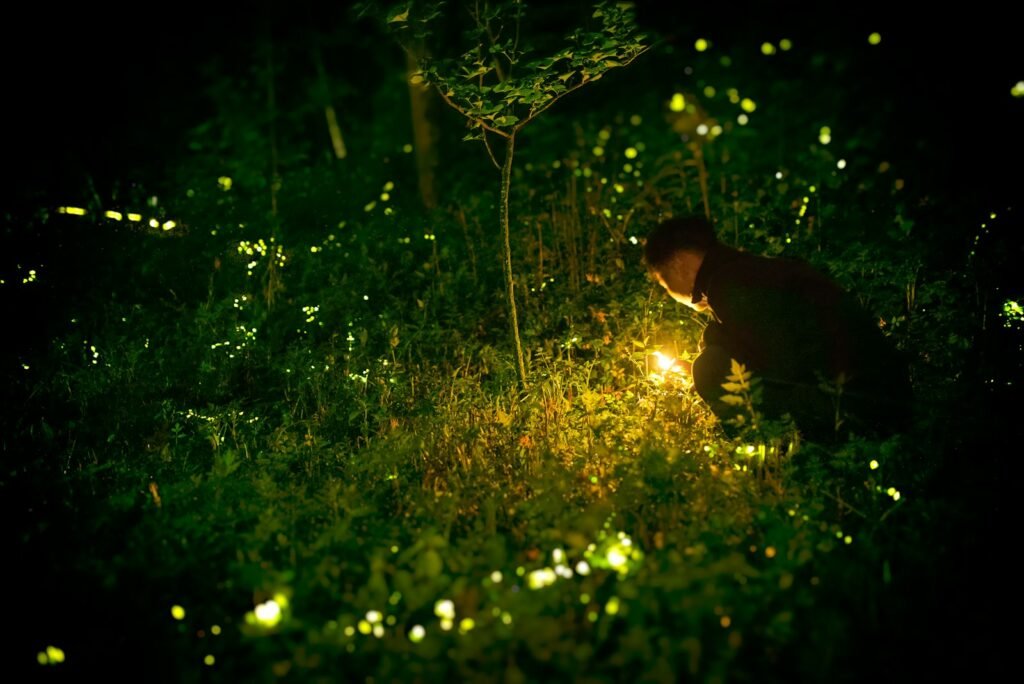
The discovery of this potential new firefly species was made during routine biodiversity surveys conducted in the lush habitats of West Virginia. Scientists were initially drawn to the area due to existing diverse wildlife but were soon fascinated by the unusual luminescent patterns exhibited by these fireflies. Unlike their known counterparts, this new species displays a distinct light pattern that has never been documented before.
Unique Characteristics of the New Firefly Species

Remarkably different from other known species, the West Virginian firefly does not follow the typical flash pattern found in the majority of fireflies. Instead, it exhibits a continuous glow with sporadic flashes, creating a rhythm that is both mesmerizing and unique. Preliminary observations suggest that this light pattern serves a specific function, potentially related to mating or communication.
The Role of Bioluminescence in Fireflies

Bioluminescence serves various functions in fireflies, from attracting mates to deterring predators. In general, the intensity and rhythm of the light can vary based on environmental factors and the specific needs of the species. Understanding these factors in the context of this new discovery is crucial to comprehending the evolutionary adaptations that enable such diverse bioluminescent behaviors.
Significance to Biodiversity
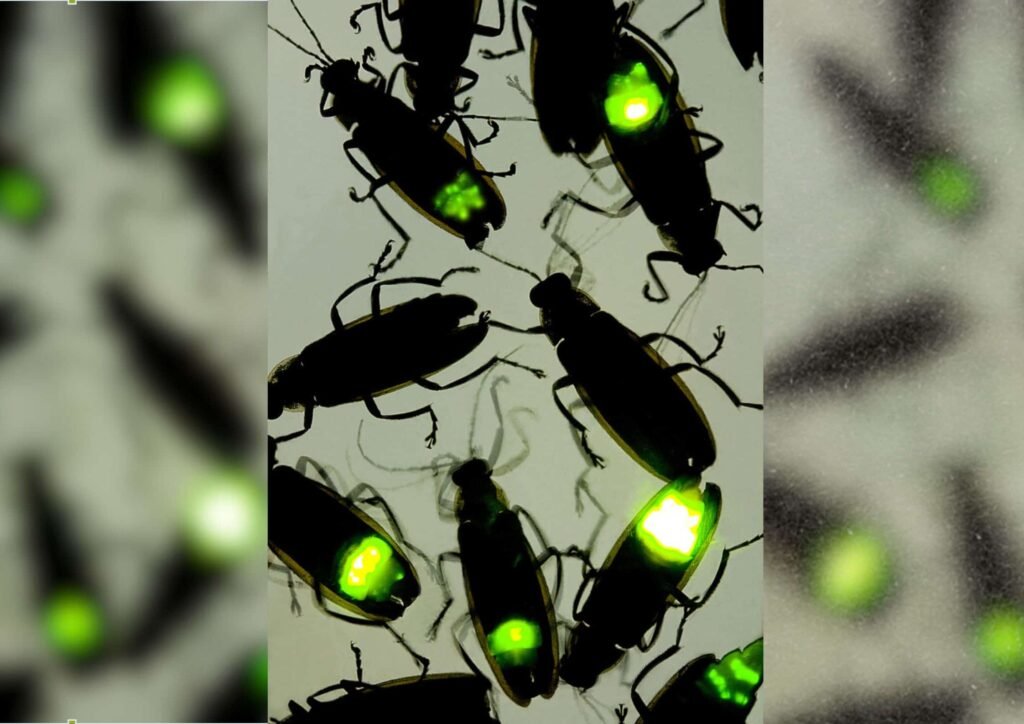
The potential discovery of a new firefly species in West Virginia exemplifies the rich and often unexplored biodiversity of the region. Such findings remind us of the ecological significance of maintaining natural habitats and the role they play in housing unique and undiscovered species. Protected ecosystems like those in West Virginia are vital in fostering such diversity.
Implications for Scientific Research

The unique bioluminescent properties exhibited by this new firefly species open new avenues of research in the field of natural sciences. Scientists anticipate that studying these creatures could provide insights not only into firefly evolution but also into applications for bioluminescent technology, such as medical imaging and environmental sensing.
Challenges in Classification

Classifying a new species is a complex process, requiring comprehensive studies and comparisons with known species. Genetic analysis, behavioral studies, and ecological assessments are some of the many methods scientists employ to validate a new species. The unique characteristics of this firefly present both challenges and opportunities for scientific exploration.
Conservation Efforts and Challenges

Protecting the newly discovered firefly species poses a significant challenge. Ensuring that their natural habitats remain untouched by human activities is crucial to their survival. Conservationists emphasize the need for local and national support to preserve these habitats, underlining the importance of community involvement in such efforts.
Conclusion
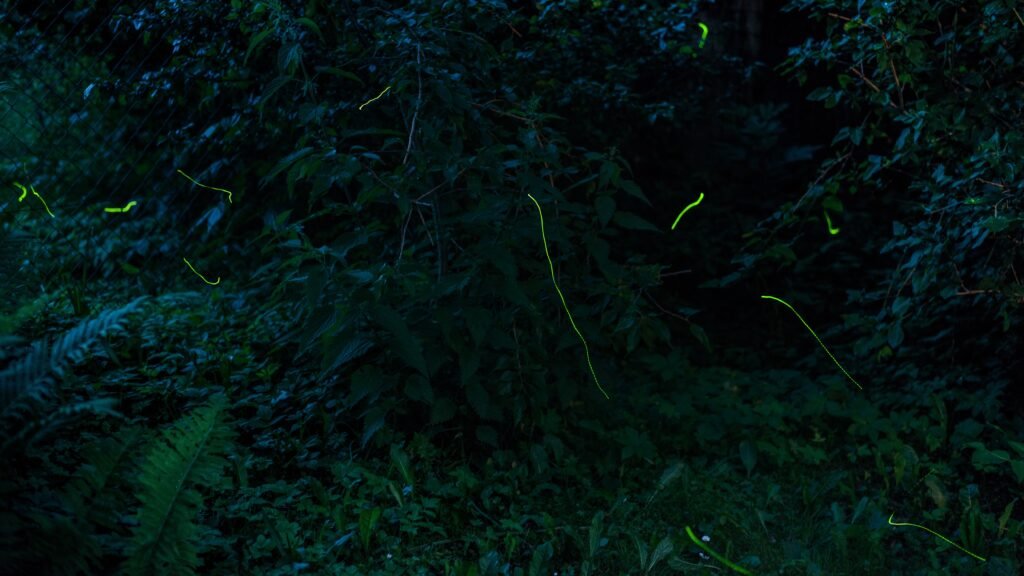
The discovery of a potential new firefly species in West Virginia highlights the endless marvels of the natural world still left to explore. This enigmatic insect not only expands our understanding of bioluminescence but also serves as a vibrant reminder of the delicate balance of ecosystems where such phenomena thrive. Through continued research and dedicated conservation efforts, we can ensure that these luminous wonders continue to light up our nights and broaden our scientific horizons.