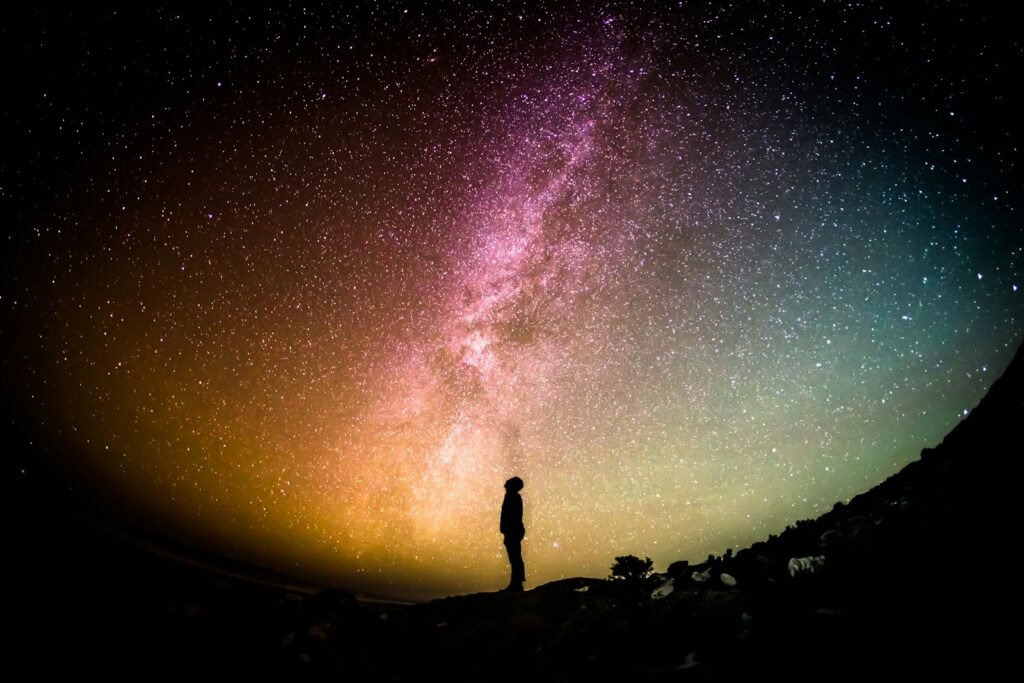

The idea that early humans might have been “guided” by beings later remembered as gods sounds like pure mythology until you start looking closely at certain artifacts and sites that seem wildly out of step with their time. On stone, bone, clay, and mountain slopes, we inherit puzzles that feel like someone skipped a few pages in the human instruction manual. This article does not argue for ancient aliens or secret lost super-civilizations; instead, it asks a more grounded but still unsettling question: did some groups of humans, far earlier than we once thought, possess knowledge so advanced that their descendants could only explain it as divine? By tracing a handful of “how did they do that?” breakthroughs – from navigation stones to sky temples – we can examine where belief, technology, and memory blur into something that looks very much like guidance from beyond the ordinary.
Star Maps in Stone: When the Sky Became a Teacher
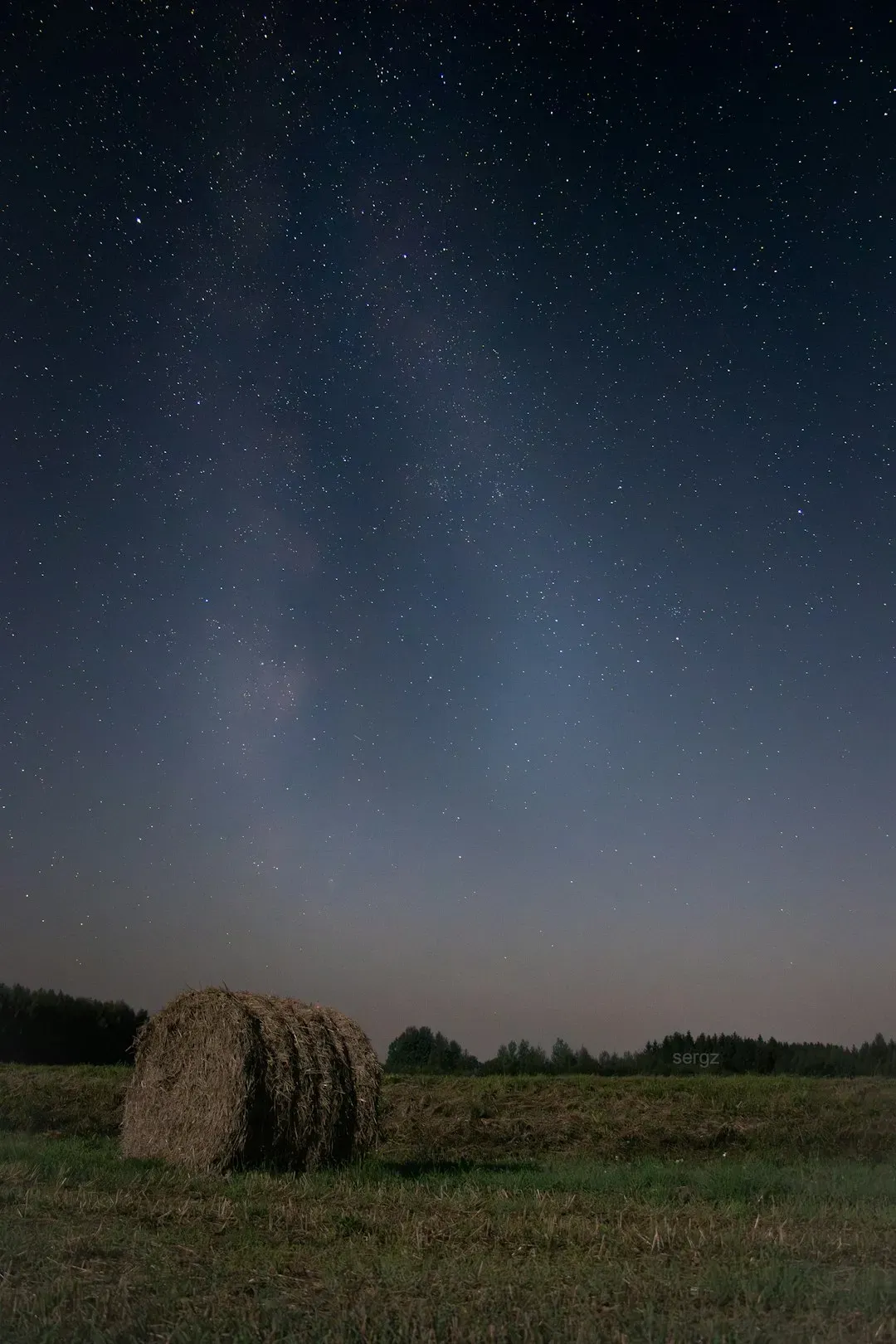
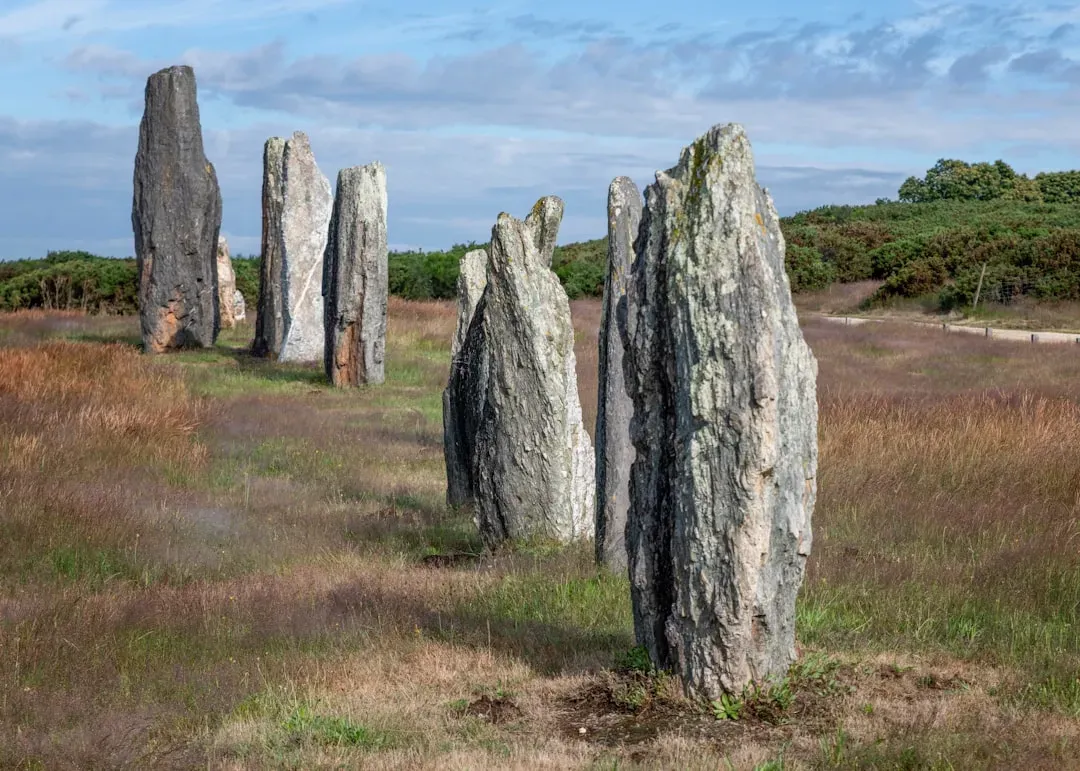
Imagine standing in the dark thousands of years ago, with no cities, no screens, and the Milky Way blazing across the sky brighter than any modern planetarium. For many ancient communities, the night sky was not just a backdrop; it was a grid of information, a seasonal calendar, and in some cases, a kind of instruction manual encoded in myth. Archaeological sites with carefully aligned stones, such as early European stone circles or megalithic rows, show that people were tracking solstices, equinoxes, and lunar extremes with a precision that would be difficult without systematic observation. When those alignments are preserved for generations, the original technical knowledge often dissolves into stories of gods of the sun and moon demanding temples in precise locations.
What looks to us like “worship” may have started as sky-based data collection, turned sacred as the reasoning behind it faded from memory. If your ancestors could predict floods or planting seasons by reading the heavens, it would be easy to believe they were in contact with higher forces. That emotional leap – from careful measurement to cosmic guidance – is where sky priests become god messengers in later retellings. The stone and the stars remain the same, but the explanation changes as the science is forgotten and the story takes over. In that sense, the first “gods” might have been the night sky itself, wearing a human voice.
Mysterious Precision: The Toolmarks That Shouldn’t Be There
Walk through certain ancient stone sites and it’s hard not to feel like you’ve stepped onto a set where the props department overdid the realism. You encounter blocks that fit so tightly together you can barely slide a razor blade between them, drill holes that seem almost machine-cut, and surfaces polished to a mirror-like sheen long before lathes and steel mills. In places like Egypt, the Near East, and the Andes, archaeologists have documented traces of advanced stoneworking techniques – copper-alloy tools sometimes pushed close to their limits, abrasive compounds, and methods that suggest extensive trial-and-error experimentation. None of this requires lost technologies, but it does demand a level of planning, labor coordination, and patience that later generations often found easier to attribute to gods than to grandparents.
Over centuries, those feats of engineering were folded into origin stories: the gods split the stones, the gods lifted the blocks, the gods taught the first builders. From a modern perspective, what we actually see are human hands exploiting every physical advantage available – gravity, ramps, levers, abrasion, and enormous social organization. Yet when the know-how is no longer actively taught, hard stone becomes a kind of fossilized miracle, and the unknown techniques begin to feel supernatural. The mystery is not that people were incapable of such work; it’s that their own descendants came to believe only gods could have done it.
Forgotten Engineers of the Sacred: Temples as Laboratories
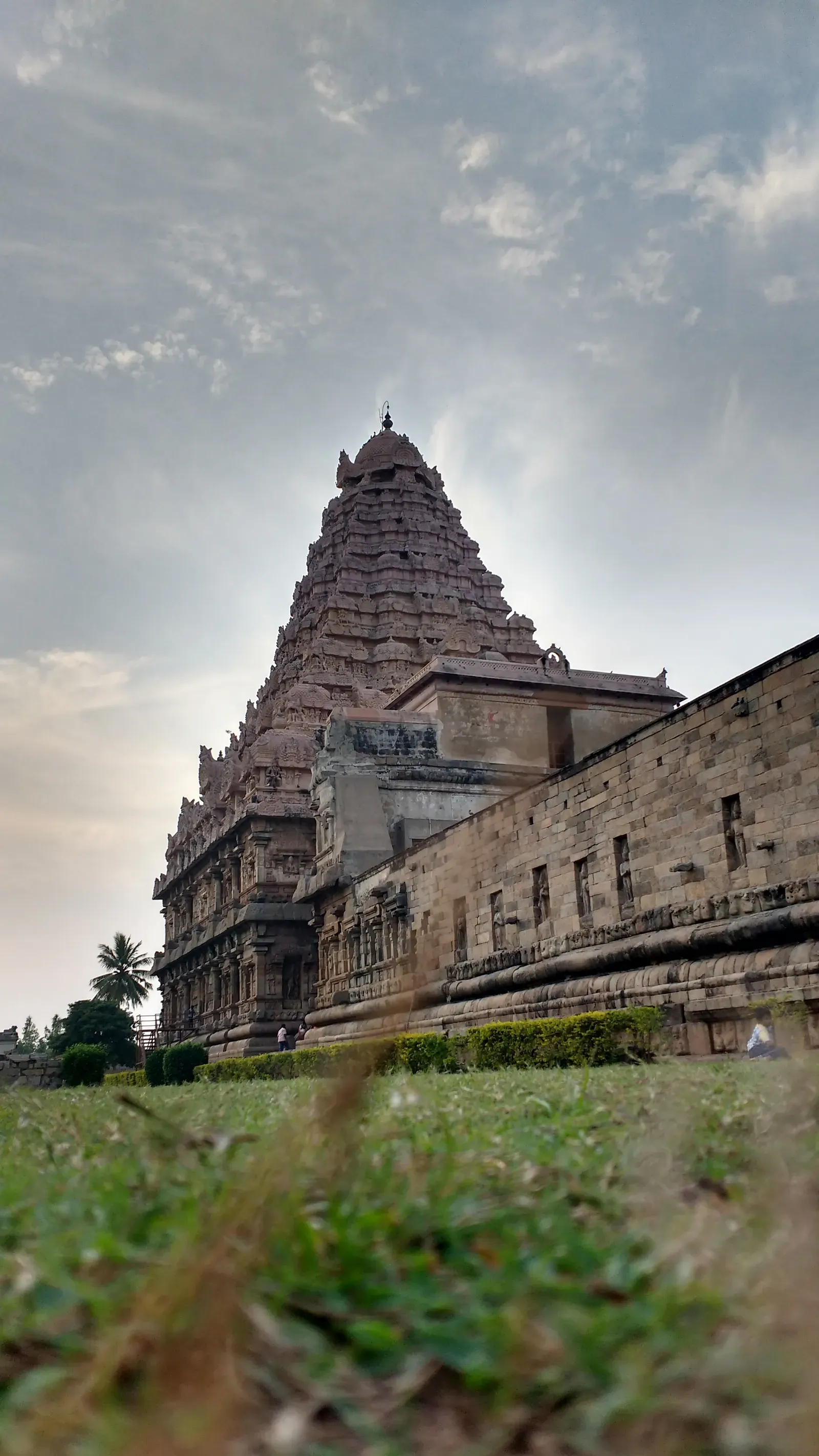
Many of the world’s most striking ancient temples are often described primarily in terms of ritual and religion, but when you look closer, they functioned like multi-purpose technology hubs. Large ceremonial complexes brought together astronomy, acoustics, hydraulics, and social engineering under one sacred roof. Builders forced water through channels that gurgled and roared at particular moments, carved courtyards with uncanny acoustic “sweet spots,” and aligned doorways and windows so the rising sun or a specific star would pierce the darkness on a single crucial day each year. These were not random flourishes; they were results of long-term observation, testing, and design choices.
To the average worshipper centuries later, none of that would look like engineering. It would feel like the gods themselves had shaped stone and sound to prove their presence. Priests who understood the mechanisms had immense power, because they could seemingly command light, echo, and flowing water on schedule. In that sense, the “guiding beings” may have been highly specialized human experts whose knowledge was wrapped in secrecy and myth. Once the underlying physics and design strategies faded, all that remained was awe – and an unshakeable belief that non-human powers had dictated the blueprints.
Encoded Myth: When Origin Stories Hide Operating Manuals
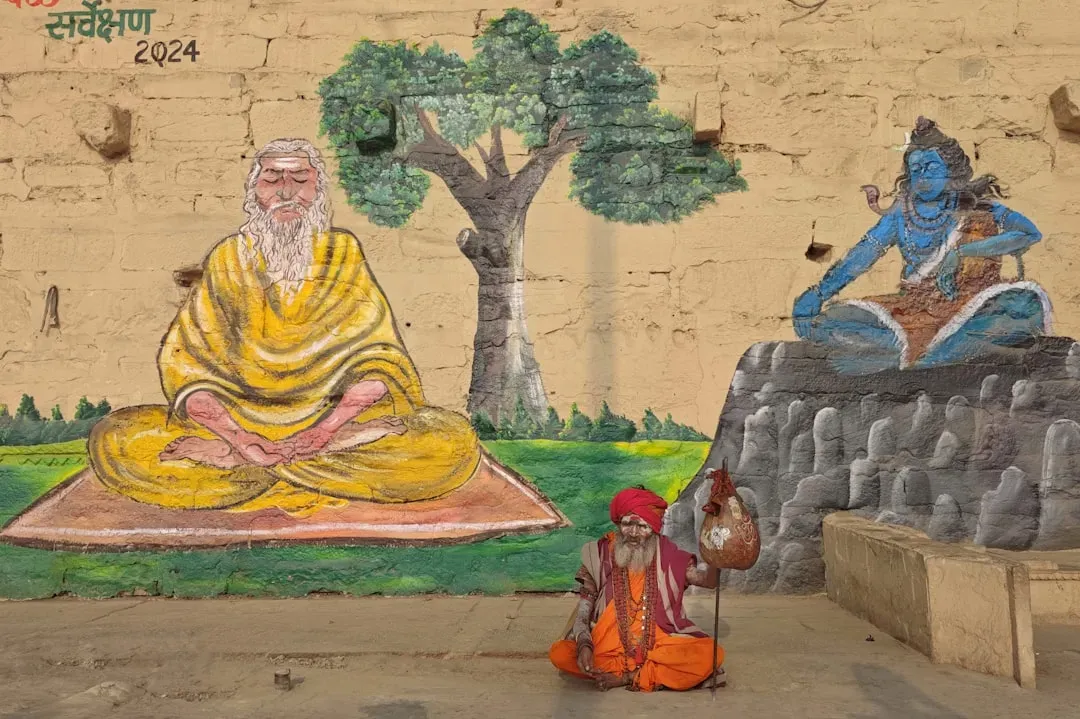
Origin myths from many cultures describe culture-bringers who arrive suddenly bearing gifts: fire, agriculture, writing, medicine, navigation, or moral law. These figures are often presented as gods, demigods, or mysterious visitors, but viewed through a scientific lens, they can also be read as compressed historical memories of real transitions in knowledge. When a community transforms from foraging to farming, or adopts complex metalworking, life changes so dramatically that ordinary language struggles to describe it. Turning those upheavals into stories about divine teachers is a way of simplifying a messy and gradual learning process into something emotionally satisfying and easy to retell.
Myths also work surprisingly well as data storage. They can encode instructions about when to plant, where not to build, or which animals to avoid, wrapped in dramatic tales of gods rewarding or punishing humans. Across generations, the practical logic recedes while the supernatural elements swell, leaving the impression of direct guidance from higher beings. It’s entirely possible that some myths that sound like wild fantasy today once functioned as user guides for living in specific landscapes and climates. The “gods,” in that reading, are personified rule sets born of careful observation and hard-earned experience, remembered long after the original experimenters were gone.
Ritual, Authority, and the Illusion of Divine Instruction
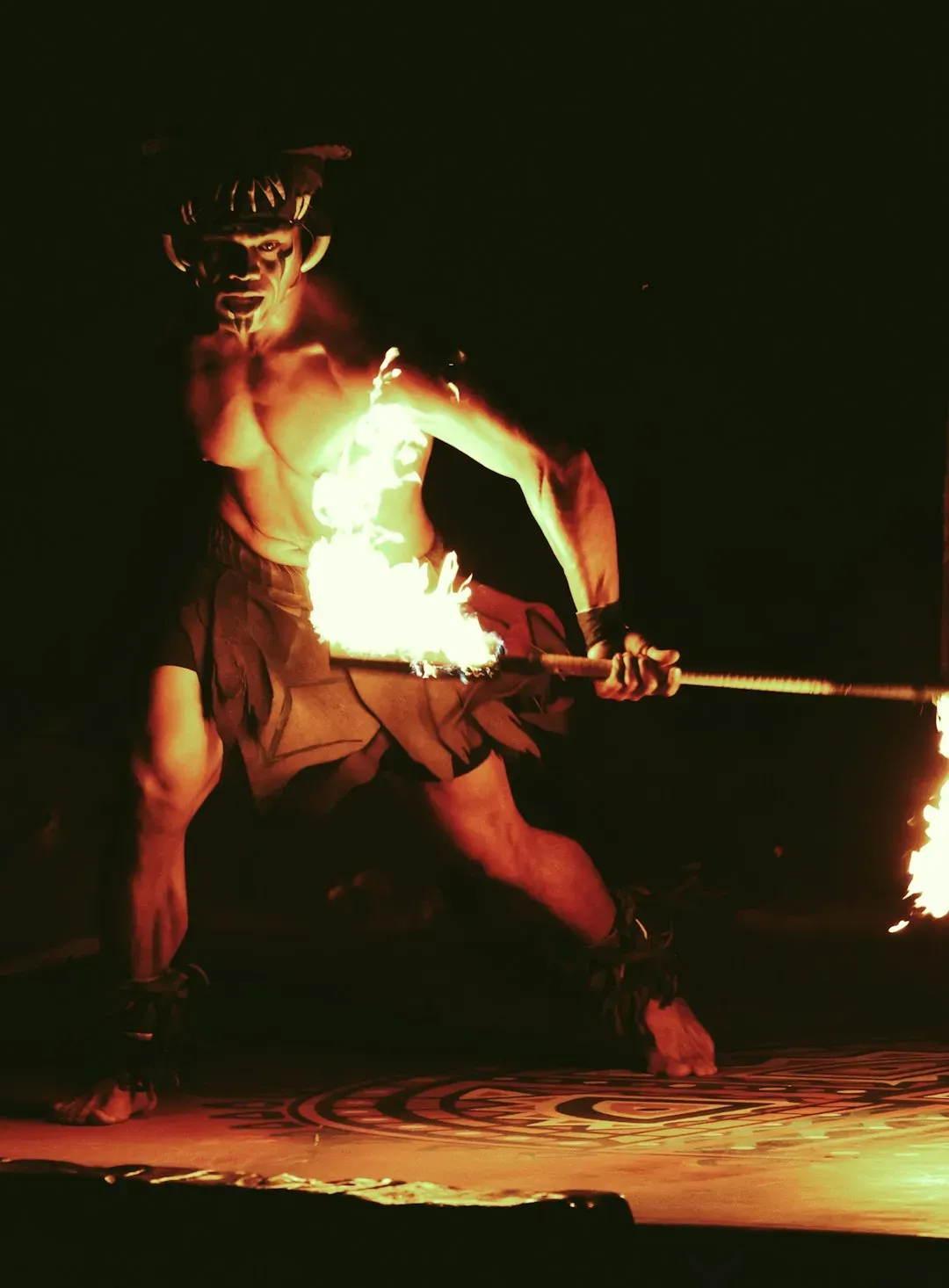
If you want to understand why people believed they were guided by gods, it helps to look closely at who claimed to speak for those gods. In many early societies, specialized classes of priests, shamans, or ritual experts interpreted omens, controlled access to sacred objects, and oversaw the timing of major communal events. They often had the best knowledge of seasonal cycles, animal migrations, and social tensions, simply because everyone told them their fears and hopes. From that vantage point, they could make extremely well-informed predictions that looked indistinguishable from revelation to ordinary people.
Ritual itself reinforced the sense of contact with another realm. Chants, psychoactive substances, fasting, and sensory overload can alter perception dramatically, convincing participants that they have truly encountered non-human beings. Those experiences were then anchored to specific instructions: plant now, move camp, build here, do not harvest there. To an outside observer with a modern scientific toolkit, it looks like a sophisticated blend of psychology, early environmental science, and social control mechanisms. To those living inside the system, it felt like direct guidance from gods whose desires had to be obeyed for the community to survive. The interplay between genuine insight and staged authority helped cement the impression of otherworldly mentorship.
The Analytical Lens: What These Puzzles Really Tell Us About Human Ingenuity
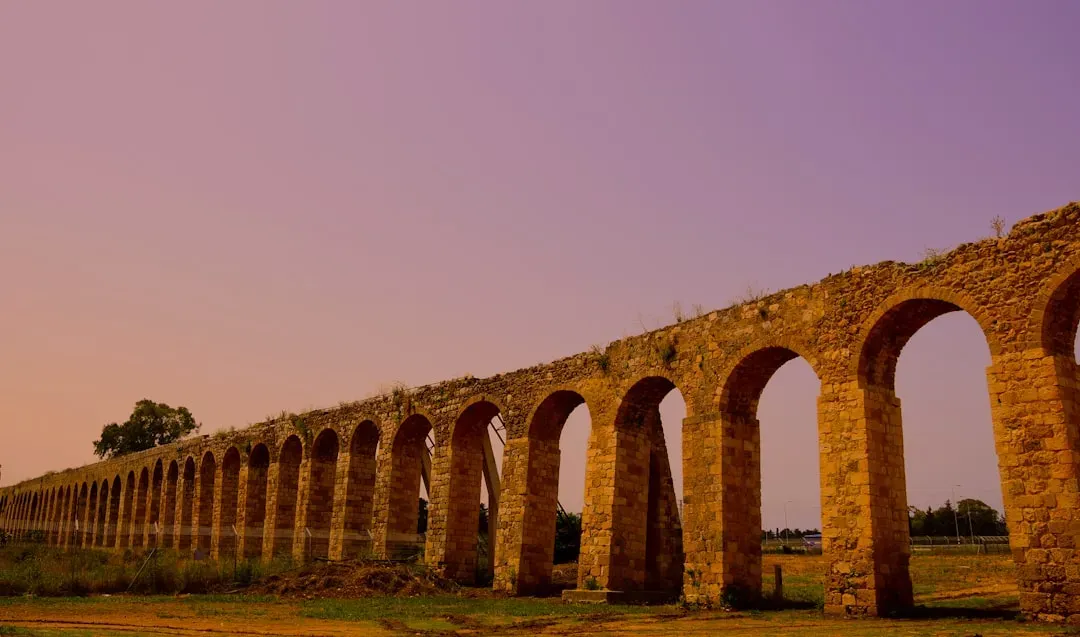
When we pull all these strands together – star-aligned monuments, improbably precise stonework, temple engineering, and mythic culture-bringers – a pattern emerges that is less about literal gods and more about the uneven distribution of knowledge. At almost any moment in history, a small minority of people understand far more about their environment and tools than everyone else, whether they are astronomer-priests, master builders, or navigators. Over time, their insights can become detached from their original methods and motivations, leaving only the artifacts and stories that survive. This gap between what was once understood and what is remembered later creates the illusion of guidance from beyond the human sphere.
Comparing traditional explanations with modern interpretations shows a recurring shift: what once was seen as divine command is increasingly explained as cumulative trial-and-error, clever use of materials, and emergent social organization. That does not make the past less impressive; if anything, it highlights how much can be achieved with limited tools and careful observation. The deeper significance is that humans appear wired to translate exceptional skill and timing into narratives of higher authority. In my own reporting, I’ve noticed that even in today’s world, people sometimes describe breakthrough scientists or inventors with a kind of secular reverence, as if inspiration itself were a visiting being. Ancient claims of godly guidance may be older, but they follow the same psychological groove.
Unresolved Mysteries Without Resorting to Magic
None of this means every archaeological riddle has been neatly solved; there are still construction sequences, lost materials, and design choices we can only model, not fully replicate with ancient constraints. Some alignments might be coincidental, some toolmarks are ambiguous, and some myths defy easy mapping onto known historical events. However, the trend over the last century has been clear: as methods improve – from high-resolution imaging to microscopic wear analysis and landscape-scale surveys – features once declared impossible for their time increasingly fall within human capabilities. The gods retreat not because they are disproven in a philosophical sense, but because the evidence shows ordinary people working extraordinarily hard.
There is a real temptation, especially online, to fill remaining gaps with sensational explanations: lost hyper-technologies, extraterrestrial tutors, hidden master races. That rush to the spectacular often overlooks the most astonishing reality of all, which is that humans, under pressure, can become frighteningly inventive. By insisting on evidence-based interpretations, researchers are not trying to strip the past of its mystery; they are trying to uncover the real, and often more dramatic, stories of risk, failure, and incremental success. The unanswered questions that remain are an invitation to investigate more rigorously, not a blank check for any story that flatters our sense that we must have had help.
How to Stay Curious Without Getting Lost in Wild Theories
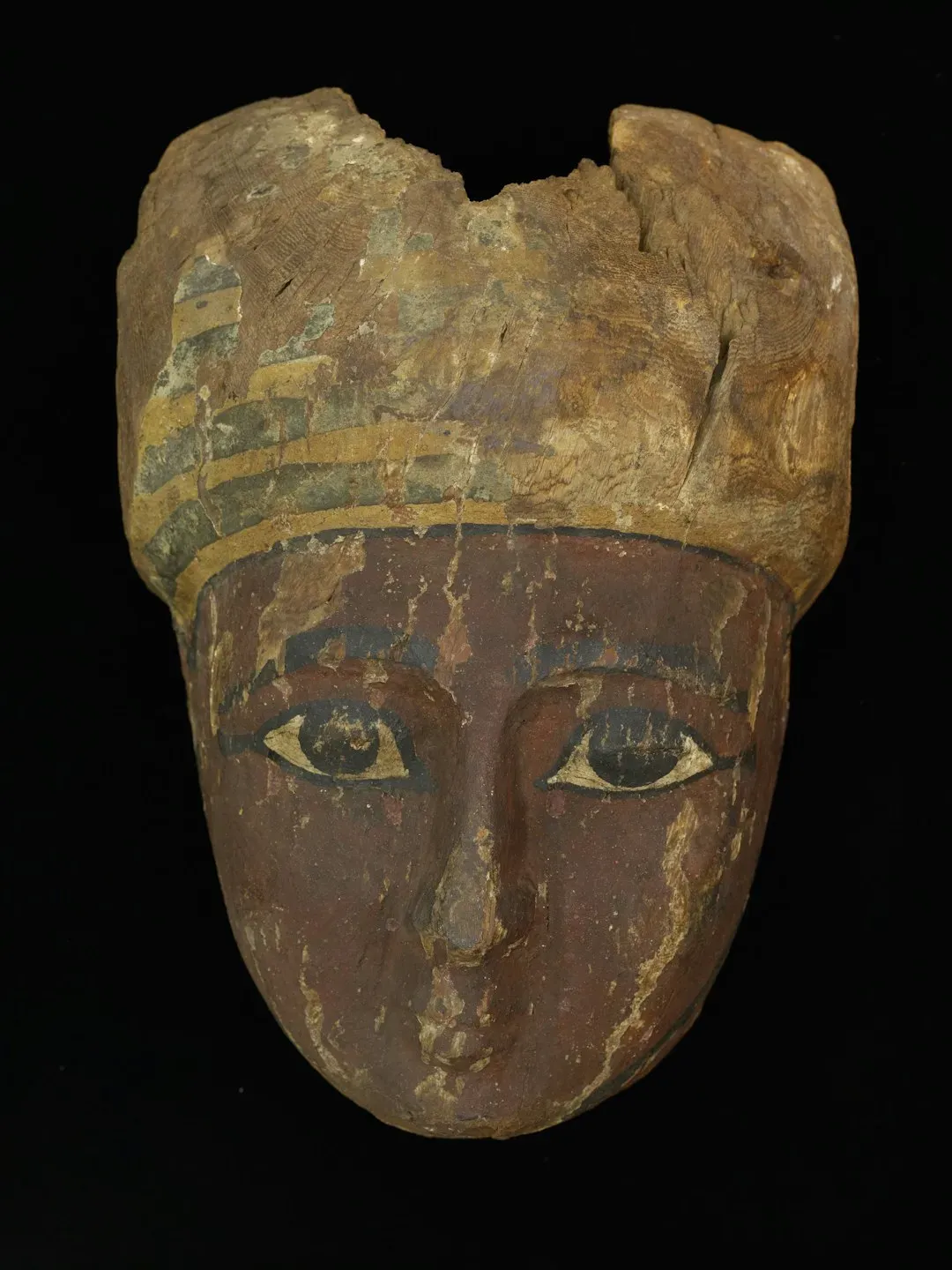
You do not need to be an archaeologist to take part in this detective work, but you do need to cultivate a particular kind of curiosity – one that loves wonder and still demands evidence. When you see a striking photo of an ancient artifact or ruin online that claims to “prove” non-human guidance, it is worth pausing to ask basic questions: who did the research, what methods did they use, what alternatives did they rule out, and how do other experts respond? Visiting local museums, reading excavation reports written for the public, or attending public lectures can ground that curiosity in verifiable details. It feels different to stand in front of a carved stone or a worn tool and imagine the specific hands that shaped it, rather than an anonymous god doing all the work.
Supporting scientific literacy also means being comfortable with uncertainty, allowing yourself to say that something is not yet fully understood without immediately plugging the gap with the most exciting story. In a way, that stance is the opposite of how many ancient myths functioned, because they tried to close every explanatory loop with divine intention. Today we have the luxury and responsibility to leave some loops open while we gather more data. If early humans were guided by anything, the surviving evidence points most strongly toward their own capacity for learning, cooperation, and belief. The real question is whether we are willing to let that be wondrous enough.
Suhail Ahmed is a passionate digital professional and nature enthusiast with over 8 years of experience in content strategy, SEO, web development, and digital operations. Alongside his freelance journey, Suhail actively contributes to nature and wildlife platforms like Discover Wildlife, where he channels his curiosity for the planet into engaging, educational storytelling.
With a strong background in managing digital ecosystems — from ecommerce stores and WordPress websites to social media and automation — Suhail merges technical precision with creative insight. His content reflects a rare balance: SEO-friendly yet deeply human, data-informed yet emotionally resonant.
Driven by a love for discovery and storytelling, Suhail believes in using digital platforms to amplify causes that matter — especially those protecting Earth’s biodiversity and inspiring sustainable living. Whether he’s managing online projects or crafting wildlife content, his goal remains the same: to inform, inspire, and leave a positive digital footprint.