
You’ve probably looked in the mirror at some point and wondered: am I the finished product of billions of years of evolution, or just a rough draft? It turns out, science increasingly leans toward the latter. In recent years, researchers have made discoveries so startling, so completely unexpected, that they’re shaking the very foundations of how we understand our own species.
The story of human evolution is no longer the neat, straight-line march from ape to upright human that many of us were taught in school. It’s messier, richer, and honestly, far more fascinating. From revolutionary fossil discoveries spanning multiple continents to groundbreaking genetic studies revealing hidden chapters in our ancestry, the story of humanity has proven to be far more complex than the simple linear progression scientists once envisioned, painting a vivid picture of a “bushy tree” of evolution where multiple human species coexisted and interbred.
What’s emerging in labs and dig sites around the world right now might just be the most exciting chapter in the history of human self-discovery. So let’s dive in.
The Family Tree Just Got a Lot Busier
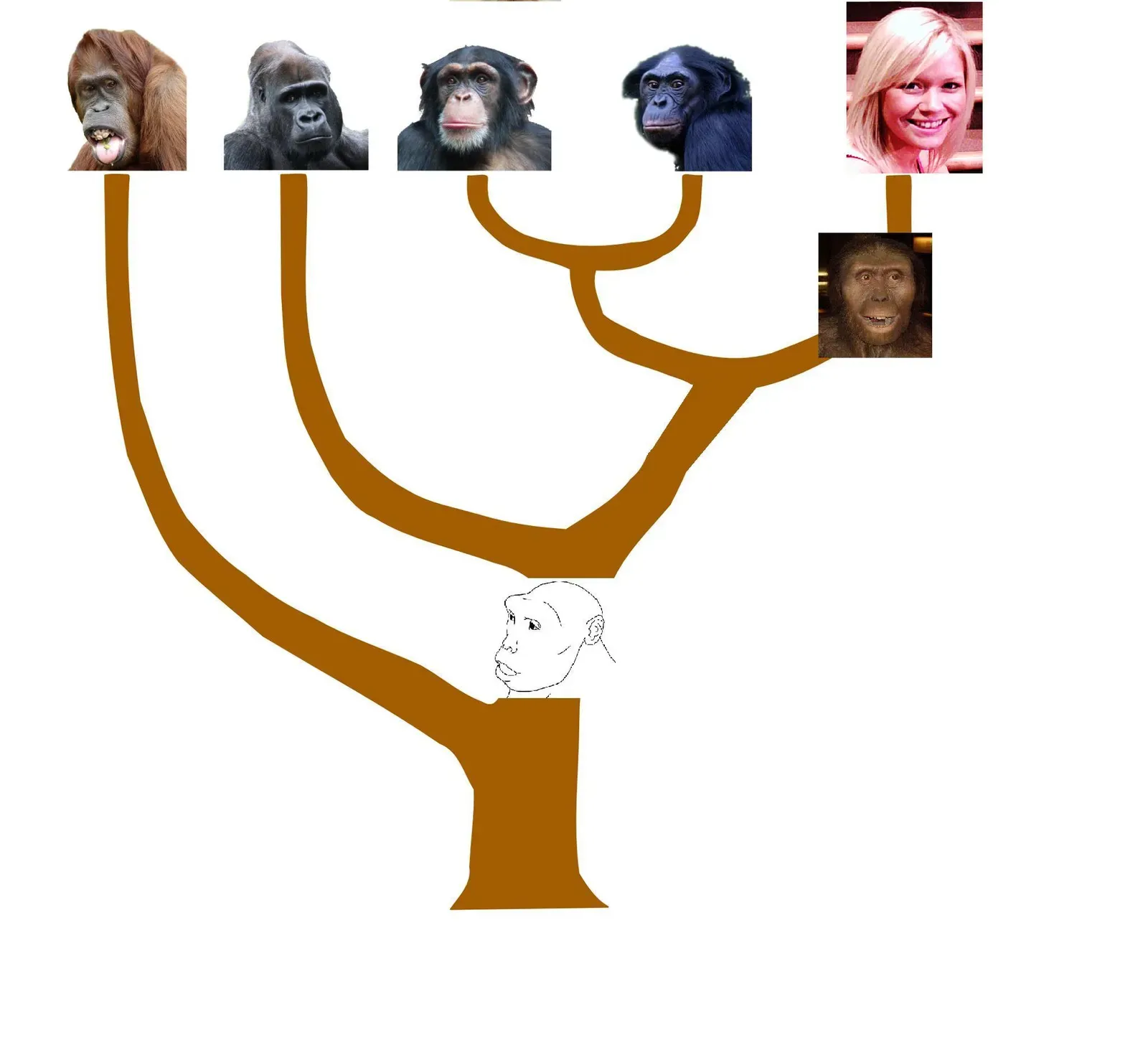
Here’s a thought that might rattle you: you are not the product of one clean lineage. Modern humans descended from not one, but at least two ancestral populations that drifted apart and later reconnected long before modern humans spread across the globe. Using advanced analysis based on full genome sequences, researchers from the University of Cambridge found evidence that these groups diverged around 1.5 million years ago, with one group later contributing roughly four-fifths of the genetic makeup of modern humans and the other contributing the remaining portion.
Think of it like two distant cousins who lost touch for over a million years, then unexpectedly ended up having children together. That’s essentially what happened to your ancestors. For the last two decades, the prevailing view in human evolutionary genetics had been that Homo sapiens first appeared in Africa around 200,000 to 300,000 years ago and descended from a single lineage. However, the latest results reported in the journal Nature Genetics suggest a much more complex story.
Ancient DNA Is Rewriting the African Origin Story
If you thought Africa’s role in human evolution was already well-understood, prepare to be surprised. In southern Africa, a group of people lived in partial isolation for hundreds of thousands of years, as shown in a remarkable new study based on analyses of the genomes of 28 people who lived between 10,200 and 150 years ago in that region, revealing genetic adaptations that likely shaped Homo sapiens as a species.
The implications go even deeper when you look at the specific genetic changes discovered. Researchers found changes in genes involved in both the immune system and neuron growth, which may affect brain development and complex cognitive functions. More than roughly two-fifths of these variants are associated with neurons and brain growth, suggesting a role in cognitive evolution. Several genes have been linked to attention, a mental ability that may have evolved differently in Homo sapiens compared with Neanderthals and Denisovans.
The Denisovan Mystery Finally Gets a Face
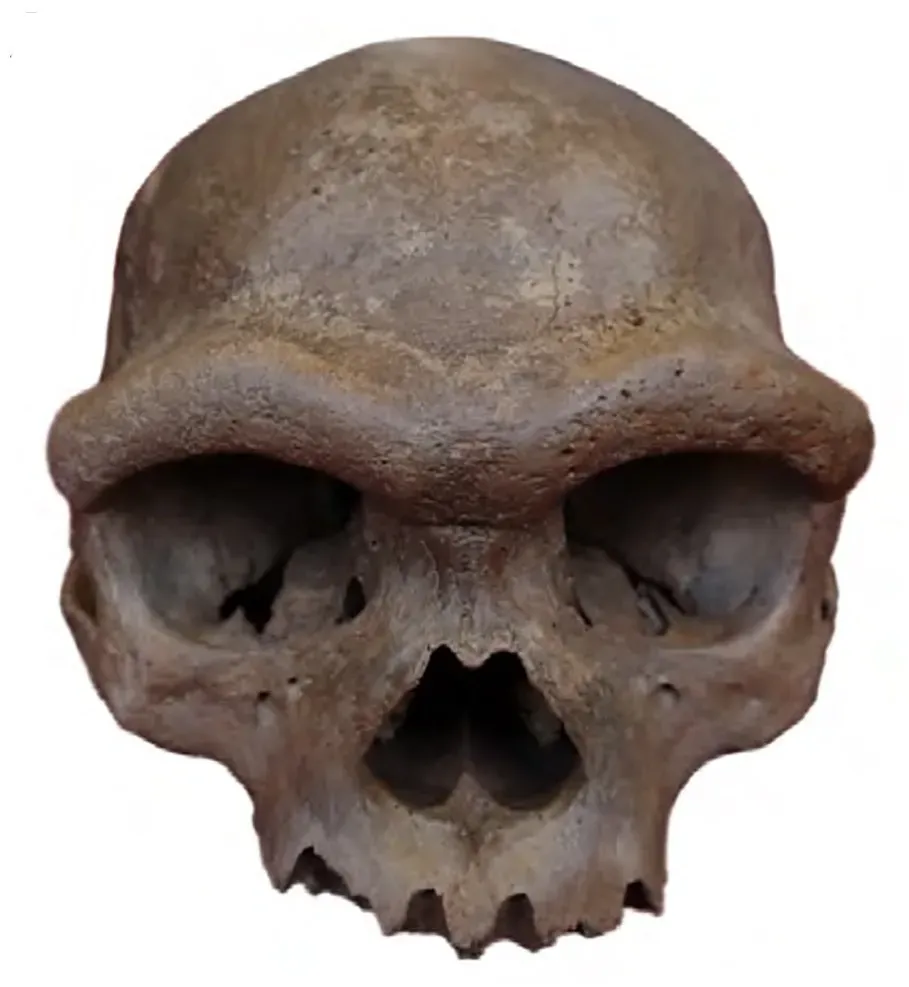
For over a decade, scientists knew a mysterious ancient human group existed mostly from a single fragment of a pinkie finger. It sounds almost absurd. Human evolution’s biggest mystery, which emerged 15 years ago from a 60,000-year-old pinkie finger bone, finally started to unravel in 2025. Analysis of DNA extracted from the fossil electrified the scientific community in 2010, when it revealed a previously unknown human population that had encountered and interbred with our own species. This enigmatic group became known as the Denisovans after Denisova Cave in Siberia’s Altai Mountains, where that tiny finger bone was found. Despite intimate knowledge of this population’s genetic makeup, scientists knew nothing about their appearance, where they lived, or why they disappeared.
That long mystery finally started breaking open. Two studies analyzed the proteome and the mitochondrial DNA of the Harbin cranium, and while no DNA was able to be retrieved from the fossil itself, proteomics and DNA from dental calculus both suggested that this fossil was part of the Denisovan group. Together, these studies give the first look at the face of a Denisovan, lining up physical form with molecular evidence for the very first time.
Fossil Faces That Force a Rethink of Everything
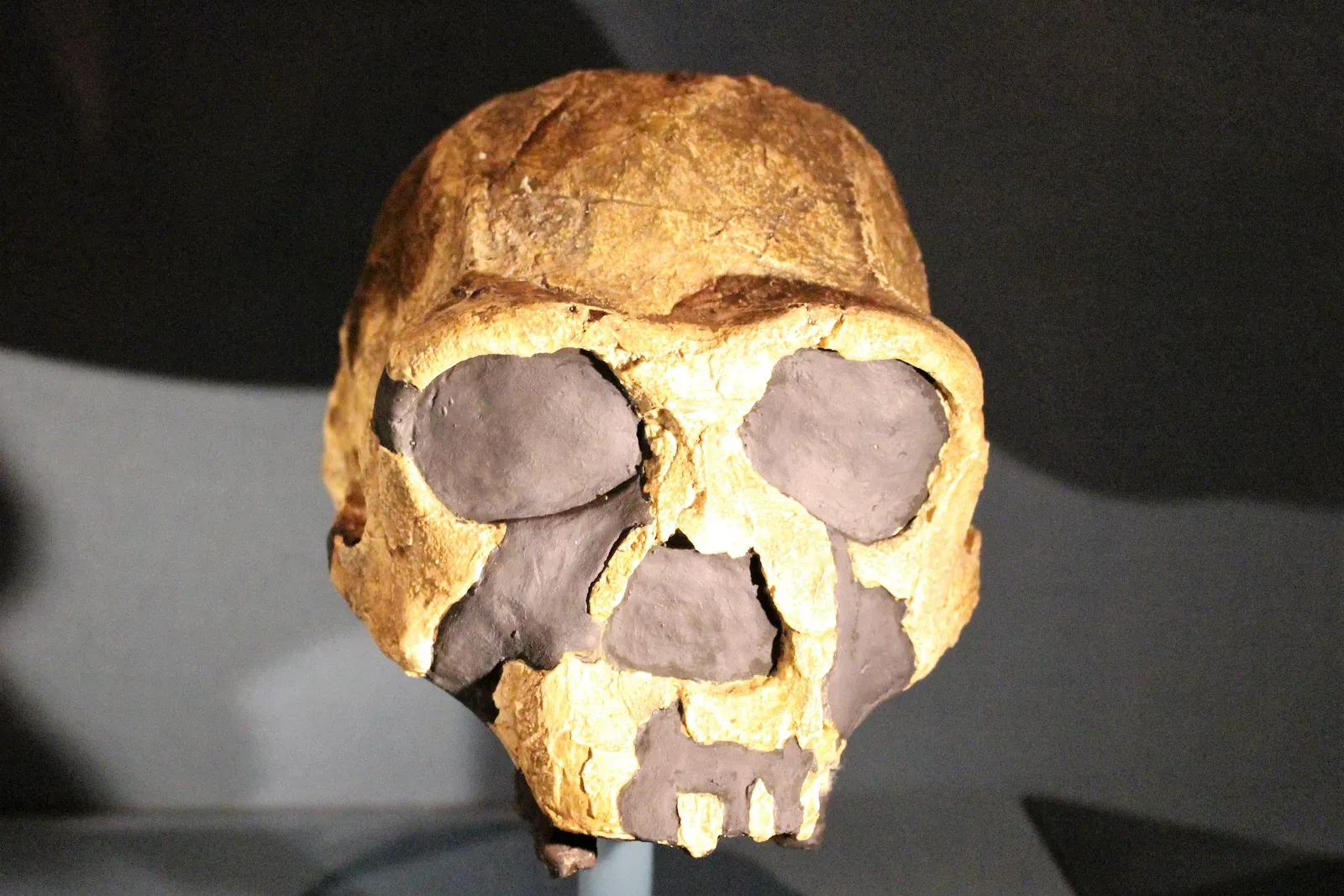
It’s not just the Denisovans reshaping the picture. A 1.5-million-year-old face found in Ethiopia has sent scientists back to the drawing board in a big way. Scientists digitally reconstructed the face of this ancient Homo erectus fossil from Ethiopia, uncovering an unexpectedly primitive appearance. While its braincase fits with classic Homo erectus, the face and teeth resemble much older human ancestors. This discovery challenges long-held ideas about where and how Homo erectus evolved, and it also hints at a complex web of migrations and possible mixing between early human species.
Honestly, it’s like opening a history book only to discover entire chapters are out of order. An international team at a field site in Ethiopia also found that Australopithecus and the oldest specimens of Homo coexisted between 2.6 and 2.8 million years ago at the same location in Africa. Scientists found 13 teeth at the Ledi-Geraru site and determined that some belong to the genus Homo while others belong to a new species of Australopithecus, distinct from the famous “Lucy.” The presence of both species in the same location shows that human evolution is less linear and far more tree-like.
Your Brain Is Evolution’s Most Radical Experiment
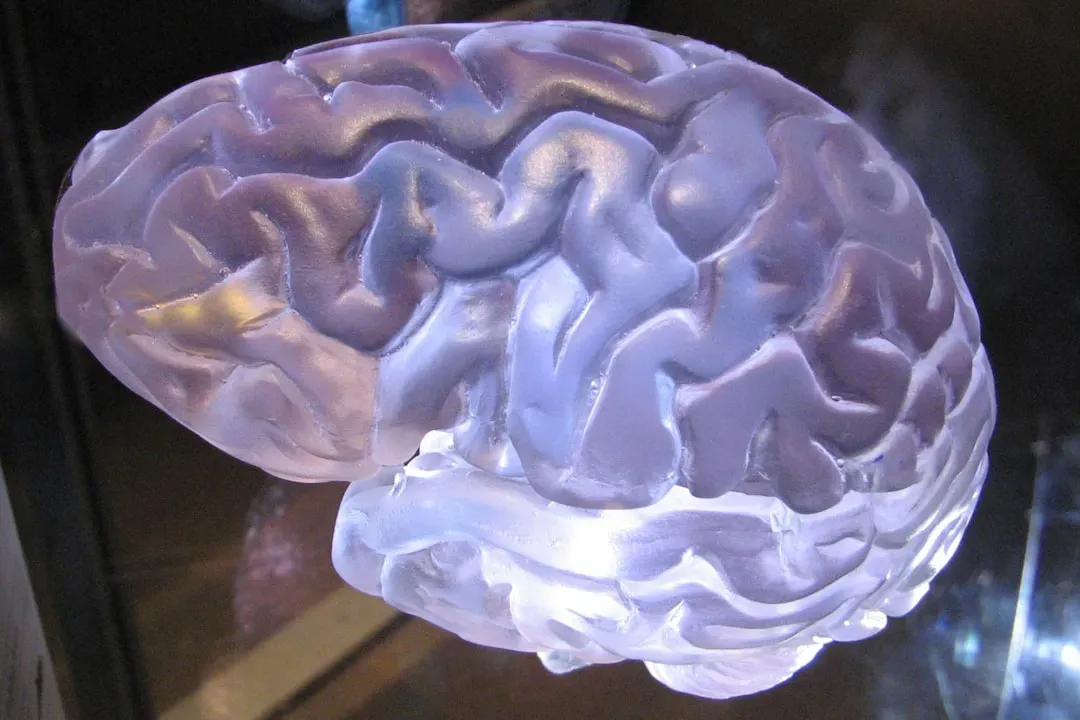
Let’s be real: the human brain is the most astonishing object in the known universe. So how did it get so extraordinary? New research is beginning to answer that in ways that feel almost unsettling. Researchers focused on a class of genetic switches known as Human Accelerated Regions, or HARs, which regulate when, where, and at what level genes are expressed during evolution. While past research theorized that HARs may act by controlling different genes in humans compared to chimpanzees, the new findings show that HARs fine-tune the expression of genes already shared between both species.
There’s a twist to the brain story that most people don’t see coming. Studies indicate that genes linked to autism and schizophrenia may have conferred evolutionary advantages, impacting brain complexity and cognitive functions. Specific human neurons evolved rapidly compared to other species, potentially enhancing advanced cognitive capabilities. The findings propose that neurodiversity is an essential aspect of humanity linked directly to our evolutionary history. In other words, what you might consider a vulnerability in the human brain could actually be a feature, not a bug.
Ghost Lineages: The Ancestors We Haven’t Found Yet
Here’s something that will genuinely keep you up at night if you think too hard about it. There are ancient human populations woven into your DNA that science has not yet identified. Traces of what researchers call “ghost lineages” have been found in the DNA of modern humans, and scientists aren’t sure who they are. They could represent other extinct hominins such as Homo erectus or Homo floresiensis, sometimes known as the “hobbit.” Or, they could represent hominins that have genuinely never been found in the fossil record, remaining as ghosts until scientists have something to trace them back to. Figuring out the identity of this group remains a fresh and open mystery heading into 2026.
It’s a bit like finding a stranger’s photo tucked inside your grandmother’s old wallet. You know they mattered somehow. You just don’t know who they were. What is becoming increasingly clear to researchers is that the idea of species evolving in clean, distinct lineages is far too simplistic. Interbreeding and genetic exchange have likely played a major role in the emergence of new species repeatedly across the animal kingdom. Fossil evidence suggests that species such as Homo erectus and Homo heidelbergensis lived both in Africa and other regions during critical periods, making them potential candidates for these ancestral populations.
CRISPR and the Coming Age of Directed Human Evolution
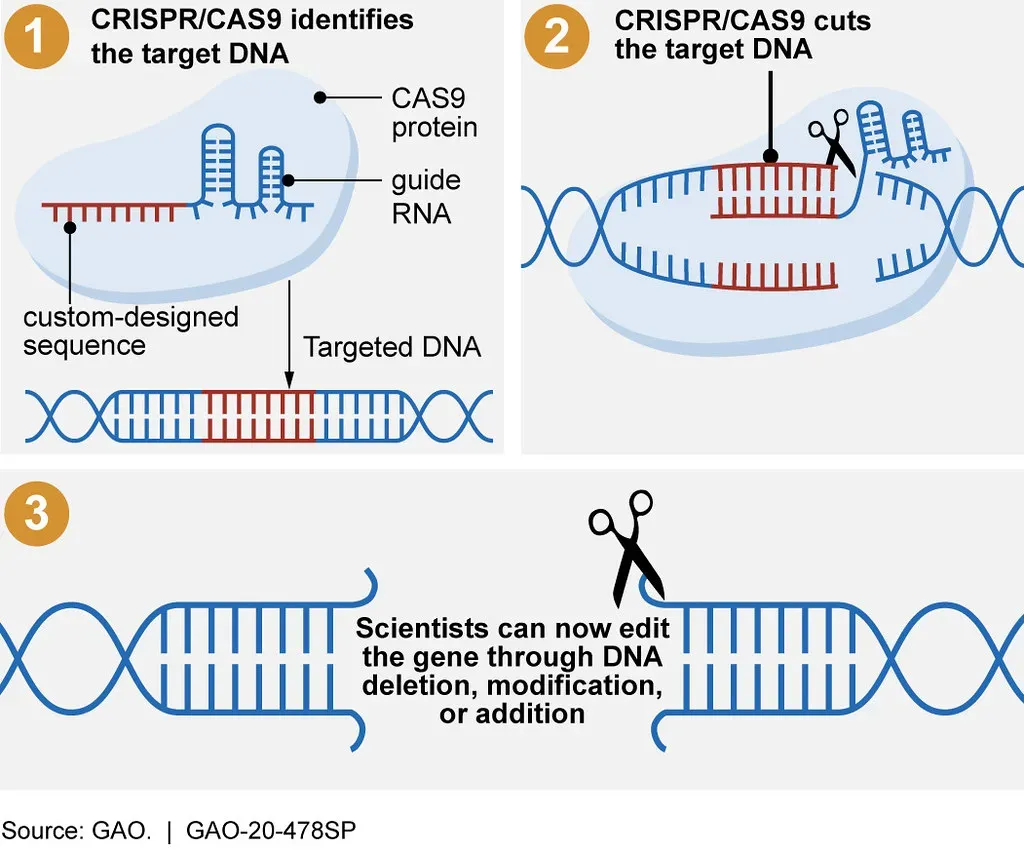
While paleontologists piece together our evolutionary past from ancient bones and genetic fragments, another set of scientists is quietly building tools that could shape our evolutionary future. CRISPR technology has moved from a laboratory curiosity to a genuine clinical force. A new CRISPR breakthrough shows scientists can now turn genes back on without cutting DNA, by removing chemical tags that act like molecular anchors. The work confirms these tags actively silence genes, settling a long-running scientific debate. This gentler form of gene editing could offer a safer way to treat diseases like Sickle Cell by reactivating a fetal blood gene, and researchers say it opens the door to powerful therapies with fewer unintended side effects.
The speed of this field is breathtaking. Just recently, the first personalized CRISPR treatment was administered to a patient, in a landmark case where a team of physicians and scientists created a bespoke in-vivo CRISPR therapy for an infant, developed and delivered in just six months. This landmark case paves the way for a future with on-demand gene-editing therapies for individuals with rare, until-now untreatable genetic diseases, and sets precedent for a regulatory pathway for rapid approval of platform therapies in the United States. It’s hard to say for sure where this leads in the next few decades, but it’s safe to say the line between treating disease and shaping human biology is getting thinner by the day.
Are We Still Evolving Right Now?
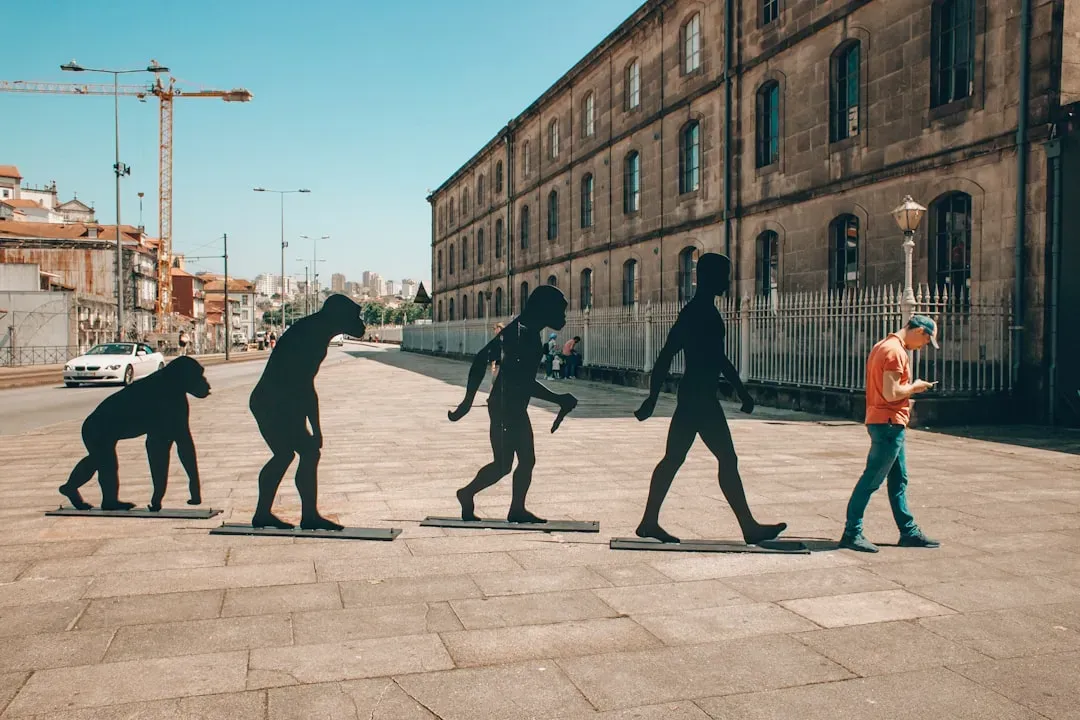
This is the question everyone really wants answered. Are you, sitting right there reading this, still evolving? The short answer is yes, though perhaps not in the dramatic ways science fiction imagines. Mounting evidence from genome studies indicates that, contrary to received wisdom, our species has undergone profound biological adaptation in its recent evolutionary past. The Indigenous peoples of the Bolivian highlands, for instance, have lived for thousands of years at altitudes where oxygen is about a third lower than at sea level, one of the harshest environments humans have ever inhabited, and scientists have recognized that these residents have evolved genuine genetic adaptations to thin air.
The biobank era is now making it possible to observe human evolution in real time, at a scale that was impossible before. Analysis of over 450,000 genomes from the UK Biobank reveals that several protein-coding DNA changes previously thought to be fixed in all modern humans still occur in rare archaic forms. A new study by the Max Planck Institute for Psycholinguistics offers an innovative approach: by scanning DNA of hundreds of thousands of people, researchers can identify individuals who carry very rare archaic versions of these genetic changes, making it possible to directly observe their real-world effects in living humans. We are, in other words, living evolutionary laboratories.
Conclusion: A Species Still Becoming
What does it all mean? If you step back and look at the full picture, something remarkable becomes clear. You are not the endpoint of evolution. You are a chapter in a story that started millions of years before you arrived and will continue long after.
The recent years have delivered extraordinary revelations about our ancient past, fundamentally reshaping our understanding of human evolution and challenging long-held assumptions about how modern humans emerged. From revolutionary fossil discoveries spanning multiple continents to groundbreaking genetic studies revealing hidden chapters in our ancestry, the story of humanity has proven far more complex than the simple linear progression scientists once envisioned.
We’re living through a golden age of discovery, where ancient bones, billion-year-old DNA, and cutting-edge gene editing tools are all converging on the same profound question: what does it mean to be human? The answers being found in 2026 suggest that being human means being unfinished, adaptable, and impossibly complex. That’s not a frightening thought. That’s an inspiring one.
The real question is: knowing that you carry the genetic echoes of extinct peoples, mysterious ancestors, and millions of years of survival, does that change how you see yourself? We’d love to hear your thoughts in the comments below.