
Have you ever looked up at the night sky and wondered about your connection to those distant points of light? It turns out that connection is far more intimate than you might imagine. The atoms inside your body tell an incredible story that stretches back billions of years. They’ve traveled unimaginable distances through the cosmos before finding their way into the cells that make you, you.
Here’s something to consider. The average adult human is made up of 7 octillion atoms, and each one has its own cosmic backstory. Think about that for a moment. Your entire physical existence is a collection of ancient material recycled through the universe countless times. It’s not just poetic imagery either. The connection between human biology and stellar explosions is scientifically documented and absolutely fascinating.
The Universe Started Simple, Then Got Complicated
The universe began about 13.8 billion years ago with the Big Bang, and at that point only the lightest elements like hydrogen, helium and minuscule amounts of lithium existed. Nothing else was around back then. No carbon, no oxygen, no iron. Just a cosmic soup of the simplest atoms imaginable.
The first generation of stars formed as lumps of gas drew together and began to combust. These early stellar giants became the universe’s first element factories. Honestly, without them, nothing interesting could have ever happened. They were massive nuclear furnaces that began the long process of building the periodic table from scratch, atom by atom, reaction by reaction.
Stars Are Element-Making Machines
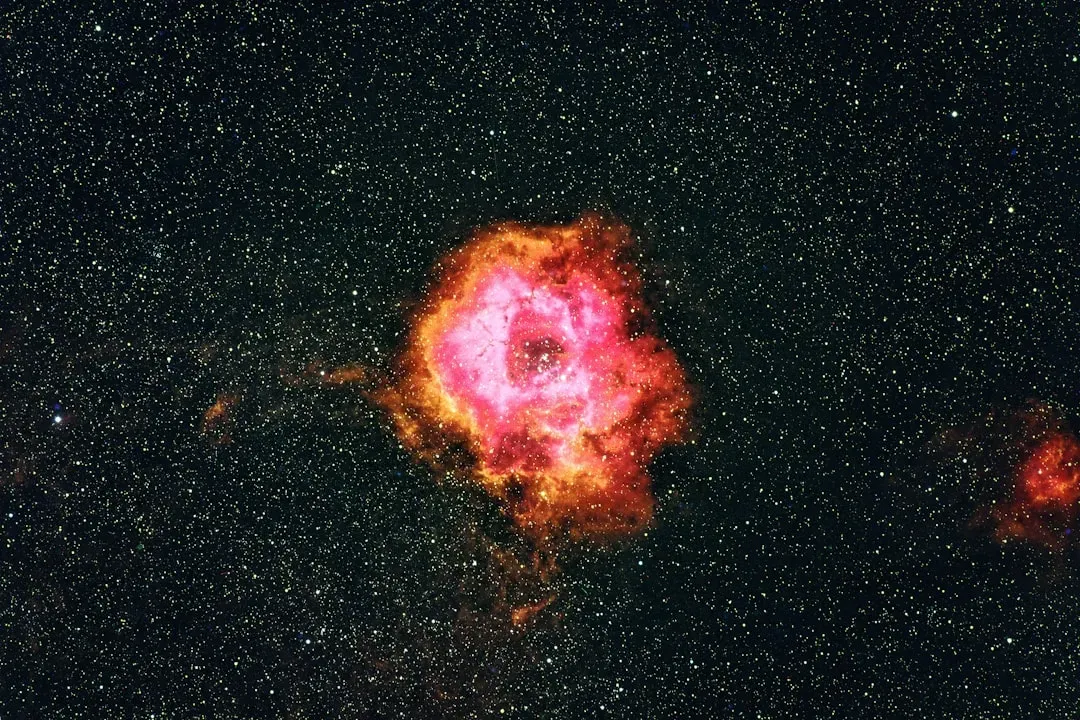
Inside a star’s core, something remarkable happens. Hydrogen is formed into helium, and helium is built into carbon, nitrogen and oxygen, iron and sulfur. The temperatures and pressures are so extreme that atomic nuclei actually fuse together. It’s hard to wrap your head around the scale of energy involved.
Stars like our Sun take lighter elements like hydrogen and build heavier ones through fusion reaction, but stars can only produce elements as heavy as iron. That’s a crucial detail. Anything heavier requires something far more violent. The steady burning inside a star has its limits, and iron represents that boundary where normal stellar processes run out of steam.
When Stars Die, They Give Birth to Everything Else
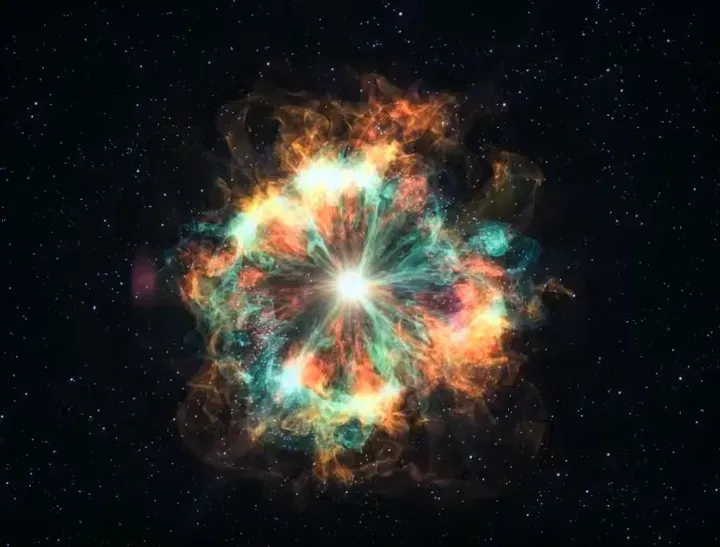
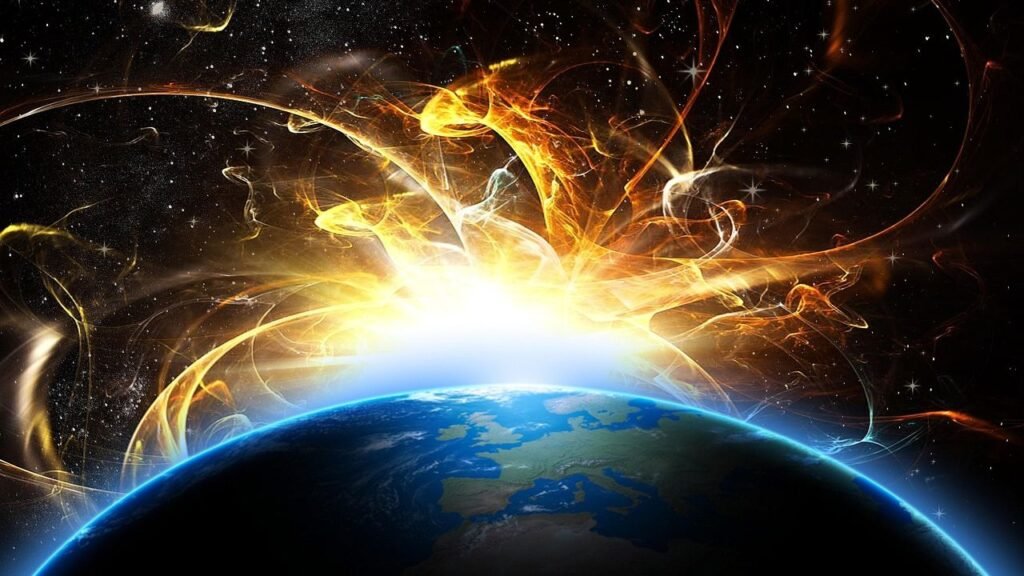
Heavier elements like copper and zinc were created in the dying stage of an exploding star called a supernova, and these elements were flung into space as dust and gas. The death of massive stars isn’t quiet. It’s spectacularly violent, releasing more energy in seconds than our Sun will produce in its entire lifetime.
Let’s be real here. The explosion itself does more than just scatter what the star already made. The extreme temperatures and densities caused by the shock wave drive additional nucleosynthesis, and iron ejected by supernovae comes from explosive burning during the supernova. These dying moments create elements that couldn’t form any other way. Gold, platinum, uranium. These precious and useful materials owe their existence to cosmic catastrophes.
Your Body Is a Stellar Graveyard
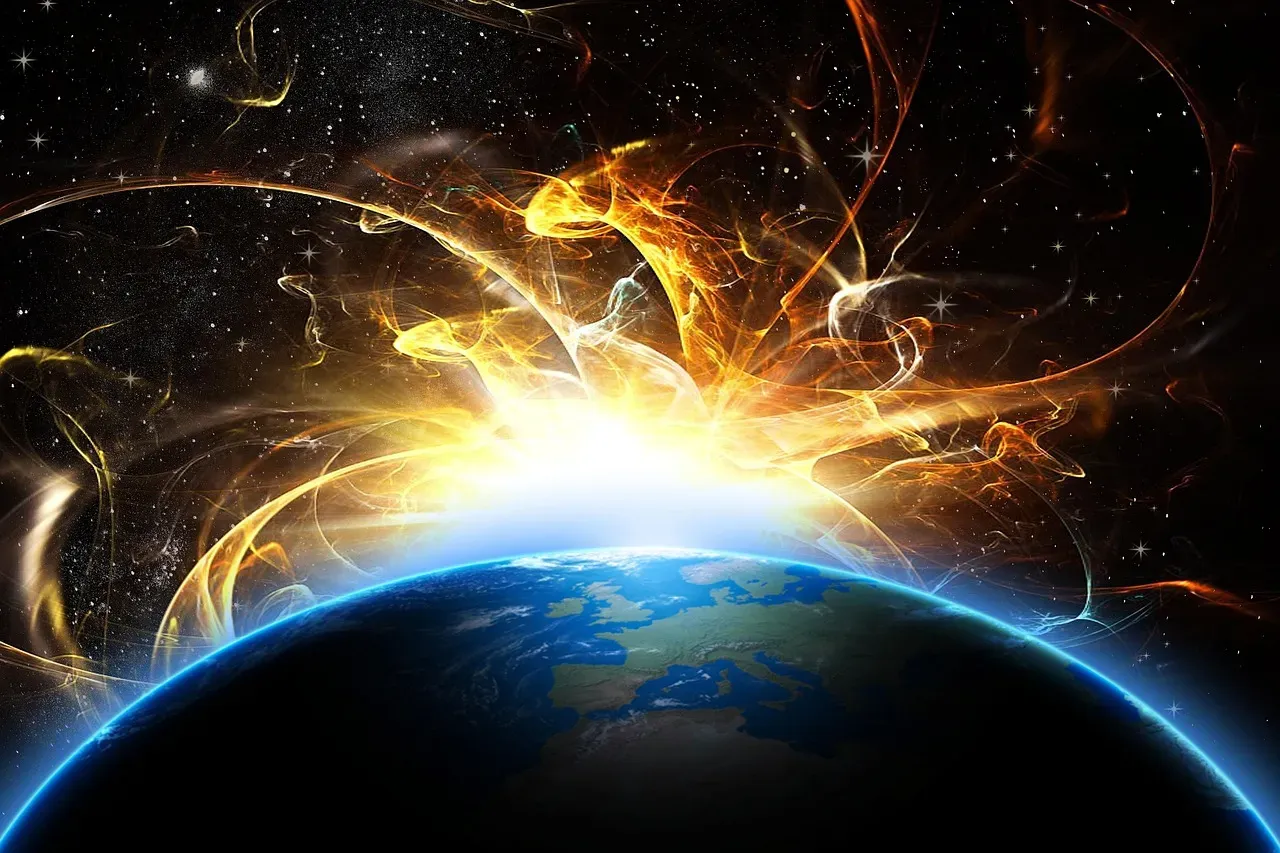
Every atom of oxygen in our lungs, of carbon in our muscles, of calcium in our bones, of iron in our blood was created inside a star before Earth was born. Take a breath right now. That oxygen passed through multiple stellar cycles before ending up in your respiratory system.
An 80kg human carries about 52kg of oxygen, carbon makes up 14.4kg, and between them hydrogen, oxygen, carbon and nitrogen account for 96 percent of body mass. Your physical form is mostly star material with a small percentage of Big Bang leftovers thrown in. Think about that next time you look in the mirror. You’re literally wearing the ashes of ancient suns.
Iron in Your Blood Came From Stellar Explosions
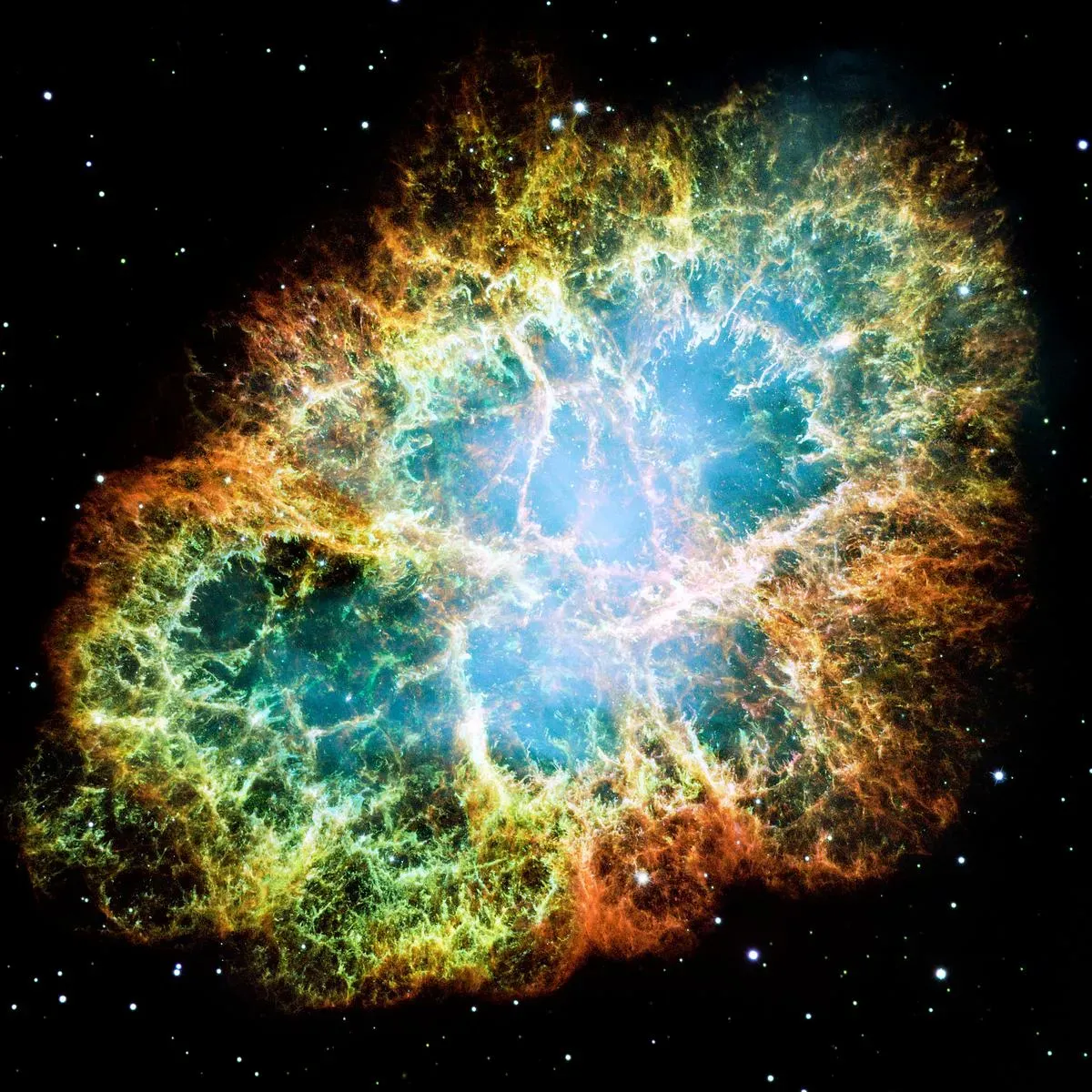
Here’s something I find particularly moving. Any element in your body that’s heavier than iron has travelled through at least one supernova. The iron coursing through your bloodstream right now, carrying oxygen to every cell, was forged in unimaginable heat billions of years ago. It witnessed the death of a star.
Much of the iron in your body was forged during supernova explosions that occurred long ago and far away. That same material drifted through space, became part of the cloud that formed our solar system, condensed into Earth, and eventually found its way into your diet. The journey that single iron atom took is staggering.
Neutron Star Collisions Create the Heaviest Elements
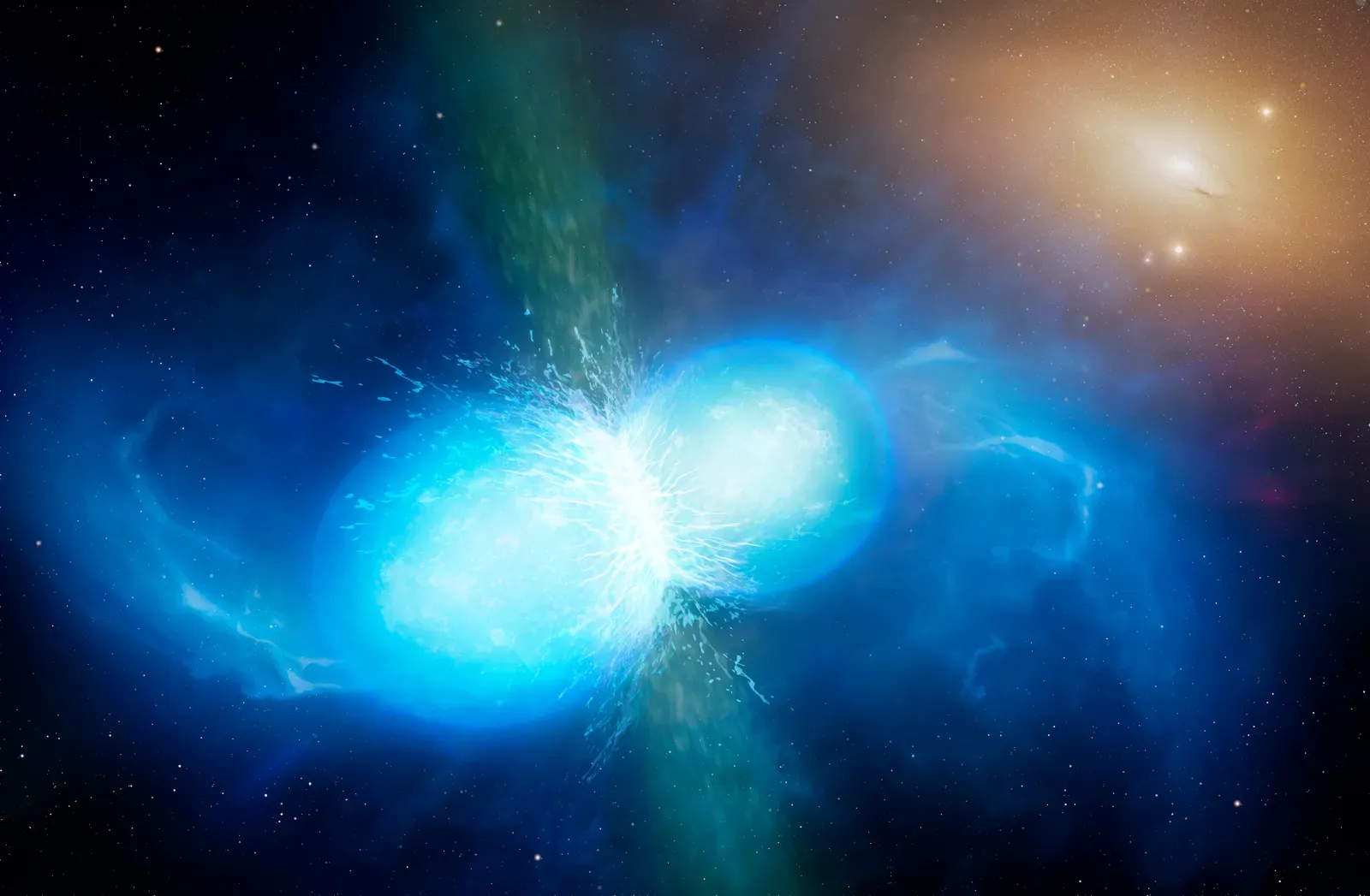
Supernovae aren’t the only cosmic events making elements. When two neutron stars collide, it showers the cosmos in elements like silver, gold, iodine, uranium, and plutonium. These collisions are among the most energetic events in the entire universe. They’re relatively rare, which explains why gold is so precious.
Neutron star mergers are a major source of elements produced in the r-process, and when two neutron stars collide, a significant amount of neutron-rich matter is ejected which quickly forms heavy elements. The wedding rings people wear, the gold fillings in teeth, trace their ancestry to these violent cosmic unions. It’s simultaneously humbling and awe-inspiring.
Cosmic Rays and Radioactive Decay Fill in the Gaps
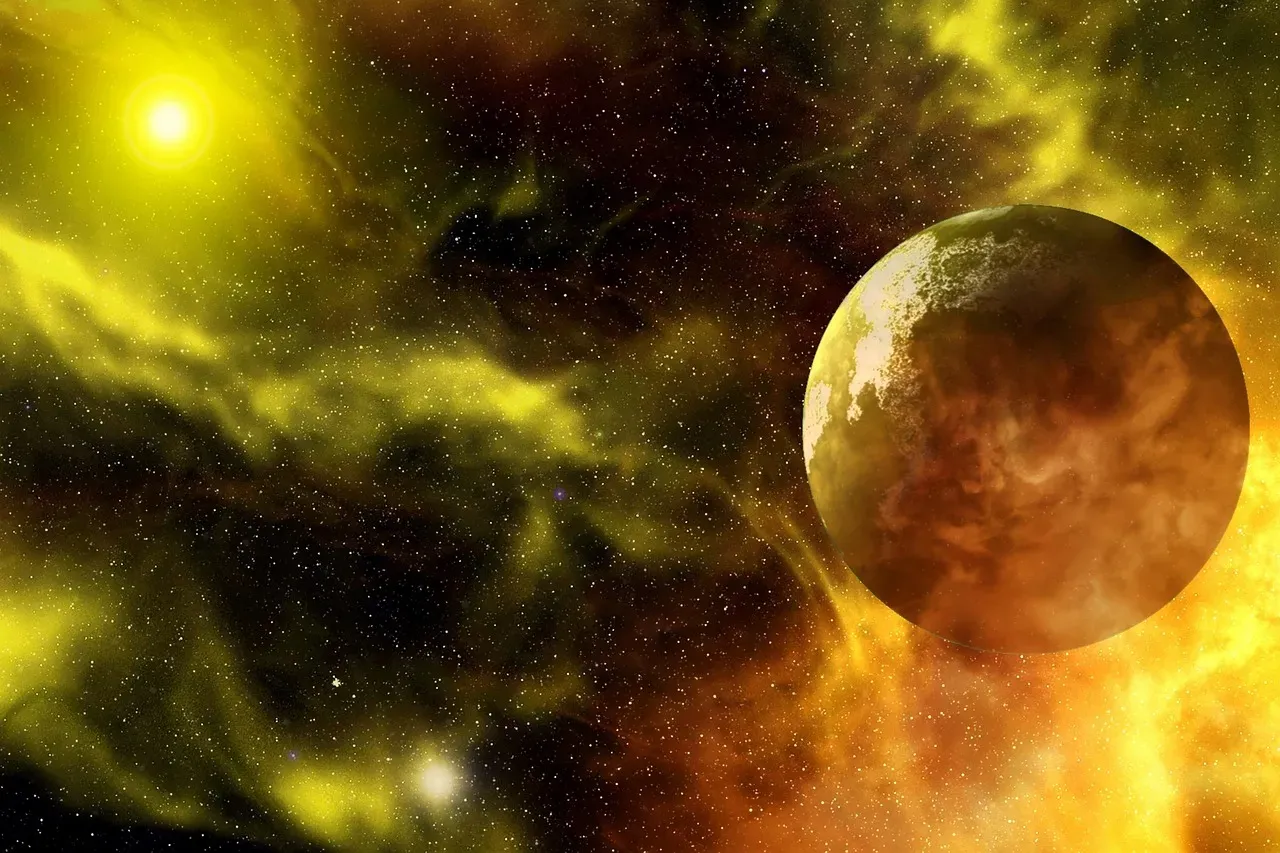
Not every element comes from stars directly. Cosmic rays are nuclei boosted to high speed by energetic events, and when they collide with atoms the impact can break them apart forming simpler elements, which is how we get boron and beryllium. These high-energy particles zip through space at nearly light speed, occasionally smashing into other atoms and creating new elements through pure cosmic violence.
Meanwhile, Some elements are radioactive with unstable nuclei that naturally break down by emitting radiation and particles, which is how we get elements like radium. The universe has multiple pathways for element creation. Some are dramatic explosions, others are slow decay processes happening constantly all around us.
We’re All Connected to the Cosmos
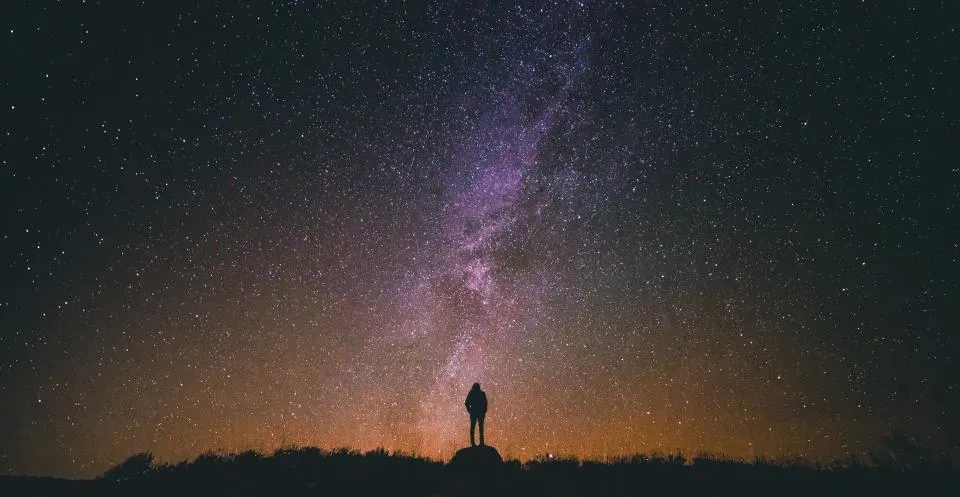
When stars die and lose their mass all the elements that had been generated inside are swept out into space, the next generation of stars form from those elements, and if you combine those elements in different ways you can make planets and eventually us. This cosmic recycling program has been running for over thirteen billion years.
Everything we are and everything in the universe originated from stardust, and it continually floats through us even today. Right now, your body is exchanging atoms with the environment. Some cosmic dust that fell to Earth this morning might become part of you within weeks. The boundary between you and the universe is far more permeable than it seems.
Every living thing on this planet shares this cosmic heritage. You’re not just connected to other humans through common ancestry. You’re connected to the stars themselves through the very atoms that compose your physical form. The iron in your blood, the calcium in your bones, the oxygen in every breath all tell the same story of stellar birth, life, death, and rebirth. Next time you gaze up at the night sky, remember you’re not looking at something separate from yourself. You’re looking at your cosmic family, the furnaces that forged you billions of years before you were born. What do you think about being made of stardust? Does it change how you see yourself?
Hi, I’m Andrew, and I come from India. Experienced content specialist with a passion for writing. My forte includes health and wellness, Travel, Animals, and Nature. A nature nomad, I am obsessed with mountains and love high-altitude trekking. I have been on several Himalayan treks in India including the Everest Base Camp in Nepal, a profound experience.