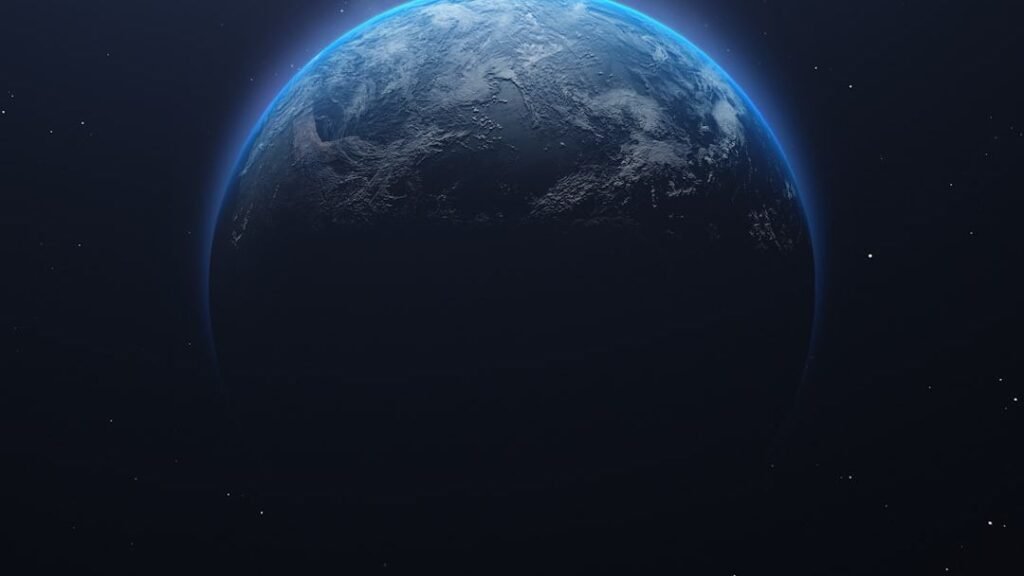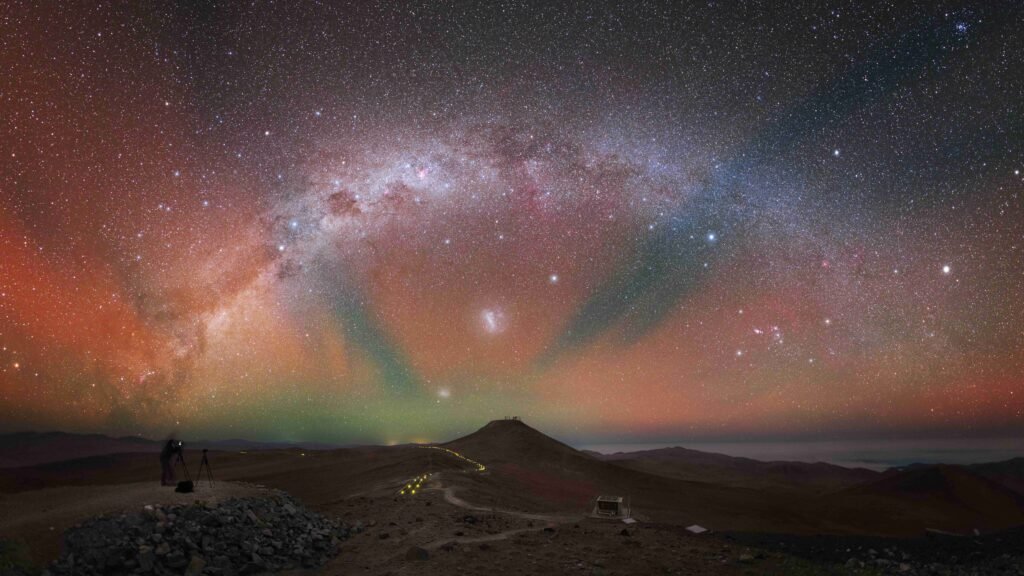

You might think that the chair beneath you and the air you’re breathing have little in common with the glittering stars filling the night sky. Perhaps it’s hard to imagine that the atoms making up your own body once existed inside stars that burned billions of years ago.
Yet here’s the truth. You, this planet, everything you’ve ever touched or tasted, was forged in celestial furnaces scattered across the cosmos. The iron in your bloodstream came from stars that exploded violently in space. Every breath you take contains oxygen created when ancient suns died. So let’s dive into how the universe assembled you from scattered particles, one cosmic event at a time.
When the Universe Was Nothing But Hydrogen and Helium
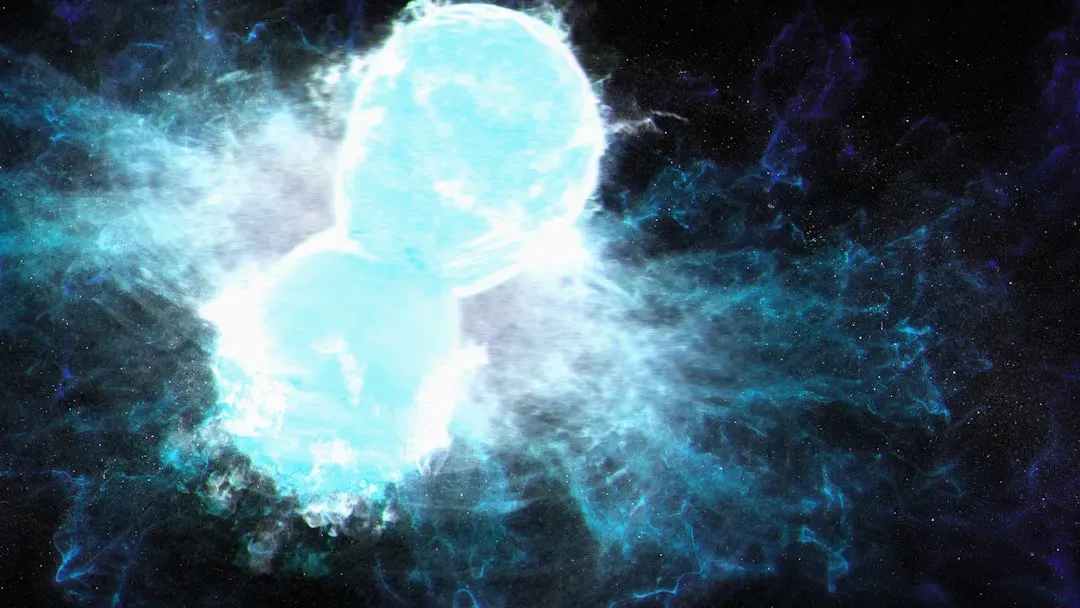
The universe began about 13.8 billion years ago with the Big Bang, and at that point, only the lightest elements existed: hydrogen, helium, and minuscule amounts of lithium. Standard Big Bang nucleosynthesis predicts that by the time this process ended, the universe was composed of about seventy-five percent hydrogen and twenty-five percent helium-4 by mass, with only roughly one nucleus in one hundred thousand being deuterium or helium-3. There weren’t any carbon atoms back then. No oxygen to breathe, no calcium for bones.
Around twenty minutes after the Big Bang, the temperature and density became too low for any significant fusion to occur, and at this point the elemental abundances were nearly fixed. For hundreds of millions of years, the universe remained a vast cosmic soup of hydrogen and helium gas with nothing resembling the rich chemistry we see today. Everything that makes up the material world around you had to wait for stars to forge it.
The First Stars Became Cosmic Factories
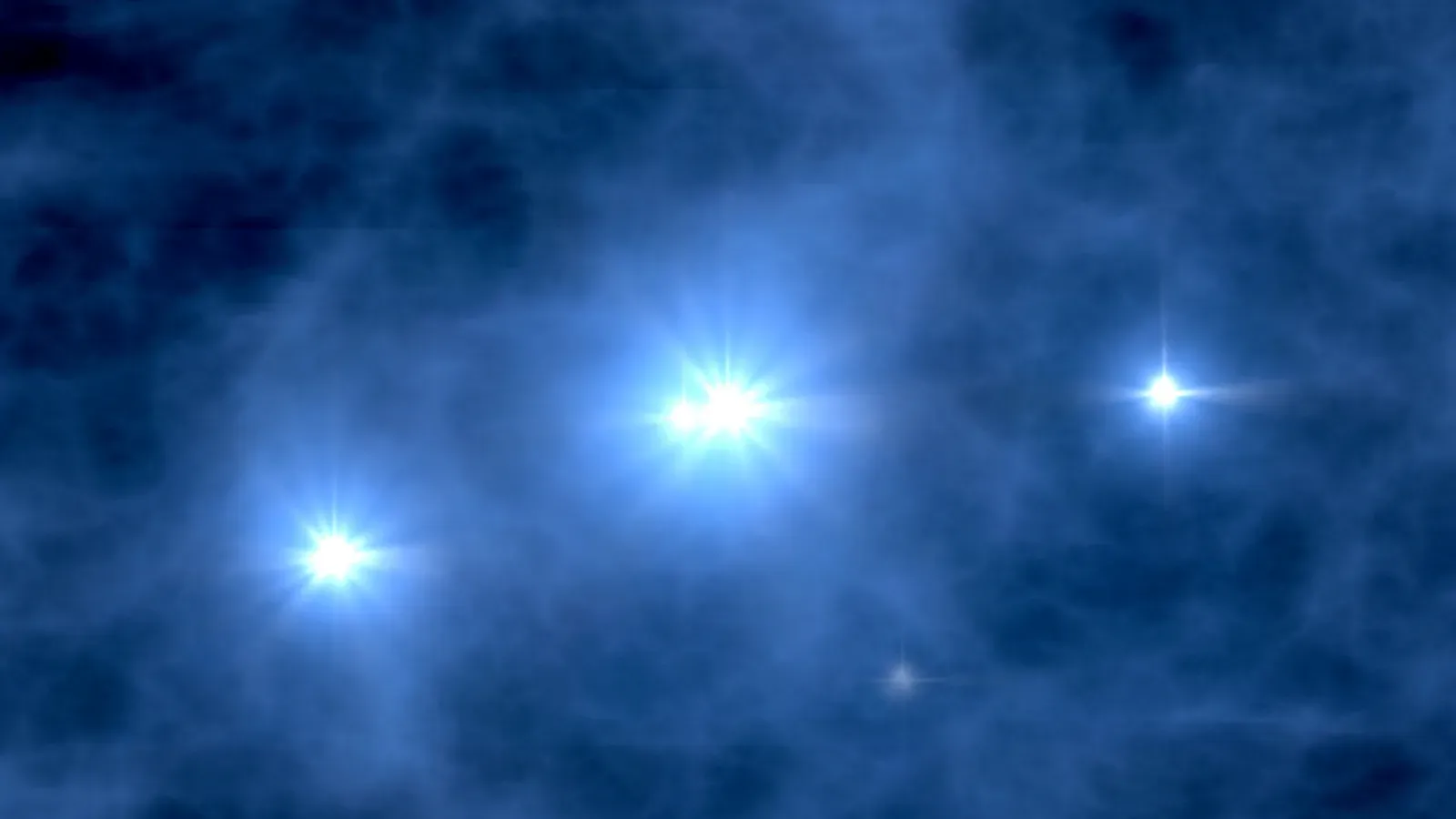
The first generation of stars formed as lumps of gas drew together and began to combust. The first stars that formed after the Big Bang were greater than fifty times the size of our Sun. These massive giants burned their fuel at incredible rates, creating extreme heat and pressure deep in their cores.
Inside stars a process takes place called nucleosynthesis, which is basically the making of elements, and the bigger the star, the faster they burn their fuel. There’s so much heat and pressure in a star’s core that they can fuse atoms together, forming new elements. Simple hydrogen got squeezed into helium. Then helium fused into carbon and oxygen. The first stars burned their fuel quickly and were able to make only a few elements heavier than hydrogen and helium. Still, that was the beginning. The cosmic assembly line had started running, turning basic ingredients into something more complex.
Stellar Death Spreads Elements Across the Galaxy
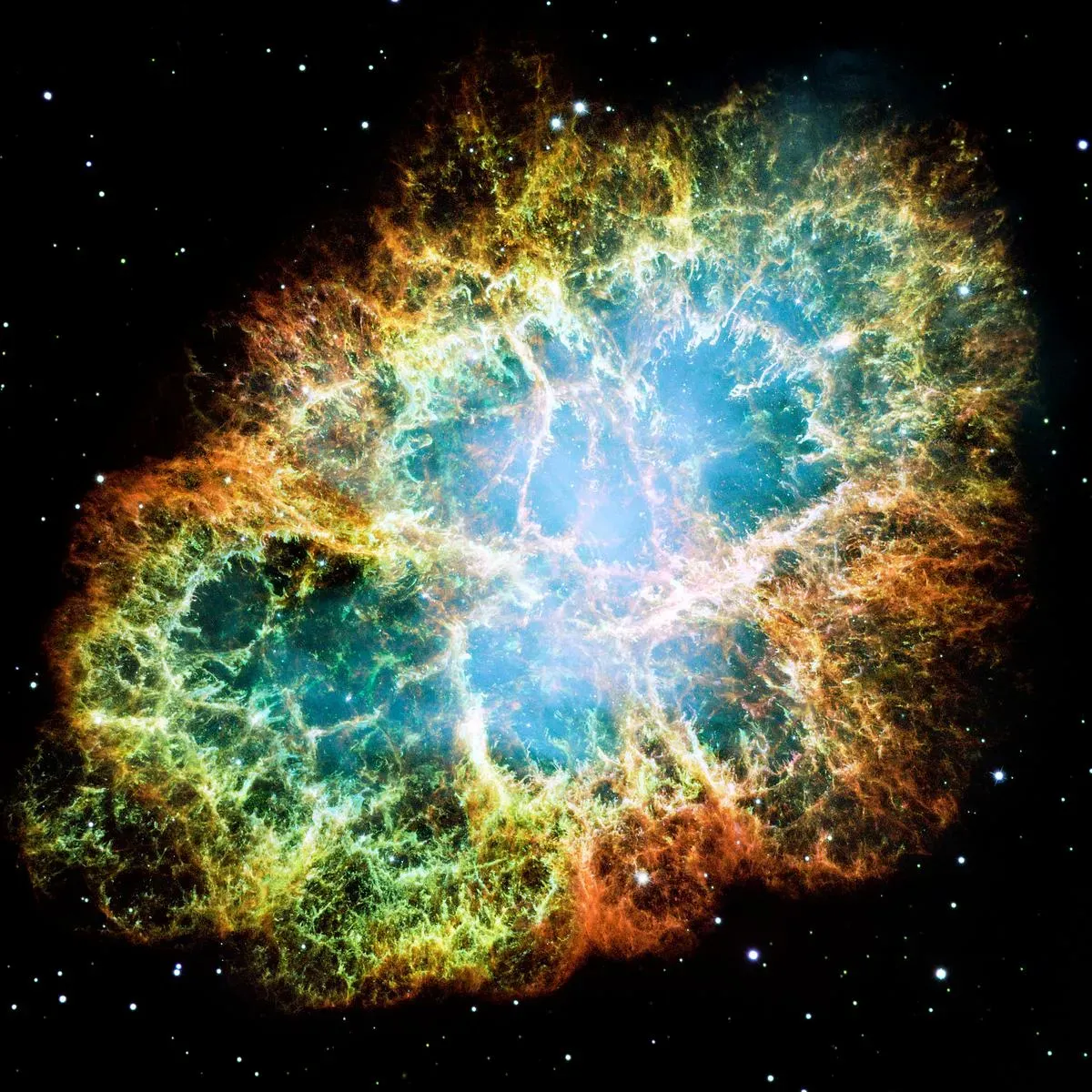
Here’s where things get dramatic. When those stars went supernova, they expelled the elements they had produced and seeded the next generation of stars. Imagine massive stars, burning through their fuel in just millions of years, then collapsing and exploding with more energy than entire galaxies. Stars that go supernova are responsible for creating many of the elements of the periodic table, including those that make up the human body.
Supernovae are considered one of the original sources of the elements heavier than iron in the Universe, and even the iron in your blood can be traced back to supernovae or similar cosmic explosions from long before our Sun had formed. The escaping portion of the supernova core may initially contain a large density of free neutrons, which may synthesize roughly half of the elements in the universe that are heavier than iron via a rapid neutron-capture mechanism known as the r-process. This violent process scattered precious atoms across enormous distances, mixing them into the clouds of gas and dust that floated between the stars.
Recycling Stardust Generation After Generation
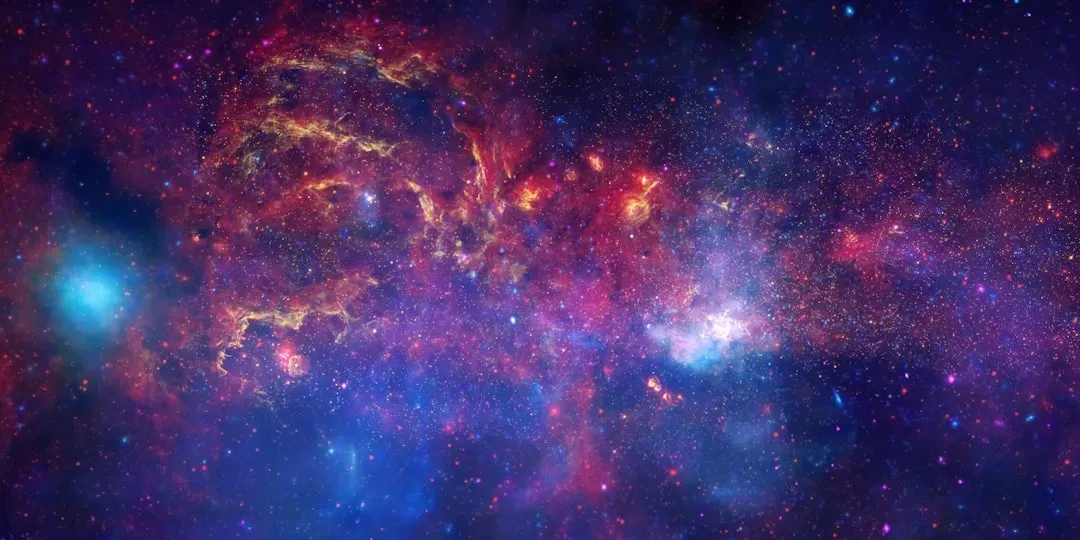
The next generation of seeded stars were then able to produce other, heavier elements such as carbon, magnesium and nearly every element in the periodic table. When stars die and lose their mass, all the elements that had been generated inside are swept out into space, and the next generation of stars form from those elements, burn, and the elements are swept out again.
This constant reprocessing of everything is called galactic chemical evolution, and every element was made in a star; if you combine those elements in different ways, you can make species of gas, minerals, and bigger things like asteroids, and from asteroids you can start making planets and then water and other ingredients required for life and eventually us. Think about that chain reaction. Every cycle added more variety, more richness, to the cosmic catalog of elements. This process has been going on for something like thirteen billion years and our solar system is thought to have formed only 4.5 billion years ago.
Your Body Contains Atoms From Different Stars
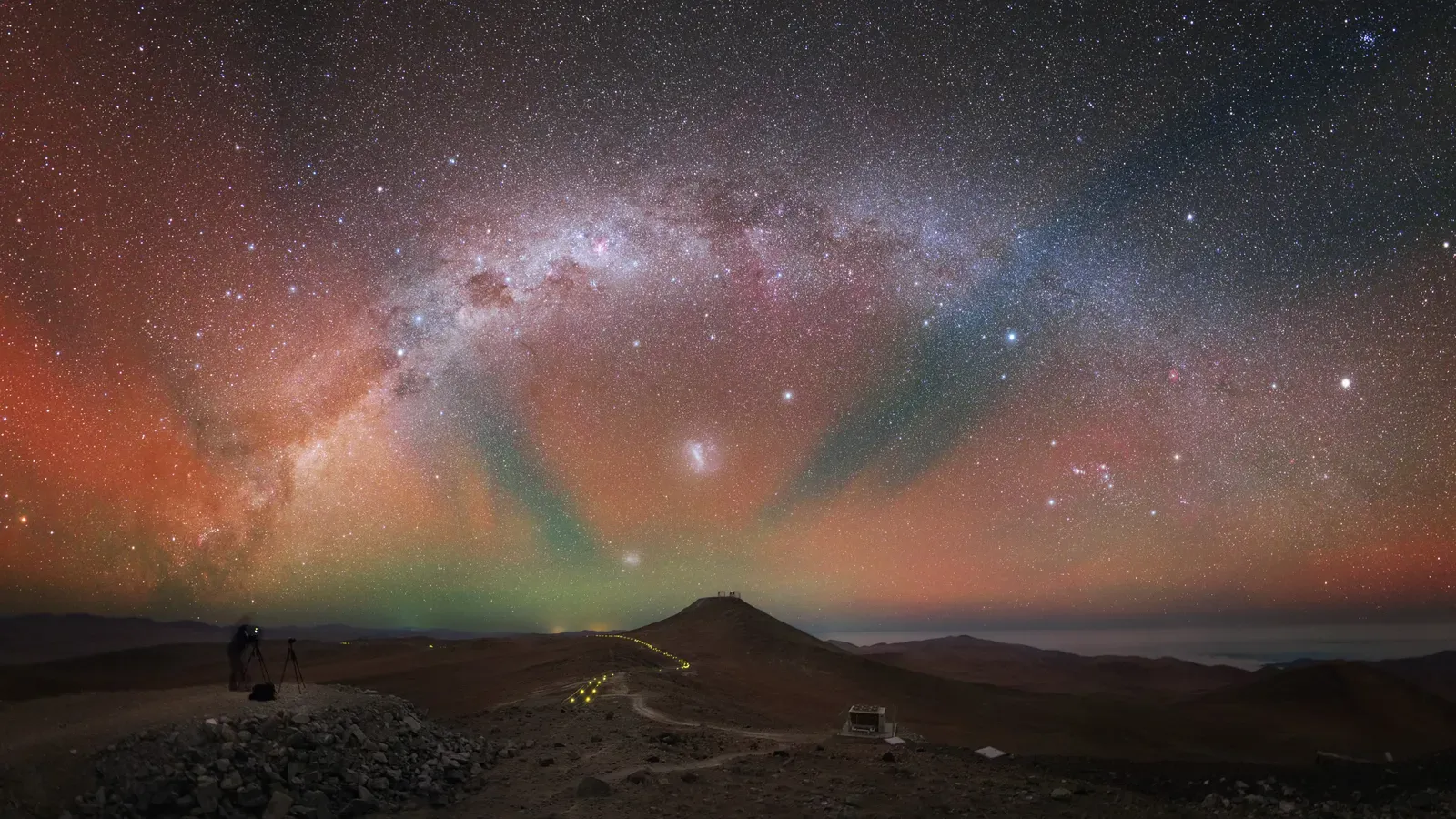
Let’s get personal about this. Most of the elements that make up the human body were formed in stars. From the carbon in our DNA to the calcium in our bones, nearly all of the elements in our bodies were forged in the fiery hearts and death throes of stars. Humans and their galaxy have about ninety-seven percent of the same kind of atoms.
Any element in your body that’s heavier than iron has travelled through at least one supernova, and it’s very likely that there are a whole bunch of different stars that have contributed the elements we see in our own solar system, our planet and those found within you. Every atom of oxygen in our lungs, of carbon in our muscles, of calcium in our bones, of iron in our blood was created inside a star before Earth was born. You’re not a single creation. You’re a composite built from debris that crossed unimaginable distances and timescales.
Heavy Elements Require Extreme Cosmic Violence
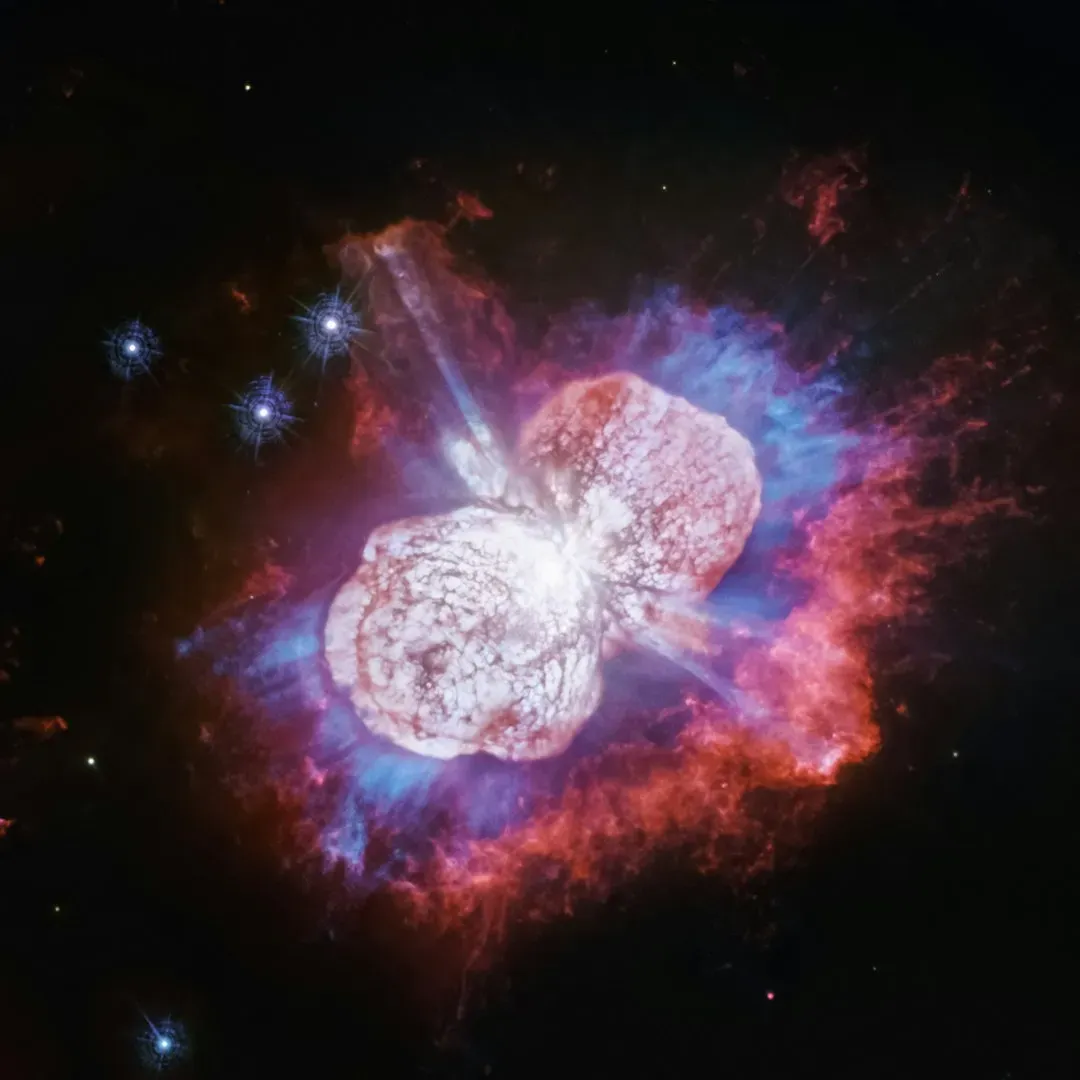
Not all elements come from the same stellar process. During a supernova, the star releases very large amounts of energy as well as neutrons, which allows elements heavier than iron, such as uranium and gold, to be produced, and in the supernova explosion all of these elements are expelled out into space. Scientists believe that violent neutron-rich environments such as the merger of two neutron stars or supernovae produce the heaviest naturally occurring elements, including gold, platinum, and uranium.
When two neutron stars collide, the merger creates ideal conditions for element formation through the r-process. These cosmic catastrophes release more energy in seconds than our Sun will produce in its entire lifetime. Without such extreme conditions, the gold in a wedding ring would never exist. Neither would many other heavy metals essential for technology and biology. The universe needed to get violent to create the full periodic table.
Our Solar System Is Built From Recycled Star Material
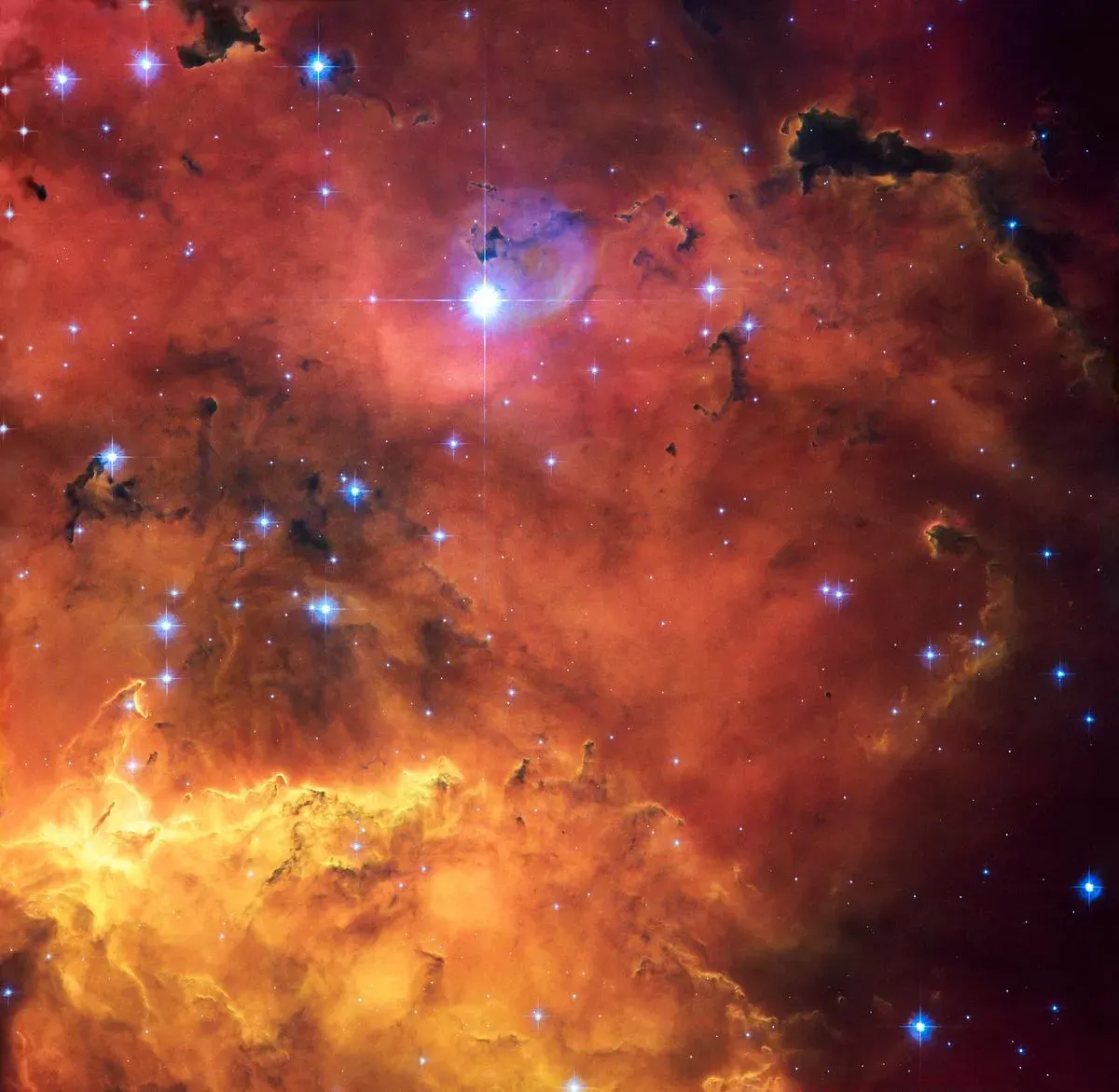
Scientists have identified the origin of key stardust grains present in the dust cloud from which the planets in our Solar System formed, solving a long-standing puzzle concerning the source of the grains, which formed long before our Solar System and can be recovered from meteorites that fall to Earth. Stars around six times larger than the Sun blow off their outer layers forming an interstellar cloud of gas and dust grains, and our Solar System is believed to have formed from such a cloud around 4.6 billion years ago.
Initially dust grains make up one or two percent of the mass of the disk of material surrounding a young star, and that’s enough to form planets, including rocky worlds like Mercury, Venus, Earth, and Mars. Your entire planet condensed from leftover stellar ash, debris drifting through space after earlier generations of stars had lived and died. We’re essentially third-generation star stuff at minimum.
The Cosmic Connection to Everything Alive
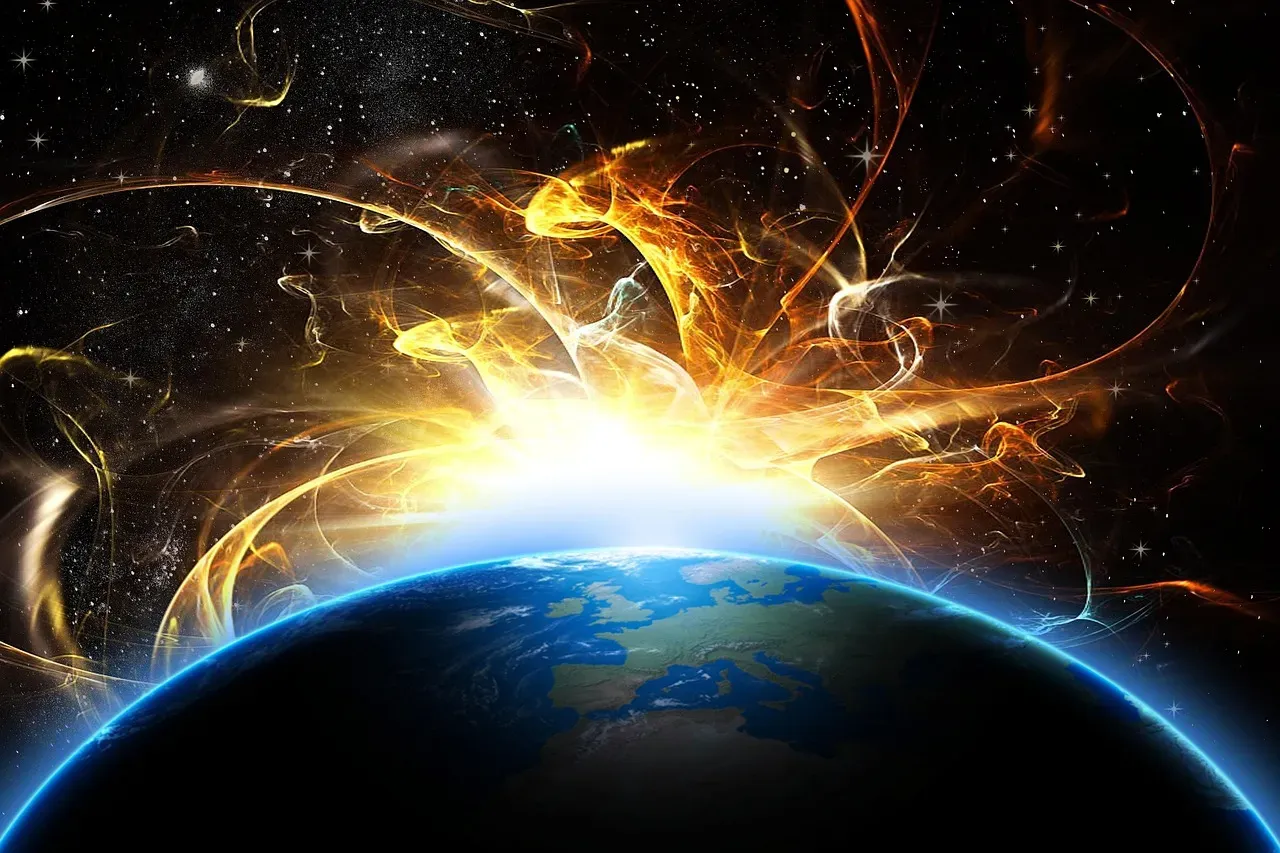
It’s totally one hundred percent true that nearly all the elements in the human body were made in a star and many have come through several supernovas. Our DNA is made up of carbon, hydrogen, oxygen, nitrogen, and phosphorus, and all those elements except hydrogen, which has existed since shortly after the big bang, are made by stars and released into the cosmos when the stars die.
You are not separate from the universe. You are its continuation. We consist mostly of elements like oxygen, hydrogen, nitrogen, carbon, calcium, and phosphorus that are created through nucleosynthesis in stars that have since died. The explosions of giant stars seed the cosmos with new chemical elements, providing the raw materials for future stars and planets. Every living cell on this planet exists because distant stars ended their lives in spectacular fashion, scattering their guts across the cosmos. Without those ancient explosions, you simply wouldn’t be here to wonder about your origins. Pretty humbling when you think about it.
What do you think about sharing your atomic history with the stars themselves? Tell us in the comments.
Hi, I’m Andrew, and I come from India. Experienced content specialist with a passion for writing. My forte includes health and wellness, Travel, Animals, and Nature. A nature nomad, I am obsessed with mountains and love high-altitude trekking. I have been on several Himalayan treks in India including the Everest Base Camp in Nepal, a profound experience.