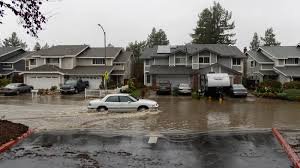

Washington state – relentless sheets of rain pound the landscape, turning quiet valleys into roaring waterways overnight.
A Storm Like No Other Hits the Pacific Northwest
Imagine waking up to sirens blaring and roads vanishing under muddy torrents. That’s the reality for many in western Washington right now. An intense atmospheric river has dumped inches of rain in mere hours, pushing rivers to their limits and beyond.
Experts call it catastrophic. The National Weather Service warns of record crests, with some areas seeing more water in days than they do all year. Communities that thought they were prepared are scrambling as the floodwaters rise faster than anyone predicted.
This isn’t just another rainy season. It’s a powerful weather event fueled by warmer oceans, delivering moisture like a firehose straight from the Pacific.
Rivers on the Brink: Which Ones Are Overflowing?
The Skagit River leads the charge in this watery assault. Near the town of Concrete, it’s forecast to top 47 feet – way above major flood levels. Homes along its banks sit in harm’s way, with water lapping at doorsteps.
Other rivers like the Snohomish are swelling too, threatening low-lying towns north of Seattle. Bridges strain under the pressure, and debris clogs waterways, making every inch of rise more dangerous.
From the Cascades to the coast, no major stream is spared. Saturated soils can’t soak up more, so everything runs off into these raging channels.
Evacuations Underway: Lives on the Line
Officials aren’t taking chances. Up to 100,000 people could get evacuation orders as rivers hit historic highs. In places like Abbotsford and Chilliwack across the border in British Columbia, alerts cover vast areas, echoing the chaos of past floods.
Families pack what they can and head to higher ground. Shelters open their doors, but the scale feels overwhelming. One resident described it as a nightmare repeating from 2021, when similar rains devastated the region.
Highways shut down too. I-5 north of Seattle closes for slides and overflows, stranding travelers and cutting off supply lines. It’s a reminder of how quickly nature can isolate entire communities.
What Fuels This Monster Storm?
Atmospheric rivers sound sci-fi, but they’re real beasts. These narrow bands of moisture in the sky act like superhighways for water vapor, slamming into land with tropical force even in winter.
Two such rivers are tag-teaming Washington this week. The first soaked the ground; the second piles on more. Add melting snow from earlier warmth, and you’ve got a perfect recipe for disaster.
Climate patterns play a role here. Warmer air holds more moisture, turning routine rains into deluges. Scientists note these events are getting fiercer, hitting harder and more often.
Impacts Rippling Far and Wide
Beyond the water, winds gust over 60 mph, toppling trees and knocking out power. Flash floods catch drivers off guard on backroads, while avalanches loom in the mountains.
Agriculture takes a hit too. Farmlands in the Fraser Valley flood, drowning crops and livestock. Rebuilding will take months, if not years, for those hardest hit.
Yet amid the urgency, neighbors pull together. Volunteer sandbagging efforts spring up, and emergency crews work around the clock to save what they can.
Staying Safe: Tips from the Frontlines
If you’re in the path, don’t wait for orders. Head to higher ground early, and avoid flooded roads – turn around, don’t drown, as the saying goes.
Prepare a go-bag with essentials: water, meds, documents, and cash. Check on vulnerable folks like the elderly or those with pets.
Local news and apps like DriveBC keep you updated. In Washington, follow alerts from the state emergency management for the latest.
- Monitor river gauges online for real-time levels.
- Secure outdoor items before winds pick up.
- Have a family plan for quick evacuations.
- Stock non-perishables for at least 72 hours.
- Report hazards to authorities immediately.
Key Takeaways
- Atmospheric rivers are intensifying floods in the Pacific Northwest, with Washington facing record river crests.
- Evacuations could affect tens of thousands; safety comes first by heeding official warnings.
- Preparation and community support can mitigate the worst effects of these powerful storms.
As the rains ease, Washington will rebuild, but this flood serves as a stark wake-up call to the changing climate. Stay vigilant, support those affected, and think about how we all adapt to wilder weather ahead. What steps are you taking to prepare for events like this? Share in the comments.
Jan loves Wildlife and Animals and is one of the founders of Animals Around The Globe. He holds an MSc in Finance & Economics and is a passionate PADI Open Water Diver. His favorite animals are Mountain Gorillas, Tigers, and Great White Sharks. He lived in South Africa, Germany, the USA, Ireland, Italy, China, and Australia. Before AATG, Jan worked for Google, Axel Springer, BMW and others.