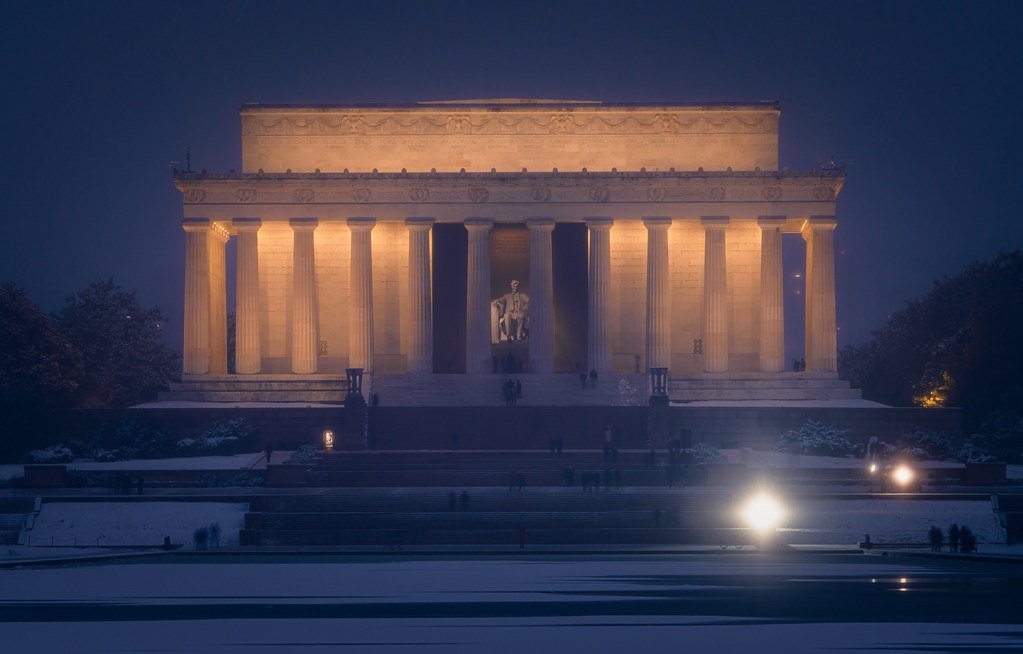
Temperatures Plunge to Risky Lows Overnight (Image Credits: Flickr)
Washington, D.C. region – A Freeze Warning covered the area until 9 a.m. Wednesday, bringing early-morning temperatures down to as low as 29 degrees. Residents faced a crisp start under cold sunshine. Highs later climbed into the 50s, offering some relief as the day progressed.
Temperatures Plunge to Risky Lows Overnight
The warning highlighted the potential for widespread frost formation due to the sharp overnight drop. Early readings showed upper 20s across much of the region, a level that threatens sensitive plants and outdoor pipes. Conditions like these often lead to slick surfaces on untreated roads and walkways.
Local forecasts noted the cold air mass settling in firmly. Sunshine broke through by mid-morning, but the chill lingered in shaded spots. Such dips remind the area of winter’s stubborn hold even as spring advances.
Daylight Brings Gradual Warming Trend
Cold sunshine dominated the morning sky, providing a clear but brisk backdrop. Temperatures began their slow rise toward the 50s by afternoon. Winds stayed light, which helped moderate the perceived chill.
This pattern allowed for outdoor activities later in the day, though morning commutes demanded extra caution. The shift from freezing lows to milder highs created a classic spring cold snap scenario. Forecasters watched for any lingering effects from the freeze.
Essential Precautions for the Cold Snap
Protection against the freeze proved crucial for homes and gardens. Residents covered tender vegetation or brought it indoors to prevent damage. Insulating exposed faucets helped avoid burst pipes from the sub-freezing air.
Layered clothing became a necessity for early outings. Drivers checked for ice patches, especially on bridges and overpasses. Pets stayed inside during the coldest hours to avoid frostbite risks.
- Cover plants with frost cloth or blankets overnight.
- Let faucets drip to keep water moving in pipes.
- Wear multiple layers and protect extremities like hands and ears.
- Clear walkways of ice before venturing out.
- Limit time outdoors for children and elderly during peak cold.
- Warm vehicles gradually to defrost windows safely.
Broader Implications for the Capital Area
The freeze warning affected urban and suburban zones alike, from the District to surrounding counties. Agriculture in nearby rural areas faced threats to early crops. Commuters navigated potential delays from icy conditions.
Energy demands ticked up as heating systems worked harder. Schools and businesses started on time, but with added safety advisories. The event underscored the region’s variable spring weather patterns.
Key Takeaways
- Freeze Warning ended at 9 a.m. Wednesday with lows at 29 degrees.
- Cold sunshine led to highs in the 50s.
- Protect plants, pipes, and people from frost risks.
This brief cold episode serves as a reminder of nature’s unpredictability in the Washington region. Preparation turns potential problems into minor inconveniences. What are your go-to tips for handling sudden freezes? Share in the comments.