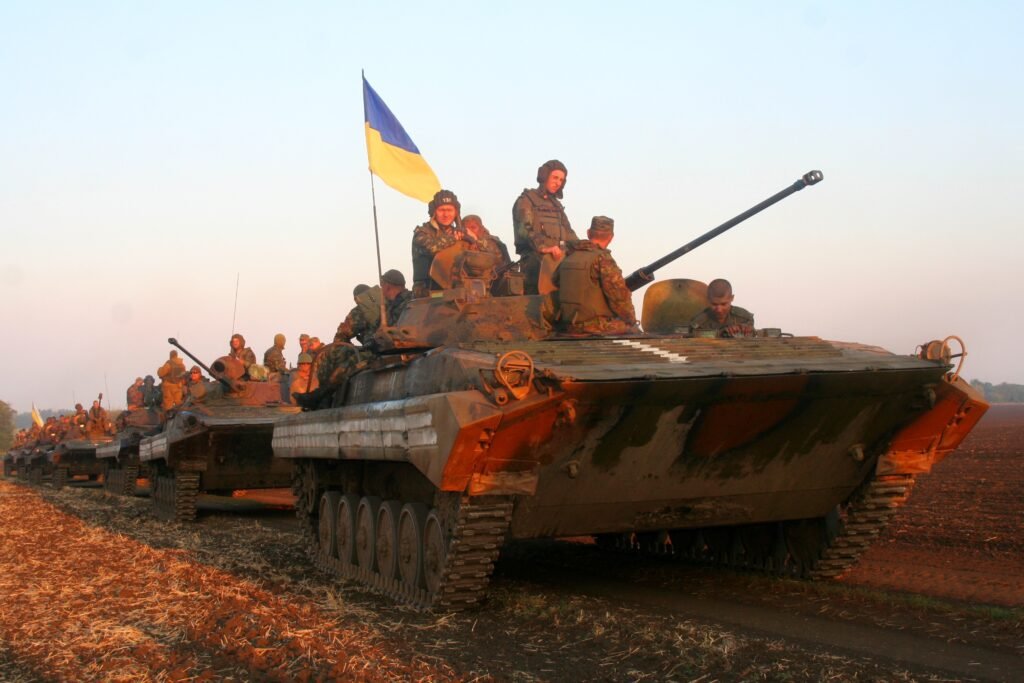

The Ukraine conflict, a tragic event with significant human and geopolitical impacts, also holds grave implications for our planet’s environmental health. Beyond the immediate devastation, the war has led to an increase in greenhouse gas emissions, adding to the global climate crisis. While wars have always had environmental consequences, the modern nature of warfare, with its reliance on advanced machinery and technology, exacerbates these impacts. This article delves into the intricate ways in which the Ukraine conflict contributes to atmospheric pollution and climate change, revealing the hidden costs of war that extend beyond the battlefield.
The Modern Machinery of War

Modern warfare is heavily reliant on machinery, from tanks and fighter jets to logistics vehicles and naval ships. These machines are powered by fossil fuels, and their operation results in substantial carbon emissions. In the Ukraine conflict, the heavy use of military vehicles has led to a spike in emissions. Tanks, for instance, can consume hundreds of liters of fuel per day, releasing tons of carbon dioxide into the atmosphere. The sheer scale of such operations means that the environmental toll is significant, compounding the already dire effects of climate change.
Destruction of Infrastructure

War often leads to the destruction of infrastructure, which has its own environmental repercussions. Buildings, roads, and bridges, when destroyed, release stored carbon into the atmosphere as they crumble. The Ukraine conflict has seen widespread destruction, releasing not just carbon but also other harmful pollutants. Rebuilding efforts, while necessary, further contribute to emissions as construction materials and machinery are deployed. This cycle of destruction and reconstruction creates a continuous loop of greenhouse gas emissions, straining the environment further.
Burning of Fossil Fuels
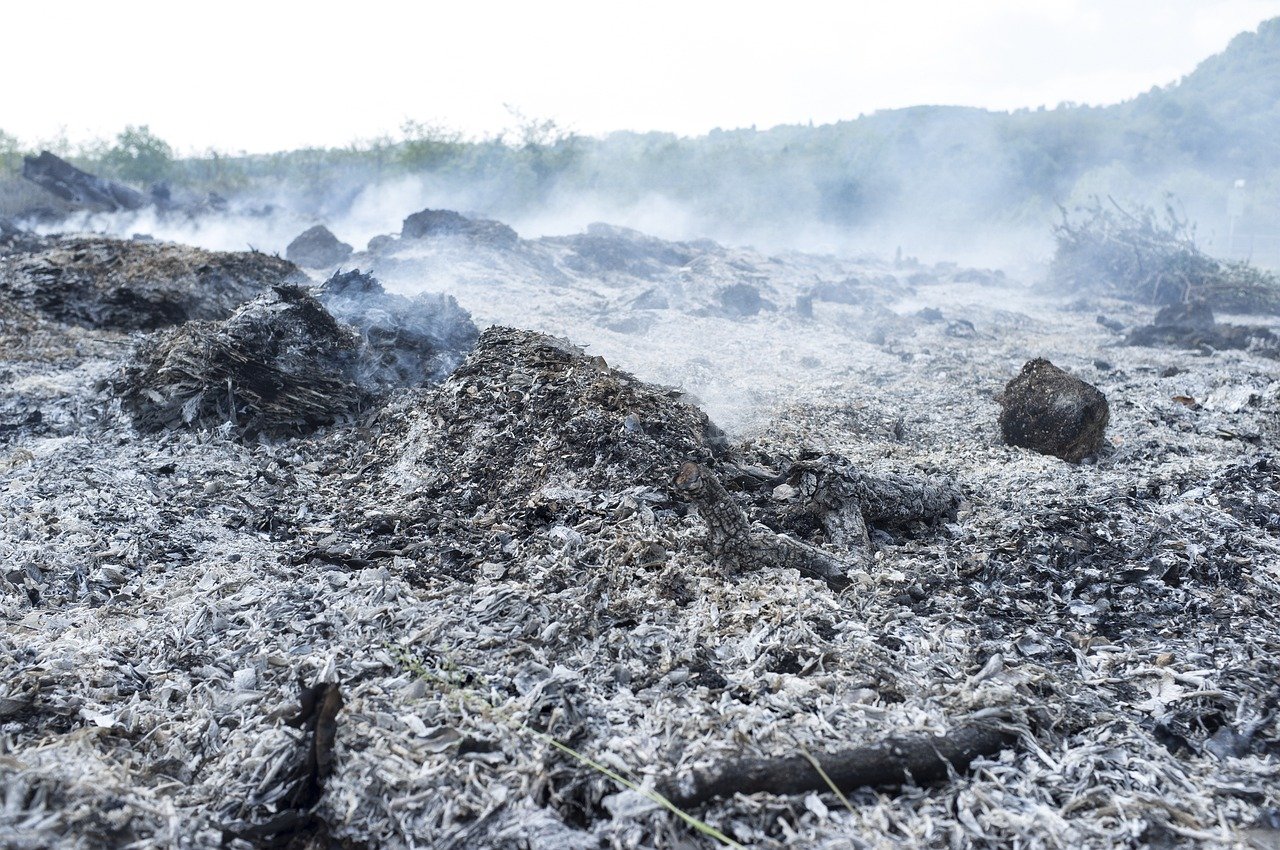
The burning of fossil fuels is a primary source of greenhouse gas emissions during wartime. In Ukraine, the conflict has led to increased consumption of coal, oil, and natural gas to power military operations and support displaced populations. This reliance on fossil fuels exacerbates the climate crisis, as these sources emit large amounts of carbon dioxide and other greenhouse gases. The need for energy security in wartime often overrides environmental considerations, leading to increased pollution and long-term ecological damage.
Impact on Natural Carbon Sinks

Natural carbon sinks, such as forests and wetlands, play a crucial role in absorbing carbon dioxide from the atmosphere. However, the Ukraine conflict has led to the disruption and destruction of these vital ecosystems. Forest fires, deforestation, and land degradation, often unintended consequences of military actions, reduce the capacity of these areas to sequester carbon. The loss of natural carbon sinks not only increases atmospheric carbon levels but also undermines efforts to combat climate change.
Displacement and Urbanization

The displacement of populations due to conflict leads to increased urbanization, putting additional pressure on urban environments. In Ukraine, the influx of displaced people into cities has resulted in higher energy consumption and waste production. Urban areas, already major sources of greenhouse gas emissions, become even more strained, with increased demand for housing, transportation, and services. This urban sprawl contributes to further environmental degradation and highlights the complex interplay between human displacement and climate change.
Environmental Policies in Conflict Zones

Environmental policies often take a backseat during conflicts, as immediate human needs and military objectives dominate the agenda. In Ukraine, the focus on survival and security has led to the sidelining of environmental concerns. This lack of regulation and oversight allows for unchecked emissions and environmental harm. The absence of stringent policies exacerbates the environmental impact of the conflict, making it difficult to address and mitigate the long-term effects on the climate.
Indirect Global Effects

While the immediate effects of the Ukraine conflict are felt locally, the environmental impact has global ramifications. Increased emissions from the conflict contribute to global warming, affecting weather patterns and ecosystems worldwide. The interconnected nature of our planet means that emissions in one region can have far-reaching effects, influencing climate and environmental conditions across the globe. This highlights the importance of addressing the environmental impacts of conflict as part of the broader effort to combat climate change.
Role of International Organizations

International organizations play a crucial role in addressing the environmental impacts of conflicts like the one in Ukraine. Entities such as the United Nations and the International Red Cross work to assess and mitigate environmental damage, advocating for sustainable practices even in conflict zones. Their efforts include promoting renewable energy sources, supporting environmental restoration projects, and pushing for international agreements that address the environmental costs of war. These organizations are vital in bridging the gap between immediate humanitarian needs and long-term environmental sustainability.
The Human Cost of Environmental Degradation

The environmental toll of the Ukraine conflict has direct implications for human health and well-being. Increased emissions contribute to air pollution, leading to respiratory issues and other health problems for those living in affected areas. The degradation of natural resources and ecosystems also impacts food security and access to clean water, exacerbating the humanitarian crisis. Understanding the human cost of environmental degradation highlights the interconnectedness of environmental and human health, emphasizing the need for a holistic approach to conflict resolution.
A Call for Sustainable Peacebuilding

Addressing the environmental impacts of the Ukraine conflict requires a commitment to sustainable peacebuilding. This involves integrating environmental considerations into peace agreements and reconstruction efforts. By prioritizing renewable energy sources, protecting natural ecosystems, and implementing sustainable practices, it is possible to mitigate the environmental damage caused by war. Sustainable peacebuilding not only addresses the immediate needs of war-torn regions but also lays the groundwork for a healthier, more resilient planet.