Stand on the flank of a volcano and it feels like you’re standing on something alive. The ground trembles now and then, hot gases hiss from invisible cracks, and the air smells faintly of stone being cooked from the inside out. It’s unsettling and oddly comforting at the same time, like hearing the heartbeat of the planet under your feet.
Volcanoes can seem like pure destruction when we see lava swallowing roads or ash darkening the sky. But zoom out in time – millions of years instead of minutes – and a very different story appears. Eruptions are part of a slow, relentless cycle that builds continents, feeds oceans with nutrients, and even helps control the air we breathe. In a weird way, they really are the planet exhaling, adjusting, and reshaping itself over unimaginable stretches of time.
The Planet’s Hidden Furnace Beneath Our Feet
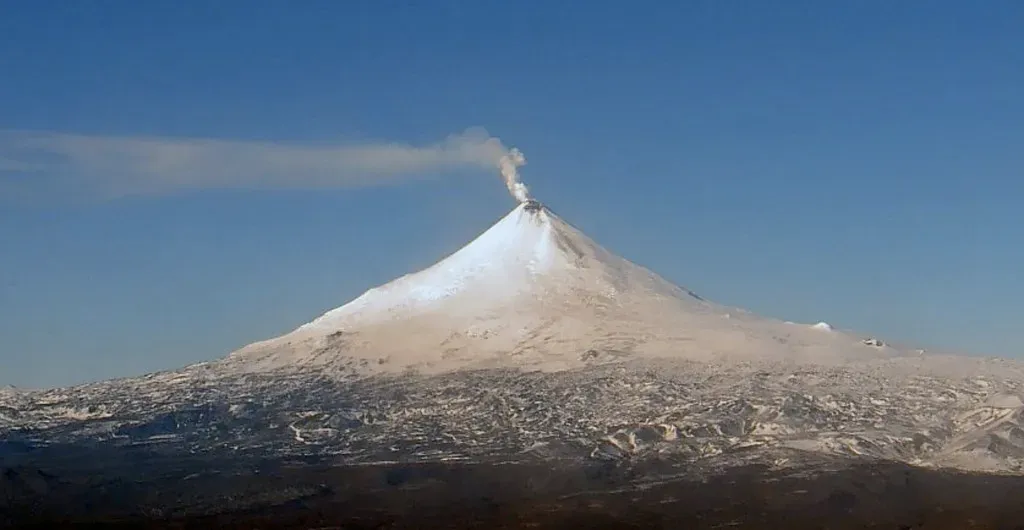
Deep under the crust, Earth is not calm at all. It’s a churning, convecting ocean of hot rock that moves so slowly you’d swear it was frozen if you could see it. But that slow motion flow is constantly pushing, stretching, and tearing the brittle outer shell where we live, creating cracks and weak spots where magma can find its way up.
When that molten rock rises, it’s not just random chaos; it’s pressure looking for an escape route. Volcanoes form where the crust is broken, thinned, or forced down into the mantle, and they act like pressure valves on a giant boiler. In that sense, eruptions are the Earth’s way of releasing built-up stress and heat that has nowhere else to go, a bit like steam slipping out of a kettle before it explodes.
Volcanoes at Plate Boundaries: Where Continents Are Forged
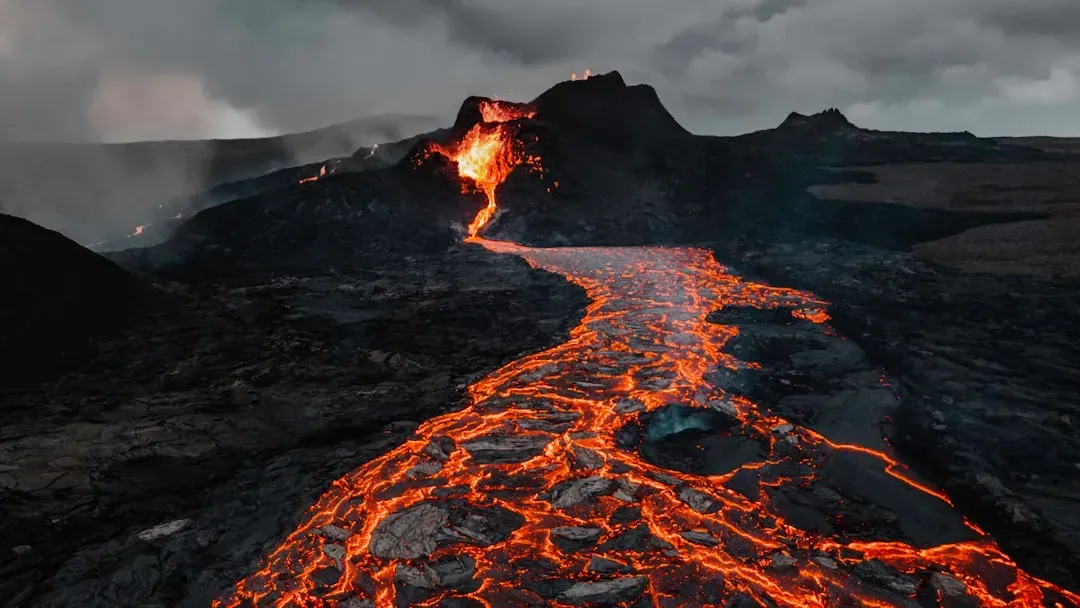
Most of the world’s volcanoes sit along the edges of tectonic plates, those massive slabs of crust slow-dancing across the mantle. At subduction zones, one plate dives beneath another and sinks, heating up and releasing water that helps melt the overlying mantle. That melt rises, forming chains of volcanoes like the Andes in South America or the arcs around the Pacific often called the Ring of Fire.
These volcanic arcs are not just scenic backdrops; they’re factories for new continental crust. Over millions of years, repeated eruptions pile up layers of lava and ash that are slowly altered, thickened, and stitched onto existing landmasses. Whole mountain belts are basically built of old volcanic remains, so every time you look at a jagged range on the horizon, there’s a good chance you’re seeing the long-term memory of ancient eruptions.
Mid-Ocean Ridges: The Underwater Volcano Highways
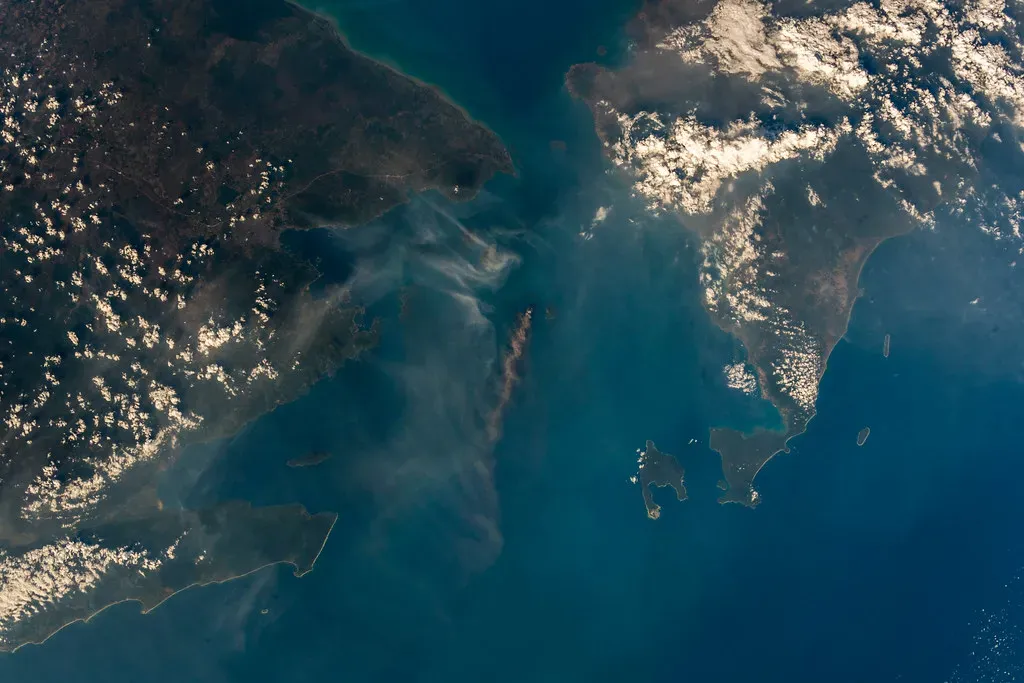
Far from the drama of explosive eruptions, there’s another kind of volcanic activity that is quieter but incredibly important: mid-ocean ridges. These are vast underwater mountain chains where plates are pulling apart and magma is continually rising to fill the gap. The lava hardens into new oceanic crust, spreading outward like a slow-moving conveyor belt that renews the seafloor.
That constant volcanic “leaking” along ridges is one of the main ways the planet gets rid of internal heat. It also releases minerals and chemicals into the ocean that fuel strange deep-sea ecosystems around hydrothermal vents. Over geologic time, the balance between new crust forming at ridges and old crust sinking back at subduction zones is part of what keeps Earth’s surface from becoming either totally stagnant or completely torn apart.
Volcanic Islands and the Building of New Land
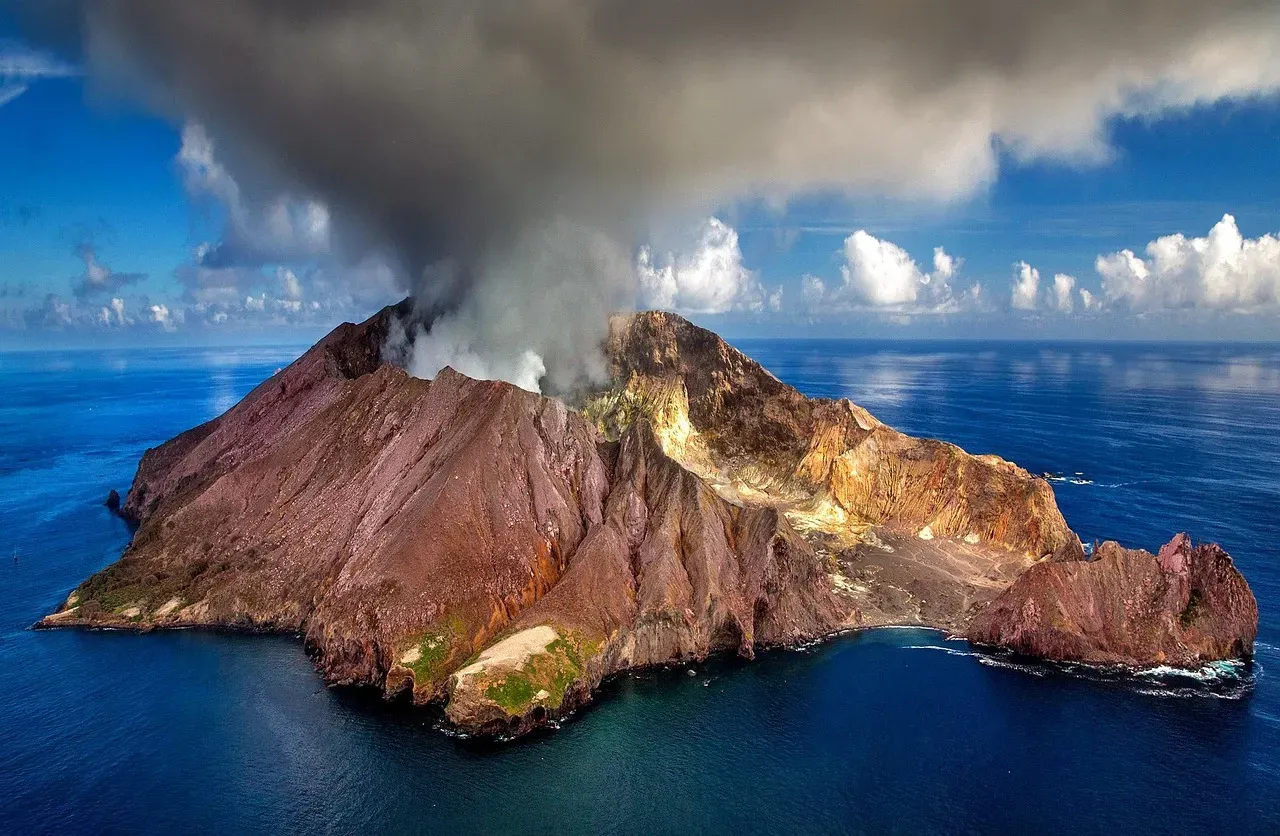
Sometimes a volcano rises from the seafloor in the middle of a plate, far from any obvious boundary. These so-called hot spot volcanoes tap unusually hot regions in the mantle, sending up steady plumes of magma. When enough lava piles up, it breaks the ocean surface and forms islands, like we see in Hawaii or parts of the South Pacific.
Those islands can keep growing as long as the plume stays active and the plate moves slowly over it. Over millions of years, chains of islands and seamounts record the movement of the plate like dotted lines across the ocean. It’s wild to think that entire cultures, ecosystems, and landscapes exist because of a long-lived column of hot rock far below that just refuses to stop feeding the surface.
Breathing for the Atmosphere: Gases, Climate, and Life
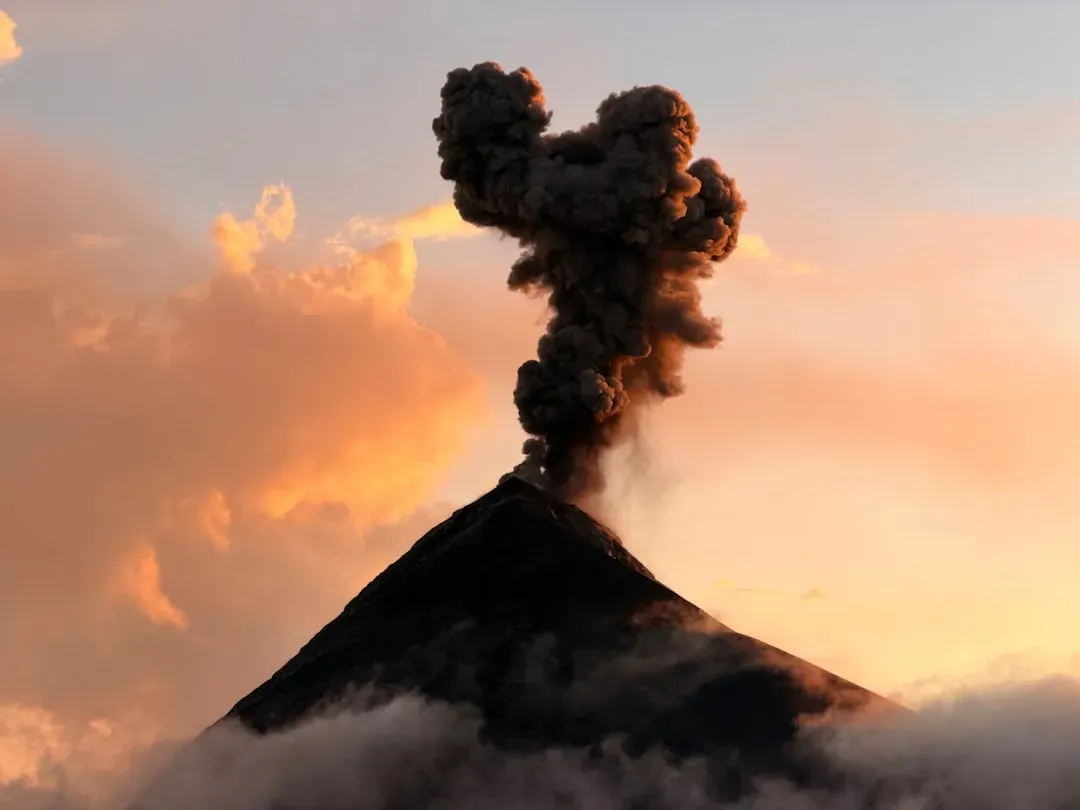
Volcanoes don’t just move rock; they also release huge amounts of gas trapped inside the planet. Water vapor, carbon dioxide, sulfur compounds, and other gases stream out during eruptions and quietly seep from vents even when a volcano looks “sleeping.” Over billions of years, this steady outgassing has played a major role in building and maintaining our atmosphere and oceans.
On shorter timescales, major eruptions can temporarily cool the planet by injecting tiny particles into the upper atmosphere that reflect sunlight. On longer timescales, volcanic carbon dioxide helps keep the planet from freezing solid, working together with processes like weathering that pull carbon back out of the air. Life as we know it evolved in an atmosphere shaped partly by volcanic breathing, which makes our fear of eruptions feel oddly like fearing one of the very forces that helped make us possible.
The Double-Edged Sword: Destruction and Renewal
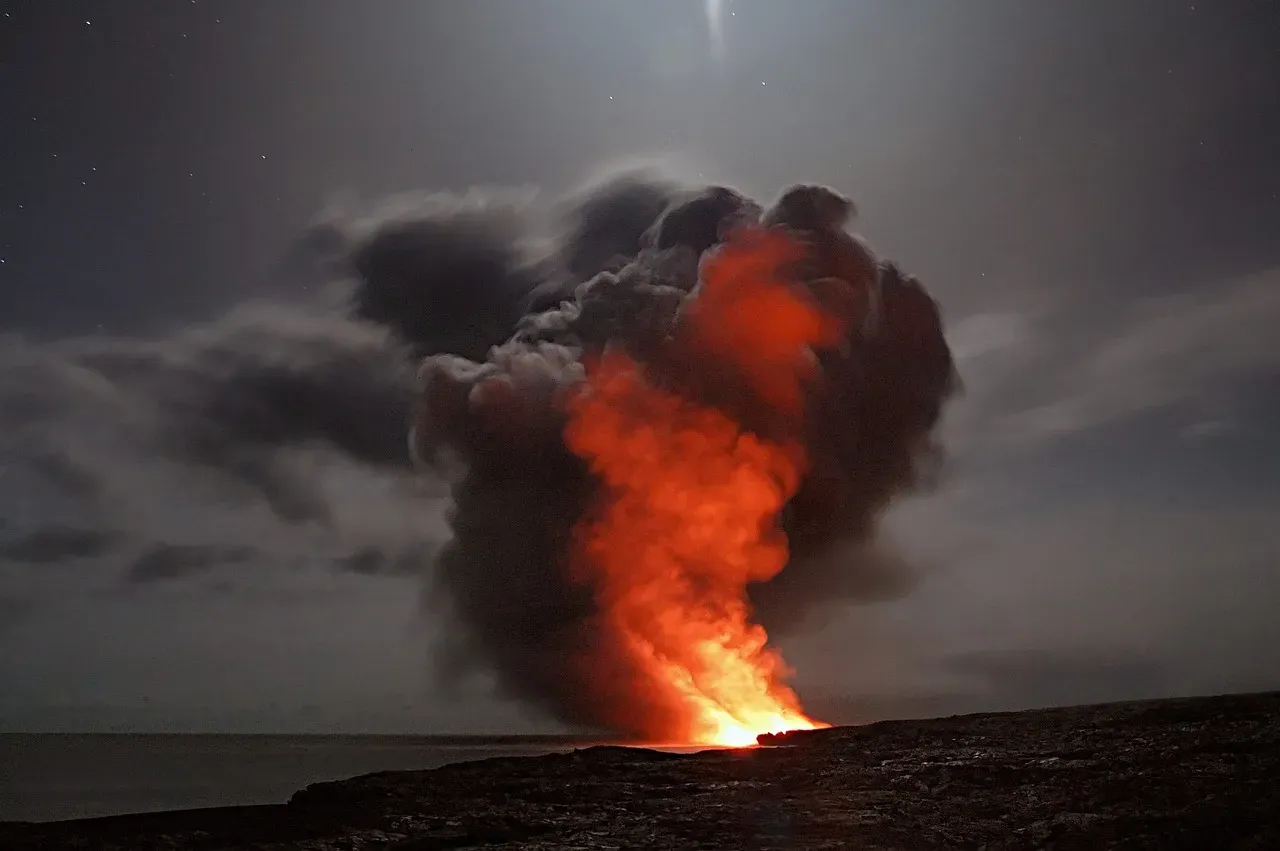
There’s no denying the terrifying side of volcanoes. Fast-moving pyroclastic flows, heavy ash falls, and lava floods can wipe out towns, farmland, and forests in hours or days. History is full of stories of cities buried, skies turned dark, and people caught off guard because the mountain they trusted suddenly changed moods.
But come back to those same places decades or centuries later, and you often see deep, fertile soils supporting dense vegetation and productive farming. Ash and broken rock from eruptions can release nutrients as they weather, turning disaster zones into some of the richest agricultural regions on Earth. It’s a brutal rhythm: destruction followed by renewal, loss followed by new growth, like an extreme version of pruning a tree so it can come back stronger.
How Volcanoes Shape Continents Over Eons
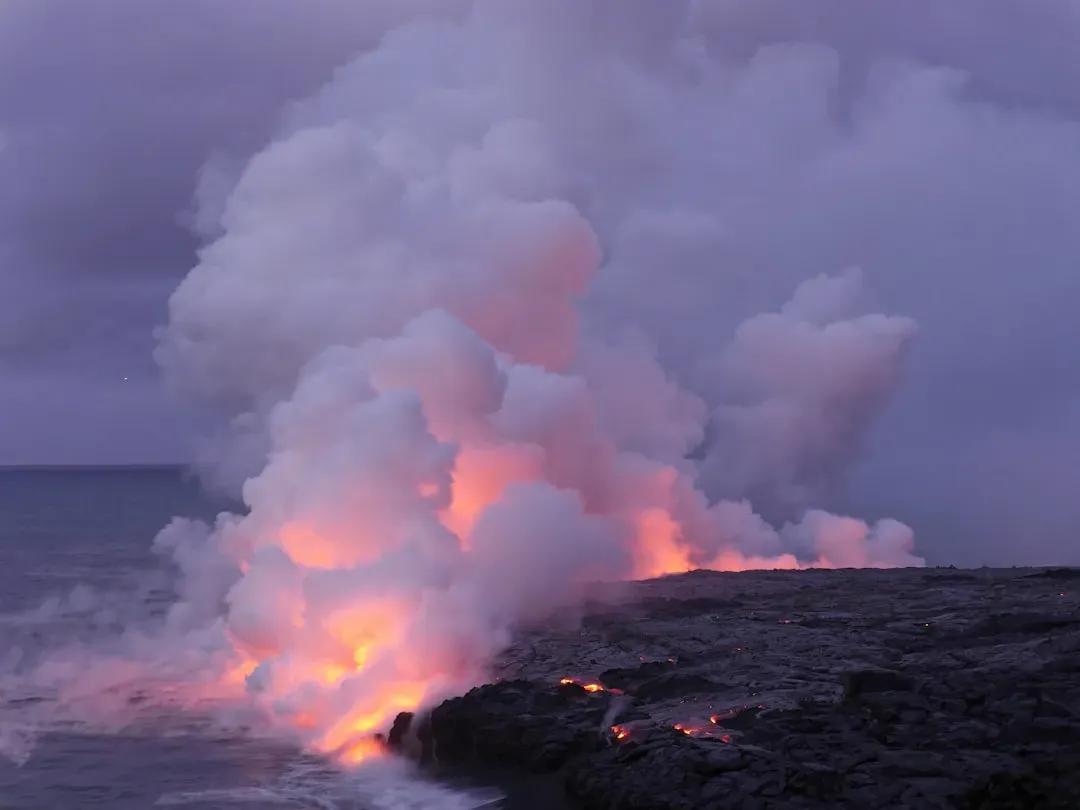
Stretch the timeline out to hundreds of millions of years, and volcanoes become quiet architects instead of sudden threats. They build mountains, stitch new fragments onto continents, and thicken the crust so that land can stand high above sea level instead of being worn flat. Ancient volcanic provinces, now eroded and overgrown, form the hidden backbone of many continental interiors.
At the same time, giant volcanic outpourings in the distant past have been linked to massive shifts in climate and even some extinction events, reshuffling which species could thrive and which could not. Continents as we see them today are the end result of countless eruptions, collisions, and erosional cycles, layered on top of each other like pages in a book. When you stand on a rocky cliff or walk across a high plain, you’re treading on the long-cooled breath of a planet that has been reshaping itself since long before humans showed up.
Living With a Breathing Planet
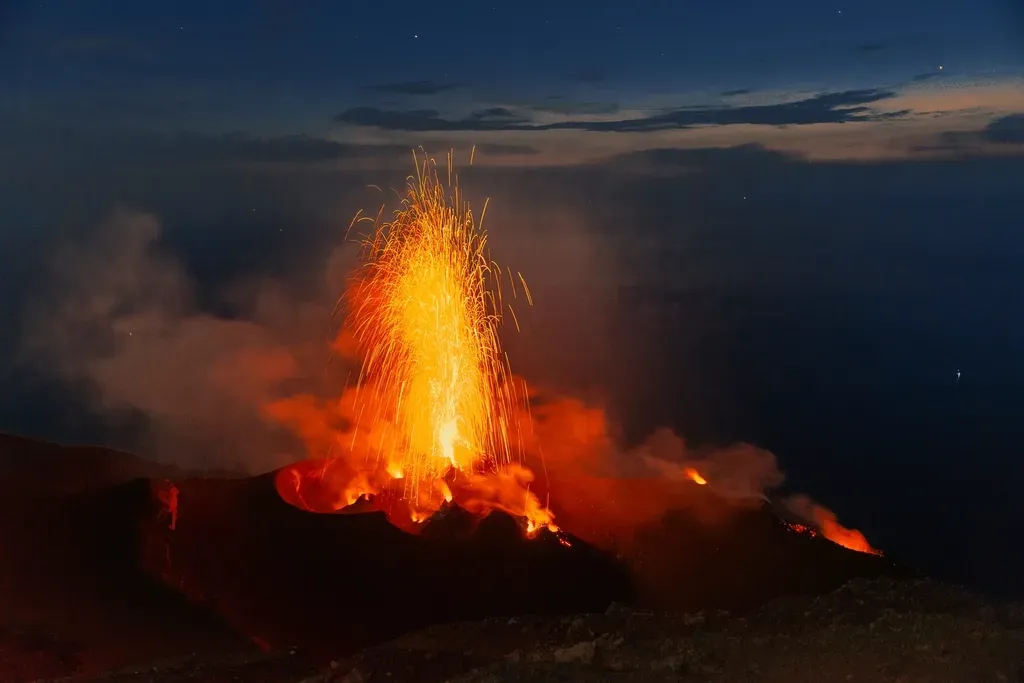
Once you start thinking of volcanoes as Earth’s breathing and not just random explosions, the world looks a bit different. Those mountains on the horizon, those black sand beaches, those rich volcanic soils under vineyards or rice paddies – they’re all signatures of deep processes still going on today. We live on the thin, fragile skin of a restless body, and pretending it’s solid and unchanging has never worked out well for us.
Modern monitoring, satellite data, and better science help us read the early signals of unrest, but there will always be uncertainty because the system is so complex. The challenge is to accept that uncertainty without turning away from the places and landscapes that volcanoes create, because they’re some of the most vibrant parts of the planet. In the end, learning to live with volcanoes is really about learning to live with a living Earth, one that never truly stops moving, changing, and breathing beneath our feet.