Deep in the rugged San Rafael Swell of central Utah, about thirty miles south of Price, lies one of paleontology’s most fascinating mysteries. The Cleveland Lloyd Dinosaur Quarry, now part of Jurassic National Monument, contains a concentration of fossil bones so dense that scientists have dubbed it a window into the Jurassic world. But this isn’t just any ordinary fossil site – it’s a 150-million-year-old crime scene where something catastrophic happened that scientists are still trying to solve.
What makes this place extraordinary isn’t just the sheer number of fossils, but their unusual composition. While most Jurassic sites are dominated by plant-eating giants, Cleveland Lloyd tells a different story entirely. Here, carnivorous dinosaurs outnumber herbivores by an astounding three to one ratio, creating one of paleontology’s most perplexing puzzles. Let’s dive into this ancient mystery and discover why this remote Utah quarry continues to rewrite our understanding of Jurassic life.
The Discovery That Changed Everything
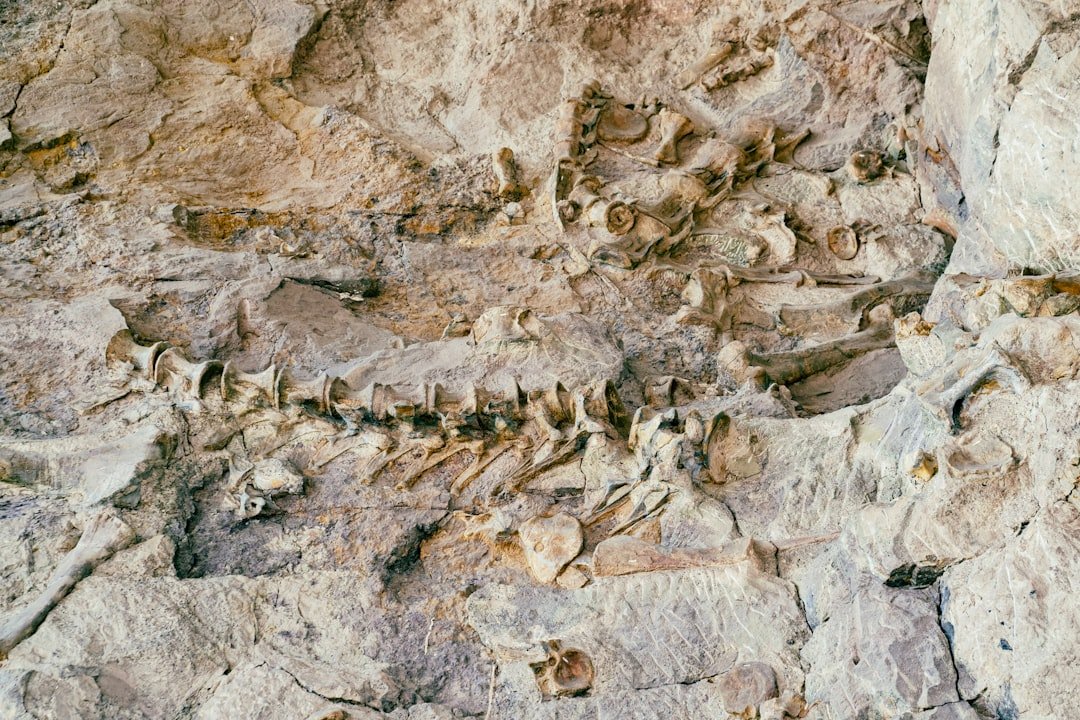
It appears that ranchers discovered the site, but record keepers from that era’s paleontology didn’t capture the name. Clearly they were too excited to dig into the limestone, which seemed to have a tremendous number of fossils. The excitement was well-founded – it would turn out to be the world’s densest concentration of dinosaur bones. More than 12,000, so far.
The U.S. Department of the Interior, Bureau of Land Management (BLM) opened a visitor center at the Cleveland-Lloyd Dinosaur Quarry in 1968. This was the first-ever BLM visitor center. The site’s importance became clear early on when it was designated a National Natural Landmark in October 1965. More recently, the John D. Dingell, Jr. Conservation, Management, and Recreation Act, signed into law by President Donald Trump on March 12, 2019, named it as a national monument.
A Bone Bed Like No Other
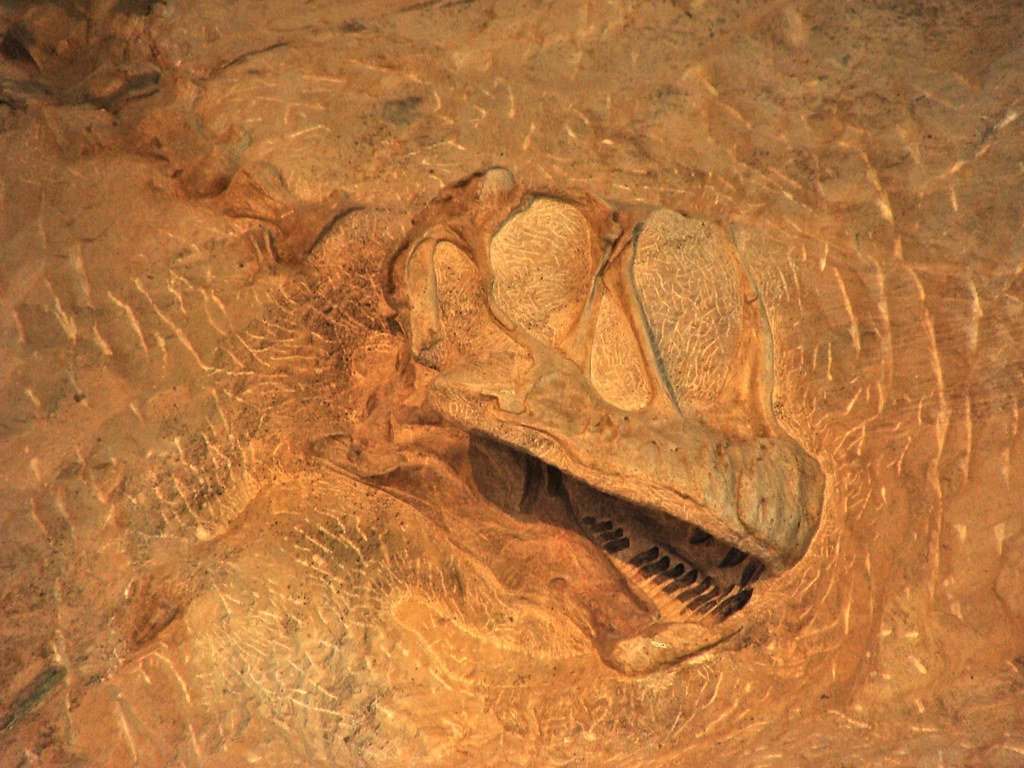
The quarry contains one of the densest concentrations of Jurassic-aged dinosaur bones ever found, with over 12,000 fossils representing at least 74 individual animals. But what truly sets Cleveland Lloyd apart is its bizarre composition. The site is notable for its unusually high number of carnivorous dinosaurs – more than 75% of the bones come from predators like Allosaurus fragilis, with over 46 individuals identified.
This ratio is completely backwards from what paleontologists typically find. Most multi-taxa bonebeds in the Morrison Formation are dominated by large herbivorous dinosaurs, yet Cleveland Lloyd flips this pattern on its head. The densest concentration of Allosaurus fossils in the world has been unearthed at the quarry and are on display. The dominance of these fearsome predators has puzzled scientists for decades, leading to numerous theories about what could have caused such an unusual accumulation.
The Morrison Formation Connection
The Morrison Formation is a distinctive sequence of Upper Jurassic sedimentary rock found in the western United States which has been the most fertile source of dinosaur fossils in North America. Cleveland Lloyd sits within the Brushy Basin Member of the Morrison Formation, which dates to approximately 150 million years ago.
It is composed of mudstone, sandstone, siltstone, and limestone and is light gray, greenish gray, or red. Most of the fossils occur in the green siltstone beds and lower sandstones, relics of the rivers and floodplains of the Jurassic period. The Morrison Formation extends across multiple western states, but Cleveland Lloyd represents something special within this already remarkable geological formation. Utah’s Jurassic-age Morrison Formation is world-famous for its many dinosaur fossil sites such as Dinosaur National Monument, Cleveland-Lloyd Dinosaur Quarry, and the Hanksville-Burpee site.
Life in the Late Jurassic
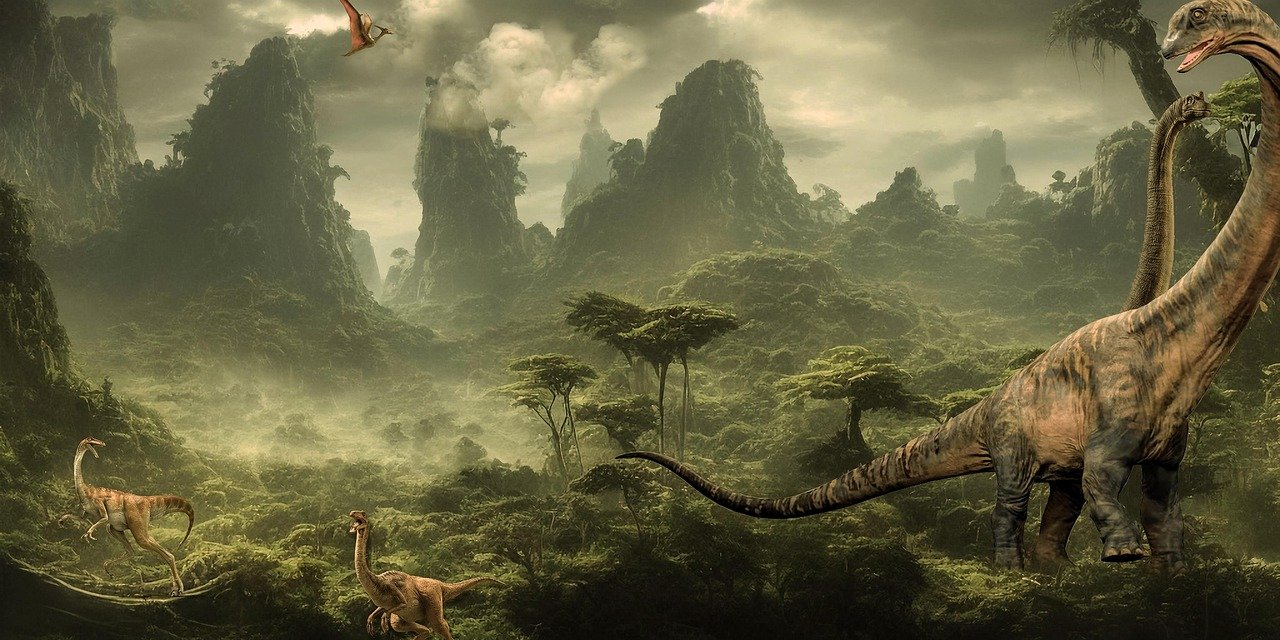
To understand what happened at Cleveland Lloyd, we need to picture what Utah looked like 150 million years ago. During the Late Jurassic, North America was part of a massive supercontinent called Laurasia. What is now the Pacific Ocean began roughly near the modern-day Nevada-California border. Much of Utah and the surrounding areas were floodplains, with broad, open areas dotted by forests.
It was a warm, humid place with wet-dry seasons. There were no flowering plants – those wouldn’t evolve until several million years later. Instead, conifers and ferns made up the majority of plants. Overall, the climate was dry, similar to a savanna but, since there were no angiosperms (grasses, flowers, and some trees), the flora was quite different. Conifers, the dominant plants of the time, were to be found with ginkgos, cycads, tree ferns, and horsetail rushes.
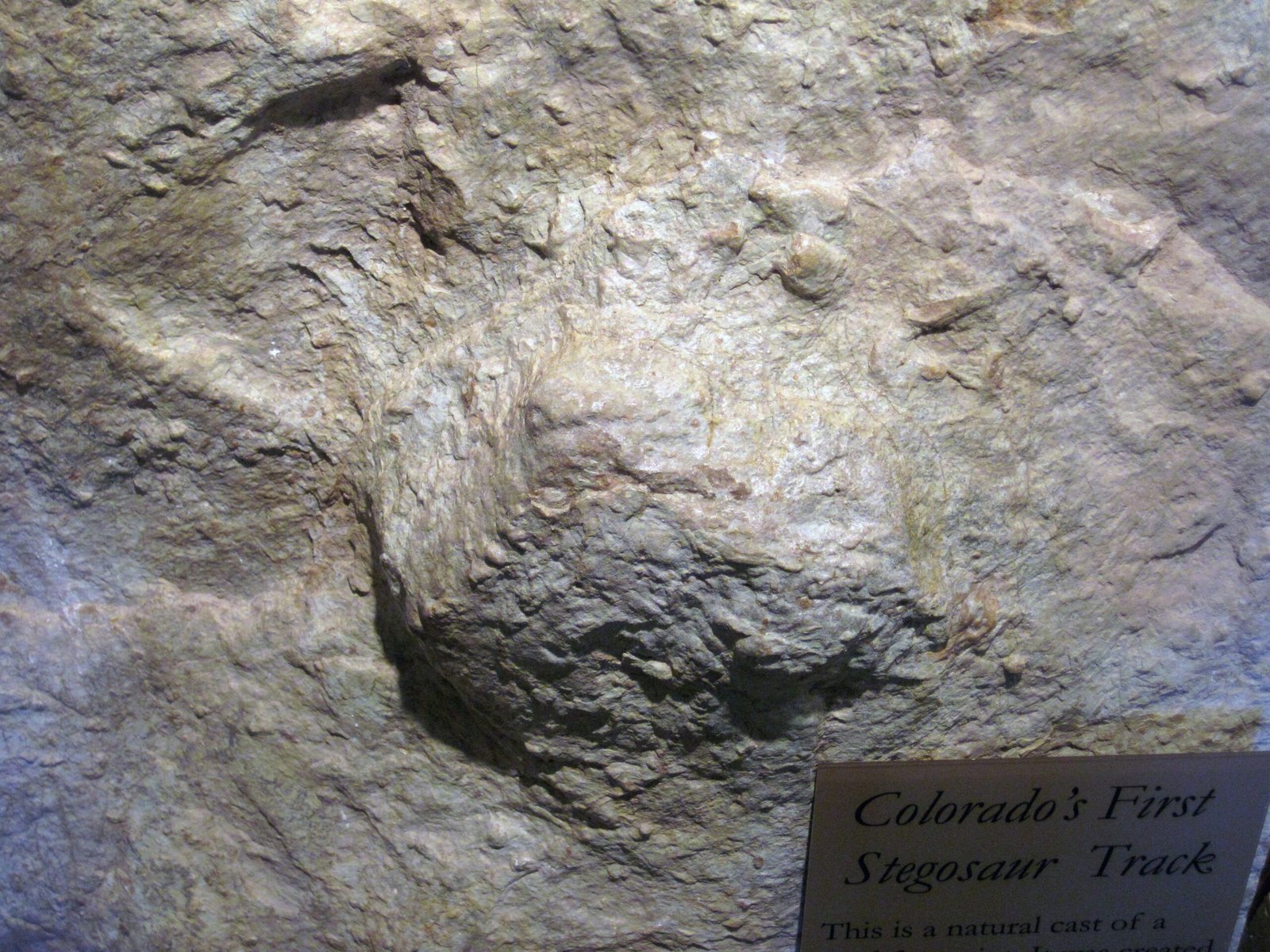
This ancient landscape was home to an incredible diversity of dinosaurs. In sum, Morrison Formation has 37 valid genera of dinosaurs. Giant sauropods like Camarasaurus and Diplodocus shared the landscape with armored Stegosaurus, while predators like Allosaurus and Ceratosaurus stalked their prey through the ancient forests and floodplains.
The Predator Trap Theory
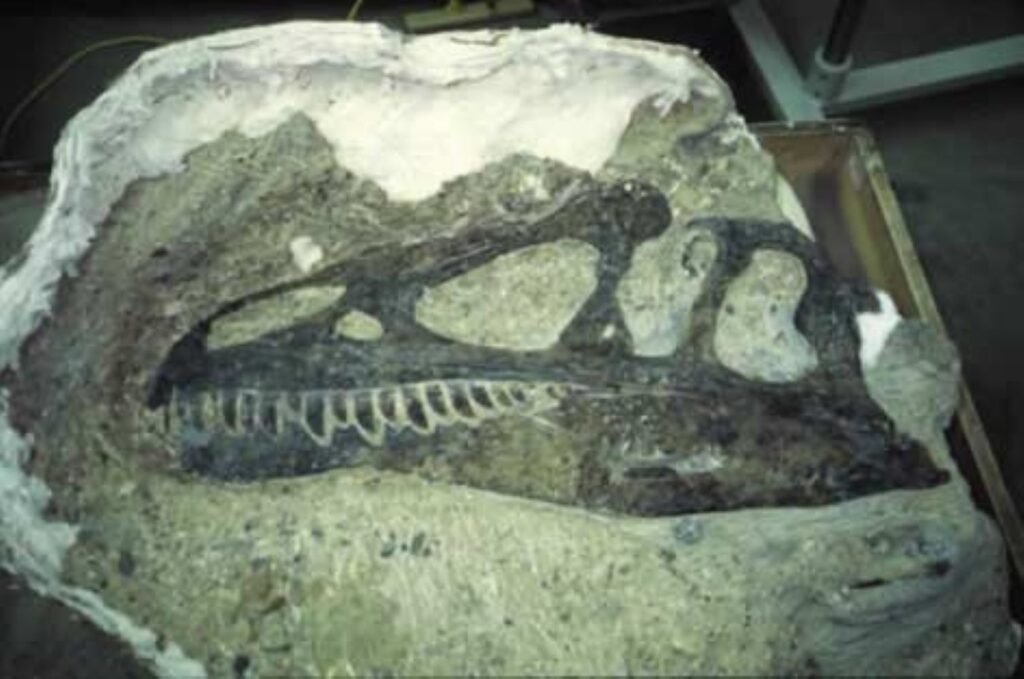
For decades, the leading explanation for Cleveland Lloyd’s unusual fossil assemblage was the “predator trap” hypothesis. Another hypothesis suggests that the deposit represents a predator trap (i.e. herbivores mired in the mud attracted numerous carnivores who also became mired) to explain the high numbers of Allosaurus. This was a predator trap. A pond attracted dinosaurs to the site as it was a source of water in the dry season. These animals got stuck in the mud and they died, this in turn attracted scavengers who also become stuck and perished.
The scenario seemed to make sense at first glance. Picture a muddy watering hole during the dry season, where a desperate Stegosaurus becomes trapped in the sticky mud. The struggling herbivore would naturally attract hungry Allosaurus, who would rush in for an easy meal only to become trapped themselves. More predators would arrive, creating a vicious cycle of entrapment that could explain the site’s unusual composition.
However, as scientists examined the evidence more closely, the predator trap theory began to fall apart. For example, bones in a predator trap should be heavily tooth-marked, as are over 50% of the bones recovered from the Rancho La Brea tar pits. However, only 4% of bones recovered from the CLDQ show evidence of feeding traces. If this had been a feeding frenzy, where would all the bite marks be?
The Drought Hypothesis Emerges
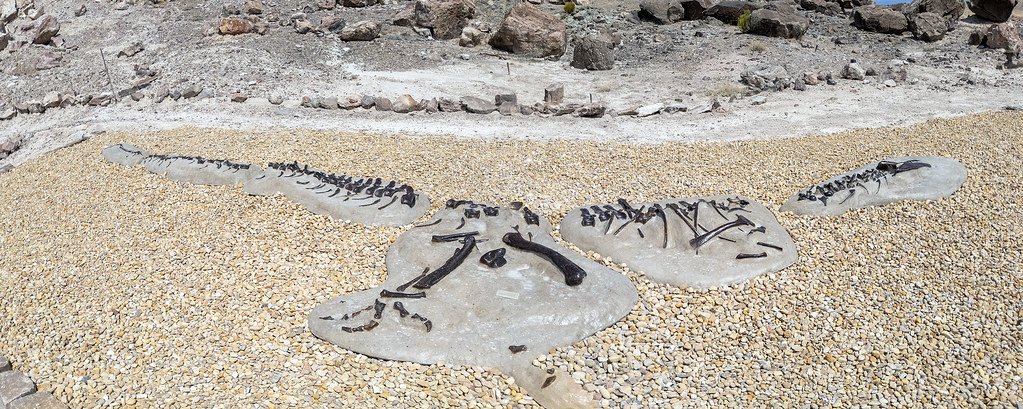
This became clearer from 2001 to 2004, when a more sophisticated study from then-University of Utah master’s student Terry “Bucky” Gates found that the quarry had little in common with other well-known predator traps, like the La Brea Tar Pits in Los Angeles. Few bones had bite marks. Gates and other researchers began proposing a different explanation: catastrophic drought.
Numerous lines of evidence question the traditional predator-trap hypothesis. Of the alternatives, catastrophic drought appears to be most consistent with available data. However, more recent studies suggest that the mass deaths were in fact a result of a drought, and not a predator trap. One comparison with the La Brea Tar Pits suggests that multiple, non-migratory groups of Allosaurus may have come to the area looking to find water, dying due to the harsh conditions and perhaps from diseases caused by drinking contaminated water due to rotting carcasses and feces being present.
The drought scenario paints a grimmer but more plausible picture. During an extended dry period, desperate animals would have congregated around any remaining water source. As conditions worsened, the weaker herbivores would have died first, followed by the carnivores who depended on them for food.
Evidence from the Rocks
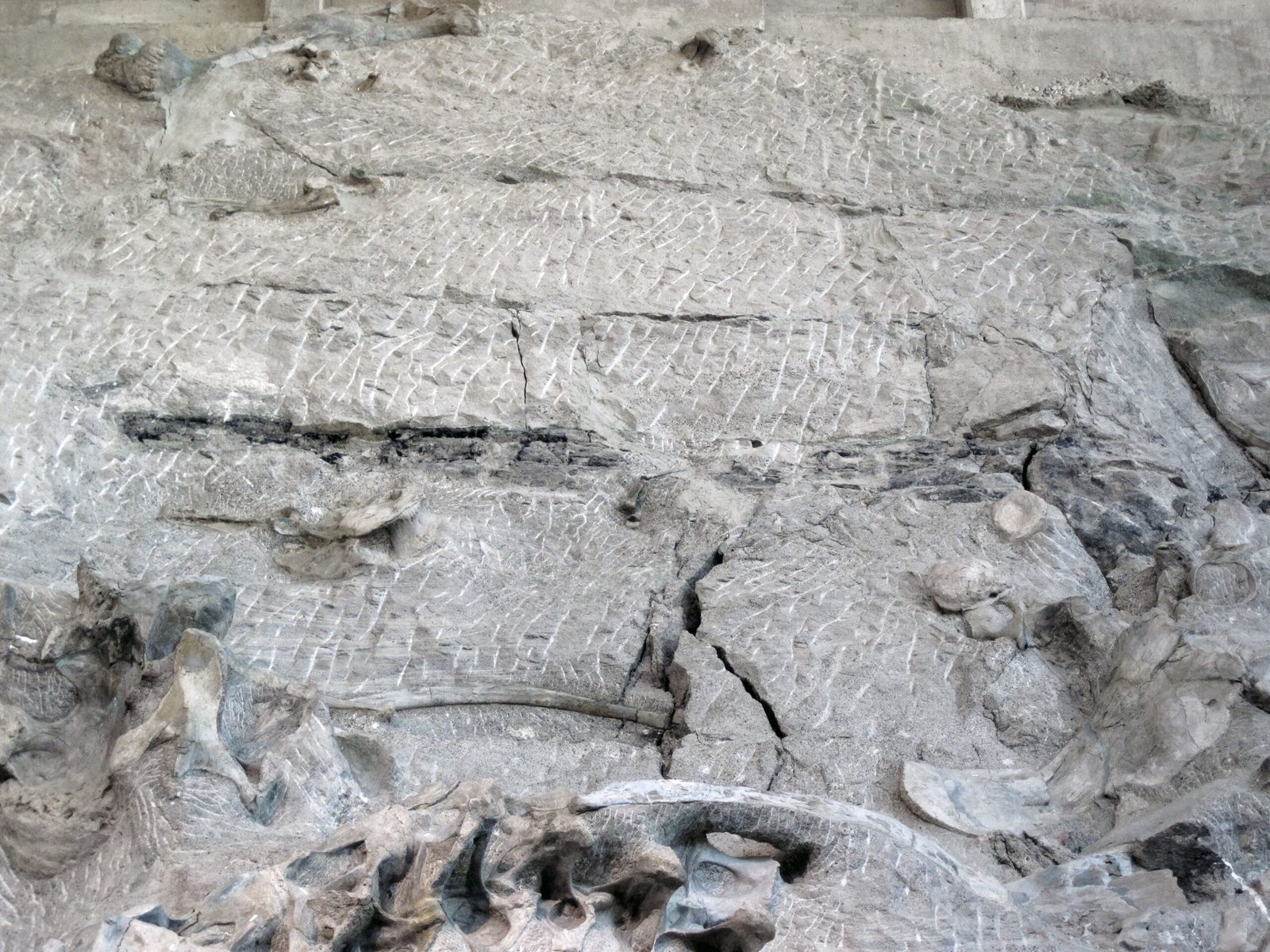
The geological evidence at Cleveland Lloyd supports the drought hypothesis. The fossil deposit consists of a calcareous smectitic mudstone which accumulated on the floodplain of an anastomosing river system. An anastomosing river system consists of multiple interconnected channels confined by prominent levees separated by interchannel topographic lows. The depositional environment of the quarry mudstone was an interchannel seasonal accumulation of clay nested in a topographic low between channel levees called a floodpond.
First, x-ray fluorescence of CLDQ sediments indicate elevated barite and sulfide minerals relative to other sediments from the Morrison Formation in the region, suggesting an ephemeral environment dominated by periods of hypereutrophic conditions during bone accumulation. These chemical signatures tell a story of a temporary pond that would have been rich in organic matter from decaying carcasses, creating conditions that discouraged scavenging but preserved bones remarkably well.
The Poison Spring Theory
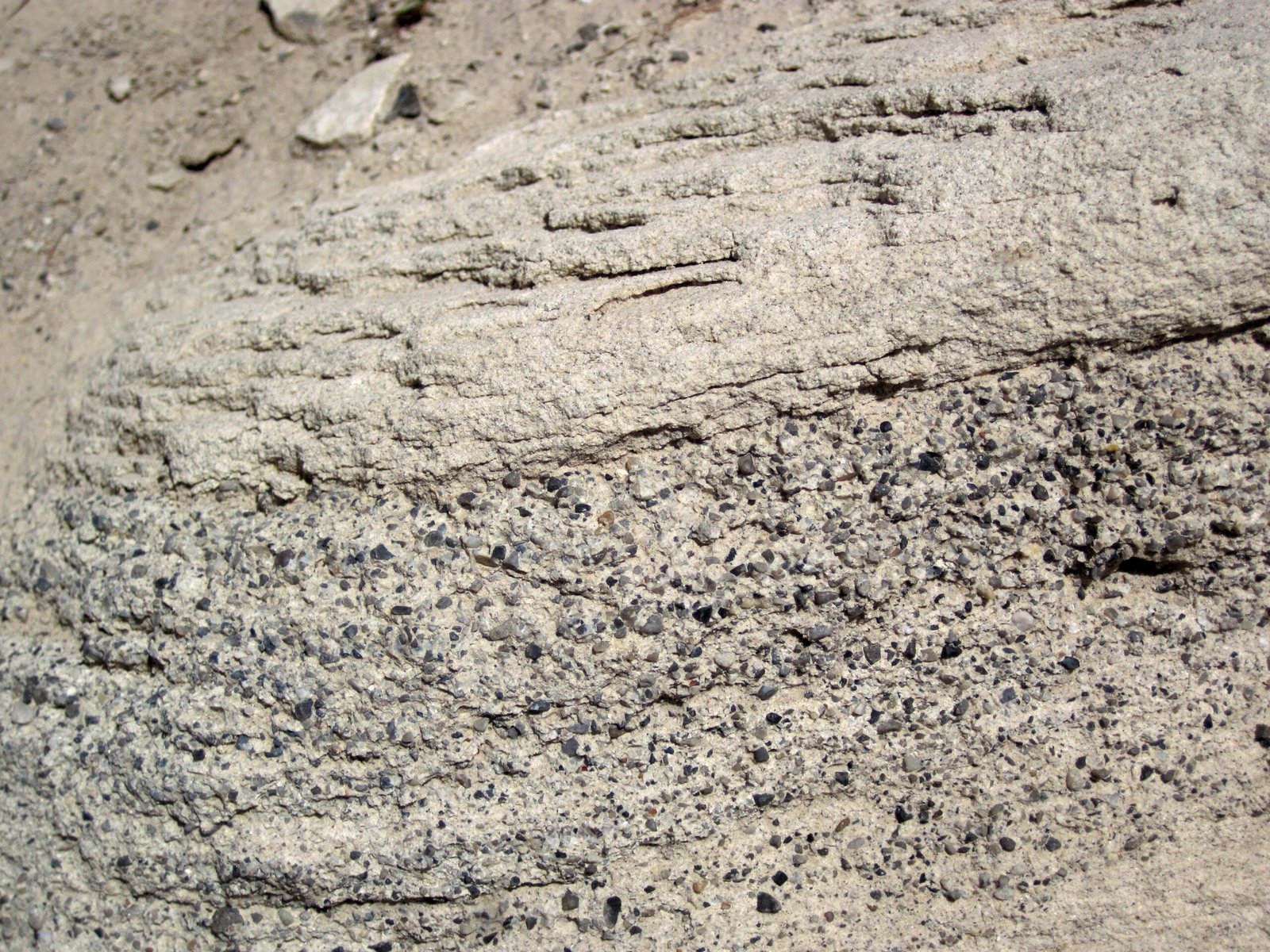
Another intriguing hypothesis suggests that the water itself might have been lethal. Bilbey (1999) posits that the deposit represents a lethal spring-fed pond or seep where dinosaurs died after drinking the water. Was the water source toxic and this poisoned a lot of dinosaurs? The rotting corpses attracted scavengers and these too were poisoned.
This theory would explain both the high number of deaths and the unusual composition of the site. If the water contained natural toxins – perhaps from dissolved minerals or bacteria – it could have killed dinosaurs of all types who came to drink. The poisoned carcasses would then attract scavengers, who would meet the same fate, creating a deadly cycle.
While the poison spring hypothesis is compelling, it’s difficult to prove definitively. The chemical evidence from the rocks suggests unusual conditions, but pinpointing the exact cause of death after 150 million years remains challenging.
Modern Technology Reveals New Clues
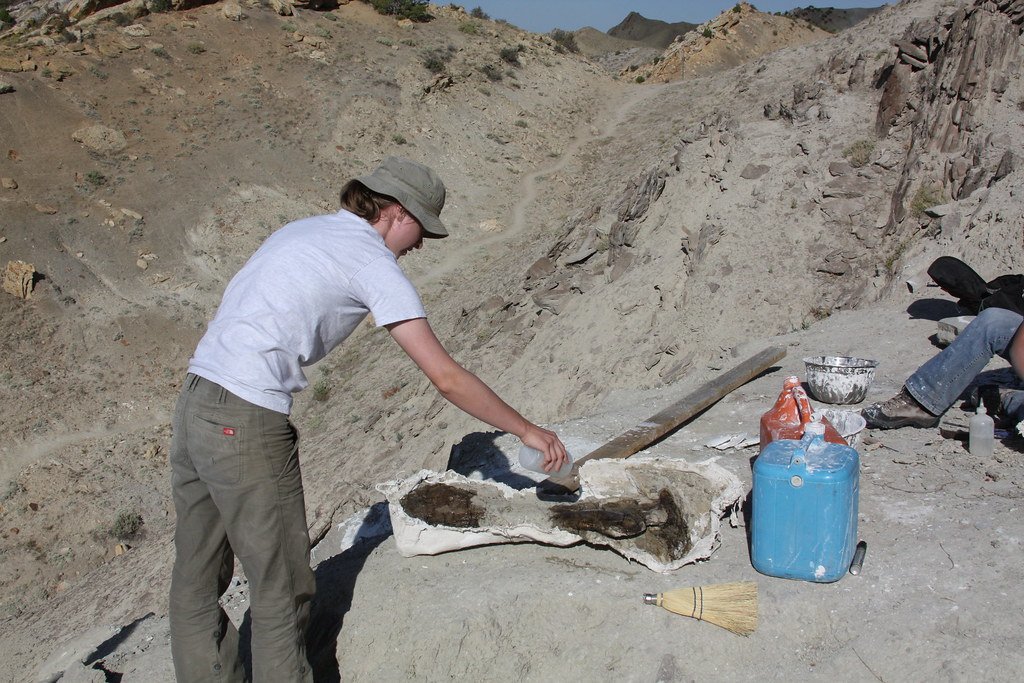
Cleveland-Lloyd really reflects the evolution of paleontology as a science, from when simply coming back with good dinosaur bones was good science to today when we’re photogrammetrically recording the dig and running geochemistry of the site as we do. Modern paleontologists are using cutting-edge techniques to unlock Cleveland Lloyd’s secrets.
The team has been using a technique called photogrammetry – making 3-D photographic maps – so that changes to the quarry can be updated yearly with a few snaps of a camera. By studying these models, Peterson hopes to see whether the dinosaurs at the site were felled by a single catastrophe or if the bodies accumulated over time.
The research team, which included lead author Joseph Peterson (University of Wisconsin-Oshkosh), conclude that the myriad of small bone fragments found at the site, were created during periods of drought as bones which were not buried were weathered and eroded away on the surface. Dinosaur carcasses were washed into the site which represented a temporary (seasonal or ephemeral pond) during frequent flood events. As the corpses decayed, they led to very high levels of minerals and organic material in the water (hypereutrophic conditions).
Allosaurus: The Star of the Show
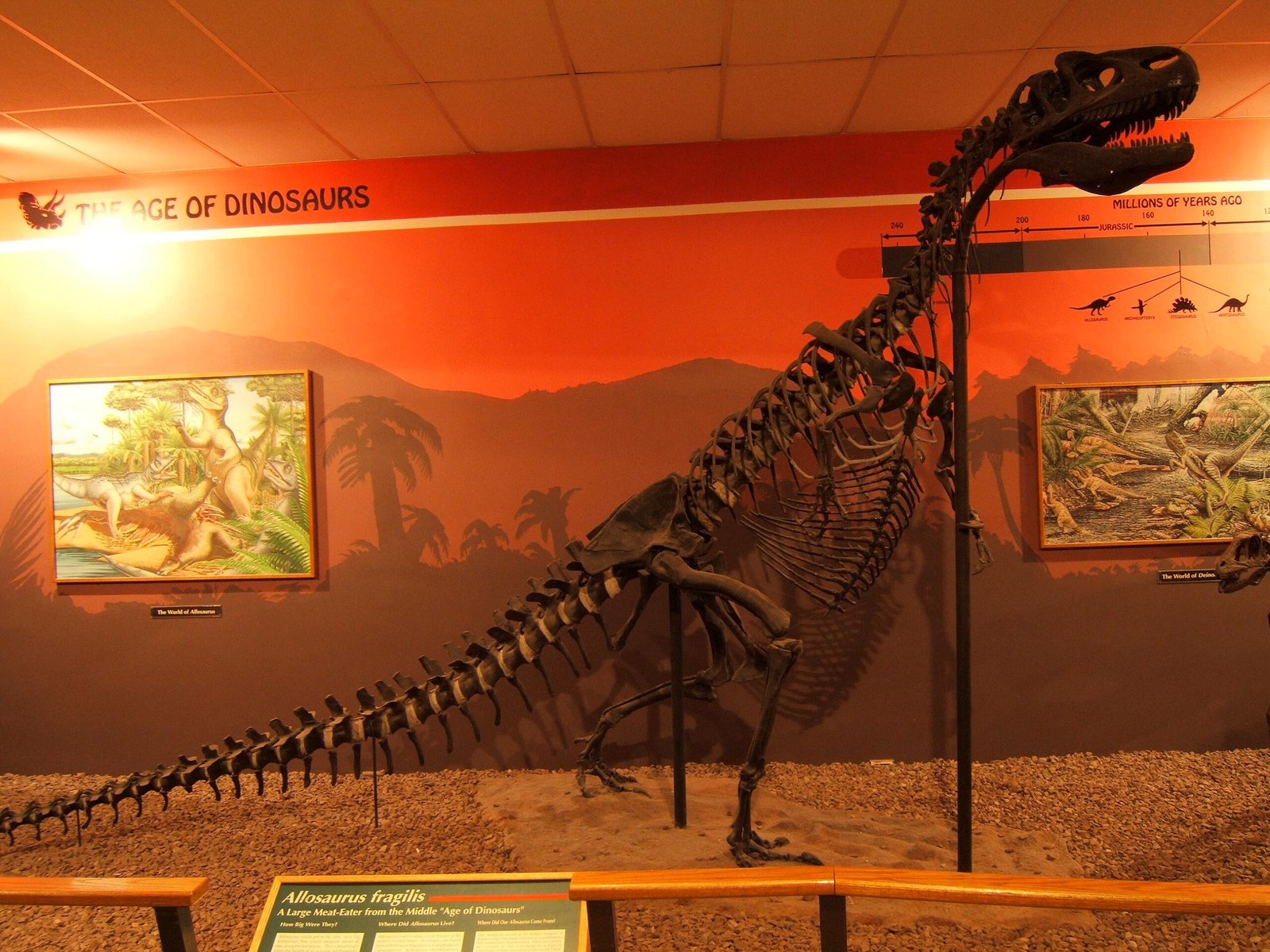
During the Late Jurassic period (around 155-145 million years ago), long before Tyrannosaurus rex would appear some 80 million years later, the Allosaurus fragilis was the top dog. These fierce predators had serrated, blade-like teeth that could tear through the flesh of their prey, which included almost every other dinosaur of the Morrison Formation ecosystem in which it lived. Cleveland Lloyd has become the world’s premier source of Allosaurus fossils.
There is no greater collection of Allosaurus bones anywhere. Thanks to the extensive fossil record in Utah, scientists have learned a great deal about dinosaurs in the area, including Allosaurus. Because there are so many individuals to compare to, researchers can make better guesses about what was the norm for these animals. For example, scientists know that Allosaurus tended to “live fast and die young,” Irmis explained. They only lived to be around 25 years old, reaching their adulthood between 18-20 years old.
The abundance of Allosaurus specimens at Cleveland Lloyd has allowed scientists to study how these predators grew and changed throughout their lives. The evidence for this theory is strengthened by the fact that a large proportion of the Allosaurus specimens are juveniles, providing valuable insights into the development of these apex predators.
A Window Into Ancient Ecosystems
These finds have helped paleontologists study how Allosaurus grew and varied, but they’ve also raised enduring questions. Why are so many meat-eaters found here? How did so many dinosaurs end up in one place? Despite decades of research, the full story behind the quarry remains a mystery. Yet this mystery is precisely what makes Cleveland Lloyd so valuable to science.
The site provides an unprecedented glimpse into the social behavior and ecology of Jurassic dinosaurs. For instance, it seems based on the evidence from Cleveland-Lloyd that these dinosaurs would come together socially, at least at some point in their lives. The quarry has also yielded rare discoveries beyond dinosaurs, including a new dinosaur had been described by Madsen, then assistant research professor of geology and geophysics in the University of Utah. He named it Stokesosaurus clevelandi, honoring his mentor, professor William Lee Stokes.
Cleveland-Lloyd Dinosaur Quarry has helped paleontologists learn a great deal about the Jurassic period, yet the site presents at least as many mysteries as it helps to solve. This balance between revelation and mystery is what makes Cleveland Lloyd such a compelling window into the Jurassic world.
Visiting the Quarry Today
Start your journey in the quarry visitor center where you can explore over 2,000 square feet of interactive displays and exhibits featuring dinosaur skeletons and bones. Exhibits include an Allosaurus skeleton mount, bone bed maps of the quarry, replica skulls of animals found in the quarry, an excavation history of the site, and theories about how and why so many dinosaurs died there.
Jurassic National Monument is open daily during the summer, Thursday-Saturday during the spring and fall, and is closed from the end of October to mid-March. Visitors can explore multiple hiking trails around the site, including the Jurassic Journey Trail is a 1.5-mile loop that starts adjacent to the Quarry Buildings and has some steeper grades. There are 10 interpretive panels along the trail. And for the adventurous, the Cretaceous Climb is a steep trail that ends with a view at Raptor Point.
The remote location requires some planning. The quarry is located in the northern San Rafael Swell, which is very remote without easy access to gas-stations, restaurants, hospitals, or vehicle repair shops. Have a map, a full tank of gas, and a weather report when driving into the swell. The area is prone to flash flooding – do not park in washes and avoid muddy, slick roads.
The Continuing Mystery
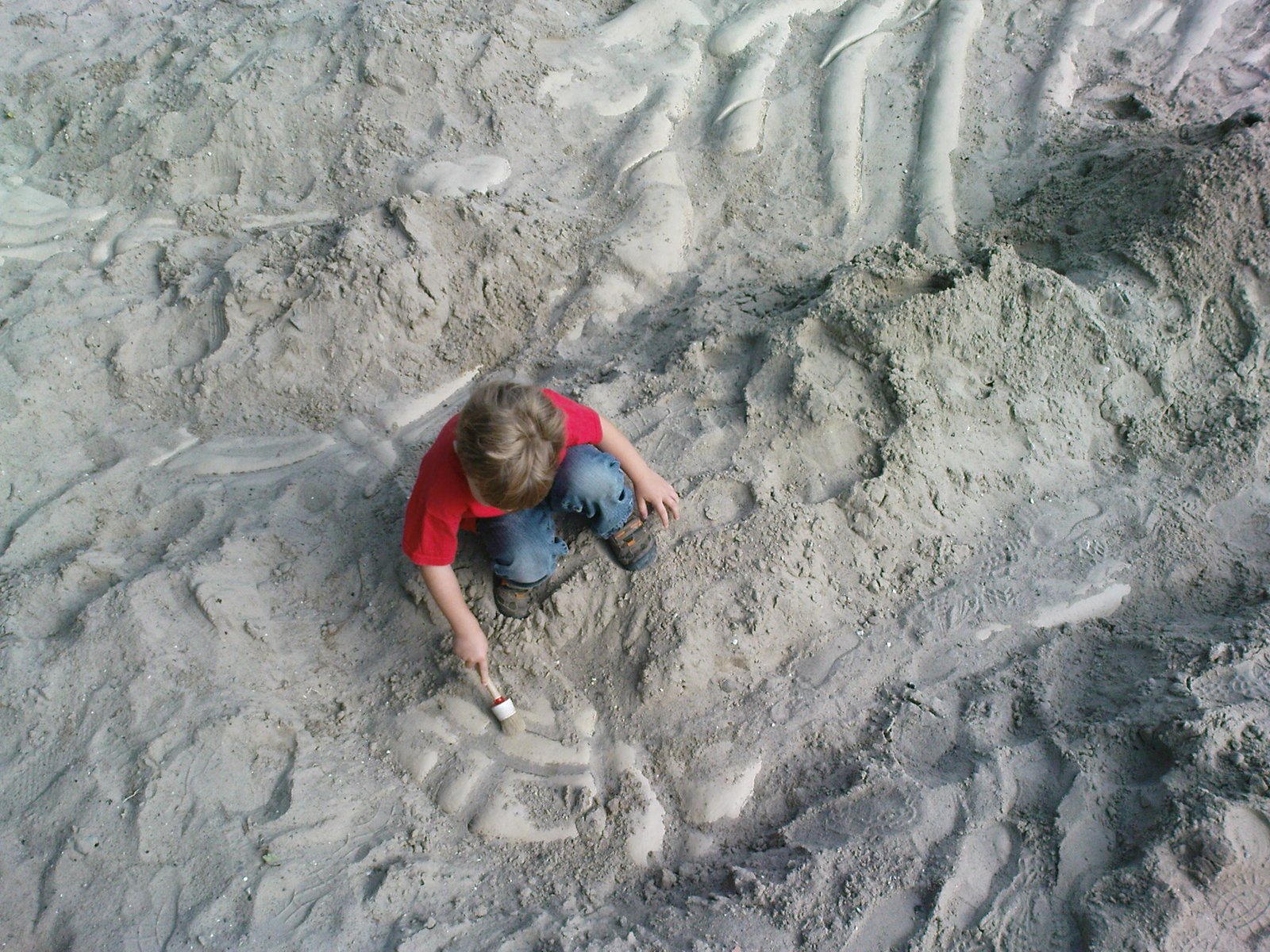
Not that the story of Cleveland-Lloyd is close to finished. Much of the bone bed remains beneath the rock, extending into the hills behind the quarry buildings. And just this summer the team exposed a fresh portion of the quarry surface that will be painstakingly excavated next year, including evidence of the 48th Allosaurus to be uncovered.
Cleveland-Lloyd’s own story has shifted from possible predator trap to swamp to some kind of toxicity. It’s best to ask the quarry stewards about it. “Paleontology changes by the week,” says Jessica. This constant evolution of understanding is what makes Cleveland Lloyd such a dynamic and important research site.
“An early researcher out here once stated that there are almost as many hypotheses for this site as there are annual visitors,” noting the site’s enduring ability to generate new questions and theories. Each excavation season brings new data that might support or challenge existing theories, keeping the mystery alive for future generations of paleontologists.
Conclusion
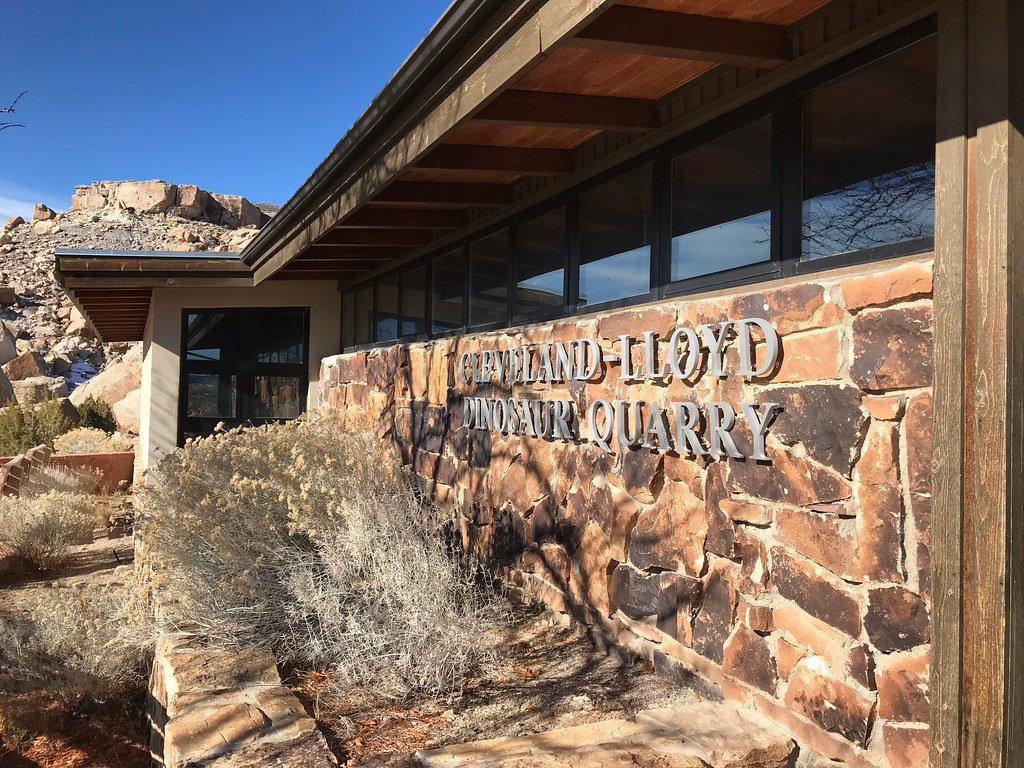
Utah’s Cleveland Lloyd Dinosaur Quarry stands as one of paleontology’s most fascinating unsolved mysteries. This remarkable site, with its unprecedented concentration of Jurassic fossils and bizarre predator-dominated assemblage, continues to challenge our understanding of ancient ecosystems. Whether the result of catastrophic drought, toxic water, or some other unknown disaster, Cleveland Lloyd provides an extraordinary window into a moment of crisis from 150 million years ago. As new technologies and research methods emerge, this ancient crime scene may finally reveal its secrets, but until then, it remains a testament to both the complexity of prehistoric life and the enduring power of scientific mystery.
What would you have guessed caused this massive accumulation of predator fossils before learning about the evidence against the predator trap theory?
Hi, I’m Andrew, and I come from India. Experienced content specialist with a passion for writing. My forte includes health and wellness, Travel, Animals, and Nature. A nature nomad, I am obsessed with mountains and love high-altitude trekking. I have been on several Himalayan treks in India including the Everest Base Camp in Nepal, a profound experience.