
The deeper we look into the ocean, the stranger our own planet starts to feel. For a long time, the deep sea was treated like a blank space on the map, a dark void where not much happened. Over the last few decades, better submarines, robotic explorers, and high‑resolution sonar have completely shattered that illusion, revealing an alien world just a few kilometers beneath our feet.
I still remember the first time I watched real deep‑sea footage: ghostly white creatures drifting past black chimneys billowing hot water, glowing animals that looked like living stars, and landscapes that could have been lifted from a science‑fiction movie. It’s hard not to feel a strange mix of awe and unease. These seven discoveries didn’t just surprise scientists – they forced us to rethink what life needs, how Earth works, and how little we actually know about our own blue planet.
1. Hydrothermal Vents: Ecosystems Thriving Without Sunlight
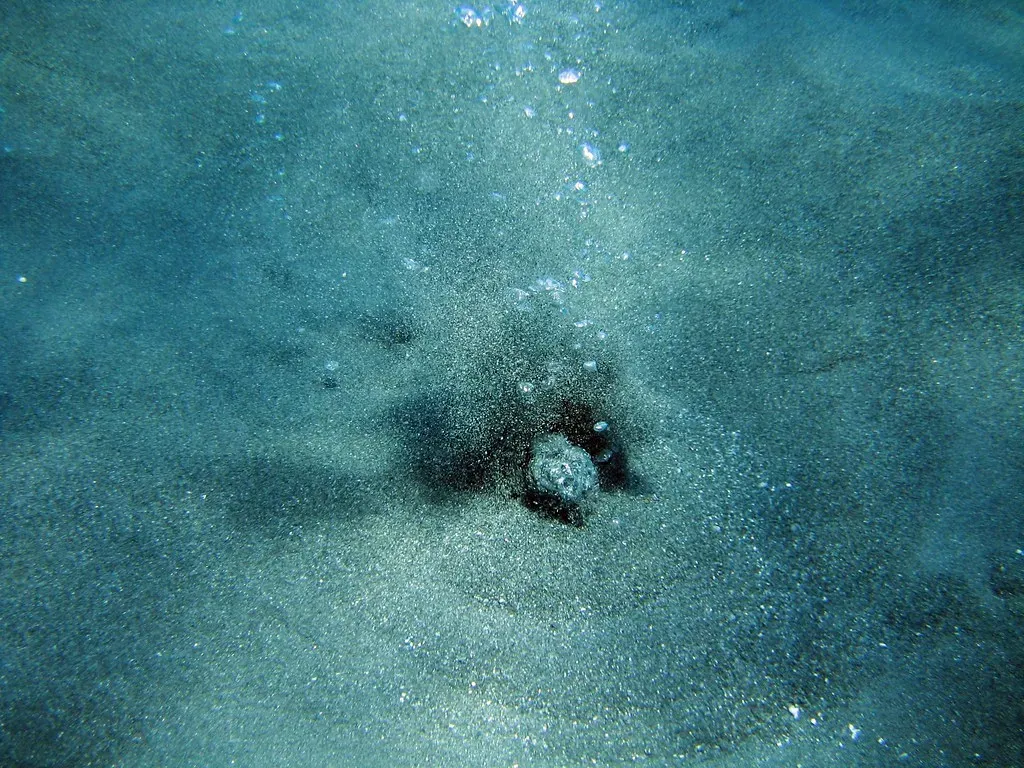
Imagine an entire ecosystem that doesn’t need sunlight at all. When scientists first discovered hydrothermal vents in the late 1970s along mid‑ocean ridges, it turned a basic biology lesson upside down. Instead of green plants capturing sunlight, life around these vents is powered by bacteria that use chemicals like hydrogen sulfide from super‑heated vent water as fuel.
Around these black, chimney‑like structures, you find giant tube worms with blood‑red plumes, ghostly white crabs, and clams the size of dinner plates. It’s noisy, hot, and toxic by our standards, yet it’s home. These ecosystems proved that life can flourish in complete darkness, drawing energy directly from Earth’s interior. That single idea opened the door to serious discussions about life deep under the surface of other worlds, like Europa or Enceladus, where sunlight never reaches but water and chemical energy may be abundant.
2. The Midnight Lightshow: Bioluminescent Life Everywhere
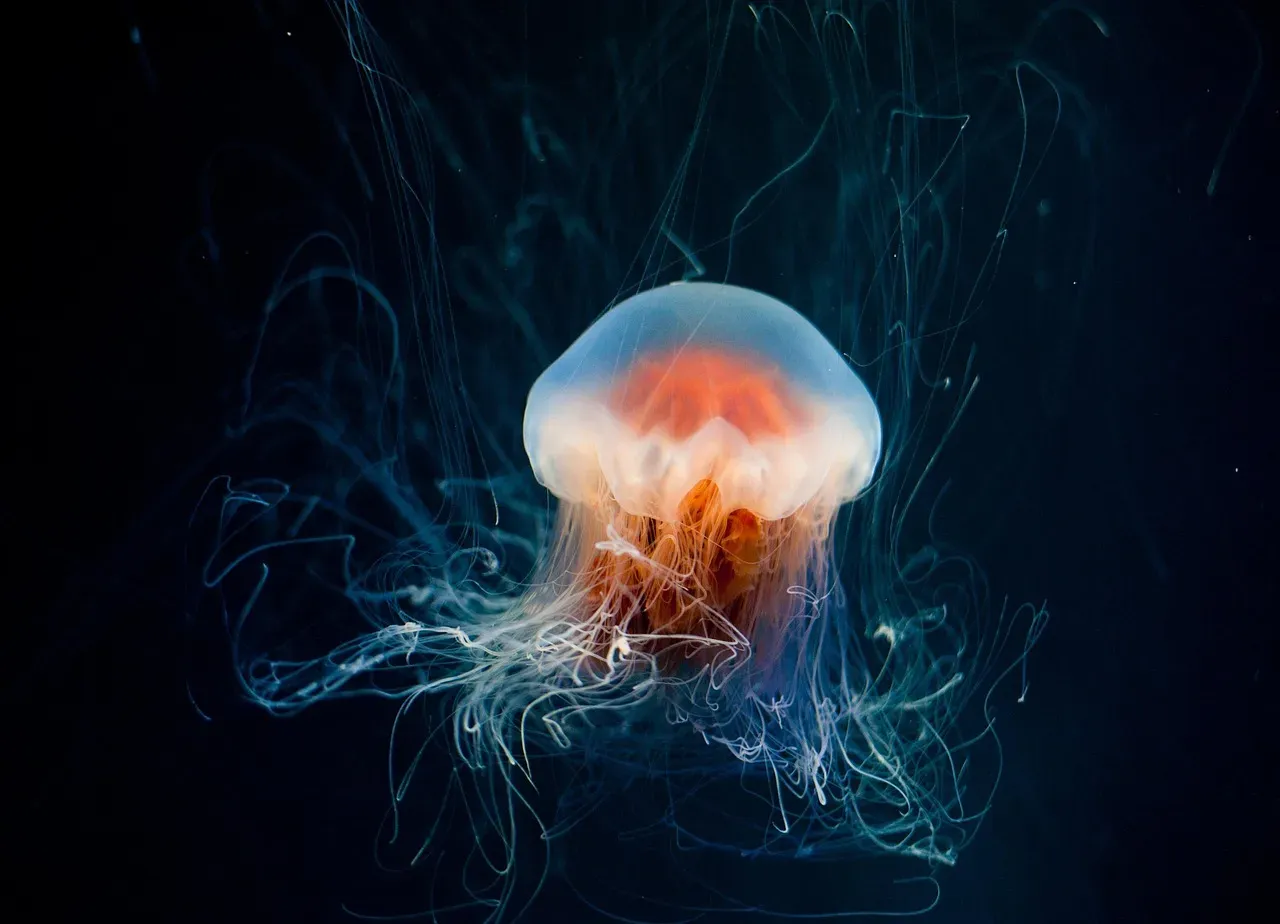
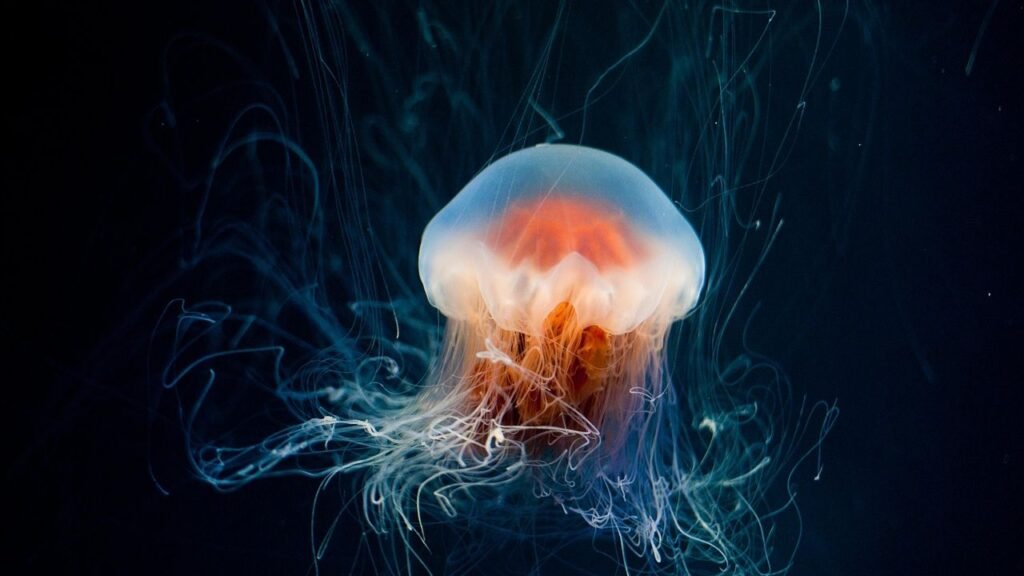
If you could suddenly drain the ocean and look down at night, the deep would look less like a desert and more like a glittering galaxy. Scientists now believe that roughly the vast majority of animals in the midwater “twilight zone” can produce light – flashes, glows, strobes, and even slow pulses. Bioluminescence is not a weird exception; it’s practically the rule in the deep sea.
Deep‑sea shrimp shoot out glowing clouds to confuse predators, jellyfish turn themselves into living neon signs, and some fish carry lights under their eyes like built‑in flashlights. One of the most unsettling examples is the anglerfish, with its dangling lure that glows like a tiny lamp to attract prey. The more scientists film these animals in their natural habitat, the clearer it becomes that light is the main language of the deep – used for hunting, hiding, flirting, and even creating fake shadows of predators to scare away threats.
3. The Largest Living Structure: Coral Reefs You’ll Never Snorkel
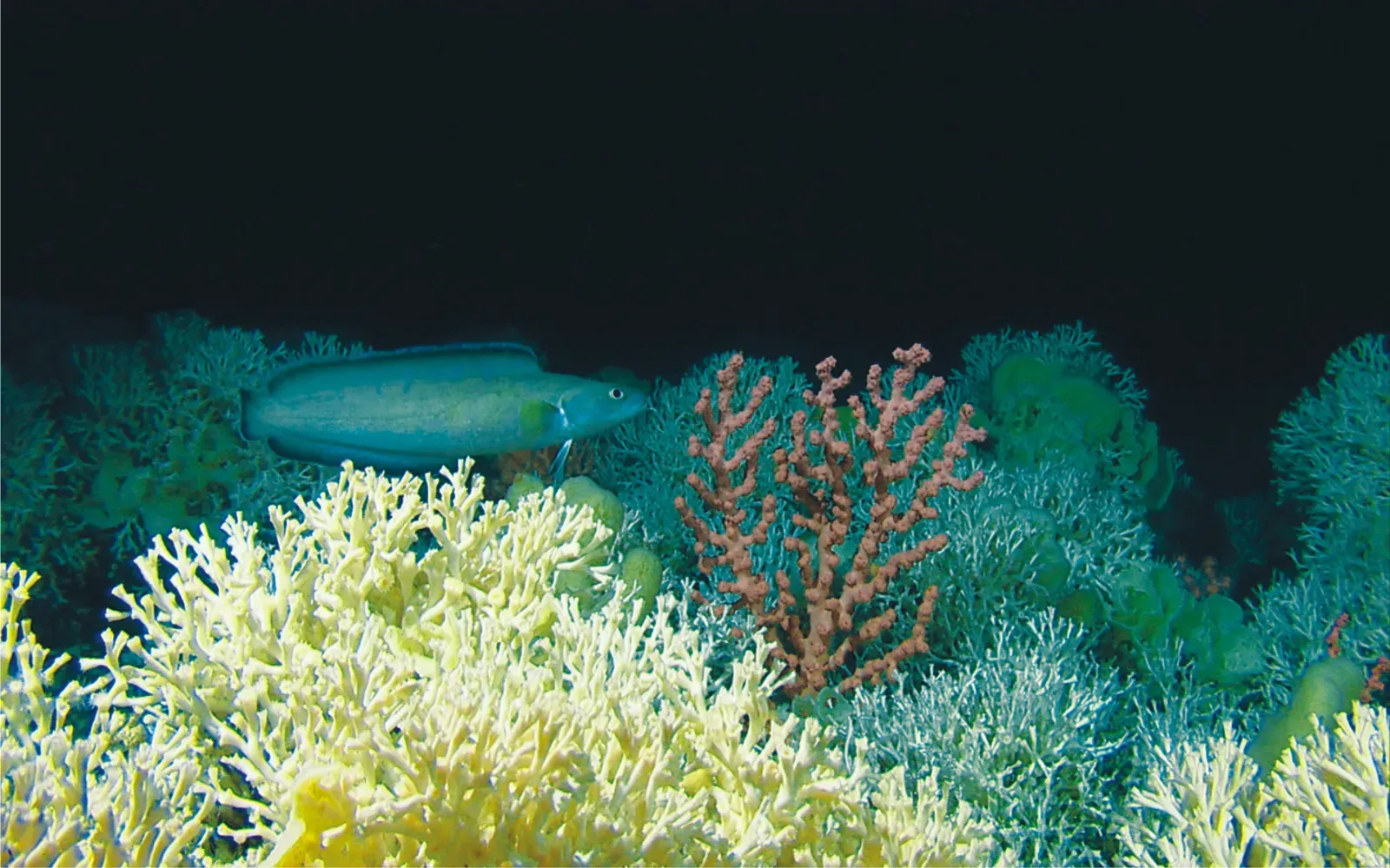
When most people think of coral reefs, they picture warm, shallow, tropical waters and colorful fish. But scientists have discovered sprawling deep‑sea coral reefs hundreds to thousands of meters below the surface, where no sunlight can reach. These cold‑water coral systems can stretch for hundreds of kilometers, forming living structures larger than many cities, yet almost nobody will ever see them in person.
These reefs provide shelter and feeding grounds for fish, starfish, crustaceans, and countless tiny organisms, acting like underwater apartment blocks in the dark. What shocked researchers is how old some of these corals are – individual colonies can be several centuries to more than a millennium in age. At the same time, they are fragile and highly vulnerable to bottom trawling, deep‑sea mining, and ocean acidification. It’s like discovering a priceless ancient cathedral just as bulldozers are rolling toward it.
4. The Hidden Mountains and Canyons: Mapping a Planet We Thought We Knew
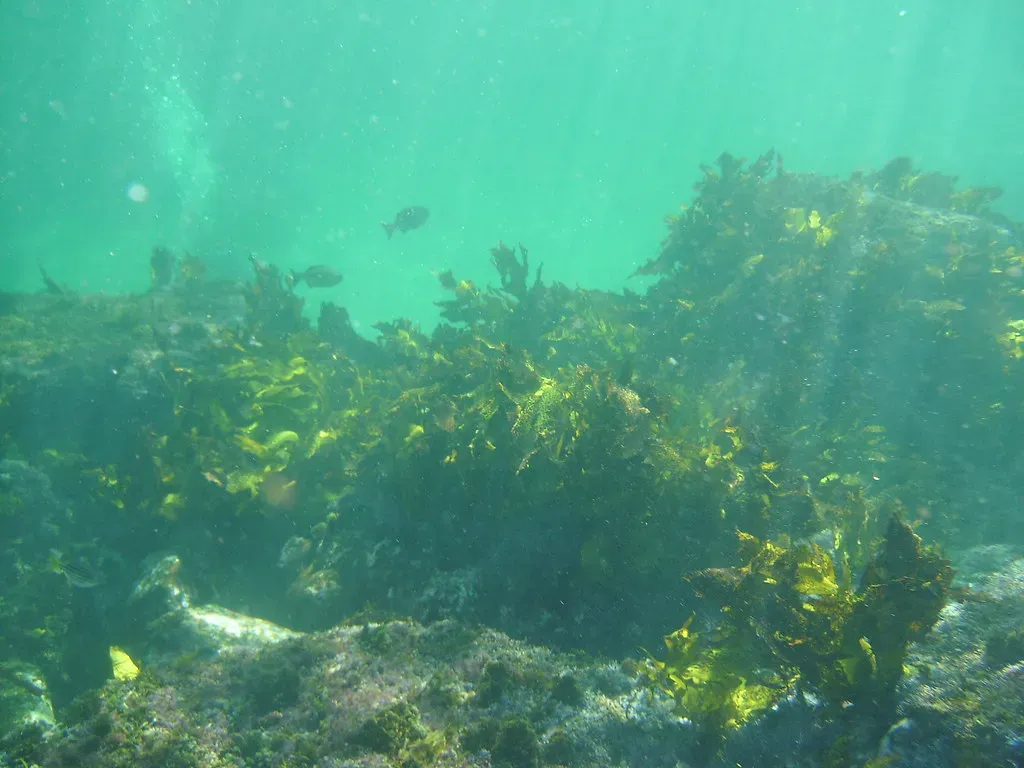
It’s wild to realize we had better maps of Mars and the Moon than of our own seafloor for a long time. Thanks to advances in satellite altimetry and ship‑based sonar, scientists have revealed huge mountain ranges, deep trenches, and sprawling undersea plateaus that were completely unknown a generation ago. The mid‑ocean ridges form the longest mountain chain on Earth, snaking around the globe like a scar, yet most people have never even heard of them.
There are submarine canyons deeper than the Grand Canyon and isolated seamounts rising thousands of meters from the seafloor, acting like undersea islands that attract life. These structures influence currents, shape climate patterns, and guide migrating animals. Every new high‑resolution map seems to reveal another ridge or basin that nobody had ever named. For a supposedly well‑explored planet, Earth still feels half‑finished when you look at the ocean floor.
5. Strange New Species: From Faceless Fish to Giant Squid
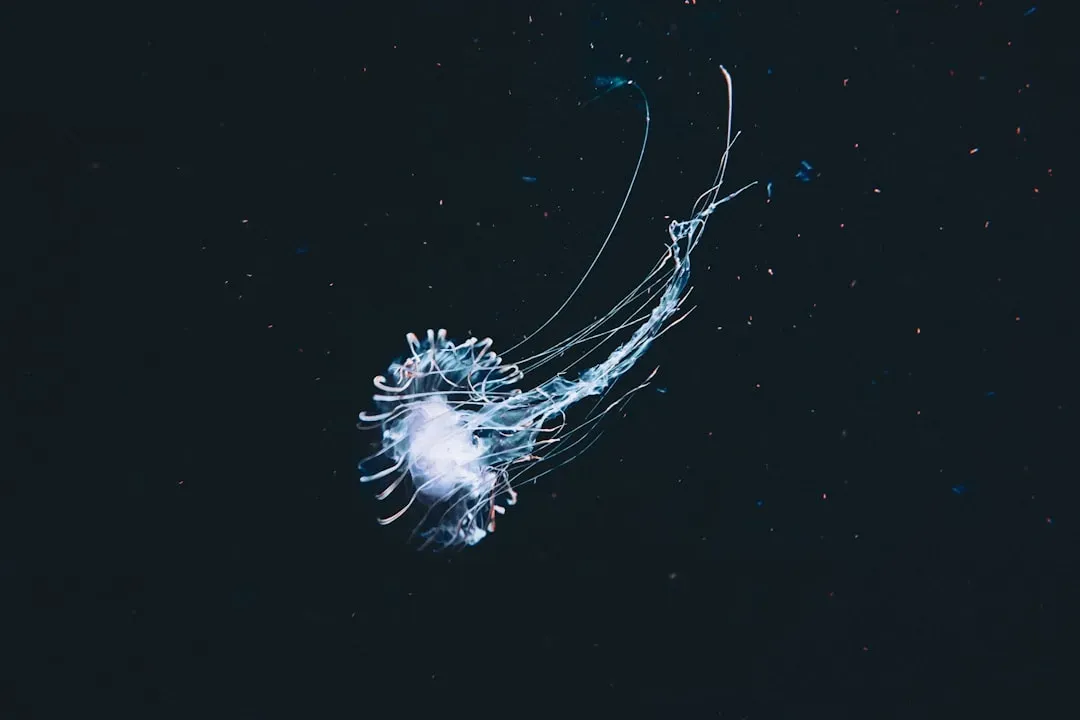
Every deep‑sea expedition seems to come back with something that looks like it belongs in a horror movie or a children’s cartoon. Scientists have discovered transparent fish whose organs you can see, “faceless” fish with no visible eyes, shimmering sea cucumbers that drift like balloons, and spidery crustaceans with legs longer than your arm. The giant squid, once mostly known from folklore and washed‑up remains, has finally been filmed alive in deep water within the last few decades, proving that this legendary creature truly patrols the abyss.
What’s even more surprising is just how many species are completely new to science. On some deep‑sea surveys, nearly half of the animals collected can’t be matched to described species. Many of them live in extremely narrow depth ranges or specific habitats, like a particular kind of seamount or sediment. It’s like opening a door in your own house and discovering an entire neighborhood you didn’t know existed, filled with residents with no names yet.
6. Gigantic Plastic Patches and Microplastic Snow
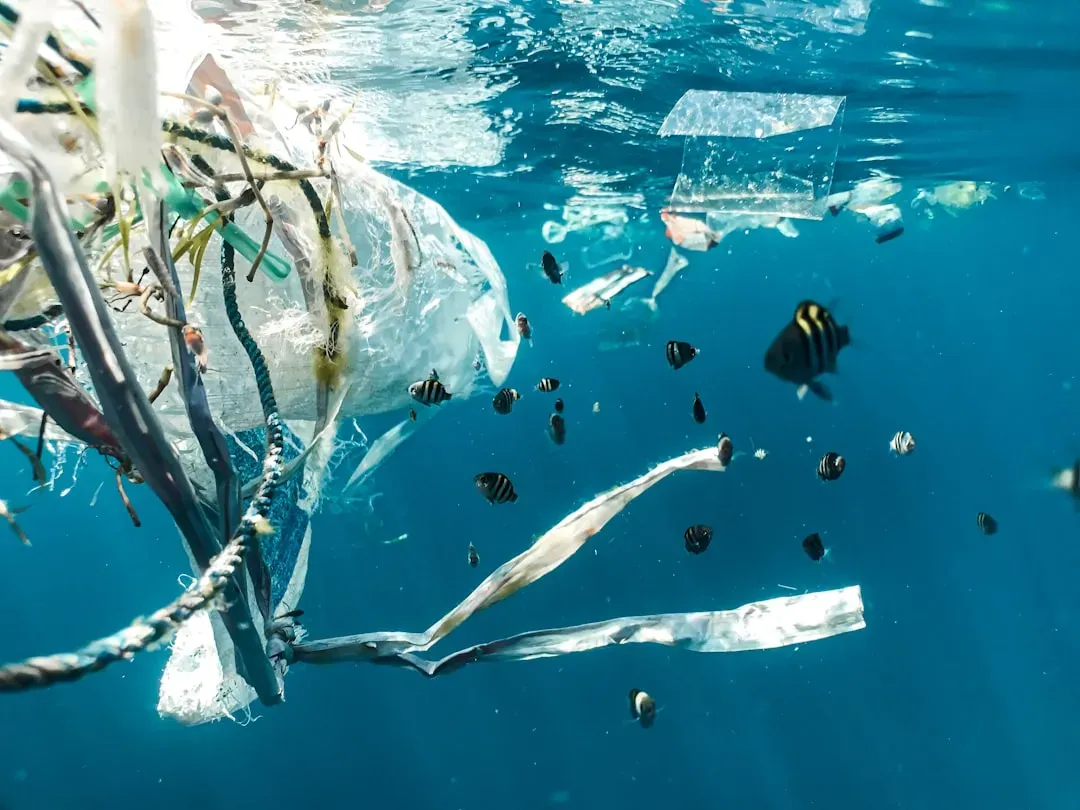
Not all shocking discoveries were beautiful. As scientists started tracking currents and floating debris, they found enormous accumulations of plastic waste in the open ocean, including the widely known garbage patches in major gyres. These zones are not solid islands of trash, but vast regions where countless bits of plastic – from bottle caps to fishing gear – swirl around in surface waters. It’s visually disturbing to realize how far our everyday junk can travel.
Deeper studies found something even more unsettling: microplastics raining down through the water like artificial snow, settling on the seafloor and even inside deep‑sea animals. Tiny fragments have been found in trench sediments, deep corals, and the guts of creatures that have never seen daylight. The deep ocean once felt like a remote, untouched wilderness; now it reflects our habits and pollution in a way that’s impossible to ignore. It’s a harsh reminder that there is no real “away” when we throw something out.
7. Life in the Deepest Trenches: Survivors Under Crushing Pressure
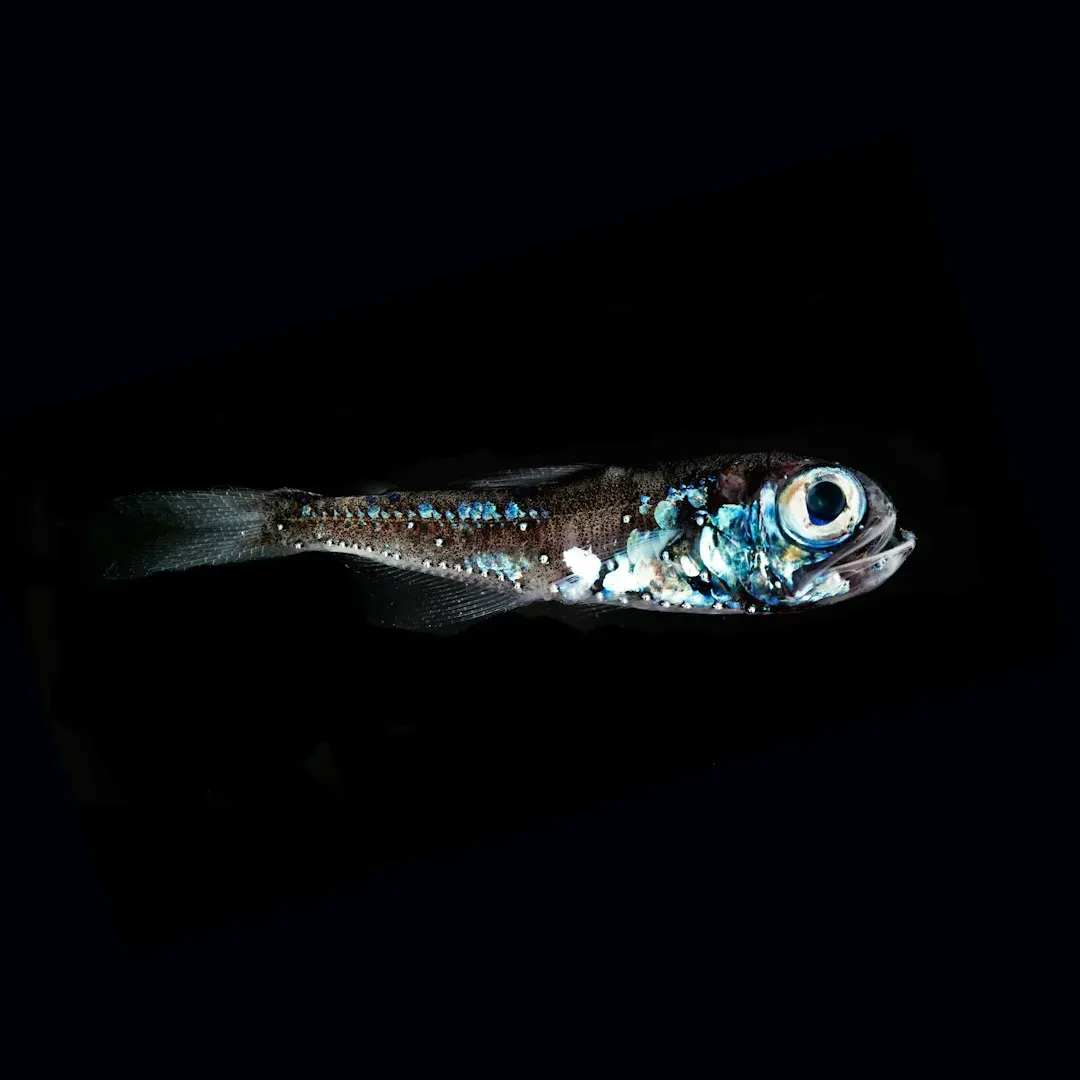
The deepest ocean trenches, like the Mariana Trench, sit nearly eleven kilometers below the surface, where pressures are more than a thousand times what we feel at sea level. For years, many people assumed almost nothing could live there beyond a few microbes. Submersible dives and lander cameras have completely overturned that idea, revealing amphipods, snailfish, sea cucumbers, and other creatures calmly going about their lives in what seems like an impossible environment.
These animals have adapted in extraordinary ways, from flexible cell membranes to special molecules that protect proteins under intense pressure. Some trench microbes can even break down pollutants like industrial chemicals and petroleum compounds that have sunk from the surface. It’s humbling to realize that even in the planet’s most extreme and remote corners, life has found a way not just to survive, but to carve out surprisingly complex food webs.
A Planet We’re Still Discovering
Taken together, these discoveries paint a picture of an ocean that’s not empty, but overflowing with strange life, hidden structures, and unexpected connections to our own lives on land. We’ve learned that ecosystems can thrive without sunlight, animals can light up the darkness, reefs can hide in the cold, and that our plastic footprint reaches all the way into the deepest trenches. At the same time, mapping and exploration keep revealing new mountains, canyons, and species, as if Earth were still in the early stages of being discovered.
The uncomfortable twist is that we’re changing the deep sea faster than we’re understanding it, through pollution, climate change, and growing interest in deep‑sea mining. Every dive, every new map, and every strange creature filmed in the dark raises the same uncomfortable but necessary question: how do you protect a world most people will never see, but all of us are affecting in real time?