
Temperatures Surge to Unheard-of Levels for March (Image Credits: Unsplash)
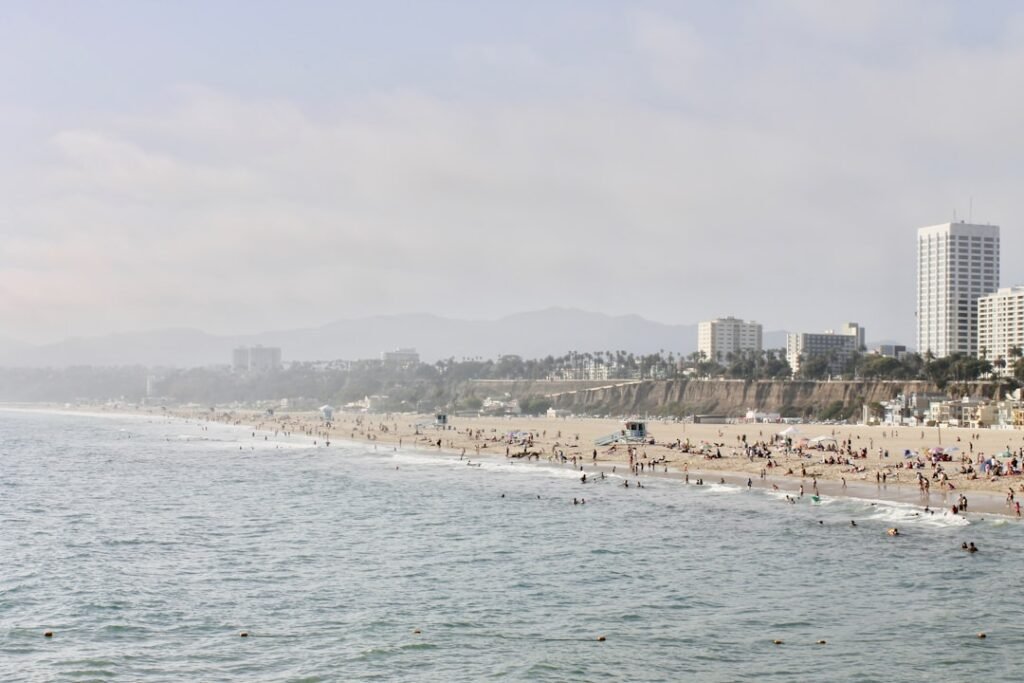
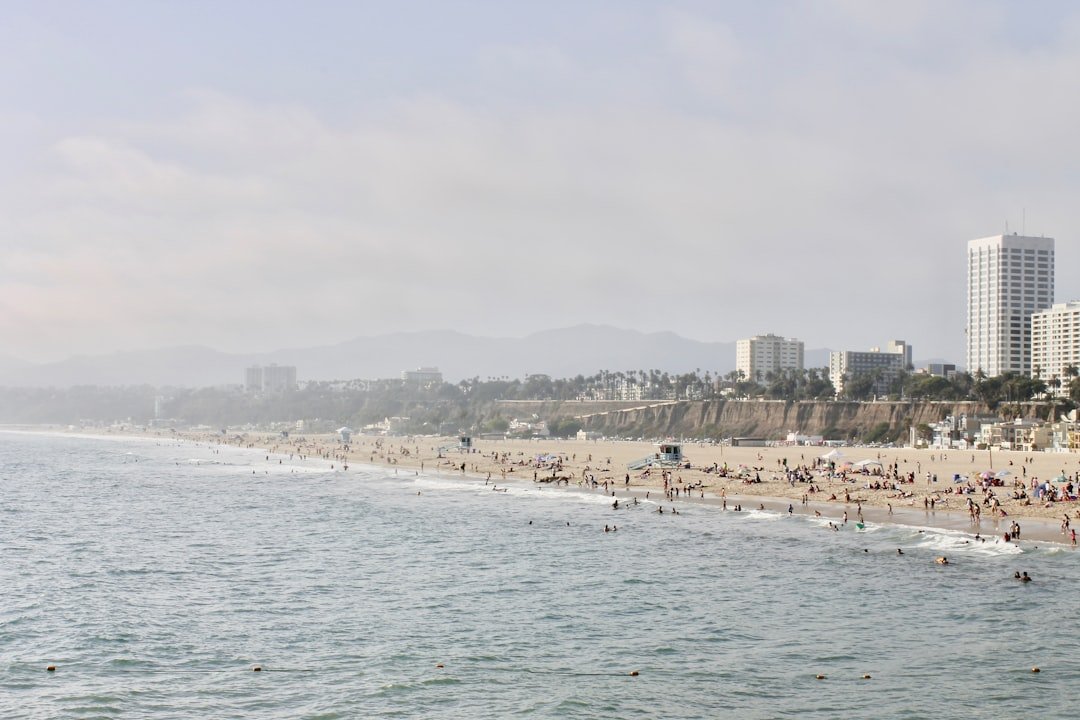
California – A persistent high-pressure system has delivered an unseasonal blast of heat across the state this week, turning late winter into a preview of summer. San Francisco experienced highs in the 80s, while Los Angeles reached 98 degrees on Tuesday.[1] The rare March event prompted heat advisories from coastal cities to inland valleys, catching residents off guard after a cooler start to the season.[2]
Temperatures Surge to Unheard-of Levels for March
Los Angeles downtown hit 98 degrees on Tuesday, with forecasts calling for 99 degrees soon after and inland areas like San Bernardino climbing to 105 degrees – shattering daily records by wide margins.[1] San Francisco flirted with 90 degrees along the coast, a rarity that tied or approached the city’s March benchmark of 87 degrees set in 2005.[3]
The Bay Area saw coastal spots in the 80s and interiors nearing 100 degrees at places like Pinnacles National Park.[4] Overnight lows remained in the 60s and 70s, offering little relief and heightening risks for heat-related illnesses.
| City/Area | Peak High (F) | Deviation from Normal |
|---|---|---|
| Los Angeles Downtown | 98-99 | Up to 30 degrees |
| San Francisco | 80s, near 90 | 20+ degrees |
| San Bernardino | 105 | Record-shattering |
| Pinnacles Nat’l Park | 100 | March record broken |
High-Pressure Dome Fuels the Anomaly
A powerful ridge of high pressure built over the Eastern Pacific, creating a heat dome that trapped warm air across California and the West.[4] This system shifted northward after first scorching Southern California, spreading the warmth to the Bay Area by mid-week.
Meteorologists noted the event’s unusual timing and duration, lasting through Friday with little acclimation for residents.[5] Roger Gass, a meteorologist with the National Weather Service in the Bay Area, remarked, “It’s unusual for San Francisco to get this hot this early.”[3]
Health Warnings Dominate as Risks Mount
Authorities issued extreme heat warnings for areas like Woodland Hills and East Los Angeles, where temperatures exceeded 96 degrees.[1] Vulnerable groups, including seniors, outdoor workers, and the unhoused, faced elevated dangers from heat exhaustion due to warm nights.
Cooling centers opened at libraries and community hubs from 11 a.m. to 7 p.m., while officials urged hydration and avoidance of strenuous activity between 10 a.m. and 5 p.m.[4] Cal/OSHA advised employers to adjust schedules for those laboring outside.
- Drink plenty of water and avoid sugary or caffeinated beverages.
- Never leave children or pets in vehicles.
- Seek air-conditioned spaces like malls or theaters during peak heat.
- Check on neighbors, especially the elderly or those with health conditions.
- Wear light, loose-fitting clothing and take frequent shade breaks.
Wider Reaches and Lasting Echoes
The heat extended beyond California, with Phoenix eyeing its earliest 100-degree day and Las Vegas potentially hitting triple digits by the weekend.[5] Colorado’s low snowpack exacerbated water concerns, prompting restrictions in Denver.
Climate experts linked such events to broader trends of intensified extremes, though the immediate focus remained on safety.[1] Forecasts indicated a cooldown by the weekend as cooler air approached.
Key Takeaways:
- This March heat wave rivals historic benchmarks, with LA nearing its 1879 record.
- High-pressure ridges like this one signal shifting weather patterns.
- Prioritize hydration and cooling measures to mitigate health risks.
As the heat wave eases, Californians reflect on a stark reminder of nature’s unpredictability – winter one day, summer the next. What impacts did this early scorcher have in your area? Tell us in the comments.