You probably feel the pull of the ancient world more often than you realize. A calendar on your wall, the way your city is laid out, the alphabet you read, even the laws you take for granted all carry the fingerprints of civilizations that rose thousands of years ago and somehow still whisper in your daily life. When you start to look closely, it’s almost unsettling how deeply people who lived without electricity, phones, or modern medicine still shape your choices, beliefs, and routines today.
In this journey, you are not just reading about ruins and dusty artifacts; you are really looking at a long chain of human experiments in how to live together, solve problems, and make meaning. Each enduring ancient civilization found its own formula for survival: rivers to farm, gods to trust, systems to govern, stories to remember. As you move through these cultures, you are also quietly asking yourself a personal question: if your own world vanished tomorrow, what ideas from your time would still be standing thousands of years from now?
The Nile’s Gift: How Ancient Egypt Turned Floods into Forever

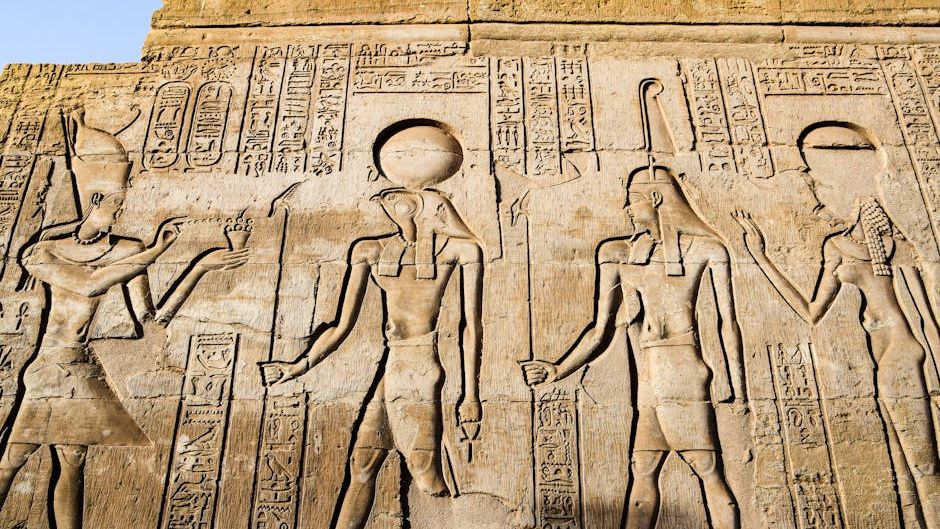
When you picture endurance, Egypt is probably one of the first places that comes to mind, and for good reason. You are looking at a civilization that lasted for more than two thousand years in recognizably similar form, longer than most modern countries have existed. The secret you keep finding at the heart of Egypt’s staying power is the Nile: a river that flooded predictably, left rich black soil, and turned a narrow strip of desert into a long green corridor of life. Once you understand that rhythm of flood, sow, harvest, you see why Egyptians saw the world as stable, ordered, and worth preserving exactly as it was.
That obsession with order shows up in ways you still feel: in their carefully planned tombs, in their strict artistic rules, in their belief that if you followed the right rituals, cosmic balance would hold. You might think their pyramids were just ego monuments, but they were also massive statements about continuity, stability, and the promise that life goes on after death if you live correctly. Even the way you arrange your weeks and mark your year owes something to Egyptian calendar traditions that influenced later cultures. When you stare at a pyramid, you are not just looking at stone; you are looking at a society that refused to gamble on chaos and instead built for eternity, one carefully measured block at a time.
Mesopotamia: Where Cities, Laws, and Writing First Wrapped Around You
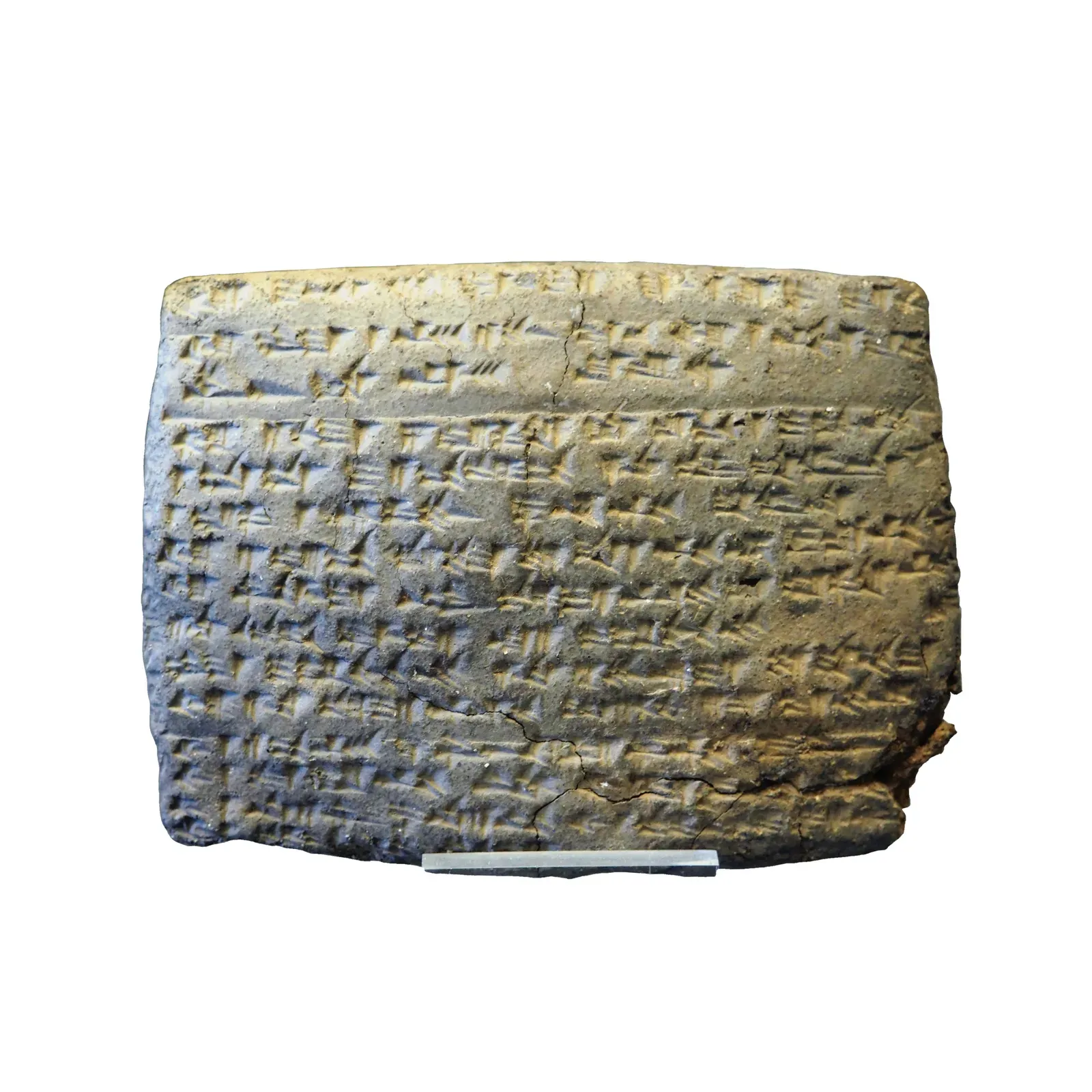
If you want to trace the roots of everyday civilization, you have to walk mentally into Mesopotamia, the land between the Tigris and Euphrates rivers. Here, you see some of the earliest real cities taking shape, with crowds of people living close together, trading, arguing, and needing something more than personal promises to keep the peace. Out of that pressure cooker, you get things you lean on constantly without even thinking: written laws, organized governments, contracts, and early forms of public record keeping. When you sign anything, from a lease to a work contract, you are echoing problems that people in Ur and Babylon were already trying to solve.
One of the biggest Mesopotamian breakthroughs that still guides you is writing itself, especially cuneiform, pressed into soft clay and then baked hard. It started as a tool for tracking grain and animals but quickly grew into a way to store myths, prayers, royal boasts, and legal codes. You are living in a world that takes literacy and permanent records for granted, but in Mesopotamia this was revolutionary: memory moved from human heads into physical objects that could outlast any single life. That leap, from oral memory to written record, is a core reason why any civilization can endure, and why you can even read about these ancient people at all.
Ancient India: Cycles of Time, Urban Planning, and Quiet Resilience
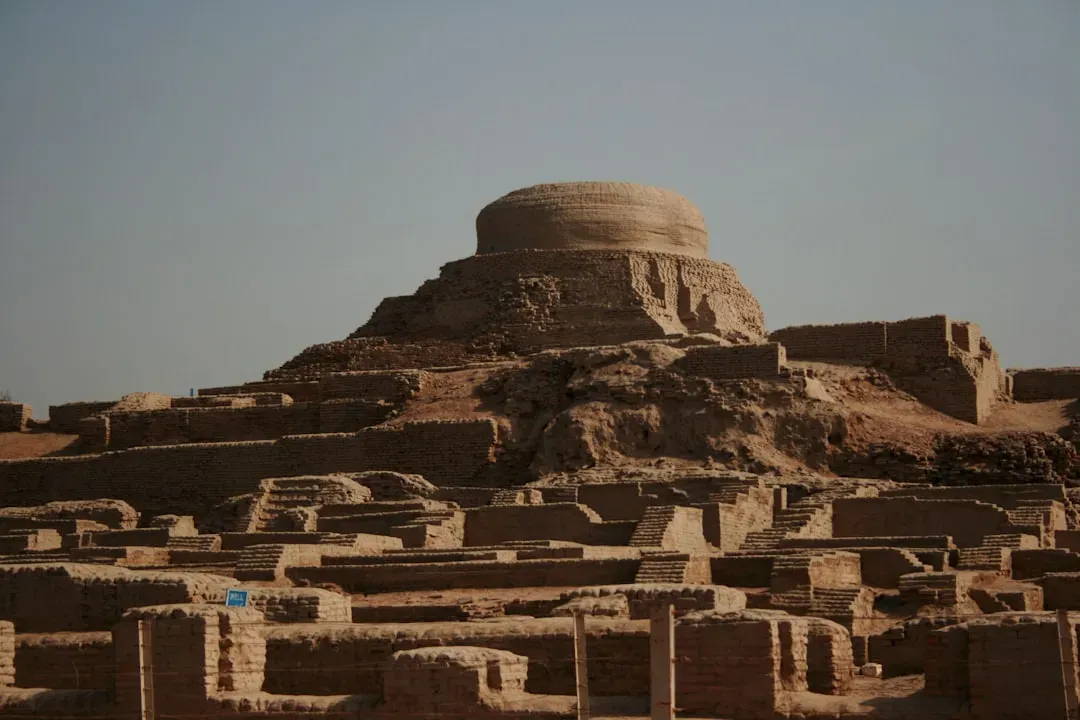
When you turn toward the Indian subcontinent, you meet a different kind of endurance, one that feels less like a long straight line and more like a set of cycles. In the Indus Valley cities like Mohenjo-daro and Harappa, you see advanced urban planning very early: straight streets, standardized brick sizes, drainage systems, and what look like public baths. You might be surprised to realize that some modern cities still struggle to provide the kind of organized water management those ancient towns had. Even though the Indus script remains undeciphered, the physical layout tells you a story of practical minds planning for crowded, shared life.
Later, in the Vedic and classical periods, you see ideas taking shape that still influence you today, even if you do not notice their origin. Concepts of karma, dharma, and reincarnation offer a way to think about life that stretches beyond a single lifetime, making your actions feel part of a much longer moral arc. Mathematical ideas such as zero and early forms of algebra and geometry emerge from this region and quietly underpin everything from your smartphone to space travel. India’s endurance comes less from one single unbroken empire and more from a deep cultural flexibility: religions evolve, languages shift, empires rise and fall, yet certain philosophical questions and practices stay strangely familiar across the centuries you look back on.
Ancient China: Mandates, Paper, and the Art of Ruling for the Long Game
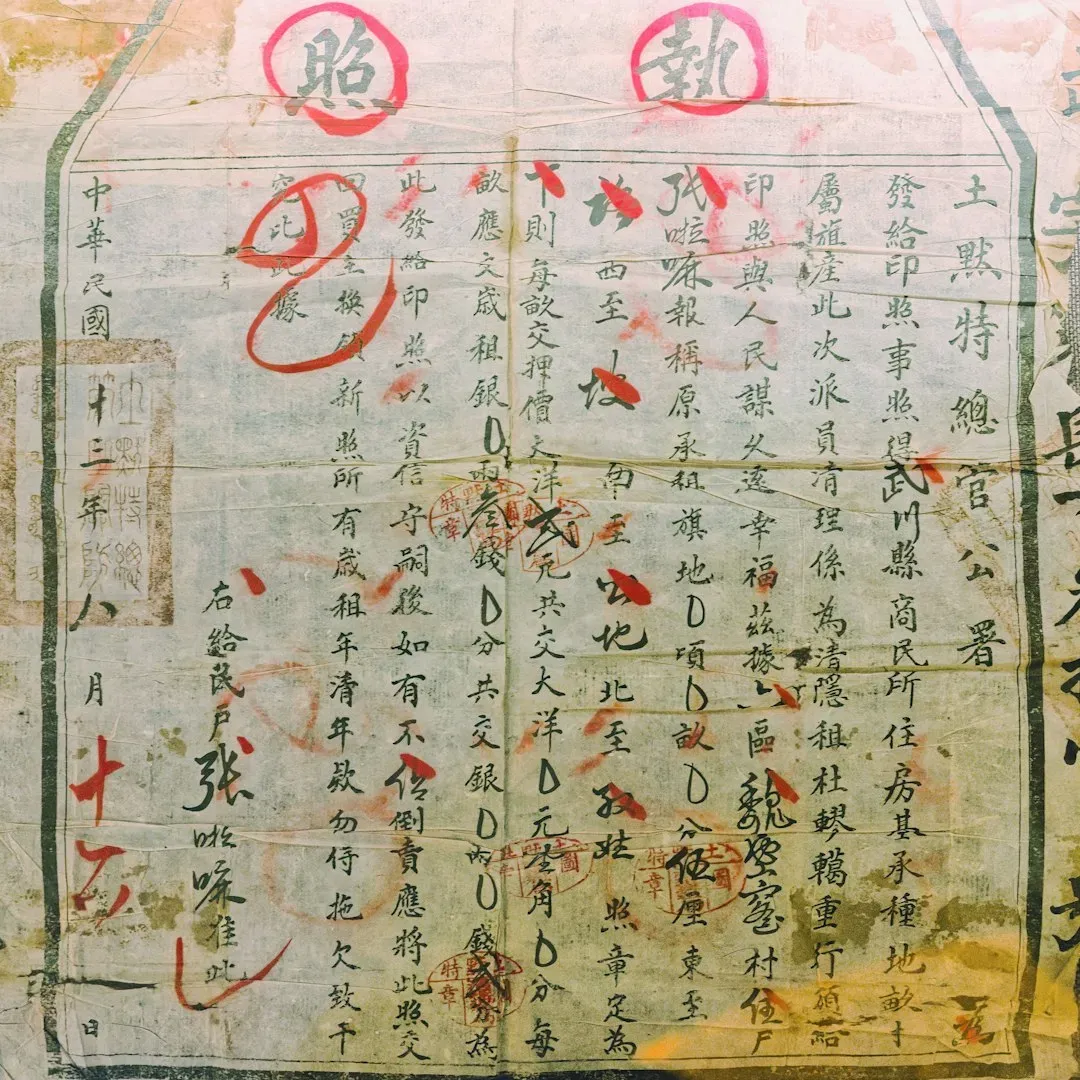
When you look at ancient China, you are not just checking out another old civilization; you are looking at one of history’s longest-running political experiments. Dynasties rose and fell, but the core idea that there should be a central state, guided by a moral order, stayed stubbornly alive. The concept that rulers held a heavenly mandate, but could lose it if they became unjust, gave people a way to understand change without giving up on the system entirely. In your modern world, the idea that government legitimacy depends on performance and morality still trails back, in part, to this kind of thinking.
China’s endurance also rests on its devotion to practical innovations that spread far beyond its borders, some of which you rely on every single day. Paper, invented in ancient China, turned scrolls and records from luxury items into widespread tools, making it easier to educate, to govern, and to remember. Bureaucratic exams based on Confucian texts created a professional class of officials, a model that echoes in your modern civil services and standardized tests. When you grumble about exams or paperwork, you are indirectly wrestling with systems that took shape in ancient Chinese courts. This slow, steady focus on administration, record keeping, and moral education helped China survive political chaos and reassemble itself more than once.
Classical Greece: Ideas That Refuse to Retire
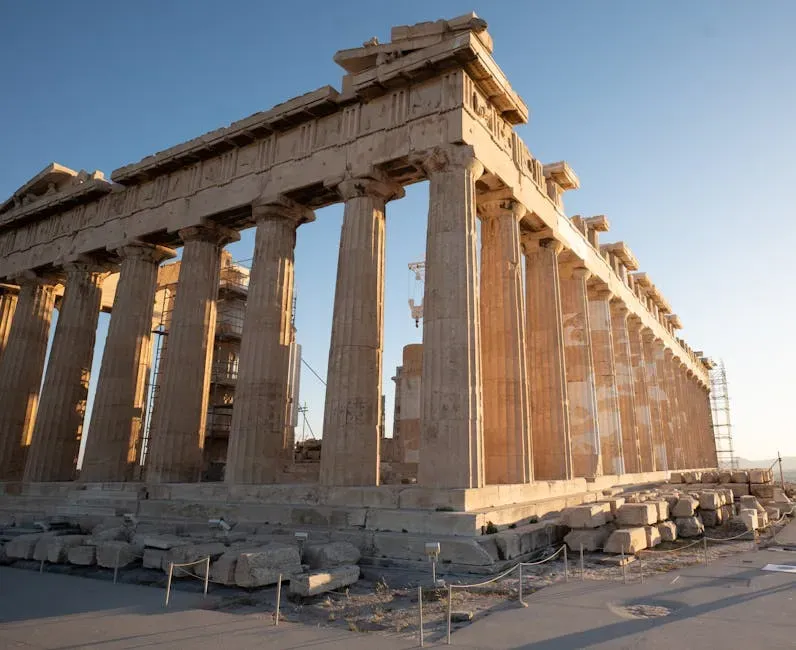
Ancient Greece may not have lasted as long politically as some other civilizations here, but its ideas have shown a stubborn refusal to fade. When you argue about democracy, individual freedom, or the role of citizens in public life, you are walking in the footsteps of people debating in the assembly in Athens. They were experimenting, sometimes messily and unfairly by your standards, with the radical idea that ordinary free males could directly shape the law. Even if their version of democracy left out women, slaves, and foreigners, the basic notion that power should answer to the people still shapes how you judge governments today.
Greek thought also seeps into your life through philosophy, science, and art. When you question your assumptions, build a logical argument, or try to understand the universe through observation and reason, you are using habits of mind that thinkers from this era refined. Theater, with its tragedies and comedies, gave you a way to explore human flaws, fate, and moral dilemmas in shared public spaces, something that modern films and series still imitate. The endurance of Greek civilization is less about long-lasting borders and more about viral ideas that copied themselves into the intellectual DNA of later cultures, including the one you inhabit.
The Roman Blueprint: Law, Roads, and the Dream of Order
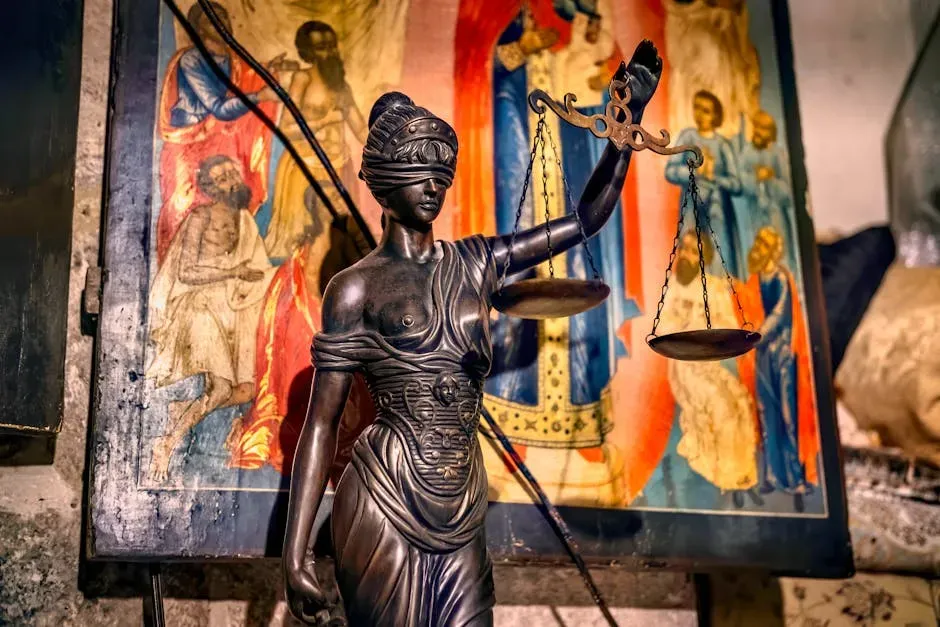
Rome’s story feels familiar to you because so much of your world still runs on Roman patterns. When you look at a straight highway cutting through the countryside, a legal system that relies on written codes, or a city with forums, plazas, and administrative buildings, you are basically seeing Roman templates with fresh paint. Rome excelled at taking what others had invented, organizing it on a larger scale, and locking it into durable systems. This ability to integrate and standardize, across languages and cultures, made their empire feel both enormous and strangely coherent.
The endurance of Rome shows up not only in physical remains but also in the way you think about law, citizenship, and rights. Many modern legal concepts, from contracts to property rights to legal representation, have roots in Roman law traditions that were later absorbed and adapted in Europe and beyond. Latin, even if you never studied it, lives inside many of the words you use in science, medicine, and law. When the Western Roman Empire collapsed, the idea of Rome did not vanish; it kept reappearing in new forms, from medieval empires claiming its legacy to modern states drawing on its legal and political models. In a way, you are still living in Rome’s shadow every time you expect rules to be written, consistent, and enforceable.
Mesoamerican Civilizations: Calendars, Cosmos, and Building Against the Odds
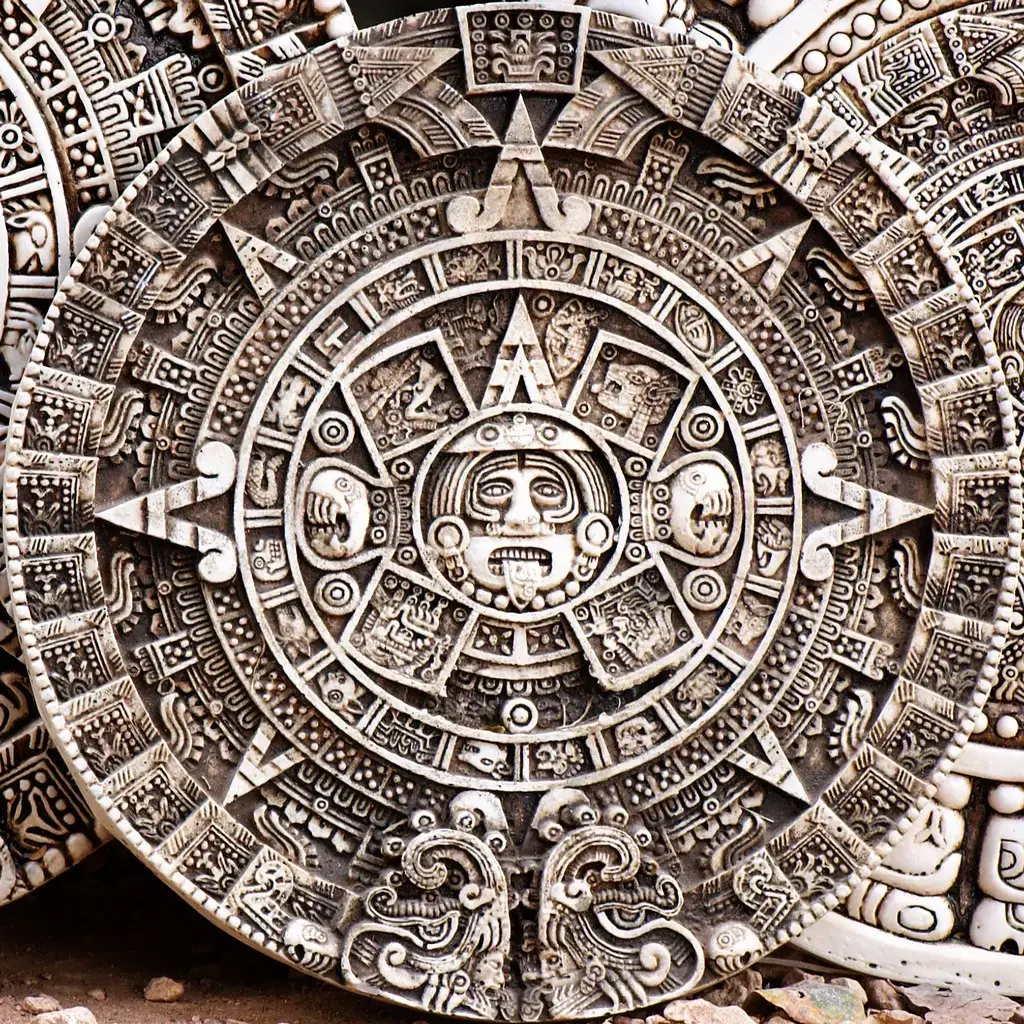
When you turn to the ancient civilizations of Mesoamerica, such as the Maya and later the Mexica (often called Aztecs), you meet a different but equally impressive style of endurance. These societies flourished without beasts of burden like horses or oxen, without iron tools, and yet they built monumental cities, complex social hierarchies, and rich intellectual traditions. You might know them mainly through dramatic pyramids rising from the jungle or highland plateaus, but behind those stones are sophisticated astronomers, mathematicians, and historians tracking the passage of time with remarkable precision. Their calendars, built from careful observation of the sky, show how deeply they connected daily life to cosmic rhythms.
Even after devastating disruptions from European conquest, you can still feel Mesoamerican endurance in living languages, agricultural practices, and rituals that survived beneath the surface. Foods you treat as ordinary, like corn, chocolate, and tomatoes, come from the agricultural genius of Indigenous peoples in this region. Their techniques for terraced farming and chinampas, or floating gardens, solved problems of limited land and water in ways that still inspire sustainable agriculture today. When you eat a tortilla, follow a festival with pre-Hispanic roots, or admire stepped pyramids, you are interacting with a world that refused to vanish, adapting instead in quieter but stubbornly persistent ways.
Shared Secrets of Endurance: What These Civilizations Teach You About Lasting
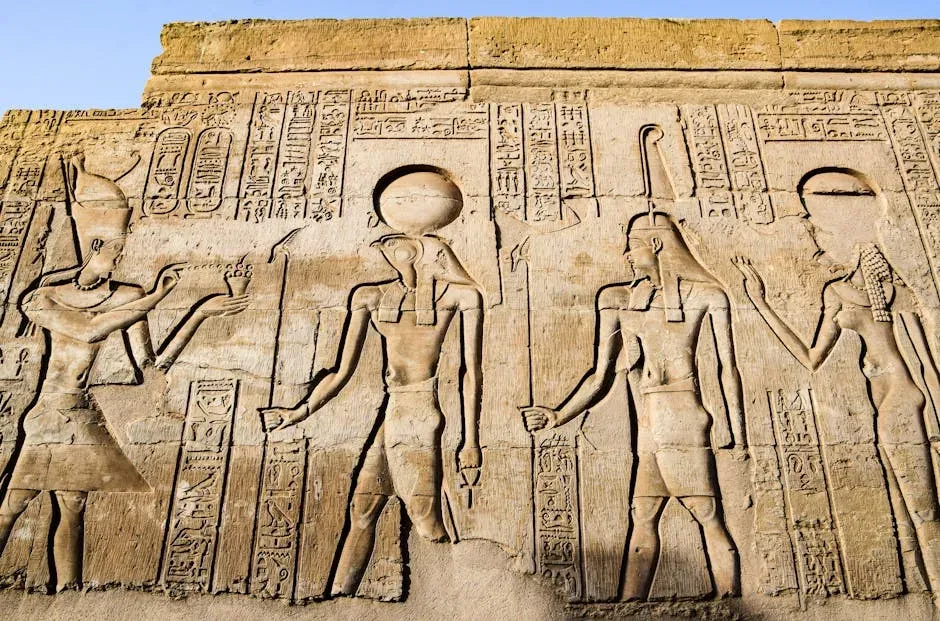
When you step back and look at all these civilizations together, some patterns start to jump out at you. Most of them grew around reliable water sources that made large-scale farming possible, turning food surpluses into cities, specialists, and complex governments. They all developed ways to record information, whether through writing, symbols, or elaborate oral traditions, because memory on that scale needs more than one human lifetime. You can see that endurance is not just about strength or conquest; it is about learning how to manage resources, solve conflicts, and pass knowledge forward reliably.
You also notice that the most enduring civilizations found ways to adapt without feeling like they had betrayed themselves. Religions evolved, political systems shifted, and languages changed, yet certain core stories, values, or institutions held the cultural fabric together. In your own era, you can easily get dazzled by rapid change, but these ancient examples suggest that what really lasts is a mix of flexibility and continuity. If you let everything change, you lose your shape; if you let nothing change, you eventually break. The endurance of these civilizations nudges you to ask how your own society can keep evolving while still holding on to the best parts of what makes it worth preserving.
In the end, unravelling the secrets of the world’s most enduring ancient civilizations is really about unravelling a little bit of yourself. The tools you use, the laws you obey, the stories you tell about justice, fate, and community are all threads that run backward through Egypt, Mesopotamia, India, China, Greece, Rome, and Mesoamerica. You are not standing outside history looking in; you are a late chapter in the same long experiment in how humans try to live together without falling apart. So the real question these ancient worlds hand back to you is simple and unsettling: if someone studies your own civilization thousands of years from now, what will they say you chose to build that truly deserved to last?