
Every time a major earthquake or tsunami hits the news, the same eerie stories surface: dogs that would not stop barking, birds that vanished from the sky, elephants that broke their chains and ran inland minutes before disaster struck. It almost feels like the opening scene of a thriller, except it keeps happening in real life, all over the world. You hear enough of these stories and you start to wonder if animals are quietly picking up on something we simply can’t feel.
Scientists have been trying to decode this mystery for decades, torn between skepticism and genuine curiosity. Some of the most dramatic events of the past half century have come with unofficial “warning signs” from the animal world, often ignored until after the fact. Are we romanticizing random behavior because we want to believe in a hidden sixth sense, or is there something real here that we’re just too slow to understand? Let’s look at what we actually know right now, in the middle of the 2020s.
Strange Animal Behavior Before Earthquakes
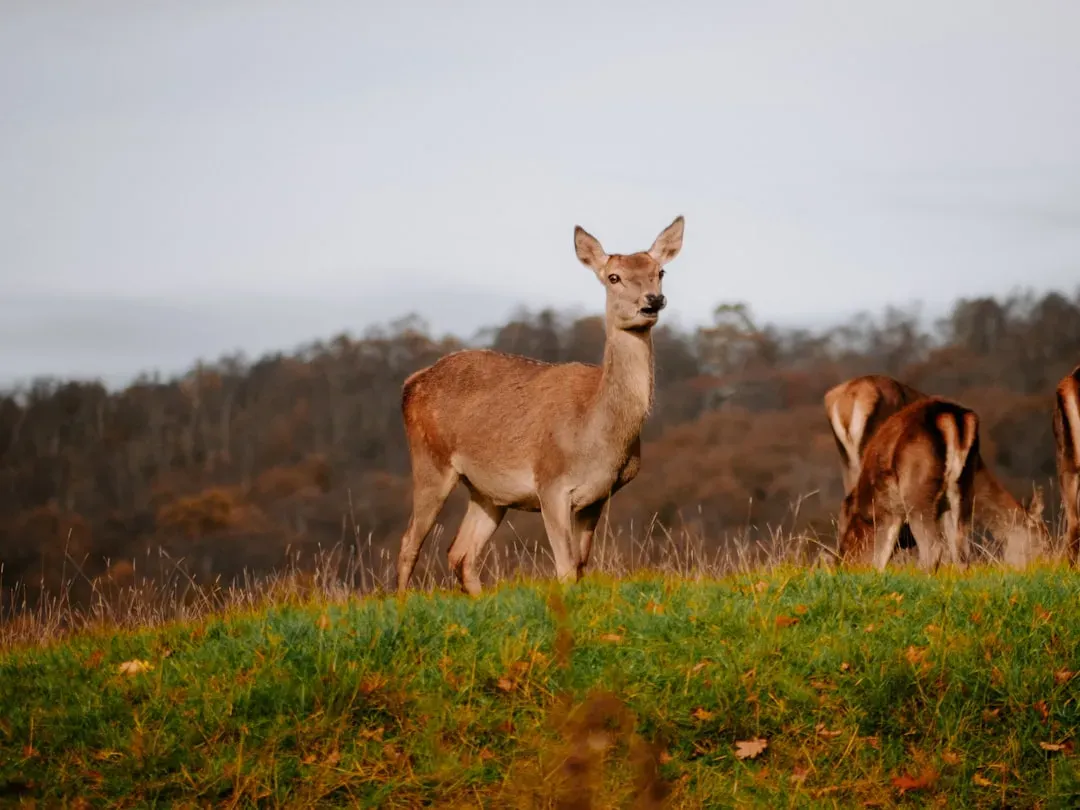
One of the most famous patterns people talk about is weird animal behavior before earthquakes. There are countless accounts of dogs howling for hours, cats hiding in impossible places, and farm animals pacing or refusing to eat in the hours or days before the ground starts shaking. In some historic quakes, people have described rats and snakes leaving their underground burrows shortly before buildings collapsed.
Earthquake scientists are cautious about these stories, but they haven’t dismissed them entirely. One leading idea is that animals might be sensitive to tiny foreshocks or subtle changes in the Earth’s crust that happen before a major rupture. Another possibility is that they detect shifts in groundwater or gases released from stressed rocks, things humans barely notice if at all. The tricky part is that not every quake has obvious animal “warnings,” and when they do happen, they’re often only recognized after the disaster, which makes them tough to use as a real-time alert system.
Birds, Bats, and the Silent Skies Before Storms
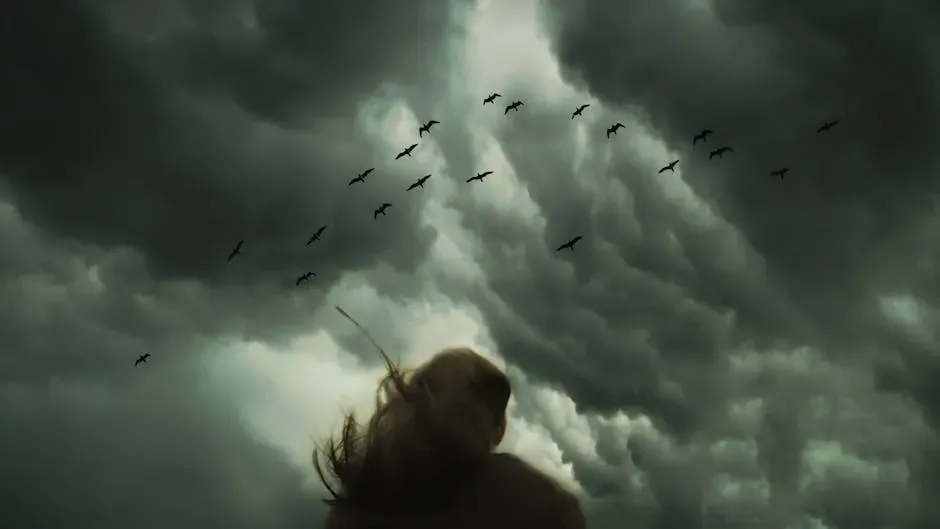
Big storms and hurricanes come with their own animal side stories. Long before we had satellite images and weather apps, people watched the sky and noticed that birds often disappear right before a violent storm rolls in. Modern tracking devices on birds and bats have confirmed that many species change their flight paths, stop migrating, or seek shelter days in advance of severe weather, even when the skies still look calm to us.
Researchers think these animals are sensitive to tiny drops in air pressure, shifts in humidity, and changes in wind patterns at heights humans never experience directly. Bats, for example, have been tracked cutting their nightly foraging short on days when intense storms ended up forming later. It’s not magic, just an extreme level of awareness. They live or die based on how well they read the sky, so evolution has tuned their senses to a level we can barely imagine, a bit like having a built‑in, full-body weather radar.
Tsunamis, Elephants, and the 2004 Indian Ocean Disaster

When people talk about animals sensing disasters, the Indian Ocean tsunami of 2004 almost always comes up. Eyewitnesses in several countries reported elephants trumpeting and running inland toward higher ground well before the giant wave struck the coast. In some affected areas, many wild animals survived because they had already moved away from low-lying zones, while humans were still on the beach, unaware of the danger racing toward them.
One explanation is that animals might detect the early signs of the quake that triggers the tsunami, such as low-frequency vibrations, or feel the sudden, unnatural retreat of seawater moments before the wave arrives. Elephants, with their massive bodies and sensitive feet, are especially good at picking up low vibrations through the ground. Whether you call that a sixth sense or just heightened versions of the usual five senses, the practical effect is the same: they move first, and we’re left wondering what they knew that we didn’t.
Is It a Sixth Sense or Supercharged Ordinary Senses?
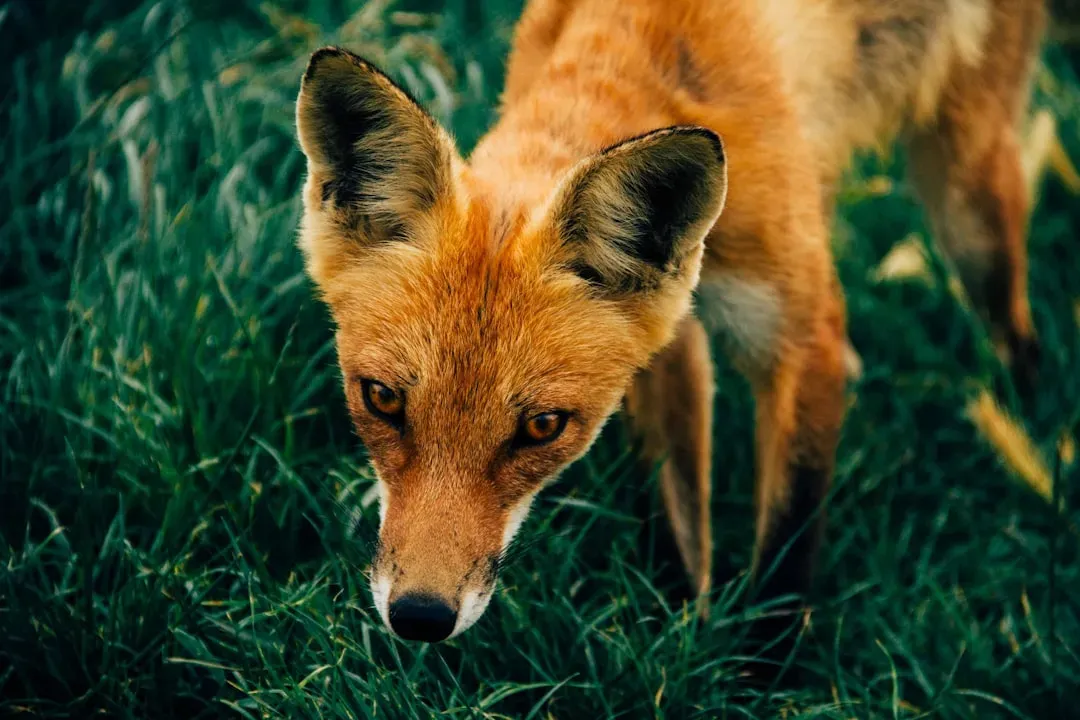
When people say “sixth sense,” it sounds mysterious, almost supernatural, like animals are tapping into a secret channel of reality. But most scientists think the real story is less mystical and more about animals having incredibly fine-tuned versions of the senses we already know: hearing, smell, touch, vision, and even sensitivity to electric or magnetic fields. Some species sense low-frequency sounds, tiny ground vibrations, or subtle chemical changes at levels far beyond human perception.
The result can easily look like a sixth sense from our point of view. For example, sharks can detect tiny electrical signals from other animals, and some birds navigate using the Earth’s magnetic field, something we can’t feel at all. If certain species notice faint vibrations before an earthquake or pressure changes before a storm, their reactions might look otherworldly to us. But under the hood, they’re still working with the same basic physics we are, just dialed up to an extreme level that keeps them alive.
When the Stories Don’t Match the Science
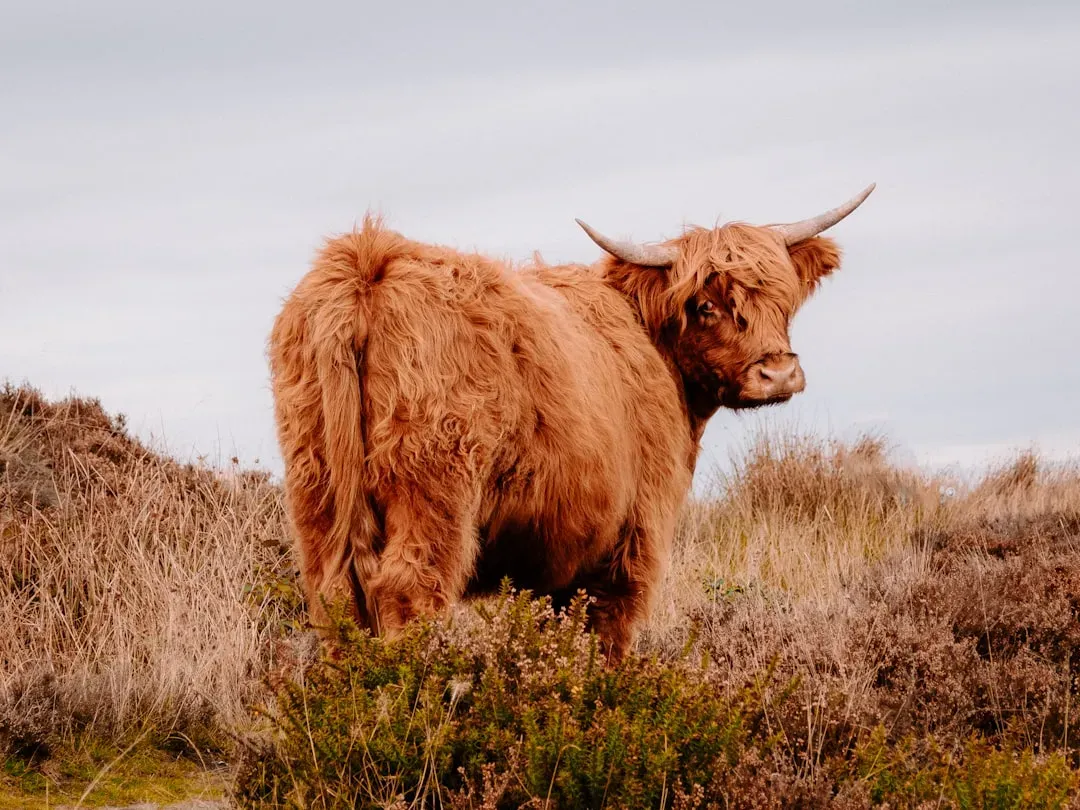
As compelling as the anecdotes are, they come with a huge problem: we mostly hear about the hits and almost never about the misses. People remember the one time their dog acted strange before a quake, but forget the dozens of times their dog was weird and nothing happened. This is how our brains work; we’re wired to spot patterns, even when they might be coincidences.
Scientists who have tried to study pre-disaster animal behavior in a strict, organized way often struggle to find clear, consistent patterns. In some monitored areas, no unusual animal behavior showed up before big events. In others, animals acted odd but no disaster followed. Without reliable, repeatable data, you can’t build a warning system that governments and communities can trust. It’s a bit like trying to predict the stock market by listening only to rumors; you’ll grab the dramatic stories and miss the boring but crucial background noise.
Can Animal Behavior Help Build Early Warning Systems?
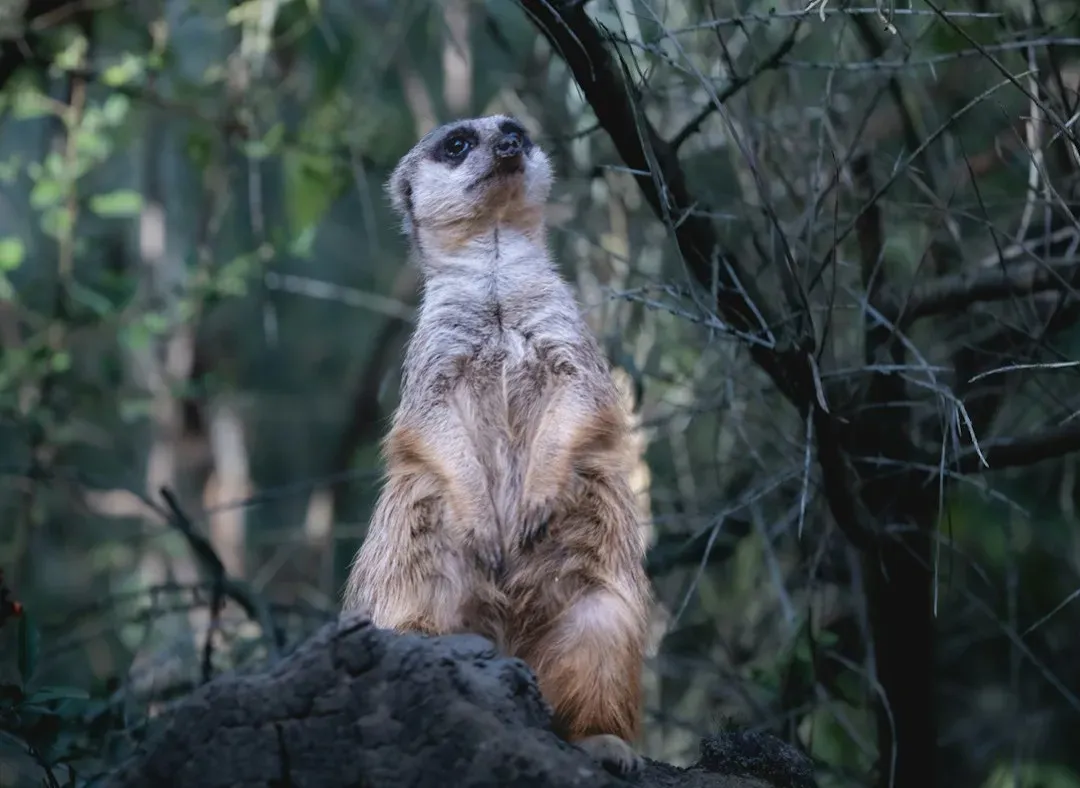
Despite all these challenges, there’s growing interest in whether animal behavior could be one piece of a larger warning puzzle. With modern tools like GPS collars, motion cameras, and automatic sound recorders, researchers can now track wildlife behavior minute by minute. Some projects are trying to combine this kind of monitoring with geological and weather data to see if there are consistent patterns worth paying attention to.
Imagine a network where unusual activity in farm animals, birds, and wild herds is compared with small seismic signals or atmospheric changes in real time. If similar patterns show up across multiple places before certain types of events, that could eventually strengthen early warning systems. We’re not there yet, and it’s risky to rely on this alone, but the idea that animals could serve as one more sensor in a broader safety net is no longer treated as pure superstition. It’s cautiously becoming a serious research question.
What This Mystery Reveals About Our Place in Nature
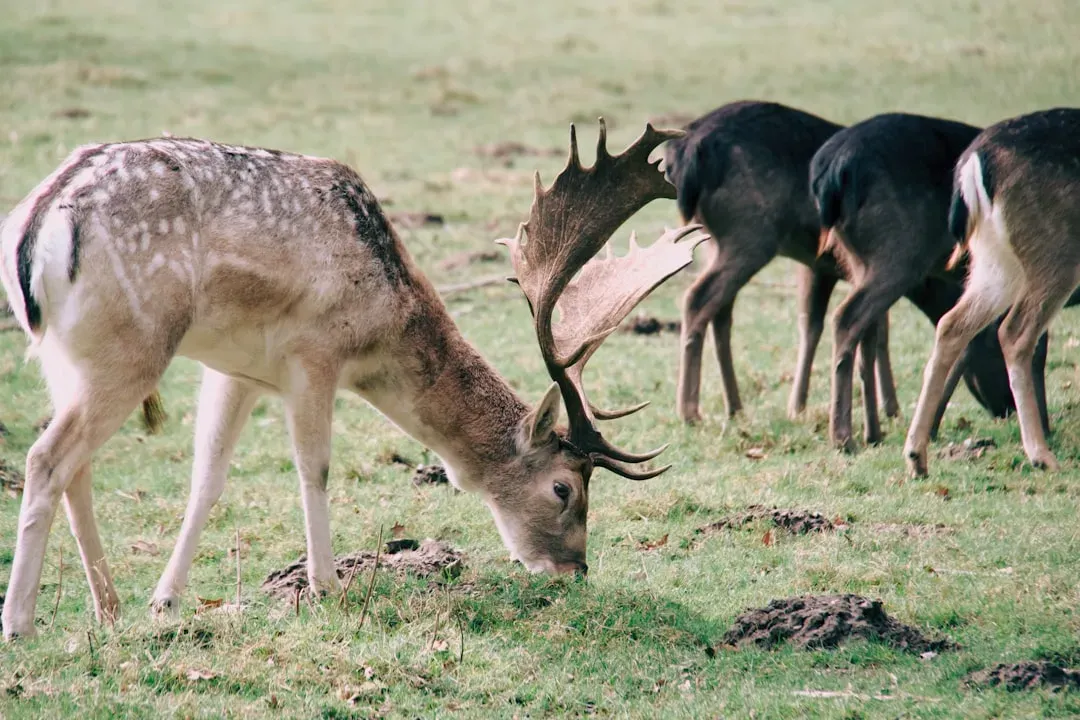
Whether animals truly sense disasters in a way we don’t, or we’re just seeing the edges of supercharged normal senses, one thing is clear: they are tuned into the environment in a way most modern humans have lost. We live behind walls, under artificial lights, with noise-cancelling headphones and weather alerts on our phones, while many animals still depend on reading the world directly to survive. In a way, the mystery isn’t just about what animals can do, but about how numb we’ve become to the subtle signals of nature.
I’ve had moments where my own dog suddenly refused to walk down a familiar street for no obvious reason, and for a second I wondered if she knew something I didn’t. Usually it turns out to be a harmless detail I missed, like a loose trash can lid or a far-off thunder rumble. Still, that tiny gap between what she notices and what I do feels like a reminder that we’re not the default setting for sensing the world, just one version of it. Maybe the real lesson is less about chasing a spooky sixth sense and more about learning to pay closer attention to the living, breathing warning systems already walking, flying, and swimming around us every day.