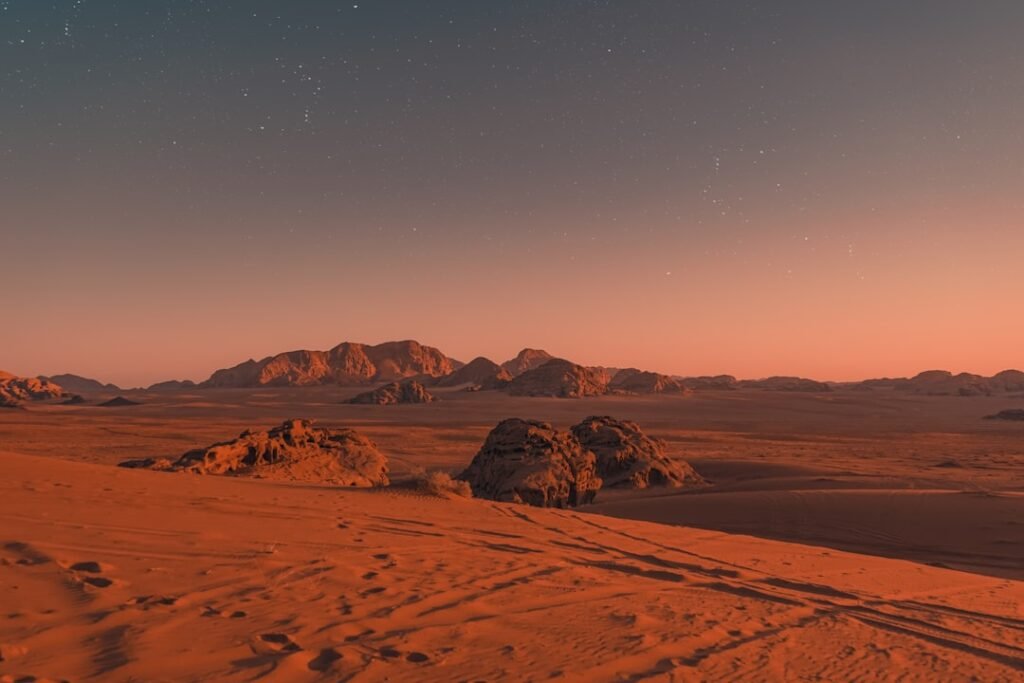
On a low, unassuming hill in southeastern Türkiye, a ring of carved stones is quietly rewriting the story of civilization. Gobekli Tepe, once just another dusty mound above the plains near Şanlıurfa, is now forcing archaeologists to question when religion, art, and complex societies truly began. Older than Stonehenge by roughly about six thousand years and predating the pyramids by millennia, this site looks less like a footnote and more like a missing first chapter. Yet for all its fame, Gobekli Tepe remains stubbornly enigmatic, offering more questions than answers about the people who built it.
The Hill That Changed Prehistory
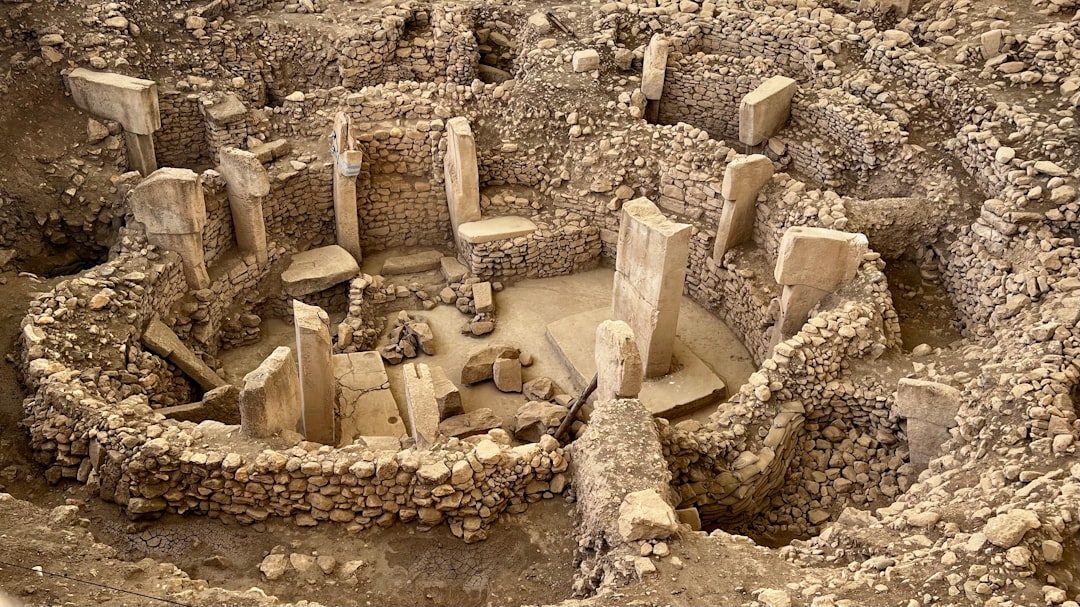
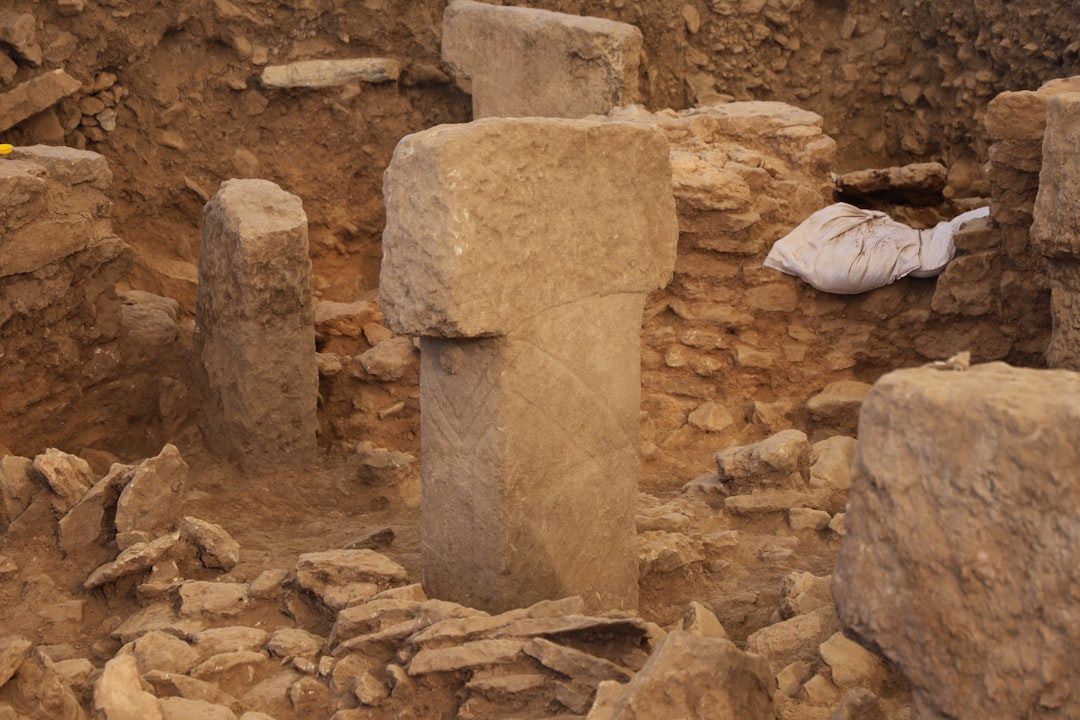
It is almost absurd to think that for decades, farmers drove their tractors over the top of what may be humanity’s oldest known temple. Gobekli Tepe, which means “Potbelly Hill,” was registered as an archaeological site in the 1960s, but for years most experts assumed it was just another Bronze Age cemetery. Only in the mid-1990s, when excavations began in earnest under German archaeologist Klaus Schmidt, did the first colossal T-shaped pillars emerge from the ground and shatter that assumption.
What stunned researchers was not just the size of the stones, some weighing several tons, but their age: radiocarbon dating places the earliest layers at around eleven thousand six hundred years ago, deep into the Pre-Pottery Neolithic. This pushes organized monumental construction back to a time when most humans were still hunter-gatherers. Instead of small family huts, the people of Gobekli Tepe erected circular enclosures studded with towering limestone pillars, many carved with animals and abstract symbols. The site forced scholars to confront a radical idea: that spiritual or communal centers may have come before permanent villages, not the other way around.
The Hidden Clues in Stone and Soil
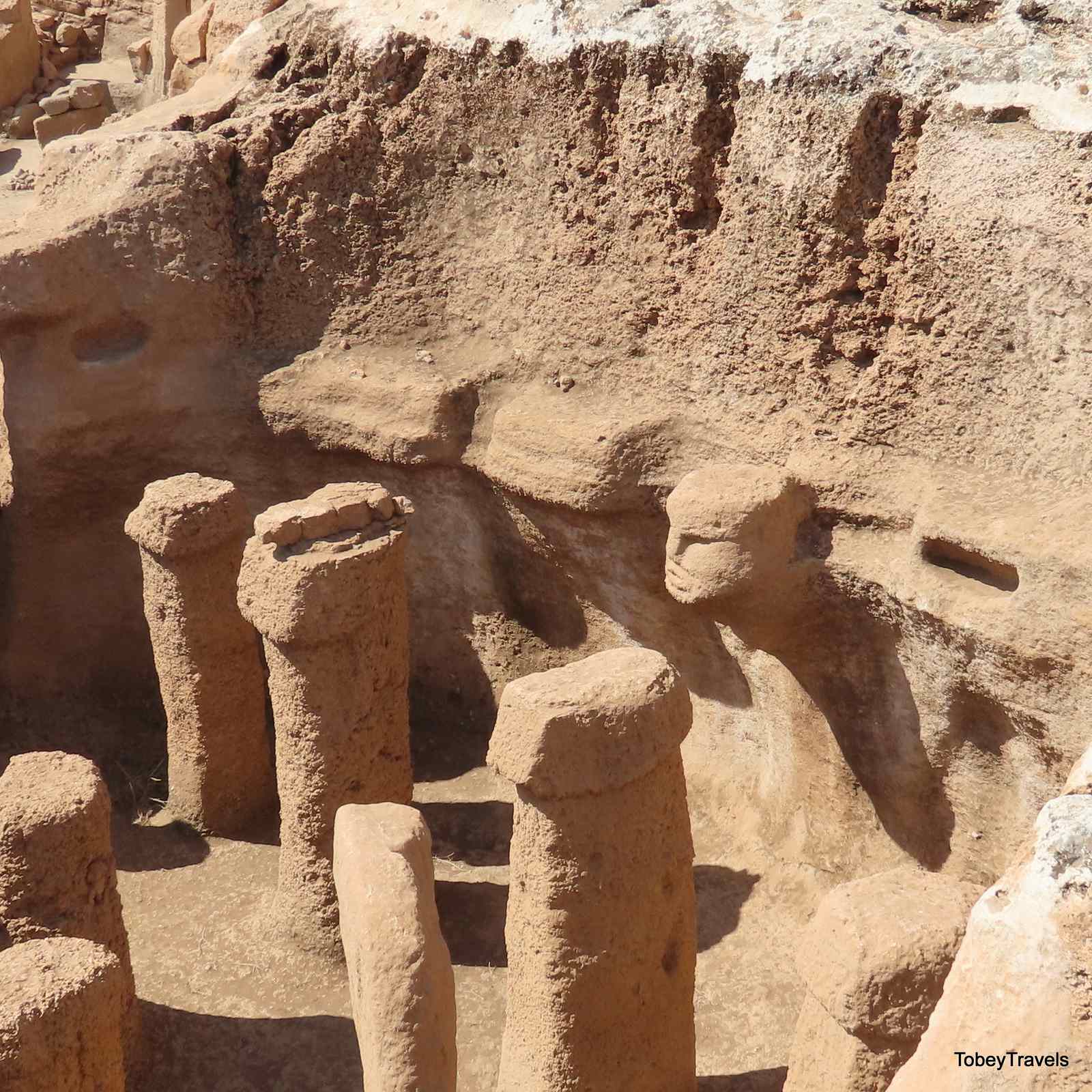
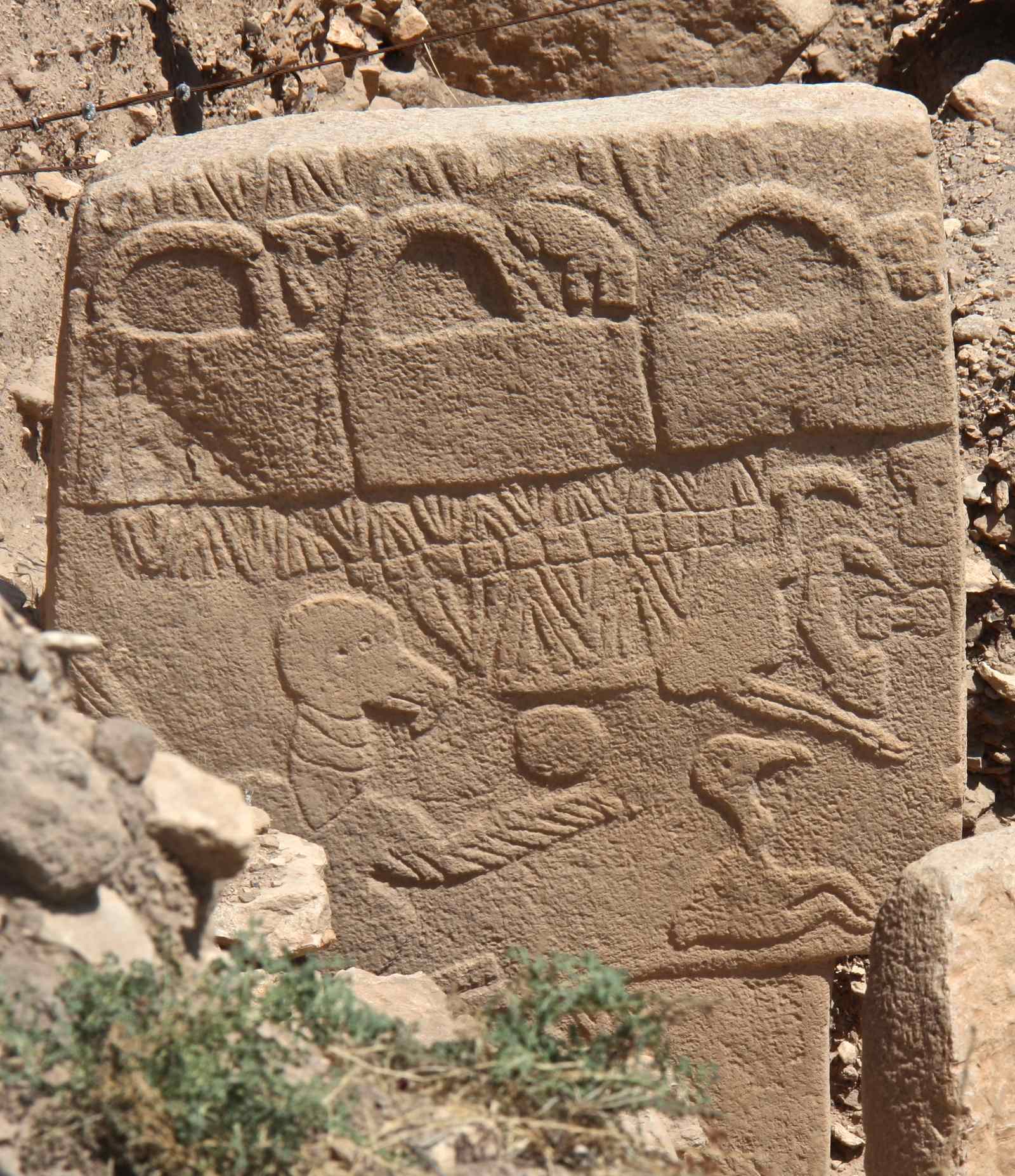
At first glance, Gobekli Tepe looks like a stone forest frozen in mid-ritual: pillars looming in circles, some broken, some half-buried, all eerily silent. Look closer, and the surfaces of those stones come alive with imagery. There are foxes slinking along the edges, vultures with spread wings, wild boars, snakes, scorpions, and mysterious headless figures. These are not crude scratches but confident, deeply incised reliefs, suggesting skilled carvers who had time, tools, and a clear symbolic vocabulary.
Archaeologists use these carvings like detectives use fingerprints. Certain animals appear again and again, hinting at shared myths, clan symbols, or perhaps seasonal rituals tied to the environment of the time. The soil between and around the pillars is packed with broken animal bones, flint tools, and grinding stones, pointing to large gatherings where feasting and tool-making were common. A few striking facts stand out for researchers trying to decode the clues:
- The vast majority of animal remains are from wild species, not domesticated ones, reinforcing the hunter-gatherer identity of the builders.
- Many pillars seem to “watch” inward, as if framing a ceremonial focal point rather than serving practical shelter.
- Stratified layers show that enclosures were built, used, deliberately filled in, and then replaced with new ones over centuries.
Each of these details suggests that the site was carefully planned and repeatedly reimagined, not just thrown together as a temporary campsite. That alone turns old models of prehistoric life on their head.
From Hunter-Gatherers to Temple Builders
For most of the twentieth century, the story went like this: humans settled down, learned to farm, formed villages, and only then had the stability and surplus to build temples and organize religions. Gobekli Tepe has blown that tidy sequence apart. When these enclosures were first built, there is no clear evidence of domesticated crops or animals in the region. Instead, the people hauling, carving, and erecting massive stones were still mobile groups who hunted gazelles, wild cattle, and other game across the surrounding landscape.
This raises a provocative possibility: large ritual centers like Gobekli Tepe might actually have helped create the conditions for agriculture and settled life, not simply emerged afterward. To host big communal feasts or recurring ceremonies, people needed reliable food supplies, predictable schedules, and cooperation between different groups. Over time, the pressure to provide for these gatherings may have nudged communities toward cultivating plants and managing herds. In this view, belief and shared symbolism were not side effects of civilization; they were engines driving its formation. The temple, in other words, may have come before the town.
From Ancient Tools to Modern Science
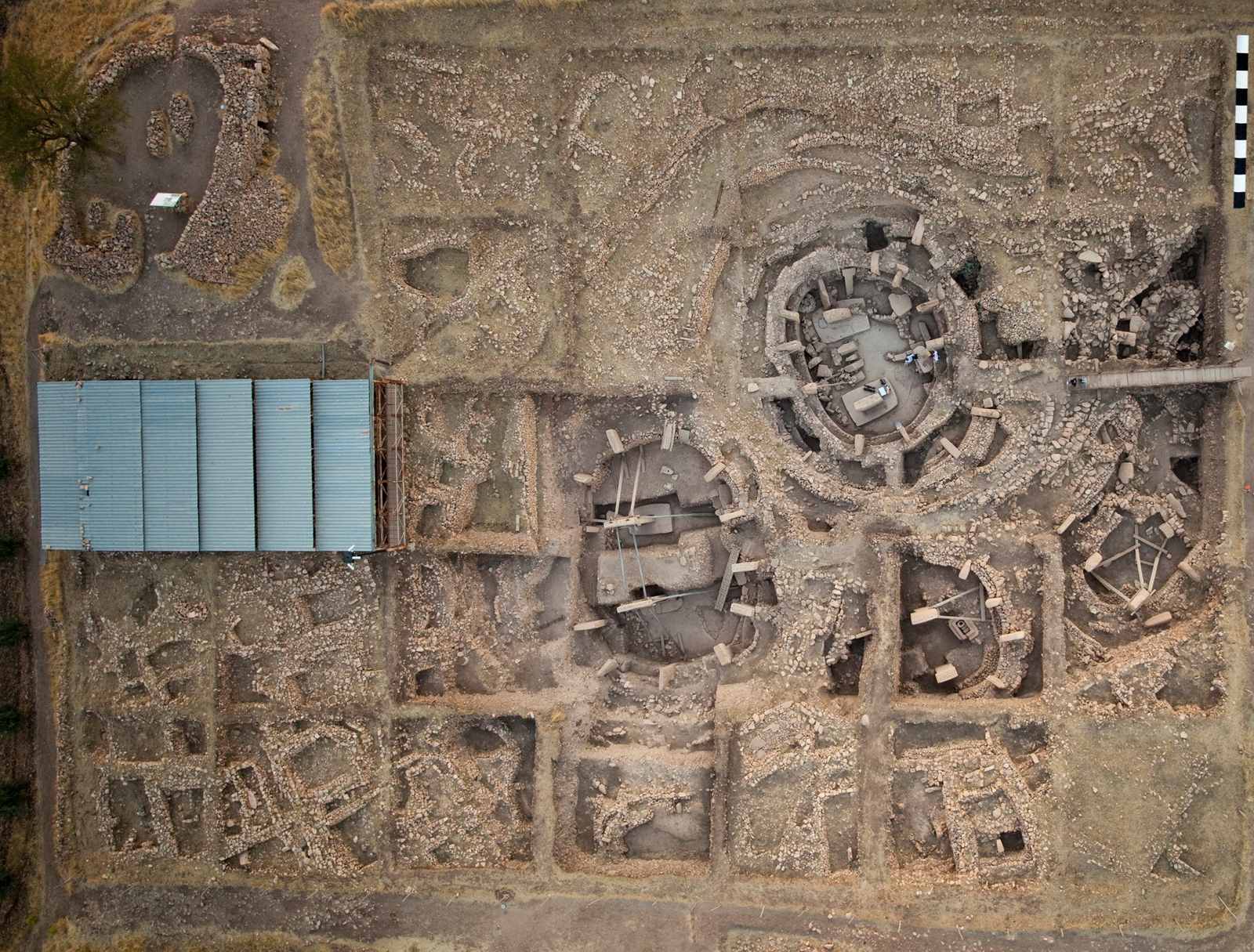
The first excavators at Gobekli Tepe relied on shovels, trowels, and patient hands, but today, the site is also a testbed for high-tech archaeology. Ground-penetrating radar, geophysical surveys, and drone-based mapping have revealed that the stone circles already uncovered represent only a fraction of what lies beneath the hill. Dozens of additional enclosures appear to be buried, some potentially even older or more elaborate than the ones currently visible. What began as a single trench has grown into a sprawling, layered puzzle that stretches across the plateau.
Scientific advances have also transformed how we understand what people ate, how they moved, and which materials they used. Microscopic analysis of residues on stone tools reveals traces of wild cereals, suggesting that early plant processing happened alongside hunting and feasting. Isotopic studies of animal bones can show whether herds were local or brought from far away, offering glimpses into trade routes or pilgrimage patterns. Even the limestone itself is studied for quarry marks and transport clues, as researchers estimate how many people – and how much coordination – it took to drag those monoliths into place. The collaboration between local Turkish teams and international institutes has turned Gobekli Tepe into a global laboratory for rethinking prehistory.
Why It Matters: Rethinking the Birth of Civilization
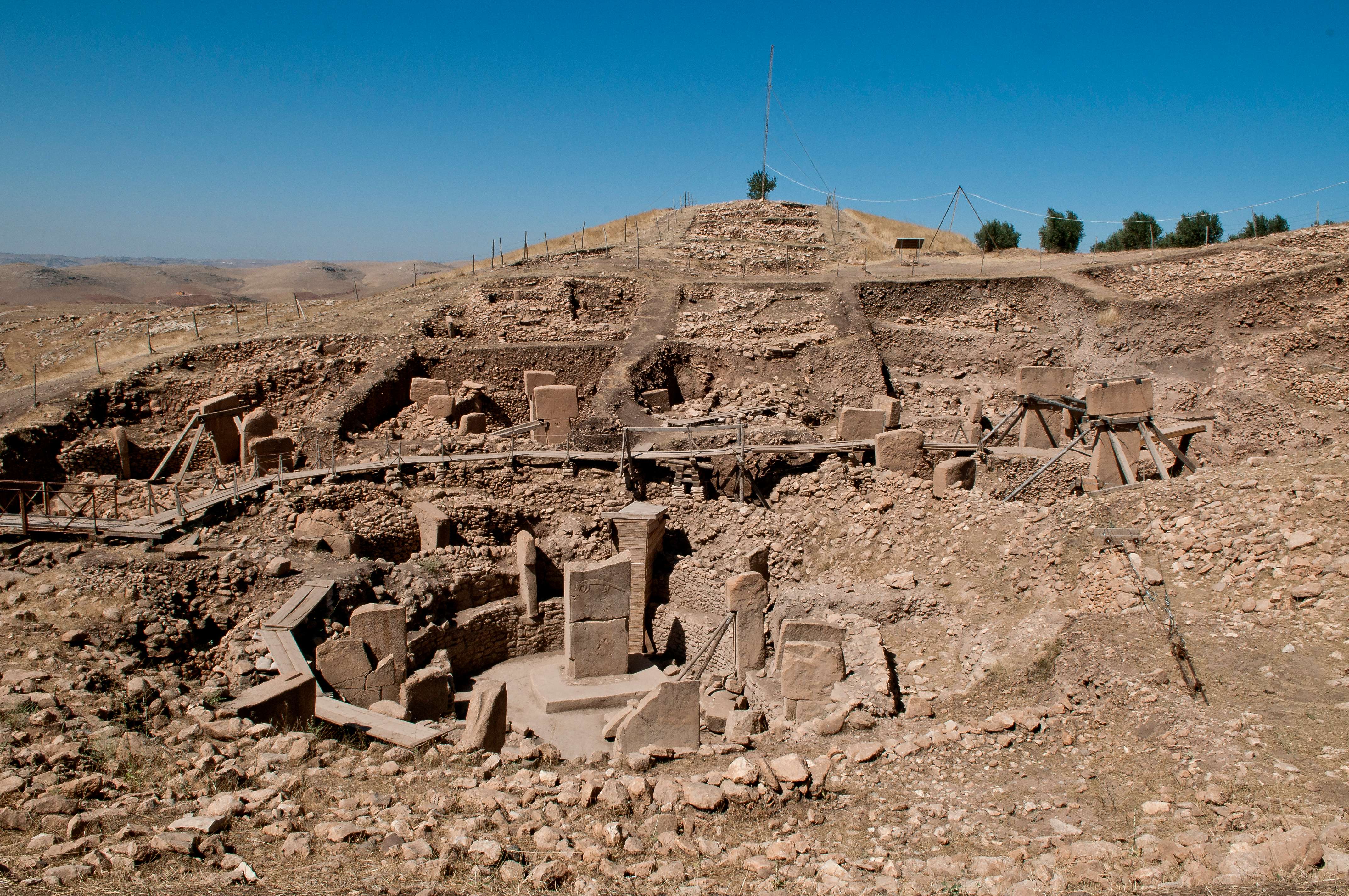
Gobekli Tepe matters because it challenges a story many of us absorbed in school: that civilization began when farming appeared and everything else – cities, writing, religion, art – followed in neat order. Here, instead, is a monumental complex standing at least a thousand years before clear evidence of settled farming communities in the region. This suggests that humans were capable of large-scale cooperative projects long before they planted their first formal fields. The old assumption that spiritual life is a luxury of settled societies suddenly looks shaky.
The site also forces us to reconsider what we mean by “advanced.” There is no pottery, no metal, no written language at Gobekli Tepe, yet there is a sophisticated architectural plan, an intricate symbolic system, and a long-term commitment to maintaining and renewing a sacred landscape. Compared with later urban civilizations, this looks less like a missing link and more like an alternative model of complexity. Instead of kings and bureaucrats, we see loosely organized groups pooling labor for shared rituals and feasts. For modern science, that shift widens the possibilities for how and why humans come together, and it underscores that meaning-making and myth-building are not late additions to our story but are woven into its very beginning.
Global Perspectives and Human Imagination
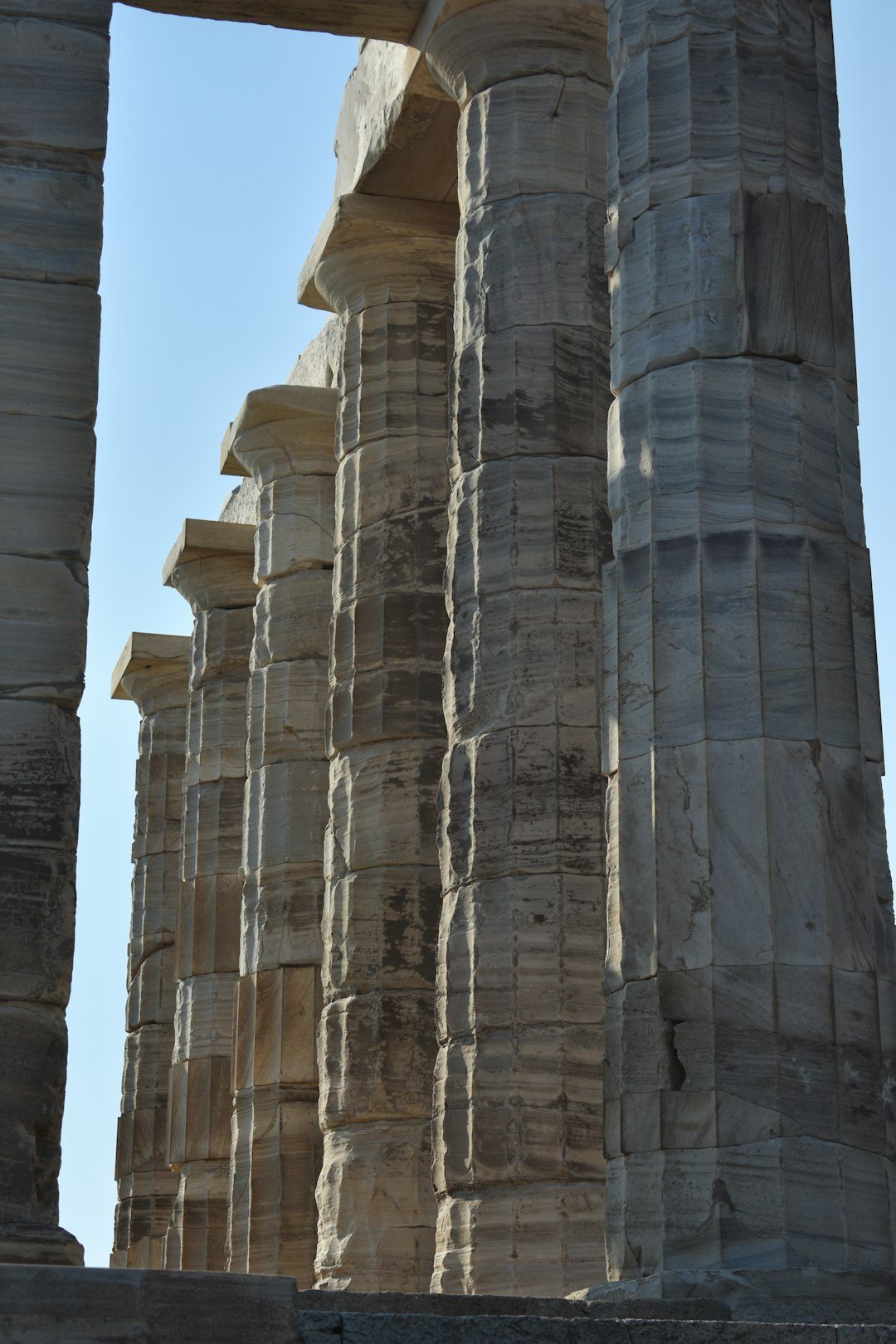
When photos of Gobekli Tepe’s pillars first circulated widely, people around the world immediately folded the site into their own cultural narratives. Some saw echoes of later Near Eastern mythologies; others drew comparisons with stone circles in Europe or ceremonial complexes in the Americas. It is tempting to line these sites up and claim a single global pattern, but the more responsible – and more interesting – approach is to see each as a separate experiment in what it means to be human. That said, Gobekli Tepe has become a reference point in debates about the deep roots of religion, art, and social cohesion.
Anthropologists note that monumental sites built by non-state societies appear in many regions, from megalithic alignments to earthwork mounds, often acting as anchors for identity and memory. Gobekli Tepe now sits near the start of that long trajectory, showing that such projects can emerge even among groups without permanent towns or clear hierarchies. For curious readers, the lesson is humbling and inspiring at once: a community with stone tools and no writing could still imagine a world dense with symbols, spirits, and stories worth carving into rock. In a sense, those T-shaped pillars are early proof that humans everywhere have always been in the business of turning landscape into meaning.
The Future Landscape: New Technologies, New Questions
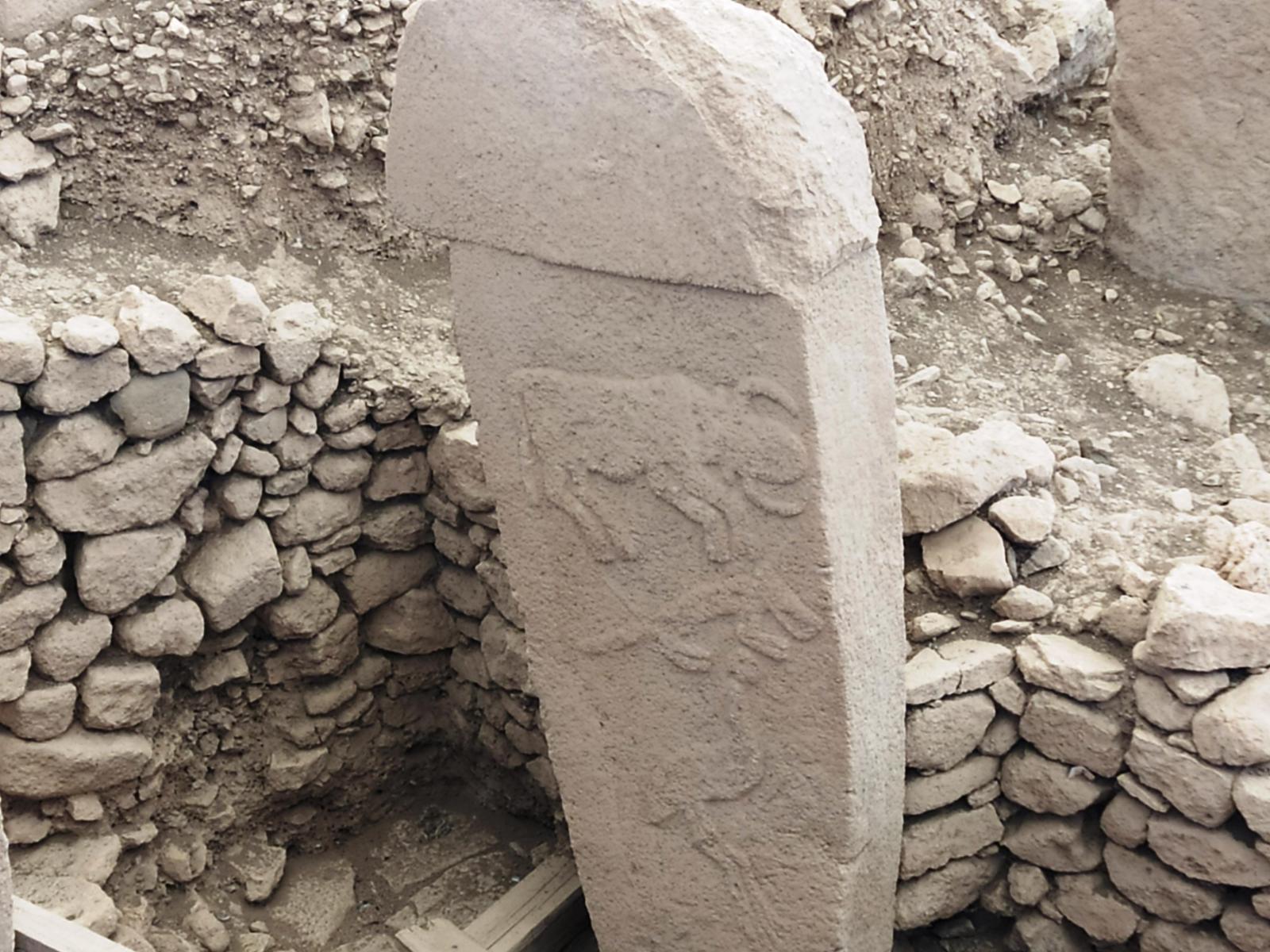
Despite decades of work, only a relatively small portion of Gobekli Tepe has been systematically excavated, and that is by design. Modern archaeologists are acutely aware that every trench destroys as much as it reveals, so they lean heavily on non-invasive techniques to guide their decisions. High-resolution 3D scanning now records each pillar and carving in meticulous detail, creating digital twins that researchers can study from anywhere in the world. As methods improve, those same models may allow experts to simulate lighting conditions, acoustics, or sightlines at different times of year, teasing out how ceremonies might have unfolded.
Looking ahead, advances in microarchaeology, sediment DNA analysis, and refined radiocarbon dating could fill in missing pieces: what plants grew around the site, where visitors came from, and how rapidly different enclosures rose and fell. There are also delicate questions about conservation and tourism, as more visitors arrive every year to walk the metal walkways and gaze down at the pillars. The challenge is to protect the fragile stones from weathering and human impact while still allowing the public to experience a place that belongs, in a sense, to all of us. In that balancing act, Gobekli Tepe becomes not just a window into the deep past but a case study in how we steward irreplaceable heritage in the twenty-first century.
How You Can Engage With Humanity’s Oldest Temple
You do not have to be an archaeologist – or travel to southeastern Türkiye – to be part of the unfolding story of Gobekli Tepe. One of the simplest steps is to support reputable archaeological and heritage organizations, whether through donations, memberships, or simply amplifying their work. Many institutions now share excavation updates, virtual tours, and research highlights online, offering a front-row seat to discoveries as they happen. Engaging with these resources helps counter misinformation and the more speculative claims that often swirl around ancient sites.
You can also treat Gobekli Tepe as a catalyst for deeper curiosity about human history closer to home. Visit local museums, attend public lectures, or explore lesser-known archaeological sites in your own region; each one adds a tile to the mosaic of our shared past. For students and educators, incorporating recent findings from places like Gobekli Tepe into classroom discussions keeps our understanding of prehistory alive and evolving, not frozen in outdated textbooks. In the end, the most powerful way to honor those long-ago builders is surprisingly simple: keep asking hard questions about where we come from, why we build, and what stories we choose to carve into the world around us.
Suhail Ahmed is a passionate digital professional and nature enthusiast with over 8 years of experience in content strategy, SEO, web development, and digital operations. Alongside his freelance journey, Suhail actively contributes to nature and wildlife platforms like Discover Wildlife, where he channels his curiosity for the planet into engaging, educational storytelling.
With a strong background in managing digital ecosystems — from ecommerce stores and WordPress websites to social media and automation — Suhail merges technical precision with creative insight. His content reflects a rare balance: SEO-friendly yet deeply human, data-informed yet emotionally resonant.
Driven by a love for discovery and storytelling, Suhail believes in using digital platforms to amplify causes that matter — especially those protecting Earth’s biodiversity and inspiring sustainable living. Whether he’s managing online projects or crafting wildlife content, his goal remains the same: to inform, inspire, and leave a positive digital footprint.