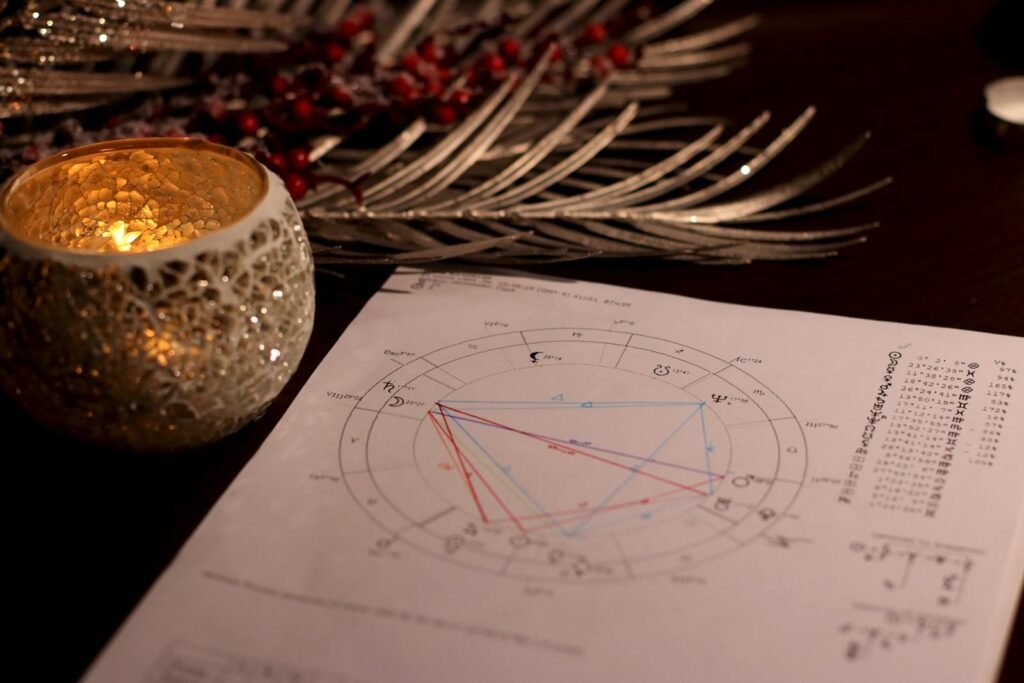

Every day, millions of people type their birth date, time, and location into online astrology sites, hoping a digital chart might explain why they feel stuck, lost, or secretly powerful in ways they can’t quite name. At first glance, this looks like superstition dressed up in symbols and mysterious wheels – but underneath the cosmic language, something more human is happening. People are searching for coherent stories about who they are and what they might become, especially when traditional tools like personality tests or job assessments feel flat. Scientists, meanwhile, are increasingly interested in why these symbolic systems are so compelling and how they might intersect with what we know about psychology, identity, and decision-making. The result is an unexpected crossroads: a place where ancient sky maps, modern data, and personal growth quietly collide.
The Hidden Clues: Why We Keep Turning to the Sky
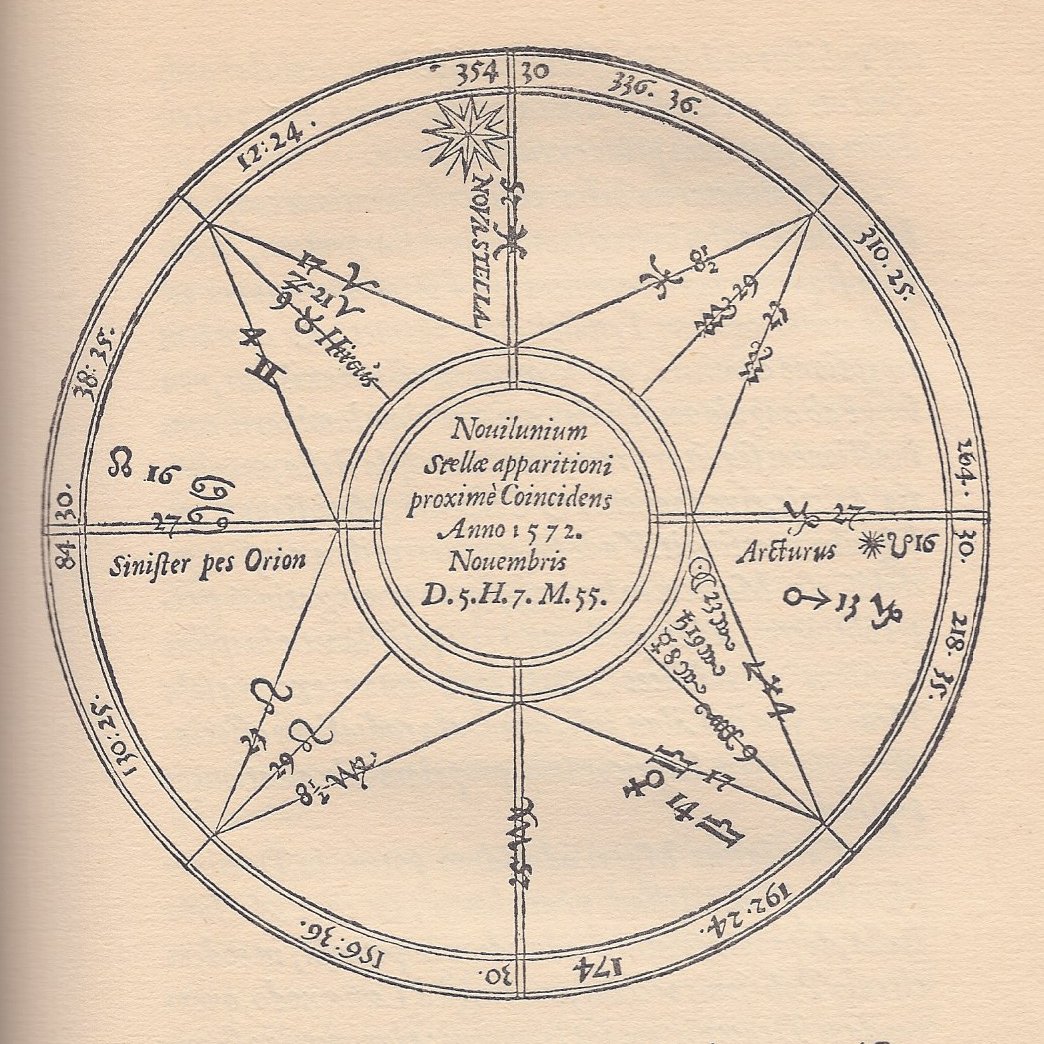
Walk into almost any social gathering in 2025 and you’re likely to hear someone casually ask about a sun sign or rising sign, right after they ask what you do for a living. That small question isn’t really about planetary positions; it’s about searching for a shortcut to understanding you – your rhythm, your reactions, your edge. Psychologists studying belief and identity have long noted that people gravitate toward systems that seem to offer pattern, meaning, and a sense of narrative coherence in a chaotic world. A birth chart, with its dense wheel of symbols, promises that your quirks and contradictions are not random flaws but recognizable configurations. That can feel startlingly relieving, especially if you’ve spent years wondering why standard labels never quite fit.
From a scientific point of view, the sky itself is not quietly programming your personality. There’s no robust evidence that the positions of planets at birth directly sculpt your temperament or talents in a causal, physical way. But what the chart does offer – through its language of fire and water signs, angular houses, or precise aspects – is a structured mirror for self-reflection. Many people report that reading interpretations of their chart feels like hearing an unusually sharp, emotionally resonant description of their inner life, similar to a very good counseling session or a well-designed personality profile. Those stories can highlight overlooked strengths, such as persistence disguised as stubbornness or sensitivity mislabeled as weakness. In that sense, the “hidden clues” are less about the heavens and more about how we decode ourselves when given a new symbolic lens.
From Ancient Sky Maps to Modern Self-Tracking
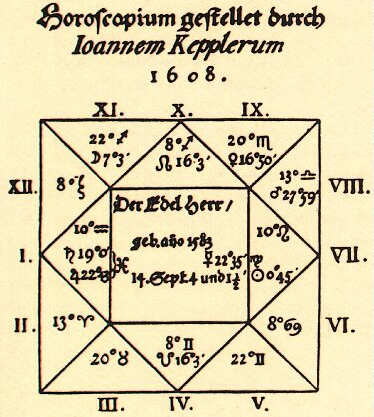
Astrology started as a way to track seasons, harvests, and political events, not LinkedIn skills or emotional resilience. Early sky watchers recorded recurring planetary cycles and linked them to patterns on Earth, long before there was any distinction between astronomy and astrology. Over centuries, those correlations evolved into sophisticated systems of birth charts that claimed to correlate individual fates with celestial configurations. Today, that same wheel of signs and houses has been pulled into the digital age through sleek apps, algorithmic chart generators, and push notifications that feel suspiciously like wellness coaching. The gap between ancient temple ceilings and smartphone screens has narrowed into a continuous thread: humans trying to align their lives with patterns they believe are bigger than themselves.
What’s changed most dramatically is not the symbolism itself, but the way we interact with it. Modern users can generate a full natal chart in seconds, overlay transits, and compare charts with friends without ever learning how to draw one by hand. This automation mirrors a broader trend in self-quantification, where people interpret sleep graphs, heart rate variability, or personality test results side by side with their “Big Three” signs. Some researchers argue that astrology functions as a narrative-based self-tracking system: instead of numbers and graphs, it tracks archetypes, motivations, and cycles through story. In that way, a birth chart can sit right alongside mood journals and fitness trackers as part of a sprawling, deeply modern project to measure and optimize the self.
Reading Strengths Between the Lines
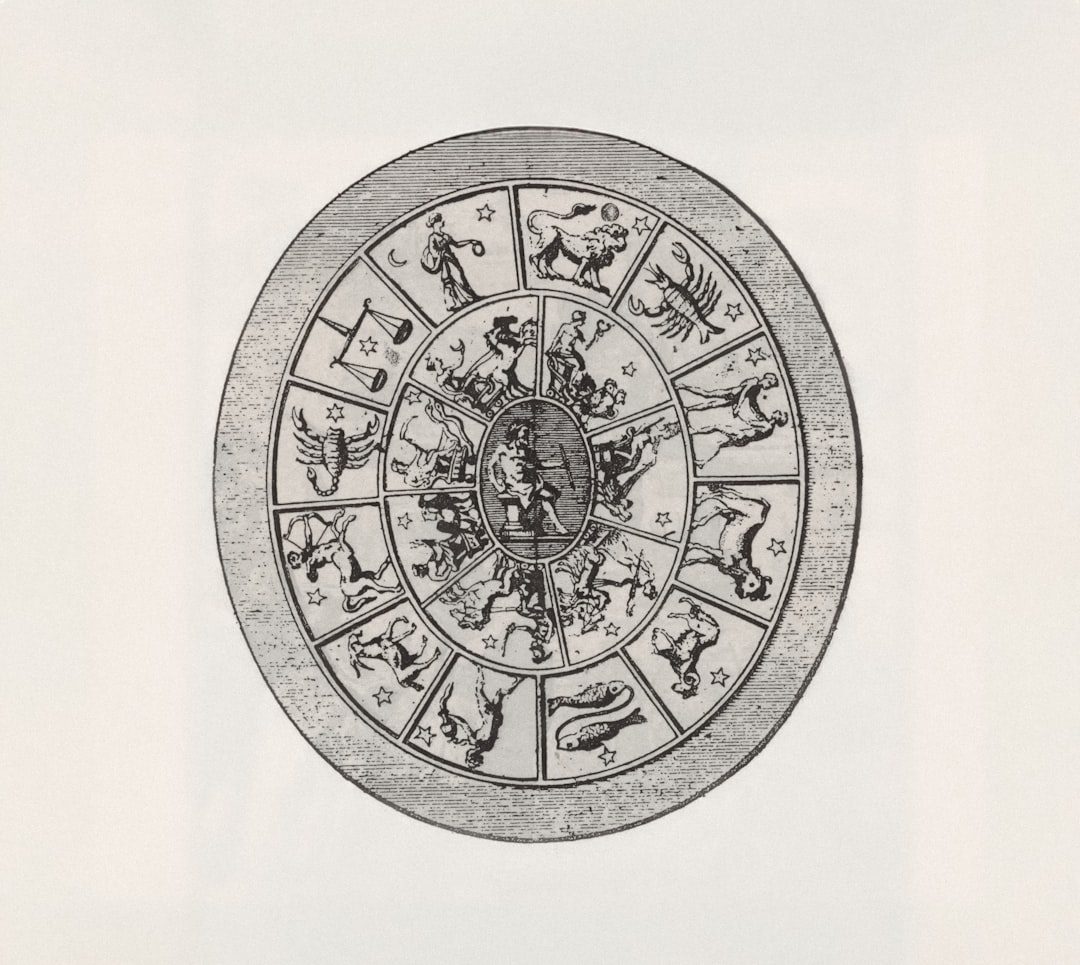
When people talk about what their birth chart “reveals,” they are often really talking about which parts of themselves they’re finally giving permission to value. For example, someone with a chart heavy in so‑called water signs might be told they are intuitive, emotionally perceptive, and compassionate – qualities they may have dismissed as softness or instability. Another person with prominent cardinal signs can suddenly reframe their restless urge to start projects as leadership rather than lack of focus. These interpretations can become surprisingly sticky: once you’re told that strategic thinking, creativity, or persistence are core to your design, you tend to notice more examples in your own life.
Researchers studying self-fulfilling beliefs and narrative identity recognize this pattern from other domains. When people adopt a story that highlights a particular strength, they are more likely to practice it, refine it, and seek environments where it’s rewarded. A birth chart, read through this lens, functions like an oddly poetic strengths inventory. It nudges you to see traits that blend into the background: the way you calm a room, persist through long-term projects, or connect unlikely ideas. Even if the chart’s symbolic assignments are not objectively “true” in a physical, celestial sense, the act of reflecting on them can change how you allocate attention and effort. Over time, that shift in focus can subtly reshape the trajectory of a career, a relationship, or a personal project.
What Science Actually Says About Personality and the Stars
When scientists formally test astrological claims, the results are, at best, underwhelming for anyone hoping the planets are pulling invisible strings. Large-scale studies comparing sun signs to personality traits generally find no meaningful differences beyond what you’d expect by chance. Rigorous tests that ask astrologers to match charts to anonymous personality profiles usually land near random accuracy. From a strict cause-and-effect standpoint, there’s no solid evidence that where Mars or Venus sat on the day you were born determines your confidence, empathy, or career talent. That conclusion can feel disappointing, even deflating, to people who have found comfort in the idea of cosmic design.
Yet the story doesn’t end with a simple verdict of “false.” Psychologists have become increasingly interested in why astrological descriptions feel so personally accurate, even when people know, intellectually, that they’re drawn from generic templates. Studies on the so-called Barnum or Forer effect show that people consistently rate vague but flattering personality statements as highly accurate, especially when they believe those statements are tailored just for them. Birth chart readings, with their specific details and layered symbols, are tailor-made to exploit that cognitive tendency. At the same time, research on narrative identity suggests that humans naturally build stories that connect scattered experiences into a coherent self-portrait. Astrology slides into that gap, offering a premade scaffolding for those personal stories to hang on.
Why It Matters: Birth Charts, Agency, and the Stories We Live By
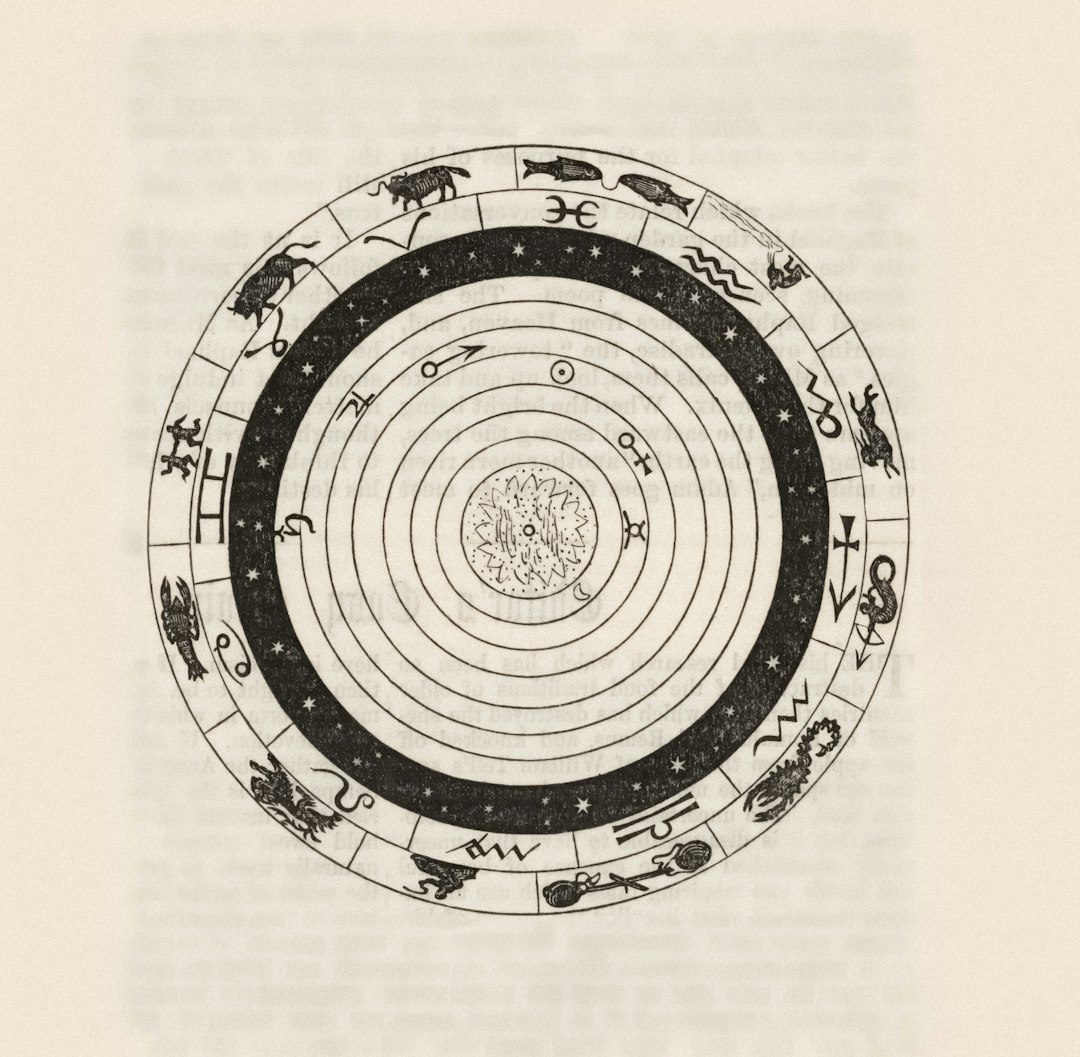
The real scientific and cultural importance of birth charts may have less to do with celestial mechanics and more to do with human agency. When used thoughtfully, a chart can act like an invitation to reflect on your strengths and how you want to use them, much like a therapy session or a well-constructed personality inventory. The danger, of course, is flipping that script and treating the chart as a fixed verdict on who you are and what you are allowed to attempt. Researchers who study belief systems warn that rigid, deterministic thinking can erode a person’s sense of control and resilience, especially if they start to blame the sky for every failure or closed door. On the other hand, when people treat the chart as symbolic rather than literal, it can become a playful but powerful prompt for self-inquiry.
Compared with traditional psychological tools, astrology is messy, unstandardized, and not rooted in empirical validation. Personality tests like the Big Five are grounded in decades of statistical work, and their scales have been linked to real-world outcomes such as job performance and health behaviors. Yet those formal tools can feel dry or reductionist to people who crave story, metaphor, and myth. Birth charts fill that emotional and narrative gap, even if they lack scientific rigor. The challenge for anyone interested in self-improvement is to borrow what’s useful – questions, metaphors, strengths-focused language – without surrendering critical thinking. In that sense, the chart becomes not a map of fate, but a conversation starter about what kind of person you choose to be.
Inside the Boom: Apps, Algorithms, and Data-Driven Destiny
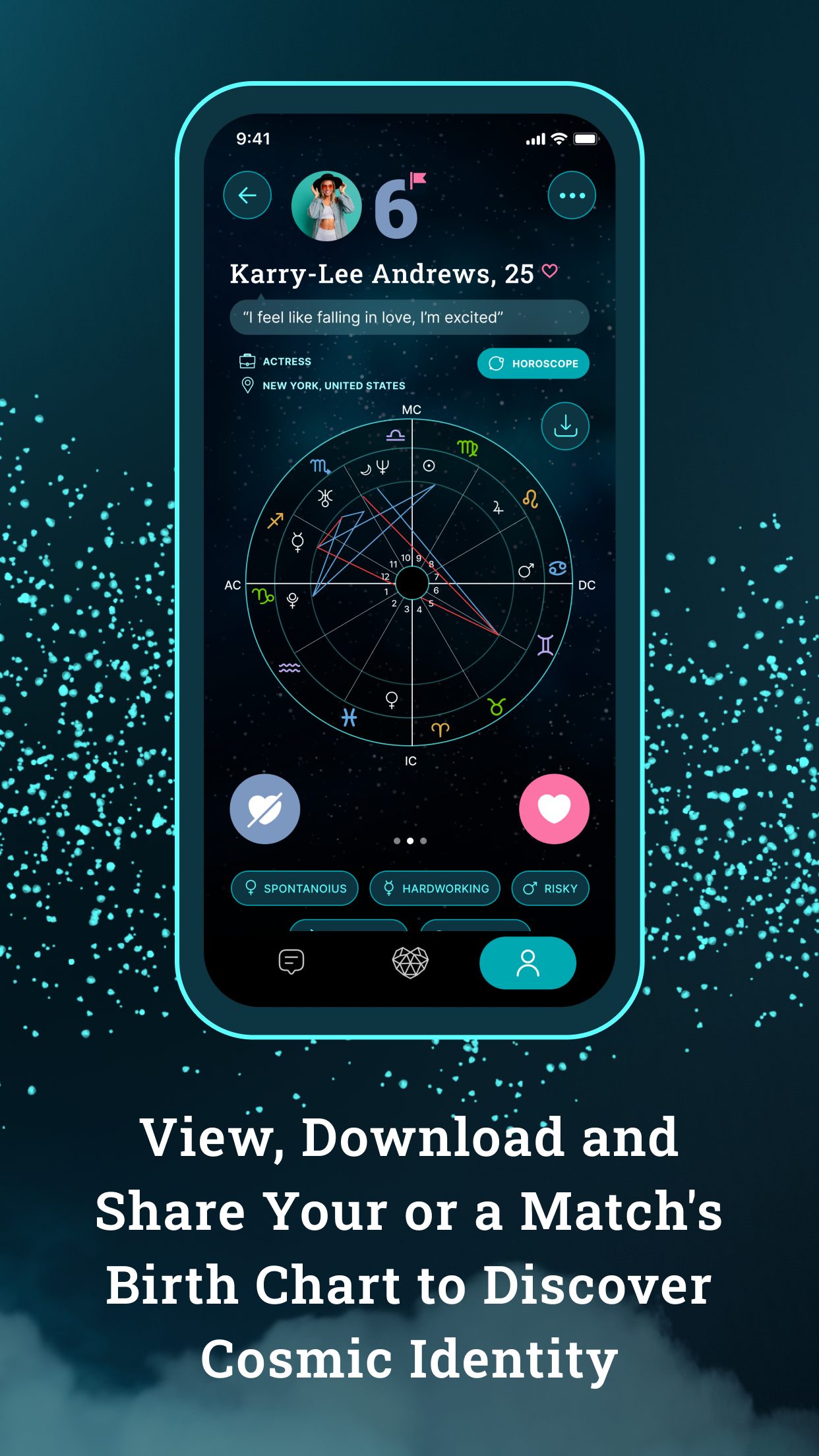
In the last decade, astrology has quietly become big business and big data. App developers now offer hyper-specific birth chart readings, compatibility analyses, and daily “transits” powered by cloud computing and slick interface design. These platforms often blend traditional astrological rules with machine learning, tracking how users engage with certain types of messages and tailoring future content accordingly. That means many modern chart readings are not just about where Saturn was at your birth, but about what previous users with similar engagement patterns clicked, shared, or rated as accurate. Your cosmic reflection, in other words, is being refined by a very earthly feedback loop.
This shift raises questions that extend far beyond astrology. As personal meaning-making tools move into app ecosystems, they inherit the same privacy, bias, and algorithmic transparency concerns that surround social media and digital health. Some users upload not only their own birth data but also that of partners, children, or coworkers, effectively generating maps of interpersonal dynamics that live on company servers. At the same time, the accessibility of these tools means that people who would never study a complex chart by hand can now experiment with self-reflection at scale. For many, the app becomes a gateway drug to deeper introspection, whether or not they ultimately believe the planets are involved. It’s a reminder that when we ask what our charts “reveal,” we’re also revealing a lot about ourselves to the systems that deliver the answers.
The Future Landscape: Blending Symbolic Systems and Evidence-Based Tools

Looking ahead, the most interesting developments may come not from trying to prove astrology right or wrong, but from exploring how symbolic systems intersect with evidence-based psychology. Some researchers are already experimenting with digital platforms that pair birth chart-style narratives with validated psychological assessments, giving users both a poetic story and a data-driven profile. Imagine an app that offers you a traditional interpretation of your chart’s strengths alongside feedback drawn from well-established measures of grit, openness, or emotional regulation. In that hybrid model, the chart becomes one narrative layer among many, rather than the sole authority on your potential. It could help people move from passive belief in fate toward active engagement with multiple sources of insight.
There are challenges, of course. Integrating symbolic and scientific frameworks risks muddying the waters if users can’t easily distinguish between metaphor and measurement. Developers and communicators will have to be clear about what is empirically supported and what is offered as reflective storytelling. Still, the potential upside is significant: if more people are drawn into thinking seriously about their strengths and values, even via a cosmic doorway, that could nudge behavior in productive directions. As conversations around mental health, purpose, and identity continue to expand, birth charts may sit alongside therapy, coaching, and self-tracking as part of a broader toolkit. The future question may not be whether astrology is “true,” but how consciously and ethically we choose to use it.
How to Engage Thoughtfully With Your Own Chart
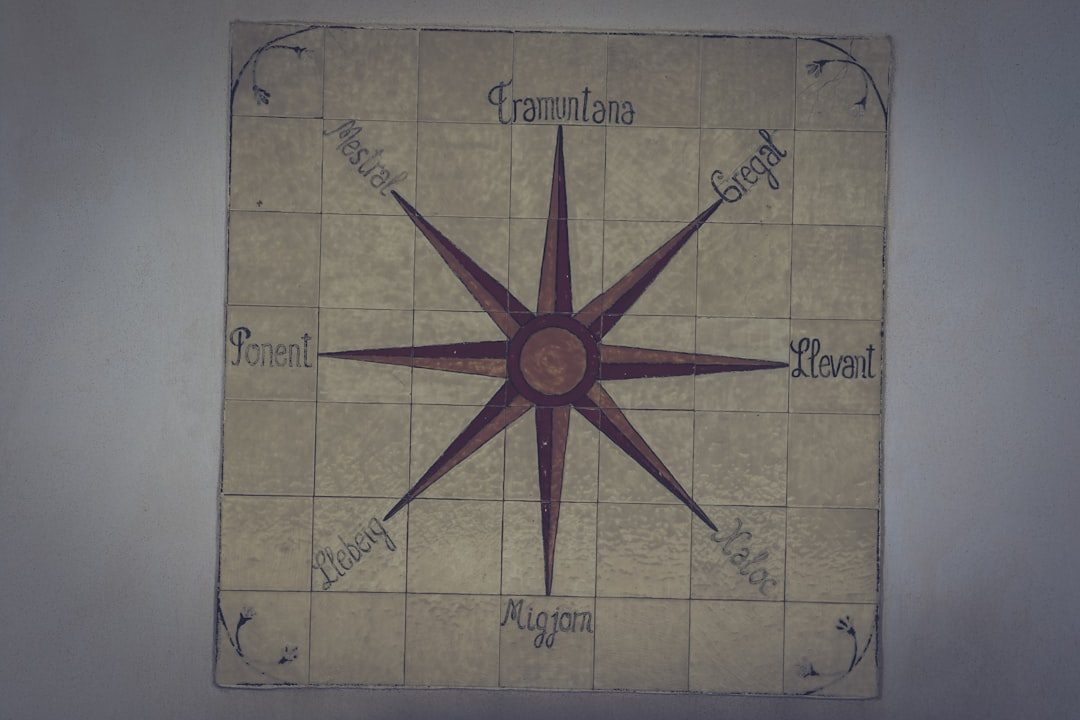
If you are curious about what your birth chart might say about your strengths, there are ways to explore without abandoning scientific skepticism. One simple approach is to treat any reading as a hypothesis generator, not a verdict: note the strengths it highlights, then look for concrete, real-world evidence in your own life that either supports or contradicts those claims. You can even compare chart-based descriptions with results from established personality assessments or feedback from trusted friends and mentors. If certain themes keep repeating across different sources – like creativity, leadership, empathy, or analytical thinking – that convergence can be a useful hint about where to invest your time and energy. In my own life, I’ve found that using a chart in this way feels a bit like using a metaphorical mirror: not scientifically binding, but surprisingly good at making me ask sharper questions.
There are also practical steps you can take to keep the process grounded. You might: keep a simple strengths journal for a month and track moments when you felt particularly effective, energized, or proud; compare those entries with what any chart reading emphasizes; explore well-researched tools from psychology alongside symbolic systems, so you’re not relying on a single lens. Finally, support initiatives that improve public understanding of how belief systems, cognitive biases, and narrative identity shape our choices, whether through science communication, mental health education, or critical thinking programs. The more fluent we become in how stories influence behavior, the better we can decide which stories to keep. In the end, your birth chart is only as powerful as the choices it inspires you to make.
Suhail Ahmed is a passionate digital professional and nature enthusiast with over 8 years of experience in content strategy, SEO, web development, and digital operations. Alongside his freelance journey, Suhail actively contributes to nature and wildlife platforms like Discover Wildlife, where he channels his curiosity for the planet into engaging, educational storytelling.
With a strong background in managing digital ecosystems — from ecommerce stores and WordPress websites to social media and automation — Suhail merges technical precision with creative insight. His content reflects a rare balance: SEO-friendly yet deeply human, data-informed yet emotionally resonant.
Driven by a love for discovery and storytelling, Suhail believes in using digital platforms to amplify causes that matter — especially those protecting Earth’s biodiversity and inspiring sustainable living. Whether he’s managing online projects or crafting wildlife content, his goal remains the same: to inform, inspire, and leave a positive digital footprint.