
It’s hard to believe that tiny fragments of DNA, scraped from ancient bones, teeth, and even 40,000-year-old dirt, are overturning stories we thought were settled for good. Yet in just the last two decades, ancient DNA has gone from scientific long shot to one of the most disruptive tools in archaeology and history. The past isn’t quietly sitting in museums anymore; it’s suddenly talking back, correcting us, and in some cases, completely changing the plot.
What fascinates me most is how personal it feels. We’re not just dusting off pottery shards or measuring skulls; we’re looking at the genetic traces of people who laughed, feared, loved, and argued about the weather, just like we do. And as their DNA is decoded, long‑held myths about “pure” peoples, lost races, or neatly separated civilizations are crumbling. The story of humanity is turning out to be messier, more surprising, and far more interconnected than the textbooks ever suggested.
The DNA Time Machine: How Scientists Read Genes from Long-Dead Humans
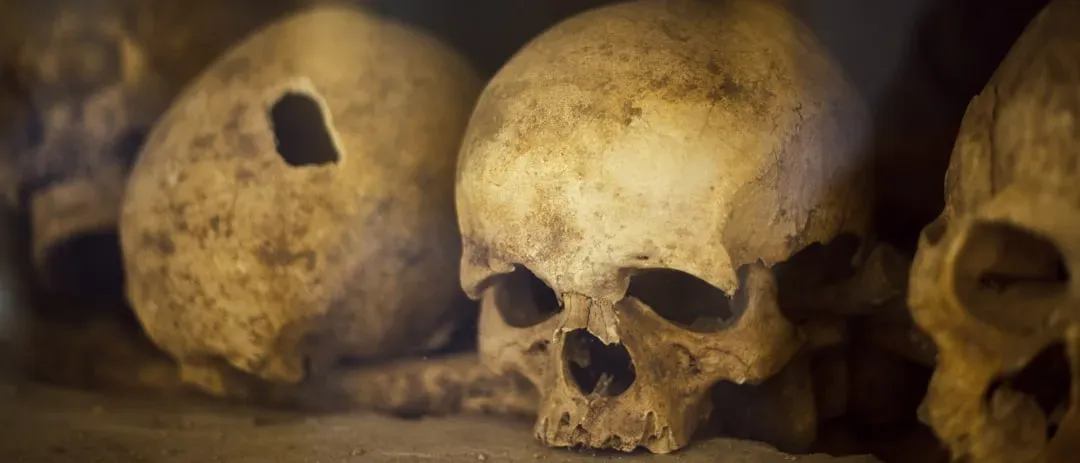
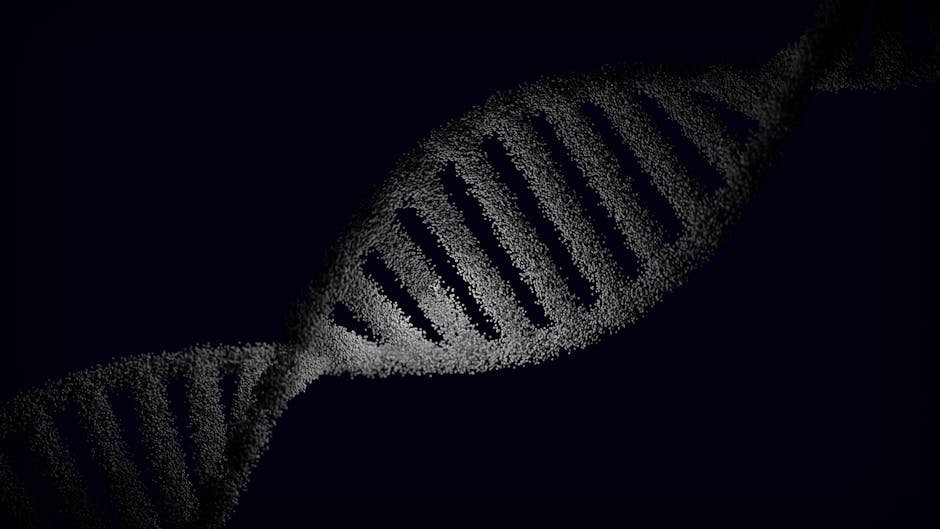
Imagine trying to piece together a burned book from a few scattered, half‑charred letters; that’s basically what working with ancient DNA is like. Over time, heat, moisture, and microbes shred DNA into short, damaged fragments, which is why for a long stretch scientists assumed it was impossible to sequence anything truly ancient. The big shift came with powerful sequencing machines and ultra‑clean labs that can pick those fragments out of bone powder or tooth roots, then stitch them together like the world’s most frustrating jigsaw puzzle.
One of the most shocking breakthroughs was learning that DNA can even survive in sediments, not just bones. Researchers have pulled genetic traces of humans and animals straight from cave dirt, revealing who lived there even when no skeletons remain. That’s like walking into an empty apartment and figuring out who stayed there just from dust. On top of that, new methods can distinguish authentic ancient DNA from modern contamination, allowing scientists to trust that they’re listening to the past, not just to the skin cells they accidentally shed in the lab.
Neanderthals: From Caveman Stereotypes to Surprising Relatives
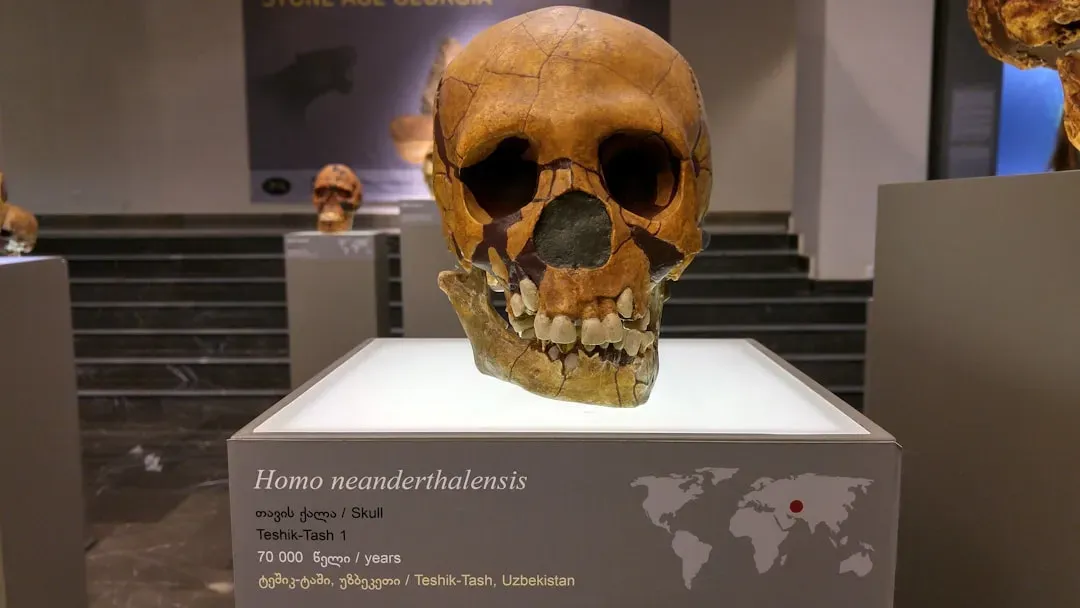
If you grew up with the idea that Neanderthals were clumsy, dim brutes, ancient DNA has basically ripped that caricature to shreds. Sequencing Neanderthal genomes showed that most people of European, Asian, or Indigenous American ancestry carry small chunks of Neanderthal DNA, usually a few percent, inherited from ancient interbreeding. That means they weren’t a completely separate species watching us from afar; at some point, our ancestors literally formed families together.
Even more startling, some of those Neanderthal genes still affect how we live and die today. Certain variants help shape our immune response, skin biology, and even risk for conditions like blood clotting issues or some psychiatric traits. During the COVID‑19 pandemic, one particular Neanderthal-derived region on chromosome 3 was linked to differences in disease severity, pushing home the eerie realization that ancient encounters tens of thousands of years ago are still nudging our health outcomes in intensive care units. The “caveman” label seems almost absurd now; they’re more like estranged cousins whose old decisions still echo in our veins.
Denisovans and the Discovery of a “Ghost” Population
Few stories in science feel as cinematic as the Denisovans. In a remote Siberian cave, researchers sequenced DNA from a pinky bone and a tooth so fragmentary that you couldn’t tell much from looking at them. The genetic data revealed something almost unbelievable: they belonged to an entirely unknown group of ancient humans, distinct from both Neanderthals and modern humans. This wasn’t just filling in a detail; it was stumbling onto an entire lost branch of our family tree.
What really blew things open was discovering that Denisovan DNA lives on in present-day people, especially in parts of Oceania and Southeast Asia. Some populations in Papua New Guinea and surrounding regions carry a noticeable Denisovan ancestry component, and one Denisovan-derived gene helps Tibetans cope with low oxygen at high altitude. Think about that: a genetic gift from a long-vanished cousin is helping people breathe on the roof of the world today. The Denisovans went from total mystery to a crucial piece of how humans adapted, almost overnight, thanks to ancient DNA.
Rethinking Out-of-Africa and the Great Human Migrations
For a long time, the story of modern humans seemed relatively simple on paper: our species evolved in Africa, then spread outward in a single clean wave that replaced everyone else. Ancient DNA has not destroyed that overall framework, but it has added twists worthy of a complicated family drama. Evidence now points to multiple expansions out of Africa, some of which left traces in the genomes of ancient and modern people, while others fizzled out and disappeared. The neat arrow on the old migration map has turned into something closer to a tangled scribble.
When scientists sequence genomes from hunter‑gatherers, early farmers, and steppe herders across Eurasia, they find repeated waves of movement and mixing rather than a quiet, gradual spread. Populations that once looked continuous through space and time often turn out to be patchworks of different ancestries layered on top of one another. It’s a bit like renovating a house and discovering three older floors hidden under the carpet. The basic truth that humans originated in Africa holds firm, but the path from there to “us” is far more winding, with dead ends, back‑migrations, and unexpected reunions along the way.
Farmers, Foragers, and the Birth of Complex Societies
One of the biggest questions in human history has always been how farming spread: did ideas move, or did people move? Ancient DNA has given a surprisingly blunt answer in many regions: people moved, a lot. Early farmers from places like Anatolia and the Near East carried not just seeds and livestock but also their genes into Europe, where they mingled with and in many cases replaced a lot of the local hunter‑gatherer ancestry. The transition to agriculture looks less like a smooth cultural upgrade and more like generations of migration, tension, and gradual blending.
We see similar patterns in other parts of the world, such as the spread of Bantu-speaking farmers across much of sub‑Saharan Africa or the expansion of Austronesian-speaking seafaring groups through Island Southeast Asia and the Pacific. In each case, ancient DNA reveals not just a trickle of movement but major reshaping of genetic landscapes, followed by local mixing and adaptation. The birth of complex societies wasn’t just about bigger villages or fancy pottery; it was about new people arriving, new relationships forming, and new identities emerging from the collision of foragers, farmers, and later, pastoralists riding in from the steppe.
Challenging Myths of “Pure” Ancestry and Fixed Identity
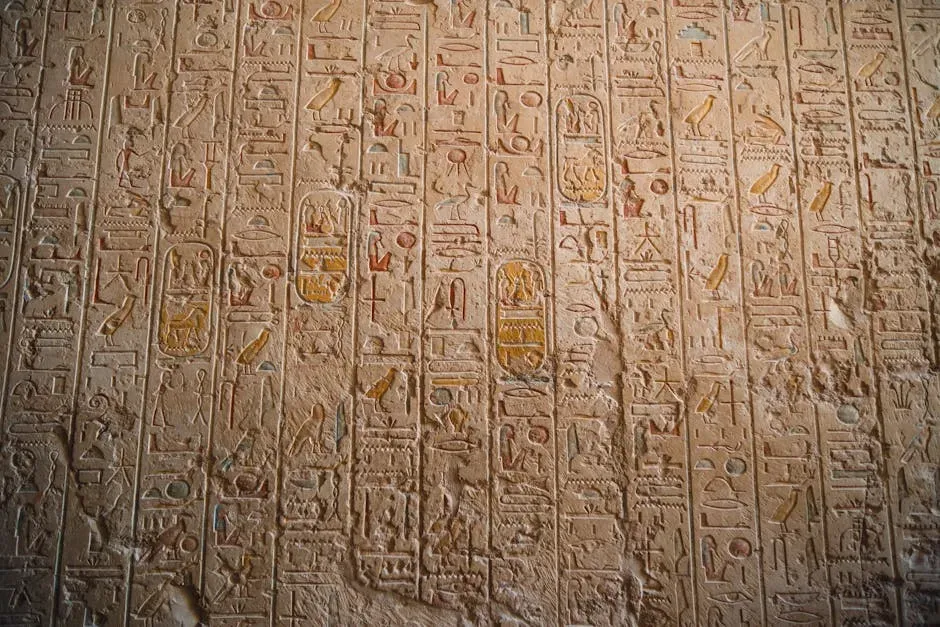
Ancient DNA has become a quiet wrecking ball for one of the most stubborn ideas of the last few centuries: that human groups are fixed, pure, and easily sorted into rigid biological categories. Over and over, ancient genomes show that almost every population is the product of repeated mixing, migration, and change. The people living in a region today are rarely the same genetic community that lived there five thousand or ten thousand years ago, even when there is some continuity. The fantasy of unbroken, untouched bloodlines simply does not survive contact with the data.
This has emotional weight, because ideas of purity have fueled prejudice, nationalism, and sometimes violence. Ancient DNA doesn’t just prove those ideas wrong; it offers a different narrative, one where identity is fluid and shared, rather than locked in by some mythical ancestral essence. At the same time, it raises hard questions about how we interpret genetic ancestry without flattening complex cultural histories. A shared stretch of DNA does not automatically mean a shared language, belief system, or lived experience. The science is forcing us to hold two truths at once: our pasts are deeply entangled, and our present identities are still our own to define.
Ethics, Respect, and Who Gets to Tell the Story of the Dead
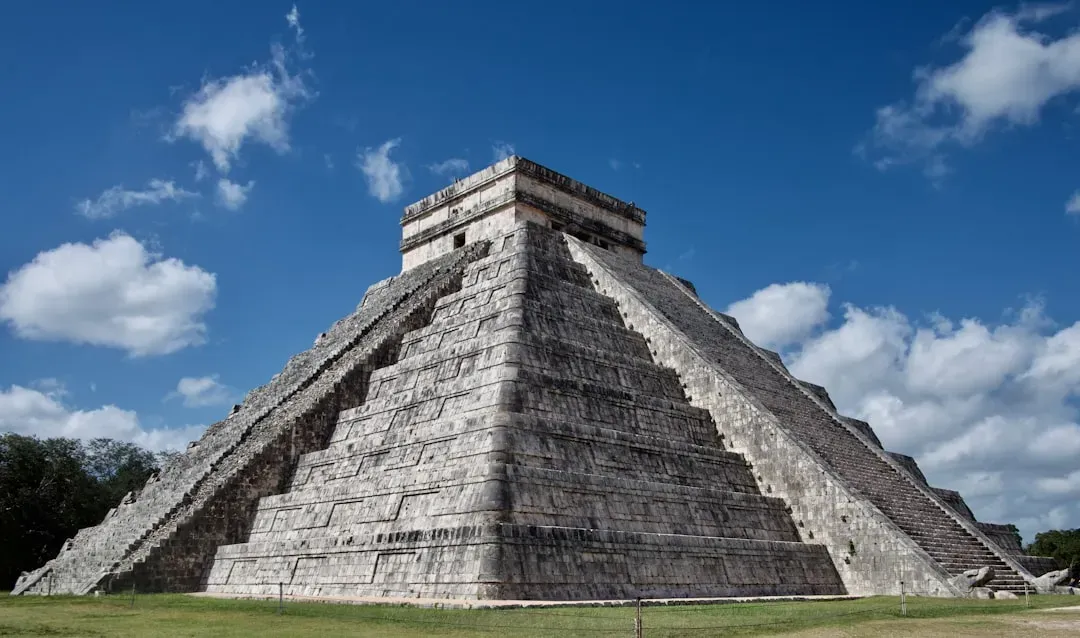
As powerful as ancient DNA is, it comes with uncomfortable responsibilities. Extracting DNA usually means drilling into bones or teeth, which are often the remains of people who still have living descendants or cultural communities that honor them. There have been painful cases where scientists pushed ahead with sampling without full consultation or against community wishes, turning the dead into data points instead of relatives. In response, more researchers are now advocating for consent‑based approaches, transparency, and shared decision‑making with Indigenous and local groups.
This is reshaping the field in a good way, even if it slows some projects down. Collaborative models, where communities help guide research questions and how findings are communicated, are becoming a new standard in many parts of the world. It also forces scientists to admit that genetic information is only one thread in a much larger tapestry of oral histories, archaeological records, and lived memory. The question is shifting from “What can we get from these remains?” to “How can we work together to understand the past without erasing dignity in the present?”
What Ancient DNA Means for Our Future Understanding of Ourselves
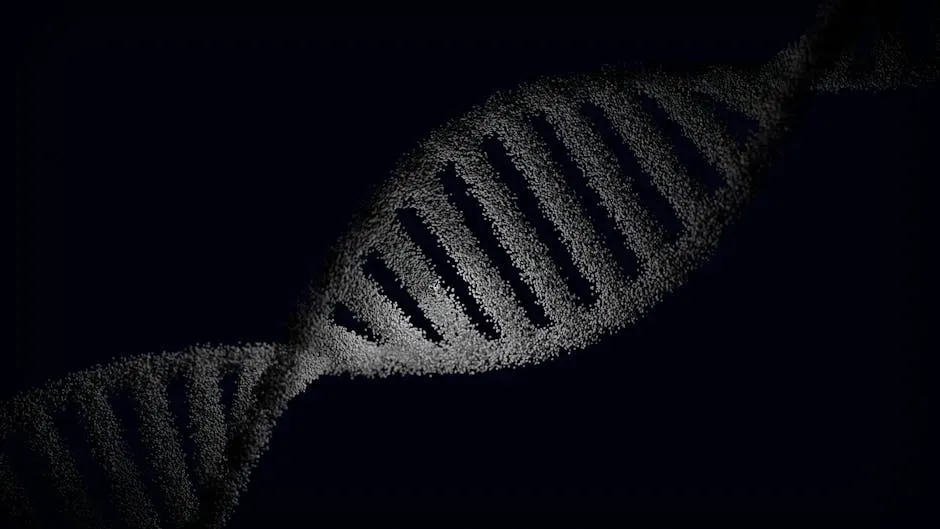
Ancient DNA is still a young field, and it feels like we’re only in the first few chapters of what it will reveal. Techniques are improving so quickly that samples once considered useless are suddenly fair game, from tropical environments where DNA decays fast to urban burial grounds that were excavated long ago. With more inclusive sampling beyond Europe and a few famous sites, we’re likely to see another round of surprises, especially from underrepresented regions like much of Africa, South Asia, and parts of the Americas. The story of humanity is global, and the genetic record is finally starting to catch up to that fact.
On a personal level, I find it oddly comforting that the closer we look, the less “simple” human history becomes. Our ancestors were not marching in clean lines; they were detouring, doubling back, meeting strangers, falling in love across cultural boundaries, and making a thousand small choices that echo in our genomes today. Ancient DNA doesn’t erase the importance of culture or memory, but it anchors them in a shared, messy, deeply interwoven past. Knowing that we are all, in one way or another, children of countless crossings and collisions can be unsettling, but it is also strangely liberating. Did you expect that?