

Think about the last time a song from your childhood came on and, out of nowhere, you felt a wave of emotion and could almost smell the room you used to play in. That strange collision of feeling and remembering is not random at all; it’s your brain running an incredibly complex, lightning‑fast choreography that science is only now beginning to map in detail. Over the last few years, breakthroughs in brain imaging, genetics, and computational modeling have started to show how emotion and memory are tightly braided together, rather than living in separate mental boxes.
Researchers are learning that our brains don’t just store what happened, they store how it felt, who we were at the time, and what might matter for our future survival. The result is that memory is less like a hard‑drive and more like a living story that gets edited every time we recall it. That’s both inspiring and a little unsettling: the things we’re most sure about can quietly shift, nudged along by feelings we’re barely aware of. Understanding how this works isn’t just a neat science trick; it has real consequences for trauma, mental health, learning, and even how we see ourselves.
The Emotional Gatekeepers: Amygdala and Hippocampus Working in Tandem
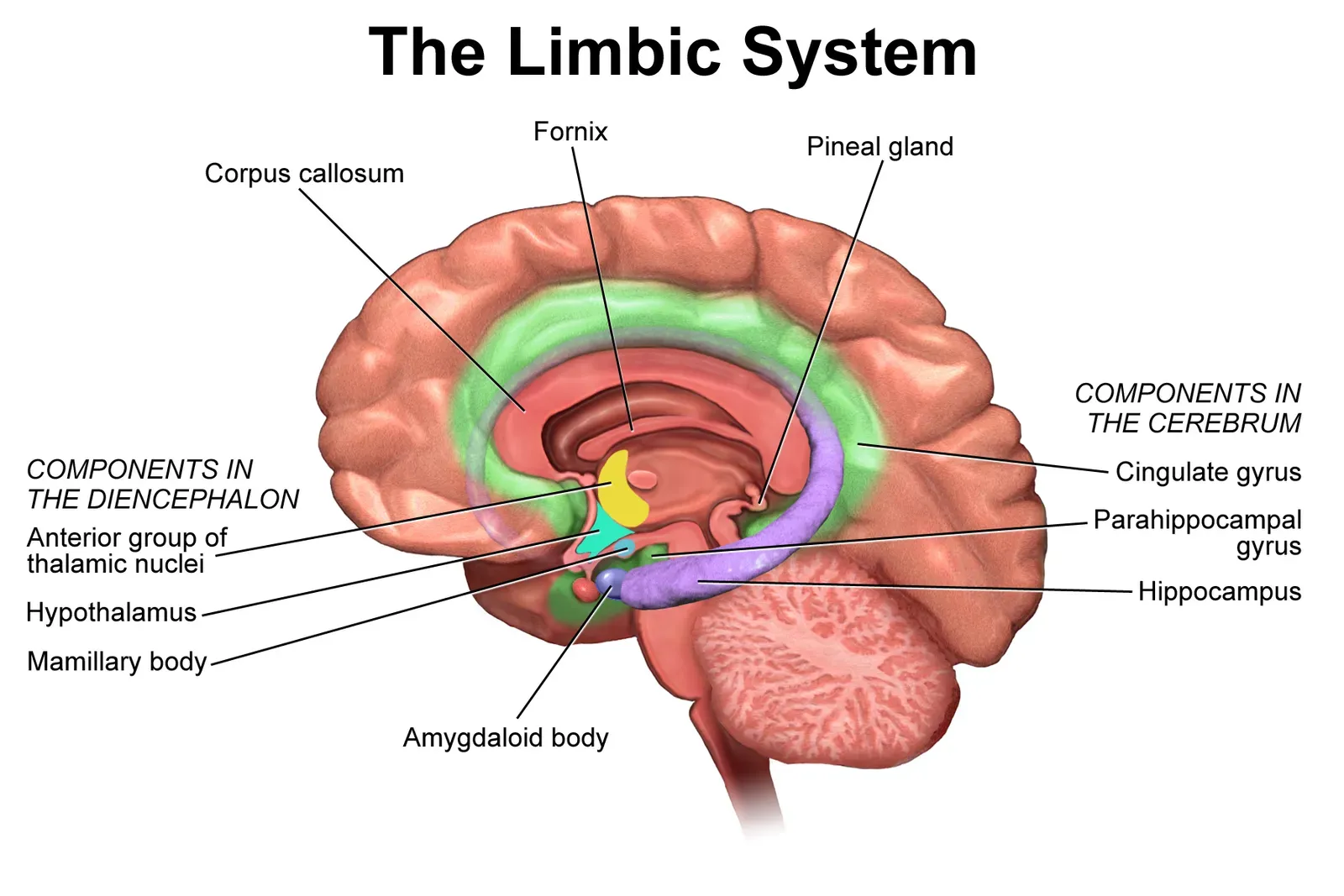
One of the most striking discoveries of the last two decades is just how tightly the amygdala (often called the brain’s emotion alarm system) and the hippocampus (a key memory hub) work together. When something emotionally intense happens, the amygdala acts like a red‑flashing “importance” tag, telling the hippocampus: this one matters, save it in high resolution. Imaging studies using functional MRI have shown that when people form strong emotional memories, activity in these two regions rises and falls in sync, like two musicians playing a duet.
This duet helps explain why we remember breakups, accidents, and big wins in vivid detail, while we forget most Tuesday afternoons. Under stress, hormones like adrenaline and cortisol surge, modulating the way the hippocampus encodes experience, sometimes sharpening memory and sometimes scrambling it if the stress is extreme or chronic. In conditions like post‑traumatic stress, the emotional tagging can become so strong that memories feel as if they’re happening right now, instead of in the past. That same system, in calmer doses, is what makes emotional teaching moments, heartfelt stories, or embarrassing mistakes stick so powerfully in our minds.
Memories Aren’t Files: The Brain Constantly Rewrites the Past
Many people still imagine memory as a recording you can rewind and replay, but neuroscientists now see it more like a living Wikipedia page that gets updated whenever you open it. The process is called reconsolidation: when you recall a memory, the neural pattern that encodes it becomes temporarily flexible, which can strengthen, distort, or even weaken the original trace before it gets “saved” again. Experiments have shown that adding new emotional information during this window can change how people later feel about a memory, sometimes in surprisingly durable ways.
This plasticity helps explain why siblings can remember the same family event so differently, each one reshaping the story through their current beliefs and moods. It also opens the door to new therapies, where carefully reactivating painful memories in a safe context and then pairing them with new emotional experiences can reduce their sting. There’s a flip side, though: it means that emotionally charged misinformation or repeated retellings can subtly bend our recollections over time. Our sense of a solid, fixed past is comforting, but under the hood, the brain is constantly editing, trimming, and rewriting the emotional tone of what we think we know.
Prediction Machines: How Emotion and Memory Help Us Guess the Future

Brain research in the last decade has increasingly supported the idea that the brain is a prediction machine, using past experience to guess what’s likely to happen next. Emotion and memory are at the core of this process, providing a library of “if this, then that” patterns that shape our reactions before we’re even aware of them. When you walk into a dark alley and your heart speeds up, your brain is drawing on a vast archive of scenes, stories, and warnings that have been emotionally tagged as dangerous, even if you’ve never personally been attacked.
Networks connecting the hippocampus, prefrontal cortex, and emotion centers simulate possible futures, almost like running mental movie trailers, and they use emotional signals as a shortcut for value: is this scenario good, bad, or worth avoiding altogether? This system is incredibly efficient but imperfect, which is why we can overreact to harmless situations that resemble past threats, or underestimate new risks that don’t match our emotional templates. The same predictive engine also powers imagination and creativity, letting us recombine fragments of past memories into new ideas, plans, and solutions – essentially using yesterday’s feelings to steer tomorrow’s choices.
Hidden Layers: How the Body Shapes Emotional Memory

In the last few years, scientists have been paying more attention to how the body and brain form a single emotional system, rather than treating the brain as a floating command center. Signals from the heart, gut, lungs, and immune system travel constantly to the brain, especially to regions involved in both emotion and memory. When your heart is racing or your stomach is tense, the brain doesn’t just notice; it uses those bodily signals as part of the emotional coloring of whatever you’re experiencing at that moment.
This is one reason why a memory of a public speech can make your palms sweat years later, or why recalling an old argument can bring back a tightness in your chest. Research on interoception – the sense of the internal state of the body – suggests that people who are more tuned in to their bodily signals often experience emotions more intensely and recall emotional events in richer detail. On the flip side, chronic inflammation or disrupted sleep can bias the whole system toward anxiety or low mood, subtly shaping which memories stand out and how threatening the world feels. In a very real way, our emotional memories are written not just in neurons, but in heartbeats and gut feelings.
Trauma, Fear, and the Hope of Rewiring

Traumatic experiences offer a stark example of what happens when emotional tagging in the brain goes into overdrive. In trauma, fear circuits centered around the amygdala become hypersensitive, while regions involved in context and control, like parts of the prefrontal cortex and hippocampus, may become less coordinated. This imbalance can trap people in a loop where harmless cues – a smell, a sound, a date on the calendar – trigger intense emotional flashbacks, as if the brain is stuck replaying danger signals at maximum volume.
The encouraging news is that therapies informed by brain science are finding ways to gently reshape these circuits. Approaches like exposure‑based treatments, certain forms of talk therapy, and newer techniques that combine memory reactivation with calming or positive experiences are showing that even entrenched fear memories can be updated rather than simply suppressed. Brain imaging studies have documented changes in connectivity between emotional and regulatory regions as people recover, suggesting that the brain is not locked into trauma patterns forever. It’s more like a city whose traffic system can be redesigned, slowly redirecting emotional “traffic” along safer routes with repeated practice and support.
New Tools: What Brain Scanners and AI Are Revealing About Feeling and Remembering
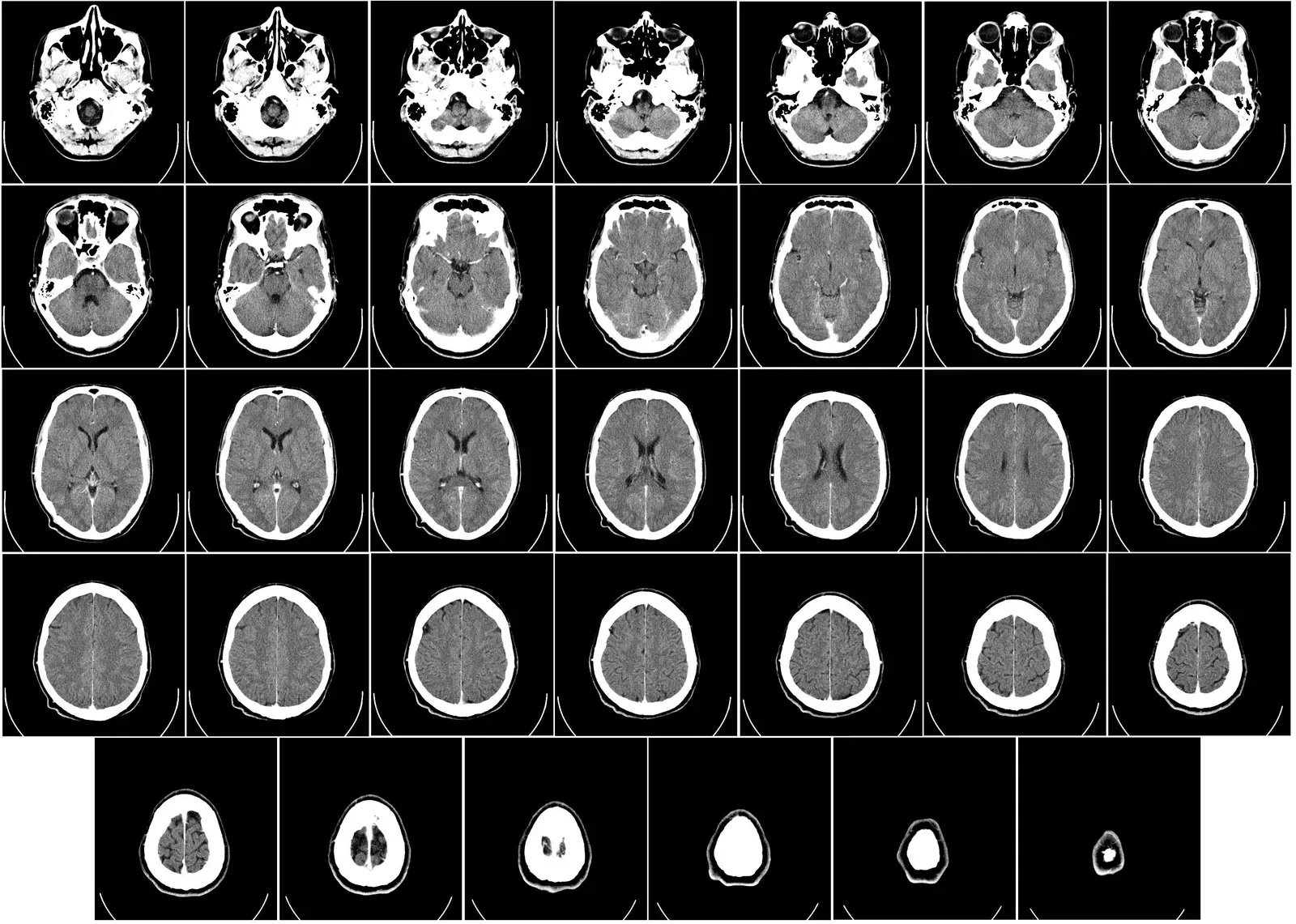
The tech used to study the emotional brain has become dramatically more powerful and more precise, giving researchers a front‑row seat to processes that were mostly invisible a generation ago. High‑resolution brain imaging can now track activity in tiny subregions of the hippocampus, showing which patterns come online when people recall a happy memory versus a fearful one. At the same time, noninvasive techniques like transcranial magnetic stimulation let scientists nudge specific networks and see how that changes emotional reactions and recall, offering early clues about potential interventions.
Artificial intelligence is adding another layer, helping decode complicated patterns of brain activity that would be impossible to interpret by eye. Machine‑learning models can be trained to recognize the neural signatures of particular emotional states or memory contents, in some cases predicting what kind of image or scene a person is remembering. While this is still far from any kind of mind‑reading in everyday life, it’s already reshaping theories about how thoughts and feelings are represented. These tools are also revealing how variable brains are from person to person, suggesting that emotional memory is not just one system, but many subtly different ones, tuned by genes, upbringing, and life experience.
Shaping the Self: How Emotion and Memory Build Who We Think We Are

When you think about who you are, you’re really thinking about a story your brain has been assembling out of emotional memories since childhood. The moments that carry the most feeling – being praised, being embarrassed, being rejected, feeling loved – get extra weight in that narrative, acting like anchor points for your identity. Over time, the brain starts to preferentially recall memories that fit the story you already believe, whether that story is “I’m resilient,” “I’m unlucky,” or “I always mess things up,” creating a self‑reinforcing loop.
Recent work in social and cognitive neuroscience suggests that the networks we use to remember our own past heavily overlap with those we use to imagine other people’s minds and to think about our future selves. That means revisiting emotional memories in new ways, with new interpretations, can literally shift how you see yourself and what you consider possible. Simple practices like journaling with a focus on different meanings, or consciously recalling times you handled difficulty well, are not pop‑psych tricks; they’re ways of giving your brain new emotional material for its self‑story. In a sense, understanding how emotion and memory intertwine gives us a small but real lever to reshape who we’re becoming, not just what we recall.
Living With a Storytelling Brain

All these discoveries point to a simple but profound reality: our brains are not neutral recording devices, they’re storytelling organs that use emotion to decide what matters, what to keep, and how to stitch it together. Every day, quietly and automatically, your mind is highlighting events, fading others, and adjusting their emotional tone based on what it thinks will help you navigate the future. That means your inner world is always a bit of a construction site, with memories being reinforced, softened, or reinterpreted in the background while you go about your routine.
There’s something both humbling and empowering in that. We may never have total control over what hits us emotionally or what sticks, but we’re not helpless passengers, either. By paying attention to how feelings color our recollections, by seeking out healthier emotional experiences, and by challenging the old stories that no longer serve us, we can gently nudge the system in a better direction. The brain’s way of processing emotion and memory is not fixed architecture; it’s more like a living garden that responds to what we plant and how we tend it. Knowing that, what small story would you like your brain to start rewriting first?