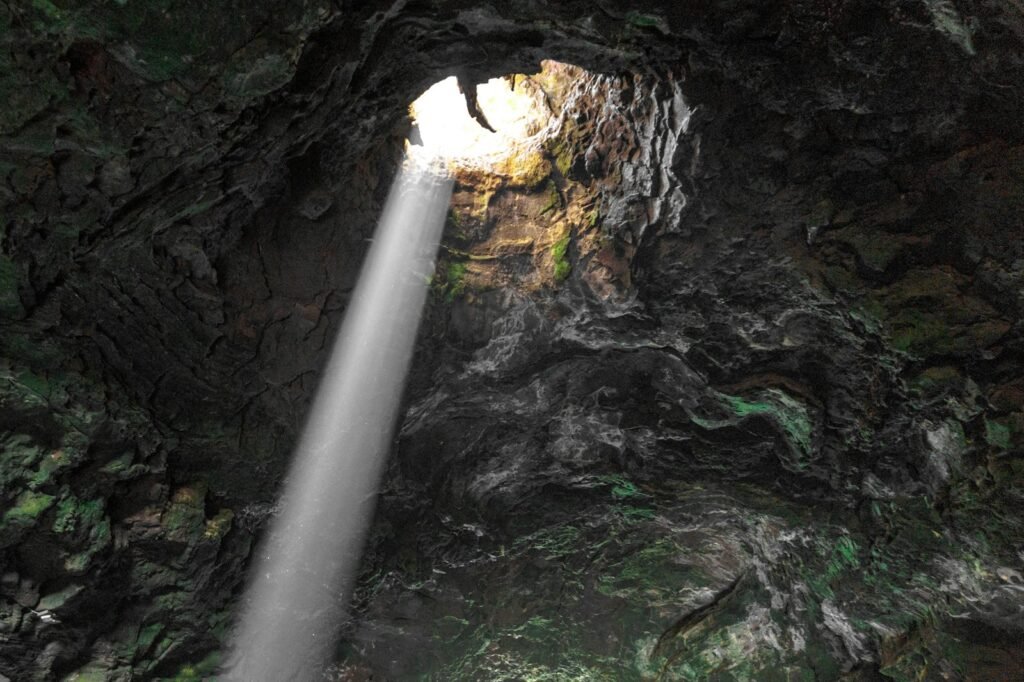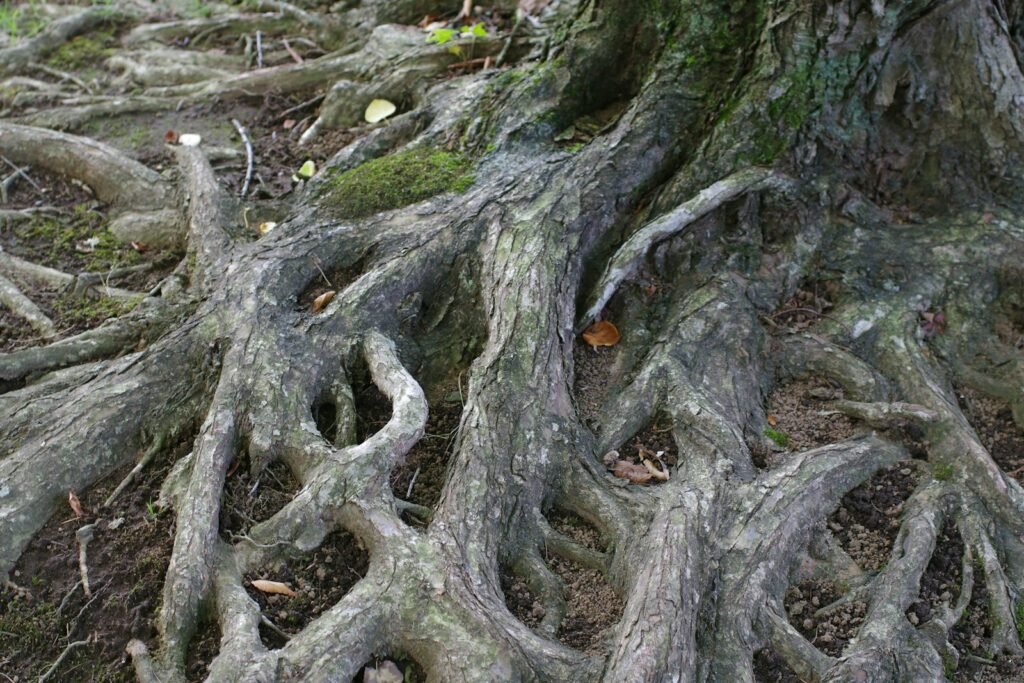

For centuries, forests have been treated like collections of silent, solitary organisms, each tree competing for light, water, and space in a quiet battle for survival. But a wave of research over the last decade has painted a far stranger, more thrilling picture: plants are not just passive greenery, they are information hubs plugged into an underground network. This so‑called hidden network links roots, fungi, and soil into a web where signals travel, resources are shared, and warnings can spread. The result is forcing scientists to rethink what an ecosystem is, and what words like cooperation, intelligence, and even communication might mean. It is not that trees are secretly plotting like characters in a fantasy novel, but that nature has evolved a form of connectivity that feels uncannily like a biological internet beneath our feet.
The Hidden Clues
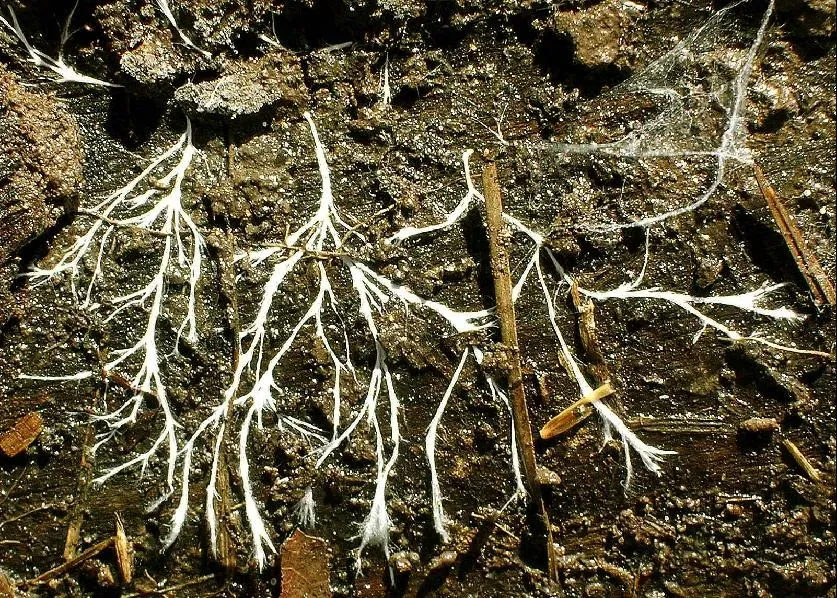
Walk through a forest and it is easy to believe each tree lives its own isolated life, but the soil tells a completely different story. Under the leaf litter, fine fungal threads called mycelium twine around roots, creating structures that act like tiny biological cables. When researchers traced the flow of carbon and nutrients in these systems, they discovered that resources regularly move from one plant to another, even across species. In some cases, older trees appeared to funnel extra carbon to shaded seedlings that would otherwise struggle to survive, a pattern that looks far less like blind competition and more like a quiet support system. Experiments using isotopic tracers showed that a single tree can be linked to dozens of neighbors through this network, revealing how deeply embedded each plant is in its community.
Equally surprising are the chemical signals that seem to hitch a ride along the same underground routes. When one plant is attacked by insects or stressed by disease, levels of certain defense-related compounds change not only in its own tissues but in nearby plants that have not yet been touched. Scientists have shown that those neighbors often respond by boosting their own defenses in advance, as if alerted by a warning message. Above ground, plants also send signals into the air through volatile chemicals, but the underground network adds a protected, more direct channel that works even in still or damp conditions. These hidden clues suggest that what looks like a quiet forest is, in reality, humming with low-level messages moving invisibly through the soil.
From Ancient Tools to Modern Science
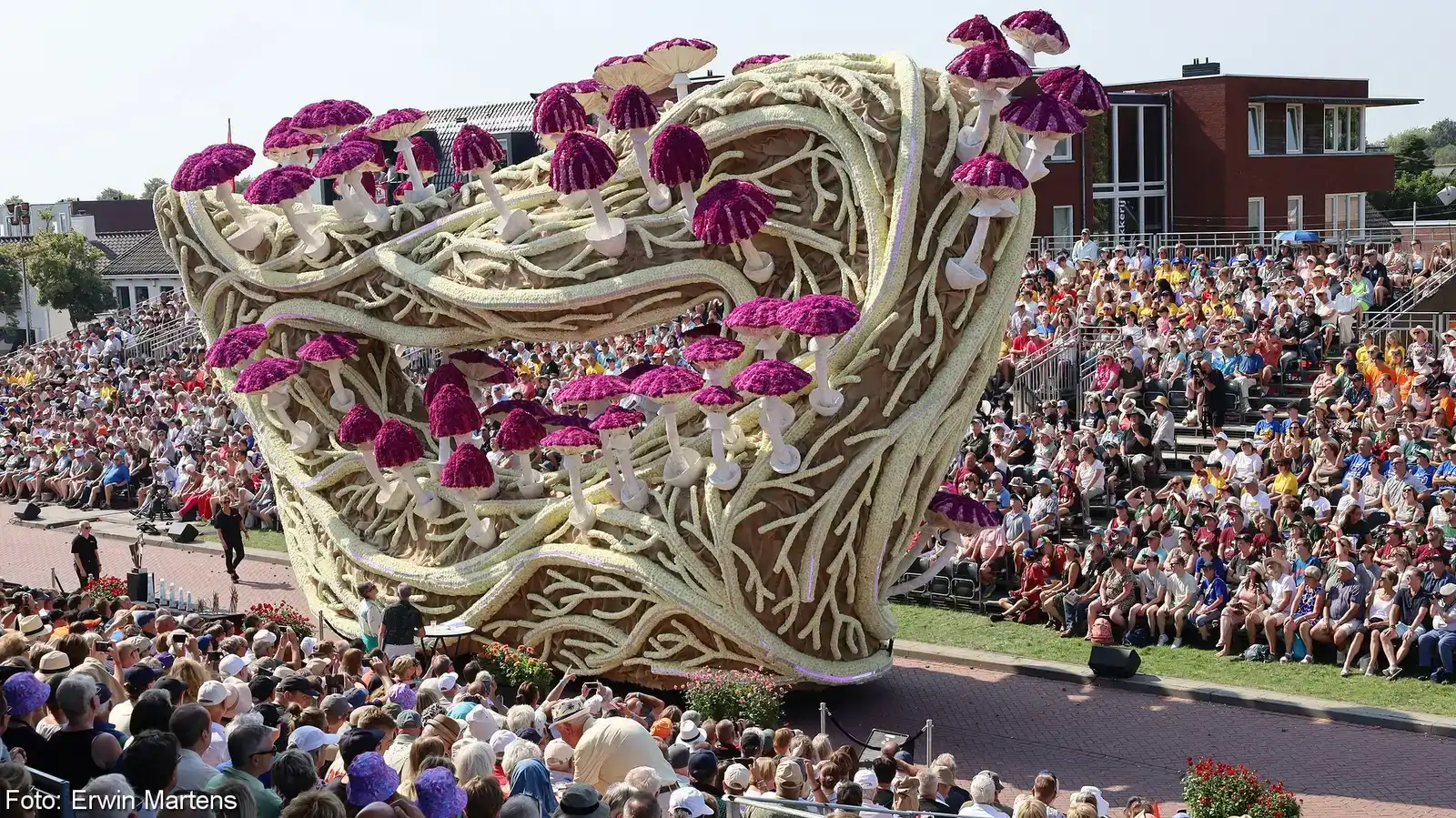
The basic partnership at the heart of this hidden network is not new at all; it is one of the oldest deals in evolutionary history. Fungi and plants have been cooperating for hundreds of millions of years, long before mammals walked the Earth. The fungi help plants pull in water and nutrients such as phosphorus and nitrogen, and in return they receive carbon-rich sugars produced by photosynthesis. Early botanists and ecologists knew about these mycorrhizal relationships, but largely treated them as simple trade agreements between individual partners rather than as components of a vast shared infrastructure. Only when modern tools arrived did the full scale of the network begin to emerge.
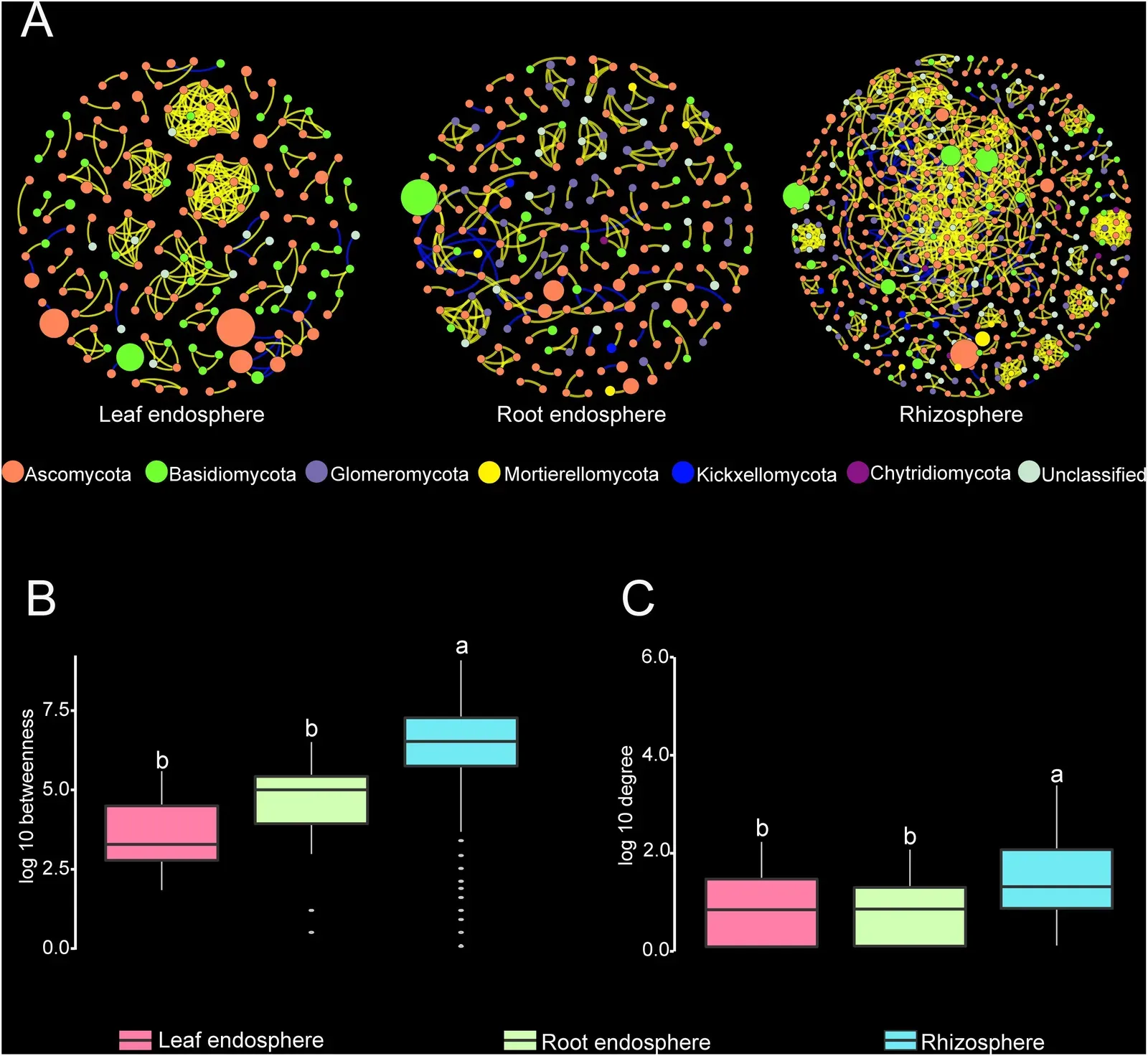
With the help of radioactive tracers, DNA sequencing, and high-resolution imaging, researchers in the late twentieth and early twenty-first centuries started mapping exactly which roots connected to which fungal strands. They discovered sprawling fungal superhighways stretching across large patches of forest and grassland. Some fungal species appear to act like general contractors, linking many plant species at once, while others specialize in just a few partners. Alongside this, computers and network theory borrowed from telecommunications and social science helped researchers analyze how information or resources might move through such systems. Suddenly, what once looked like a loose tangle of roots and threads started to resemble a well-connected graph, complete with hubs, bottlenecks, and critical nodes.
A New Language of Signals
One of the most evocative ideas emerging from this work is that plants and fungi share something resembling a language, even if it is nothing like human speech. Instead of words, their messages are built from changing concentrations of chemicals, shifts in nutrient flow, and subtle electrical fluctuations along membranes. When a plant under attack by aphids alters its biochemistry, that change can ripple into the network and trigger responses in neighbors connected to the same fungal web. In controlled laboratory experiments, plants shielded from air-borne chemicals have still responded to stress experienced by their underground partners, which strongly suggests the signals are traveling through roots and fungi rather than drifting through the air. The patterns are complex enough that some researchers have cautiously compared them to coded messages or phrases.
Scientists are careful not to claim plants are speaking or thinking in any human sense, but it is hard to ignore how organized some of these responses are. In certain systems, plants linked by fungi appear better able to coordinate flowering times or adjust to changes in light and moisture. There are even hints that the strength and direction of connections can change over time, almost like a constantly updating conversation. What we are discovering is less a single universal plant language and more a diverse set of dialects shaped by species, soil types, and local conditions. It raises a simple but profound possibility: that communication, at its core, is not a human invention but a general property of life using whatever channels evolution has provided.
Rethinking Plant Intelligence

These discoveries have reopened a long-running debate over whether plants can be considered intelligent, or whether that label should be reserved for animals with brains and nervous systems. Traditional views saw plants as reactive rather than proactive, responding slowly and mechanically to sunlight, gravity, and moisture. Yet when we see plants sending early warnings, redistributing resources, and tailoring responses to different types of threats, the old picture feels incomplete. Some biologists now argue for a broader definition of intelligence that focuses on problem-solving and adaptation rather than on neurons alone. Under that lens, a forest becomes a community of agents sharing information, testing strategies, and surviving collectively over centuries.
Of course, there is pushback from scientists who worry that terms like intelligence and communication can be misleading, especially when translated into popular media. They point out that what looks like cooperation may often be the result of selfish processes that accidentally benefit neighbors. A fungus moving resources between plants, for example, might be maximizing its own carbon intake rather than kindly supporting weaker trees. Both views can be true at once: the network can arise from competition and still create emergent patterns of support and coordination. Either way, we are being forced to accept that plants are active participants in their environment, sensing, signaling, and adjusting in ways that we are only just learning how to measure.
Why It Matters
Understanding this hidden plant network is not just an intellectual curiosity; it changes how we manage forests, farms, and even our climate strategies. When logging or land clearing tears up soil and removes certain tree species, it is not only the visible trunks that disappear but also key fungal hubs that quietly supported the rest of the community. That can make reforestation harder, because young plants may lack the underground partnerships that help them survive drought, disease, and nutrient-poor conditions. Modern agriculture has often favored heavy fertilizer use and monocultures that disrupt or replace these natural networks, sometimes making crops more vulnerable in the long run. If we instead recognize soils as living, connected systems, it pushes us toward gentler, more regenerative approaches that protect the microscopic wiring beneath the surface.
This matters for climate, too, because the underground network is a major player in how carbon is stored in ecosystems. Fungi help move and lock away plant-derived carbon in complex soil structures that can persist for years to centuries. When those networks are disturbed, carbon can be released back into the atmosphere much faster, accelerating warming. On the other hand, restoring healthy plant–fungus partnerships could enhance natural carbon sinks and support more resilient landscapes in a changing climate. In a way, learning the rules of this hidden communication system gives us a chance to work with nature’s own infrastructure instead of constantly fighting against it.
Global Perspectives
While many of the most publicized studies have focused on temperate forests in North America and Europe, similar hidden networks are now being documented across the globe. In tropical rainforests, where biodiversity is staggering, fungal connections may help rare species establish themselves among fierce competition. In grasslands and savannas, hardy mycorrhizal partners can allow plants to survive punishing droughts and poor soils, sometimes making the difference between a functioning ecosystem and a barren landscape. Even in high-latitude boreal forests and tundra, researchers have found intricate root–fungus webs that adapt to cold, nutrient-limited conditions. Each region has its own version of the underground network, tuned to local climate, geology, and evolutionary history.
What is striking is how these systems reveal a blend of universal patterns and regional quirks. Certain fungal groups show up again and again as major connectors, almost like global telecom providers of the soil. Yet the particular ways that carbon and nutrients move, or the specific benefits shared among partners, can vary dramatically from one biome to another. This global lens is pushing scientists to collaborate across borders, pooling data from different continents to see which rules hold everywhere and which are unique. For many Indigenous communities, the idea of connected, communicating landscapes is not new at all but echoes long-standing cultural understandings of land as a living web. Science is, in some ways, finally catching up with those perspectives using microscopes and sensors instead of stories and tradition.
The Future Landscape
Looking ahead, the hidden plant network is poised to influence technologies and policies in ways that would have sounded almost fanciful a generation ago. On the research side, more sensitive sensors, machine learning tools, and imaging techniques are being used to track signals and nutrient flows in real time. Some teams are experimenting with ways to harness mycorrhizal fungi in agriculture, engineering crop systems that lean more on biological partnerships and less on synthetic inputs. There is growing interest in designing reforestation and urban greening projects that deliberately seed beneficial fungi alongside young trees, effectively pre-wiring new ecosystems for connectivity. The hope is that these approaches will make landscapes more resilient to heat waves, pests, and extreme weather.
At the same time, there are real challenges and risks. We still do not fully understand how delicate these networks are, or how easily they might be thrown out of balance by climate change, pollutants, or invasive species. There is a temptation to see fungal networks as tools we can optimize or control, when in reality they are complex, evolving systems shaped by millions of years of natural selection. Policymakers will need to decide how to protect underground biodiversity in the same way we already try to safeguard charismatic animals or iconic trees. The future landscape will not just be defined by what we can see on the surface, but by whether we respect and nurture the invisible architecture that supports it all.
How We Can Respond
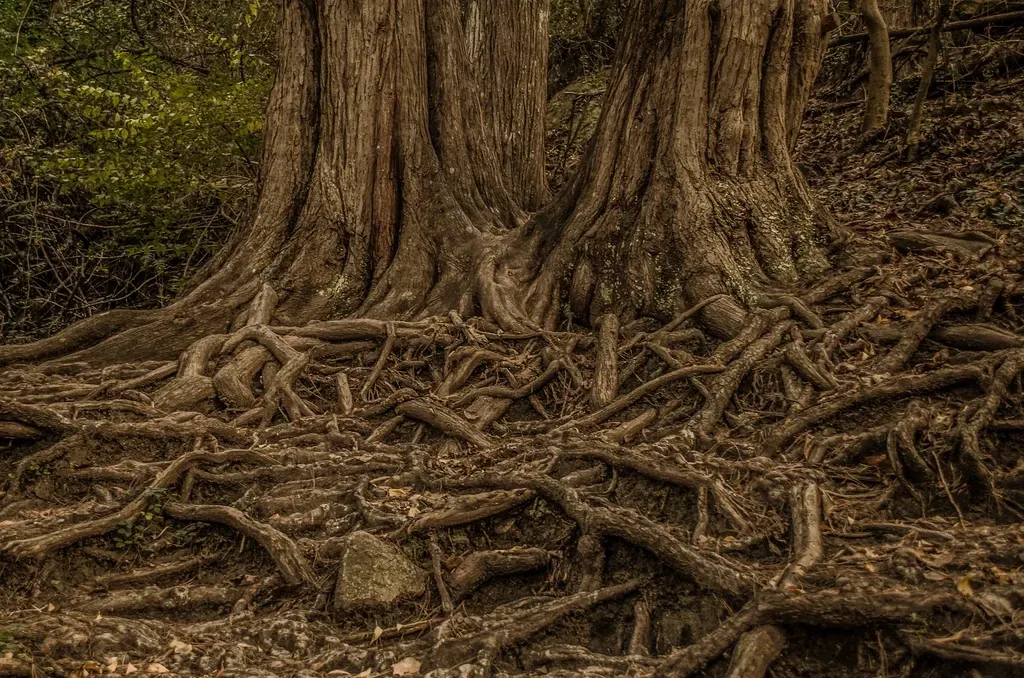
For most of us, the idea of plants communicating through a hidden network may feel abstract, but there are concrete ways to respond. On a personal level, small choices in gardens and yards can either support or damage these underground systems. Planting diverse native species, disturbing soil less often, and avoiding unnecessary chemicals all help fungal partners thrive. Supporting local conservation projects and community forests means backing groups that are learning to manage land with the hidden network in mind. Even simply sharing this story shifts how people think about the patches of green around them, replacing the image of silent scenery with one of active, interconnected life.
At a broader scale, paying attention to policies about land use, forestry, and agriculture becomes a way to advocate for the invisible world underfoot. Readers can follow and support scientific organizations that study soil ecology and fund long-term experiments, because these networks operate on timescales far longer than election cycles. Educational programs that introduce children to fungi, roots, and soil organisms can foster respect for the living world beyond the obvious animals and flowers. The next time you step into a park or woodland, it is worth pausing to imagine the web just beneath your feet, pulsing with quiet exchanges. That simple shift in perspective might be the first step toward treating the Earth less like a stage set and more like a conversation we have only just learned to overhear.
Suhail Ahmed is a passionate digital professional and nature enthusiast with over 8 years of experience in content strategy, SEO, web development, and digital operations. Alongside his freelance journey, Suhail actively contributes to nature and wildlife platforms like Discover Wildlife, where he channels his curiosity for the planet into engaging, educational storytelling.
With a strong background in managing digital ecosystems — from ecommerce stores and WordPress websites to social media and automation — Suhail merges technical precision with creative insight. His content reflects a rare balance: SEO-friendly yet deeply human, data-informed yet emotionally resonant.
Driven by a love for discovery and storytelling, Suhail believes in using digital platforms to amplify causes that matter — especially those protecting Earth’s biodiversity and inspiring sustainable living. Whether he’s managing online projects or crafting wildlife content, his goal remains the same: to inform, inspire, and leave a positive digital footprint.