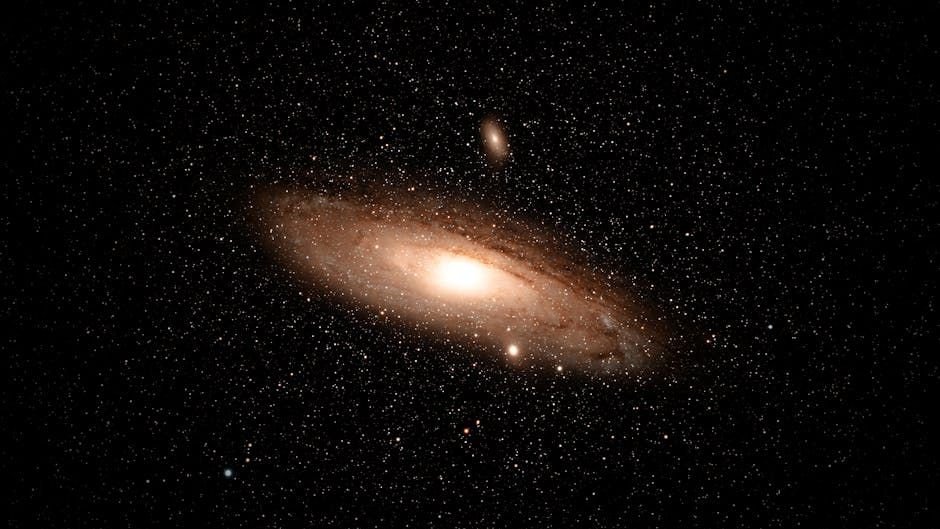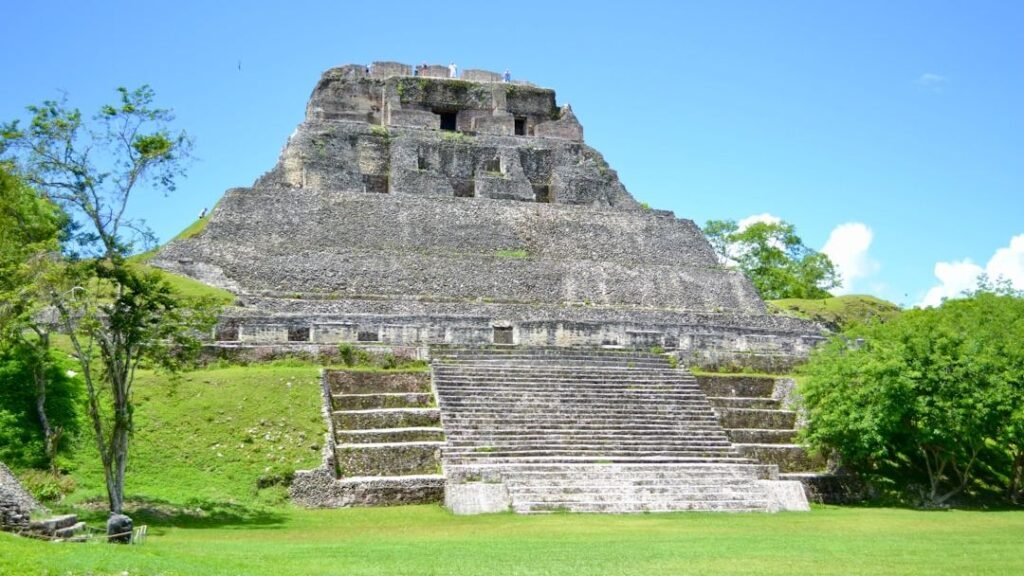

There is something almost unsettling about standing before a structure built thousands of years ago by people who had no computers, no cranes, and in some cases, no written language. You look at it and you think: how? The question feels almost too big to ask. Yet here we are in 2026, armed with radar satellites, AI, and laser-scanning drones, and honestly, many of the answers still refuse to come quietly.
From the fog-draped plains of southern England to the sun-scorched deserts of Peru, ancient structures continue to defy explanation in ways that fire the imagination and humble even the most seasoned archaeologists. Every year brings a new discovery that makes us rethink what we thought we knew. Be surprised by how much mystery still remains.
Stonehenge: The Stones That Should Not Be There
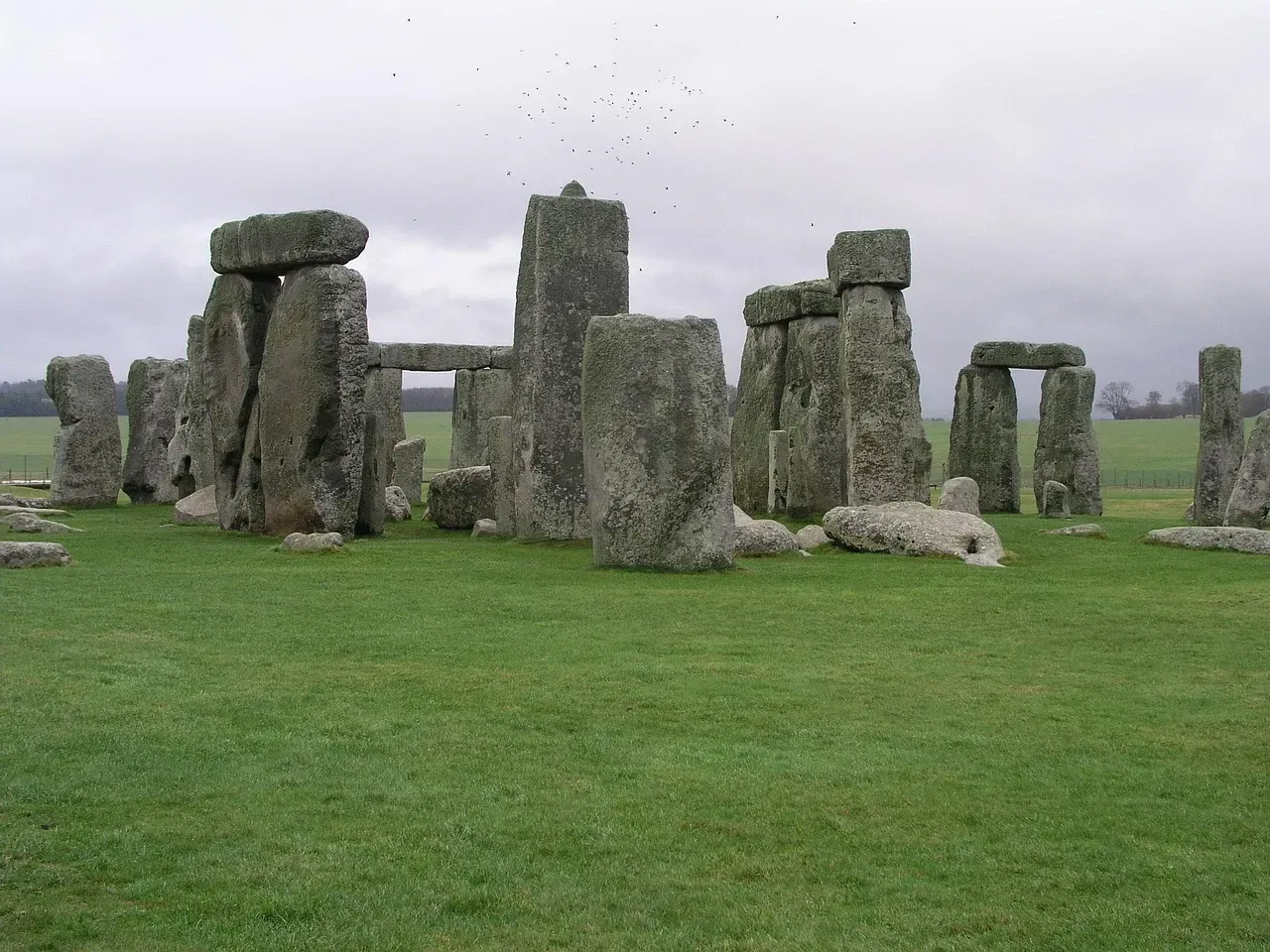
Let’s be real: you probably think you know Stonehenge. A circle of big rocks in England, probably something to do with druids. Honestly, the truth is far stranger and far more impressive than that. Modern scientific inquiry suggests Stonehenge is far older than early scholars believed, with the first stones thought to have been put into place around 3,100 BCE. Yet despite knowing roughly when it was built, we still do not know why.
Research led by Australia’s Curtin University suggests that the Altar Stone, one of the larger pieces of Stonehenge, actually came from Scotland, not the originally believed location of Wales. Think about what that means for a moment. Moving the stone from Scotland would have been significantly harder than from Wales, suggesting the use of unexpectedly advanced transport methods and societal organization. At the time of its delivery, geographical features and the forested nature of Britain made moving around significantly harder than today.
Scientists have found compelling new evidence that humans, not glaciers, brought Stonehenge’s bluestones to the site. Using advanced mineral analysis, researchers searched nearby river sediments for signs glaciers once passed through the area and found none. That missing signature strongly suggests the stones were intentionally moved by people. How they did it remains a mystery, but ice is now largely ruled out.
Recent archaeological discoveries suggest Stonehenge may have served as a burial ground exclusively for the elite. Theories also point to it forming part of a larger ceremonial complex along the nearby River Avon that included Silbury Hill, Durrington Walls, and Woodhenge. The scale of that ambition, stretching across an entire landscape, points to a civilization far more organized and spiritually sophisticated than we once assumed.
The Great Pyramid of Giza: A Monument Still Full of Surprises
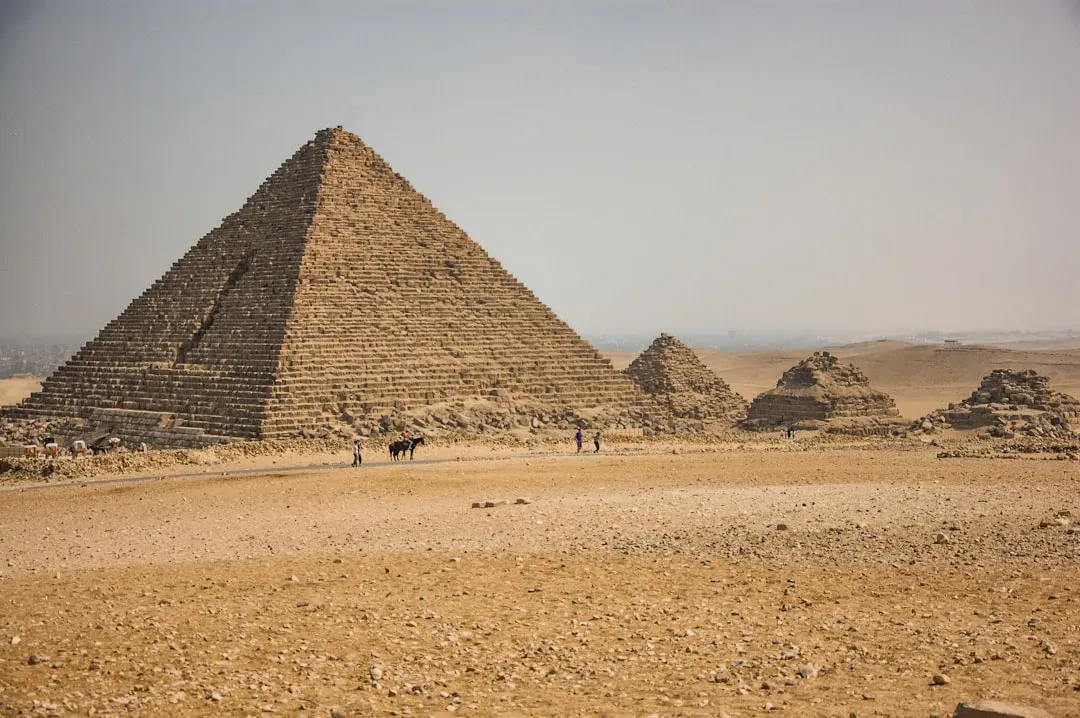
More than 4,000 years after their construction, the pyramids at Giza remain among the most recognizable ancient landscapes. When the Greek historian Herodotus wrote about their grandeur roughly 2,400 years ago, the pyramids were already ancient. To this day, the Giza pyramids fascinate and even surprise archaeologists. Honestly, if one of the most studied monuments on earth is still yielding secrets, what does that say about everything we haven’t looked at yet?
Egyptian antiquities officials have confirmed the existence of a hidden corridor in the Great Pyramid of Giza. Located on the northern side of the Pyramid of Khufu, this corridor was first detected using advanced imaging techniques in 2016. The Great Pyramid was constructed approximately 4,500 years ago during the reign of Pharaoh Khufu and stands as the last of the Seven Wonders of the Ancient World.
A 2025 study by German and Egyptian archaeologists employed radar, electrical resistivity, and ultrasound techniques to investigate a mysterious air-filled void detected beneath the Menkaure pyramid. Images from a remotely operated camera suggest a void on the pyramid’s east side might contain a hidden second entrance. The images, however, show no footprints or other evidence of human activity, and researchers are still unsure about the chamber’s purpose.
Researchers from Cairo University and the Technical University of Munich have discovered two previously unknown air-filled cavities in the Menkaure Pyramid at Giza, the smallest of the three Great Pyramids. This discovery follows the 2023 identification of a previously hidden corridor within the Great Pyramid of Khufu. Together, these findings show how imaging technologies are fundamentally changing the way scholars study ancient Egyptian architecture.
Göbekli Tepe: The Temple That Rewrote Civilization’s Timeline
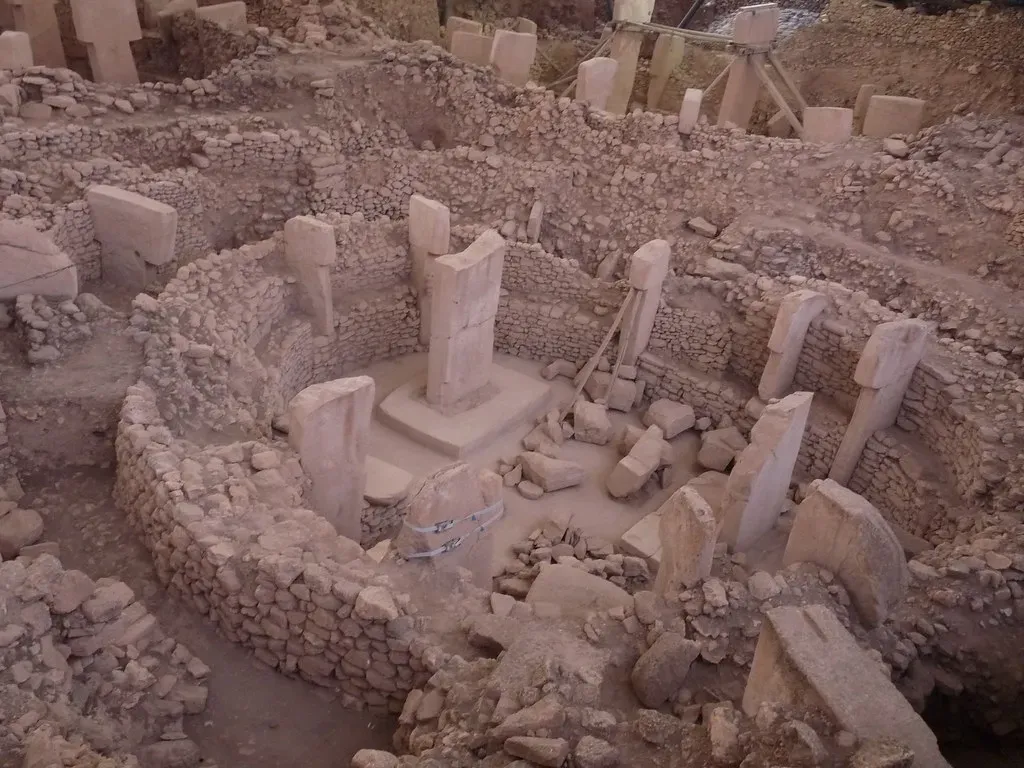
Here is a fact that genuinely should shake you. Göbekli Tepe was built 11,500 years ago, six millennia before Stonehenge, by hunter-gatherers who supposedly could not organize large-scale construction. Supposedly. Because the evidence sitting in southeastern Turkey tells a very different story. This is not a minor site. It is a paradigm-breaking monument.
Predating Stonehenge by over 6,000 years, Turkey’s Göbekli Tepe is a Neolithic archaeological site said to be the world’s oldest known site created by humans. The complex predates both pottery and metal tools. While many questions remain, archaeologists believe it functioned as a religious site, which would make it the world’s oldest temple.
T-shaped pillars at Göbekli Tepe weigh up to 10 tons and feature intricate carvings of animals, symbols, and possible human forms. One of the most intriguing aspects is its symbolic carvings, which depict various animals and abstract symbols whose meanings remain unclear. Scholars have proposed various interpretations, ranging from religious symbolism to representations of the natural world.
Only about ten percent of Göbekli Tepe has been excavated, leaving roughly ninety percent still buried and open to the imagination. Excavations at the nearby Karahantepe site, inhabited from around 9400 to 8000 BCE, have revealed a circular structure measuring almost 17 meters in diameter featuring tiers of stone benches, human and animal sculptures, and carved heads embedded in the walls. The deeper we dig, the more complex the picture becomes.
The Nazca Lines: Desert Messages No One Can Fully Read
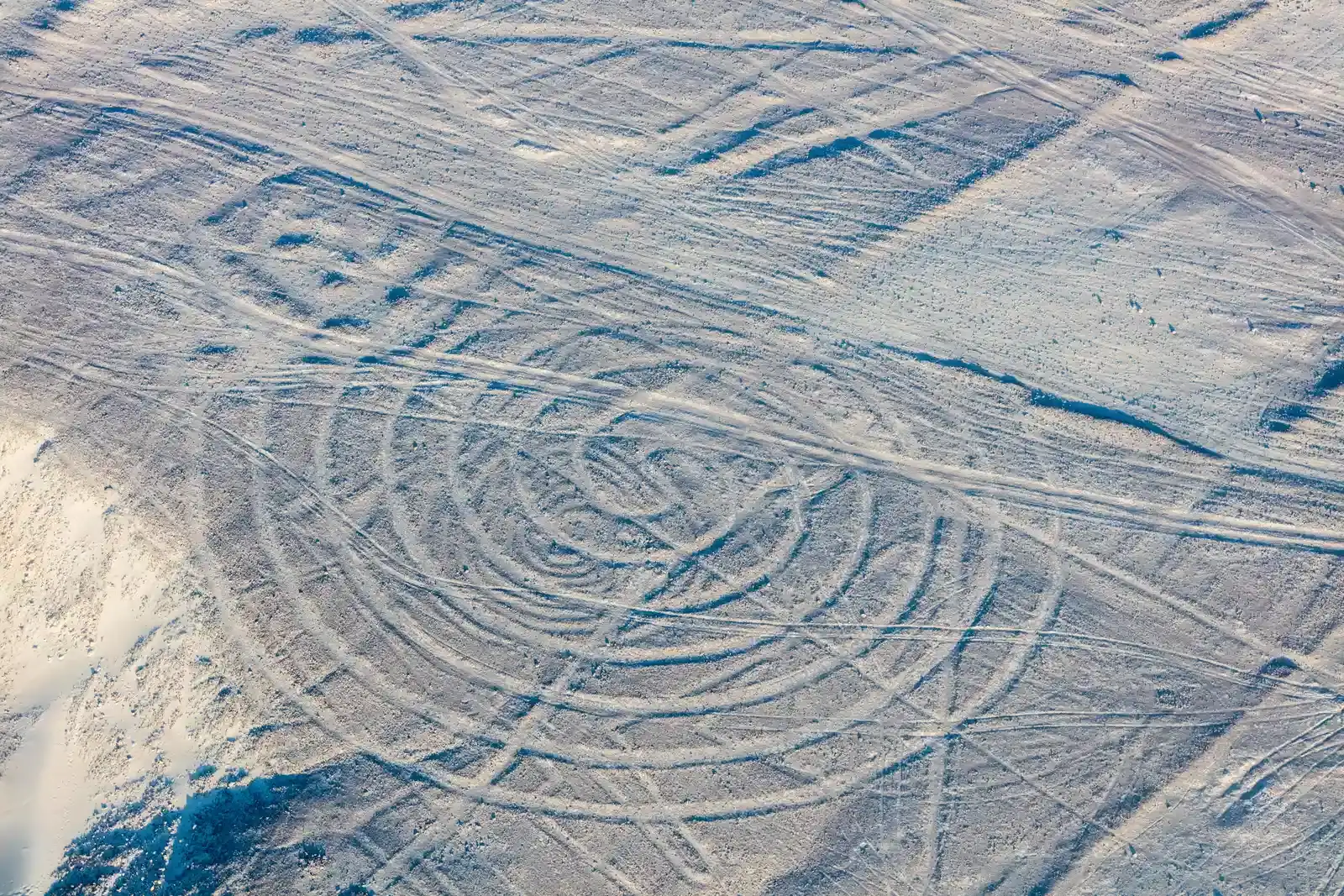
Visible only from above, the Nazca Lines present an enigma that has puzzled scientists and historians for decades. These massive geoglyphs, depicting various animals, plants, and geometric shapes, were etched into the desert floor in southern Peru by the Nazca culture, which thrived from around 500 BCE to 500 CE. Despite lacking aerial technology, the Nazca people managed to create designs best appreciated from the air, raising serious questions about their methods and motivations.
The depictions portray several figures including a monkey, pelican, condor, giant, dog, spider, hands, and hummingbird. There are over 800 straight lines, 300 geometric designs, and about 70 depictions of plants and animals. Think of it this way: imagine drawing a mural the size of a small city on graph paper, with no way to see the whole picture at once. That is roughly what the Nazca people accomplished.
Working with IBM scientists, European and Japanese researchers taught artificial intelligence to spot the geoglyphs within vast swathes of aerial imagery. Professor Masato Sakai from Yamagata University’s Institute of Nazca explains it took his team just six months to discover 303 more figurative geoglyphs, almost doubling the previous total, thanks entirely to the use of AI.
The geoglyphs were made by removing the top 30 to 40 centimeters of brown dirt and pebbles to reveal the light-colored clay and lime beneath. Research suggests that the Nazca used ancient units of measurement to achieve seemingly perfect proportions in their designs. The exact reason behind these well-preserved depictions in the desert is unknown; however, the latest research suggests the lines were used to communicate between settlements. It’s hard to say for sure, but that theory feels tantalizingly close to being enough.
Machu Picchu: The Inca Citadel With Hidden Depths
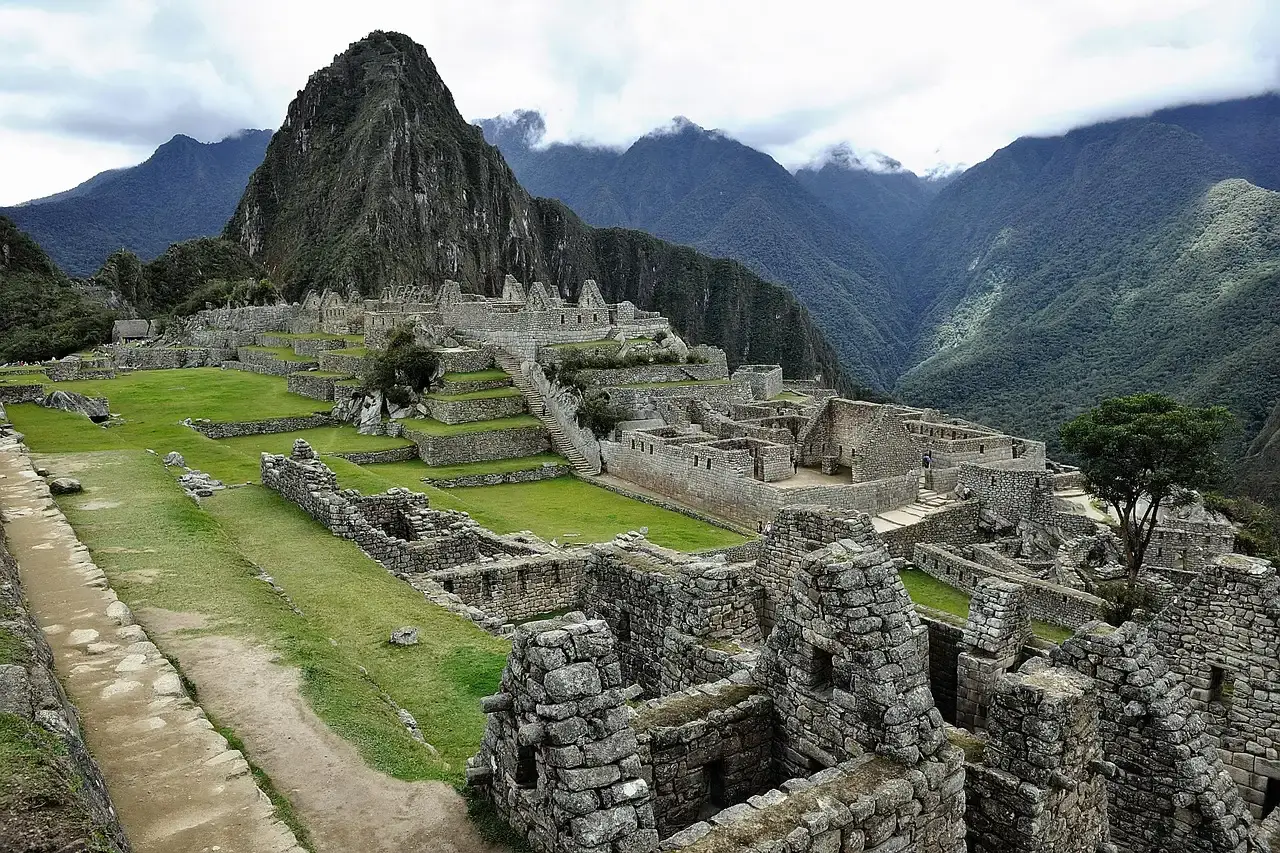
You have seen the photographs. Misty mountaintops, stone terraces, dramatic clouds rolling through the Andes. Machu Picchu is arguably the most photogenic ancient site on the planet. Yet even this iconic landmark has been hiding things from us, and the discoveries being made right now are genuinely astonishing.
Deep within the mist-shrouded mountains surrounding Machu Picchu, cutting-edge laser technology is rewriting our understanding of the ancient Inca civilization. LiDAR technology has revealed over 12 previously unknown structures hidden beneath centuries of dense jungle growth, fundamentally changing how archaeologists view this UNESCO World Heritage site.
Breakthrough discoveries using drone-mounted LiDAR systems have unveiled hidden ceremonial complexes, sophisticated water management systems, and residential areas that suggest Machu Picchu was far more extensive and complex than previously imagined. These findings represent the most significant archaeological discoveries at the site since Hiram Bingham’s initial exploration in 1911. Over a century of research, and still the jungle had more to say.
The LiDAR discoveries mark the beginning of a new understanding of Machu Picchu as part of a vast, sophisticated ceremonial landscape demonstrating the Inca’s mastery of both engineering and spiritual geography. These cutting-edge discoveries prove that even the world’s most famous archaeological sites still hold revolutionary secrets, waiting to be revealed by the marriage of ancient mysteries and modern technology.
Sacsayhuamán: The Fortress That Defies Explanation
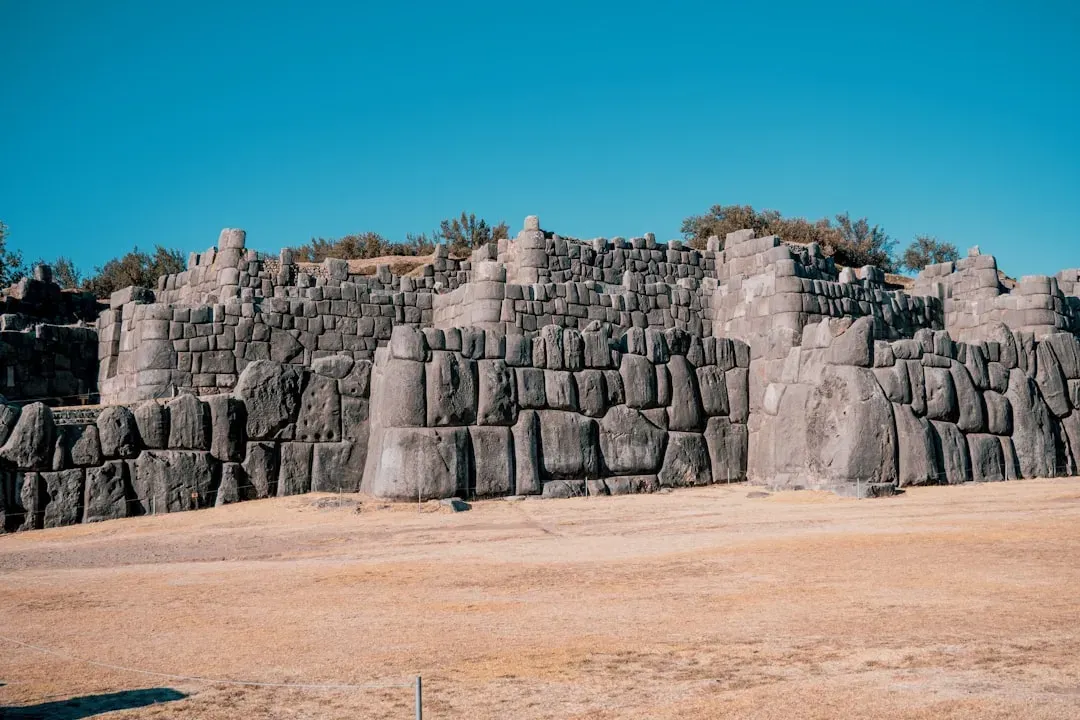
Sacsayhuamán is the name given to a massive Incan stone structure built in the mountains of Peru. Its exact date of construction is not clear, with some experts placing it in the 14th century while others suggest it was built much earlier. Sitting high above the ancient Inca capital of Cusco, this structure looks less like a fortress and more like an impossible jigsaw puzzle left behind by giants.
What makes Sacsayhuamán so spectacular is not the sheer size of the fortress but rather its construction techniques. The massive stone building was assembled using no mortar or other binding substance. The stones all fit snugly together but are not the same shape, suggesting that the architects created the fortress as they went.
How the Incas moved these massive stone blocks, some weighing as much as 100 tons, is a mystery to this day. For context, that is roughly the weight of ten fully loaded semi-trucks. Moving one of those without a wheeled vehicle or domesticated horse sounds impossible. Moving hundreds of them up a mountain and fitting them together with the precision of a Swiss watch sounds downright mythological.
I think what makes Sacsayhuamán so persistently puzzling is that it forces a direct confrontation with a humbling thought: that people we once casually dismissed as “primitive” were operating with a level of engineering ingenuity we have not yet fully decoded. The stones are a standing rebuke to intellectual arrogance.
The Yonaguni Monument: Nature’s Work or Lost Civilization?
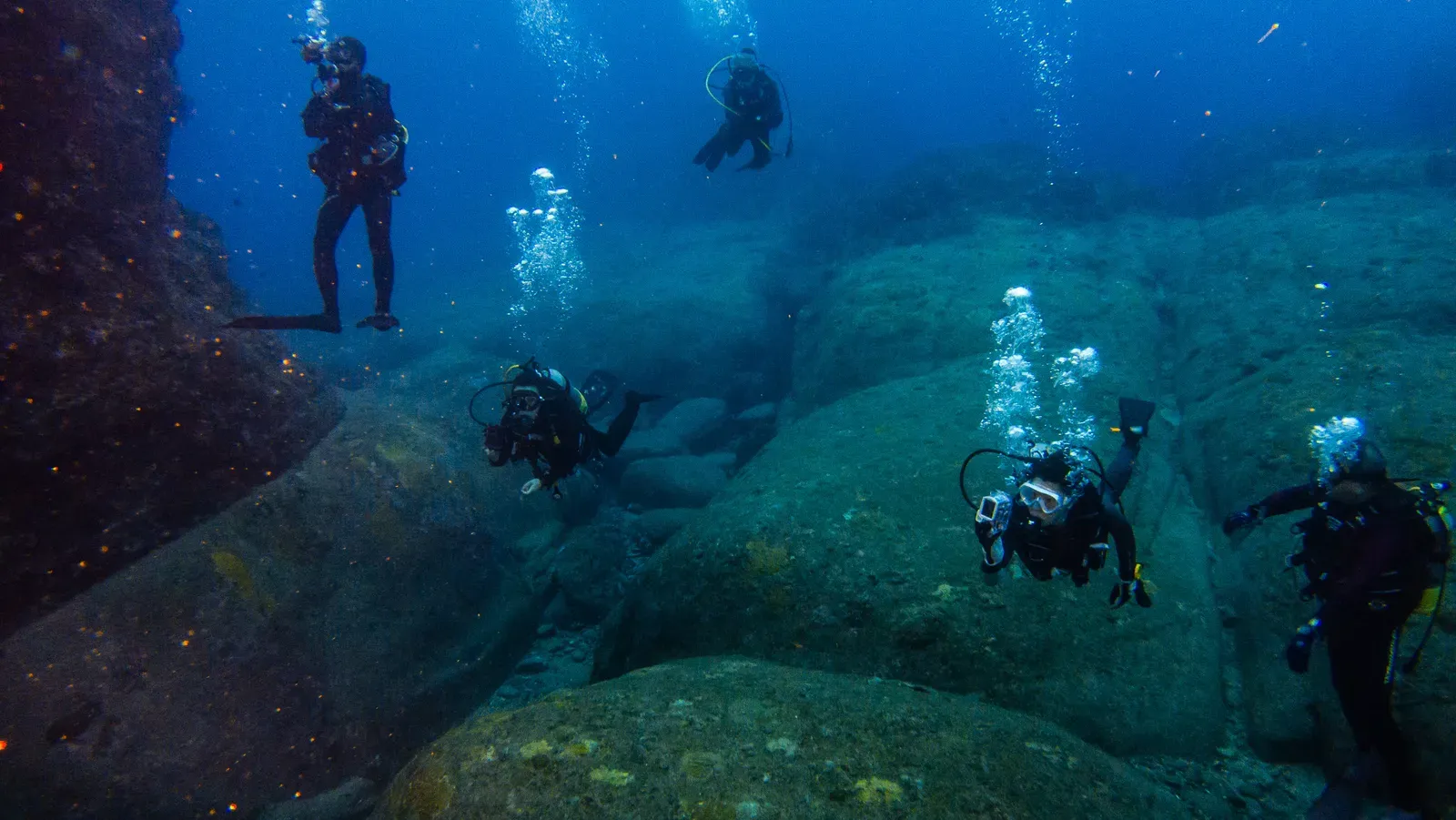
The Yonaguni Monument was first discovered in the 1980s off the coast of Japan by a team of divers. The so-called monument resembles what some describe as the ruined remains of a lost civilization that has since fallen into the ocean. The site sits about five meters below the surface near the island of Yonaguni, and it has divided experts sharply ever since.
Historians, archaeologists, and geologists have heavily disputed this so-called “Japanese Atlantis” as nothing more than a natural formation of rocks caused by the movement of plate tectonics. The Yonaguni Monument will most likely remain a source of endless intrigue and mystery until further research and exploration of the site are conducted.
The debate itself is fascinating. On one side, you have geologists pointing to known natural processes that can create angular, stepped formations in sandstone. On the other, you have researchers who point to the uncanny regularity of the terracing, the carved-looking channels, and the sheer dramatic geometry of the structure. Both camps have a point. Neither can fully silence the other.
Honestly, the Yonaguni Monument might be the perfect metaphor for all of these ancient mysteries. We see what looks like intentional design. We find natural explanations that are plausible but incomplete. The ocean keeps its secrets well, and the truth sits somewhere beneath the waves, patient and undisturbed.
Karahan Tepe: Göbekli Tepe’s Even More Mysterious Sister
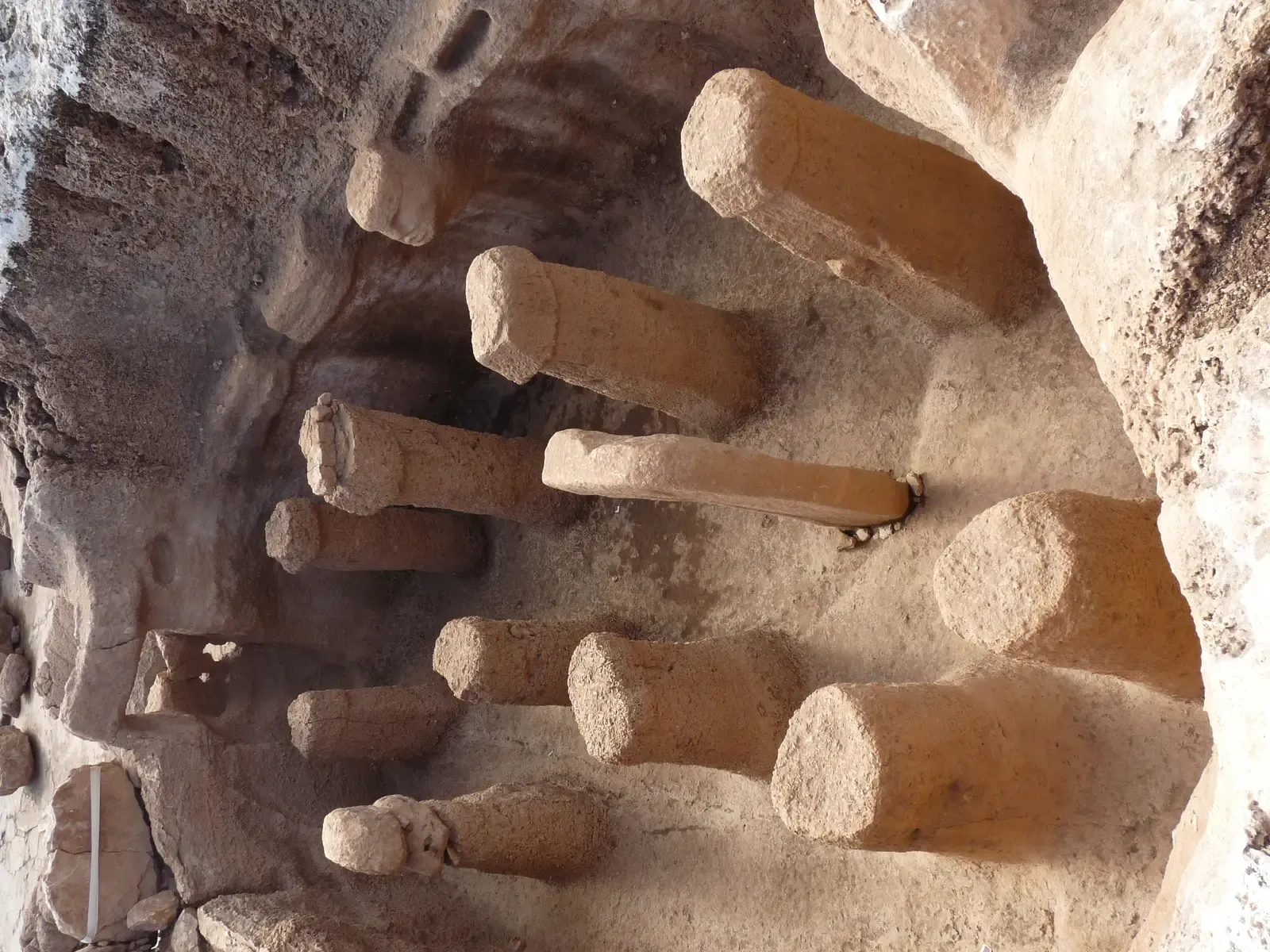
Most people have at least heard of Göbekli Tepe. Far fewer have heard of Karahan Tepe, which sits nearby in southeastern Turkey and may be just as significant. At around 12,000 years old, Göbekli Tepe is the world’s oldest megalithic site, and it has a lesser-known sister site called Karahan Tepe. That sisterhood is turning out to be anything but minor.
Excavations led by Istanbul University have revealed a large structure resembling an amphitheater at Karahantepe, a Neolithic site near Şanlıurfa in southeastern Turkey, inhabited from around 9400 to 8000 BCE. The circular structure measures almost 17 meters in diameter and features tiers of stone benches, human and animal sculptures, and carved heads embedded in the walls.
An amphitheater-like structure built 11,000 years ago. Before farming. Before cities. Before writing. The implications are dizzying. It suggests that the impulse to gather, to witness, to share ceremony in a communal architectural space is not a feature of “advanced” civilization. It appears to be a feature of being human.
What is still unknown about Karahan Tepe might be the most exciting thing about it. Like its more famous neighbor, only a small fraction of the site has been uncovered. Each digging season adds another extraordinary detail to a picture that keeps growing larger, older, and more complex than expected.
The Valley of the Kings: Pharaohs Still Emerging From the Shadows
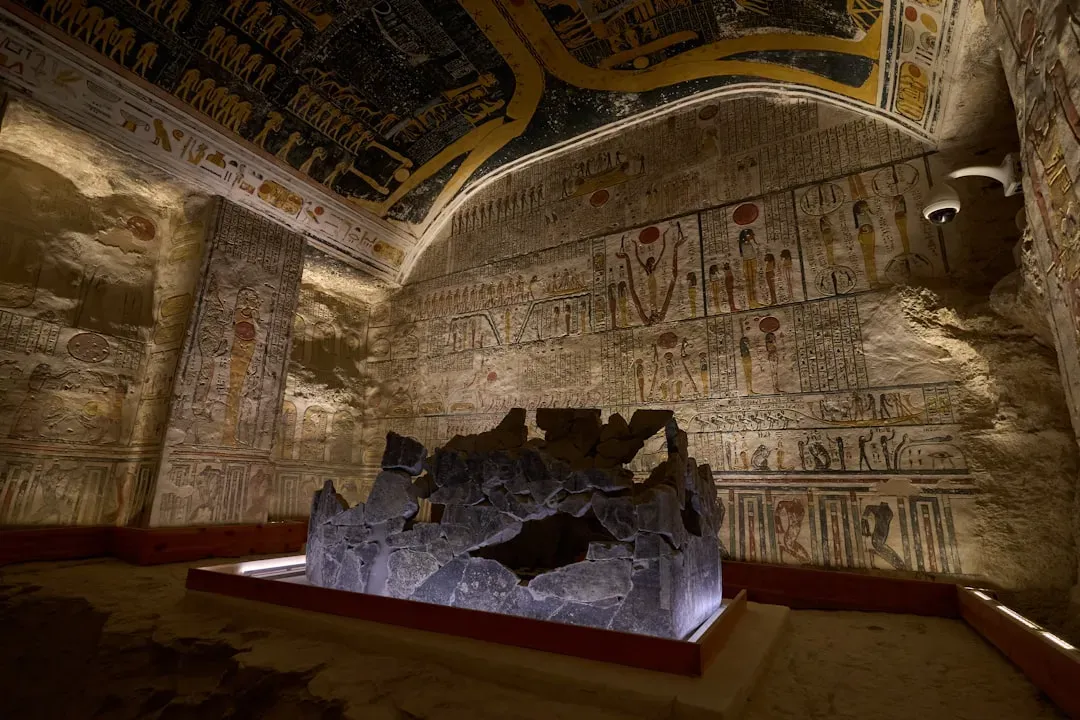
You would think that after more than a century of intensive archaeological work, Egypt’s Valley of the Kings would have given up its last secrets by now. You would be wrong. The tomb of the Egyptian pharaoh Thutmose II was unearthed in the Valley of the Kings, a vast royal necropolis near ancient Thebes. Thutmose ruled about 3,500 years ago and was the great-great-great-great-great grandfather of Tutankhamun. His was the first pharaonic tomb found at the Valley of the Kings since Tut’s.
In February 2025, a joint British and Egyptian team discovered a rock-hewn tomb in the western wadis near the Valley of the Kings that was immediately hailed as the most significant discovery since Tutankhamun in 1922. It belonged to Thutmose II, known as the missing pharaoh, who ruled Egypt from 1493 to 1479 BC. A pharaoh missing for three and a half millennia, finally found.
An Egyptian-American team also unearthed a large royal tomb for an unknown king belonging to the mysterious Abydos Dynasty, a short-lived local Egyptian dynasty that governed parts of Upper Egypt around 1650 to 1600 BCE. The tomb was found 7 meters underground near Anubis Mountain south of Abydos. The structure consists of a limestone burial chamber with a decorated entryway, several rooms, and mudbrick vaults originally reaching a height of around 5 meters.
The Valley of the Kings teaches a lesson that applies to every ancient site in this article: absence of discovery is not evidence of absence. What we haven’t found yet vastly outweighs what we have. The desert is patient. The past does not announce itself. It waits.
The Ancient Caral Civilization: The Peaceful City Hidden in Time
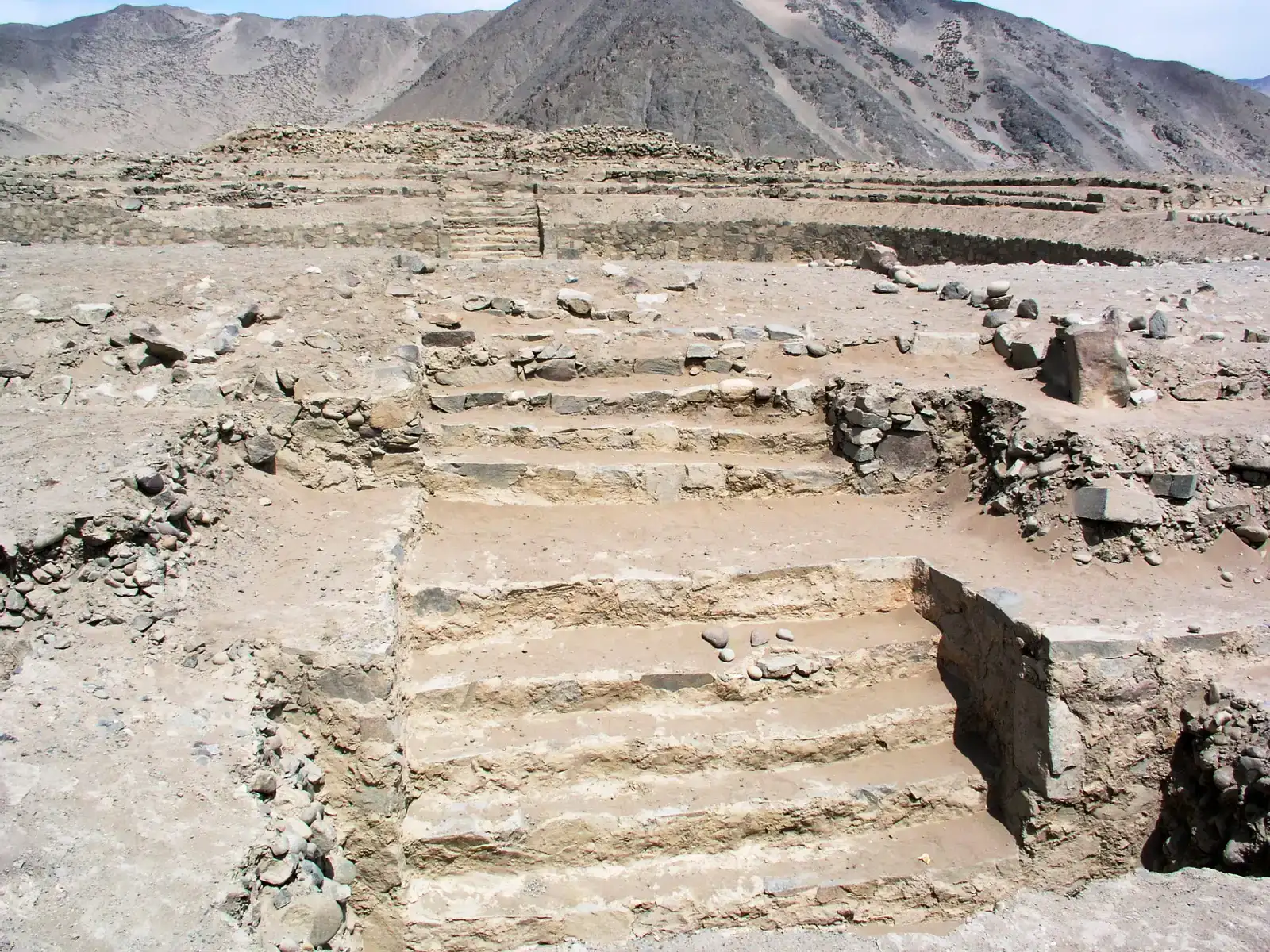
Most people racing to name the world’s great ancient civilizations will rattle off Egypt, Mesopotamia, the Indus Valley, maybe the Olmec. Few will mention Caral. That oversight is one of archaeology’s great injustices, because in July 2025, the 3,800-year-old city of Peñico was unveiled by Peruvian archaeologist Dr. Ruth Shady. Situated in the Supe Valley, the site contains 18 structures including ceremonial temples and residential compounds that were once home to members of the ancient Caral civilization, who inhabited Peru long before the Aztecs, Maya, or Inca.
Dr. Shady’s investigations into the Caral, which began in 1994, have revealed them to be one of the ancient world’s most peaceful societies. No defensive walls or weapons have been discovered, suggesting their society was built on trade, music, ritual, and consensus. Let that sink in. A complex urban civilization with no weapons. No walls. No apparent warfare. It overturns almost every assumption we hold about how ancient societies operated.
The Caral structures themselves are monumental. Pyramidal platforms, circular plazas, carefully engineered irrigation systems, all built around 3000 BCE. That places Caral roughly contemporary with the earliest phases of the Egyptian pyramids. Two completely separate civilizations, on two different continents, achieving architectural complexity at roughly the same historical moment. No one fully understands why.
Here is the thing: Caral barely gets a footnote in most Western history education. Yet it represents one of the most sophisticated early urban societies ever documented. Its mystery is not just about ancient stones. It is also a mirror showing us how selectively we have chosen to pay attention to the past.
Conclusion: The Past Is Never Fully Past
Each discovery adds another piece to the vast puzzle of human history, revealing the ingenuity, artistry, beliefs, and daily lives of our ancestors. From early warriors to devoted craftspeople, from secret mystery cults to sacred sanctuaries, these discoveries remind us that the past is not truly past. It lives on in the objects, structures, and stories waiting to be uncovered.
What connects every structure in this article is not just stone or age or mystery. It is the sheer stubborn refusal to be fully explained. We have deployed radar satellites, AI systems, muon detectors, and LiDAR drones. We have analyzed minerals smaller than a grain of sand and decoded DNA from 4,500-year-old teeth. Modern technology has helped to shed some light on these enigmas, but much remains to be discovered.
Every answer we find seems to generate two more questions, which is perhaps exactly as it should be. The greatest ancient structures are not puzzles waiting to be solved and shelved. They are ongoing conversations between the dead and the living, between the knowable and the mysterious, between human ambition and the limits of human understanding.
Perhaps the most radical thought of all is this: the ancestors who built these structures were not so different from you. They looked at the sky, wondered about time and death and meaning, and then they picked up enormous stones and did something about it. What would you have built?
Hi, I’m Andrew, and I come from India. Experienced content specialist with a passion for writing. My forte includes health and wellness, Travel, Animals, and Nature. A nature nomad, I am obsessed with mountains and love high-altitude trekking. I have been on several Himalayan treks in India including the Everest Base Camp in Nepal, a profound experience.