

What’s Behind the Met Office’s Latest Alerts? (Image Credits: Static.independent.co.uk)
Dark clouds gathering over the hills signal a tough stretch for anyone hoping to peer at the cosmos this weekend.
What’s Behind the Met Office’s Latest Alerts?
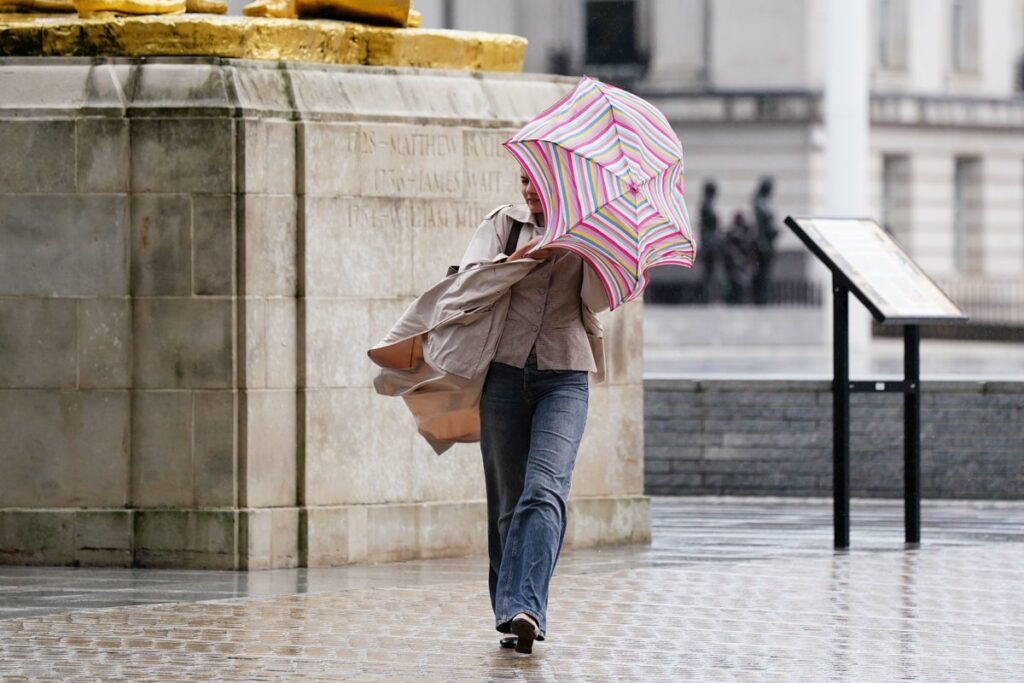
The Met Office has rolled out yellow warnings for heavy rain across parts of the UK, targeting southern Scotland, northwest England, and northwest Wales. These alerts kick in from Saturday afternoon through Sunday evening, with up to 50mm of rain possible in some spots. Strong winds could join the mix, making outdoor plans tricky.
Forecasters point to a low-pressure system sweeping in from the Atlantic, dumping moisture that’s already saturated the ground. While not a full storm, the setup promises persistent downpours that could lead to flooded roads and delays. It’s the kind of weather that turns a simple evening walk into a soggy ordeal.
Still, these warnings give folks time to adjust. Checking local updates on the Met Office site can help pinpoint the safest windows, even if they’re few and far between.
How Rain Clouds Are Astronomy’s Worst Enemy
Picture this: you’ve set up your telescope under what you thought was a promising dusk, only for thick clouds to roll in and blot out every star. That’s the reality for stargazers facing this weekend’s forecast. Visibility drops to zero when rain lashes down, scattering light and hiding constellations like Orion or the Pleiades.
Beyond the obvious haze, wet conditions complicate equipment too. Moisture can fog lenses or damage sensitive gear if you’re not careful. Many amateur astronomers know the frustration of packing up early, their notes on planetary positions left incomplete.
Yet history shows cloudy nights aren’t always a total loss. Some turn to radio astronomy apps or simulations to keep the passion alive indoors.
Affected Regions and What to Expect for Skywatchers
In southern Scotland, the warning runs from noon Saturday to 6pm Sunday, with rain heaviest over higher ground. Northwest England faces similar from 3pm Saturday, while northwest Wales gets hit starting midnight Sunday. These areas, popular for dark-sky reserves like the Galloway Forest Park, might see the biggest blow to viewing parties.
Travel could snag astronomy club meetups, as flooded paths and gusts up to 40mph disrupt routes. If you’re in these zones, rethink trips to remote spots where light pollution is low but weather hits hard.
Smart Ways to Dodge the Downpour for Stargazing
Not all hope is lost if you plan ahead. Scout for brief clear spells using apps like Clear Outside, which track cloud cover in real time. Head to eastern or southern England, where warnings are lighter, for potentially better odds.
Pack rain covers for your setup and choose elevated sites to avoid ground fog. A portable planetarium app can fill gaps, letting you trace the Milky Way’s path virtually while waiting out the weather.
Alternatives to Keep Your Astronomy Fix Going
When the sky stays hidden, dive into online resources. Museums like the Royal Observatory Greenwich offer virtual tours of exhibits, complete with stories of historic observations under far kinder conditions.
Books on cosmic wonders or podcasts about black holes provide deep dives without stepping outside. Many find these rainy-day options build knowledge that pays off on the next clear night.
Local libraries often stock beginner guides, turning a forced indoor day into a chance to learn about upcoming events like meteor showers.
Celestial Highlights You Might Miss – And When to Catch Them Next
This weekend’s gloom could obscure the Geminid meteor shower’s tail end, peaking earlier but still visible in dark skies. December’s cold snap usually sharpens views, but clouds will likely steal the show.
Look ahead to January’s Quadrantids for another chance at shooting stars. Venus and Jupiter remain bright morning targets, resilient even through partial cloud breaks if you time it right.
- Monitor Met Office updates hourly for shifting conditions.
- Opt for urban-friendly apps if rural spots flood out.
- Embrace indoor learning to fuel future adventures under the stars.
As the rain eases by Monday, remember that astronomy thrives on patience – the universe isn’t going anywhere. What are your go-to backups for bad weather nights? Share in the comments below.
Jan loves Wildlife and Animals and is one of the founders of Animals Around The Globe. He holds an MSc in Finance & Economics and is a passionate PADI Open Water Diver. His favorite animals are Mountain Gorillas, Tigers, and Great White Sharks. He lived in South Africa, Germany, the USA, Ireland, Italy, China, and Australia. Before AATG, Jan worked for Google, Axel Springer, BMW and others.