
When you think of survival champions, what comes to mind? Lions with their powerful roars? Eagles soaring through endless skies? What if I told you that some of the most successful survivors on Earth move at a pace that makes watching paint dry seem thrilling? Turtles have been mastering the art of longevity for over 200 million years, outlasting dinosaurs and witnessing the rise and fall of countless species. These shelled philosophers have turned slowness into an evolutionary masterpiece, proving that sometimes the tortoise really does win the race – especially when that race is against time itself.
The Ancient Wisdom of Shell Architecture

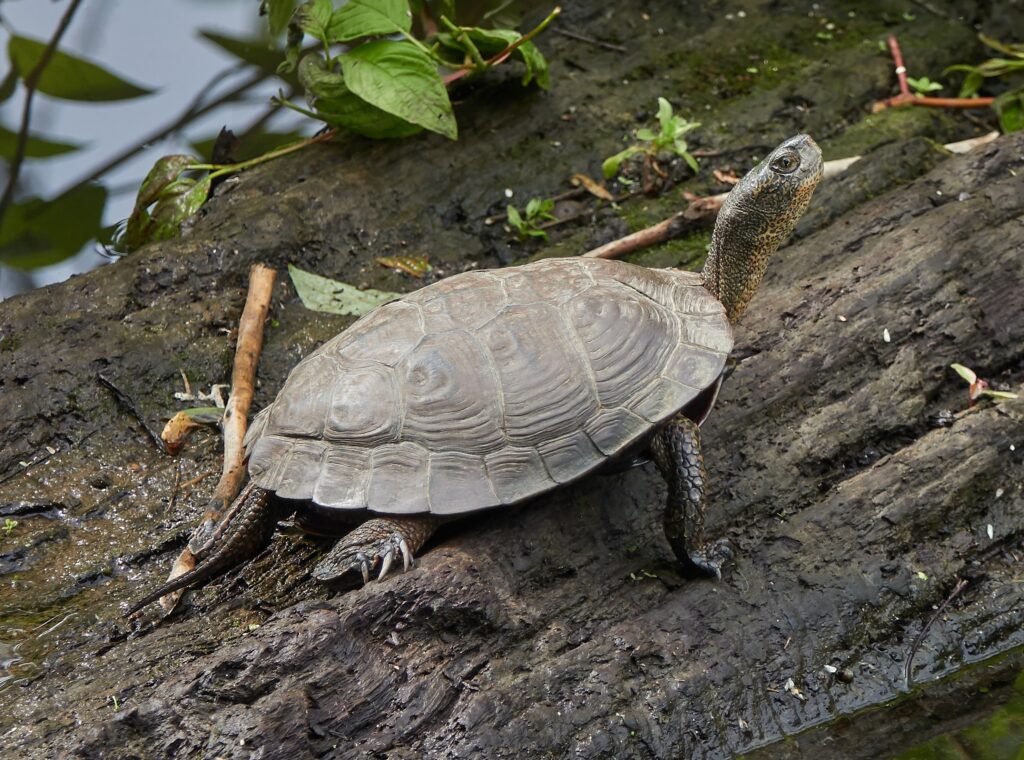
A turtle’s shell isn’t just protective armor – it’s a mobile fortress that has remained virtually unchanged for millions of years. This remarkable structure consists of over 50 bones fused together, creating a living house that grows with its inhabitant throughout their lifetime. The shell’s design is so efficient that it inspired modern engineering solutions, from bulletproof vests to architectural domes.
What makes this shell truly extraordinary is its dual nature as both skeleton and shield. Unlike other animals that carry their bones inside, turtles wear theirs on the outside, creating a protective barrier that few predators can penetrate. This evolutionary gamble paid off spectacularly, allowing turtles to survive mass extinctions that wiped out their contemporaries.
Metabolic Mastery: The Art of Living Slow

Imagine running a marathon at walking speed – that’s essentially how turtles approach life. Their incredibly slow metabolism is like having a car that gets 100 miles per gallon while everyone else burns through fuel at lightning speed. This biological efficiency allows them to survive on minimal food and oxygen, making them masters of resource conservation.
A turtle’s heart can beat as slowly as one beat per minute during hibernation, while their breathing can pause for hours without any adverse effects. This metabolic flexibility is like having a biological dimmer switch that can be adjusted based on environmental conditions. When food is scarce or temperatures drop, turtles simply dial down their life processes to survive.
Temperature-Dependent Gender Destiny

Here’s where turtle reproduction gets absolutely fascinating – the temperature of their nests determines whether babies will be male or female. It’s like nature’s own thermostat controlling the future of entire populations. Warmer sand typically produces females, while cooler conditions favor males, creating a delicate balance that has worked for millions of years.
This temperature-dependent sex determination means that climate change poses a unique threat to turtle populations. As global temperatures rise, some beaches are producing almost exclusively female hatchlings, creating a gender imbalance that could spell disaster for future generations. It’s a reminder of how even the most ancient survival strategies can be disrupted by rapid environmental changes.
Navigation Wizards of the Ocean

Sea turtles possess one of nature’s most sophisticated GPS systems, capable of navigating thousands of miles across featureless oceans with pinpoint accuracy. They use Earth’s magnetic field like an invisible highway system, detecting subtle variations that guide them back to their birthplace decades later. This magnetic sense is so precise that scientists are still trying to fully understand how it works.
Female sea turtles often return to the exact beach where they were born to lay their own eggs, sometimes after journeys spanning entire ocean basins. This incredible feat of navigation makes modern GPS technology look primitive in comparison. Their ability to sense magnetic fields, ocean currents, and even chemical signatures in the water creates a multi-layered navigation system that rarely fails.
The Hibernation Miracle

Some turtles have mastered the ultimate survival trick – essentially dying without actually dying. During winter hibernation, their body temperature drops so low that their biological processes nearly stop completely. They can survive for months buried in mud at the bottom of frozen ponds, breathing through their skin and living off stored energy.
This state of suspended animation is so complete that hibernating turtles barely register as alive on most biological monitors. Their blood becomes thick as syrup, their organs slow to an almost imperceptible crawl, and their brain activity reduces to the bare minimum needed to maintain life. It’s like having a biological pause button that can be pressed for months at a time.
Longevity Champions of the Animal Kingdom

While humans celebrate reaching 100 years, some turtles are just getting started at that age. The oldest known turtle lived to be over 180 years old, witnessing the American Civil War, both World Wars, and the dawn of the internet age. These ancient mariners carry living history in their shells, having observed more human generations than most family trees can trace.
What’s their secret to such remarkable longevity? It’s a combination of slow metabolism, efficient cellular repair mechanisms, and excellent cancer resistance. Turtles seem to have cracked the code of aging, maintaining healthy organ function well into what would be considered extreme old age for other animals. Their cells appear to be naturally resistant to the damage that causes aging in most creatures.
Dietary Flexibility: From Jellyfish to Vegetables

Turtles have evolved to eat almost anything, making them the ultimate opportunistic diners of the animal kingdom. Some species are strict vegetarians, methodically munching through aquatic plants like underwater lawnmowers. Others are carnivorous hunters, snapping up fish, insects, and even small mammals with surprising speed and precision.
Many turtles are omnivores, switching their diet based on what’s available – a survival strategy that has served them well through changing environments. A young turtle might start life eating insects and worms, then gradually shift to a more plant-based diet as they mature. This dietary flexibility allows them to thrive in diverse habitats where specialized feeders would struggle.
The Surprising Speed of Snapping Turtles

While most turtles embody the “slow and steady” motto, snapping turtles shatter this stereotype with lightning-fast strikes that can happen in milliseconds. Their neck extends like a coiled spring, launching their powerful jaws forward with enough force to snap through bone. This explosive speed is hidden beneath their seemingly sluggish exterior, making them one of nature’s most deceptive predators.
A snapping turtle’s bite generates incredible pressure – enough to crush a human finger without effort. Their prehistoric appearance isn’t just for show; these living dinosaurs combine ancient design with modern efficiency. When threatened, they transform from peaceful pond dwellers into formidable defensive machines, proving that even the slowest creatures can pack surprising punch.
Breathing Underwater: The Butt-Breathing Phenomenon

Some turtles have developed one of the most unusual breathing methods in the animal kingdom – they can extract oxygen through their rear end. This bizarre adaptation allows certain species to remain underwater for months without surfacing for air. Special blood vessels in their cloaca (the multipurpose opening) can absorb dissolved oxygen directly from the water.
This anatomical quirk might sound comical, but it’s a serious survival advantage. During long winter hibernations under ice, or when hiding from predators, this alternative breathing method can mean the difference between life and death. It’s yet another example of how turtles have evolved creative solutions to environmental challenges that would defeat other animals.
Turtle Communication: More Than Meets the Eye

Despite their reputation for being silent, turtles actually communicate through a variety of methods that researchers are just beginning to understand. Some species make clicking sounds, others use visual displays with colorful head movements, and many rely on chemical signals to convey information about territory, mating readiness, and danger warnings.
Baby turtles even “talk” to each other while still in their eggs, coordinating their hatching so they all emerge together. This synchronized hatching gives them better odds of survival, as predators can’t pick off isolated individuals. Their communication might be subtle, but it’s surprisingly sophisticated for animals often dismissed as simple-minded.
Shell Patterns: Nature’s Fingerprints

Every turtle shell is unique, like a fingerprint made of bone and keratin. These intricate patterns aren’t just beautiful – they tell the story of each turtle’s life, recording growth periods, nutritional stress, and environmental changes. Marine biologists can read these shell patterns like tree rings, determining age and health history.
The shell’s growth lines reveal seasonal changes, periods of abundance or scarcity, and even injuries that healed over time. Some shells show distinct patterns that indicate specific habitats or dietary preferences. This biological record-keeping system has helped scientists understand turtle populations and their responses to environmental changes over decades.
Nesting Rituals: Ancient Ceremonies

Female turtles perform elaborate nesting rituals that haven’t changed in millions of years. They carefully select nesting sites, test sand temperature and moisture levels, and dig precise chambers for their eggs. This process can take hours, with the female methodically ensuring perfect conditions for her offspring.
After laying their eggs, mother turtles perform an intricate covering ceremony, disguising the nest location to protect it from predators. They may create false nests nearby to confuse potential threats, showing a level of strategic thinking that challenges assumptions about reptilian intelligence. These ancient rituals connect modern turtles to their prehistoric ancestors in an unbroken chain of survival.
Urban Adaptation: Modern Turtles in Changing Worlds

Some turtle species are surprisingly adaptable to urban environments, finding ways to thrive in city parks, suburban ponds, and even storm drains. These urban pioneers have learned to navigate human-modified landscapes, crossing roads, avoiding traffic, and utilizing artificial water sources.
However, urbanization presents new challenges that turtle evolution never anticipated. Light pollution confuses hatchlings trying to find the ocean, road networks fragment habitats, and introduced predators threaten native populations. Despite these obstacles, some turtle communities show remarkable resilience, adapting behaviors and routes to coexist with human development.
Conservation Challenges: Racing Against Time

Ironically, these masters of longevity now face their greatest challenge – the rapid pace of human-induced environmental change. Climate change, habitat destruction, and pollution are happening faster than turtle populations can adapt, despite their remarkable survival skills.
Many turtle species that survived the extinction of dinosaurs now teeter on the brink of disappearing forever. Their slow reproductive rate, which once ensured steady population growth, now works against them when faced with sudden environmental pressures. Conservation efforts focus on protecting nesting beaches, reducing pollution, and creating wildlife corridors that allow safe movement between habitats.
Medical Marvels: What Turtles Teach Us

Turtle biology offers fascinating insights for human medicine, particularly in cancer research and aging studies. Their exceptional resistance to cancer and their ability to repair damaged tissue have attracted scientific attention. Some turtle species show virtually no signs of aging, maintaining reproductive capacity and cellular function well into their second century of life.
Researchers are studying turtle metabolism to understand longevity mechanisms that might be applicable to human health. Their ability to survive oxygen deprivation could inform stroke and heart attack treatments, while their efficient wound healing might lead to better medical therapies. These ancient creatures may hold keys to some of modern medicine’s greatest challenges.
The Philosophy of Turtle Time

Turtles embody a different relationship with time that challenges our fast-paced world. Their deliberate movements and long lifespans suggest an alternative approach to existence – one that prioritizes sustainability over speed, longevity over intensity. In a world obsessed with quick results and instant gratification, turtles represent the value of patience and persistence.
This “turtle time” philosophy extends beyond mere survival strategy; it’s a way of being that has sustained these creatures through geological ages. Their success comes not from rushing toward goals but from steady, consistent progress toward long-term survival. Perhaps humans could learn something from this ancient wisdom about sustainable living and the importance of thinking beyond immediate needs.
Conclusion: Lessons from the Slow Lane

Turtles have mastered the ultimate paradox – achieving immortality through embracing slowness. Their evolutionary success story spans hundreds of millions of years, proving that sometimes the best strategy for winning life’s race is to barely move at all. These shelled philosophers have outlasted countless species that burned brightly but briefly, demonstrating the power of patience, adaptation, and steady persistence.
As we watch these ancient mariners navigate our rapidly changing world, they remind us that survival isn’t always about being the fastest, strongest, or most aggressive. Sometimes it’s about being steady, adaptable, and thinking in timeframes that stretch beyond our immediate concerns. Their slow sprint toward longevity offers profound lessons about sustainability, resilience, and the art of enduring in an ever-changing world.
In our rush toward progress, perhaps we should occasionally pause and consider the turtle’s approach to life. After all, they’ve been perfecting their survival strategy since before the first dinosaur drew breath, and they’ll likely still be here long after our modern world has become ancient history. What would you choose – a brief, brilliant existence or a long, steady journey through the ages?