

Reptile Populations in Peril (Image Credits: Pixabay)
Ancient reptile species like turtles and crocodiles now grapple with heightened risks of vanishing from the planet.
Reptile Populations in Peril
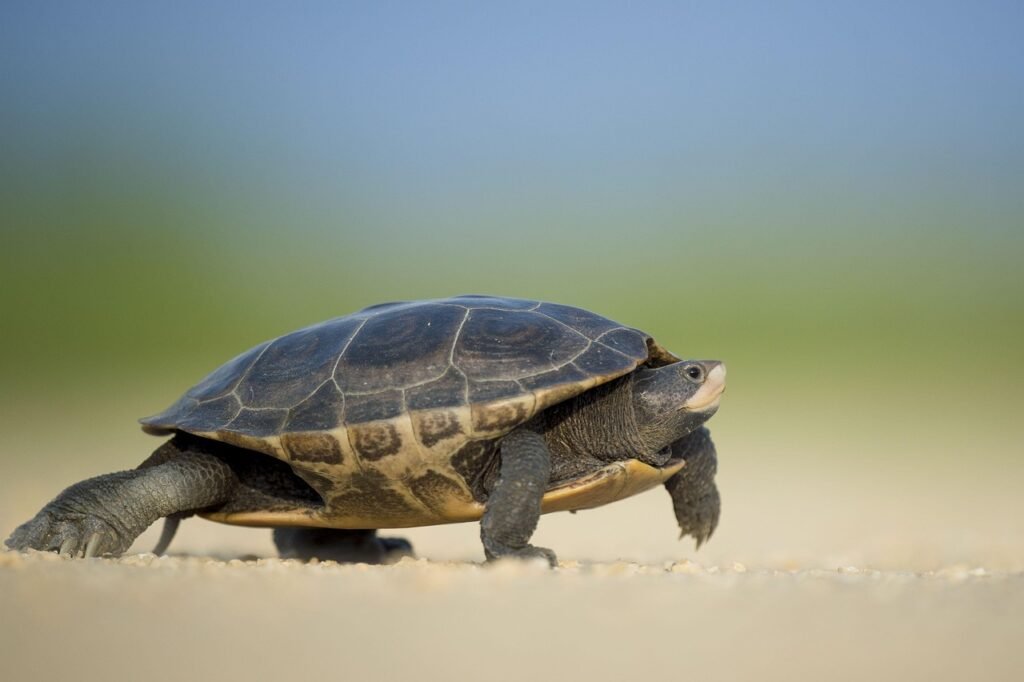
A recent assessment revealed that turtles and crocodiles rank among the most vulnerable groups worldwide. Conservation experts documented a sharp uptick in extinction threats for these species. Many populations have dwindled due to persistent pressures over recent decades. This trend underscores a broader crisis affecting reptiles globally.
Historically resilient, these creatures evolved over millions of years yet now teeter on the edge. Their decline signals deeper ecological imbalances. Researchers emphasized the urgency after evaluating hundreds of species.
Primary Drivers of Decline
Habitat destruction tops the list of dangers facing turtles and crocodiles. Human expansion fragments wetlands and rivers essential for their survival. Pollution further degrades these environments, poisoning food chains.
Other factors compound the problem. Here are key threats identified:
- Illegal hunting for meat, skins, and traditional medicine.
- Climate change altering nesting sites and water levels.
- Invasive species preying on eggs and juveniles.
- Incidental capture in fishing gear.
- Disease outbreaks linked to stressed habitats.
These pressures interact, accelerating losses in vulnerable regions.
Regional Hotspots of Concern
Southeast Asia emerges as a critical area where both turtles and crocodiles suffer heavy losses. Rapid development there erodes coastal and riverine habitats. In Africa and the Americas, similar patterns unfold amid agricultural growth.
Marine turtles face additional ocean-based perils, while freshwater species contend with damming projects. Crocodiles, often misunderstood as threats themselves, endure targeted killings. Conservation data highlights how these localized issues contribute to global declines.
Steps Toward Recovery
Efforts to protect these reptiles gain momentum through protected areas and breeding programs. International agreements aim to curb trade in endangered species. Local communities participate in monitoring and anti-poaching patrols.
Success stories offer hope. Some crocodile populations rebounded after hunting bans took effect. Turtle nesting beaches recovered under strict safeguards. Scientists call for expanded research to refine strategies.
Key Takeaways
- Turtles and crocodiles face escalating extinction risks from habitat loss and exploitation.
- Targeted conservation, including protected zones, shows promise for reversal.
- Global cooperation remains essential to safeguard these vital species.
These reptiles play irreplaceable roles in ecosystems, from controlling pests to maintaining biodiversity. Their potential loss would ripple through food webs and cultural heritage. Protecting them demands immediate, coordinated action. What steps do you believe could make the biggest difference? Share your thoughts in the comments.