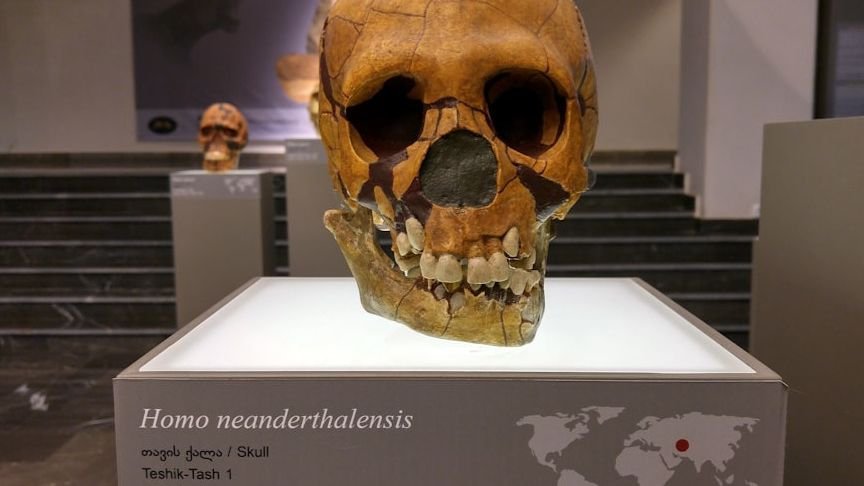

There’s something oddly satisfying about discovering that our ancient relatives were smarter, more resourceful, and frankly more interesting than old textbooks ever gave them credit for. Neanderthals have had a bit of a reputation problem for decades, painted as brutish cave-dwellers who stumbled through prehistory without much finesse. Honestly, that picture keeps getting more embarrassing with every new discovery.
A fresh wave of archaeological evidence is flipping that narrative on its head, this time involving something as unexpected as pond turtles in Central Europe. The findings are specific, fascinating, and they raise some genuinely surprising questions about Neanderthal behavior, diet, and seasonal intelligence. Let’s dive in.
A Discovery That Changes the Timeline
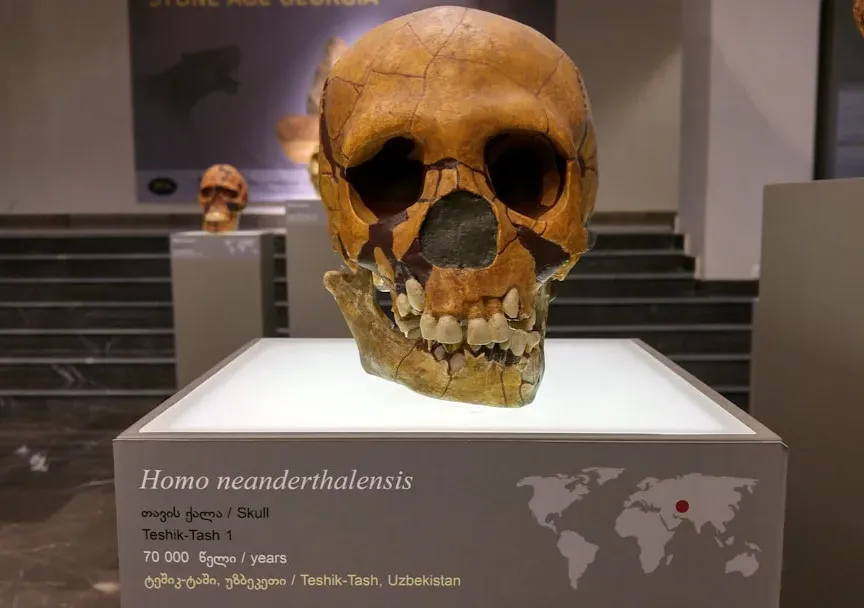
Here’s the thing about archaeology: sometimes the most jaw-dropping revelations come not from grand monuments or dramatic burial sites, but from tiny bones quietly sitting in sediment for tens of thousands of years. That’s exactly what happened with this latest study, which examined turtle remains from Neanderthal-associated archaeological layers in Central Europe. The evidence suggests Neanderthals were actively hunting and consuming European pond turtles far earlier and far more regularly than researchers previously assumed.
The study, published in April 2026, pushes back the known timeline of turtle consumption by Neanderthals in this region considerably. What’s striking is not just the age of the bones, but the clear signs of human processing on them, cut marks, heat exposure, and deliberate breakage that point to intentional food preparation rather than accidental accumulation. This wasn’t random scavenging. This looked purposeful.
Where Exactly Were These Turtles Found?
The fossil evidence comes from Central European sites where Neanderthal presence has been well-documented over many years of excavation. These aren’t obscure locations stumbled upon yesterday. They’re established dig sites that researchers have been studying carefully, and within those layers, the turtle remains were found in direct association with Neanderthal stone tools and other faunal material.
European pond turtles, known scientifically as Emys orbicularis, still exist today across parts of Europe and western Asia, though their range has shrunk significantly. Finding their remains in these prehistoric layers tells scientists something important about the environment at the time too. Central Europe during certain periods of the Pleistocene was warm enough to support turtle populations, which means the climate context adds another layer of meaning to the discovery.
How Do Scientists Know Neanderthals Actually Ate Them?
This is always the critical question in zooarchaeology, and it’s a fair one. Animal bones end up in all sorts of places for all sorts of reasons, so how do researchers distinguish deliberate human consumption from natural death or carnivore activity? The answer lies in the physical evidence preserved directly on the bones themselves.
Researchers identified cut marks consistent with defleshing, areas where the shell was cracked open in specific ways suggesting access to the meat inside, and signs of exposure to fire. Some bones showed a combination of these features, which together create a fairly compelling case for intentional exploitation. It’s a bit like finding a cracked walnut shell next to a stone tool. You can put two and two together.
What This Tells Us About Neanderthal Diet and Intelligence
Let’s be real, there’s a broader implication here that goes beyond just what was on the menu. Catching turtles, especially pond turtles that are semi-aquatic and seasonally active, requires a specific kind of knowledge. You need to know where they are, when they come out, and how to catch them efficiently. That’s not instinct. That’s learned, possibly transmitted behavioral knowledge.
This adds to a growing body of evidence suggesting Neanderthals had a much more varied and strategically planned diet than the old “big game hunters who occasionally got lucky” stereotype implies. They consumed shellfish on coastal sites, birds in some locations, and now turtles in Central Europe’s inland environments. I think what this really shows is cognitive flexibility, the ability to exploit whatever the local environment offered, seasonally and opportunistically. That’s not the behavior of a species stumbling toward extinction. That’s adaptability.
Seasonal Behavior and Planning Depth
One of the more quietly remarkable aspects of this research is what it implies about seasonal awareness. Pond turtles are most accessible during specific times of year, particularly when they emerge from hibernation or gather near water bodies in warmer months. If Neanderthals were consistently exploiting them, it suggests a level of ecological knowledge tied to seasonal cycles.
This kind of temporal planning, knowing that a resource will be available at a certain time and being ready to exploit it, is something researchers have long debated in the context of Neanderthal cognition. It’s hard to say for sure how sophisticated their mental calendars were, but the behavioral evidence keeps nudging researchers toward a more complex picture. Planning ahead is not a uniquely modern human trait, apparently.
How This Fits Into the Broader Neanderthal Story
Studies like this one don’t exist in isolation. Over the past decade especially, the scientific understanding of Neanderthals has undergone something close to a total reboot. Evidence of symbolic behavior, personal ornamentation, possible burial practices, interbreeding with modern humans, and now consistent exploitation of small, seasonally available prey animals has collectively rewritten the narrative.
The pond turtle findings from Central Europe slot into this bigger mosaic. They are one more piece of evidence against the outdated image of Neanderthals as cognitively limited near-humans who simply couldn’t keep pace with anatomically modern humans moving in from the south and east. The more we dig, quite literally, the more sophisticated they appear. It’s genuinely one of the more exciting ongoing stories in all of human prehistory.
Why This Still Matters Today
Understanding Neanderthal behavior isn’t just an academic exercise for dusty journals. It reshapes how we understand ourselves. Since a significant portion of people with non-African ancestry carry a small but real percentage of Neanderthal DNA in their genomes, these ancient people are not entirely separate from our own story. They’re woven into it.
Knowing that they were opportunistic, ecologically literate, and capable of planning seasonal resource exploitation makes that genetic connection feel a little more meaningful. These weren’t just evolutionary footnotes. They were people, in a real sense, making decisions, acquiring knowledge, and surviving in challenging environments across Central Europe for hundreds of thousands of years. The pond turtle, humble as it sounds, turns out to be a surprisingly powerful window into all of that.
Conclusion
The discovery that Neanderthals were catching and consuming pond turtles in Central Europe earlier and more systematically than previously thought is one of those findings that seems small on the surface but carries enormous weight underneath. It challenges lazy assumptions, enriches our understanding of Neanderthal cognition, and adds another vivid brushstroke to an increasingly detailed portrait of a species we’ve dramatically underestimated.
Every cut mark on an ancient turtle bone is a tiny message from the deep past, and the message is getting clearer: Neanderthals were far more capable than we once imagined. What do you think, does it surprise you that our closest evolutionary relatives were exploiting seasonal prey animals with what looks like real ecological knowledge? Drop your thoughts in the comments.