

Imagine walking into your living room after a long day, only to see your once unruly pup sitting patiently, tail wagging, waiting for your next command. Now picture this transformation happening not through months of expensive classes, but thanks to a sleek gadget on your shelf and the gentle hum of artificial intelligence. This isn’t a sci-fi movie—it’s happening right now, and it’s turning the world of dog training upside down. The rise of AI-powered smart devices is quietly revolutionizing how we understand, communicate with, and train our canine companions. For anyone who’s ever wished their dog could finally stop chewing shoes or barking at the mailman, the future suddenly feels a whole lot closer—and a whole lot more exciting.
The Leap from Traditional Training to Smart Tech

Just a decade ago, dog training mostly meant treats, patience, and maybe a worn-out tennis ball. Now, AI has entered the scene, adding a surprising layer of intelligence to the mix. Instead of relying solely on human intuition or group classes, smart devices interpret your dog’s behavior in real time and offer immediate feedback. This leap means no more guesswork about what your dog is feeling or why they’re acting out—AI breaks down their actions into patterns and pinpoints exactly what needs work. Suddenly, training becomes less of a mystery and more of a science.
How AI Understands Your Dog’s Unique Personality

One of the most fascinating breakthroughs is how AI adapts to each dog’s quirks. Unlike generic training manuals, smart collars and cameras use sensors and machine learning to map out your dog’s moods, reactions, and habits. If your pup is shy or easily distracted, the device learns to respond differently than it would with a bold, energetic dog. Over time, this personalized approach helps build trust and makes training more effective, like having a coach who truly “gets” your pet.
Wearable Tech: Collars That Do More Than Track

Modern smart collars are a far cry from a simple leash. Today’s versions can monitor heart rate, detect barking, and even recognize playful versus anxious movements. They send this data to your smartphone, giving you a full report card on your dog’s day. For example, if your dog gets anxious when left alone, some collars can trigger a soothing sound or message, helping calm them instantly. The result? Your dog feels supported even when you’re not there.
Smart Cameras That Watch and Teach

Imagine a camera that not only keeps an eye on your dog but also corrects bad behavior in real time. These intelligent gadgets can spot when your dog jumps on the couch or starts chewing furniture. Using AI, they can send a quick alert to your phone or play a pre-recorded command to redirect your dog. It’s like having a virtual dog-sitter who never misses a beat, helping you reinforce good habits even when you’re at work or running errands.
Automatic Treat Dispensers: Rewards at the Right Time

Timing is everything in dog training, and that’s where AI-powered treat dispensers shine. These devices watch for desired behaviors—like sitting or staying calm when the doorbell rings—and instantly deliver a tasty reward. Because the feedback is immediate, dogs quickly connect their actions with positive outcomes. For busy owners, this means consistent training without needing to be on high alert every minute of the day.
Voice Assistants: Commands That Speak for You

Smart speakers and voice assistants are no longer just for playing music or setting timers. Now, they can be programmed with your dog’s favorite commands and even respond with your own recorded voice. If you’re stuck in traffic but want to remind your dog to stay off the sofa, a quick command from your phone does the trick. This remote reinforcement adds a comforting layer of consistency, making your presence felt even when you’re away.
AI-Driven Apps: Training in Your Pocket

Today’s dog owners can tap into powerful training programs right from their phones. These apps harness AI to track progress, suggest personalized exercises, and adapt routines based on your dog’s learning curve. Some apps even use video analysis to break down your dog’s body language, offering insights that many human trainers might miss. Suddenly, expert-level guidance is as easy as a few taps on a screen.
Emotional Intelligence: Recognizing Stress and Joy

AI isn’t just about rules and rewards—it’s also about empathy. Certain devices can analyze your dog’s vocalizations and movements to detect stress, fear, or excitement. If your pup is feeling anxious during a thunderstorm, the system might dim the lights, play calming music, or send an alert so you can check in. This emotional awareness helps deepen the human-animal bond, creating a safer and happier environment for both of you.
Training Multiple Dogs? AI Handles the Chaos

Anyone with more than one dog knows that group dynamics can get complicated fast. AI-powered systems can identify each pet by their unique bark or movement pattern, tailoring training cues and rewards to individuals. Whether you have a rambunctious puppy and a senior dog or a pair of playful siblings, the technology adapts to each one’s needs. No more juggling different training sessions—AI keeps everyone on track.
Real-Time Feedback: The Key to Faster Learning
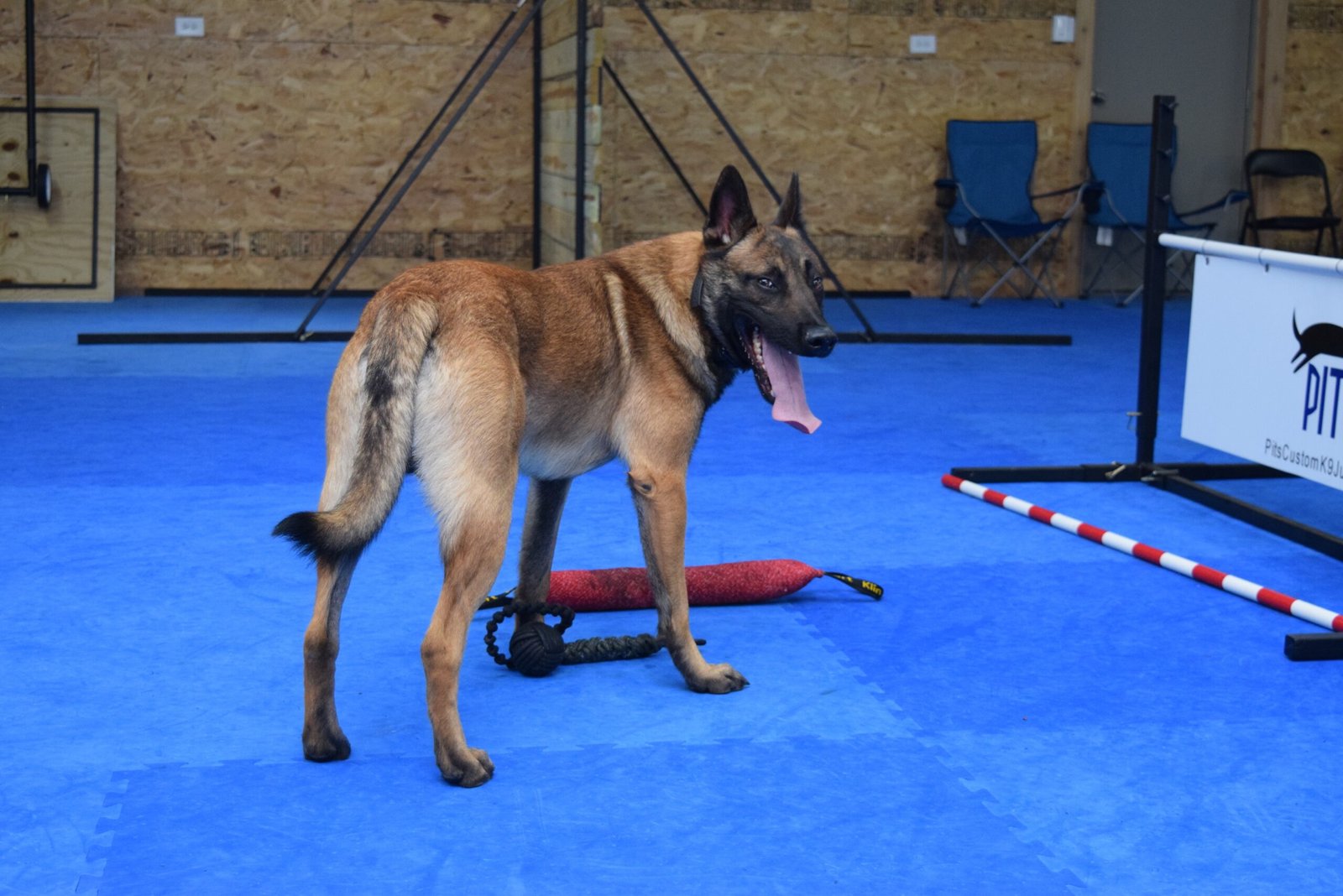
Traditional training often means waiting for the right moment to correct or reward your dog. With AI, feedback happens instantly. If your dog sits when asked, the smart device can praise or treat them immediately, reinforcing the behavior before they get distracted. This swift response dramatically speeds up learning, making training sessions shorter and more effective.
Remote Monitoring for Busy Pet Parents

Life gets hectic, and it’s not always possible to be home for every training opportunity. Smart devices bridge the gap, letting you monitor, interact with, and reward your dog from anywhere. Whether you’re at work, on vacation, or just out shopping, you can still keep tabs on your dog’s behavior and step in when needed. This peace of mind is priceless for owners who worry about leaving their pets alone.
Customizable Training Routines for Every Lifestyle
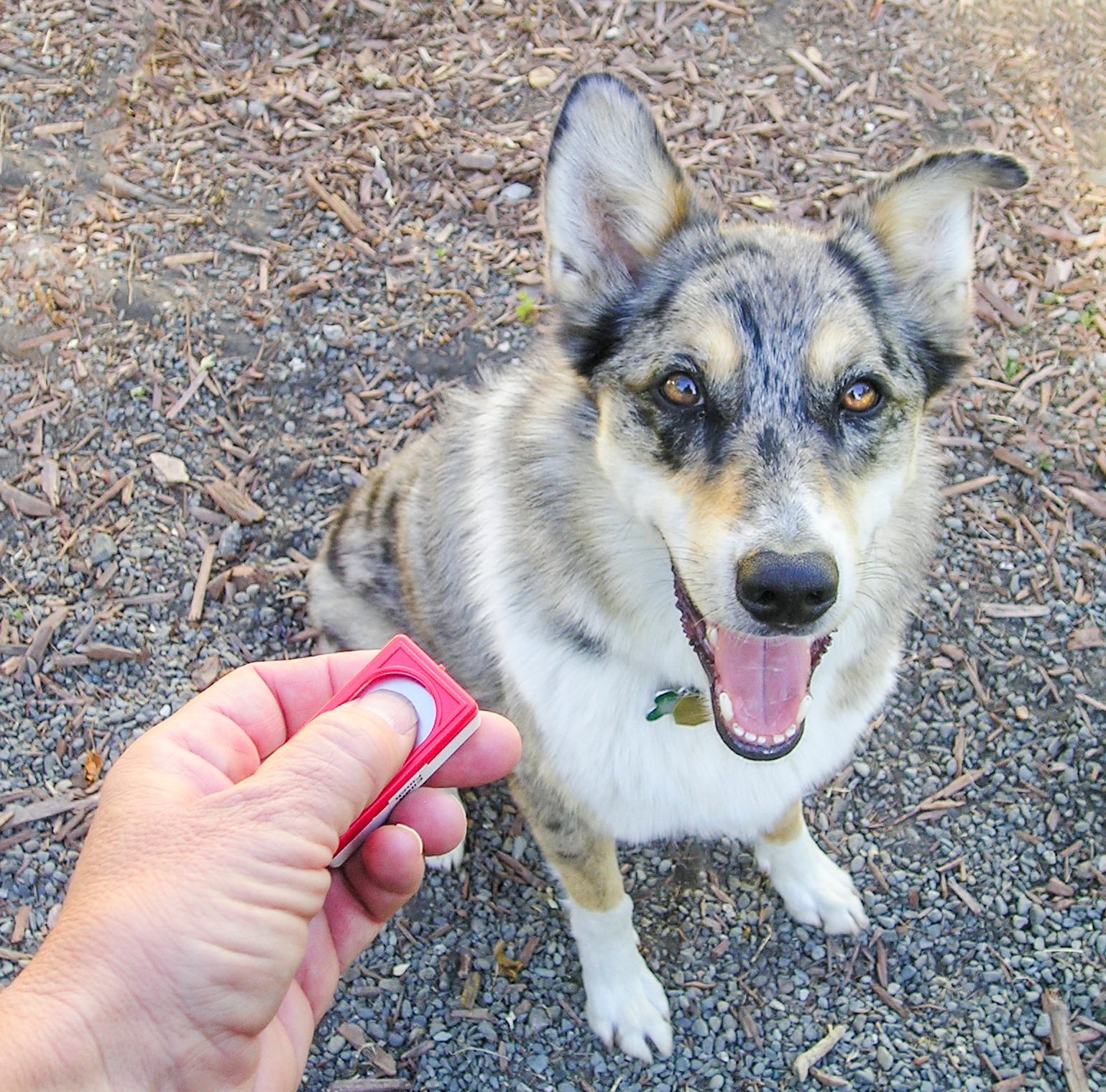
AI-powered tools aren’t one-size-fits-all. They adapt routines based on your schedule, your dog’s breed, age, and temperament. If you have a high-energy border collie or a laid-back bulldog, the technology tweaks its recommendations accordingly. This customization ensures that training stays fun and effective, and never feels like a chore for you or your dog.
Behavior Prediction: Stopping Problems Before They Start

One of the most exciting frontiers in AI dog training is behavior prediction. By analyzing patterns over time, smart systems can forecast when your dog might get anxious, bored, or mischievous. If your pup tends to bark at the mail carrier every afternoon, the device can distract them with a game or treat before trouble starts. This proactive approach can nip bad habits in the bud, making your home a calmer, happier place.
The Science Behind AI and Canine Learning
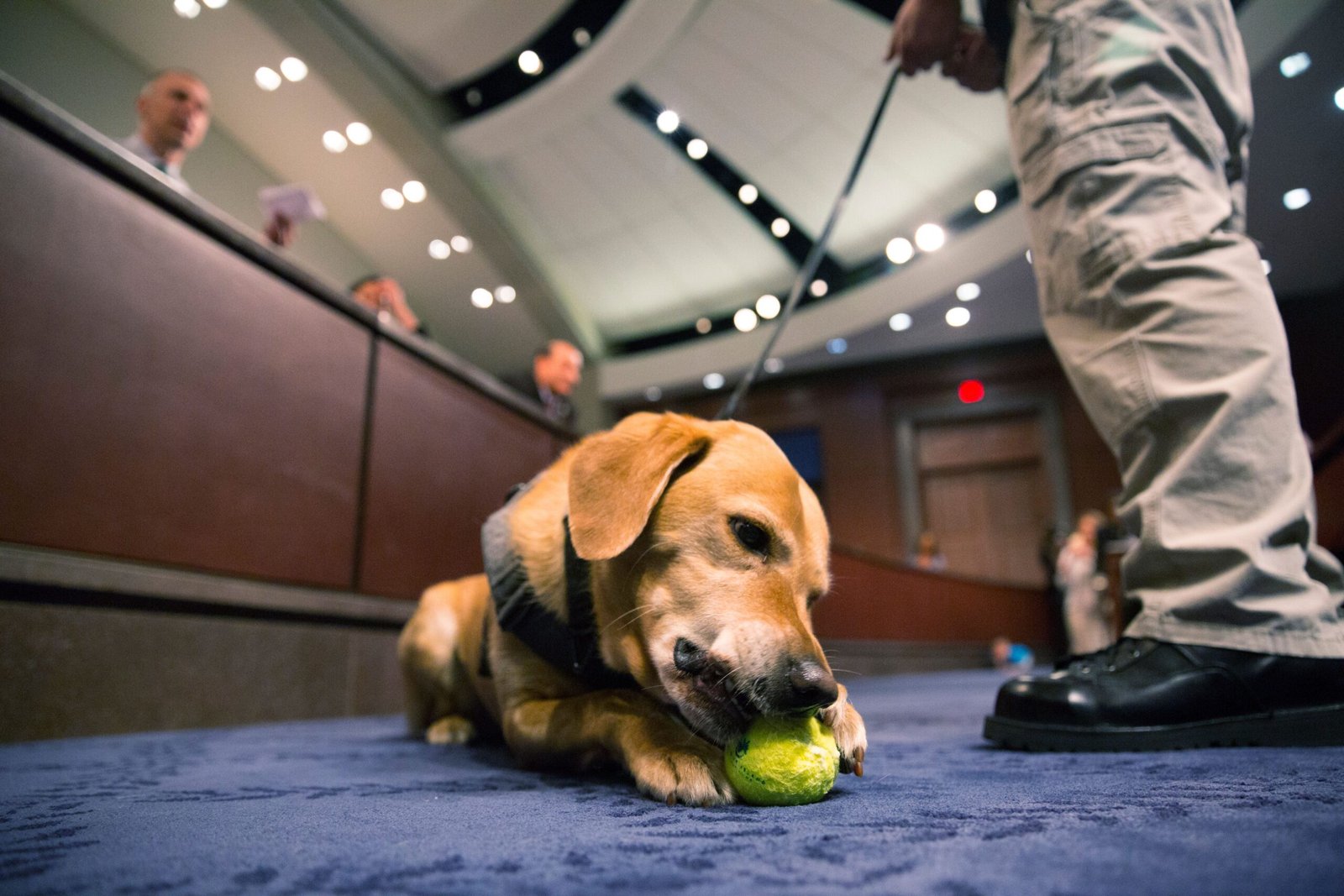
AI’s power lies in its ability to process vast amounts of data—something the human brain just can’t match. By recording thousands of interactions, these devices learn which techniques work best for your unique pup. Research shows that dogs trained with consistent, timely feedback learn faster and retain good habits longer. It’s a win-win for science lovers and pet owners alike, blending cutting-edge technology with the timeless joy of a well-behaved dog.
Overcoming Common Training Challenges with AI

Every dog is different, and some present more stubborn challenges than others. Whether it’s separation anxiety, excessive barking, or destructive chewing, AI-powered tools offer targeted solutions. By identifying triggers, tracking progress, and adjusting techniques in real time, these devices help overcome hurdles that might stump even seasoned trainers. It’s like having a personal dog whisperer in your pocket, ready to tackle problems as they arise.
Safety Features That Go Beyond Training

Modern smart devices do more than teach tricks—they also keep your dog safe. GPS-enabled collars can alert you if your dog leaves the yard, while health monitors track vital signs and flag any unusual changes. Some systems even connect to emergency contacts or vets, ensuring help is just a tap away in a crisis. For many pet owners, this peace of mind is just as valuable as perfect manners.
Socialization in the Digital Age

AI isn’t just about one-on-one training—it can also facilitate socialization. Some apps and devices organize virtual playdates, matching your dog with others of similar temperament for safe, supervised interactions. This boosts your dog’s confidence and helps them develop essential social skills, all while you monitor their progress from your phone. In an increasingly digital world, even our pets are making friends online.
Ethical Considerations: Balancing Tech and Trust

As we lean more on technology, it’s important to ask tough questions. How much control should a machine have over our pets’ lives? Most experts agree: AI should supplement, not replace, the bond between humans and dogs. The best results come when technology amplifies human intuition and empathy, not when it tries to take over completely. Remember, no gadget can replace the love you give your pup.
Cost and Accessibility: Making Smart Tech Available to All

While early smart training systems came with hefty price tags, competition and innovation are driving costs down. Entry-level devices are now within reach for many families, and some apps are even free. As technology becomes more affordable, a wider range of pet owners can benefit from smarter training methods. It’s a promising sign that this revolution isn’t just for tech enthusiasts—it’s for every dog lover.
The Future of AI in Dog Training

We’re just scratching the surface of what’s possible. Researchers are already exploring more advanced AI that can interpret canine facial expressions, detect subtle health issues, and even translate barks into meaningful messages. Imagine a world where your dog can “text” you when they’re hungry, lonely, or just want to play. As technology evolves, the line between science fiction and everyday reality gets thinner—and our relationships with our pets grow deeper and more rewarding.
The world of dog training is changing at lightning speed, and AI is leading the charge. Every bark, wag, and woof is a new opportunity for connection and understanding. So next time you look into your dog’s eyes, consider this: with a little help from smart technology, the two of you can speak a language all your own.