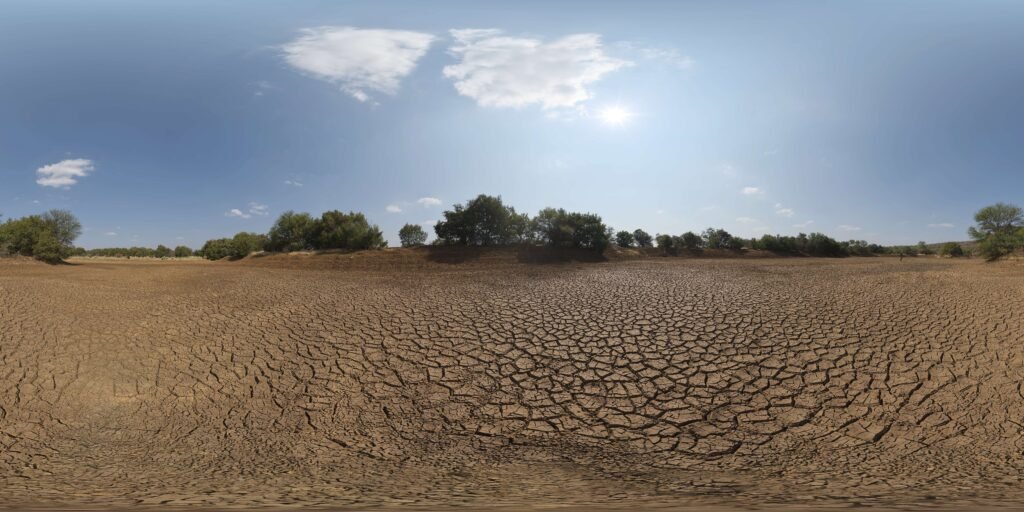

Dry lake beds, often forgotten landscapes, have recently emerged as surprising threats to public health. Once vibrant ecosystems, they are now barren, dusty reminders of changing climates and human intervention. As these dry expanses increase, they bring with them a legacy of toxins that can affect air quality, wildlife, and human health. But what makes these dry lake beds so hazardous, and why should we be concerned?
The Hidden Dangers Beneath the Surface
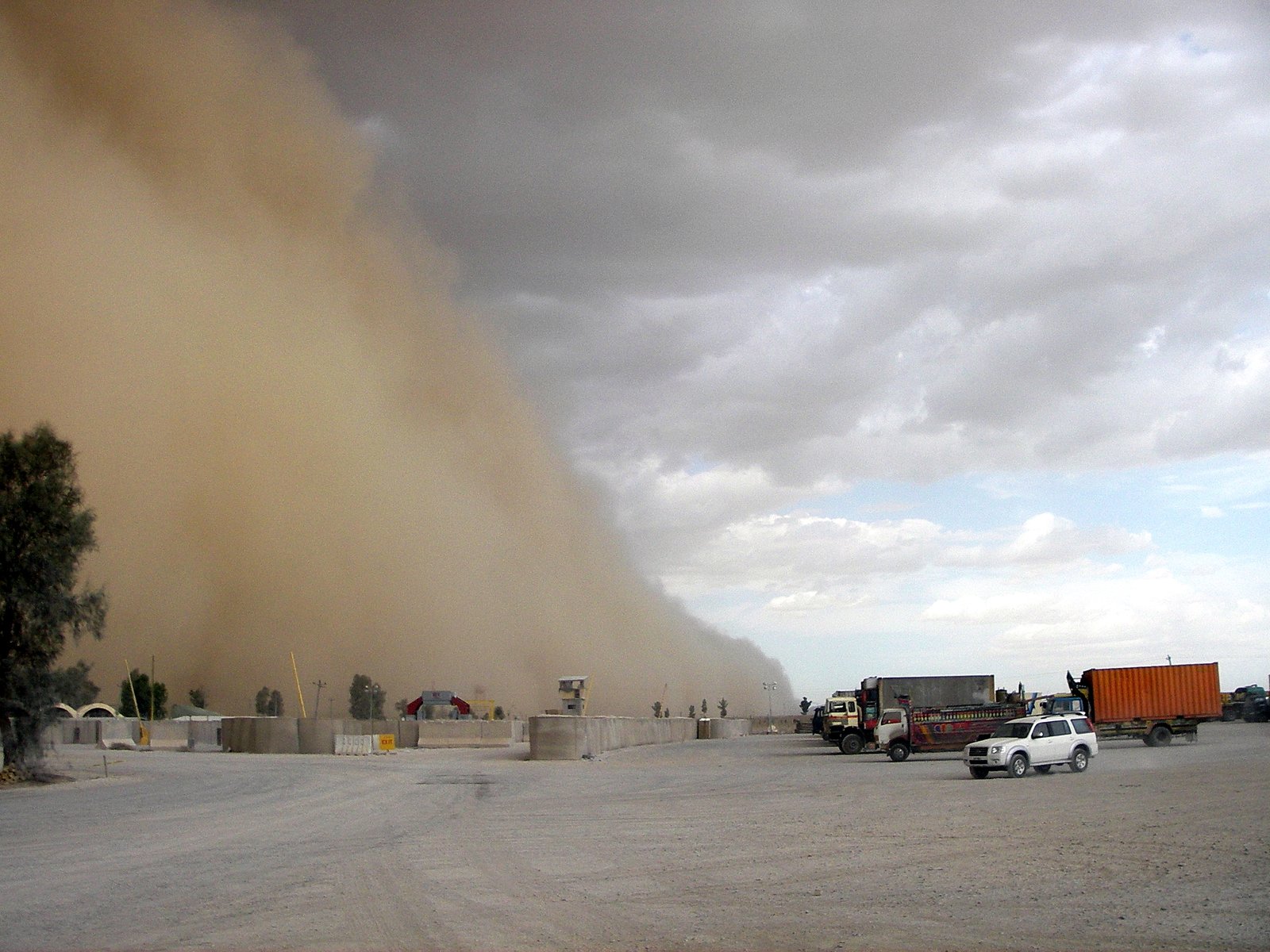
Beneath the cracked and parched surface of dry lake beds lies a cocktail of potentially harmful substances. When lakes dry up, the sediments left behind can contain heavy metals, pesticides, and other pollutants that have accumulated over years. As winds sweep across these flat landscapes, they pick up these particles and disperse them into the air, creating toxic dust storms. These airborne particles can travel vast distances, affecting communities far from the original lake bed. The inhalation of such particles can lead to respiratory problems, cardiovascular diseases, and other health issues, making the air in these regions a silent threat.
From Oasis to Dust Bowl: The Transformation Process
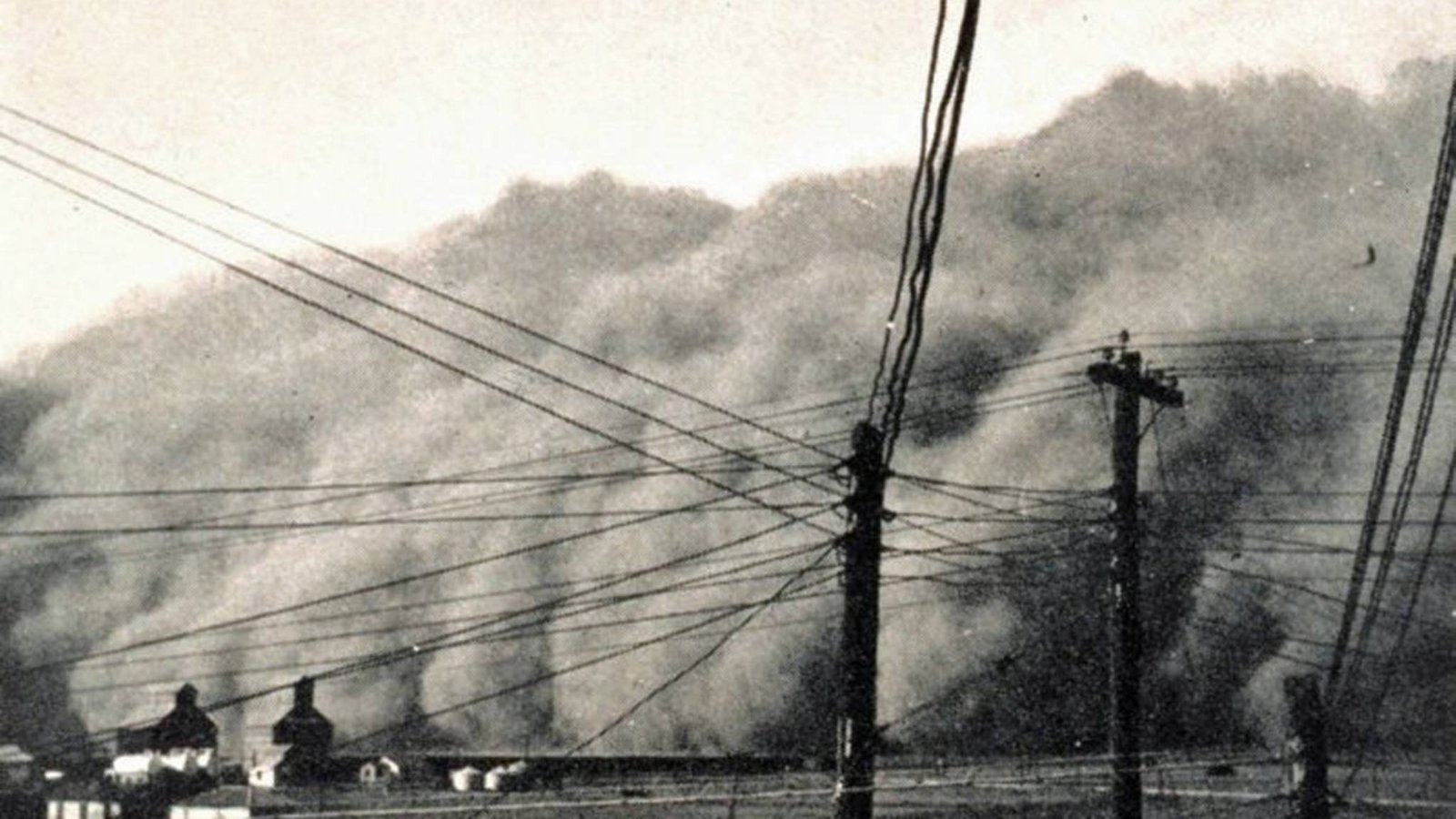
The transformation of lakes into dry beds is often due to a combination of natural and human-induced factors. Climate change plays a significant role, with rising temperatures and shifting precipitation patterns leading to decreased water levels. Meanwhile, human activities such as water diversion for agriculture or urban development exacerbate the problem. As water levels drop, the once-thriving ecosystems collapse, leaving behind barren landscapes. This transformation not only affects local biodiversity but also sets the stage for the release of toxic dust, turning what was once an oasis into a hazardous dust bowl.
The Role of Climate Change
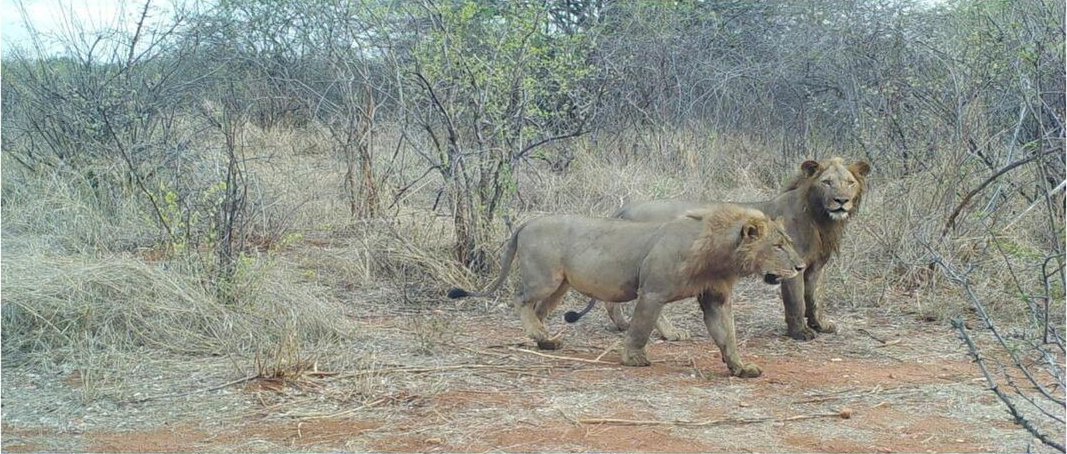
Climate change is an undeniable force in the drying of lake beds worldwide. As global temperatures rise, evaporation rates increase, reducing the water levels in lakes. Additionally, changes in rainfall patterns can lead to prolonged droughts, further stressing these water bodies. The Intergovernmental Panel on Climate Change (IPCC) has highlighted that regions like the southwestern United States and parts of Africa are particularly vulnerable. As these areas experience more frequent and intense droughts, the risk of lake beds drying up and becoming public health hazards grows, illustrating the far-reaching impacts of our changing climate.
Human Activities: A Catalyst for Drying Lakes
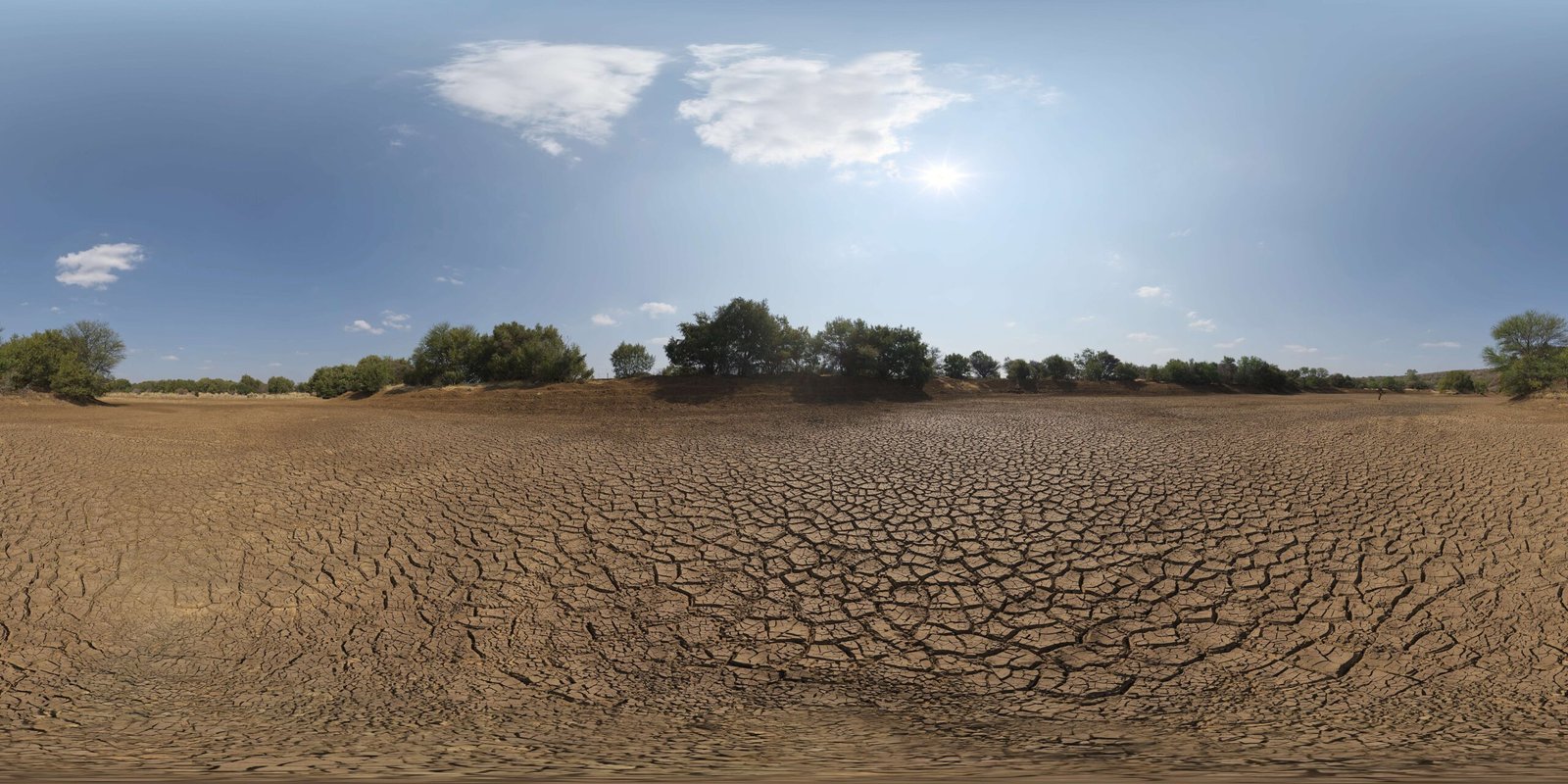
Human activities have significantly contributed to the drying of lakes. Large-scale water diversion projects for agriculture, industry, and urbanization have siphoned off vast amounts of water from natural lakes. The Aral Sea, once the fourth-largest lake in the world, is a prime example of this phenomenon. Extensive irrigation projects drastically reduced its size, leading to the exposure of toxic sediments. Today, the surrounding regions suffer from severe dust storms that carry harmful pollutants. This example serves as a stark reminder of how human intervention can transform thriving ecosystems into environmental hazards.
Impacts on Local Communities
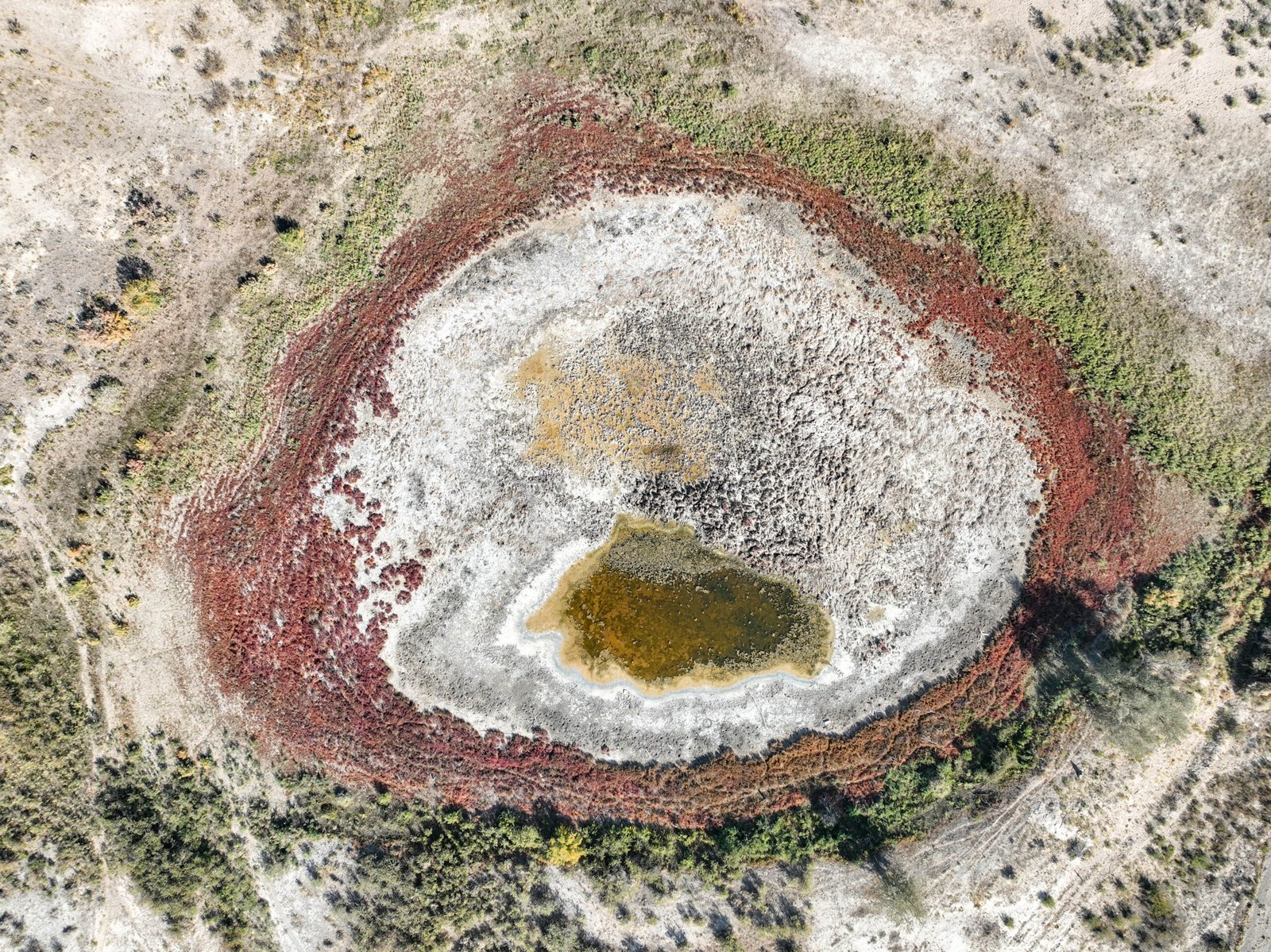
The drying of lake beds has profound impacts on local communities, many of whom rely on these water bodies for their livelihoods. Fishing, agriculture, and tourism industries often suffer significant losses as lakes shrink and ecosystems collapse. Moreover, the health of residents is at risk due to the increased exposure to airborne pollutants. In some regions, the decline in water quality can lead to shortages of clean drinking water, further exacerbating public health concerns. Communities living near dry lake beds often face economic challenges and health risks, highlighting the urgent need for intervention and sustainable management practices.
Wildlife at Risk

The drying of lake beds doesn’t just affect humans; it poses a significant threat to wildlife as well. Many species rely on these water bodies for habitat, food, and breeding grounds. As lakes dry up, the loss of habitat can lead to declines in biodiversity and even extinction for some species. Migratory birds, for instance, depend on these lakes as stopover points during their long journeys. The loss of such crucial habitats can disrupt migration patterns and threaten entire populations. Protecting these ecosystems is vital for preserving the rich biodiversity that depends on them.
Innovative Solutions and Mitigation Strategies
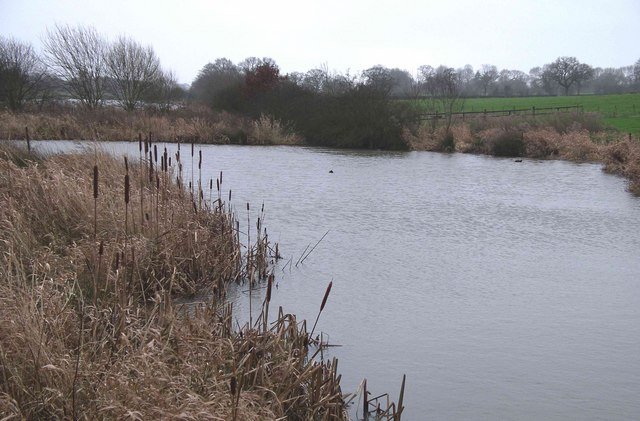
Addressing the challenges posed by dry lake beds requires innovative solutions and proactive mitigation strategies. Restoration projects, such as reintroducing water through sustainable management practices, can help revive these ecosystems. In some cases, artificial wetlands have been created to provide alternative habitats for wildlife. Dust control measures, like planting vegetation or applying chemical stabilizers, can reduce the spread of toxic particles. Collaborative efforts between governments, scientists, and local communities are essential to develop effective strategies that balance environmental conservation with human needs.
The Role of Technology in Monitoring and Management
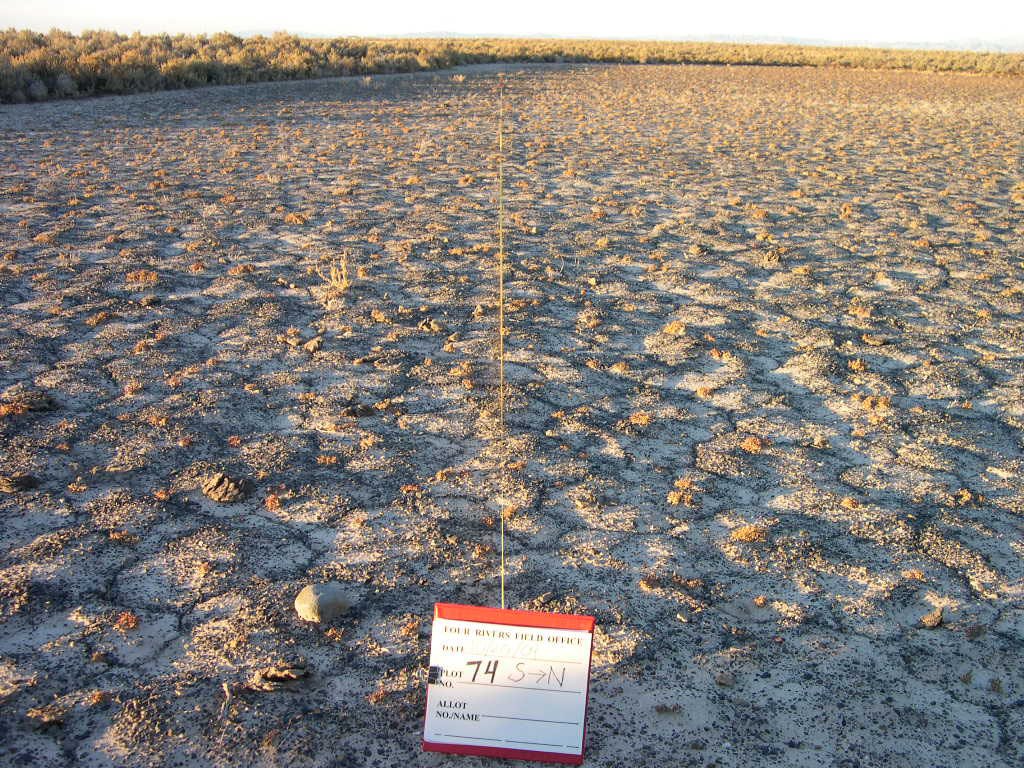
Technology plays a crucial role in monitoring and managing dry lake beds. Satellite imagery and remote sensing tools provide valuable data on changes in water levels and sediment composition. These technologies allow scientists to track the progression of drying lakes and identify potential hazards. Additionally, predictive models can forecast future changes and assess the impacts of various management strategies. By leveraging technology, we can make informed decisions and implement targeted interventions to mitigate the risks associated with dry lake beds.
Community Involvement: A Key to Success
Community involvement is a vital component of successful lake bed management. Local residents possess valuable knowledge and insights about their environment, making them essential partners in conservation efforts. Engaging communities in decision-making processes fosters a sense of ownership and responsibility for the health of their ecosystems. Educational programs and awareness campaigns can empower individuals to take action and advocate for sustainable practices. By working together, communities, scientists, and policymakers can develop effective solutions that address the challenges posed by dry lake beds and protect public health.
A Call to Action: Protecting Our Future
The growing threat of dry lake beds as public health hazards demands immediate attention and action. As individuals, we can advocate for sustainable water management practices and support conservation initiatives. Governments and organizations must prioritize research, funding, and policy development to address this pressing issue. By taking collective action, we can protect our ecosystems, safeguard public health, and ensure a sustainable future for generations to come. The time to act is now, before the legacy of dry lake beds becomes an irreversible burden on our planet.