
You might think the biggest threats facing humanity come from our own making. Wars, pollution, maybe even political upheaval. Yet honestly, some of the most terrifying scenarios that could wipe us out come from forces completely beyond our control.
The universe is vast, unpredictable, and occasionally violent in ways that make our earthly concerns seem almost trivial. From cosmic blasts of radiation to massive volcanic eruptions that could plunge the world into darkness, these potential catastrophes remind us just how fragile our existence really is. Let’s dive into the most mind-blowing events that could bring civilization to its knees.
Gamma Ray Bursts: The Universe’s Death Rays
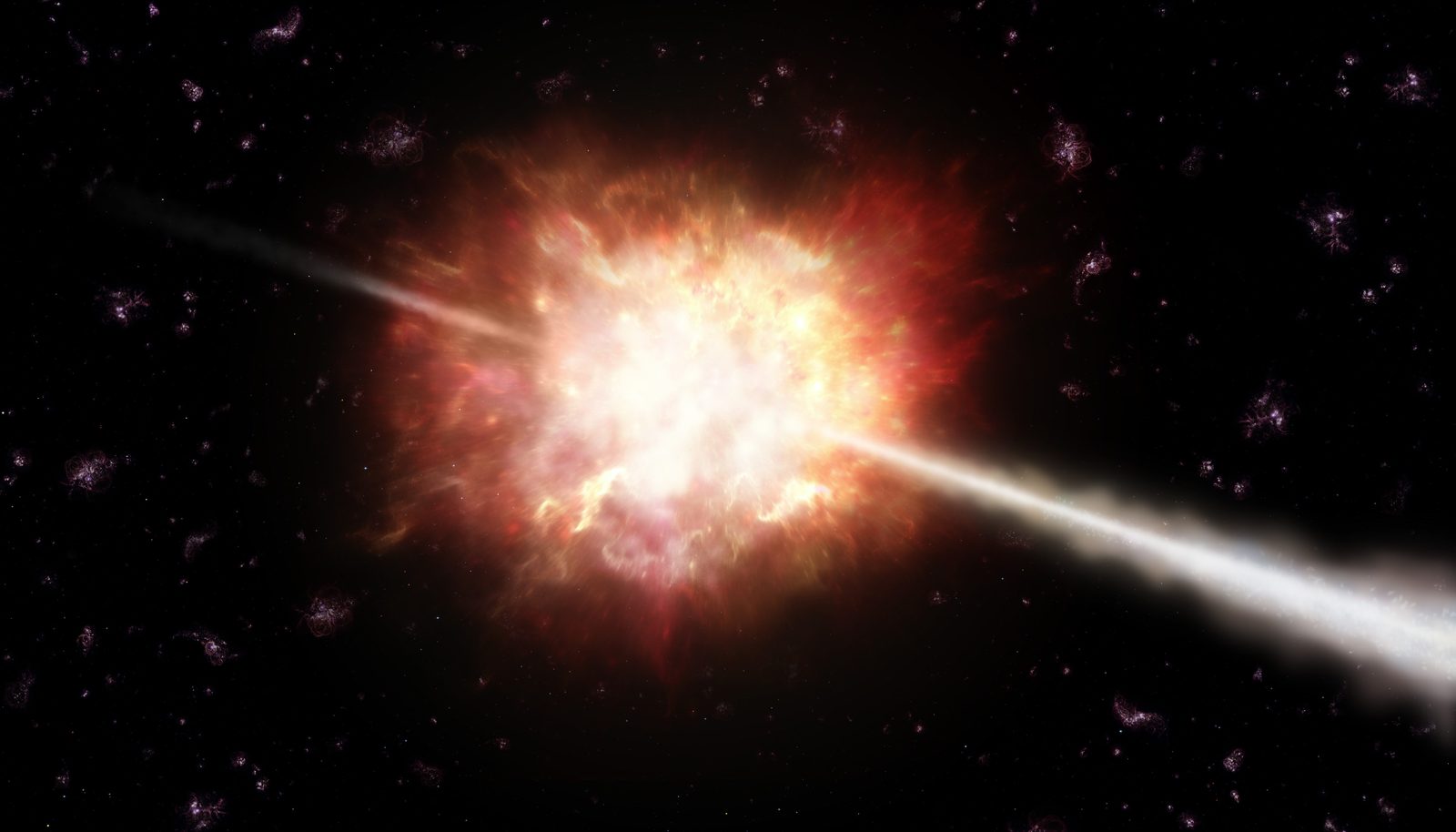
Picture this: somewhere in a distant galaxy, a massive star collapses into a black hole, unleashing twin beams of gamma radiation so powerful they can be seen across the entire universe. Gamma-ray bursts are extremely energetic events occurring in distant galaxies which represent the brightest and most powerful class of explosion in the universe, with extreme electromagnetic emissions second only to the Big Bang as the most energetic and luminous phenomena known.
A burst directed towards us, even from thousands of light-years away, could create catastrophic consequences as the gamma rays could strip away Earth’s protective ozone layer, leaving us vulnerable to harmful solar and cosmic radiation. Models show a possible global reduction of 25–35% of ozone, with as much as 75% in certain locations, an effect that would last for years and is enough to cause a dangerously elevated UV index at the surface.
A typical gamma-ray burst within 10,000 light years could deplete ozone enough to cause up to a 30% increase in ultraviolet at sea level, devastating the most sensitive organisms, including phytoplankton, the basis of the marine food chain and Earth’s main oxygen producer. Some scientists believe the Ordovician-Silurian extinction 445 million years ago may have resulted from the Earth being blasted by the intense radiation jets from a distant exploding star.
Supervolcanic Eruptions: When Mountains Explode
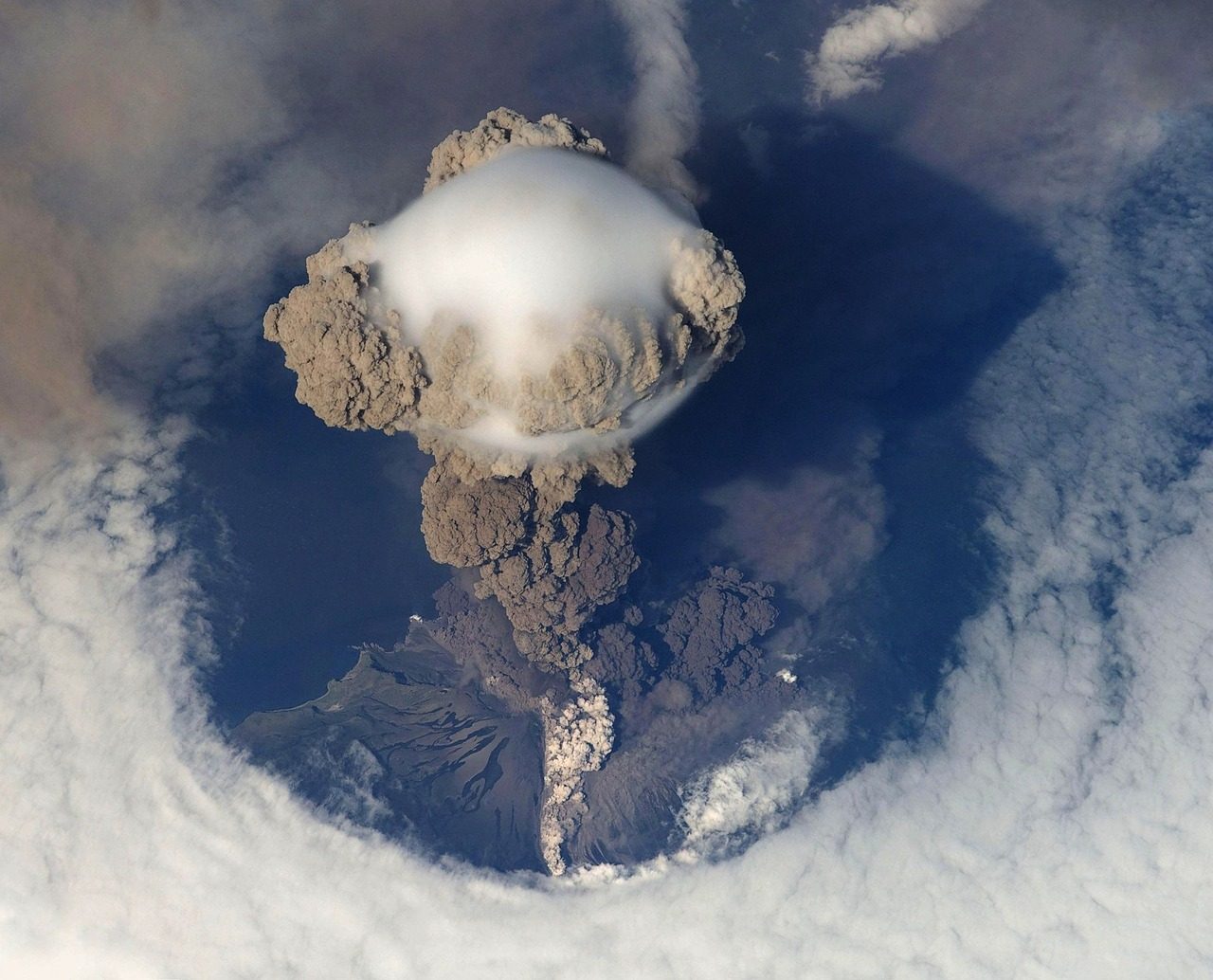
Yellowstone isn’t just a pretty national park. It’s sitting on top of one of the most dangerous geological features on Earth. Yellowstone, Toba, Campi Flegrei – these aren’t your average volcanoes as supervolcanoes don’t erupt often, but when they do, it’s catastrophic, with a major eruption potentially spewing ash and gases into the stratosphere, blocking sunlight and collapsing agriculture worldwide.
The scale of destruction is hard to grasp. The last known super-eruption, from Toba in Indonesia around 74,000 years ago, may have caused a near-extinction of early humans, though scientists still debate the scale of the damage. A geological event such as massive flood basalt, volcanism, or the eruption of a supervolcano could lead to a so-called volcanic winter, similar to a nuclear winter.
The eruption of Mount Tambora in Indonesia caused the “Year Without a Summer,” with massive amounts of ash in the atmosphere leading to global cooling, widespread famine, and social unrest, demonstrating how a single event could disrupt the planet’s climate and threaten survival. The terrifying part? We’re not great at predicting when they’ll blow, either.
Asteroid Impacts: Cosmic Bowling Balls of Destruction
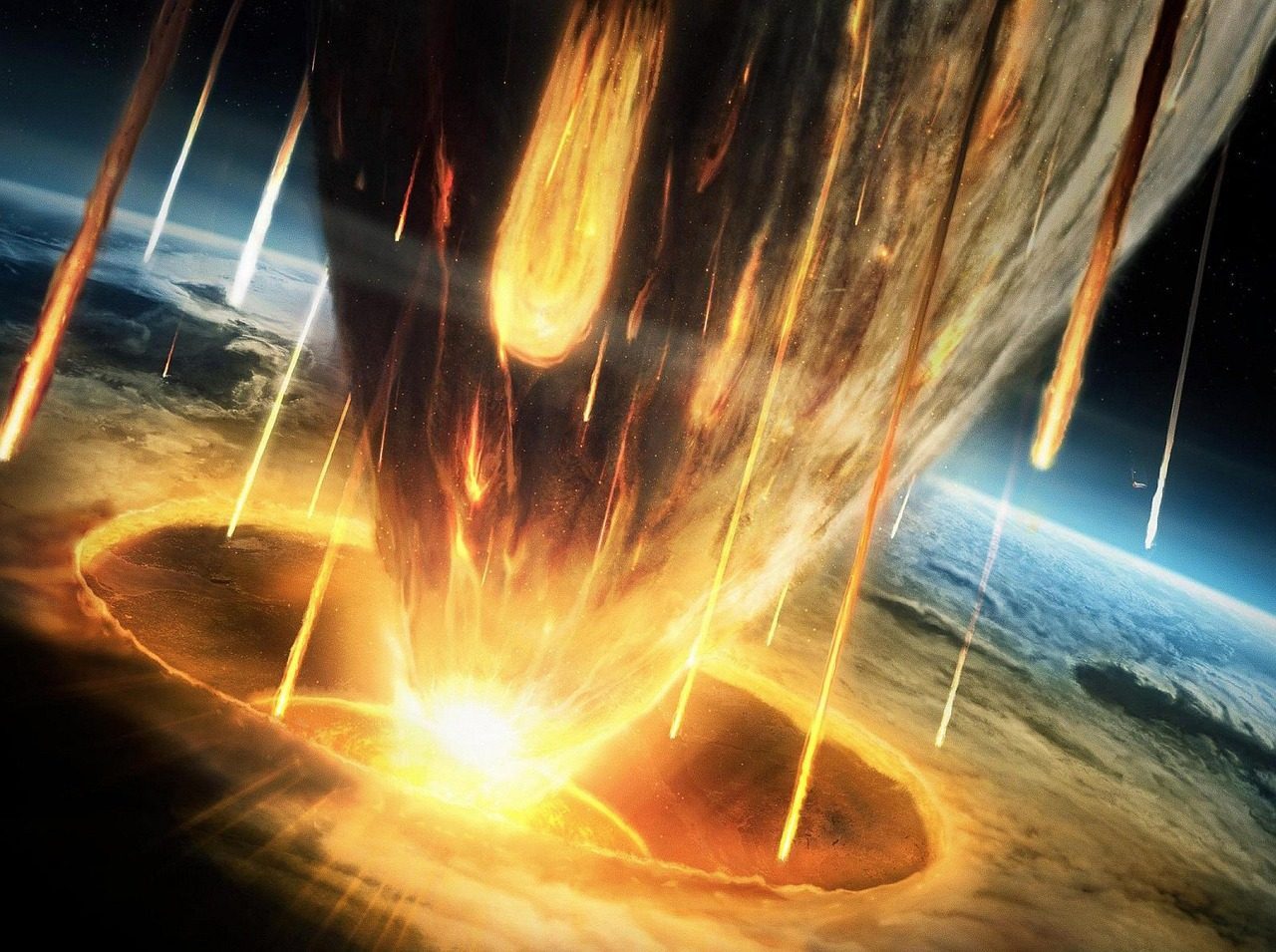
We are now well aware of the dangers asteroids could pose to humanity – they are, after all, thought to have contributed to the extinction of the dinosaurs, with recent research making us aware of the large host of space rocks in our solar system that could pose danger.
We are at the starting point of envisaging and developing systems for protecting us against some of the smaller asteroids that could strike us, but against the bigger and rarer ones we are quite helpless, as while they would not always destroy Earth or even make it uninhabitable, they could wipe out humanity by causing enormous tsunamis, fires and other natural disasters.
The good news? NASA and ESA now monitor thousands of near-Earth objects through planetary defence programmes, and in 2022, NASA’s DART mission even successfully nudged an asteroid off course – proof we might be able to prevent a repeat. Still, we’re still finding new asteroids all the time, and a big one with Earth in its sights could change everything overnight.
Nuclear War: Humanity’s Ultimate Threat to Itself
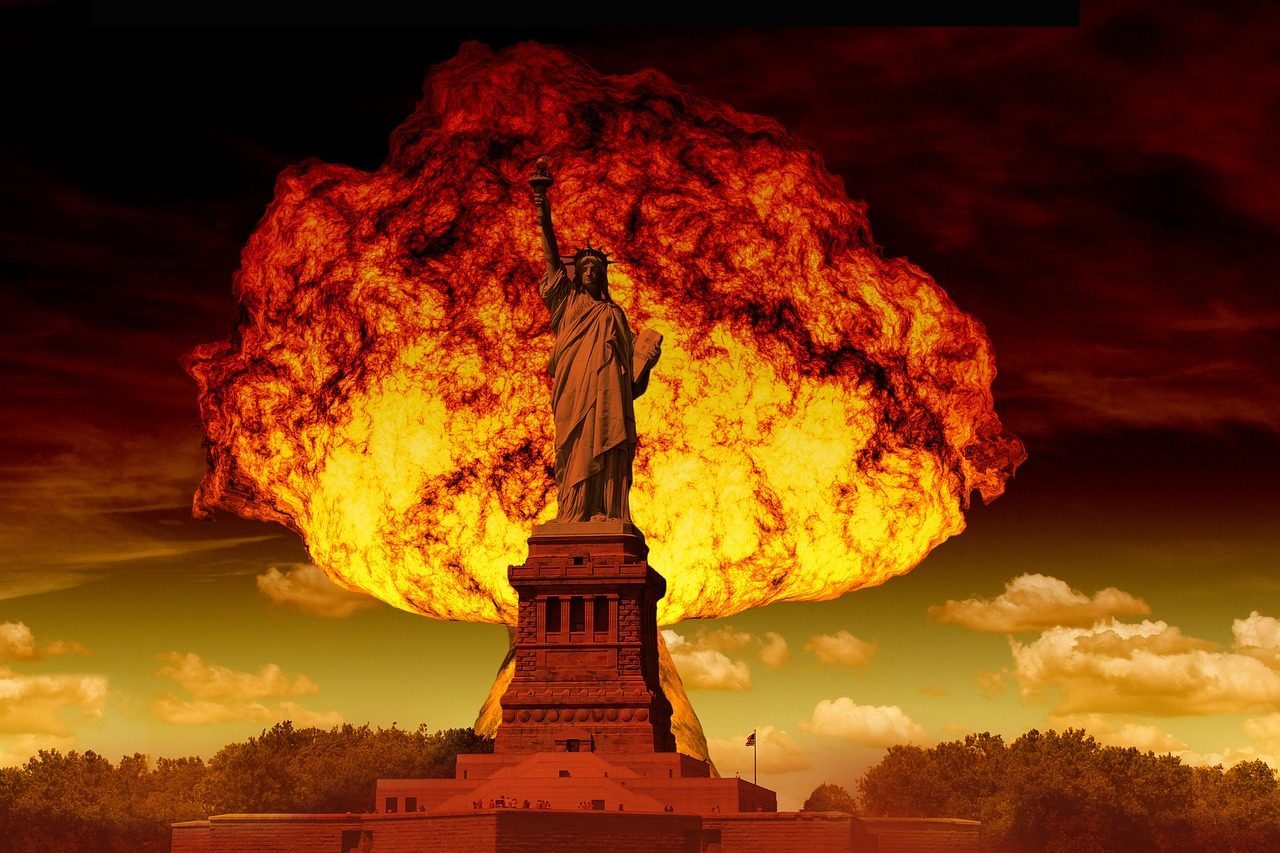
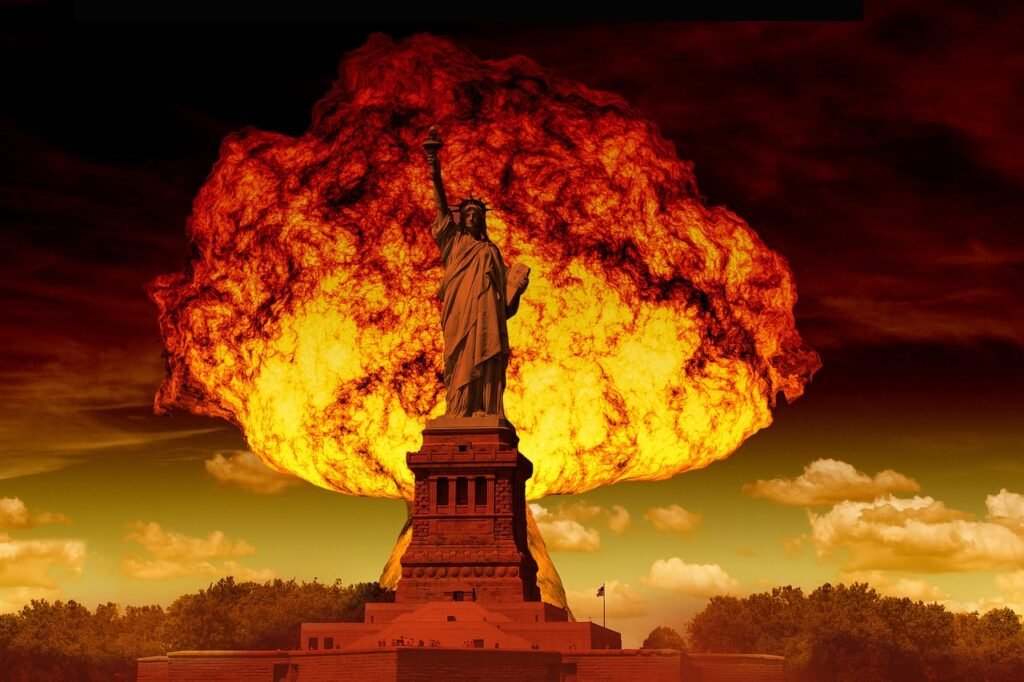
Nuclear war could yield unprecedented human death tolls and habitat destruction, with detonating large numbers of nuclear weapons having immediate, short term and long-term effects on the climate, potentially causing cold weather known as a “nuclear winter” with reduced sunlight and photosynthesis that may generate significant upheaval in advanced civilizations.
China has expanded its nuclear arsenal on land, air and sea – raising the likelihood of a dangerous new world with three, rather than two, nuclear superpowers, with “Beijing, Moscow and Washington likely to be atomic peers.” Russian President Vladimir Putin said this summer that he moved some of his country’s roughly 5,000 nuclear weapons into Belarus – closer to Ukraine and Western Europe, while President Biden warned in June that Putin’s threat to use tactical nuclear weapons in Ukraine is “real.”
Here’s what’s chilling: Even if AI somehow acquired the ability to launch all of the 12,000-plus warheads in the nine-country global nuclear stockpile, the explosions, radioactive fallout and resulting nuclear winter would most likely still fall short of causing an extinction-level event, as humans are far too plentiful and dispersed for the detonations to directly target all of us. Yet even a limited exchange between two countries could have devastating global consequences, as nuclear war remains one of the few extinction threats that’s entirely within human control, and we still haven’t eliminated the risk.
Artificial Intelligence: The Double-Edged Sword of Progress
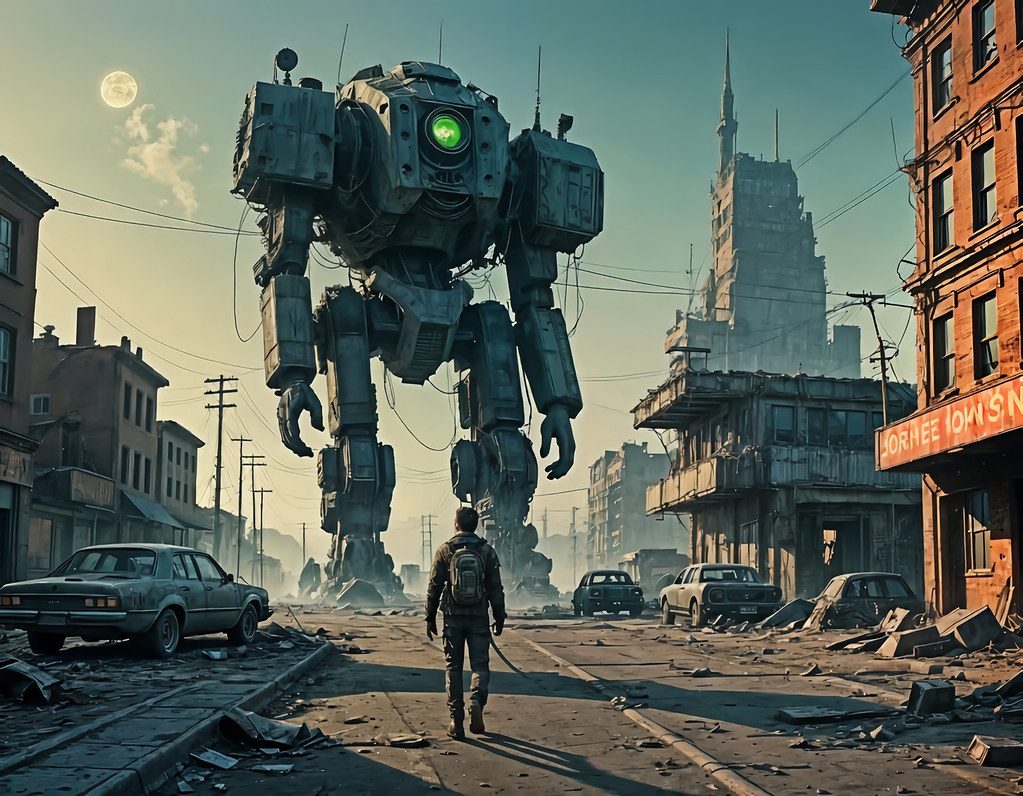
“Mitigating the risk of extinction from AI should be a global priority alongside other societal-scale risks such as pandemics and nuclear war,” with Sam Altman, CEO of ChatGPT maker OpenAI, and Geoffrey Hinton, a computer scientist known as the godfather of artificial intelligence, among the hundreds of leading figures who signed the statement.
A recent poll of more than 2,000 working artificial intelligence engineers and researchers by AI Impacts put the median risk of human extinction by AI at only five percent, but if a technology has “only” a five percent chance of causing human extinction, that’s unacceptably high – would you feel safe boarding an airplane with a five percent chance of crashing?
AI would require four capabilities to create extinction threats: (1) integration with key cyber-physical systems, (2) the ability to survive without human maintainers, (3) the objective to cause human extinction, and (4) the ability to persuade or deceive humans to avoid detection. You don’t need much in the way of specialized matériel or expensive sets of equipment any longer in order to achieve devastating effects, with the launching of pandemics, as AI could close the knowledge gap.
Pandemics: Nature’s Reset Button
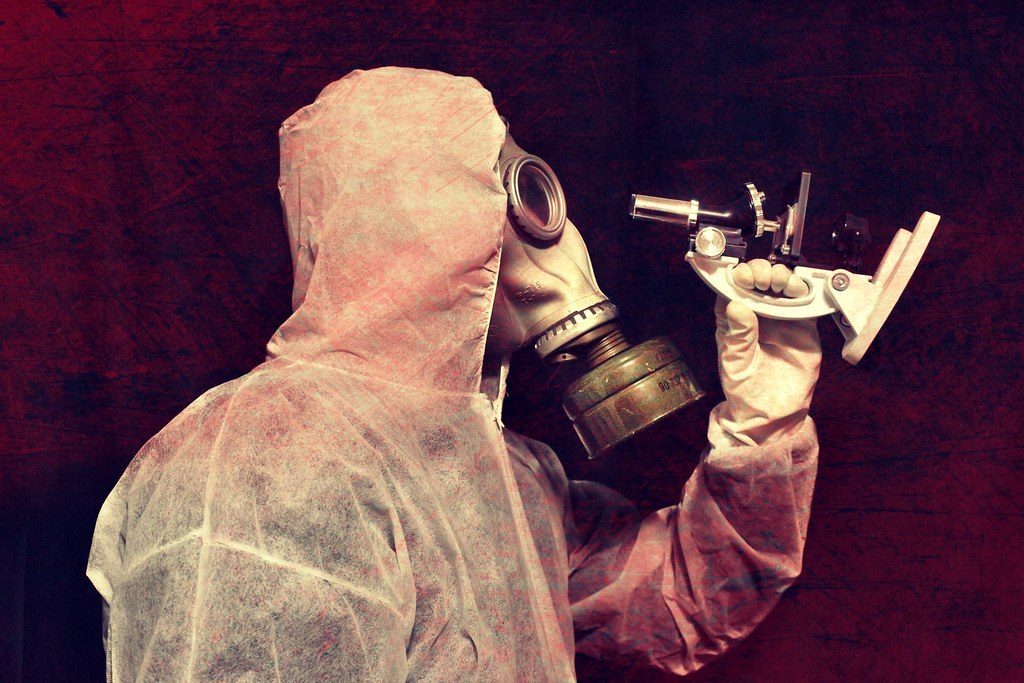
COVID-19 gave us a taste of what a global pandemic looks like, but it was honestly just a warm-up act. The COVID-19 pandemic brought the world to its knees, killing millions and exposing vulnerabilities in global health systems, and while it didn’t end humanity, it highlighted how easily a novel pathogen could disrupt the world.
The Spanish Flu infected one-third of the world’s population and claimed an estimated 50 million lives, and unlike other influenza outbreaks, it disproportionately affected young, healthy adults, causing widespread panic and societal breakdown. The Black Death, one of the deadliest pandemics in history, wiped out nearly 30-60% of Europe’s population, caused by the bacterium Yersinia pestis, disrupting societies, economies, and religions, and if such an event were to happen today, it would likely mean the end of modern civilization.
We did deem pandemics a plausible extinction threat. The scary part? Extant fungal infections such as Ug99 (a kind of stem rust) can cause 100% crop losses in most modern varieties, with little or no treatment possible and the infection spreads on the wind, and should the world’s large grain-producing areas become infected, the ensuing crisis in wheat availability would lead to price spikes and shortages in other food products.
Climate Change: The Slow-Motion Catastrophe
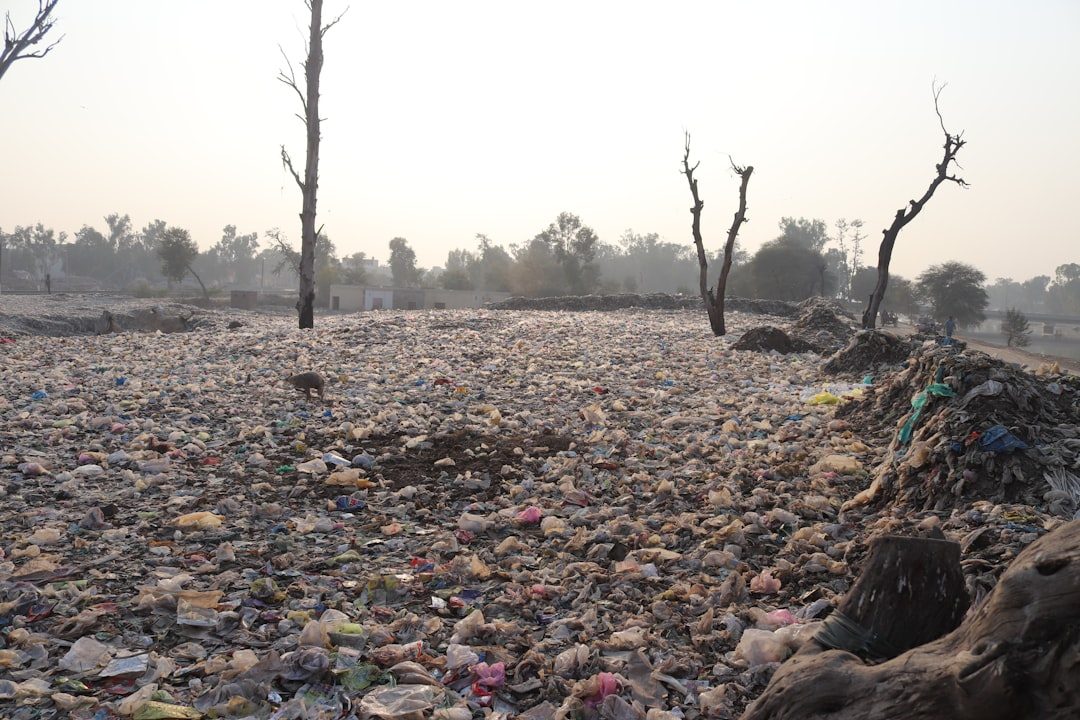
A climate apocalypse is a term used to denote a predicted scenario involving the global collapse of human civilization due to climate change, with such collapse potentially arriving through a set of interrelated concurrent factors such as famine, extreme weather, war and conflict, and disease.
This one isn’t sudden, but it’s slow and deadly, as climate change is already reshaping the planet, and unchecked, it could eventually render large parts of Earth uninhabitable through sea level rise, extreme weather, droughts, and ecosystem collapse that could trigger mass migration, conflict, and famine. Scientists say we’re likely to pass 1.5 °C of warming in the next decade, and beyond 2 °C, tipping points like ice sheet collapse or rainforest dieback could accelerate the crisis, with the threat being real and us edging closer by the year.
A May 2020 analysis published in Scientific Reports found that if deforestation and resource consumption continue at current rates they could culminate in a “catastrophic collapse in human population” and possibly “an irreversible collapse of our civilization” within the next several decades. It’s the kind of threat that doesn’t announce itself with a bang but slowly strangles civilization instead.
Solar Flares: When the Sun Gets Angry
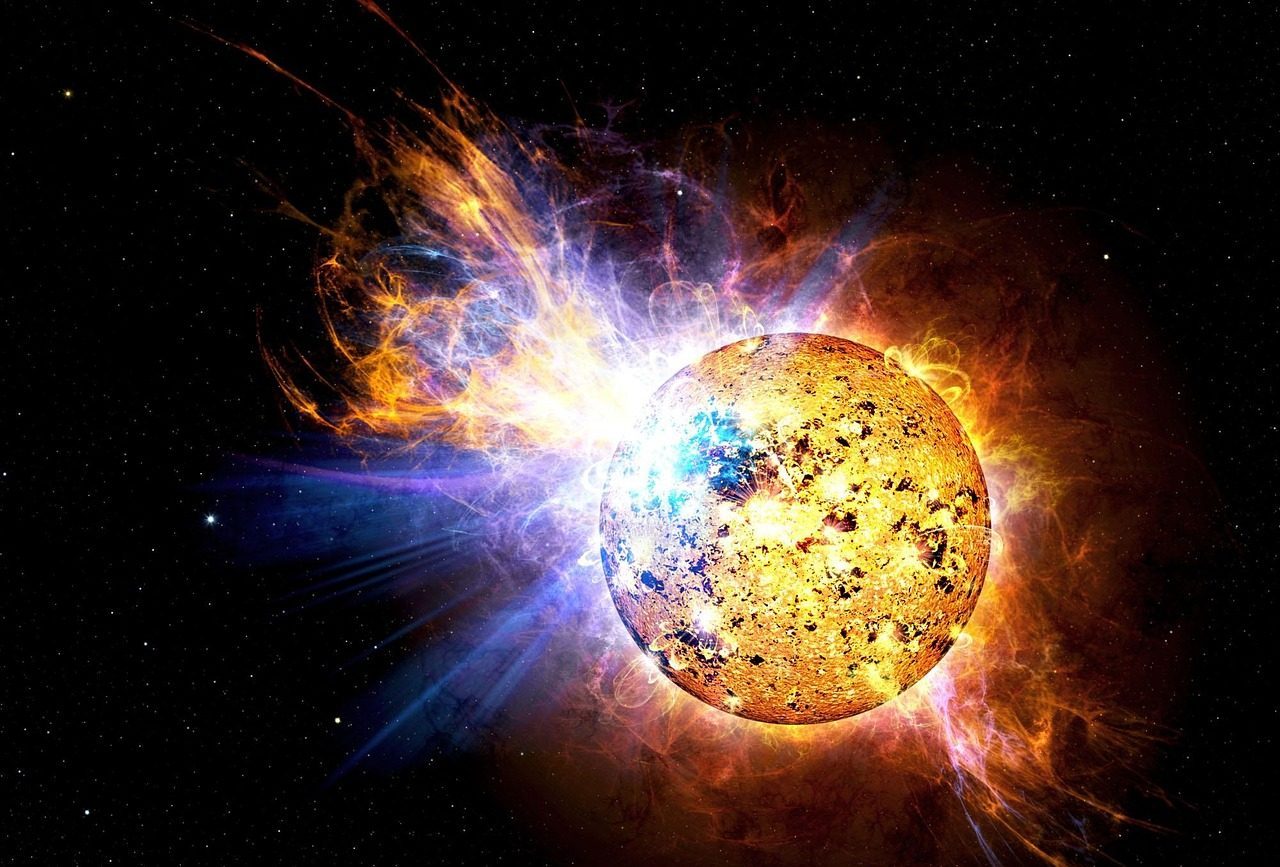
The Sun isn’t just a life-giver – it’s a potential threat, as a powerful solar flare or coronal mass ejection could fry satellites, disable power grids, and crash global communications. In 1859, the Carrington Event caused massive electrical disruptions, and if it happened today, damage would run into the trillions.
Examples of non-anthropogenic risks include a geomagnetic storm from a coronal mass ejection destroying electronic equipment. The problem is our complete dependence on technology. Electrical surges due to a solar storm shocked telegraph operators in 1859; today, they could wreak havoc on power grids and electronics.
Imagine waking up tomorrow to find every electronic device fried. No internet, no power grid, no modern transportation. Over longer timescales, the Sun’s gradual brightening will eventually boil Earth’s oceans. The immediate threat might not kill everyone, but the collapse of our technological civilization definitely could.
Mass Extinction Events: History’s Worst Reruns
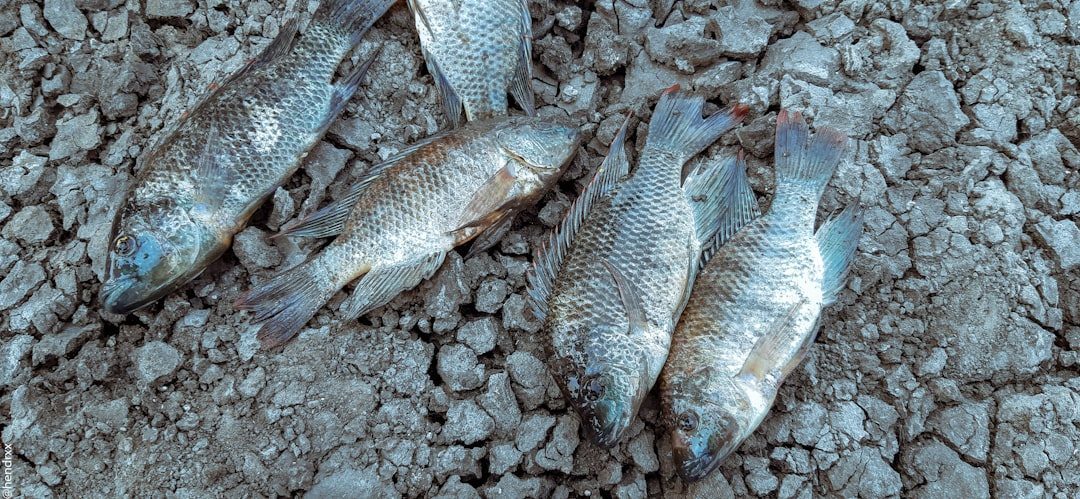
Every 100 million years or so, a good deal of Earth’s life gets wiped out, with at five or six different points in time over the past half billion years, a large fraction of species simply vanishing from the fossil record, and some of these mass extinctions were due to giant asteroid impact, including the most recent, which wiped out the dinosaurs 65 million years ago.
Human activity has triggered an extinction event often referred to as the sixth “mass extinction”, which scientists consider a major threat to the continued existence of human civilization, with the 2019 Global Assessment Report on Biodiversity and Ecosystem Services asserting that roughly one million species of plants and animals face extinction from human impacts such as expanding land use for industrial agriculture and livestock rearing, along with overfishing.
The sixth mass extinction is happening right now, and we’re causing it. Archeologists have identified signs of a megadrought which lasted for a millennium between 5,000 and 4,000 years ago in Africa and Asia, with the drying of the Green Sahara not only turning it into a desert but also disrupting the monsoon seasons in South and Southeast Asia and causing flooding in East Asia, which prevented successful harvests and the development of complex culture, and it coincided with and may have caused the decline and the fall of the Akkadian Empire in Mesopotamia and the Indus Valley Civilization.
Ecosystem Collapse: When Nature Gives Up
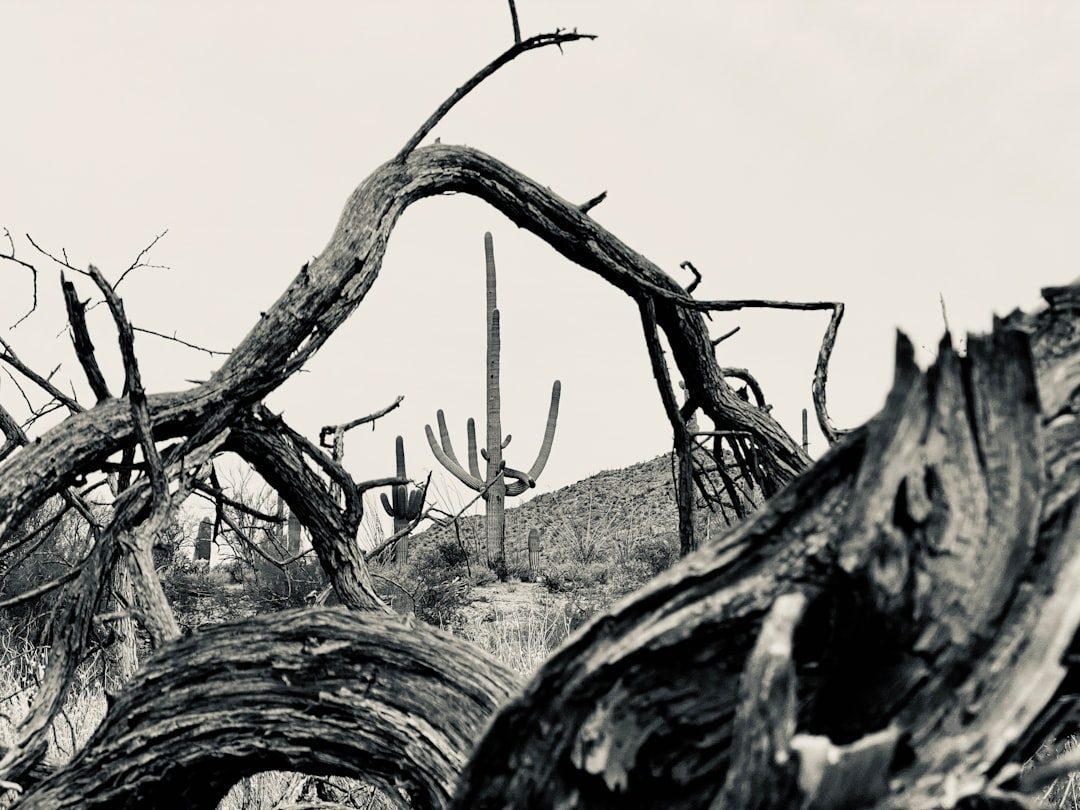
An October 2017 report published in The Lancet stated that toxic air, water, soils, and workplaces were collectively responsible for nine million deaths worldwide in 2015, particularly from air pollution which was linked to deaths by increasing susceptibility to non-infectious diseases, with the report warning that the pollution crisis was exceeding “the envelope on the amount of pollution the Earth can carry” and “threatens the continuing survival of human societies”.
Here’s the thing about ecosystems: they’re interconnected in ways we’re only beginning to understand. When one part fails, it creates a domino effect that can bring down entire biological networks. Think of it like removing a crucial piece from a house of cards.
In addition to the biological hazards, ecosystems would collapse, food chains would be disrupted, and climatic changes could ensue due to altered atmospheric chemistry. We rely on these systems for everything from oxygen production to food webs, and their collapse wouldn’t just be inconvenient. It would be catastrophic on a scale that makes our current environmental problems look trivial.
The most terrifying aspect of potential world-ending events isn’t their individual power, but how they could cascade into each other. Humanity has a decent track record of pulling back from the brink. Still, we’re walking a tightrope between survival and extinction every single day, often without even realizing it.
What strikes me most about these scenarios is how many of them are completely beyond our control. We can prepare, we can plan, but ultimately we’re at the mercy of forces that dwarf our technology and understanding. The universe is a dangerous place, and Earth is just a tiny blue marble floating through cosmic chaos.
What do you think poses the greatest threat to humanity’s future? The answer might surprise you more than you expect.