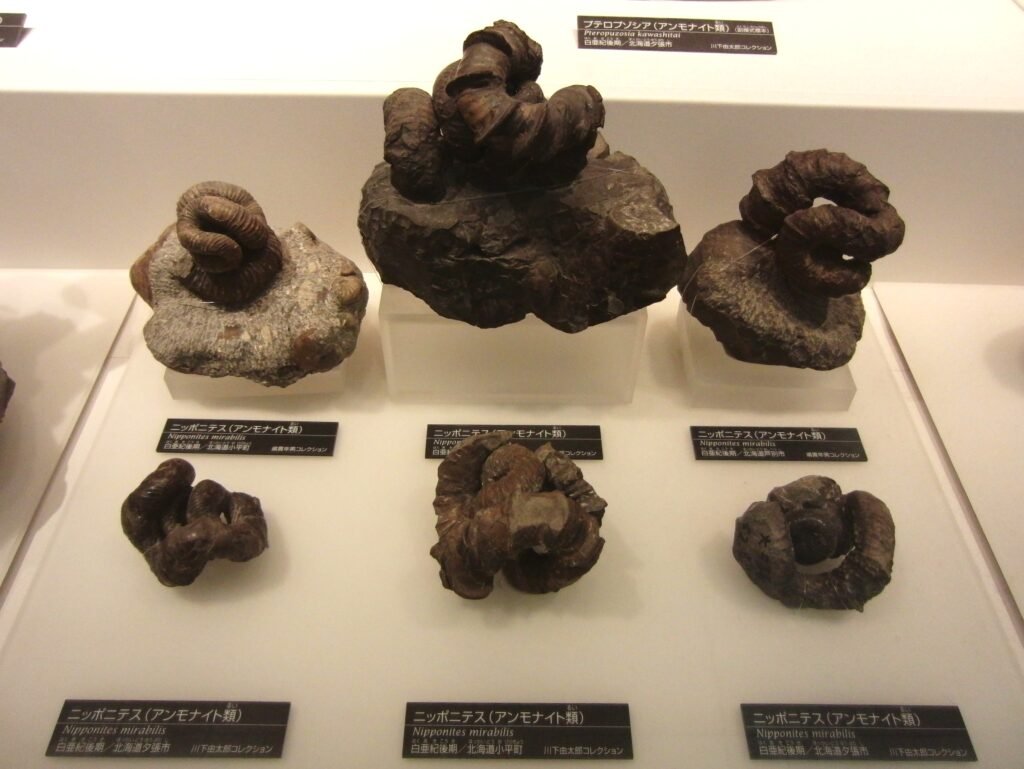

Imagine standing in the heart of Tokyo, skyscrapers towering all around, neon lights flickering into the night. Now, close your eyes and let your mind drift back—way back—ten million years ago. Instead of bustling streets, picture a world teeming with ancient creatures, lush forests, and vast wetlands where the Kanto Plain now sprawls. Beneath Tokyo’s modern marvels lies an astonishing archive of fossils, silent witnesses to a landscape so strange and wild it almost feels like a dream. These fossils don’t just tell stories of dinosaurs and ancient seas; they whisper secrets about the birth of Japan, dramatic climate shifts, and the incredible power of nature to reshape the world. Let’s dig deep and unearth the hidden history beneath Tokyo’s busy feet.
The Ancient Landscape Beneath Modern Tokyo

Ten million years ago, the Kanto Plain looked nothing like the concrete jungle we know today. The land was a patchwork of lush river valleys, brackish lagoons, and rolling hills, shaped by tectonic forces far below the surface. Dense forests draped the region, sheltering creatures long vanished from the Earth. The coastline was much closer inland, and tidal flats stretched far and wide, creating a mosaic of habitats. Massive rivers snaked through these primitive forests, carrying silt and organic debris that would one day harden into fossil-rich layers. Imagine Tokyo Bay not as a bustling port but as a gentle expanse of shallow water, alive with prehistoric life. The entire scene was dynamic, shifting with each earthquake and volcanic eruption.
How Fossils Were Preserved in the Kanto Plain
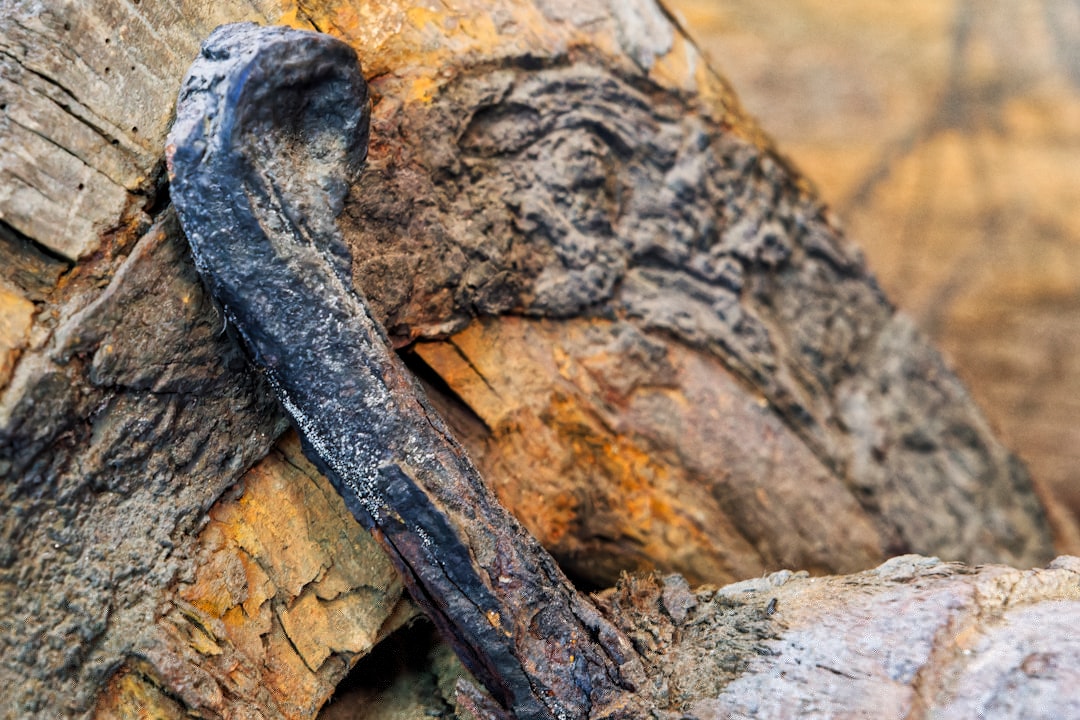
The story of Tokyo’s fossils begins with mud, sand, and the relentless flow of water. As plants and animals died, their remains settled into rivers, lakes, and marshes, quickly buried by silt. This rapid burial was crucial—protecting delicate bones, teeth, and even leaves from decay. Over millions of years, minerals seeped into these organic remains, slowly transforming them into stone. Layers of volcanic ash from distant eruptions sometimes blanketed the plain, providing another protective seal that helped preserve fossils in remarkable detail. Today, construction workers and amateur fossil hunters occasionally stumble upon these time capsules, unlocking stories frozen in rock. The preservation process is almost like nature’s own time-lapse camera, capturing fleeting moments for eternity.
A Lost World of Ancient Mammals
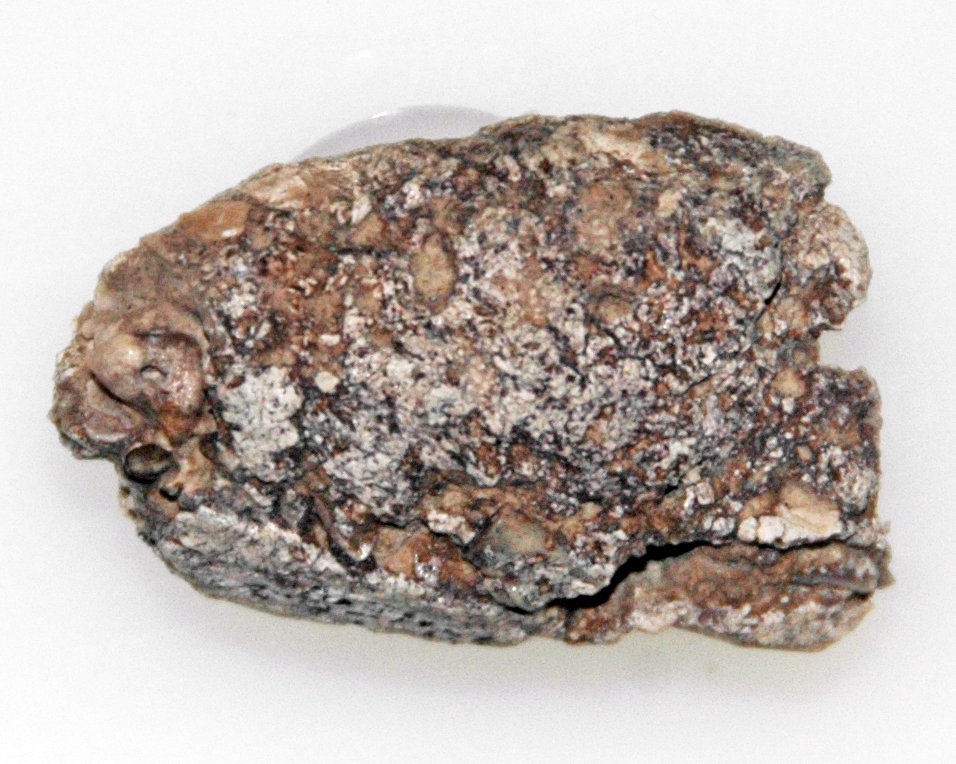
Long before humans roamed the Kanto Plain, herds of strange mammals grazed and prowled the landscape. Fossils reveal the presence of giant ancestors of elephants, such as the stegodon, with their spiral-tusked skulls and hefty bodies. Early relatives of deer and antelope picked their way through undergrowth, while saber-toothed cats—fearsome and sleek—stalked the shadows. These mammals were perfectly adapted to a world of unpredictable floods and dense forests. Their bones, sometimes unearthed during subway excavations, give us a glimpse into a vanished ecosystem where survival was a daily battle. It’s hard to imagine such wildness beneath today’s pavement, but every fossil is a reminder that Tokyo was once a mammalian paradise.
Ancient Rivers and Wetlands
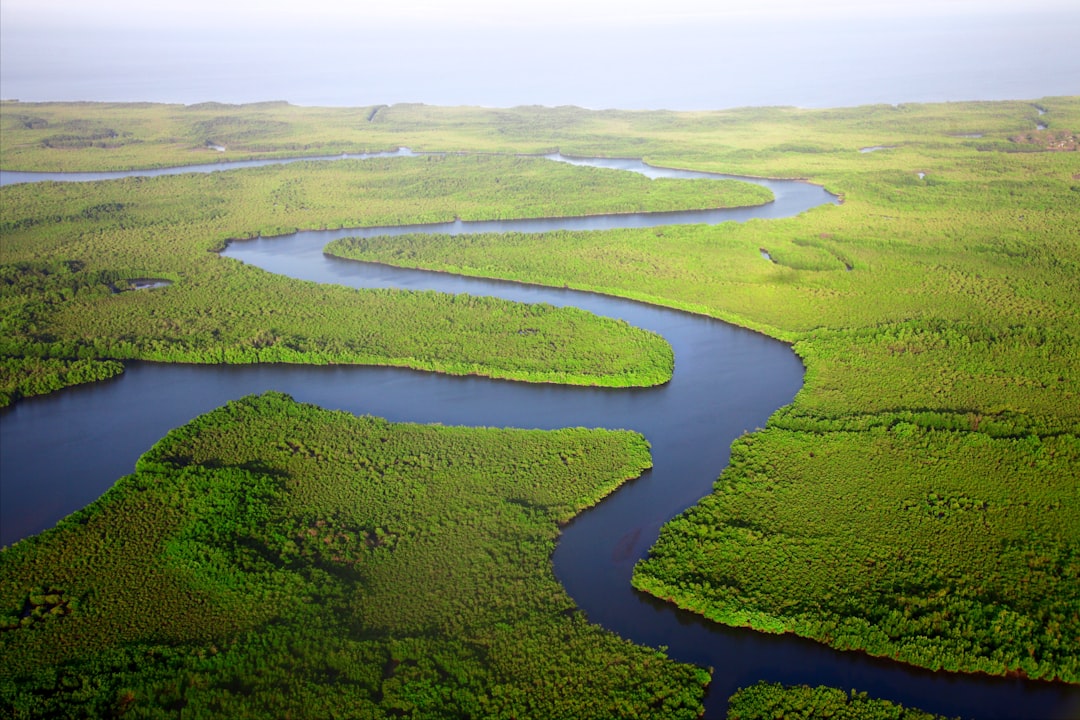
The Kanto Plain’s lost rivers were the lifeblood of its prehistoric world. These waterways meandered through vast wetlands, creating a patchwork of habitats for ancient plants and animals. Fossilized pollen and seeds hint at forests of cypress, willow, and magnolia, all thriving along the banks. Fish fossils, including primitive carp and catfish, suggest tranquil ponds teeming with life. Occasionally, the rivers flooded, sweeping up animals and plants and burying them in silt—an unintentional but perfect recipe for fossil creation. Today’s Sumida and Tama Rivers trace their lineage back to these ancient flows, their modern courses echoing the patterns laid down millions of years ago. The wetlands, once so vital, have all but vanished, but their memory lingers in the stones and fossils unearthed by curious hands.
Volcanoes: Architects of the Land
Volcanoes played a starring role in shaping the Kanto Plain. Ten million years ago, eruptions were frequent and unpredictable, sending rivers of lava and clouds of ash across the landscape. These volcanic materials formed rich soils, encouraging lush forests to flourish. But they also acted as natural fossil preservers, entombing plants and animals in ash that hardened into rock over time. The area’s iconic Mount Fuji had not yet formed, but smaller volcanoes dotted the horizon, dramatically altering the land with each eruption. Fossil layers rich in volcanic ash tell us when these fiery events occurred, acting as geological timestamps. The restless earth beneath Tokyo is still very much alive, a reminder of the forces that built this landscape from the ground up.
Prehistoric Plants: The Forests of Kanto
Imagine a Tokyo blanketed by ancient trees, their canopies dense and green, their roots tangled in the dark, fertile soil. Fossilized leaves, seeds, and wood fragments reveal a tapestry of plant life that included towering conifers, broad-leafed magnolias, and ferns as tall as a person. These forests were unruly, filled with the calls of birds and the rustle of mammals moving through the undergrowth. Some plant fossils show evidence of insect feeding, tiny holes and chewed edges that are like signatures left by long-gone beetles and caterpillars. In this ancient forest, competition for sunlight was fierce, and plants evolved clever ways to thrive—from climbing vines to thick, waxy leaves that resisted drought. Every fossilized leaf is a window into a world of green abundance.
Marine Life From a Sunken Coastline
Ten million years ago, much of the Kanto Plain was closer to the sea than it is today. Shallow bays and tidal flats supported a vibrant marine community, as revealed by fossilized shells, fish bones, and even whale remains. Clam and snail shells, perfectly preserved in the silt, speak of a world where saltwater and freshwater mixed, creating unique habitats. Shark teeth—sharp and serrated—are sometimes found in layers deep beneath Tokyo, evidence of predators that ruled these coastal waters. Occasionally, the bones of ancient dolphins or small whales are discovered, hinting at dramatic struggles between hunter and prey. The fossil record paints a vivid picture of a coastline in constant flux, where tides and storms shaped the fate of every creature.
Climate Shifts and Changing Ecosystems
The world of the Kanto Plain was anything but static. Over millions of years, dramatic shifts in climate transformed forests into grasslands and wetlands into dry plains. Fossil pollen tells the story of these changes, showing how plant communities rose and fell as temperatures warmed and cooled. Periods of heavy rainfall alternated with drought, testing the resilience of every species. Some animals adapted and thrived, while others vanished forever, their bones left behind as silent testimony. The shifting climate also drove migrations, with new species arriving from the Asian continent as old ones disappeared. These cycles of change are still written in the rocks beneath Tokyo, a reminder that nature is always moving, always evolving.
Creatures of the Skies: Prehistoric Birds and Insects
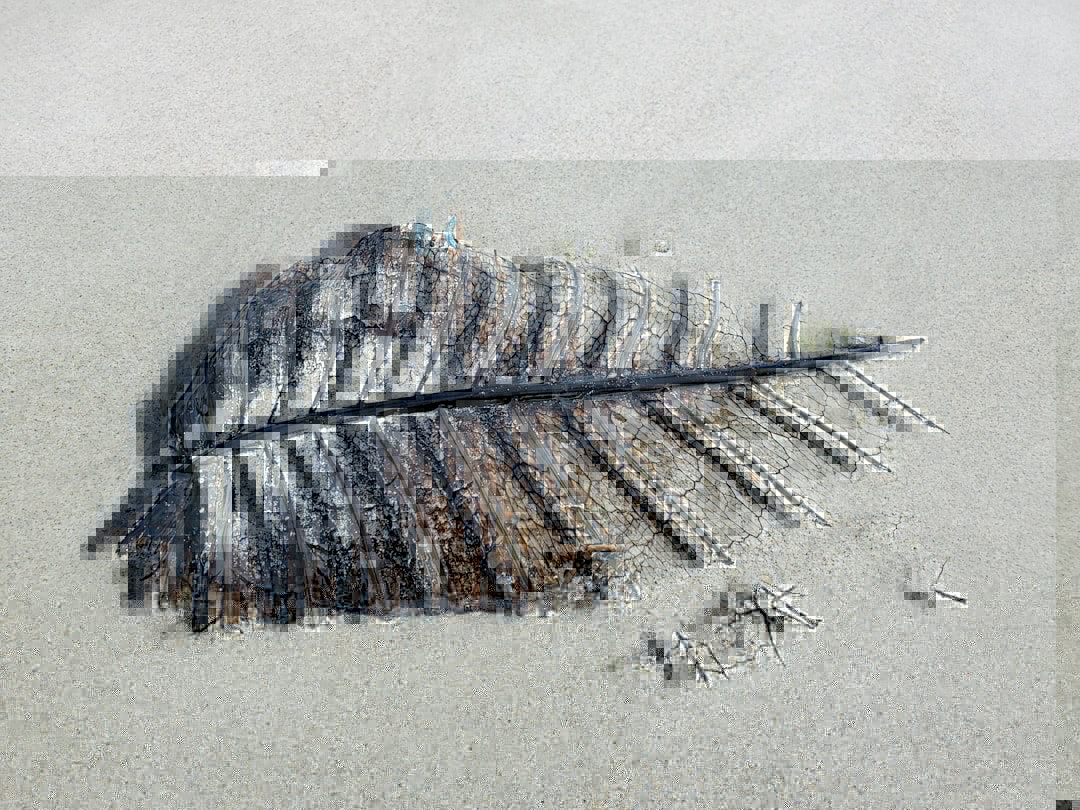
Above the ancient forests and wetlands, the skies of the Kanto Plain bustled with life. Fossils of birds, some with long, slender beaks and others with powerful talons, show a diversity that rivals today’s avian world. Some species soared high, scanning the ground for prey, while others flitted through the trees, feeding on insects. Fossilized beetles, dragonflies, and butterflies offer clues about the insects that pollinated plants and served as vital food sources. Occasionally, an ancient bird or insect would become trapped in mud or resin, its remains preserved for millennia. These tiny fossils, though often overlooked, are critical pieces of the puzzle, helping scientists reconstruct the food webs and daily dramas of a long-lost world.
Gigantic Reptiles: The Last of the Dinosaurs?
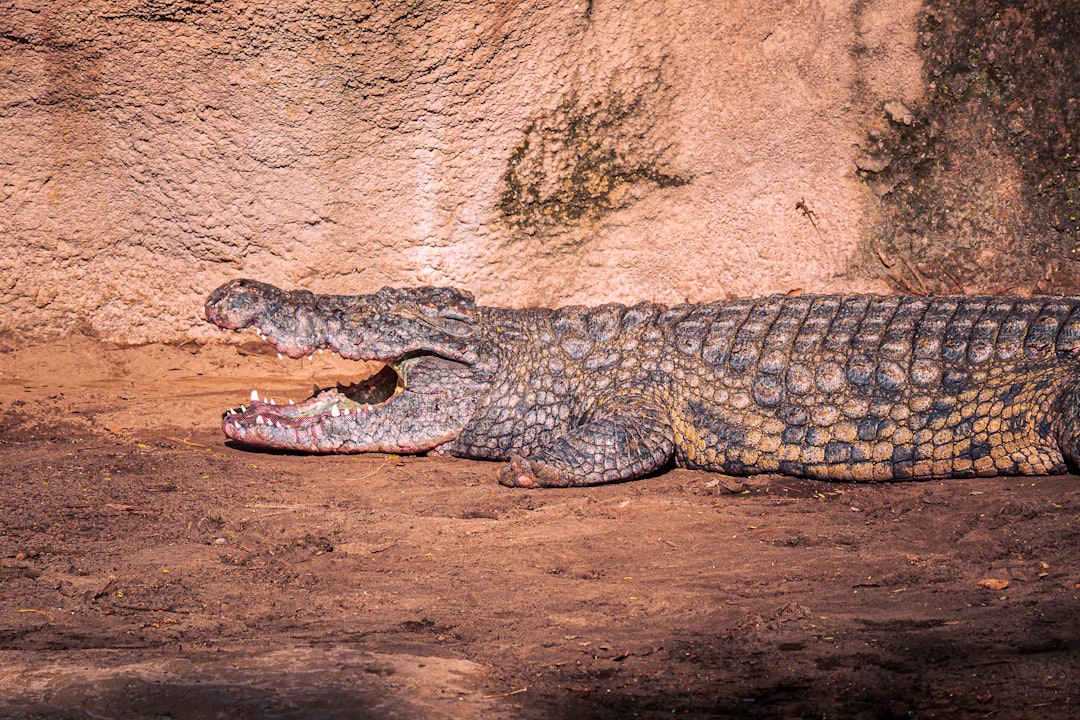
By ten million years ago, the age of dinosaurs was long over, but the Kanto Plain still harbored impressive reptiles. Fossil evidence hints at large turtles and crocodiles lurking in the swamps and rivers. These reptiles were top predators, ambushing fish and small mammals with startling speed. Some turtle fossils, with shells as wide as a kitchen table, suggest creatures that would have been awe-inspiring to see. Crocodile teeth and jaw fragments, sharp and robust, tell of ancient hunters perfectly adapted to their watery homes. Today, their descendants are rare in Japan, but their fossilized remains keep their memory alive, adding a touch of danger to the peaceful scene of ancient Tokyo.
Microfossils: Clues in the Details
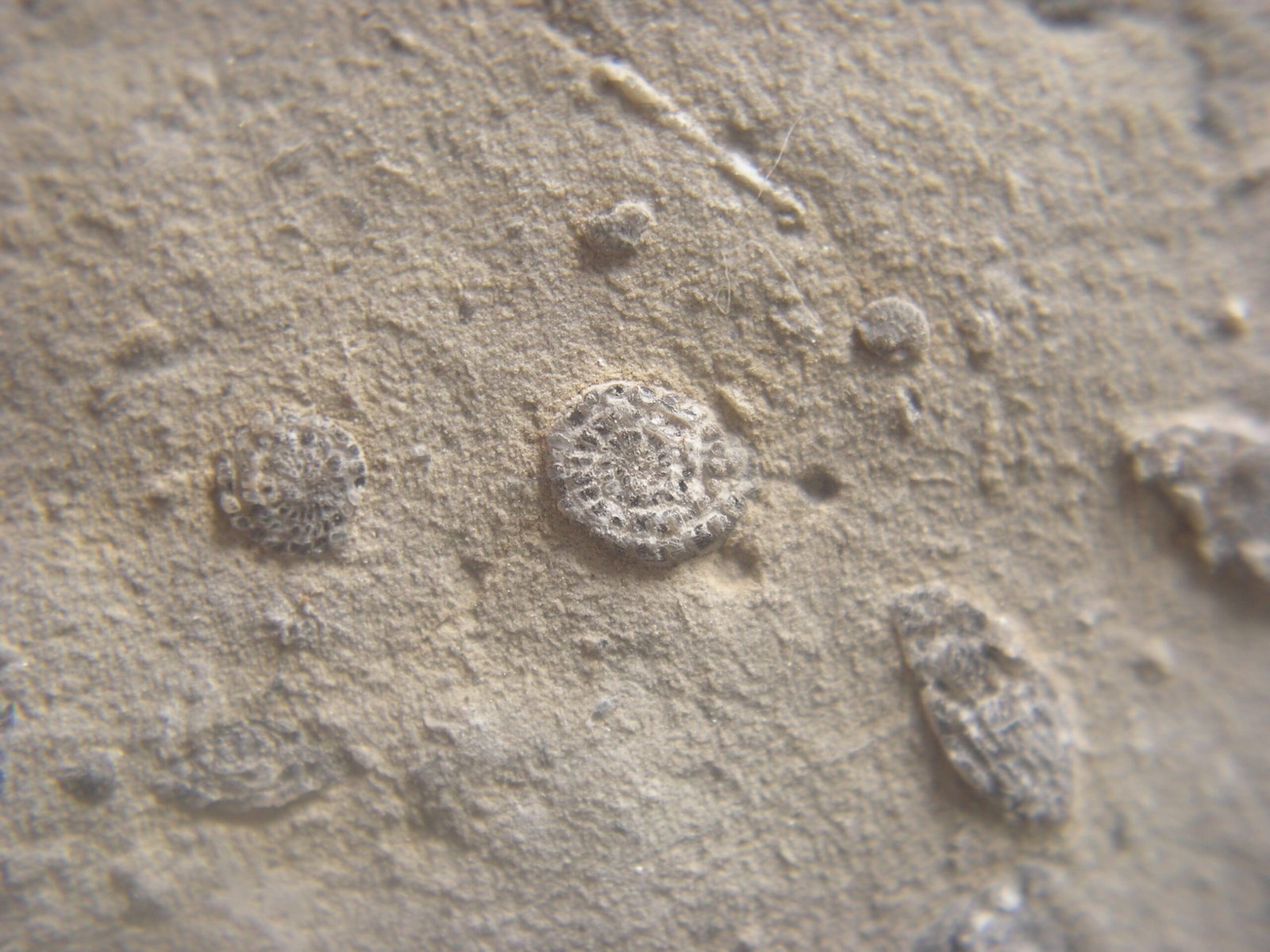
Not all fossils are big and dramatic; some are almost invisible to the naked eye. Microfossils—tiny shells, pollen grains, and diatoms—are hidden treasures in the Kanto Plain’s ancient sediments. When examined under a microscope, these minuscule remains reveal astonishing detail about past environments. For example, changes in the types of diatoms (tiny algae) can show when a lake became more salty or fresh. Pollen grains tell us which trees and grasses dominated the landscape at different times. These microfossils act like nature’s data loggers, allowing scientists to reconstruct ancient climates with remarkable precision. Every shovelful of dirt from beneath Tokyo’s streets could hold thousands of these hidden clues, waiting to be discovered.
Earthquakes and Uplift: Shaping the Plain
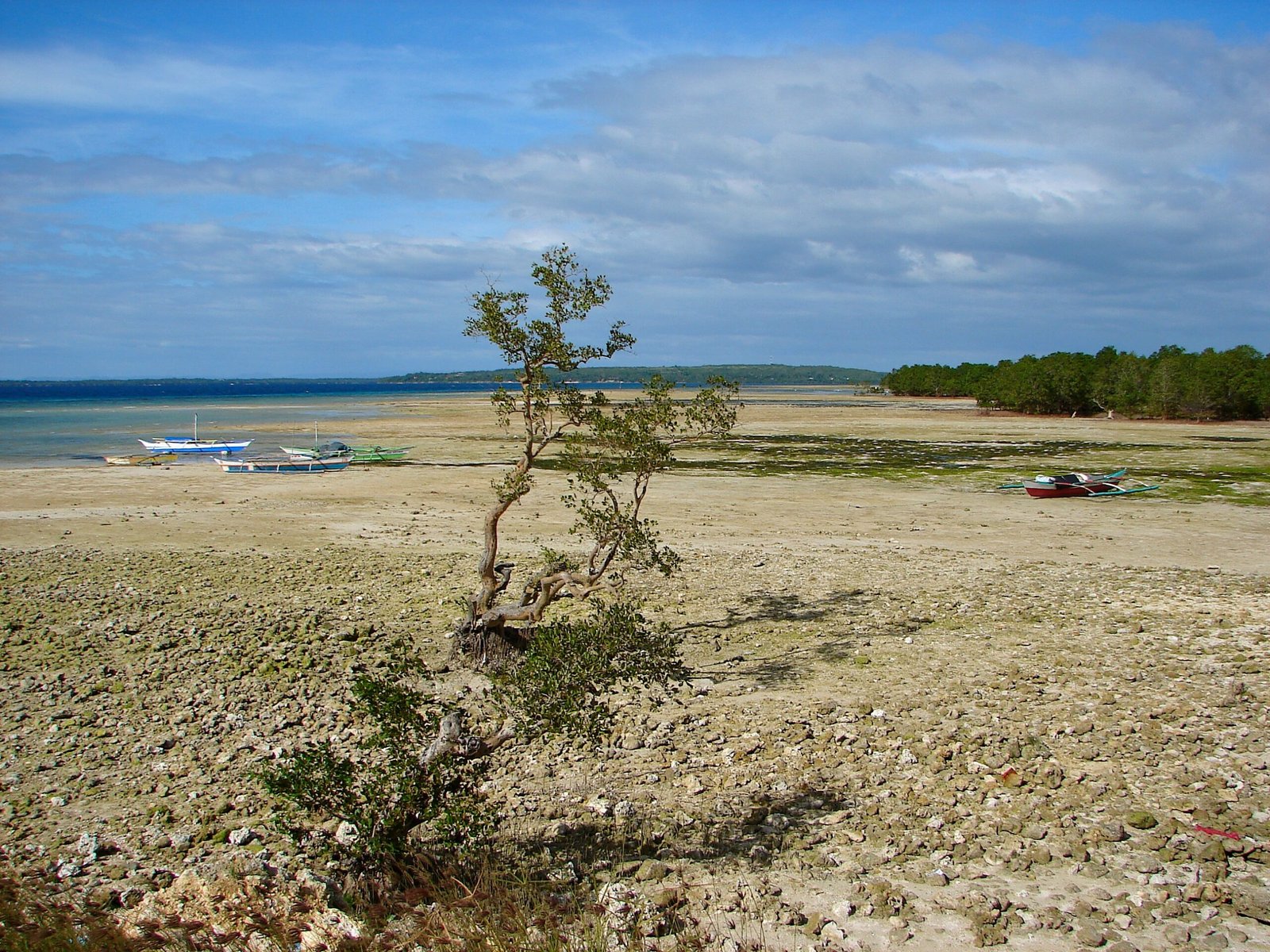
The Kanto Plain sits atop a maze of tectonic plates, and ten million years ago, the earth was in constant motion. Powerful earthquakes regularly shook the land, sometimes triggering landslides that buried forests and rivers in seconds. These dramatic events helped preserve fossils by quickly sealing organic remains under layers of mud and debris. Over time, the land itself was uplifted, raising ancient seabeds and wetlands above sea level. This slow, relentless process explains why marine fossils can be found far from the modern coastline, sometimes deep beneath urban Tokyo. The restless earth has not only shaped the landscape but also helped hide and preserve its ancient secrets.
The Fossil Record and Japan’s Geological Story
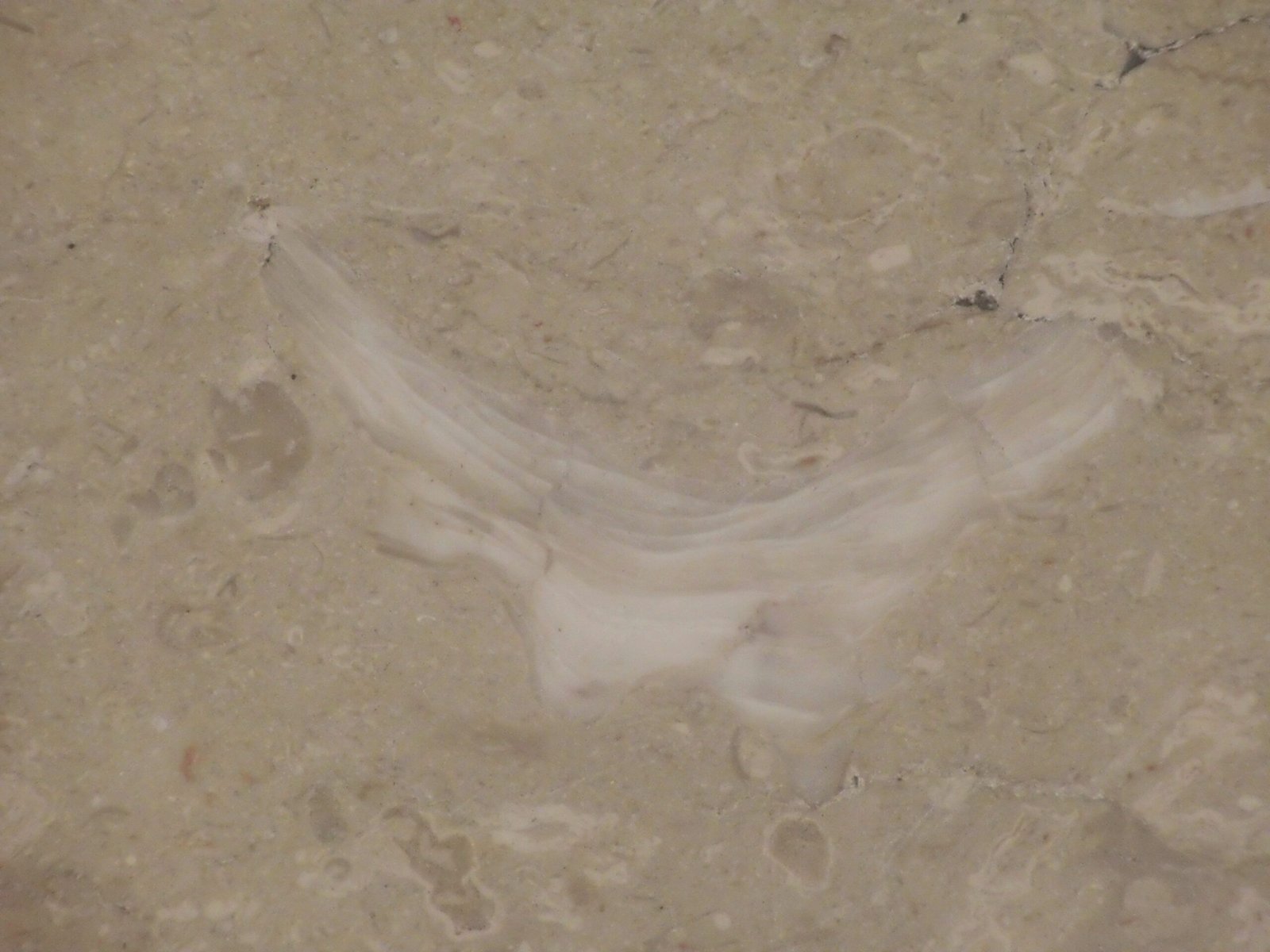
The fossils of the Kanto Plain are more than just ancient bones and shells; they are a record of how Japan itself was born. Ten million years ago, the Japanese islands were still forming, caught between powerful tectonic forces. Land rose and sank, seas advanced and retreated, and volcanic eruptions added new layers to the growing archipelago. Fossils trapped in these layers show the sequence of events that built the land, like pages in a history book. By studying these fossils, scientists can piece together not only the story of Tokyo but of all Japan—a story of upheaval, resilience, and endless change.
Fossil Discoveries in Tokyo’s Urban Landscape
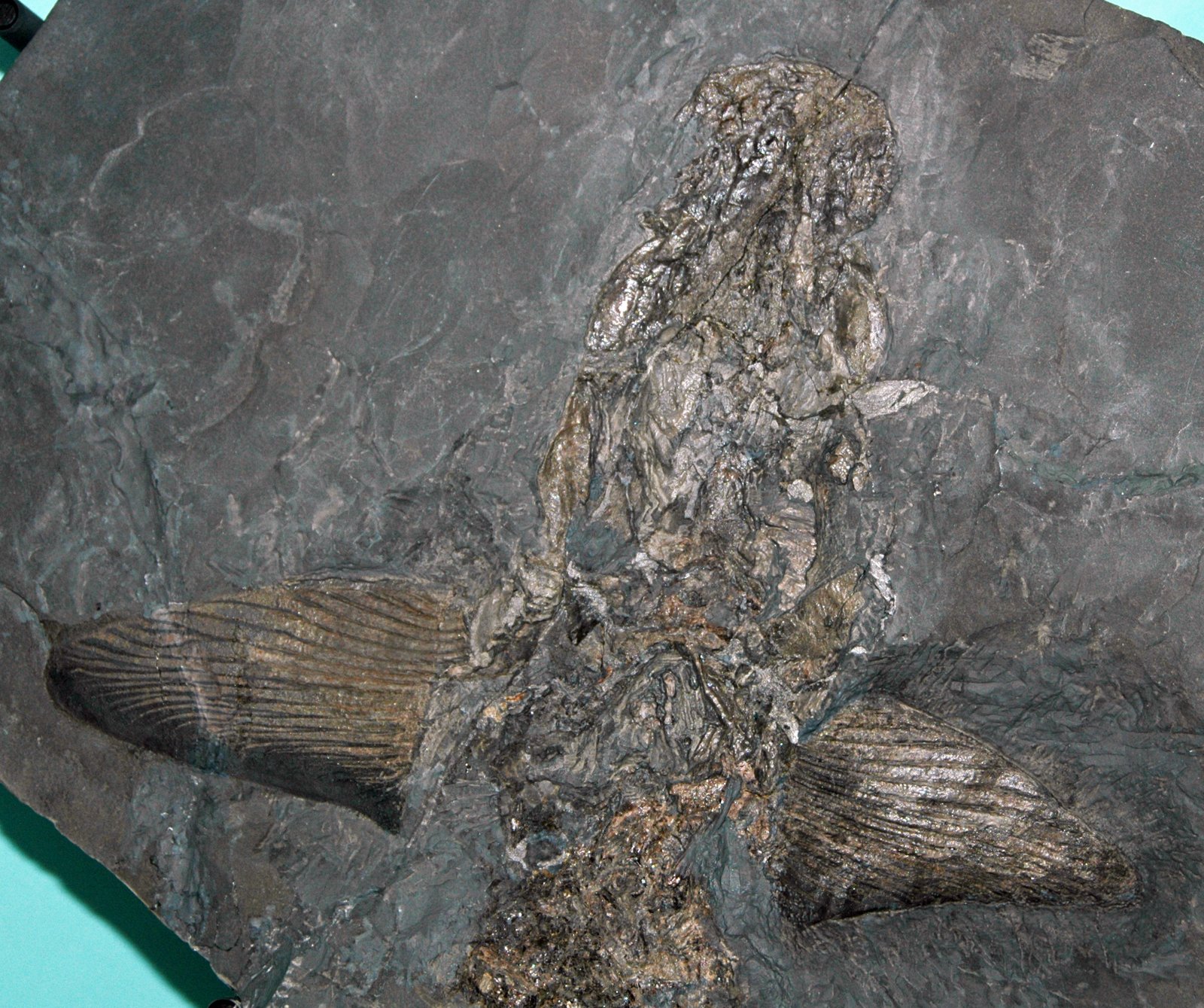
It’s almost surreal to think that construction sites and subway tunnels beneath Tokyo have yielded some of the region’s most important fossils. Workers digging foundations have uncovered mammoth bones, ancient shells, and even petrified wood. These accidental discoveries spark excitement among scientists and the public alike, fueling a sense of wonder about the city’s hidden past. Museums now house many of these finds, sharing them with curious visitors who may never have guessed what lies beneath their daily commute. The contrast between ancient fossils and ultra-modern Tokyo creates a powerful reminder that history is always closer than we think.
How Fossils Teach Us About Earth’s Future

The ancient fossils beneath Tokyo are more than just relics—they are lessons written in stone. By understanding how the Kanto Plain responded to climate shifts, volcanic eruptions, and tectonic upheaval, scientists can make better predictions about the future. Fossils show us which species survived past crises and which vanished, offering clues to how modern ecosystems might fare in a changing world. They remind us that nature is resilient but also vulnerable to sudden shocks. In a city as dynamic as Tokyo, these lessons are especially relevant, urging us to respect the forces that have shaped—and continue to shape—our world.
The People Who Unearth Tokyo’s Past
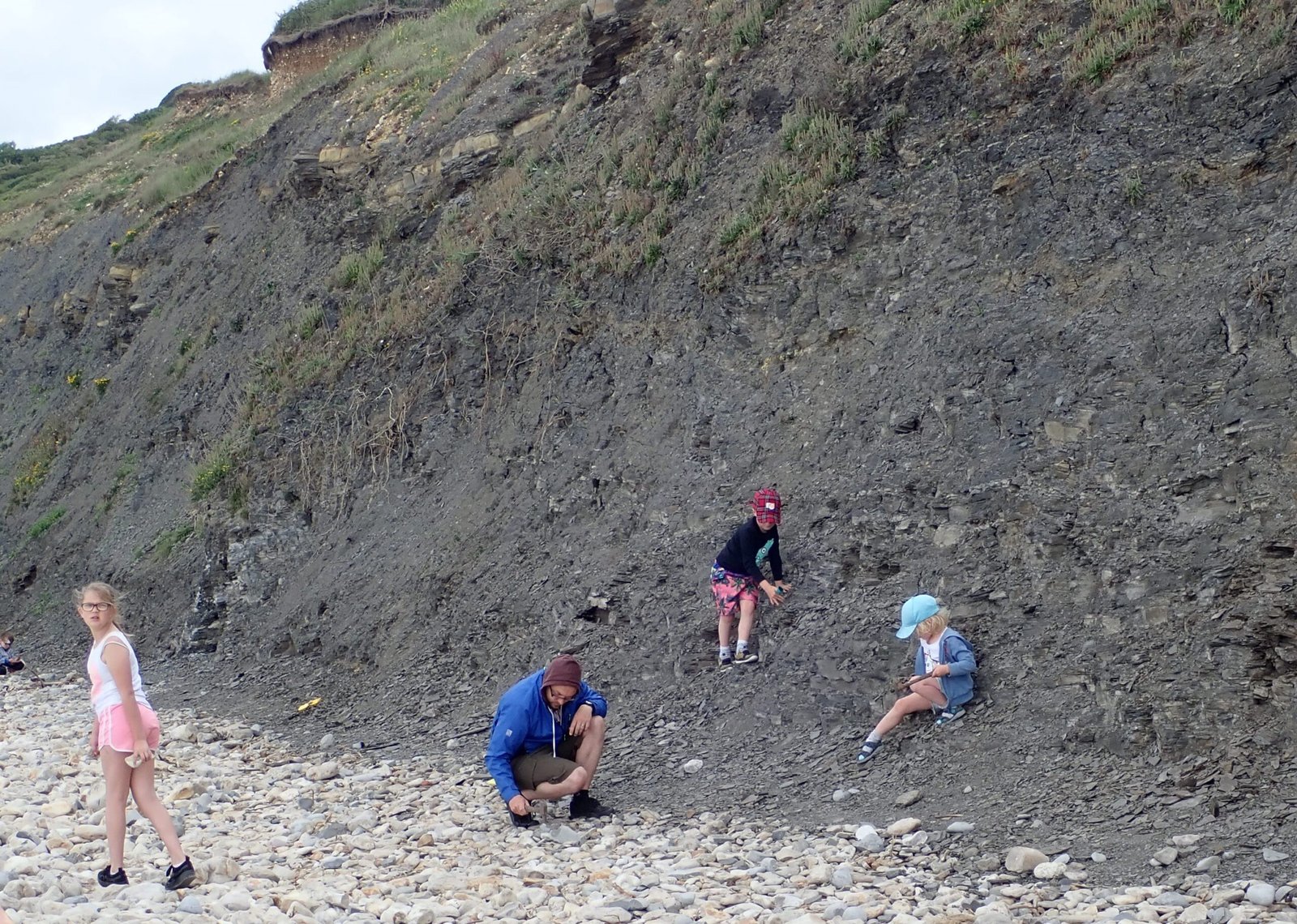
Not all fossil hunters are scientists with advanced degrees. Many of the most exciting discoveries have been made by amateur enthusiasts, schoolchildren, and construction workers. Their curiosity and persistence have brought countless fossils to light, sometimes changing our understanding of the Kanto Plain’s history overnight. Local museums and universities often collaborate with the public, offering fossil-hunting trips and workshops that turn everyday people into citizen scientists. This shared sense of discovery creates a powerful connection between Tokyo’s past and its present, inviting everyone to take part in the adventure of unearthing history.
The Mystery of Missing Fossils
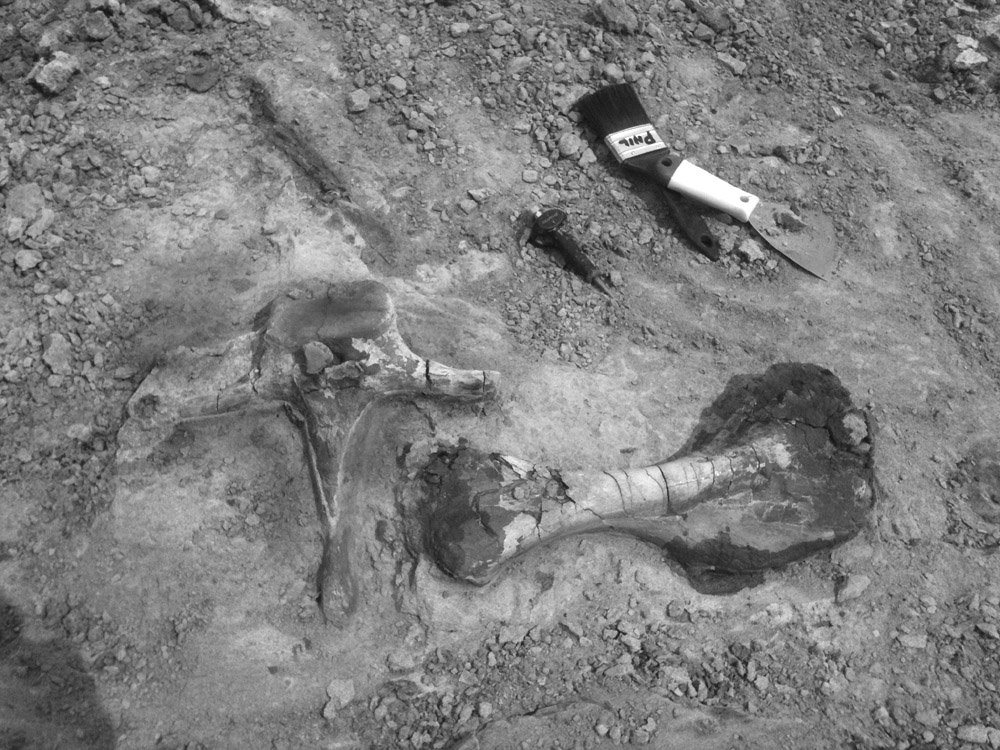
For all the fossils found beneath Tokyo, there are many more waiting to be discovered—or lost forever. Urban development, river engineering, and erosion threaten to destroy fossil-rich layers before they can be studied. Scientists sometimes lament the fossils lost to bulldozers or washed away by floods. At the same time, every new road or subway line offers a chance to find something unexpected. The mystery of missing fossils adds an element of suspense to the hunt, challenging researchers to act quickly and creatively to save these precious records. The story of the Kanto Plain is still being written, one fossil at a time.
Connecting the Dots: What Fossils Reveal About Life’s Resilience
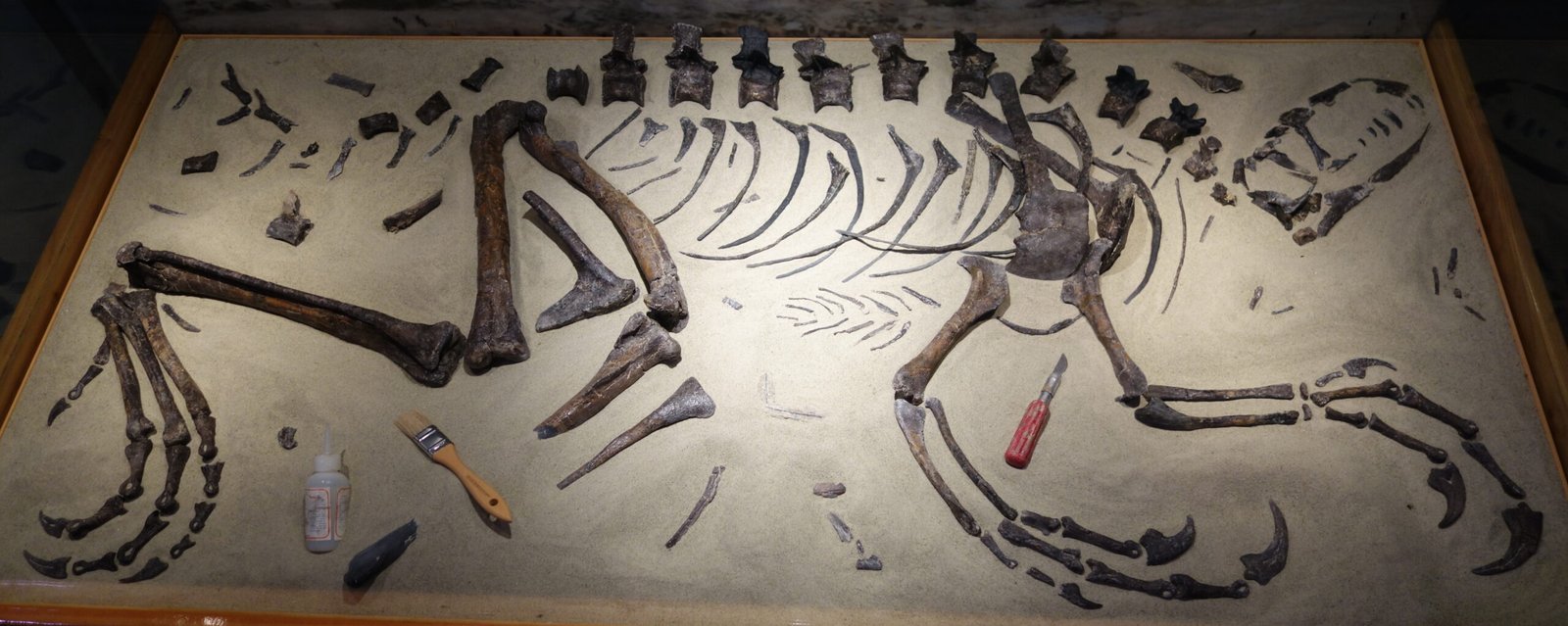
The fossils of Tokyo’s Kanto Plain are not just ancient curiosities—they are proof that life adapts, endures, and sometimes triumphs against all odds. Each fossil is a survivor’s story, a chapter in the epic saga of evolution. From tiny pollen grains to massive mammal bones, these remains remind us of the resilience and creativity of nature. The ever-changing landscapes of the past hold lessons about survival, adaptation, and the unpredictable path of life on Earth. In a world facing its own set of challenges, these ancient stories offer hope and inspiration for the future.
Why Tokyo’s Fossils Matter Today
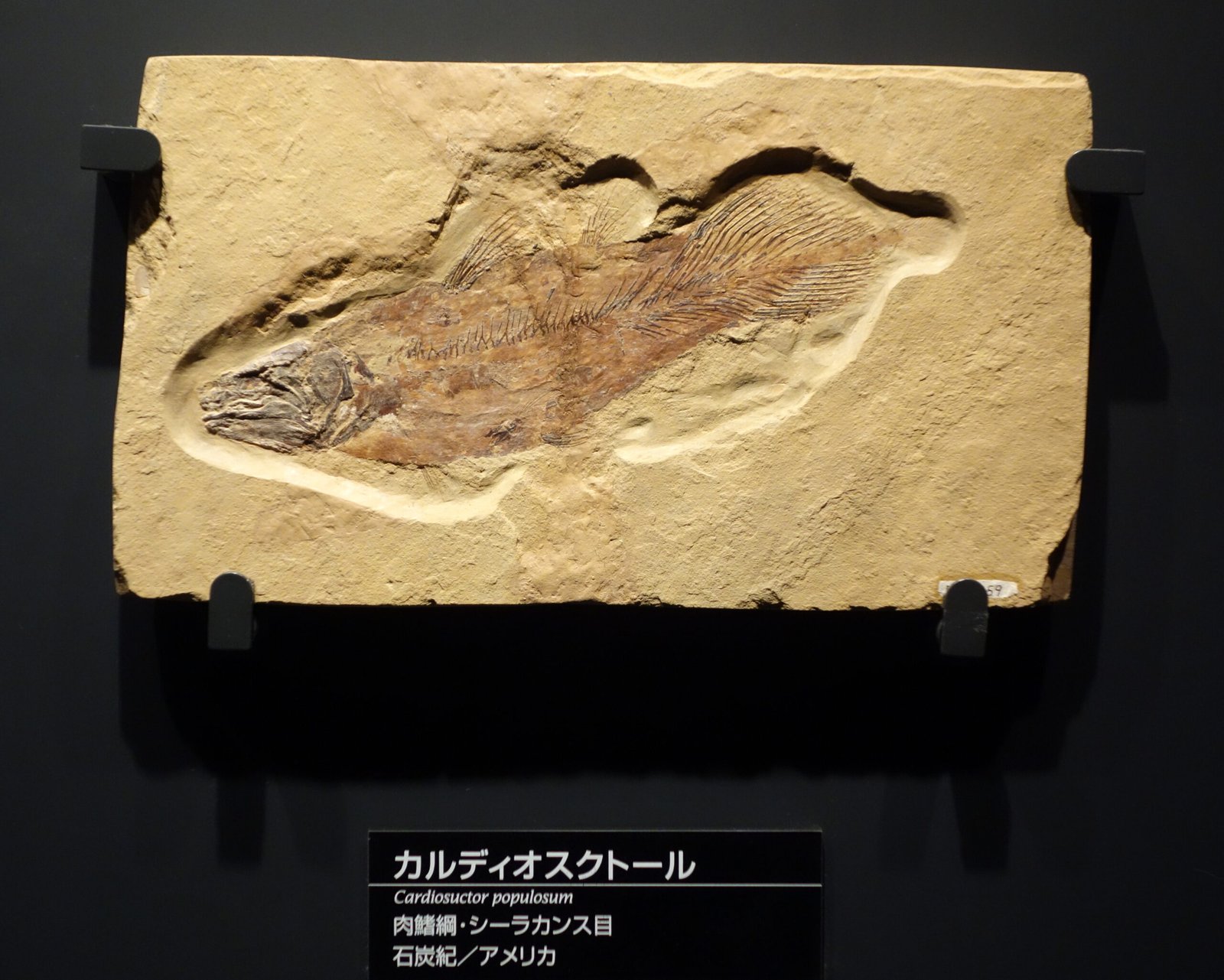
It’s easy to overlook the hidden history beneath Tokyo’s busy streets, but the city’s fossils matter more than ever. They connect us to a world that existed long before humans, a world of unimaginable beauty and drama. By studying these fossils, we honor the deep past and gain perspective on our own place in the story of life. The discoveries made beneath Tokyo can inspire a sense of wonder, curiosity, and respect for the natural world—a rare gift in a fast-paced, high-tech city. Perhaps the next time you walk through a Tokyo park or board a subway, you’ll pause and imagine the world that once was, just beneath your feet.
The Kanto Plain’s hidden fossils reveal a Tokyo that was wild, volatile, and bursting with life, reminding us that the most astonishing stories are sometimes the ones buried deepest. What world might still be waiting to be uncovered beneath our feet?