
Tardigrades’ Legendary Toughness Meets Mars (Image Credits: Pixabay)
Microscopic tardigrades endured exposure to simulated Martian regolith under controlled conditions, offering new insights into adapting the Red Planet’s surface for future astronauts.[1][2]
Tardigrades’ Legendary Toughness Meets Mars
Researchers long admired tardigrades, or water bears, for their ability to withstand radiation, vacuum, and extreme temperatures. These tiny invertebrates, often smaller than 1 millimeter, entered a new chapter when Penn State scientists tested them against Mars-like challenges. The experiment targeted regolith, the loose dust and rock covering the planet’s surface, which lacks organic matter suitable for life.
Corien Bakermans, an Altoona Professor of Microbiology at Penn State, led the effort with collaborators from Poland and the United Kingdom. They selected two tardigrade species – Ramazzottius cf. varieornatus and Hypsibius exemplaris – for their proven resilience. The team aimed to assess direct impacts on animals, building on prior bacterial studies. This work appeared in the International Journal of Astrobiology on December 5, 2025.[1]
Simulating the Red Planet’s Harsh Terrain
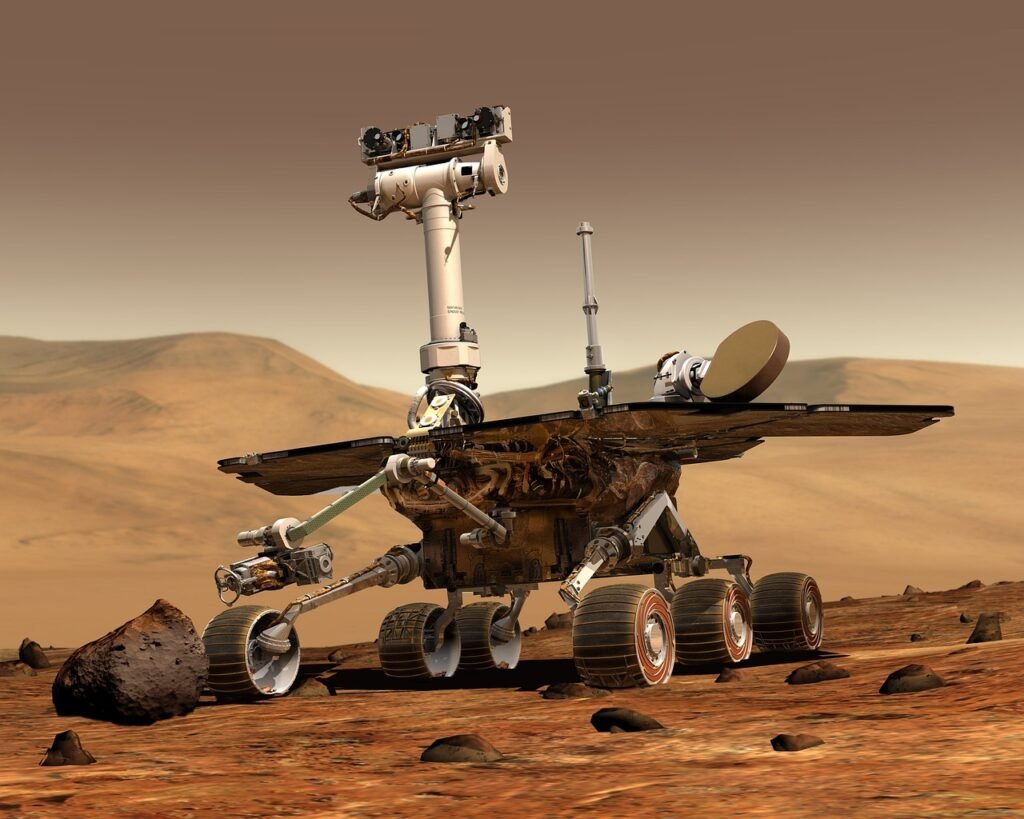
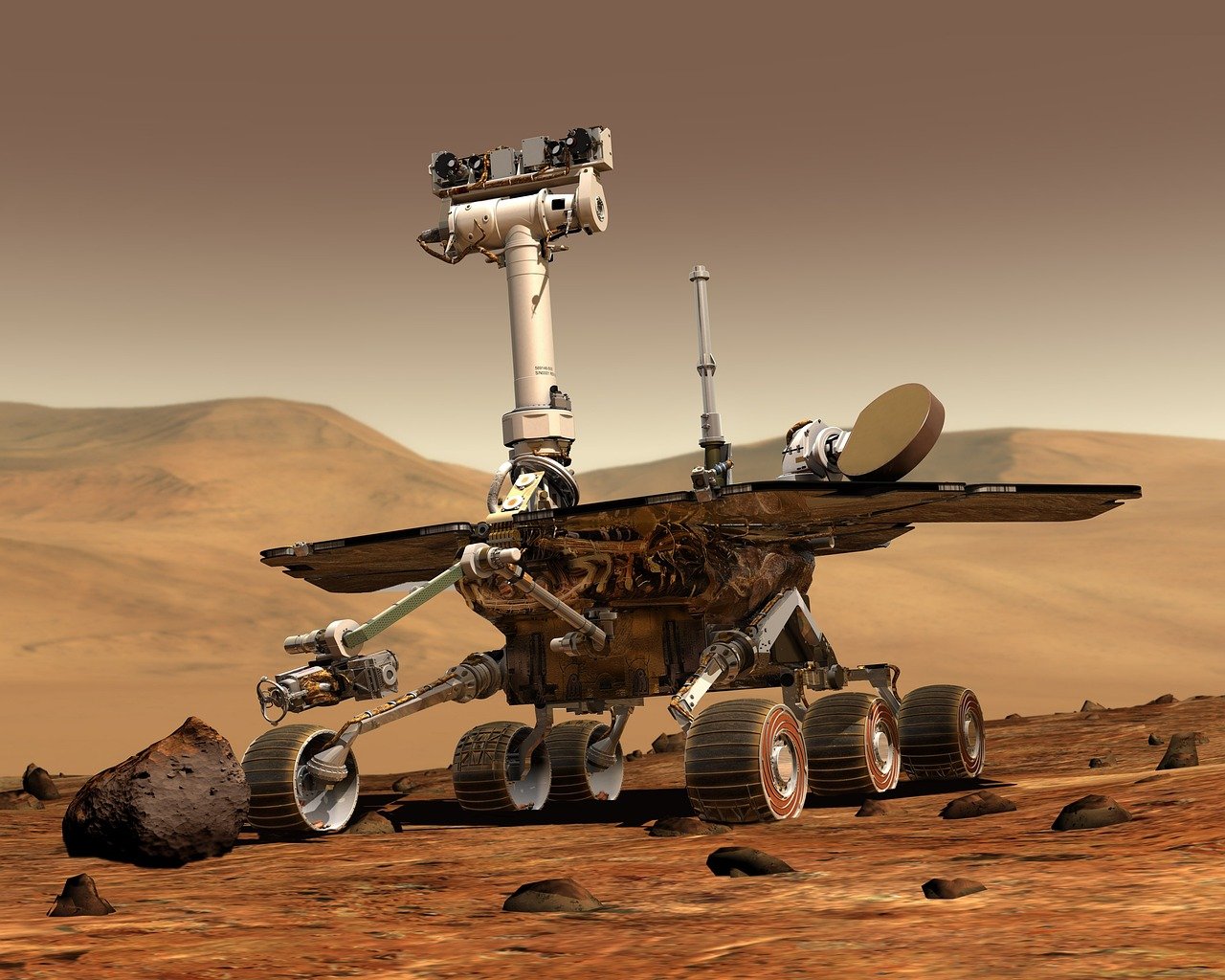
The study employed two regolith simulants derived from NASA Curiosity rover data at Gale Crater’s Rocknest site. MGS-1 represented general Martian soil, while OUCM-1 mimicked the specific composition there. Scientists introduced active tardigrades to these materials and observed them through microscopes over days.
In unprocessed MGS-1, tardigrades experienced sharp declines in movement within two days, rendering them largely inactive. OUCM-1 proved less hostile, though still suppressive. Bakermans noted the unexpected severity: “We were a little surprised by how damaging MGS-1 was.”[1]
A Simple Rinse Changes Everything
Investigators rinsed MGS-1 with water to dissolve potential toxins like salts or reactive compounds. Fresh tardigrades then thrived in the treated simulant, showing almost no drop in activity. This discovery highlighted regolith’s dual nature – toxic yet treatable.
| Regolith Simulant | Untreated Effect on Tardigrades | Treated Effect |
|---|---|---|
| MGS-1 | Significant inhibition in 2 days | Minimal activity reduction |
| OUCM-1 | Moderate inhibition | Not tested |
Bakermans explained: “It seems that there’s something very damaging in MGS-1 that can dissolve in water, maybe salts or some other compound.”[1]
Protecting and Enabling Mars Colonization
The findings suggested washed regolith could support plant growth in enclosed greenhouses, vital for sustaining astronauts. Untreated soil might naturally deter Earth microbes carried by humans, acting as a planetary shield. Researchers dubbed tardigrades “Tardiguardians of the Galaxy” for this protective potential.
- Washed regolith enables functional soils for crops.
- Raw regolith combats contaminants from missions.
- Tardigrades model larger life forms’ responses.
- Further tests needed for full habitability assessment.
These results appeared in a Penn State release on February 27, 2026, and the full paper is available here.[2]
Key Takeaways:
- Tardigrades survived rinsed MGS-1 simulant with ease.
- Regolith’s toxins dissolve in water, aiding remediation.
- Applications span agriculture and contamination control on Mars.
As Mars missions advance, tardigrades illuminate practical steps toward self-sufficient habitats. Their success underscores water’s role in unlocking the planet’s resources. What role do you see for these microscopic marvels in space exploration? Share your thoughts in the comments.