
Time rules our lives, yet it’s also one of the strangest concepts in all of science. Physics treats time as a dimension, something that can be measured, stretched, and woven into the fabric of reality – but that cold, mathematical view doesn’t quite match how it actually feels to live from one moment to the next. The ticking of a clock and the pounding of your heart in a tense moment don’t seem like the same kind of “time,” even though they’re supposed to describe the same thing.
That gap between the physics of time and the feeling of time is where things get really interesting. On one side, you’ve got equations describing spacetime, relativity, and entropy; on the other, you’ve got memory, attention, emotion, and awareness. This article explores the idea that time is indeed a physical dimension shaped by the laws of physics, but consciousness might be what makes time feel real – turning abstract numbers into lived experience.
The Physics View: Time as a Dimension of Spacetime
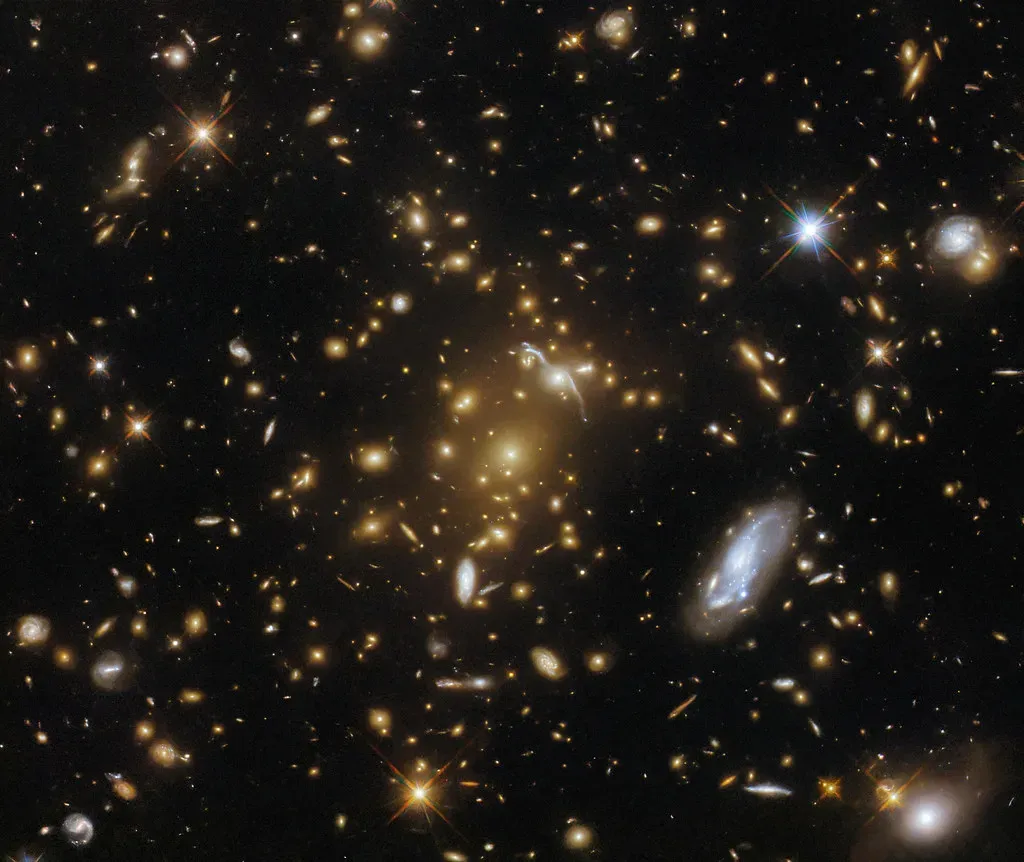
In modern physics, time isn’t just a backdrop where things happen; it’s a full-fledged dimension woven together with the three dimensions of space. Einstein’s theory of relativity showed that space and time form a single structure called spacetime, and that time can run differently depending on how fast you’re moving or how strong gravity is around you. This means that time is not absolute: two people can genuinely disagree about how long something took, and both can be right from their own frame of reference.
Experiments with precise atomic clocks have confirmed this again and again. Clocks in airplanes tick slightly slower than clocks on the ground; clocks on satellites have to be adjusted so that GPS works at all. To physics, time is something you can plug into equations, measure with absurd precision, and bend under extreme conditions. It behaves more like a physical landscape we travel through than like a universal metronome beating in the sky.
The Arrow of Time: Why Physics Allows Symmetry But Life Feels One-Way
Here’s a strange twist: most basic physical laws don’t actually care which way time flows. If you filmed two particles colliding and then played the clip backward, the motion would still make sense with the equations. Yet our experience of time is absolutely one-way – eggs break but never un-break, we remember the past but not the future, we age in one direction. This “arrow of time” seems almost obvious to us, but it doesn’t fall cleanly out of the most fundamental laws.
The best explanation we have comes from thermodynamics and entropy, the tendency for disorder to increase. Systems move from more ordered states to less ordered ones, like ice melting into water or a tidy room drifting toward chaos unless someone cleans it. Physicists think the arrow of time is anchored in this increase of entropy from an incredibly low-entropy beginning of the universe. Still, that story explains why broken cups don’t leap back together, not why our minds insist on carving reality into “before” and “after” so sharply.
Consciousness and the Flow of Time: Why Moments Feel Like They Move
If you step back and really look, physics never says that time “flows.” It gives you a block of events, all laid out in spacetime, with no special glow around “now.” Yet subjectively, it feels like we’re riding a conveyor belt through life, being carried from one instant to the next. That feeling of flow seems to be less about the external universe and more about what the brain is doing as it tracks change.
Neuroscience suggests that the brain stitches incoming information into short windows that feel like unified moments, sometimes called temporal integration. Instead of instantly updating with every tiny change, your brain gathers data over small time frames and then serves you a smooth, coherent experience, like the way a movie turns individual frames into a continuous scene. Consciousness is constantly comparing what just happened with what’s happening now and what might happen next, and that comparison – that relentless updating – is what we experience as the movement of time.
Why Time Feels Different in Fear, Joy, and Boredom
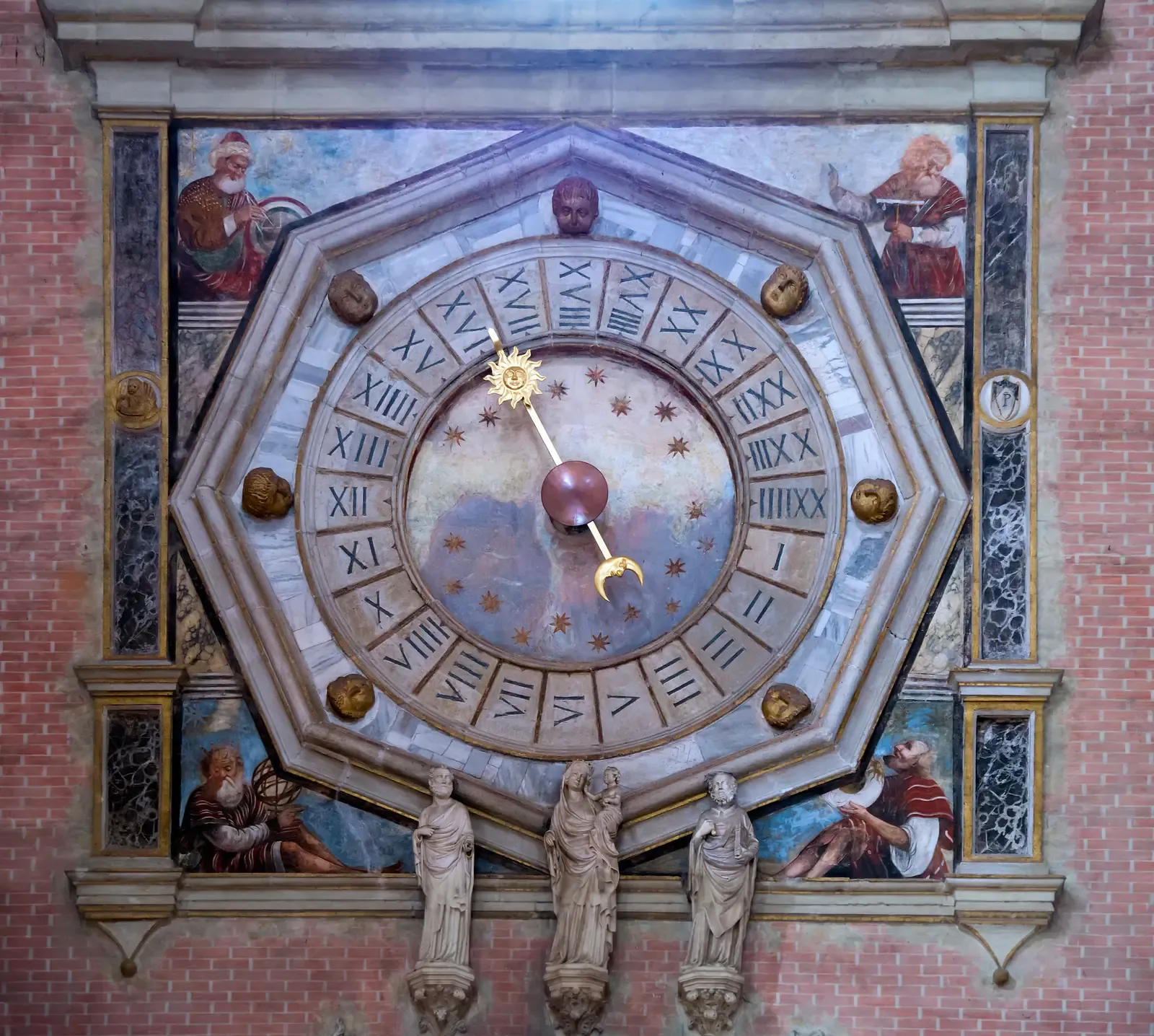
We’ve all felt it: time stretching painfully during a boring meeting and racing by during an amazing evening with friends. Physically, the clock on the wall ticks at exactly the same rate in both situations. Psychologically, though, your brain is handling those hours in very different ways. Emotions, attention, and memory all twist your sense of duration, making minutes feel like hours or hours like minutes.
When you’re scared or highly alert, your brain takes in more detail, laying down rich memories and giving you the impression that more has happened in a small slice of time. In contrast, in routine, repetitive situations, your brain goes into a kind of efficiency mode and doesn’t bother recording much, so looking back it feels like time vanished. This suggests that your “internal clock” isn’t just a simple ticker; it’s deeply tied to how conscious, engaged, and emotionally activated you are in each moment.
The Present Moment: A Construction, Not a Thin Slice
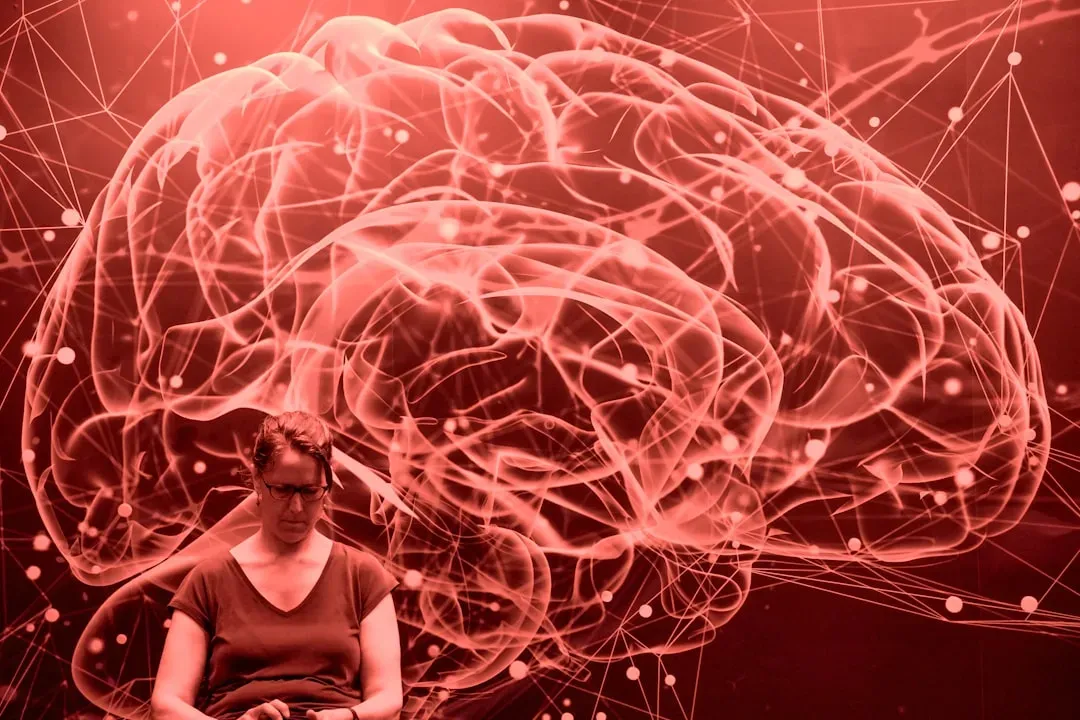
We often imagine the present as a razor-thin instant, but that turns out to be more of a mental picture than a literal reality. Your brain needs time to process signals from your eyes, ears, and body, then integrate them into something coherent. By the time you’re aware of something, a tiny fraction of a second has already passed. Consciousness seems to operate inside a short window, more like a bubble of “now” than a single point.
This has surprisingly weird consequences. For instance, under some conditions, what you experience as “now” can be influenced by events that happen a bit later, as your brain retroactively edits the timeline of perception to make everything line up. In everyday life, you don’t notice this; you just feel like you’re living in real time. But underneath that smooth feeling, your brain is constantly juggling delays, predictions, and updates to present a stable reality. The present you experience is less a direct feed from the world and more a carefully produced highlight reel.
Is Time “Out There,” or Does Mind Make It Real for Us?
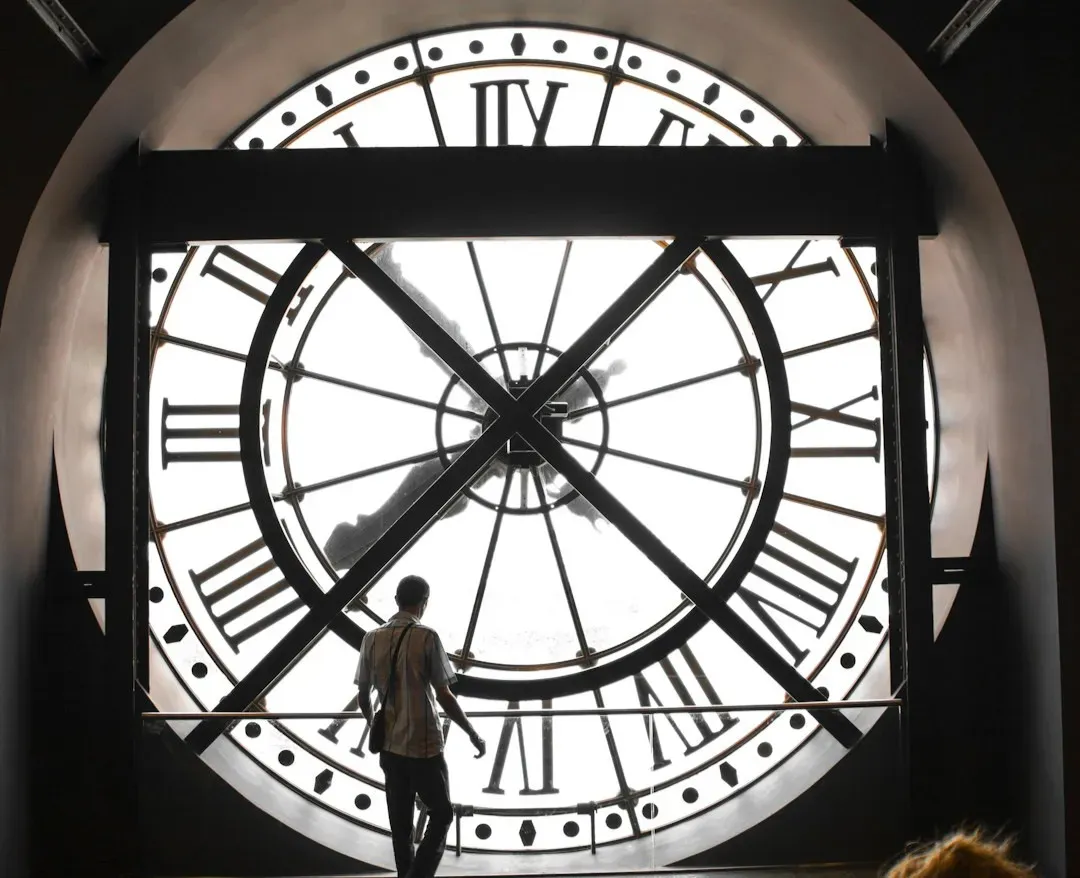
All of this raises a deep question: if physics treats time as a dimension and consciousness turns that dimension into a lived flow, where does the reality of time actually sit? One way to look at it is that the universe contains a structured ordering of events – a kind of cosmic timeline – and our brains evolved to navigate that structure by inventing a vivid sense of past, present, and future. Time would then be both “out there” as a physical parameter and “in here” as a mental story that keeps us oriented.
Personally, I find it helpful to think of physical time as the sheet music and conscious time as the performance. The notes are there, fixed and objective, but they don’t become music until someone plays them. Without consciousness, the universe would still unfold, stars would still burn, galaxies would still spin. But there would be no one to feel the length of a second, to dread tomorrow, or to savor a fleeting moment. In that sense, physics shapes the dimension of time, but it’s consciousness that makes time feel real, heavy, and meaningful.
Living Inside the Mystery of Time

Time, as science describes it, is a dimension intertwined with space, governed by relativity and entropy, precise enough to run GPS and delicate enough to stretch near black holes. At the same time, the way we live time – the rush of a deadline, the ache of waiting, the glow of a perfect afternoon – is built from attention, memory, expectation, and emotion. The physical timeline and the felt timeline are deeply connected but not identical, like two maps of the same territory drawn in completely different styles.
When you put it all together, you get a picture where the universe supplies the structure of time, and consciousness supplies the experience of moving through it. Our minds carve a flowing story out of a world that, at its deepest level, may not privilege any particular “now.” Every moment you remember, every plan you make, every instant you wish would last just a bit longer is part of that collaboration between physics and awareness. Next time a minute feels endless or an evening disappears too fast, what will you blame more – the clock on the wall or the mind that’s watching it?