
Time feels so simple when you look at a clock. The seconds tick, the minutes pass, and your calendar fills up with birthdays, bills, and deadlines. But just beneath that everyday surface, time starts to twist into something far stranger, almost like discovering that the floor you’ve been walking on your whole life is actually made of water.
Physicists, philosophers, and even neuroscientists have spent the last century tearing apart our assumptions about time. The more carefully we measure it, the less it behaves like a straight, steady line and the more it looks like a flexible, glitchy, deeply personal phenomenon. Once you start digging into it, you can’t quite look at a ticking clock the same way again.
Time Does Not Flow the Same for Everyone
Here’s a shocking starting point: time does not move at the same rate for all people, in all places. According to Einstein’s theory of relativity, time actually runs differently depending on how fast you’re moving and how close you are to a strong source of gravity. That’s not a metaphor; it’s literally true, measured in laboratories and even corrected for in the GPS satellites that help you navigate with your phone.
If your friend lives at the top of a skyscraper and you live on the ground floor, their clock will tick just a tiny bit faster than yours because they are slightly farther from Earth’s gravity. The difference is incredibly small, but it’s real and measurable. On fast-moving spacecraft, that effect grows larger, so astronauts age ever so slightly less than people on Earth. Time, it turns out, is not one universal river; it’s more like thousands of tiny streams, each flowing at its own slightly different pace.
Our Brains Constantly Edit Our Sense of Time
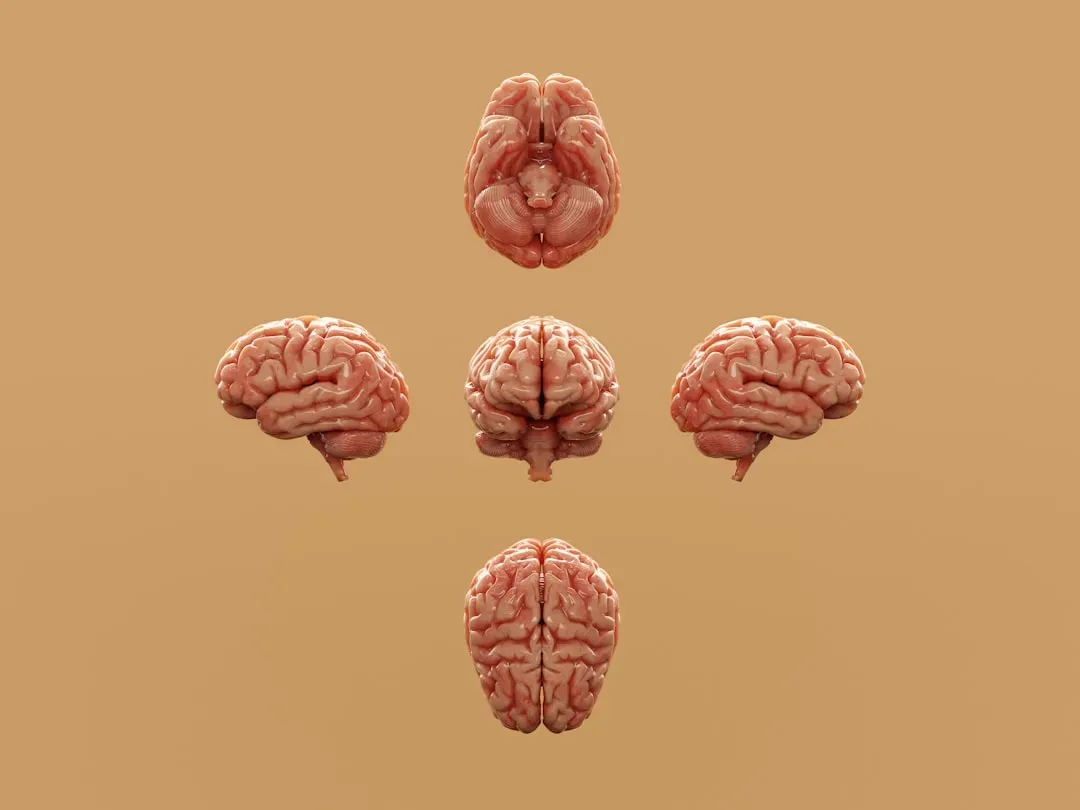
Even if physics agreed on a single clock, our brains would still mess it up. Neuroscientists have found that our sense of “now” isn’t instantaneous; it’s stitched together from events that happened tens or even hundreds of milliseconds apart. Your brain quietly delays your experience of reality so it can assemble a smoother movie from a messy jumble of signals. You never notice this mental editing because it’s all happening behind the scenes.
That’s why time can feel completely different depending on what you’re doing. A terrifying near‑car crash can seem to unfold in slow motion, while a joyful evening with a friend disappears in what feels like minutes. Painful experiences drag; enjoyable ones fly by. The physical time on a clock stays the same, but your internal time stretches and compresses like a rubber band, pulled around by emotion, attention, and memory.
The Past, Present, and Future May Coexist
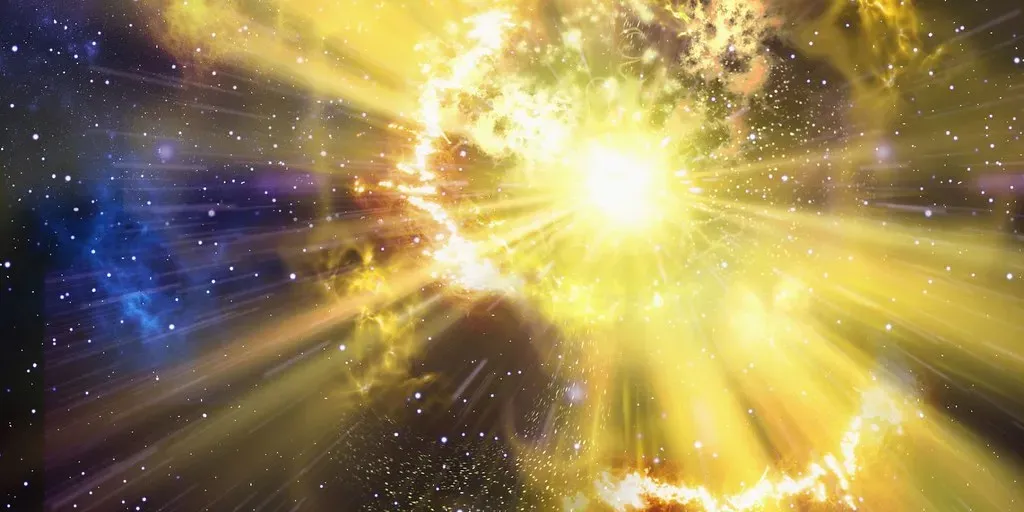
We like to imagine that the past is gone, the future doesn’t exist yet, and only the present is real. But many physicists argue that this comforting story just doesn’t match what the equations say. In a widely discussed view called the “block universe,” time is less like a river and more like a giant frozen landscape, where past, present, and future all exist at once, laid out like pages of a book. We just experience the story one page at a time.
From this perspective, your childhood, your current moment reading this, and your old age (if you reach it) are all equally “there,” just at different coordinates in spacetime. That idea can feel unsettling, even a bit claustrophobic, because it challenges our deep sense of free will and change. If every moment already exists, what does it mean to choose, to grow, or to become someone new? Whether this picture is correct is still debated, but it shows how far reality might be from our everyday feeling that time is simply “passing.”
Quantum Physics Makes Time Even Stranger
As if relativity and perception weren’t enough, quantum physics blows up our remaining intuitions about time. At the quantum level, particles do not seem to follow neat, ordered stories with clear befores and afters. Experiments have shown situations where the order of two events can become “indefinite,” as if A happens before B and B happens before A at the same time, depending on how you look. Causality, the simple idea that causes come before effects, starts to wobble.
Some recent approaches to quantum gravity even suggest that time might not be fundamental at all, but something that emerges from deeper, timeless relationships between things. It’s a bit like how temperature doesn’t exist in a single molecule but appears when you have huge numbers of particles interacting. Time, in this view, is more like an approximate story we tell about change, not an underlying ingredient of the universe.
Time and Gravity Are Intimately Entangled
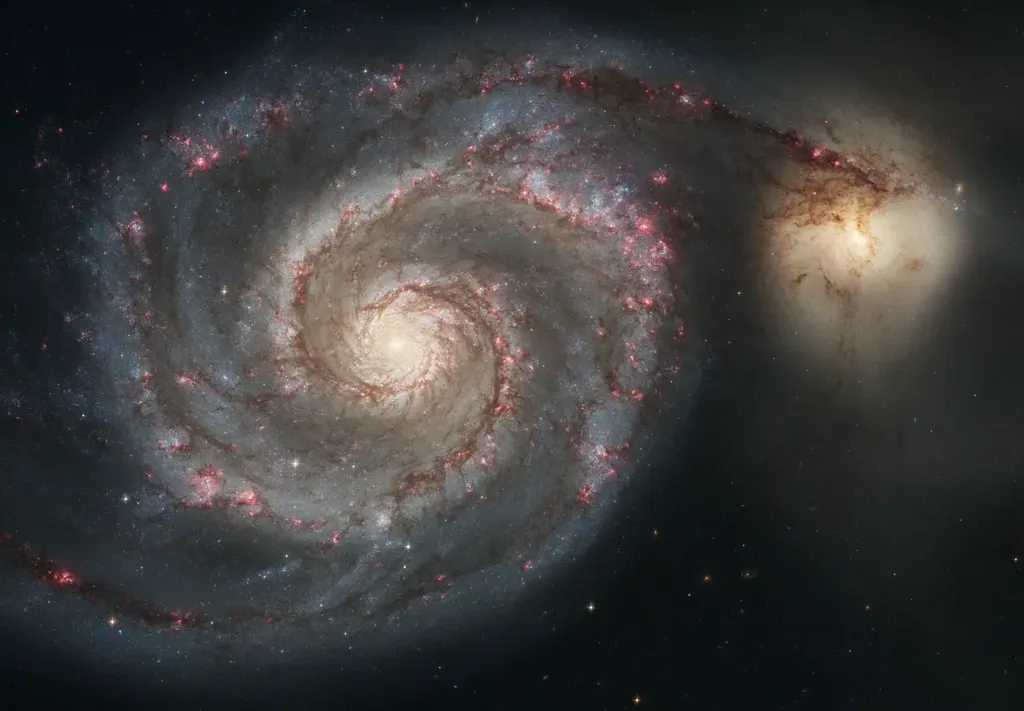
One of the most dramatic ways to see time’s weirdness is around extremely dense objects like black holes. General relativity predicts that as you approach a black hole, time for you slows down compared to someone far away. To a distant observer, you would appear to move slower and slower, almost freezing as you near the edge, while from your own perspective you’d continue experiencing time normally. Two people can disagree radically on how much time has passed, and both can be right in their own frame.
Even closer to home, precise experiments on Earth have measured tiny differences in the flow of time at different altitudes using ultra-accurate atomic clocks. Place one clock a bit higher than the other, and it will tick faster. We usually think of time and space as separate categories, but gravity relentlessly ties them together. The very geometry of the universe decides how time behaves, a bit like how the shape of a roller coaster track controls how your speed changes from point to point.
We Can Manipulate Time… But Only Slightly
Humans are already tinkering with time, in small but very real ways. Particle accelerators routinely boost particles to speeds where relativity stretches their lifetimes, allowing them to exist longer than they would at rest. Astronauts on the International Space Station experience a blend of effects from speed and gravity, ending up very slightly younger than they would have been if they had stayed on Earth. We have not built time machines out of science fiction, but we have built machines where time behaves differently.
On a more everyday level, our control over biological time is growing. Through sleep schedules, light exposure, and even certain medical treatments, we can nudge our internal clocks, adjust jet lag, and influence how old or young we feel. It’s modest compared to warping spacetime itself, but it shows how “time” is layered: there is physical time, biological time, psychological time, and technological time, all overlapping and occasionally clashing.
Our Relationship With Time Shapes How We Live
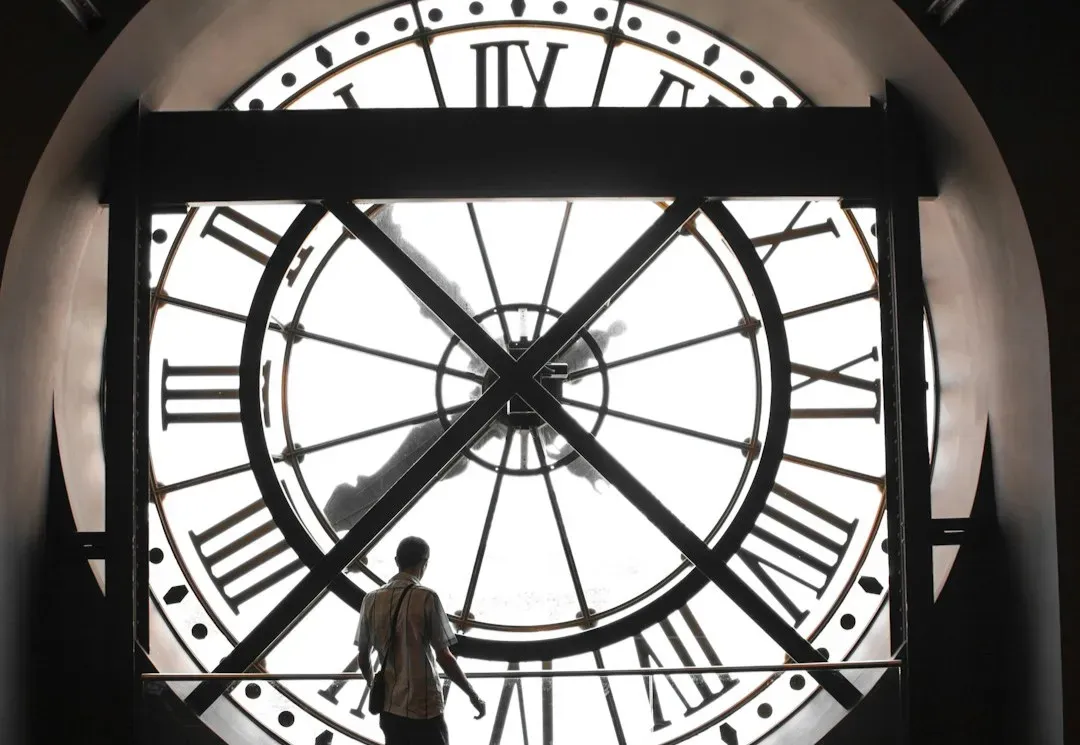
Once you realize how slippery time really is, it gets harder to treat it as just an empty container to be filled. Many of us live in a constant state of racing the clock, as if time were an enemy we must outrun. Yet if time changes depending on perspective, emotion, and context, then the way we choose to spend our hours literally changes the way those hours feel and unfold. Two people can live through the same number of days but experience them as completely different lifetimes.
Personally, I used to treat time like a checklist to conquer: tasks, deadlines, goals. The more I learned about how strange time is, the more it started to feel less like a straight path and more like a landscape to explore. Moments with people I love feel longer and richer now, while rushed, distracted hours feel thin and forgettable, like badly compressed video. We can’t step outside time, but we can decide which parts of the vast, complex phenomenon we want to inhabit more fully.
Time turns out not to be a simple line on a clock, but a tangled, layered, deeply personal phenomenon that runs differently for satellites, particles, planets, and people. The more closely we look, the more it slips away from our old stories and forces us to rethink what it means to move through a life at all.