
On October 9, 2022, astronomers across the globe watched in awe as their instruments lit up with an unprecedented signal. A pulse of intense radiation swept through the solar system so exceptional that astronomers quickly dubbed it the BOAT – the brightest of all time. This wasn’t just another cosmic event; it was a stellar explosion so ferocious that it fundamentally challenged everything we thought we knew about the universe’s most violent phenomena.
What makes this discovery even more mind-boggling? Observations with the James Webb Space Telescope (JWST) have confirmed that GRB 221009A was caused by a massive star undergoing a supernova. Yet when scientists peered deeper into the aftermath, they found something extraordinary: while the supernova was there, it appeared almost mundane compared to the titanic gamma-ray burst that accompanied it. The star had essentially been stripped to the bone, leaving behind an explosion that defied conventional understanding.
The Moment That Rewrote Cosmic History
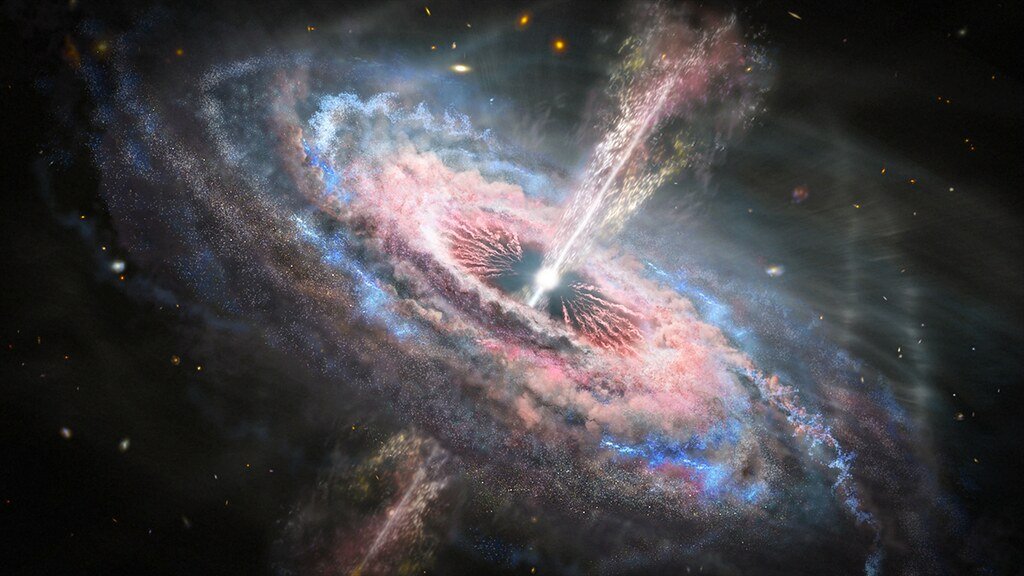
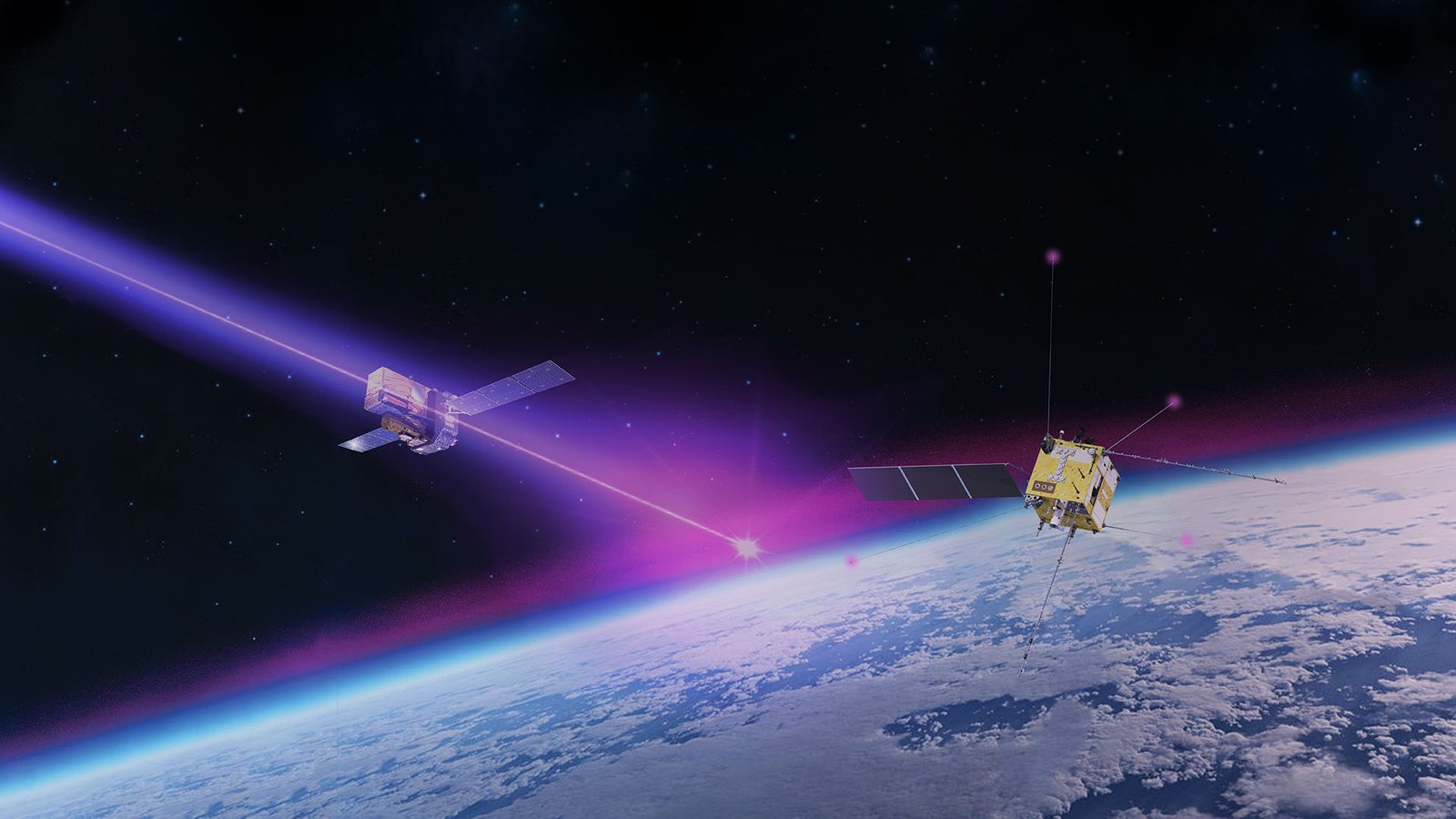
GRB 221009A was an extraordinarily bright and very energetic gamma-ray burst (GRB) jointly discovered by the Neil Gehrels Swift Observatory and the Fermi Gamma-ray Space Telescope on October 9, 2022. The burst was so bright that it blinded most gamma-ray instruments in space, preventing a true recording of its intensity.
Think of it like trying to measure the brightness of the sun with a handheld flashlight’s sensor. The instruments simply weren’t designed to handle something this powerful. It was even detected by satellites not designed to detect gamma-ray bursts, such as Voyager 1 and a pair of Mars orbiters. This is the cosmic equivalent of a whisper being heard over a rock concert – the signal was so intense that even equipment billions of miles away couldn’t ignore it.
A Once-in-10,000-Year Cosmic Event
Eric Burns, an assistant professor of physics and astronomy at Louisiana State University in Baton Rouge, led an analysis of some 7,000 GRBs – mostly detected by NASA’s Fermi Gamma-ray Space Telescope and the Russian Konus instrument on NASA’s Wind spacecraft – to establish how frequently events this bright may occur. Their answer: once in every 10,000 years.
It may be the brightest gamma-ray burst since human civilization began. To put this in perspective, imagine if every major historical event you’ve ever learned about happened during a time when something like this could theoretically occur only once. From the rise and fall of entire empires to technological revolutions, this type of cosmic explosion is rarer than the most significant moments in human history.
The Raw Power That Defied Measurement
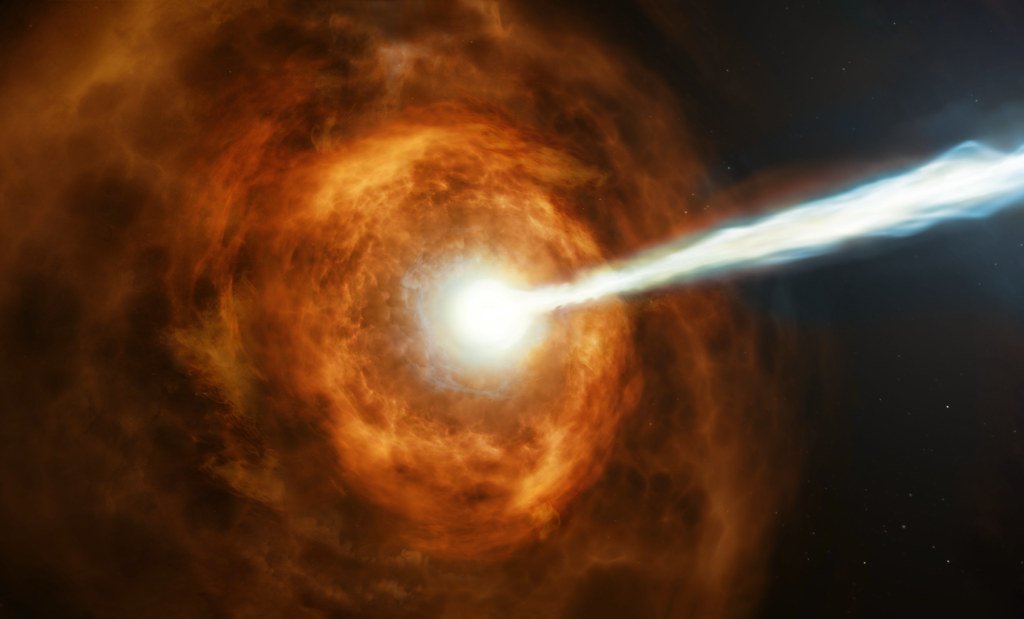
The prompt emission of the burst far surpassed anything before it, far exceeding four previous GRB record-holders, as no GRB had been recorded delivering more than 500,000 gamma-ray photons-per-second, yet this GRB peaked at over 6 million photons-per-second. This isn’t just a minor improvement – it’s like comparing a firecracker to a nuclear bomb.
Some of these photons arrived at Earth carrying a record 18 TeV of energy, which is more than can be produced at the Large Hadron Collider (LHC) at the European Center for Nuclear Research (CERN). The Large Hadron Collider is humanity’s most powerful particle accelerator, costing billions of dollars and representing the pinnacle of human engineering. Yet nature casually produced more energetic particles in a single cosmic event occurring nearly two billion light-years away.
Earth’s Atmosphere Felt the Impact From 2 Billion Light-Years Away
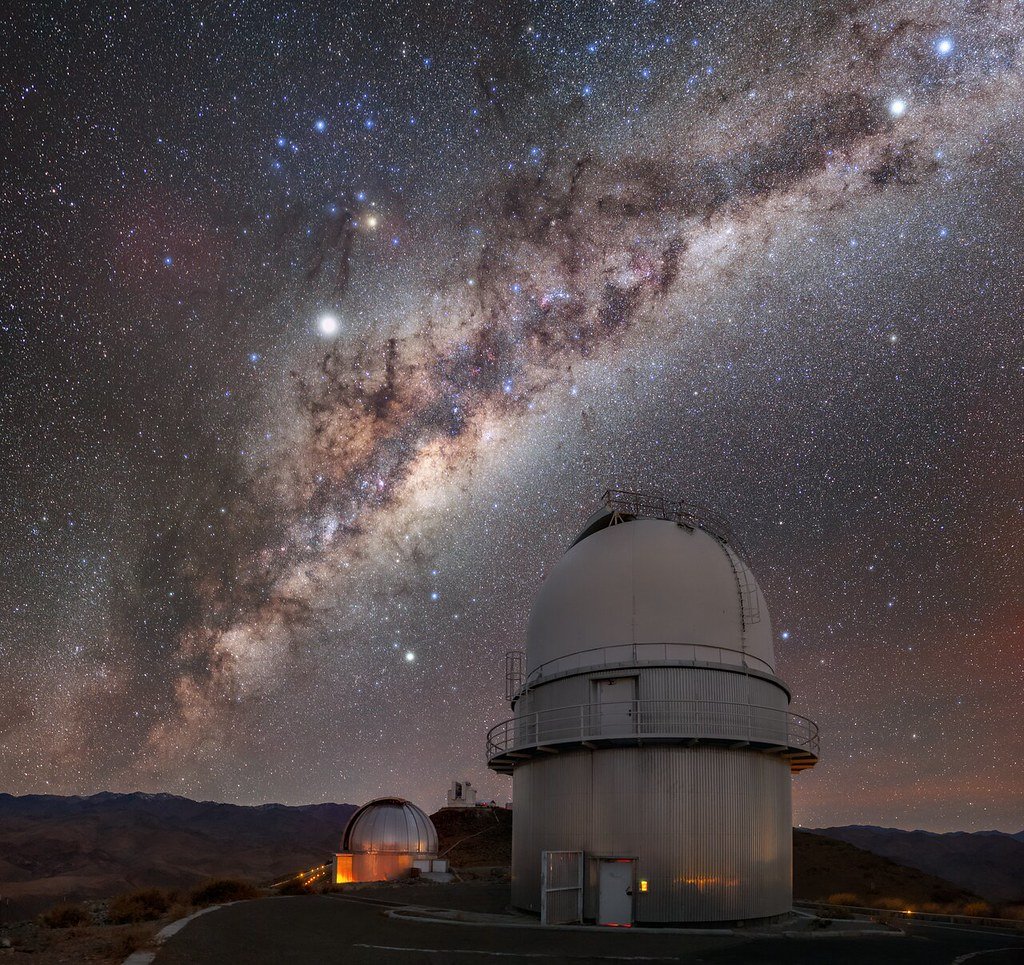
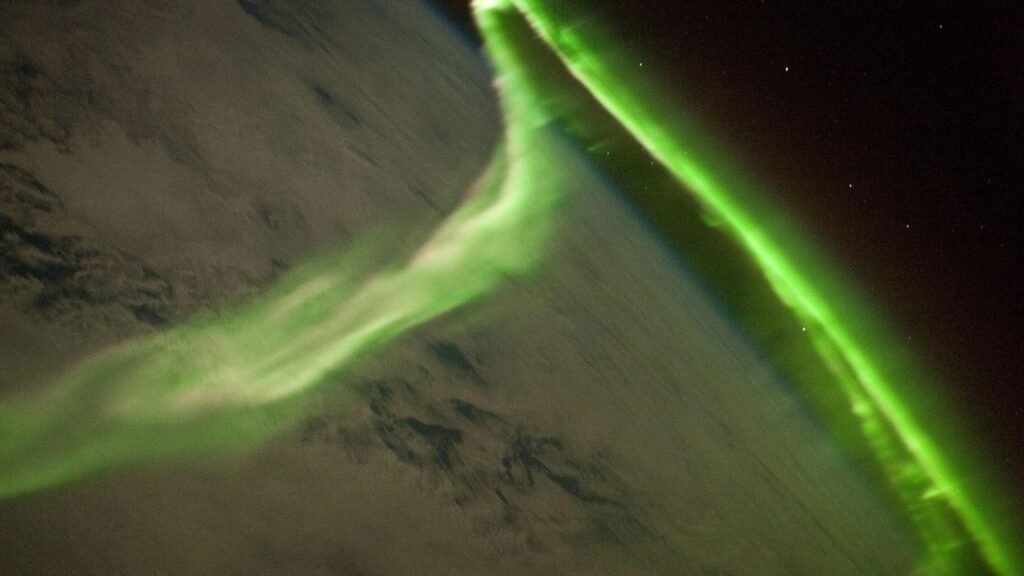
Despite being around two billion light-years away, the burst was powerful enough to affect Earth’s atmosphere, having the strongest effect ever recorded by a gamma-ray burst on the planet. It triggered instruments generally reserved for studying solar flares, with solar physicist Laura Hayes at the ESA stating that it left an “imprint comparable to that of a major solar flare” from the nearby Sun.
This is absolutely staggering when you consider the distance involved. Lightning detectors in India and Germany picked up signs that the Earth’s ionosphere was perturbed for several hours by the burst, though only mildly, as well as an enormous influx of electrically charged particles, showing just how powerful it was. It’s as if someone lit a match in another country and you felt the warmth on your face – except the “other country” was billions of light-years away.
The Stellar Collapse That Started It All
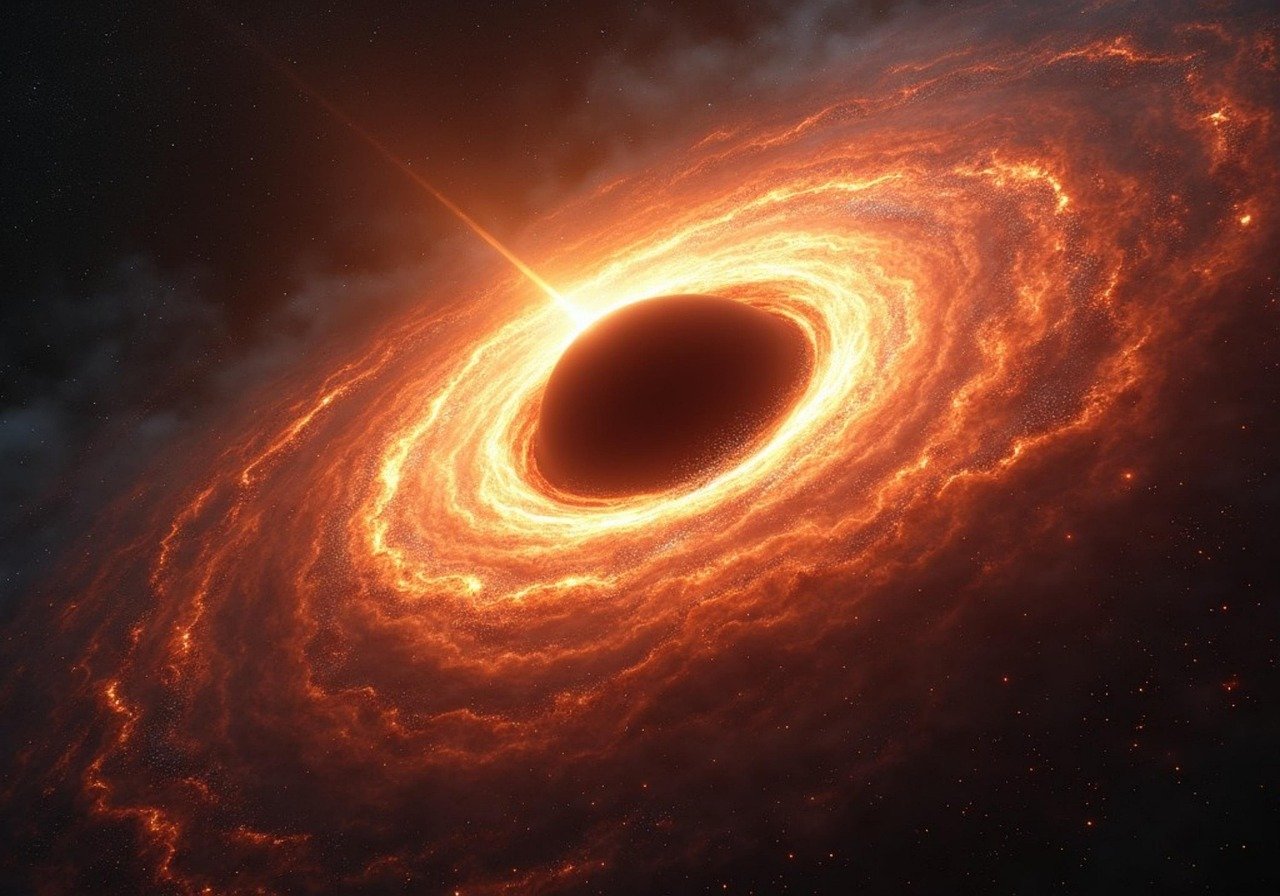
The signal from GRB 221009A had been traveling for about 2.4 billion years before it reached Earth, making it among the closest-known “long” GRBs, whose initial, or prompt, emission lasts more than two seconds. Astronomers think these bursts represent the birth cries of black holes formed when the cores of massive stars collapse under their own weight.
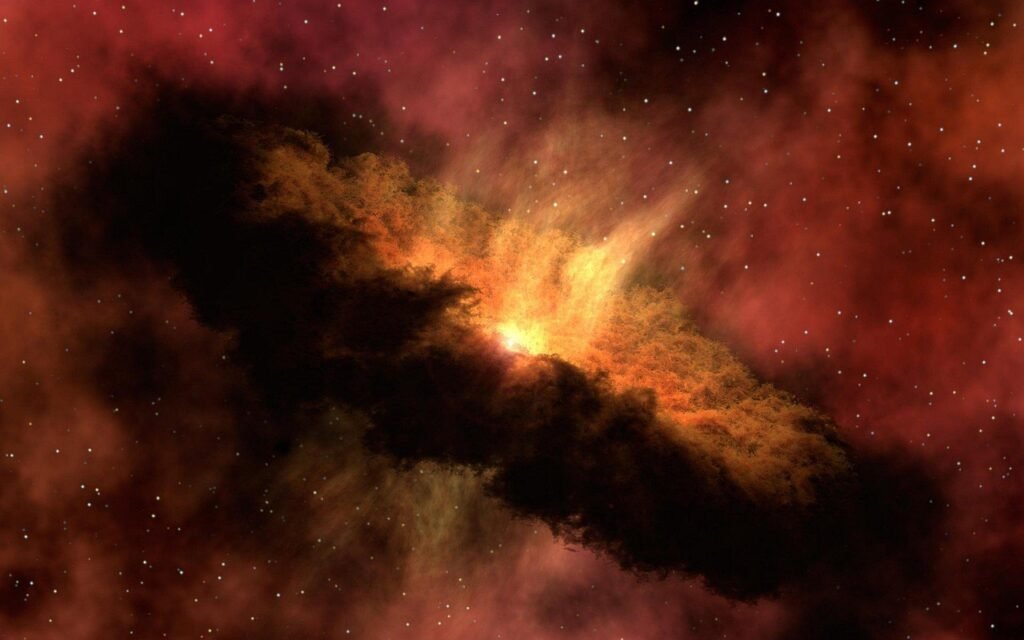
Picture a star at least eight times more massive than our Sun reaching the end of its life. Gravity wins out, and the star suddenly collapses. Imagine something one million times the mass of Earth collapsing in 15 seconds! The collapse happens so quickly that it creates enormous shock waves that cause the outer part of the star to explode! This isn’t just an explosion – it’s the universe’s way of creating the most extreme objects known to science.
The Mysterious Jets That Defied Physics
A number of studies have described the relativistic jet of this gamma-ray burst as having an unusual structure. By contrast, in GRB 221009A the jet had a narrow core with wider, sloping sides. Most gamma-ray bursts shoot out narrow beams of energy, like cosmic laser pointers.
Using Gemini South’s Multi-Object Spectrograph (GMOS) instrument, O’Connor’s team determined that GRB 221009A’s jet displayed a shape that has not been seen in the jets of other gamma-ray bursts. The jet displayed a narrow core surrounded by wide, sloping wings. These features are not generally observed, which is puzzling, because if these wing-shaped jets happened often, astronomers would expect to have detected more of them by now. It’s like finding a completely new type of aircraft design that somehow performs better than anything we’ve engineered.
The Hunt for the Supernova
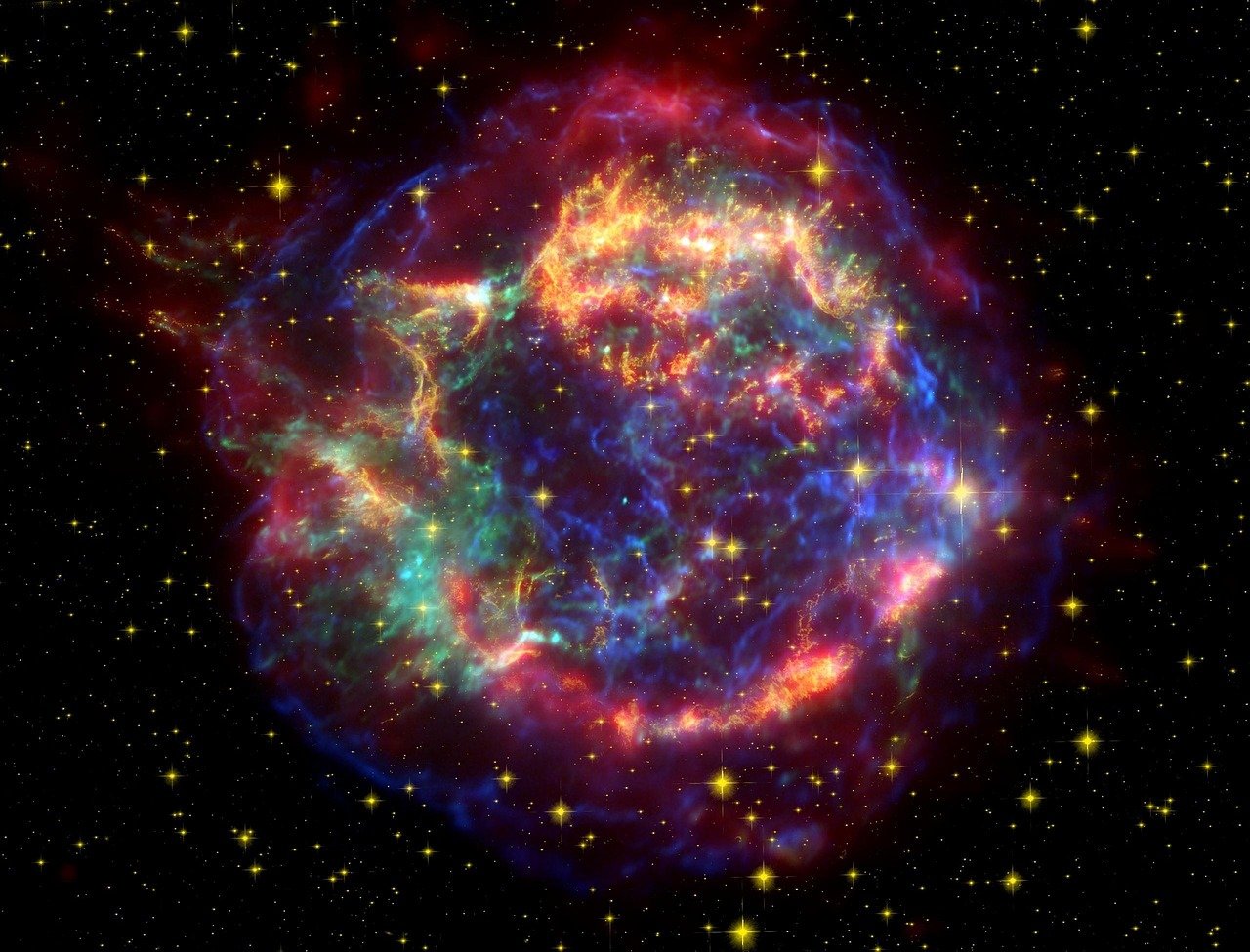
The GRB was so bright that it obscured any potential supernova signature in the first weeks and months after the burst. At these times, the so-called afterglow of the GRB was like the headlights of a car coming straight at you, preventing you from seeing the car itself. So, we had to wait for it to fade significantly to give us a chance of seeing the supernova.
About six months after the GRB was initially detected, Blanchard used the JWST to examine its aftermath. That’s when he saw the characteristic signature of elements like calcium and oxygen typically found within a supernova. The discovery was like finding a crime scene after the chaos had settled – the evidence was there, but it told a story more complex than anyone expected.
An Ordinary Supernova From an Extraordinary Event
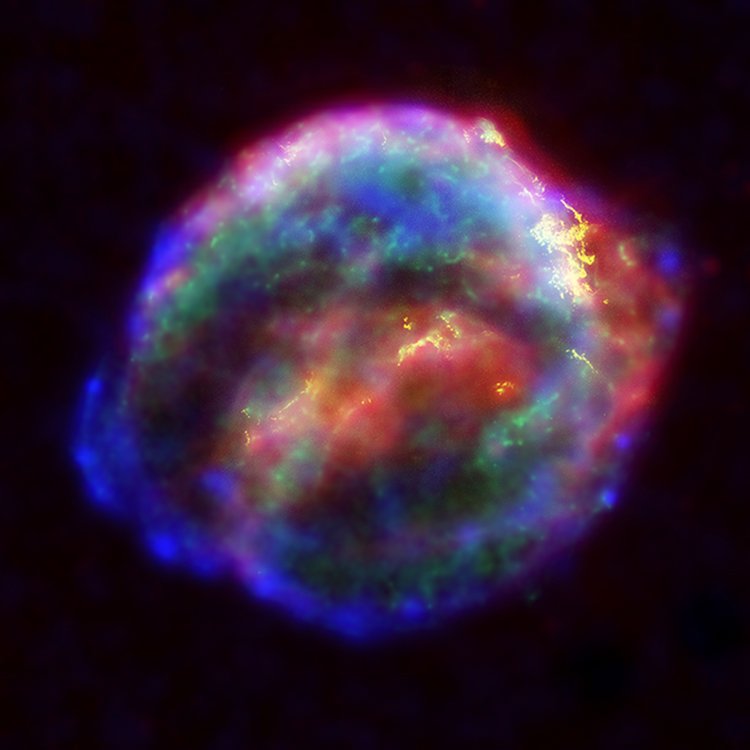
The supernova SN 2022xiw turned out to be surprisingly underwhelming and not unlike other supernovae. Surprisingly, it wasn’t exceptionally bright – like the incredibly bright GRB that it accompanied. “It’s not any brighter than previous supernovae,” Blanchard said.
This creates a fascinating puzzle. How does a relatively normal stellar explosion produce such an extraordinarily powerful gamma-ray burst? The SN, with a nickel mass of approximately 0.09 M⊙, is only slightly fainter than the brightness of SN 1998bw at this phase, which indicates that the SN is not an unusual GRB-SN. It’s like having a standard firecracker somehow generate the energy output of a massive fireworks display.
The Missing Heavy Elements Mystery
The team also looked for signatures of heavy elements like gold and platinum in the supernova. They found no evidence of such elements, deepening the mystery of their origins. Upon examining the B.O.A.T.’s spectrum, we did not see any signature of heavy elements, suggesting extreme events like GRB 221009A are not primary sources. This is crucial information as we continue to try to pin down where the heaviest elements are formed.
This absence is profoundly significant. Scientists have long theorized that the most violent stellar explosions forge the heaviest elements in the universe – the gold in jewelry, the platinum in electronics, the uranium in nuclear reactors. But this ultimate stellar explosion produced none of these treasures, forcing scientists to reconsider where these precious elements actually come from.
X-ray Rings Reveal Cosmic Dust Clouds
GRB 221009A is only the seventh gamma-ray burst known to have generated these rings, and as of March 2023, a record twenty X-ray afterglow rings had been identified around the burst, triple the previous record. As the prompt X-rays traveled toward us, some of them reflected off of dust layers, creating extended “light echoes” of the initial blast in the form of X-ray rings expanding from the burst’s location. The X-ray Telescope on NASA’s Neil Gehrels Swift Observatory discovered the presence of a series of echoes. Detailed follow-up by ESA’s XMM-Newton telescope, together with Swift data, revealed these extraordinary rings were produced by 21 distinct dust clouds.
These rings are like cosmic fingerprints, revealing the hidden structure of space between us and the explosion. Each ring tells the story of ancient dust clouds that have been drifting through space for millions of years, only revealed when this unprecedented burst of energy lit them up like streetlamps in fog.
Understanding Supernovae: The Universe’s Element Factories
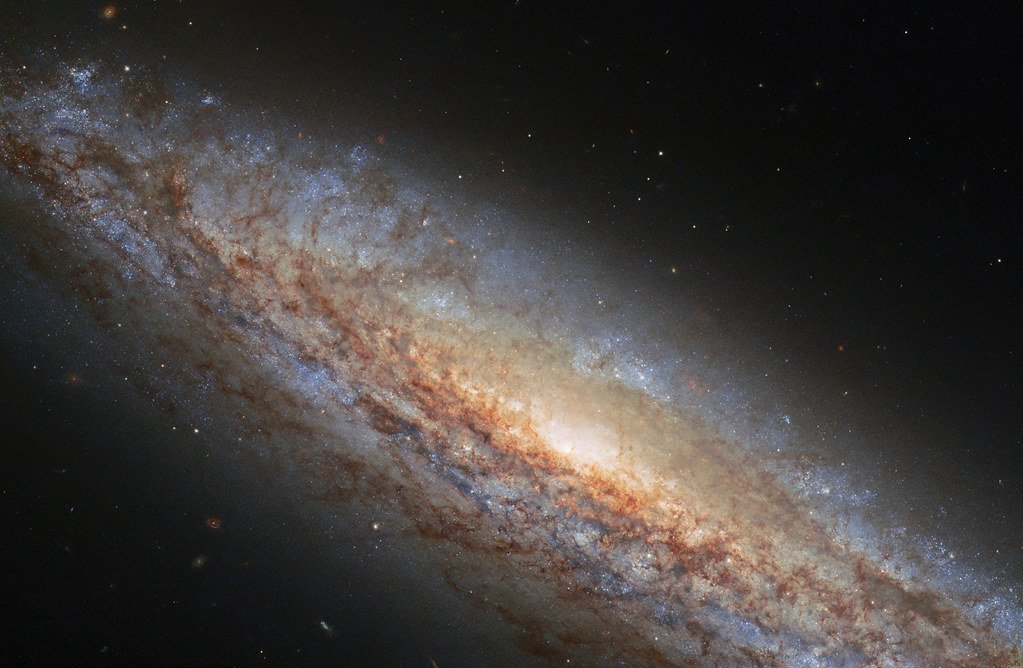
A supernova is a powerful and luminous explosion of a star. A supernova occurs during the last evolutionary stages of a massive star, or when a white dwarf is triggered into runaway nuclear fusion. The original object, called the progenitor, either collapses to a neutron star or black hole, or is completely destroyed to form a diffuse nebula.
Supernovae are so powerful they create new atomic nuclei. As a massive star collapses, it produces a shockwave that can induce fusion in the star’s outer shell. These fusion reactions create new atomic nuclei in a process called nucleosynthesis. Supernovae are considered one of the original sources of the elements heavier than iron in the Universe. They’re literally the cosmic forges that create the building blocks of planets, and ultimately, life itself.
How Supernovae Impact Life on Earth
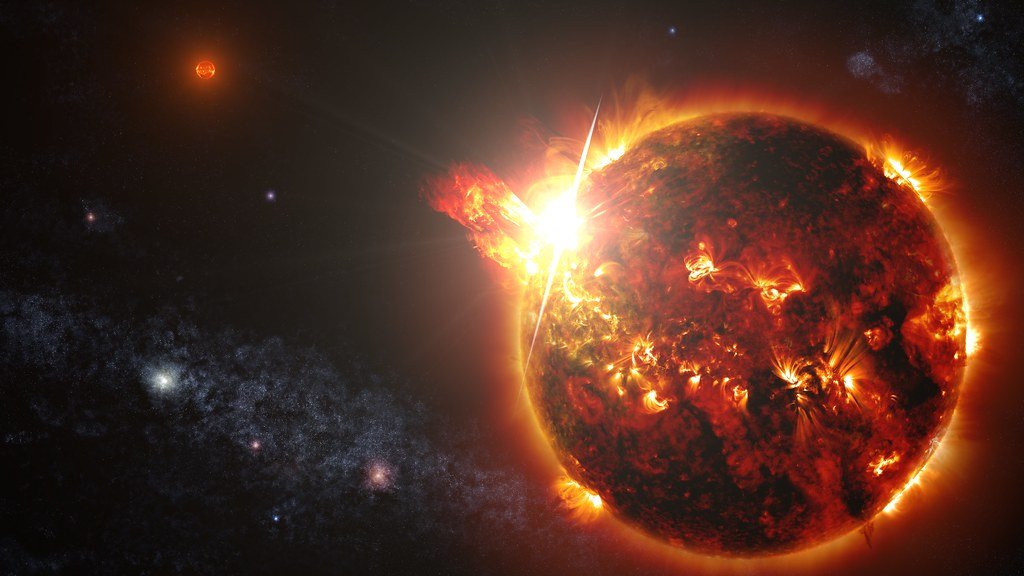
Even the iron in your blood can be traced back to supernovae or similar cosmic explosions from long before our Sun had formed. Supernovae are thus essential to life. The fact that the Earth contains elements that are produced only in supernovae is evidence that our solar system, planet and bodies contain material that was produced long ago by a supernova.
It is estimated that a Type II supernova closer than eight parsecs (26 light-years) would destroy more than half of the Earth’s ozone layer. Such estimates are based on atmospheric modeling and the measured radiation flux from SN 1987A, a Type II supernova in the Large Magellanic Cloud. Fortunately, only two nearby stars look set to go supernova in the next few million years: Betelgeuse and Antares. Both of these are more than 500 lightyears away, a safe enough distance from our planet’s fragile atmosphere.
The Lasting Impact of the BOAT
GRB 221009A, then, might be the brightest GRB to occur for all of human civilization – and certainly for as long as humans have turned telescopes to the sky. It was a singular event, one that researchers do not expect to see repeated during our lifetimes. And when we understand better the mechanisms that made it happen, the Universe will be a little less mysterious.
Radio signals broadcast by the winding down of whatever process created the initial burst will likely linger for years to come. This broadband emission offers the rare opportunity to study normally-fleeting GRBs in great detail. Scientists are still analyzing data from this remarkable event, and each new discovery adds another piece to the puzzle of how the universe’s most extreme phenomena actually work.
Conclusion: A Cosmic Wake-Up Call
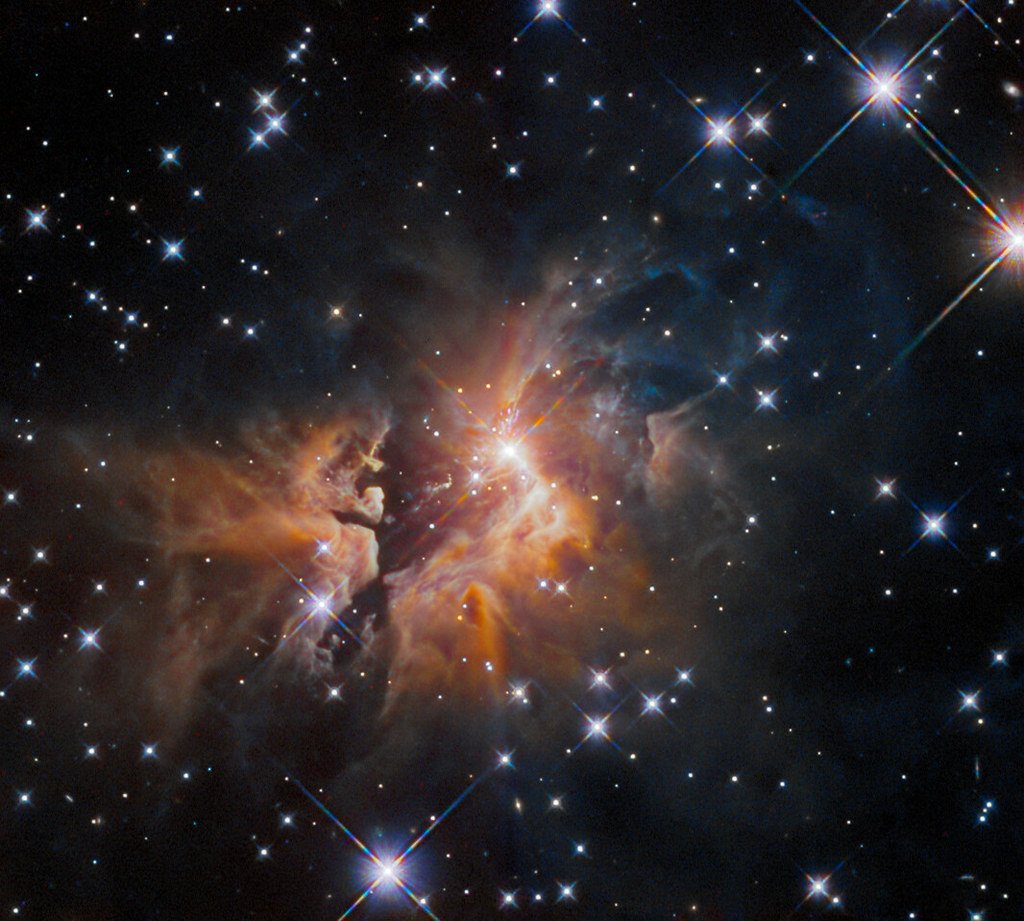
The BOAT event has fundamentally changed our understanding of stellar explosions and the violent processes that shape our universe. While the star that created GRB 221009A has indeed left almost no trace behind – consumed entirely in one of the most powerful explosions ever recorded – its legacy lives on in the data it provided and the mysteries it revealed.
This cosmic giant didn’t just disappear; it rewrote the textbooks on stellar physics, challenged our understanding of element formation, and reminded us that the universe still holds secrets beyond our wildest imagination. The next time you look up at the night sky, remember that somewhere out there, similar stellar titans are living their final moments, potentially preparing for their own spectacular farewell.
What other cosmic mysteries might be waiting to surprise us in the darkness between the stars?