
Under the commuter bridges and tugboat wakes of the Hudson River, a city-sized estuary keeps its secrets. Once written off as a polluted lost cause, this tidal corridor is quietly staging an ecological plot twist, harboring animals few expect to find in the shadow of skyscrapers. From ancient, armored sturgeon to elusive seahorses clinging to pilings, the cast is stranger – and tougher – than most of us realize. New monitoring tools are suddenly revealing what the water has been hiding for decades. The mystery now is not whether life persists, but how far it can recover in a river that never sleeps.
The Hidden Clues

Scientists are following the evidence the river leaves behind: a scale in a seine net, a whisker-fine strand of DNA, a blip on a sonar screen that flickers and is gone. Environmental DNA, shed by fish and invertebrates, lets teams detect species without catching them, a kind of genetic footprint scattered in the currents. In quick, two-hour windows around slack tide, researchers cast nets along park piers and marsh edges, logging pipefish, juvenile flounder, and comb jellies that look like tiny galaxies. The results land like postcards from an underwater neighborhood most New Yorkers never see.
It’s not just lab tech; it’s legwork, too. Field crews crouch on splintered docks, counting translucent larvae and measuring salinity as ferries thunder past. These small, repeatable checks stitch together a living map, revealing the river’s pulse in real time.
From Ancient Tools to Modern Science

Long before sonar, the Lenape understood the Hudson’s rhythms and built stone fish weirs to steer migrations. Today, researchers layer that traditional sense of timing with hydroacoustics, acoustic receivers, and tiny tags that ping from fish like digital name badges. A handheld YSI meter can tell a story about oxygen stress before a fish ever turns belly-up. Meanwhile, time-lapse cameras and night-vision video watch for furtive movements around oyster reefs and pilings.
What’s different now is scale and speed. A week of data can reveal a thermal spike, a sewage overflow, or a plankton bloom before the headlines catch up. The river is no longer a black box; it’s a dashboard.
- Hydroacoustics trace schools without disturbing them.
- Acoustic tags track sturgeon migrations across seasons.
- Environmental DNA picks up rare species with a filtered cup of water.
The Sturgeon That Refused to Vanish

Atlantic and shortnose sturgeon, relics from the age of dinosaurs, are still part of the Hudson’s story. They navigate by ancient calendars, riding spring flows to spawn and sliding back toward the harbor as the days grow long. Their armor plates seem built for a tougher world, and maybe that’s why they’ve endured ship traffic, dredging, and decades of industrial scars. Protective measures – seasonal work windows, gear restrictions, and targeted monitoring – aim to keep them from becoming museum pieces.
Even so, threats linger in the deep channels where barges and fish meet. Vessel strikes, altered flows, and lingering contaminants shape every season’s outcome. The river’s patience is long; the margin for error is not.
Seahorses in the City

Yes, seahorses live here, and the first time you see one, the city shrinks to a single tide-washed piling. The lined seahorse wraps its tail around oyster shells or frayed rope, swaying like a leaf in subway draft. They favor the quieter pockets of the lower estuary, where eelgrass, algae, and restored oyster beds add texture to an otherwise vertical world. When biologists lift a crab trap and a seahorse peeks out, it feels like discovering a rumor was true all along.
Their presence is a quiet verdict on habitat. Give them structure and clean-enough water and they hold on, one curly tail at a time. In a place famous for rush and noise, they win by staying still.
Eels, Beavers, and Other Comebacks
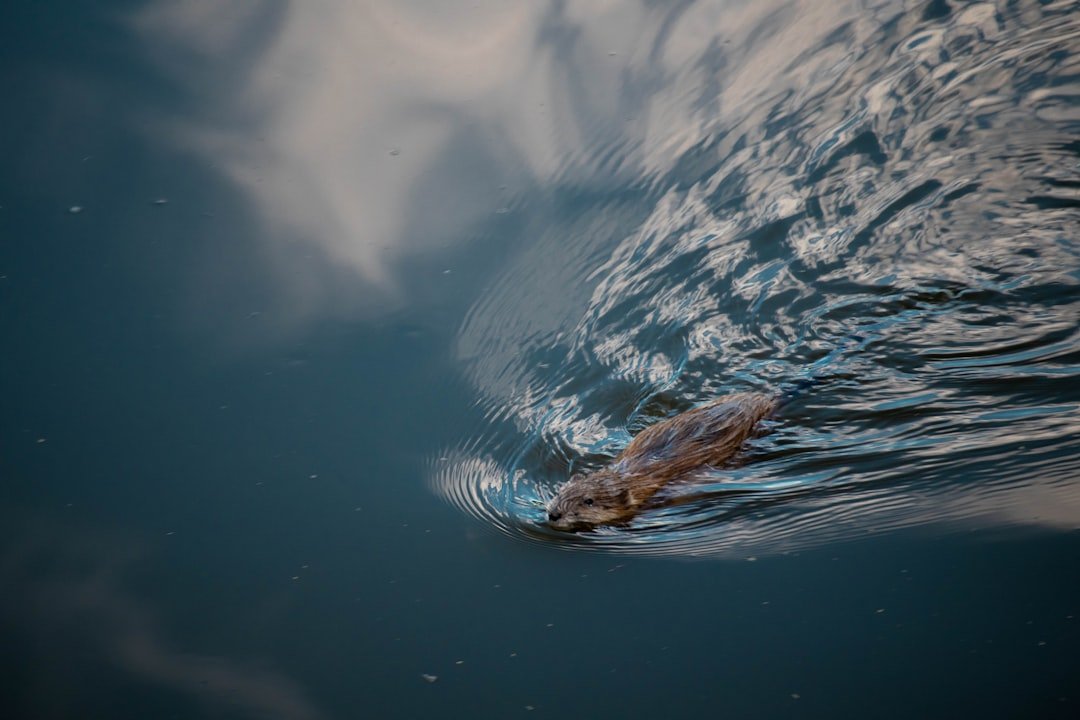
American eels begin life in the Sargasso Sea and arrive as transparent threads that ride the Hudson inland, a migration as improbable as it is precise. They slip into creeks and reservoirs, climbing eel ladders when old dams would otherwise stop them, then someday turn silver and vanish back to the open Atlantic. In the Bronx River, beavers resurfaced after more than a century away, reshaping side channels into slower, richer pockets that shelter fish and amphibians. On winter mornings, harbor seals haul out on distant rocks, watching tugs the way the rest of us watch traffic.
These returns aren’t fairy tales; they’re maintenance logs. Better wastewater treatment, targeted habitat fixes, and patient monitoring stack up into visible results. Recovery here is never smooth, but it’s stubborn.
Why It Matters
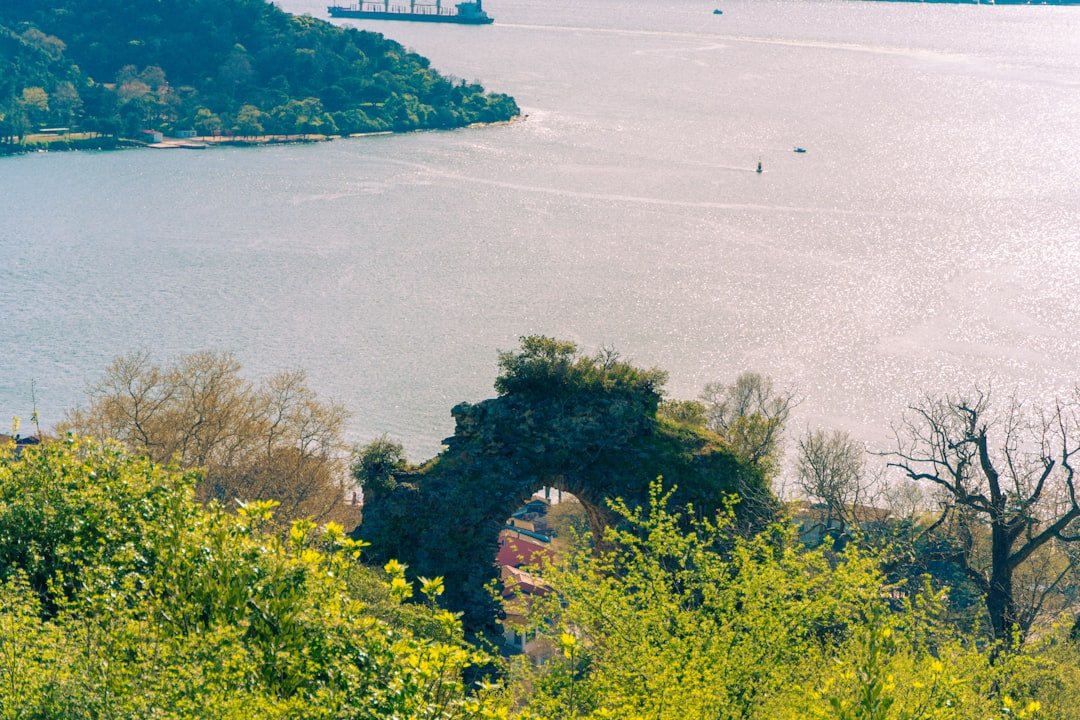
For decades, the Hudson was a cautionary tale about industrial sprawl and toxic legacies, a river people drove over but didn’t touch. Yet an estuary that hosts sturgeon and seahorses is not just surviving; it’s performing essential work – filtering water, buffering storms, feeding migratory birds, and cooling the city’s edges. Compared with the blunt instruments of the past – dredge, dump, and hope – today’s approach is about feedback loops and finesse. We measure, adjust, and measure again, because in a tight urban system, every gain is fragile.
There’s also a practical ledger. A healthier estuary supports commercial and recreational fisheries, boosts waterfront economies, and gives neighborhoods breathable space during heat waves. In a warming world, resilient rivers are not luxuries; they’re infrastructure.
- Roughly two-thirds of coastal species depend on estuaries at some point in their life cycle.
- Urban shorelines with living reefs can reduce wave energy compared with bare bulkheads.
- Improved water quality correlates with increased sightings of sensitive species.
Global Perspectives
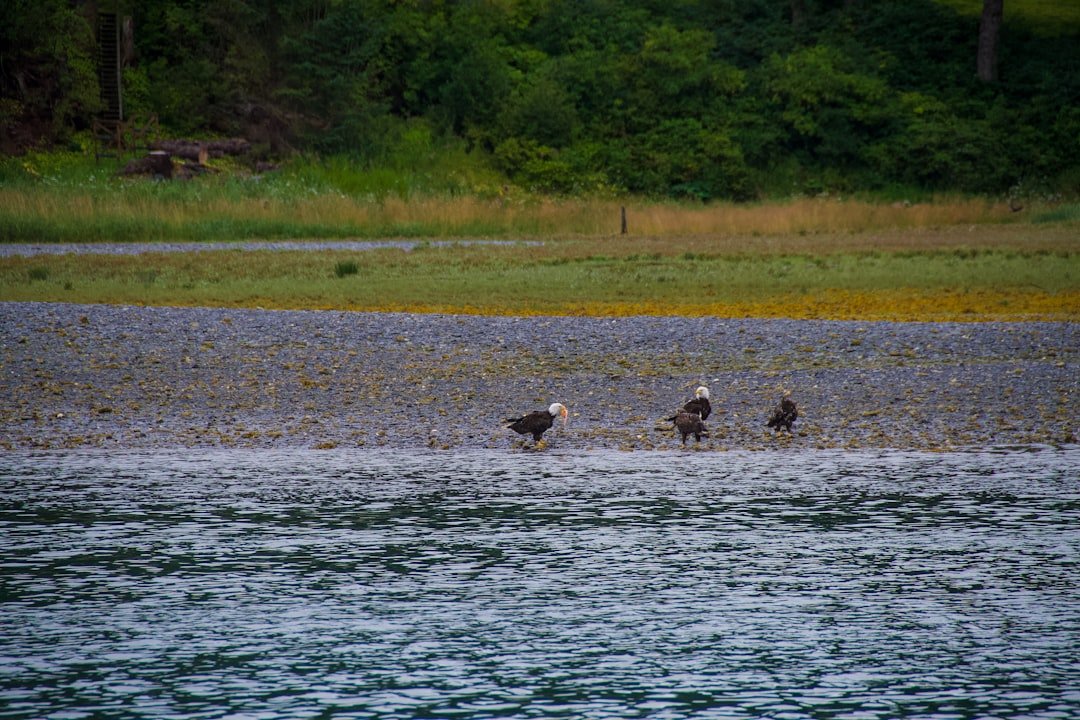
What’s happening here mirrors a quiet trend in cities from London to Seoul: urban rivers are proving wilder than expected. The Thames hosts seals and seahorses; the Han stages seasonal fish runs beneath neon. Each place faces its version of the same puzzle – controlling storm overflows, softening armored shorelines, and making room for tides in neighborhoods built to keep them out. The Hudson’s mix of restored habitat, vigilant monitoring, and public science offers a blueprint rather than a boast.
When a megacity admits its river is alive, planning shifts. Flood control can include oyster reefs, eelgrass, and setbacks, not just walls. The lesson scales: invest in the biology, and the physics begin to cooperate.
The Future Landscape

The next decade will test whether technology can keep pace with climate pressure. Warmer water shifts spawning calendars, heavier rains overwhelm sewers, and microplastics drift through food webs like glitter you can’t sweep up. Scientists are racing in kind: real-time eDNA sensors, low-cost loggers clipped to pier pilings, and machine learning that flags unusual sonar patterns before a fish kill appears. Habitat work is getting smarter, too – reef modules tuned to local currents, living shorelines designed to flex rather than crack.
Setbacks remain, and they’re not subtle. Underwater noise, vessel traffic, and legacy toxins still shape who makes it to adulthood. But with steady investment and relentless measurement, the river’s odds improve year by year.
How You Can Help
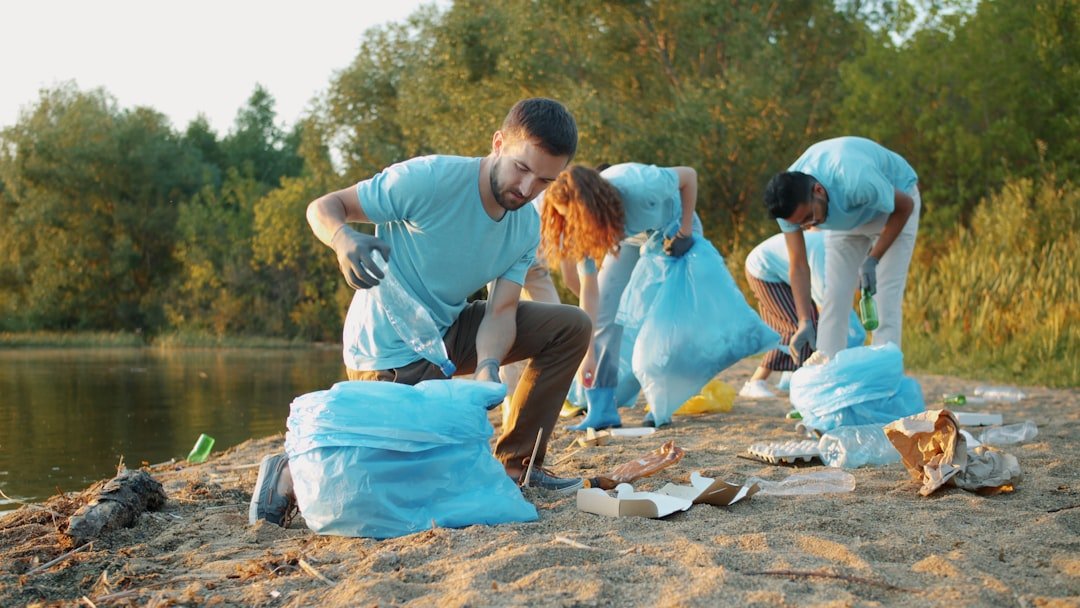
Big recoveries are built from small, repeatable acts. If you boat, slow down in known spawning corridors during spring and fall; fewer prop scars mean more fish return next year. Join a shoreline cleanup or a community seining day, and you’ll see more in one hour than a hundred documentary clips. Ask your building or block association about green roofs and rain gardens that keep stormwater out of overworked sewers.
Support habitat projects that add structure – oysters, reef blocks, native plantings – because wildlife needs complexity more than it needs perfection. Share what you learn with someone who still calls the river dead, and invite them to the water’s edge at low tide. The current will handle the rest.
- Volunteer with local estuary programs and data counts.
- Reduce single-use plastics and secure trash before windy days.
- Back infrastructure upgrades that separate stormwater from sewage.
Suhail Ahmed is a passionate digital professional and nature enthusiast with over 8 years of experience in content strategy, SEO, web development, and digital operations. Alongside his freelance journey, Suhail actively contributes to nature and wildlife platforms like Discover Wildlife, where he channels his curiosity for the planet into engaging, educational storytelling.
With a strong background in managing digital ecosystems — from ecommerce stores and WordPress websites to social media and automation — Suhail merges technical precision with creative insight. His content reflects a rare balance: SEO-friendly yet deeply human, data-informed yet emotionally resonant.
Driven by a love for discovery and storytelling, Suhail believes in using digital platforms to amplify causes that matter — especially those protecting Earth’s biodiversity and inspiring sustainable living. Whether he’s managing online projects or crafting wildlife content, his goal remains the same: to inform, inspire, and leave a positive digital footprint.