
Most of us walk through life assuming that living things need warmth, light, water, and a reasonably decent environment to survive. Comfortable assumptions. Logical ones, even. The problem is, they’re spectacularly wrong. Nature, as it turns out, didn’t get the memo.
Beneath ocean floors, inside nuclear reactor ruins, locked within solid rocks miles underground, and floating silently in the upper atmosphere – there are microscopic organisms living their best lives in conditions that would kill you in seconds. Honestly, when you start to learn about this stuff, it fundamentally changes how you think about life itself.
These are not fictional creatures from a science fiction novel. They’re real, they’re thriving, and researchers around the world are racing to understand them. What you’re about to discover might just leave you questioning everything you thought you knew about where life can and cannot exist. Let’s dive in.
Deep Beneath the Ocean: Life at Impossibly High pH
Here’s the thing most people don’t realize: the deepest parts of our ocean aren’t just dark and cold – some zones are chemically hostile in ways that sound almost fictional. Deep beneath the ocean, scientists uncovered thriving microbial life in one of Earth’s harshest environments, an area with a pH of 12, where survival seems nearly impossible. To put that in perspective, a pH of 12 is roughly the same as household bleach. Yet something is living there. Happily.
Using lipid biomarkers instead of DNA, researchers revealed how these microbes persist by metabolizing methane and sulfate. The discovery not only sheds light on deep-sea carbon cycling but also suggests that life may have originated in similar extreme conditions, offering a glimpse into both Earth’s past and the limits of life itself. Think about that for a moment. The very chemistry that makes a place uninhabitable might actually be a window into how the first life on Earth got started.
Microbial life in the deep ocean plays an important role in the global carbon cycle, processing carbon and other elements far below the surface. The communities draw their energy not from sunlight but from minerals in rocks and gases like carbon dioxide and hydrogen, producing methane in the process. These biochemical reactions occur independently of the ocean above, showing that these microbes operate in a self-contained ecosystem. A fully self-sustaining world, invisible to us, running parallel to everything we consider normal life. Wild, right?
Inside Solid Rock: The Endoliths That Eat Stone
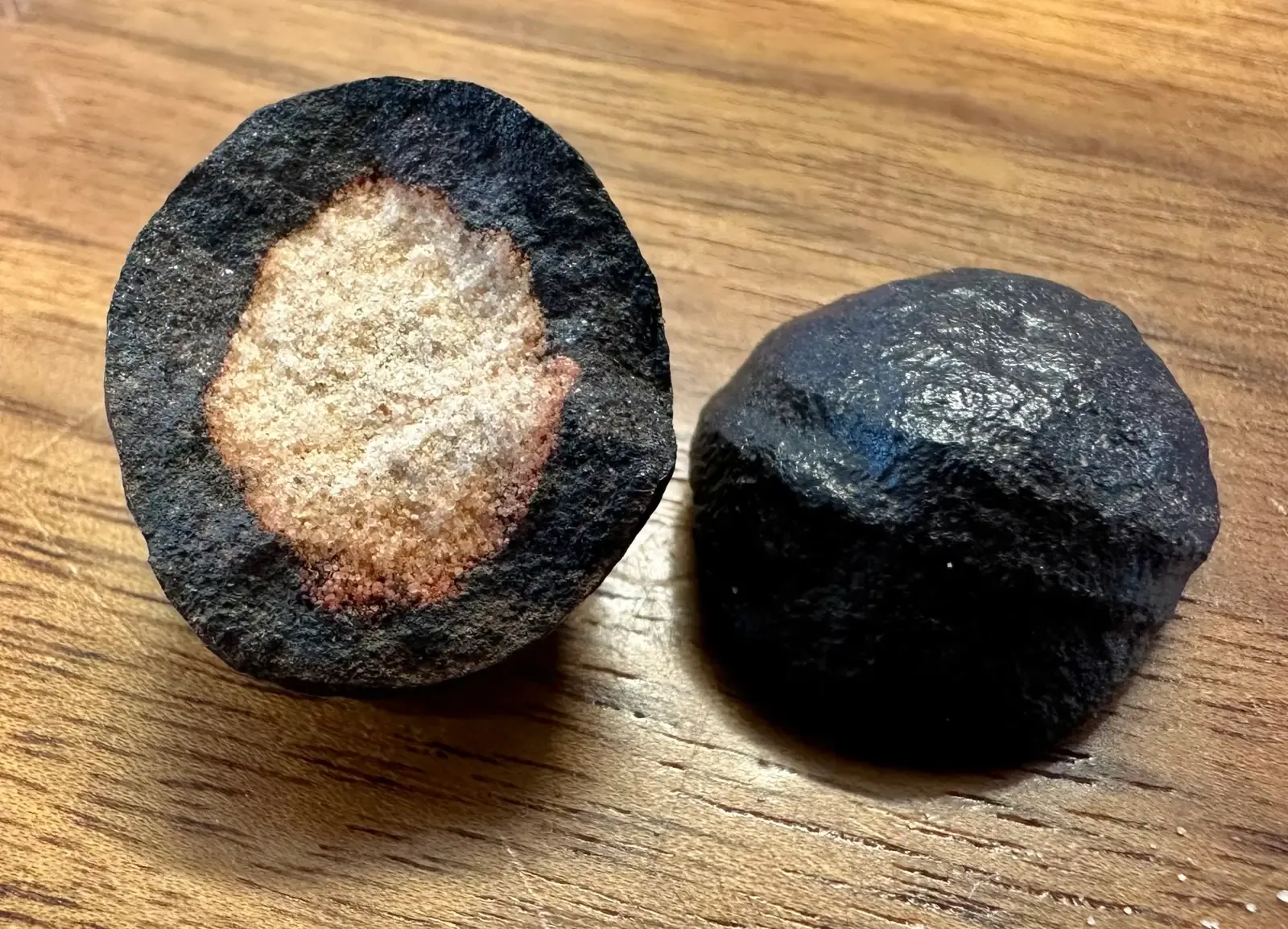
Endoliths live inside rocks, or within the porous spaces found inside minerals. I know it sounds crazy, but these aren’t mythological creatures. They are real, scientifically verified organisms that spend their entire existence burrowed into the mineral matrix of solid stone. No sunlight, barely any nutrients, crushing silence. And they’re absolutely fine with all of that.
In July 2019, a scientific study of Kidd Mine in Canada discovered sulfur-breathing organisms which live nearly 2,400 meters below the surface, and which breathe sulfur in order to survive. These organisms are also remarkable due to eating rocks such as pyrite as their regular food source. Eating rocks. For the average person, rocks aren’t exactly a food group. For these organisms, pyrite is basically a five-star meal. It genuinely makes you rethink what “food” even means.
Some microorganisms have been found thriving inside rocks up to 580 meters below the sea floor under more than 2,600 meters of ocean off the coast of the northwestern United States. When you layer that kind of depth on top of an already crushing ocean, it becomes clear that these creatures experience pressures and conditions that would destroy human-built machinery. Yet there they are, completely indifferent to it all.
The Nuclear Wasteland Survivors: Microbes That Feast on Radiation
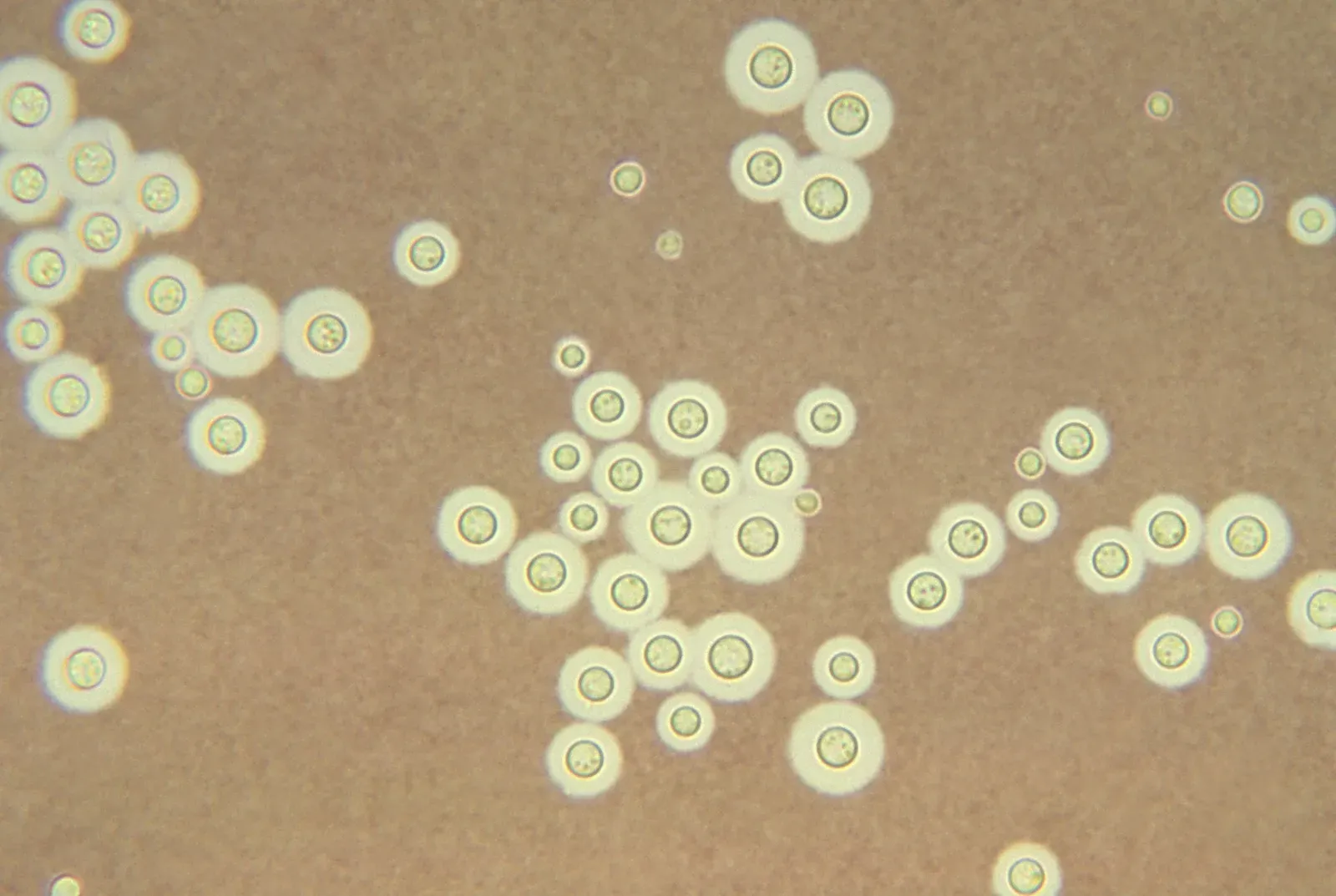
If you had to design the most inhospitable environment imaginable, a destroyed nuclear reactor would be near the top of the list. Scorching radiation, toxic contamination, zero chance of anything surviving. At least, that’s what we thought. After the Chernobyl disaster, scientists discovered radioresistant fungi growing in the destroyed nuclear reactor. They determined that these fungi weren’t just surviving – they had developed ways of using the radiation from radioactivity as a source of energy. Radiation as food. That sentence still gets me every single time.
One of the most studied and most radioresistant organisms on Earth is the bacterium Deinococcus radiodurans. This microbe can withstand exposure to extreme levels of ionizing radiation including UV and gamma rays. In fact, these tiny organisms are capable of surviving doses of radiation roughly 500 times higher than what would kill a human. Five hundred times. The scale of that difference is almost impossible to comprehend. It’s like comparing a paper boat to a nuclear submarine.
Some ways in which Deinococcus radiodurans copes with radiation include keeping multiple copies of its DNA and isolating fragments caused by irradiation into a tightly condensed area so that they don’t diffuse through the cell. The enzymes used to repair DNA in this organism seem to be particularly efficient. It’s essentially a biological self-repair system that runs faster than the damage can occur. Evolution, when pushed hard enough, finds a way.
The World’s Driest Place: Microbes in the Atacama Desert
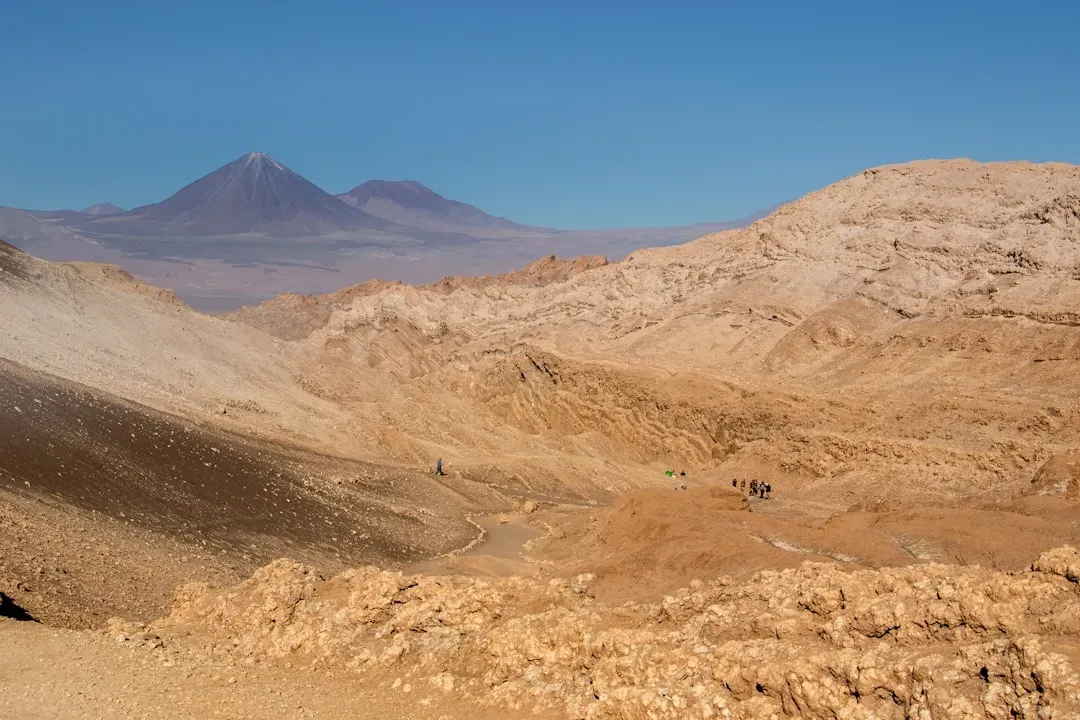
The Atacama Desert is one of the most extreme habitats on Earth. It runs along the Pacific Coast in Chile and is the driest place on the planet, largely because of that aridity, and hostile to most living things. Some regions of the Atacama haven’t seen meaningful rainfall in decades. It’s so dry that scientists have used it as a stand-in for the surface of Mars during research experiments. And yet, life persists there too.
Studies of the sandy soil have turned up diverse microbial communities. Analyses revealed a variety of living and possibly active microbes in the most arid areas. You’d imagine that without water, microbial life would have absolutely zero foothold. But some of these organisms have adapted to pull moisture from the air itself, extracting hydration from a desert atmosphere most life forms would find completely useless.
Among bacteria, the best adapted group to various extreme conditions is the cyanobacteria. They often form microbial mats with other bacteria, from Antarctic ice to continental hot springs. Cyanobacteria can also develop in hypersaline and alkaline lakes, support high metal concentrations, and tolerate xerophilic conditions, forming endolithic communities in desertic regions. It’s the kind of adaptability that, honestly, puts human resilience to absolute shame.
The Indestructible Water Bear: A Microscopic Survivor of Everything
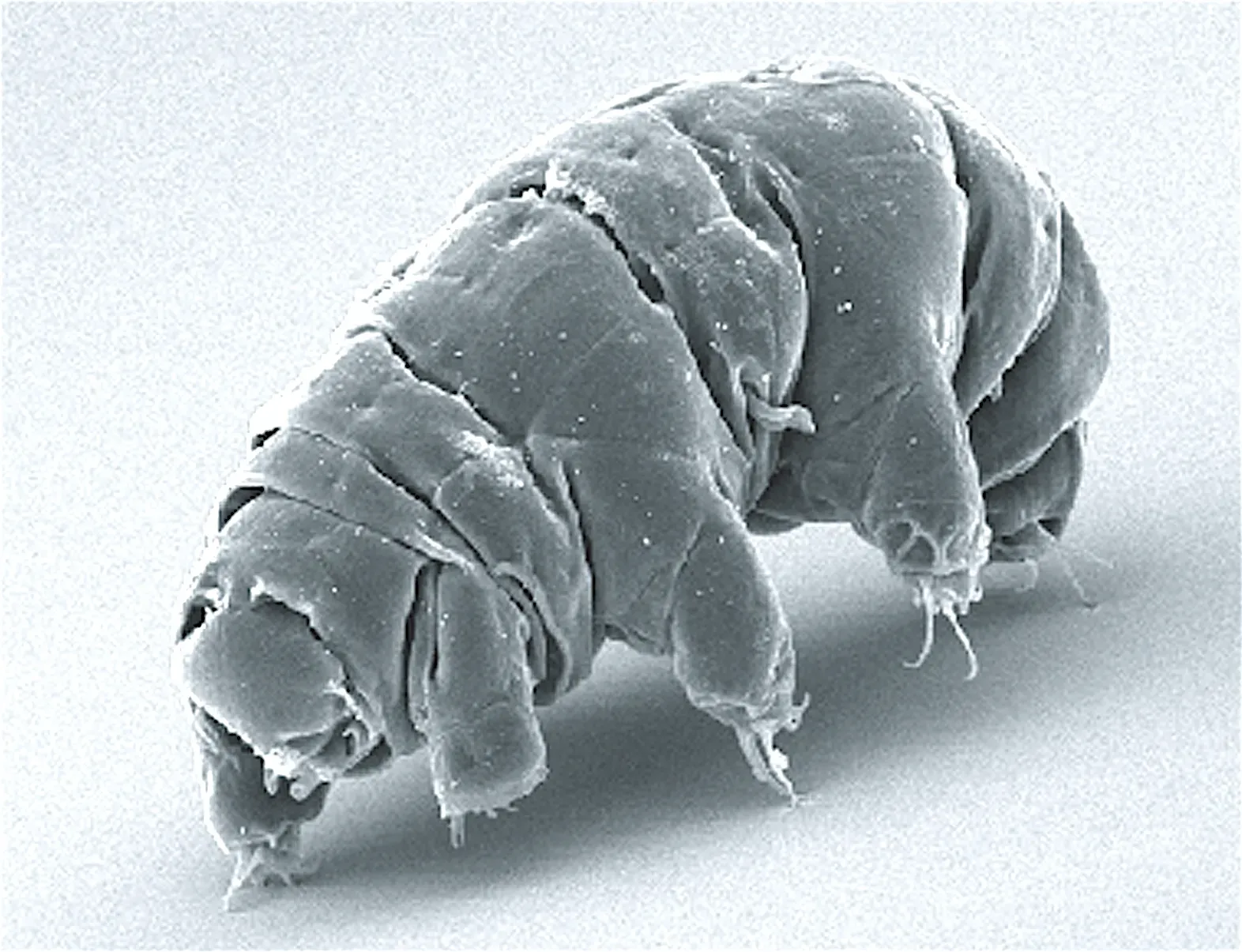
Let’s talk about tardigrades. If you haven’t heard of them yet, prepare to feel simultaneously amazed and slightly inadequate. There are more than 1,000 species of tardigrades. These eight-legged, microscopic creatures, often nicknamed water bears or moss piglets, are incredibly versatile and capable of surviving in some of the most extreme conditions. They live in deep oceans, rainforests, deserts, and the Antarctic, but also right under our noses in parks and gardens. Chances are, there are water bears living in the moss outside your window right now.
Tardigrades can go into a hibernation mode called the tun state, whereby they can survive temperatures from nearly absolute zero all the way up to 151 degrees Celsius. They can also endure vacuum conditions, pressure of 6,000 atmospheres, as well as exposure to X-rays and gamma rays. Absolute zero. The vacuum of space. Crushing pressure. They handle all of these conditions without flinching. Calling them “resilient” feels like calling the ocean “a bit damp.”
Tardigrades can survive long periods without any water by entering a death-like, dormant state called the “tun.” In this state they dry up, collapse into a ball, and drastically slow down their metabolism. They essentially hit pause on being alive, wait out the disaster, and then resume like nothing happened. It’s hard to say for sure, but if any creature on Earth could truly be called immortal, the tardigrade has a strong claim.
Deep Underground: A Biosphere Powered by Radioactivity
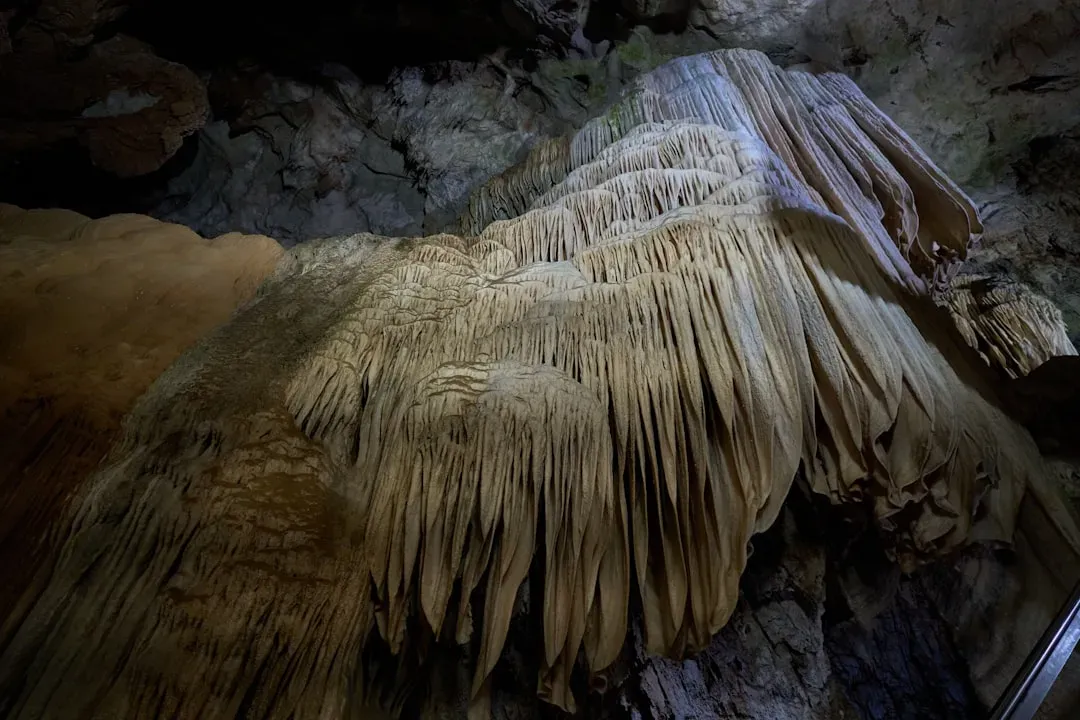
Far beneath the surface of the Earth, in mines and rock formations where light has never reached, there exists a hidden biosphere. No sunlight for photosynthesis, no organic food raining down from above. So what fuels life this deep? The answer is surprisingly elegant, and a little mind-bending. Energy from water split by radioactive rocks sustains gigantic subsurface ecosystems where life seemed impossible.
Radiation from unstable atoms in rocks can split water molecules into hydrogen and chemically reactive peroxides and radicals. Some cells can use the hydrogen as fuel directly, while the remaining products turn minerals into additional energy sources. These radiolytic reactions yield energy far more slowly than the sun, but researchers have shown they are fast enough to be key drivers of microbial activity in a broad range of settings. Radioactivity is essentially playing the role of the sun, deep underground, powering a shadow world most humans don’t even know exists.
While extremophiles are often associated with surface extremes, subterranean environments also harbor unique microbial communities. Research has explored microbial diversity within caves, combining long-term sampling and microcosm experiments to examine community composition and colonization dynamics. Researchers found distinct prokaryotic communities across different cave zones, with specialized taxa adapting to localized energy and nutrient conditions. Within a year, various minerals incubated in cave waters were colonized by specific microbial communities, demonstrating rapid adaptation to environmental opportunities. Rapid is almost an understatement. These communities build entire civilizations on bare rock in less than a year.
Outer Space: When Microbes Survive Beyond Earth
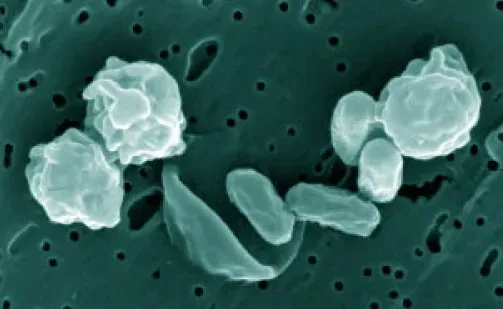
If everything else in this article seemed surprising, this last one genuinely borders on the extraordinary. Bacteria – real, Earth-born bacteria – have survived for years exposed directly to the conditions of outer space. New findings published in Frontiers in Microbiology, based on an experiment on the International Space Station, show that the bacteria Deinococcus radiodurans can survive at least three years in space. Three years. Floating in the vacuum of space, bombarded by cosmic radiation, alternating between extreme heat and near-absolute-zero temperatures.
Up in the vacuum of space, microbes have to deal with turbulent temperatures, cosmic radiation, and ultraviolet light. For humans, even a split second of direct exposure to those conditions would be instantly lethal. Yet certain bacteria shrug it off. This inherent defense mechanism, combined with protective outer layers of cells, kept the microbes alive despite radiation levels over 200 times higher than those on Earth. The team predicted that traveling bacteria masses could survive two to eight years between Earth and Mars and vice versa.
New research on a NASA-discovered bacterium shows the microbe is capable of entering an extreme dormant state, essentially “playing dead” to survive in some of the cleanest environments on Earth. The finding could potentially reshape how scientists think about microbial survival on spacecraft and the challenges of preventing contamination during missions to space. Let’s be real – if bacteria can survive a journey between planets, then the question of whether life exists elsewhere in our solar system gets a whole lot more complicated and a whole lot more exciting.
Conclusion: Life Has No Limits – Only Our Imagination Does
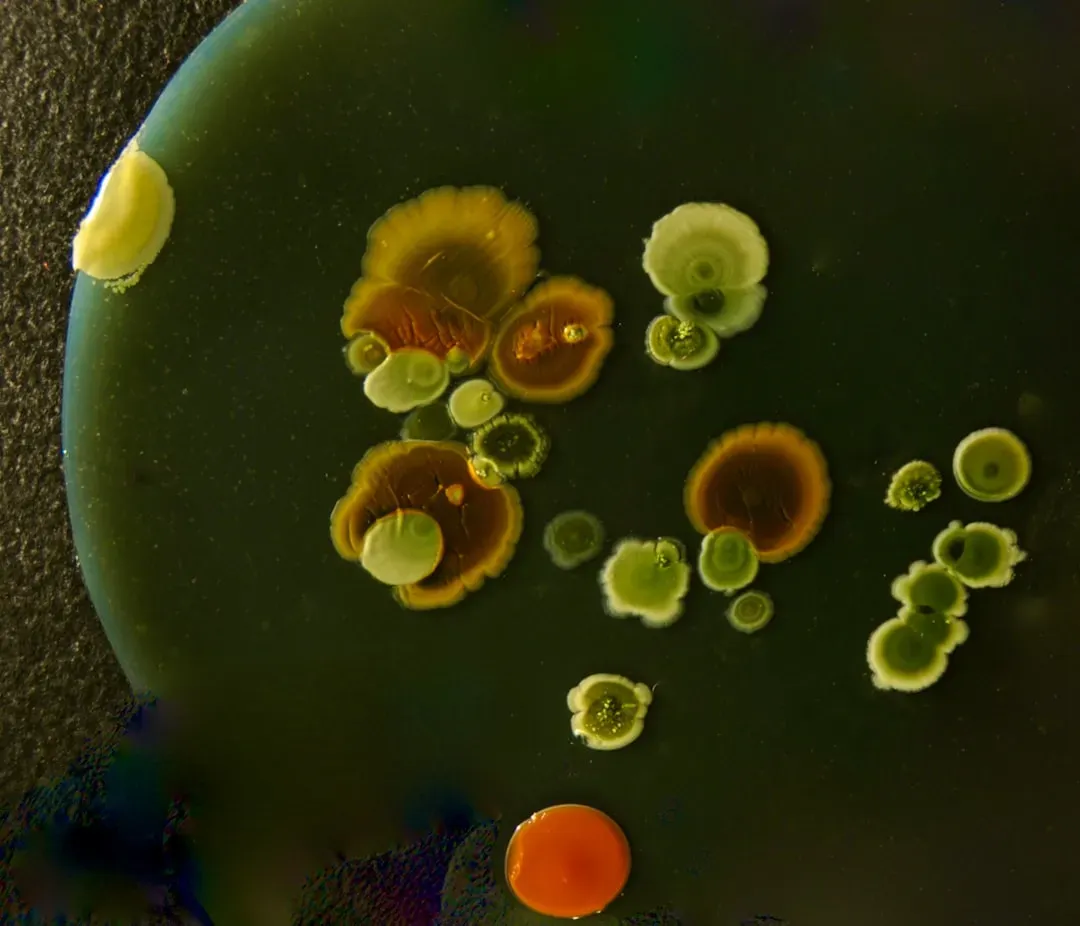
What does all of this mean? At its core, it means that life is far more stubborn, creative, and tenacious than we ever gave it credit for. Extremophilic organisms, which thrive in environments characterized by extreme conditions, have redefined our understanding of life’s resilience and adaptability. Their presence in harsh settings challenges traditional beliefs about the limits of biological activity and broadens our perspective on potential habitats supporting life. Every time science draws a hard line and says “nothing can live here,” something inevitably does.
Since the first extremophile discoveries in 1969, each decade of exploration has broadened our view of the boundaries of microbial environmental habitability. It is likely that the true limits of life have yet to be found. That is perhaps the most thrilling scientific statement of our era. We haven’t found the edge of life yet. We keep pushing the boundary and it keeps moving further out.
Think about what this means for the universe beyond Earth. If microscopic organisms can thrive inside nuclear reactors, under miles of rock, in the vacuum of space, and in the world’s most brutal deserts, then the idea that life exists somewhere else out there stops being science fiction and starts being a statistical near-certainty. The microscopic world doesn’t ask for permission, it doesn’t wait for comfortable conditions, and it certainly doesn’t give up. In many ways, these tiny creatures are the most inspiring survivors on the planet. What does that make you think about where life might be hiding next?