
Imagine stepping barefoot into a scorching desert, feeling the sand sting your skin and the sun blaze overhead. Now picture a creature not just surviving, but thriving in that harsh world—so well-adapted, it can literally wear the desert as its shield. This is no fantasy. Meet the desert lizard that transforms ordinary sand into a suit of armor, a marvel of evolution that defies belief and sparks wonder in everyone who hears its story. Its secret? A combination of biology, behavior, and pure ingenuity that scientists are only beginning to understand. If you’ve ever wondered how animals push the limits of survival, prepare to be amazed.
The Unexpected Champion of the Dunes
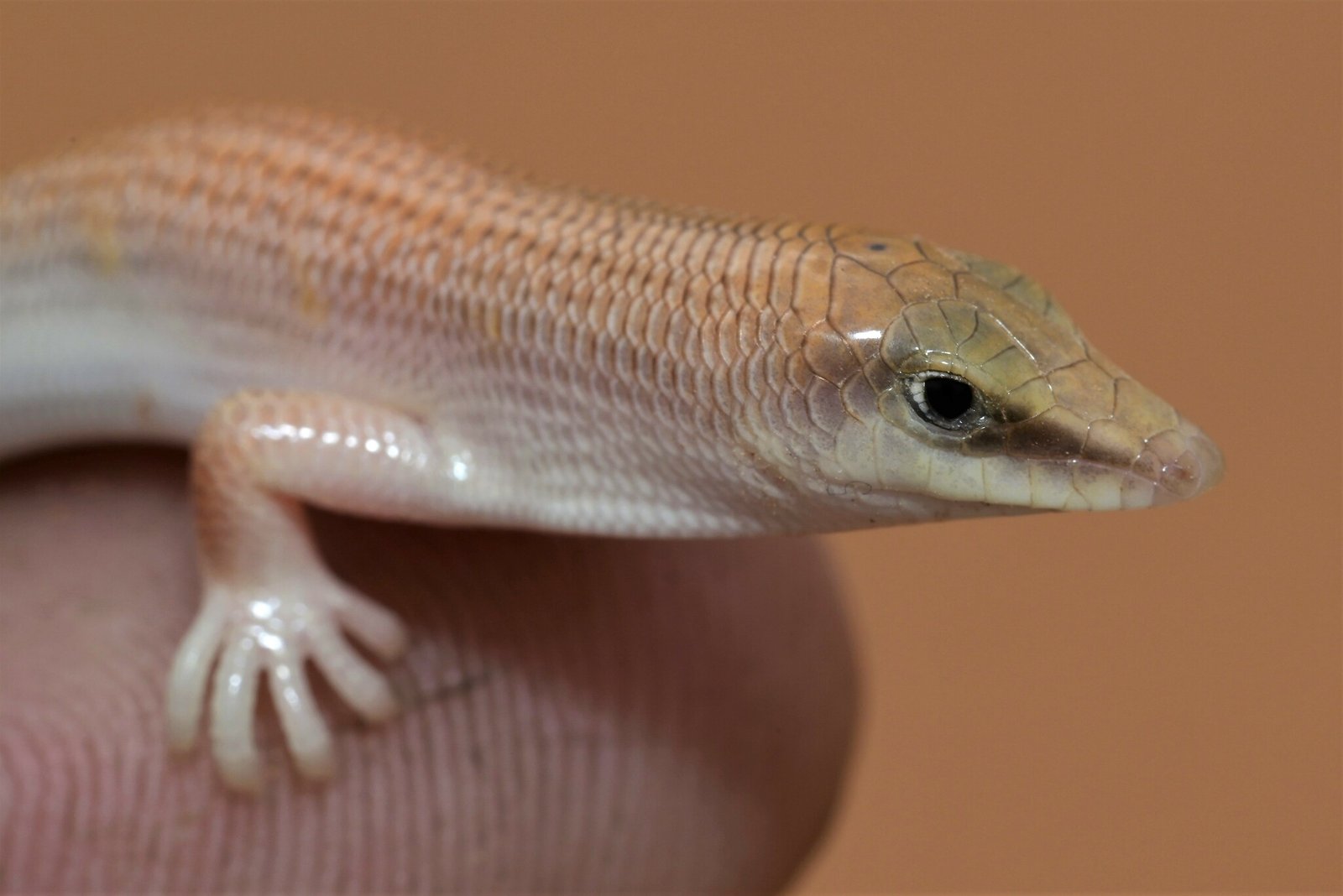
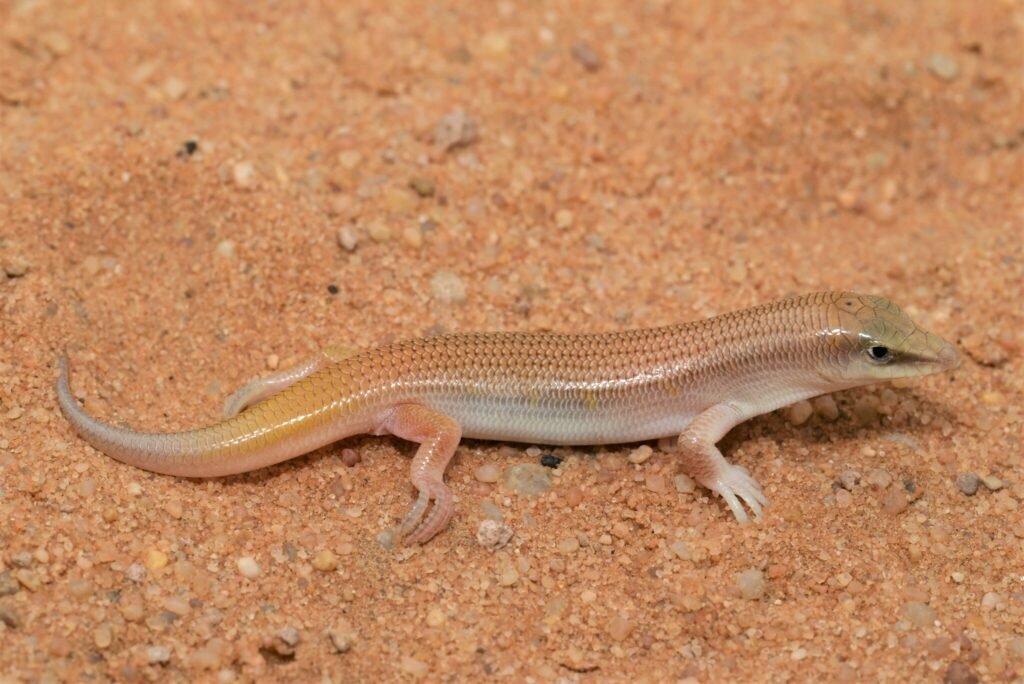
Who would guess that a humble, sand-colored lizard could claim the title of desert survivor extraordinaire? In the world’s hottest places, like the Sahara, Namib, and Arabian deserts, certain lizards—such as the sandfish skink—have evolved to become the superheroes of the sand. Their bodies are built for speed and stealth, but their most jaw-dropping adaptation is their ability to armor themselves with the very sand that others find so hostile. It’s not just about camouflage; it’s about turning a deadly landscape into protective gear.
Biological Blueprint: Scales that Guard and Glide
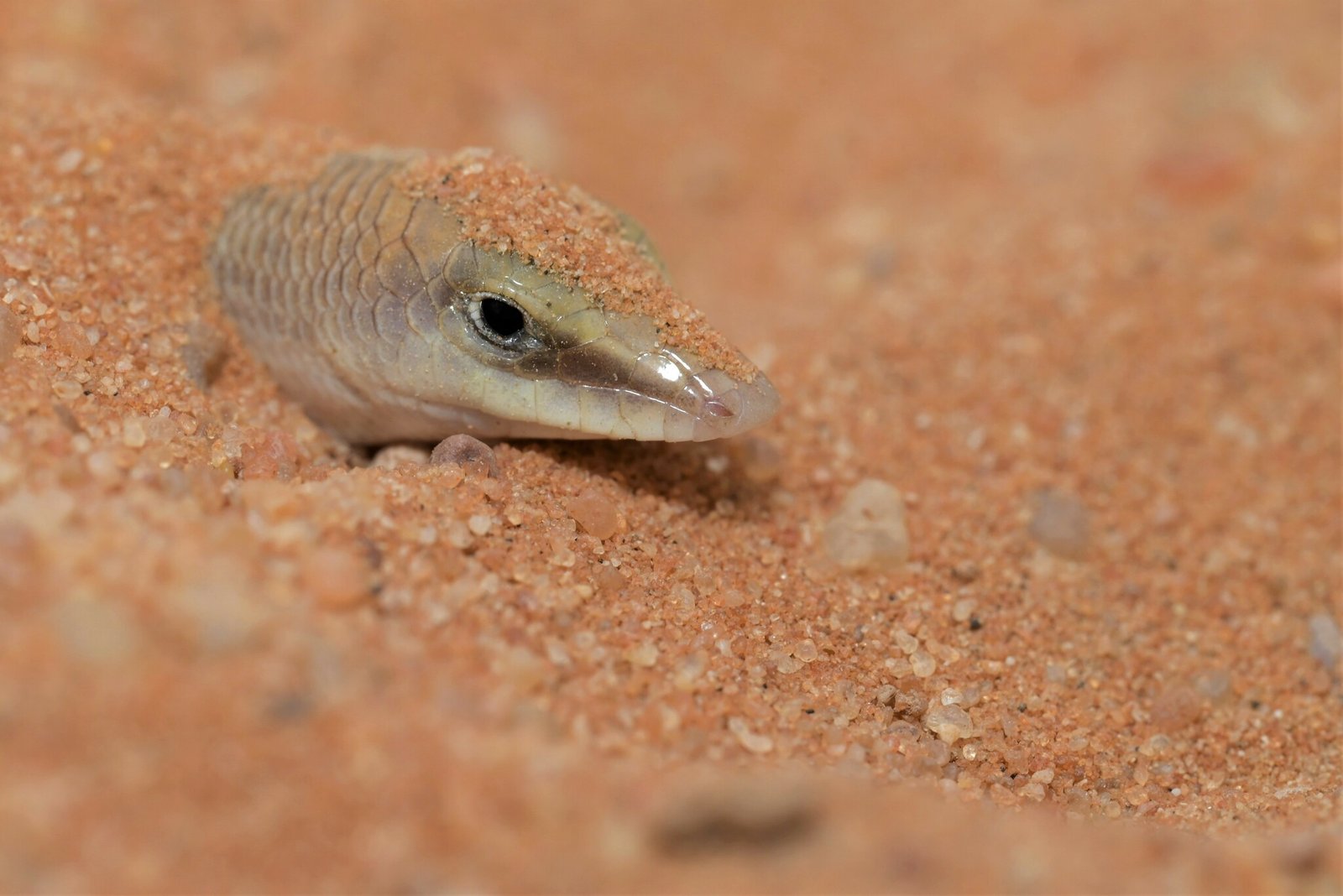
At first glance, these lizards may look ordinary, but a closer look reveals a masterpiece of evolutionary engineering. Their scales are not just tough—they’re coated with microscopic, overlapping layers that repel heat and sand alike. Scientists have discovered that these scales are smooth and shiny, reducing friction so the lizard can swim through sand as easily as a fish through water. But the magic doesn’t stop there: the scales trap grains of sand, forming a protective shell that guards against predators, abrasions, and even the relentless desert sun.
Camouflage: Hiding in Plain Sight
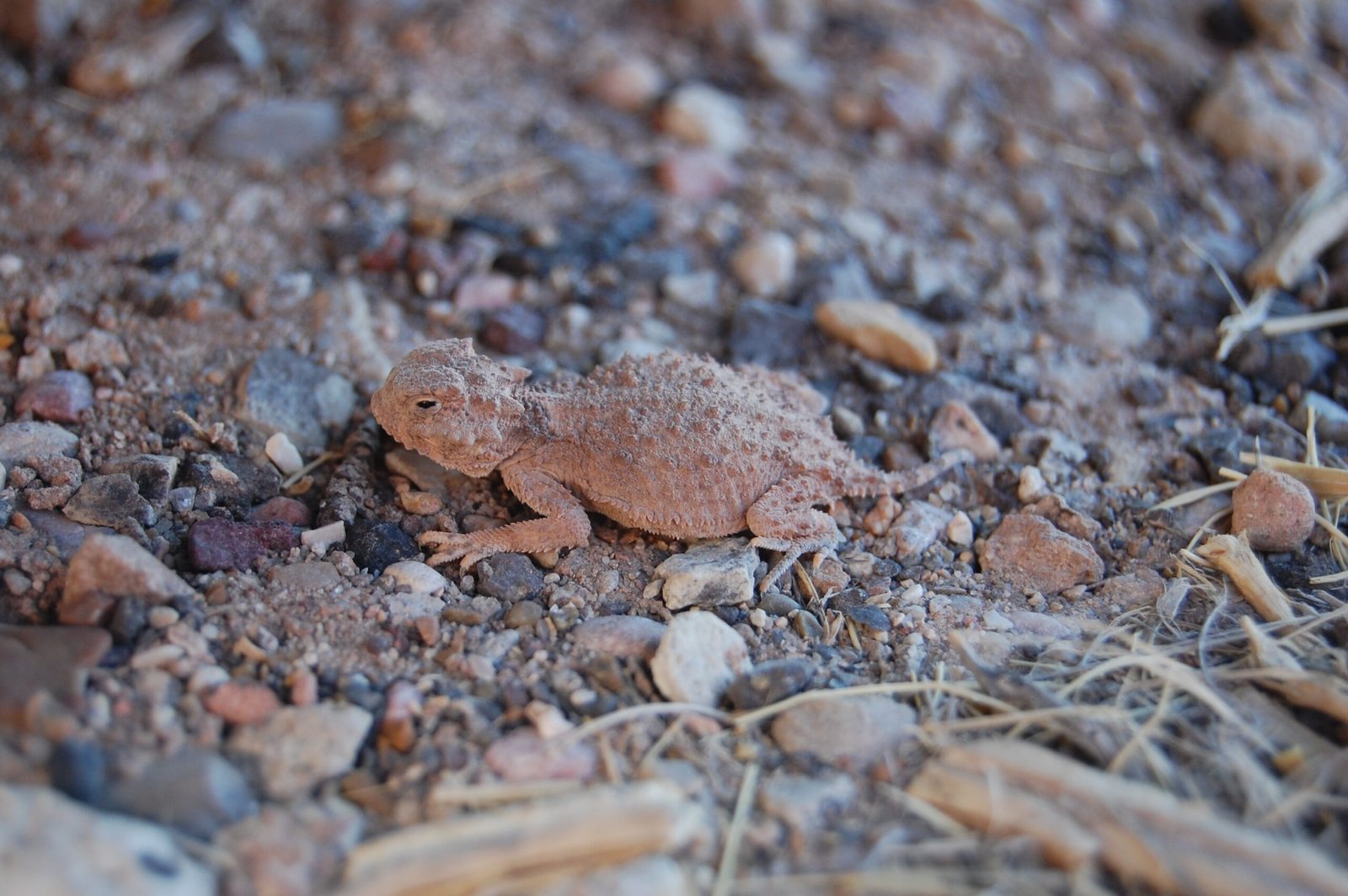
Blending into the environment is a classic survival trick, but desert lizards take it to a whole new level. Their mottled, sandy coloration isn’t just for show—it’s a living, moving disguise. As they burrow and wriggle through the dunes, grains of sand cling to their bodies, further breaking up their outline. This makes it nearly impossible for hungry birds or snakes to spot them. It’s like wearing an invisibility cloak made from the very ground they walk on.
The Sandfish Skink: Nature’s Living Submarine
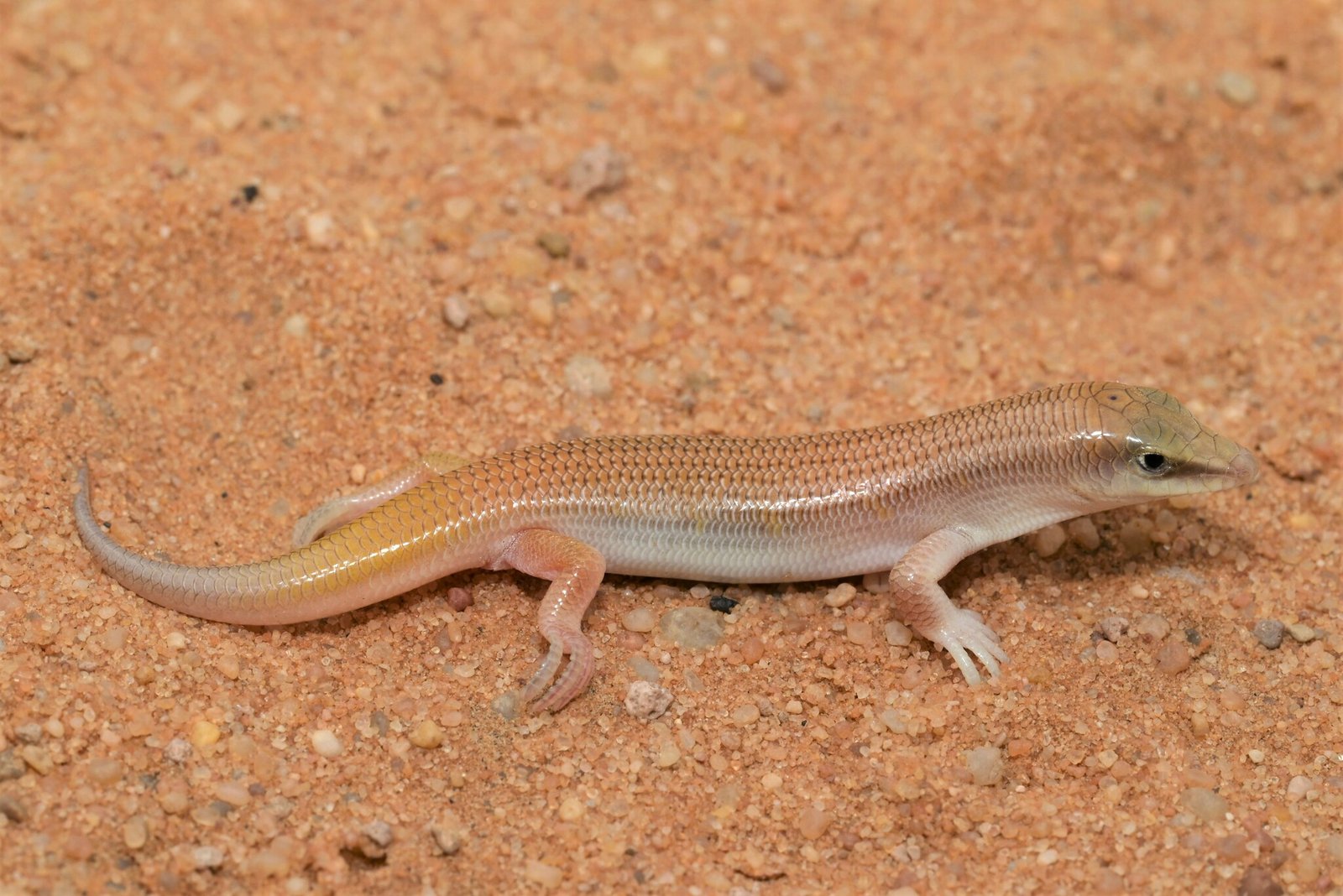
Perhaps the most famous sand-armored lizard is the sandfish skink, native to North Africa’s deserts. With a sleek, streamlined body and a wedge-shaped snout, this creature dives into loose sand and “swims” beneath the surface. The sand not only helps it hide from predators but also acts as a protective barrier, shielding its delicate skin from the blistering heat above. Watching a sandfish skink disappear into the dunes is like seeing a magic trick—one that has been perfected over millions of years.
Armor in Action: Defense Against Predators
Predators in the desert are always on the lookout for an easy meal. But when they spot a sand-armored lizard, they’re in for a frustrating chase. The sand coating the lizard’s body makes it slippery and difficult to grasp, while the tough, scale-based armor resists bites and scratches. Some lizards even use their tails as whips, flinging sand into the faces of would-be attackers and making a quick getaway. In the unforgiving desert, every advantage counts—and this armor can mean the difference between life and death.
Heat Management: Surviving the Scorch
One of the biggest threats in the desert is the heat. Temperatures can soar above 120 degrees Fahrenheit, baking the sand and anything unlucky enough to be on it. These lizards have evolved to use sand armor as a cooling system. By burrowing just beneath the surface, they escape the hottest rays, while the sand on their bodies reflects sunlight and dissipates heat. It’s like having a natural air conditioner, allowing them to stay active when other animals must seek shelter.
Shedding and Renewing: The Secret to Staying Safe
Just like a knight polishes his armor, desert lizards must keep their sand shield in top shape. They regularly shed their skin, sloughing off old, damaged scales and revealing fresh, pristine armor underneath. Shedding is more than just a beauty routine—it’s vital for survival. By getting rid of worn-out scales and sand, the lizard ensures its defenses remain at peak effectiveness, ready to face whatever the desert throws its way.
The Science of Sand: How Grains Become Protection
Not all sand is created equal, and desert lizards know this better than anyone. They instinctively seek out the right kind of sand—fine, dry, and loose—that clings to their bodies without causing irritation. Scientists studying these lizards have found that the interaction between their scales and specific sand types creates a unique armor effect. The grains fill in the gaps between scales, forming a flexible yet sturdy layer that moves with the lizard and absorbs impacts from rough terrain or predator attacks.
Behavioral Brilliance: Instincts That Build Armor
It’s not just biology; behavior plays a huge part in the lizard’s sand-armoring strategy. These creatures have developed specialized movements—like wriggling, rolling, and rapid burrowing—that help them gather and maintain their sand armor. They know when to dive deep to avoid heat, when to surface for food, and how to shake off excess sand if it gets too heavy. It’s a dance of survival, choreographed by millions of years of natural selection.
Sand Armor vs. Traditional Armor: A Surprising Comparison
If you think about knights in shining armor, you might imagine heavy, rigid metal plates. In contrast, the lizard’s sand armor is flexible, lightweight, and self-repairing. Where human armor restricts movement, the lizard’s suit lets it slither, sprint, and burrow with ease. It’s a reminder that nature often finds smarter solutions than we ever could, creating defenses that are both effective and elegant.
Surviving Sandstorms: Natural Shields in Action
When a sandstorm sweeps across the desert, most animals flee or hide. But for sand-armored lizards, the storm is just another challenge. Their sand-coated bodies and tightly sealed scales protect them from abrasive winds and blinding dust. By burrowing beneath the surface, they avoid the worst of the storm and emerge unscathed when the danger passes. It’s resilience in its purest form—weathering the worst and coming out stronger.
Water Scarcity: Conserving Every Precious Drop
Deserts are famous for their lack of water, and every drop counts. The sand armor helps lizards retain moisture by reducing evaporation from their skin. Some species even collect dew or condensation on their bodies, channeling it toward their mouths with tiny grooves in their scales. It’s a subtle but vital adaptation, turning an inhospitable environment into a place where life can persist against all odds.
Evolutionary Arms Race: Outpacing Predators
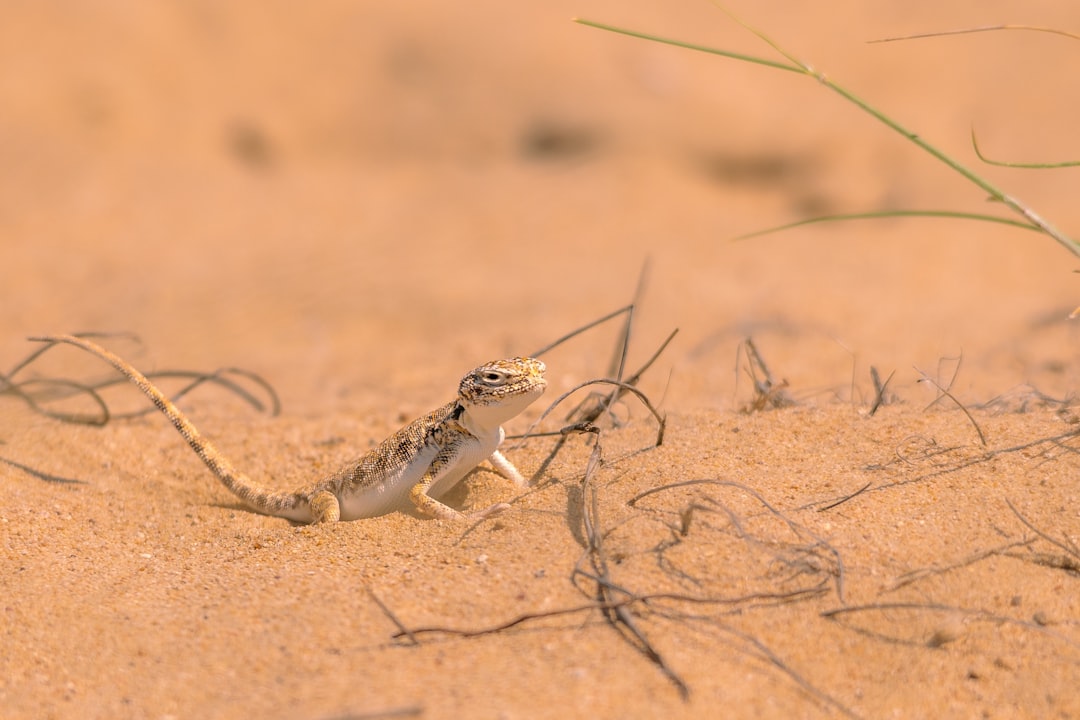
The desert is a place of constant competition—predators evolve sharper senses, and prey develop better defenses. The sand armor is part of this evolutionary arms race, a trait that has been honed and perfected over countless generations. It’s not just a single adaptation, but a suite of changes that give these lizards an edge. As their enemies get smarter, so do they, always staying one step ahead.
Inspiration for Human Technology
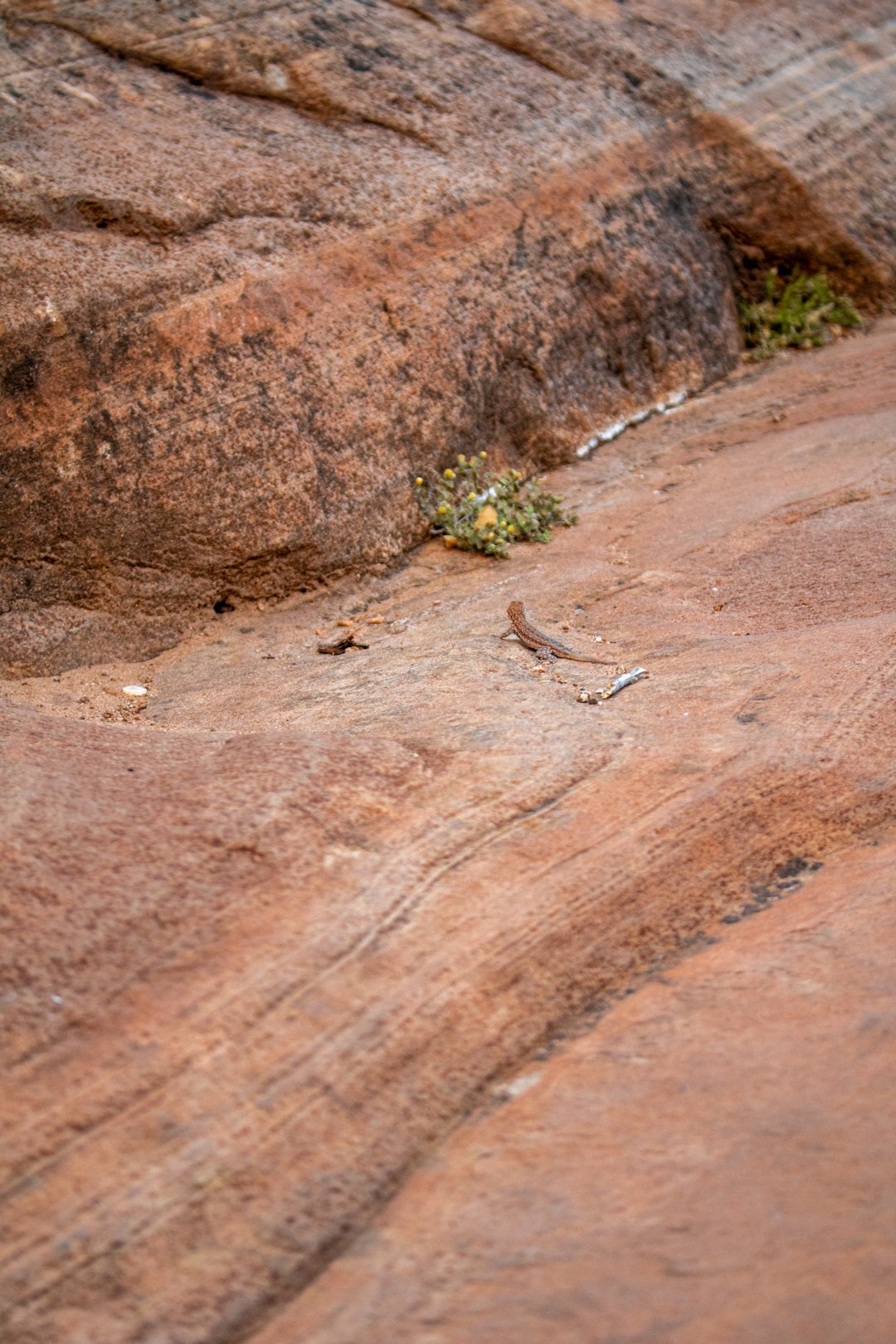
It might sound far-fetched, but scientists and engineers are taking notes from these desert lizards. Researchers are studying their scales and sand-armoring techniques to develop new materials for heat-resistant clothing, self-cleaning surfaces, and even flexible body armor. Biomimicry—the practice of learning from nature’s designs—is leading to innovations that could change how we protect ourselves in extreme environments.
Desert Dwellers: Not Just Surviving, But Thriving
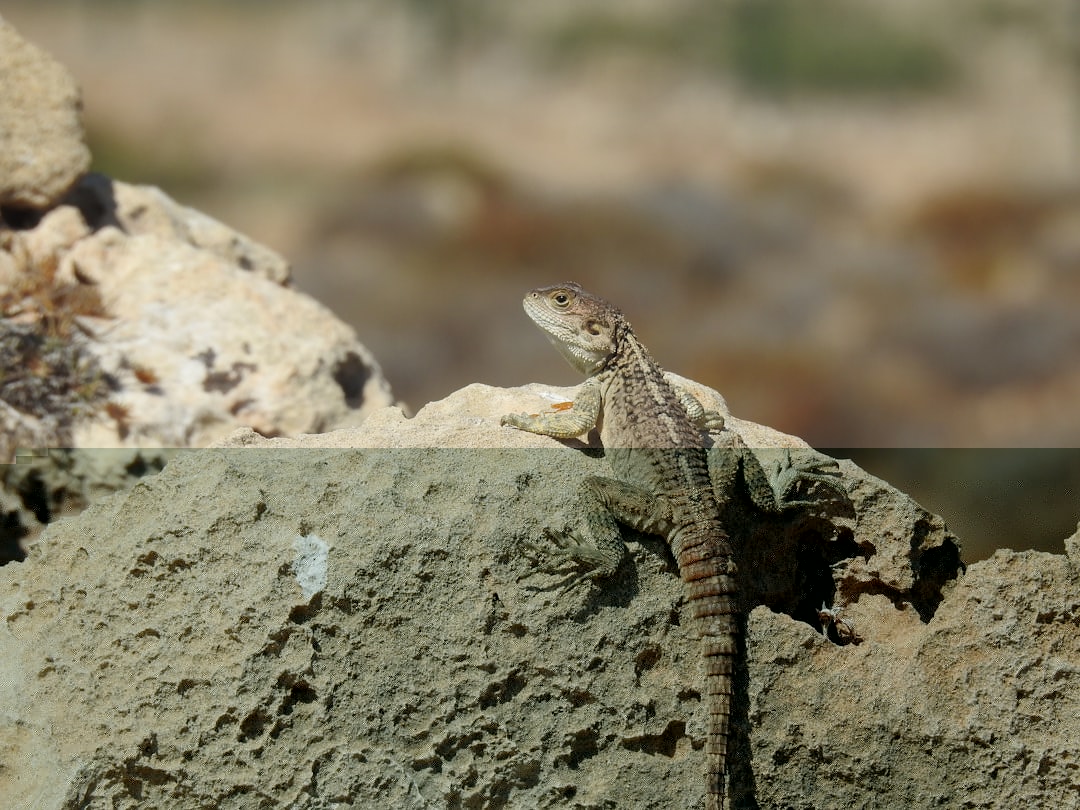
What sets these lizards apart isn’t just their toughness—it’s their ability to flourish where others struggle. They don’t merely eke out an existence; they are often among the most successful animals in their ecosystems. Their sand armor allows them to hunt, hide, and reproduce under conditions that would defeat less-adapted creatures. It’s a powerful reminder that life finds a way, even in the planet’s harshest corners.
Learning from the Lizard: Lessons in Adaptation
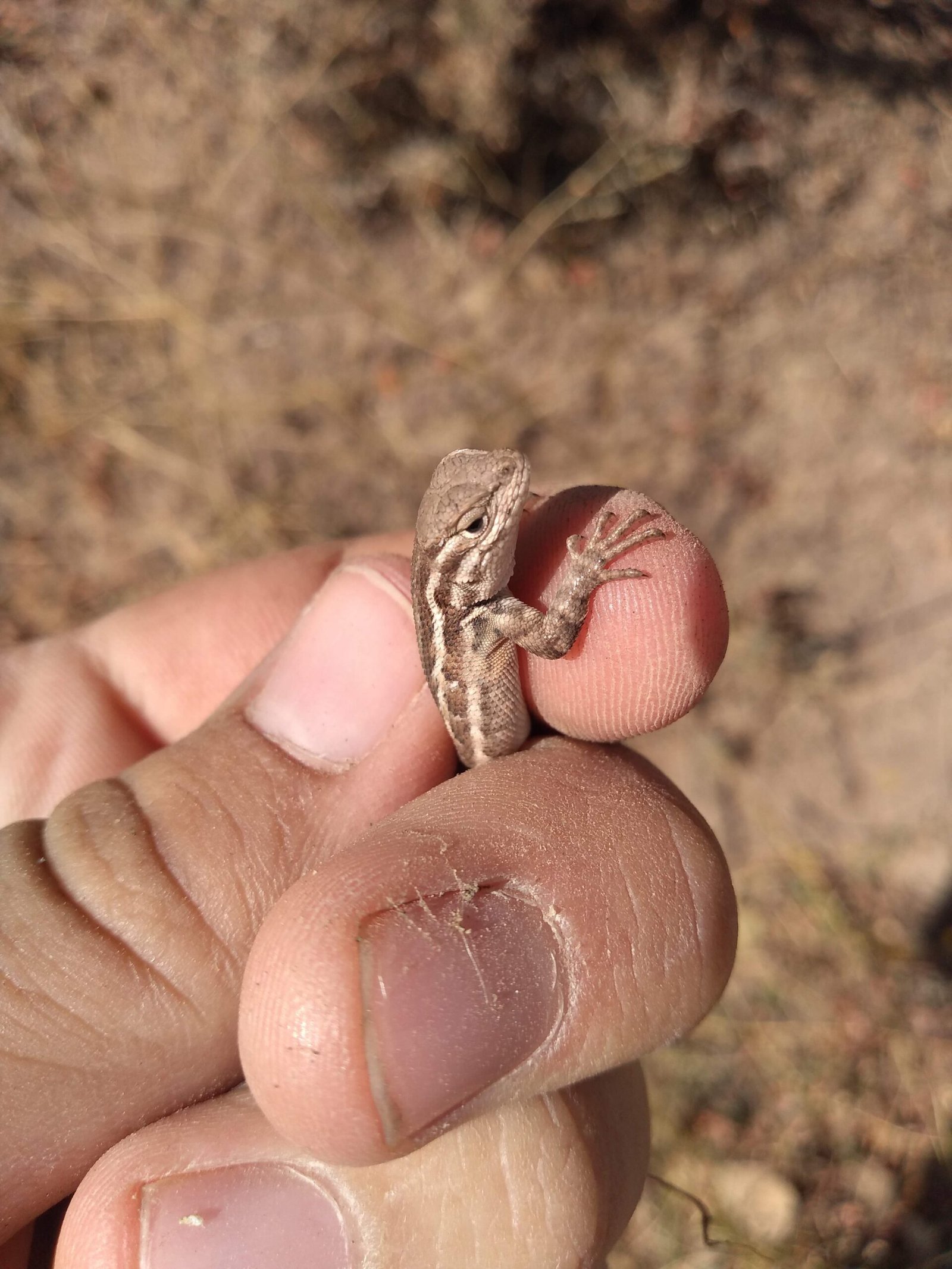
There’s something deeply inspiring about a creature that turns adversity into an asset. The desert lizard’s sand armor teaches us about resilience, ingenuity, and the power of adaptation. In a world that’s always changing, those who can transform challenges into strengths are the ones who endure. Maybe there’s a lesson here for us, too, about how to face our own deserts and emerge stronger on the other side.
Unveiling the Mysteries: What Science Still Seeks
Despite decades of study, there are still secrets locked within these remarkable reptiles. Scientists are trying to understand exactly how their scales interact with sand at the molecular level, and whether similar adaptations exist in other desert creatures. Each new discovery adds another piece to the puzzle, deepening our appreciation for the complexity of life in extreme environments.
Conservation Concerns: Protecting the Masters of the Sands
As deserts grow and climate patterns shift, the habitats of these lizards are changing rapidly. Human activity threatens to disturb the delicate balance that allows them to survive. Conservationists are working to protect these unique animals and the ecosystems they call home, recognizing that their loss would mean the disappearance of one of nature’s most ingenious designs.
A Living Wonder in the Sands
The desert lizard that turns sand into armor isn’t just a curiosity—it’s a testament to nature’s endless creativity. From its gleaming scales to its invisible shield, every part of its body is a celebration of survival against the odds. Next time you find yourself on a sandy beach or a dusty trail, think of these tiny warriors and the world of wonders beneath your feet. What other secrets might the desert still be hiding?