


Imagine a world where the villains of science fiction—radioactive waste and toxic spills—could be tamed by microscopic heroes. It sounds unbelievable, almost magical, but deep beneath our feet and in the strangest corners of the planet, there are bacteria that do exactly this. These tiny organisms don’t just survive in the most dangerous environments on Earth; they thrive by feeding on radioactivity itself. For decades, nuclear waste has haunted our world with its silent, invisible menace, but what if the answer to this age-old problem is not in steel barrels or concrete bunkers—but in life itself? Let’s journey into the astonishing world of radiation-eating bacteria and discover how they might hold the key to a cleaner, safer future.
The Unlikely Heroes: Meet the Radiation-Eating Bacteria
Most people think of bacteria as germs to avoid, but some strains have evolved to do the seemingly impossible. Certain species, like Deinococcus radiodurans and Geobacter sulfurreducens, are able to withstand—and even use—deadly levels of radiation. Scientists once believed nothing could live in such harsh conditions, but these bacteria have rewritten the rules. Instead of dying, they actually use radioactive energy as a source of life, a trait that sets them apart from almost every other organism on the planet. When scientists first stumbled upon these bacteria, it was like discovering life on another planet—surprising, puzzling, and deeply inspiring.
How Bacteria Survive When Everything Else Dies
Radiation destroys DNA, shreds cellular machinery, and kills most life forms within seconds. But radiation-eating bacteria are built differently. Their DNA repair systems are incredibly advanced, allowing them to fix themselves faster than radiation can break them down. Think of them as tiny, self-healing robots—always one step ahead of the next attack. They also have special proteins that shield their vital parts, making them nearly indestructible in environments that would be a death sentence for anything else. Scientists are still unraveling the secrets behind these defenses, but one thing is clear: these bacteria are masters of survival.
Radioactivity: A Feast, Not a Foe
For most living things, radioactivity is pure poison. But for these unique bacteria, it’s a buffet. Some species can actually use radioactive minerals as an energy source, extracting electrons from uranium or other radioactive elements as part of their metabolism. This process isn’t just about survival—it’s about thriving. In environments like nuclear waste sites or deep underground uranium mines, these bacteria find a niche with almost no competition. It’s as if they’ve developed a superpower, turning humanity’s deadliest waste into their own private food supply.
The Science Behind Radioactive Diets
The secret to these bacteria’s unusual appetite lies in their metabolism. Unlike plants that use sunlight or animals that consume organic matter, radiation-eating bacteria use a process known as “radiotrophy.” They can capture electrons released during radioactive decay and incorporate them into their energy cycles. This means that, instead of running away from radiation, they approach it head-on, using the energy to fuel growth and reproduction. This metabolic trick opens the door to all sorts of possibilities in science, technology, and environmental cleanup.
Where Do These Bacteria Live?
You won’t find these bacteria in your backyard or local park. Instead, they reside in some of the most inhospitable places on Earth. Scientists have discovered them in the cooling pools of nuclear reactors, the depths of uranium mines, and even in the abandoned ruins of Chernobyl. These environments, bathed in radiation that would kill any ordinary organism, are home sweet home for our microbial heroes. Their resilience has shocked researchers and inspired a new wave of exploration into extreme environments.
Discoveries in the Shadow of Chernobyl
When the Chernobyl disaster struck in 1986, the region became a wasteland, uninhabitable for humans and most animals. But to everyone’s surprise, scientists later found colonies of black fungi and bacteria growing in the radioactive rubble. These organisms didn’t just survive—they appeared to thrive, with some species actually growing faster in the presence of radiation. The lessons learned from Chernobyl’s microbial life have challenged our assumptions about life and death, offering hope that even our worst environmental disasters might have a silver lining.
Applications in Nuclear Waste Cleanup
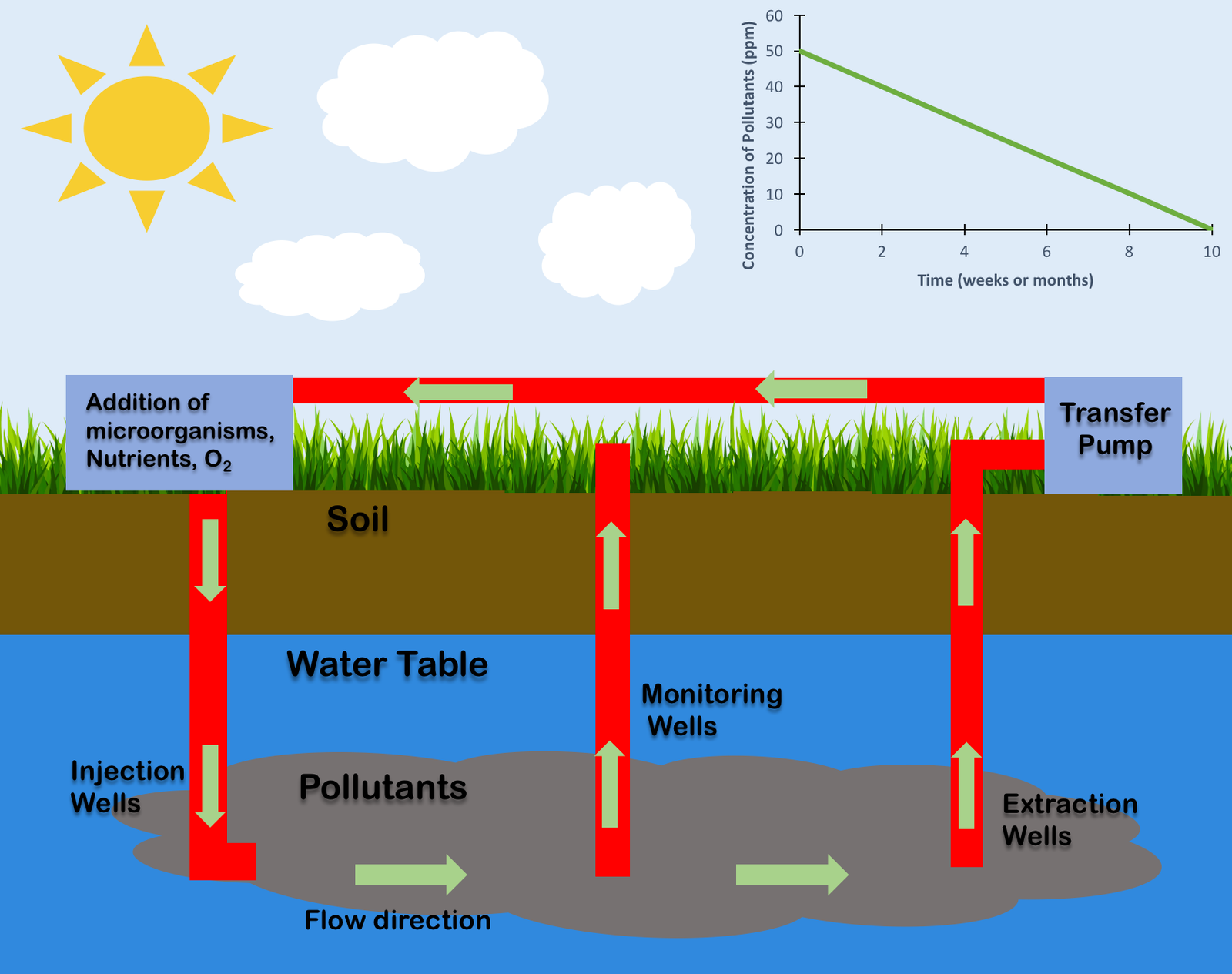
The prospect of using these bacteria to clean up nuclear waste is both thrilling and practical. Imagine replacing dangerous, expensive cleanup crews with self-sustaining colonies of microbes. These bacteria could process radioactive material, locking it away in safer forms or even rendering some types harmless over time. This approach, known as “bioremediation,” could revolutionize the way we handle our most hazardous waste. It’s not science fiction—it’s a field of research that’s moving from the lab into the real world, with pilot projects already underway in several countries.
Turning Waste Into Water
One of the most promising applications for radiation-eating bacteria is in groundwater cleanup. Radioactive leaks from power plants and waste storage facilities can contaminate water supplies, creating health risks for nearby communities. By introducing these special bacteria into contaminated groundwater, scientists have shown that the microbes can “eat” the radioactive elements, removing them from the water and making it safe to drink. It’s a natural, low-cost solution to a problem that has plagued nuclear energy for decades.
The Promise and Limitations of Bioremediation
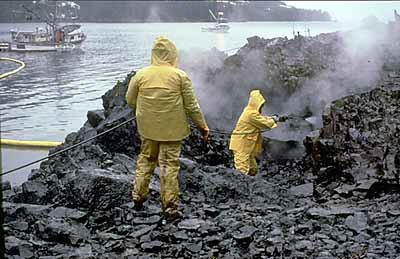
While the idea of bacteria cleaning up our messes sounds perfect, there are challenges to overcome. These microbes work best in certain conditions—temperature, acidity, and the types of radioactive materials all matter. Scientists are working hard to create the ideal “recipes” for deploying bacteria in the real world. There’s also the question of scale: cleaning a test tube is one thing, but cleaning an entire nuclear site is another. Still, the progress so far is inspiring, and every breakthrough brings us closer to a future where bacteria are our cleanup partners.
Genetic Engineering: Supercharging Nature’s Janitors
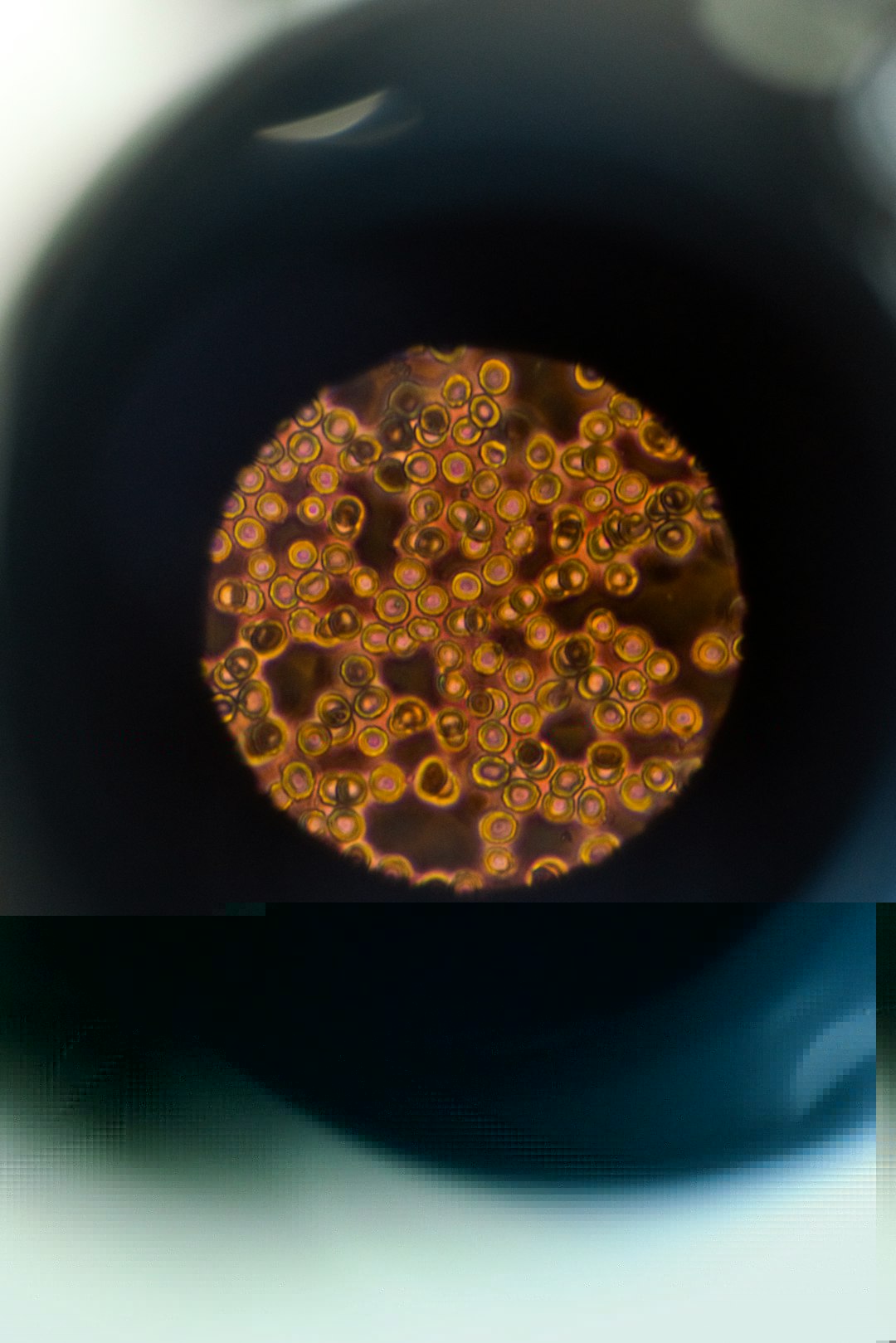
Researchers aren’t content to rely on natural evolution alone. Using the latest tools in genetic engineering, scientists are now creating “designer” bacteria, tailored for specific cleanup jobs. By tweaking their DNA, they can make these microbes more efficient, more resilient, and able to process a wider range of radioactive materials. It’s like giving these bacteria a superhero upgrade—faster, stronger, and more versatile than ever before. With CRISPR and other gene-editing technologies, the possibilities are almost limitless.
Real-World Experiments: Success Stories
Several field trials have already shown the power of radioactive-eating bacteria. In the United States, researchers used Geobacter to clean up uranium-contaminated soil at a former weapons production site. Within months, uranium levels in the soil dropped dramatically. In Japan, after the Fukushima disaster, scientists experimented with bacteria that could help contain and break down radioactive leaks. These real-world successes prove that microbial solutions aren’t just theoretical—they can make a tangible difference in our fight against pollution.
Environmental Safety and Ethical Questions
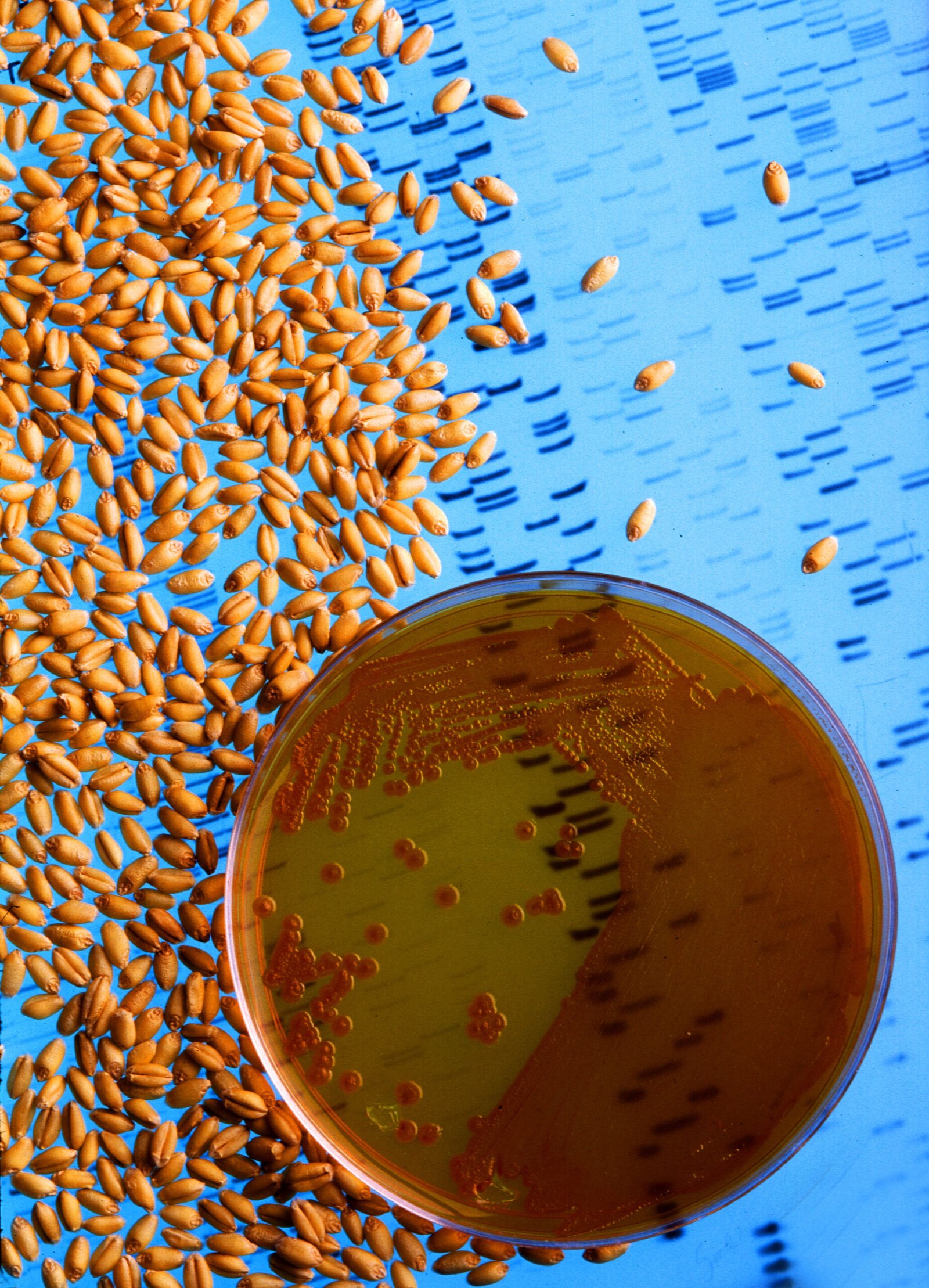
As with any new technology, there are important questions to consider. What happens if genetically modified bacteria escape into the wild? Could they disrupt natural ecosystems, or evolve in unpredictable ways? Scientists are working to ensure that any bacteria used for cleanup are carefully contained and monitored. There’s also an ongoing debate about the ethics of “playing God” with nature, even for a good cause. Balancing innovation with caution is an ongoing challenge.
Could Bacteria Help Clean Up Space?
The story doesn’t end on Earth. Some experts believe these bacteria could help clean up radioactive waste on space missions or even on other planets. As we plan missions to Mars and beyond, the problem of waste—and contamination—grows more serious. Sending bacteria instead of heavy equipment could save money, reduce risks, and open new doors for long-term space exploration. It’s an idea straight out of science fiction, but one that’s inching closer to reality every year.
The Role of Public Awareness and Support
For these solutions to become mainstream, public understanding is crucial. Many people fear the word “bacteria,” associating it with illness and danger. There’s a need for education about the positive roles microbes play in our world, especially in environmental cleanup. By building trust and sharing success stories, scientists can inspire support for further research and funding. After all, the more people know, the more likely they are to embrace these natural solutions.
Nature’s Resilience: Lessons Beyond Science
These bacteria are more than just tools—they’re reminders of nature’s astonishing adaptability. Even in the face of humanity’s worst mistakes, life finds a way to endure, adapt, and even flourish. The story of radiation-eating bacteria is a testament to the resilience and ingenuity of the natural world. It’s a message of hope at a time when environmental crises can feel overwhelming. If microbes can conquer radioactivity, what else might nature teach us about healing the planet?
Challenges in Scaling Up
Bringing bacterial cleanup to industrial scale isn’t easy. Factors like climate, terrain, and the complexity of waste sites complicate things. Engineers and microbiologists must design systems that deliver and sustain these microbes where they’re needed most. There’s also the question of long-term effectiveness: will the bacteria keep working year after year, or will their populations decline over time? Teams around the world are experimenting with new delivery systems and monitoring solutions to address these issues.
Collaboration Across Borders
Solving the nuclear waste problem is a global challenge. Scientists from different countries are pooling their knowledge, sharing results, and coordinating large-scale projects. International partnerships, from Europe to Asia to the Americas, are key to spreading the benefits of bacterial cleanup. This spirit of collaboration makes the work even more inspiring—it’s not just about cleaning up waste, but about uniting people behind a common goal.
Could This Change the Future of Nuclear Energy?
If bacteria can safely manage nuclear waste, it could change the way we think about nuclear power. One of the biggest arguments against nuclear energy is the problem of waste disposal. With microbial solutions on the horizon, the risks may become more manageable, potentially paving the way for safer, cleaner, and more sustainable energy. This could be a turning point for countries seeking alternatives to fossil fuels.
The Next Generation of Microbe-Based Technologies
The work doesn’t stop with radioactive waste. Scientists are exploring ways to use bacteria for all sorts of environmental cleanups—from oil spills to heavy metal pollution. The same principles apply: harnessing nature’s power to solve human problems. Innovations in synthetic biology could lead to even more advanced microbes, capable of tackling challenges we haven’t even imagined yet.
What’s Next for Radiation-Eating Bacteria?
Research is moving fast, with new discoveries every year. Scientists are mapping the genomes of these bacteria, testing them in new environments, and even exploring how they interact with other organisms. The future is wide open, with possibilities limited only by our imagination and determination. Each breakthrough brings us closer to a world where even our most dangerous messes can be cleaned up, not with brute force, but with the gentle, persistent work of living things.
A New Hope for a Cleaner Planet
The story of radiation-eating bacteria is not just about science—it’s about hope. It’s proof that even in the darkest, most toxic corners of our world, life can offer unexpected solutions. As we face the challenges of nuclear waste, pollution, and environmental damage, these tiny microbes remind us that nature is full of surprises. Perhaps the answers to our biggest problems are already here, waiting for us to notice. What incredible solutions could we discover if we looked a little closer?


