
Imagine building one of the most sophisticated cities in the ancient world, complete with indoor plumbing, grid-planned streets, and a bustling trade empire that stretched across continents – and then simply vanishing. No dramatic final battle. No monument to mark the end. Just silence, swallowed by time and dust. That is exactly what happened to the Indus Valley Civilization, one of history’s most breathtaking mysteries.
Thousands of years before Rome had its first aqueduct, before Greece had its golden age, this ancient culture was already engineering solutions that would not appear again for millennia. Yet you have probably never heard half of what they achieved. What you will discover in this article might genuinely surprise you. Let’s dive in.
A Civilization So Advanced It Should Not Have Disappeared
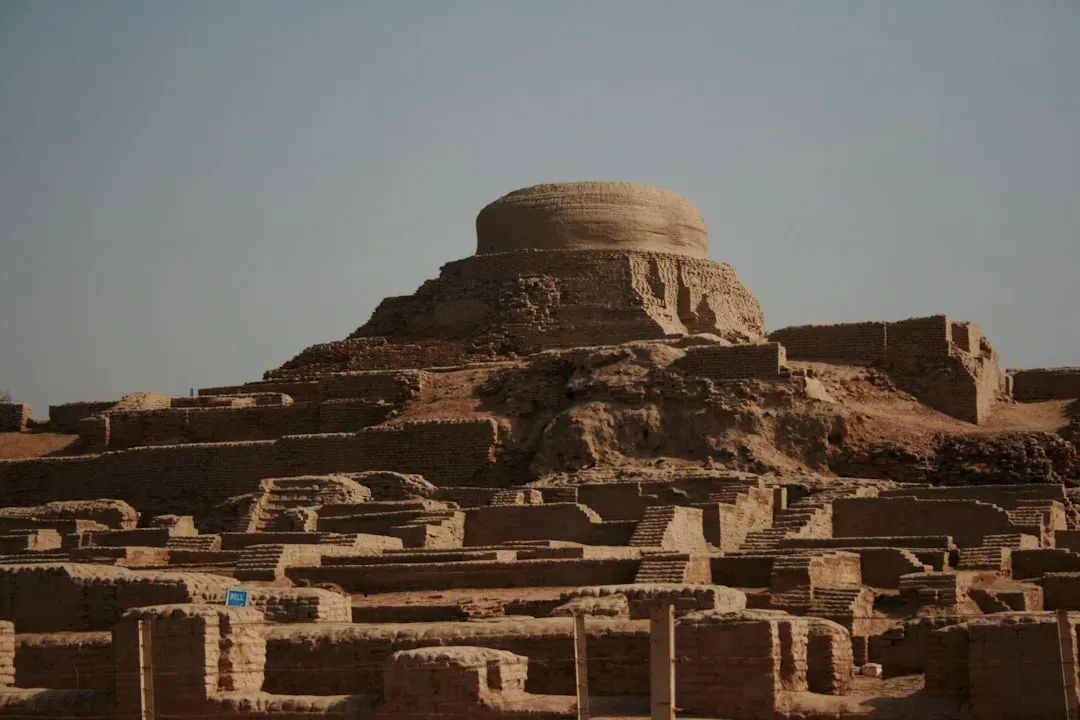
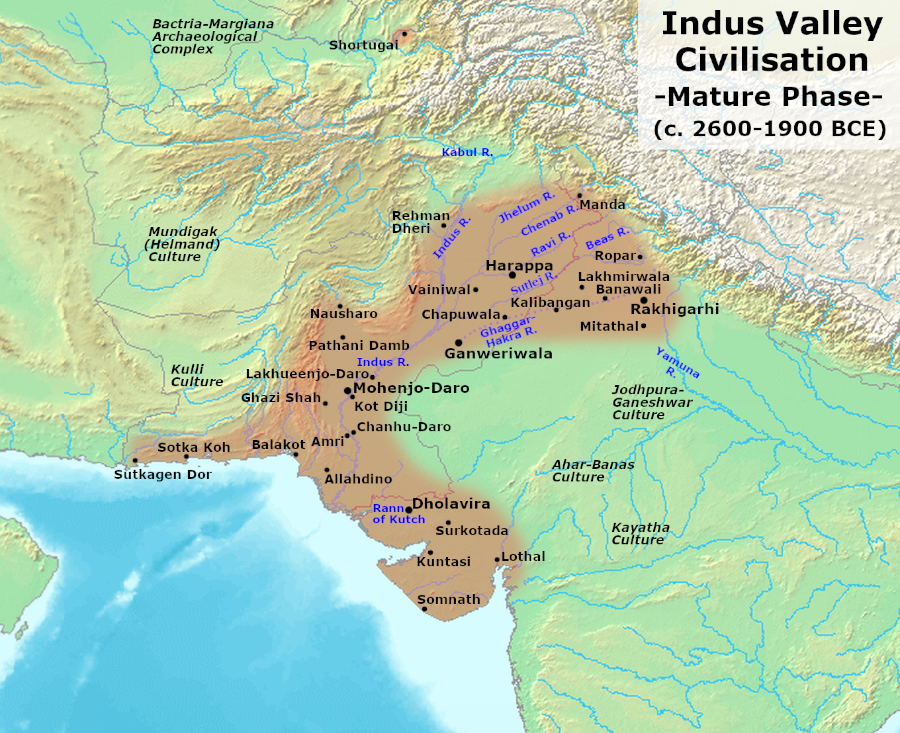
Let’s be real – when most people think of ancient civilizations, Egypt or Mesopotamia immediately comes to mind. The Indus Valley Civilization rarely gets the spotlight it deserves, and that is a genuine shame. Stretching across parts of modern-day Pakistan, India, and Afghanistan, this advanced Bronze Age society flourished between 3300 BCE and 1300 BCE, making it one of the world’s earliest urban civilizations, alongside ancient Egypt and Mesopotamia.
By the third millennium B.C., they occupied over 386,000 square miles of territory – much more than their better-known contemporaries in Egypt and Mesopotamia – and accounted for an estimated ten percent of the world’s population. Think about that for a second. Roughly one in ten people on Earth, at that time, lived within this civilization. It was not a minor culture on the fringes. It was a superpower.
Cities That Were Centuries Ahead of Their Time
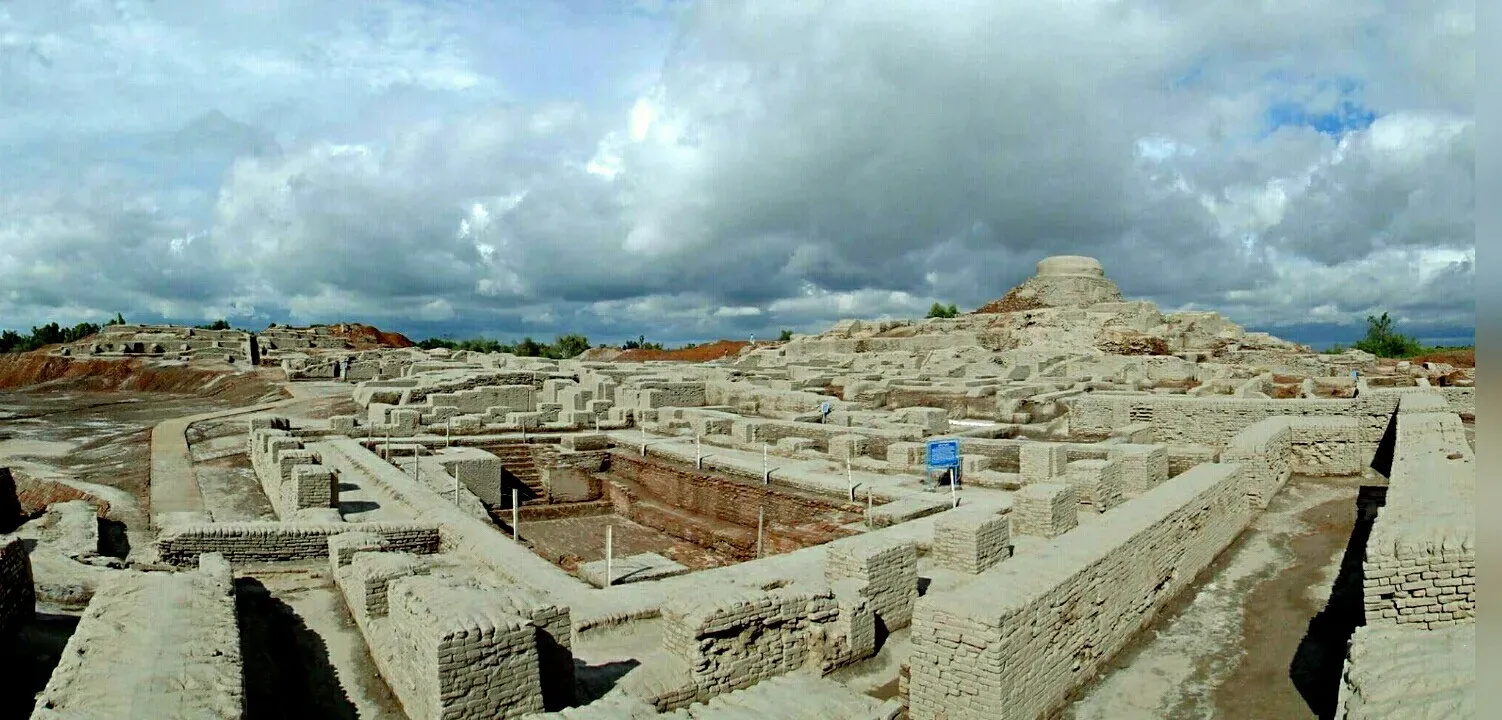
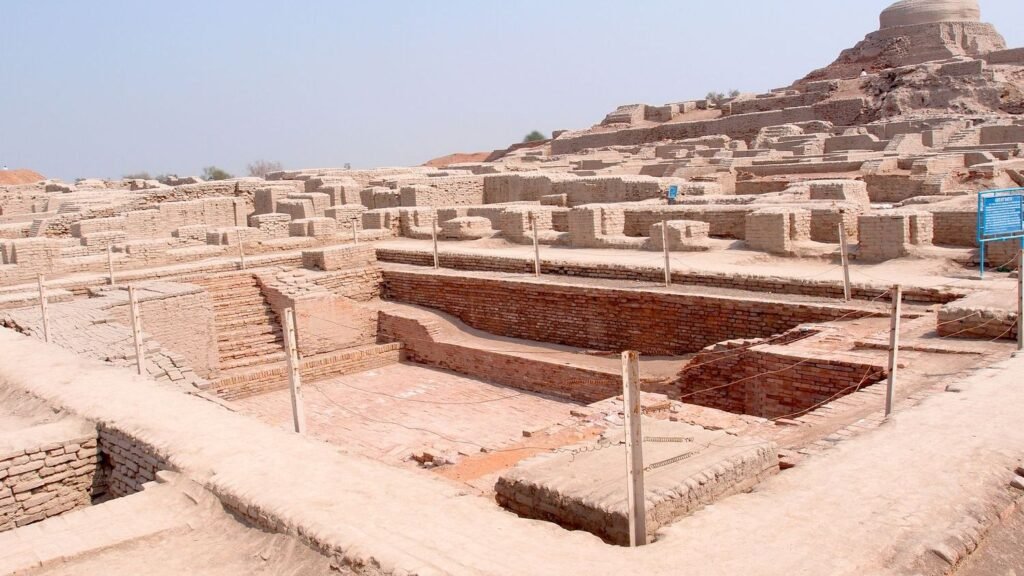
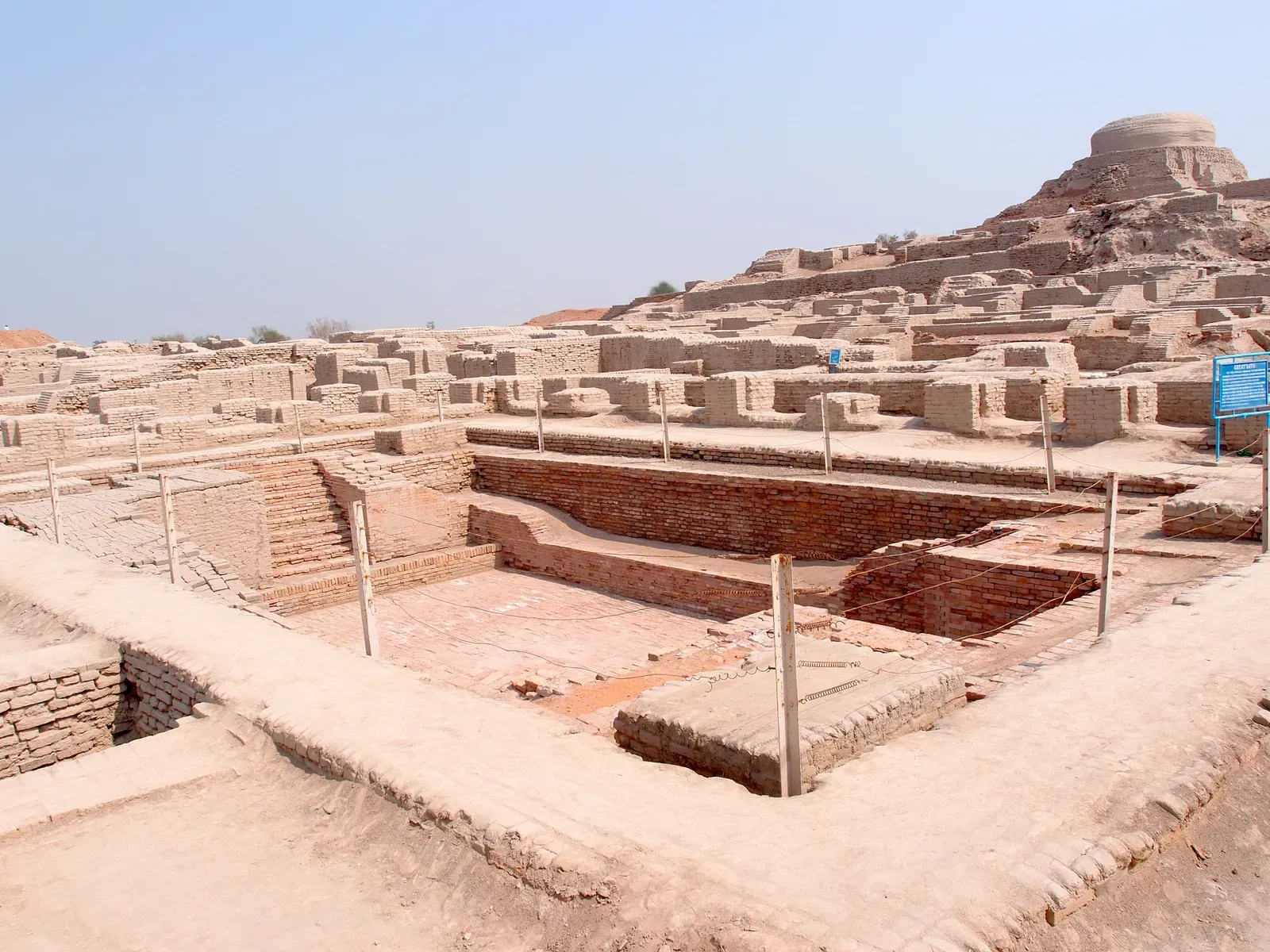
Here is the thing that genuinely blows my mind. While people across Europe were still living in simple huts, the Harappans were building cities with a level of planning that rivals modern urban design. The cities of the ancient Indus were noted for their urban planning, baked brick houses, elaborate drainage systems, water supply systems, clusters of large non-residential buildings, and techniques of handicraft and metallurgy. A sophisticated and technologically advanced urban culture is evident in the Indus Valley Civilization, making them the first urban centre in the region.
As seen in Harappa, Mohenjo-daro and the recently partially excavated Rakhigarhi, this urban plan included the world’s first known city sanitation systems. Within the city, individual homes or groups of homes obtained water from wells. From a room that appears to have been set aside for bathing, waste water was directed to covered drains, which lined the major streets. You had indoor bathrooms with drainage in a world where most civilizations were still figuring out basic shelter. Honestly, that is remarkable.
The Writing System No One Can Read
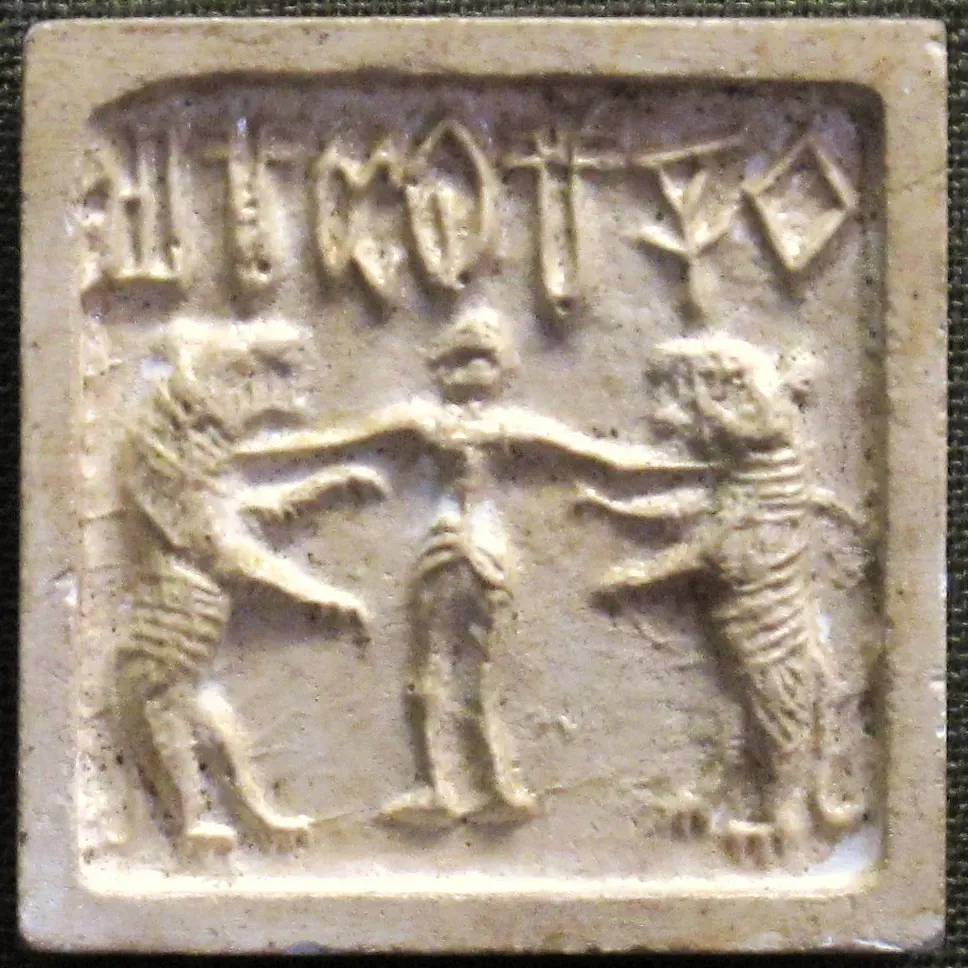
This is where things get truly eerie. The Indus Valley people had their own written language – and to this day, not a single scholar has been able to crack it. In addition to building sizable cities, its people created a written script that consists of hundreds of signs that remain undeciphered. The signs, sometimes called Harappan script, vary, with some looking like a diamond with a square in its corner, a U with three “fingers” at each end, and an oval with an asterisk-like shape inside it.
There is no known bilingual text recorded in the Indus Valley script and a known text to aid with decipherment – in other words, Indus Valley Script does not have its own Rosetta Stone. It is also uncertain which language the script encodes, and some scholars have argued that it may not encode a language at all, suggesting that they may function more like emblems. Without that key, the civilization’s own words remain locked away forever – or at least, until something extraordinary surfaces. By 1800 BCE, the Indus Valley Civilization saw the beginning of its decline. As part of this process, writing started to disappear. As the Indus Valley Civilization was dying, so did the script they invented.
When the Rains Stopped Coming
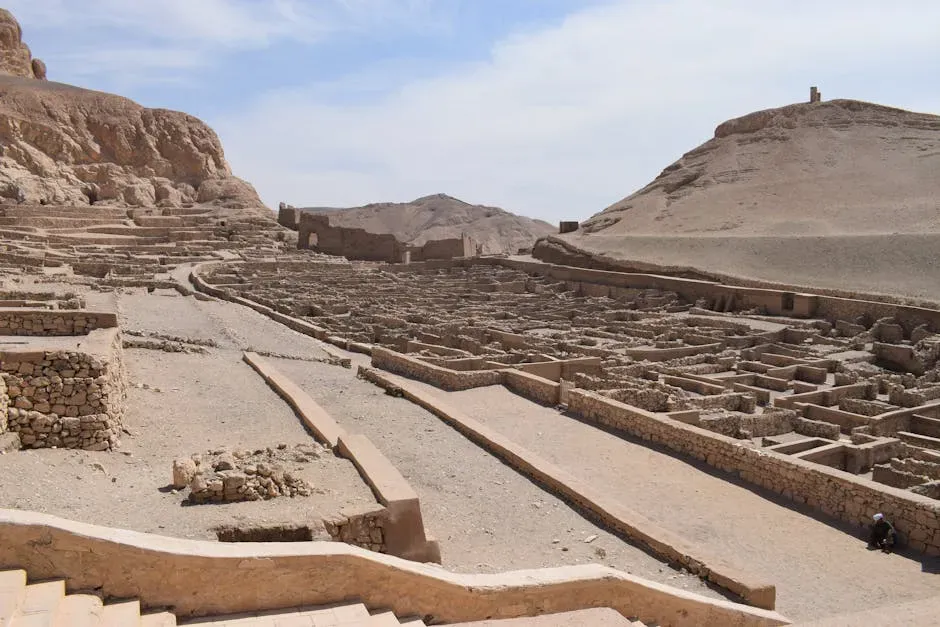
Scientists have spent decades trying to pinpoint what actually killed this civilization. Climate, it turns out, played a devastatingly central role. New climate reconstructions show that the Indus Valley Civilization endured repeated long dry periods that gradually pushed its people toward the Indus River as rainfall diminished.
The region went through four periods of intense drought between 4,400 and 3,400 years ago. During that time, average annual rainfall decreased between ten and twenty percent, and the average annual temperature increased by roughly 0.9 degrees Fahrenheit. That might sound modest. But for a civilization built entirely around river flooding and monsoon agriculture, even a small shift in rainfall was catastrophic – like pulling a single thread from an elaborate tapestry and watching the whole thing unravel.
One particularly long drought lasting 113 years, identified between 3,531 and 3,418 years ago, aligns with archaeological evidence of widespread deurbanization in the region. Over a century without reliable water. Cities that once housed tens of thousands began to empty out.
The Great Migration and the Slow Unraveling
The Harappan response to this environmental crisis was not to fight or rebuild in place. They left. Around 2500 BCE, the intensity of summer monsoons in the Indus River Valley began to decrease, causing droughts and making agriculture difficult for a society that relied heavily on floods for irrigation. People migrated to the foothills of the Himalayas where winter monsoons brought reliable rainfall, until they too dried up, leading to the ultimate demise of the civilization.
By 1800 BCE, the Indus Valley climate grew cooler and drier, and a tectonic event may have diverted the Ghaggar Hakra river system toward the Ganges Plain. The Harappans may have migrated toward the Ganges basin in the east, where they established villages and isolated farms. These small communities could not produce the same agricultural surpluses to support large cities. With the reduced production of goods, there was a decline in trade with Egypt and Mesopotamia. A civilization that once traded across continents was now farming in small, scattered villages. That is a heartbreaking fall from grace.
Was It Really a Collapse – or a Transformation?
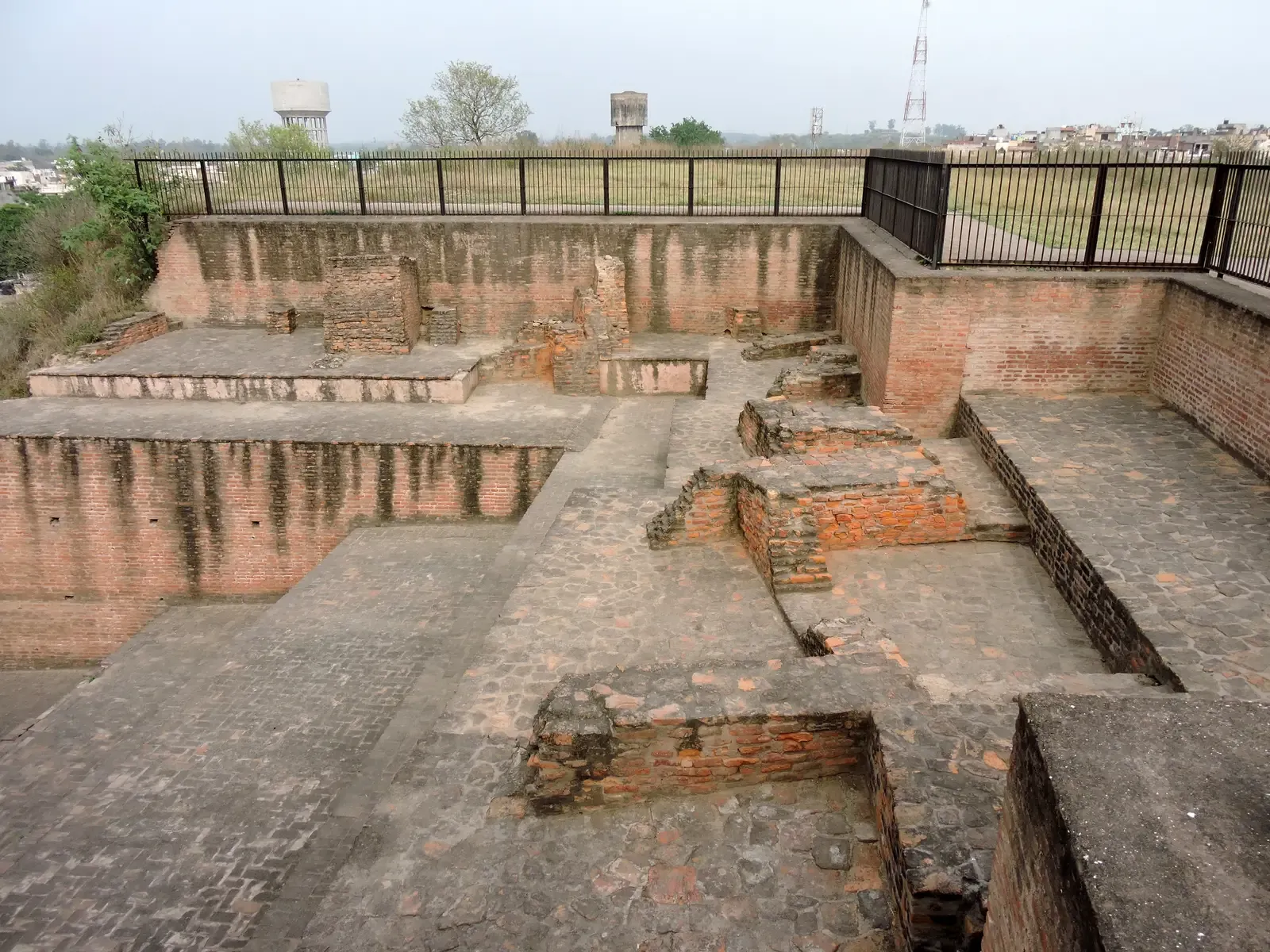
Here is where I think the story gets genuinely interesting. Most people hear “disappeared” and picture something dramatic, like a meteor or an invading army. But the truth is more nuanced, and perhaps more human. Based on the findings, researchers conclude that the Indus Valley Civilization did not collapse abruptly from a single climate event. Instead, the society likely experienced a prolonged and uneven decline in which repeated droughts became a significant contributing factor.
In many cases, the civilizations did not truly disappear but rather transformed so dramatically that their connection to previous cultural forms became obscured. While climate change appears as a factor in many collapses, it is rarely the sole cause. Most archaeological evidence points to a complex interplay between environmental factors, social responses, political structures, and external pressures. Think of it less like a light switching off and more like a fire slowly running out of fuel. While the cities declined, the IVC’s cultural legacy was absorbed and carried forward by successive civilizations in the Indian subcontinent. The people did not vanish. Their identity did.
Conclusion: A Mirror Held Up to Our Own Age
The Indus Valley Civilization is not just an archaeological curiosity. It is a story that feels uncomfortably relevant today. A massively interconnected society, deeply reliant on predictable environmental systems, undone by gradual climate shifts and the inability to adapt quickly enough. Sound familiar?
Across every continent, magnificent civilizations once thrived – building cities that rivaled modern metropolises, developing advanced technologies, and creating art that still captivates us today. Yet they disappeared, leaving behind only whispers carved in stone, ruins reclaimed by jungle, and mysteries that may never be fully solved. From the perfectly planned streets of the Indus Valley to the cliff-side tombs of the Lycians, from the astronomical precision of the Hopewell mounds to the golden masks of Sanxingdui, these vanished societies remind us of a humbling truth: no empire, no matter how powerful, is immune to the tides of time.
The Harappans built something extraordinary. They planned cities, managed water, traded across the ancient world, and developed a written language. Then the rains stopped, the rivers shifted, and one of humanity’s greatest early experiments slowly faded into the earth. Their story is not a warning to be ignored. It is a lesson etched in brick and silence, waiting to be heard. What do you think we can still learn from them? Tell us in the comments.