
Imagine drifting off into a peaceful slumber, only to discover that tiny, eight-legged creatures are crawling out from your pores, meeting for midnight rendezvous right on your eyelashes. It sounds like the plot of a science fiction thriller, but it’s happening right now—on your very own face. These elusive guests are called eyelash mites, and whether you like it or not, you’re playing host to an entire world of microscopic drama. Prepare to be fascinated, a little creeped out, and deeply intrigued as we journey through the secret lives of these tiny face-dwellers.
Meet the Eyelash Mites: Demodex Demystified

Eyelash mites, scientifically known as Demodex, are minuscule arachnids that have adapted to life on human skin. There are two main types that call our faces home: Demodex folliculorum and Demodex brevis. They measure just about 0.3 to 0.4 millimeters long—so small you’d need a microscope to spot them. Despite their size, these mites lead surprisingly complex lives, thriving in the dark, warm environment of our hair follicles and sebaceous glands. Most people have them, but rarely notice their presence. It’s a symbiotic relationship that has quietly evolved over millennia.
A Cozy Home: Why Eyelashes Are Prime Real Estate

Your eyelashes and eyebrows provide the perfect shelter for these mites. The base of each hair offers both protection and a food source, as they feed on dead skin cells and oils. The follicles are like hidden tunnels, giving mites a safe space to hide during the day. At night, when it’s dark and quiet, they become more active. This micro-habitat is humid and oily—just what Demodex needs to survive and reproduce. The human face, with its many tiny crevices, is like a sprawling metropolis for these tiny creatures.
The Midnight Mating Rituals

Once the lights go out and you’re fast asleep, something remarkable happens. Eyelash mites emerge from their hiding spots to find a mate. Their mating process is surprisingly complex for such tiny creatures. They crawl slowly along the lash line, seeking out partners. Mating usually occurs at the follicle opening, right at the edge of your eyelids. Afterward, the female retreats back into the follicle to lay her eggs. This nightly ritual ensures that a new generation of mites is always on the way, keeping their population stable.
Life Cycle: From Egg to Adult

The life of a Demodex mite begins as a tiny egg, tucked safely inside a hair follicle. In just a few days, the egg hatches into a larva. Over the next week, it goes through several molts, transforming from a squirmy nymph into a full-fledged adult. The entire process, from egg to adult, takes about two weeks. Adults live for around two more weeks, spending most of their time feeding, mating, and laying eggs. Their short but busy lives are all about survival and reproduction.
What Do Eyelash Mites Eat?

Their diet might sound unappetizing to us, but to Demodex, it’s a feast. They feed primarily on sebum, the oily substance your skin produces, and dead skin cells. Some evidence suggests they can even consume certain bacteria found on the skin’s surface. This makes them unusual housekeepers, helping to keep pores clear—though their presence can sometimes be a double-edged sword, especially if their numbers get out of control.
Invisible Roommates: How Many Do You Have?

If you’re wondering whether you have eyelash mites, the answer is almost certainly yes. Studies suggest that nearly every adult harbors Demodex mites, especially as they age. It’s estimated that by the time you reach 60, you’re practically guaranteed to have them. On average, a person might have dozens to hundreds of mites living on their face at any given time. Despite their abundance, most people never notice any symptoms or discomfort.
Can You See or Feel Them?

One of the most unsettling things about eyelash mites is that you can’t see or feel them. They are too small to be seen with the naked eye, and their slow movement means they rarely cause any sensation. Even under a microscope, they appear as translucent, worm-like creatures with stubby legs. Occasionally, if they multiply too quickly, you might notice symptoms like itching or redness around the eyes, but for the most part, they go entirely unnoticed.
The Good, the Bad, and the Itchy

Eyelash mites are usually harmless, quietly coexisting with their human hosts. In fact, by eating dead skin cells and oils, they may help keep your follicles clean. However, if their population explodes—due to changes in skin condition, immune response, or hygiene—they can cause problems. Symptoms of an overpopulation include itching, inflammation, and sometimes more serious skin conditions like blepharitis or rosacea. It’s a delicate balance between helpful symbiosis and irritating infestation.
What Causes Mite Populations to Boom?

Several factors can lead to a sudden increase in eyelash mite numbers. Oily skin, hormonal changes, weakened immune systems, or poor hygiene can all create ideal conditions for mites to thrive. Even using heavy makeup and not removing it properly can contribute to mite overgrowth, as it traps oils and provides extra food. Stress, illness, and certain medications may also play a role in tipping the balance in favor of the mites.
Signs You Might Have Too Many Eyelash Mites

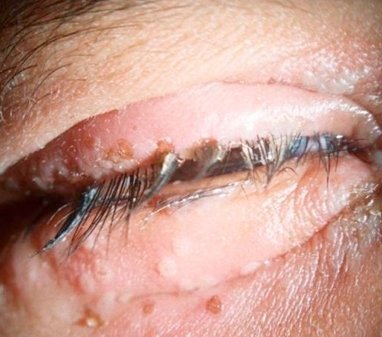
While most people never notice their mite companions, some warning signs can indicate an overpopulation. Persistent eye irritation, redness, and swollen eyelids are common symptoms. You might find your eyes feel gritty in the morning, or your lashes start to fall out more than usual. In severe cases, crusty debris can build up around the lash line. If you experience these symptoms, a dermatologist or eye specialist can help diagnose the problem.
How Are Eyelash Mites Diagnosed?

Detecting eyelash mites isn’t something you can do at home. Eye doctors and dermatologists use special microscopes to examine eyebrow or eyelash samples. They may pluck a single lash and place it under the lens, searching for telltale signs of mites or their eggs. This quick and painless procedure can confirm a mite infestation and help guide treatment. Accurate diagnosis is important, as similar symptoms can also be caused by allergies or infections.
Treatment: Evicting Unwanted Guests

Fortunately, treating eyelash mites is usually straightforward. Doctors may recommend medicated ointments or creams that kill mites and soothe irritation. Good hygiene, like washing your face and eyelids with gentle cleansers, can also make a big difference. In persistent cases, prescription treatments may be needed to restore balance. The goal isn’t to eliminate mites completely—after all, they’re part of our natural ecosystem—but to keep their numbers in check.
Are Eyelash Mites Contagious?

You might be wondering if you can catch eyelash mites from someone else. While it’s possible, transmission typically requires close, prolonged contact. Sharing towels, bedding, or makeup can increase the risk, especially in crowded households or care facilities. However, everyday interactions like hugging or shaking hands are unlikely to spread mites. Since most people already have them, the real risk lies in factors that allow populations to grow out of control.
Do Pets Have Their Own Mites?

Humans aren’t the only creatures hosting microscopic tenants. Dogs and cats have their own species of Demodex mites, which are specially adapted to their fur and skin. These animal mites rarely infest humans, but the relationship between pets and their mites is strikingly similar to our own. In some cases, pets with weakened immune systems can develop mange, a skin condition caused by an overgrowth of Demodex.
Fascinating Adaptations for Survival

Eyelash mites have evolved remarkable adaptations for life on the human face. Their long, slender bodies allow them to slip easily into narrow hair follicles. Tiny claws on their eight legs help them grip onto hair shafts and move with surprising agility. Their translucent bodies make them nearly invisible, even under close inspection. These evolutionary tricks have enabled them to survive and thrive in a challenging environment for millions of years.
Debunking Common Myths

There are plenty of myths and misconceptions about eyelash mites. Some people believe that only “dirty” people have mites, but that simply isn’t true. Others worry that mites can jump or fly, but they lack wings and can only crawl slowly. Another myth is that mites directly cause acne; while they can contribute to skin irritation, they aren’t the main culprit behind pimples or blackheads. Understanding the real science behind these creatures helps separate fact from fiction.
How Scientists Study Eyelash Mites

Studying something as tiny as an eyelash mite isn’t easy. Scientists use advanced microscopes and imaging techniques to observe their behavior and anatomy. Recent research has even decoded the genetic makeup of Demodex, revealing clues about their evolutionary history. By studying mites, researchers gain insight into human health, skin biology, and the delicate balance of our microbiome. It’s a fascinating field that continues to uncover new surprises.
Living in Harmony: The Human-Mite Relationship

Despite their unsettling habits, eyelash mites are a natural part of our skin ecosystem. For most people, they live out their lives unnoticed and unbothered. Scientists believe that this relationship is an example of commensalism, where one species benefits without harming the other. In rare cases, the balance tips and problems arise, but most of the time, we coexist in peace. It’s a reminder that we are never truly alone—even in our sleep.
Practical Tips for Mite Management

If you’re feeling squeamish, there’s no need to panic. Maintaining good facial hygiene is the best way to keep mite populations under control. Regularly washing your face, removing makeup before bed, and gently cleaning your eyelids can make a big difference. Avoid sharing personal items like towels or cosmetics. If you suspect an issue, seek advice from a medical professional rather than trying harsh remedies on your own. Simple routines can help keep things in balance.
What the Future Holds for Eyelash Mite Research

As technology advances, scientists are learning even more about the secret world of eyelash mites. New studies are exploring how these mites interact with other microbes on our skin, and how changes in our health affect their populations. Researchers are also investigating the potential links between Demodex and certain skin disorders. Each discovery brings us closer to understanding the complex relationships that shape life on—and under—our skin.
The Unseen World on Your Face

The next time you look in the mirror, remember: you’re sharing your face with an entire civilization of tiny, mysterious creatures. Their lives are woven deeply into ours, playing out secret dramas every night while we sleep. It’s a little bit strange, a little bit awe-inspiring, and a powerful reminder that even the most familiar parts of ourselves hide astonishing secrets. Isn’t it wild to think about what’s really happening on your own face?