
Florida’s veterinary ERs don’t hum so much as they thrum – heat, water, wildlife, and tourists all colliding to produce a steady drumbeat of crises. The mystery isn’t whether emergencies will roll in, but which ones the day’s weather and tides will deliver. From blistering sidewalks to brackish canals, the state’s landscapes shape pet risk in ways that surprise even seasoned owners. Yet behind the chaos is a science of patterns: predictable seasons, common toxins, repeat offenders. Understanding those patterns can turn panic into preparedness – and sometimes, minutes into lives saved.
The Hidden Clues
What if the most important clue to your pet’s safety isn’t a gadget, but the clock and the sky? In Florida, dawn and dusk write the case list: amphibians wake, snakes hunt, and humidity barely drops. ER whiteboards tell a story of timing, with toad exposures spiking after warm evening rains and heat cases surging as asphalt hits oven-hot by late morning.
Geography adds more breadcrumbs. Coastal clinics see beach-day mishaps and fish-hook ingestions; inland hospitals gear up for snakebites near pine flatwoods and wetlands. Storm belts shift everything at once – floodwater infections, displaced wildlife, and power outages that turn parked cars into ovens in minutes.
Heat, Humidity, and Heatstroke
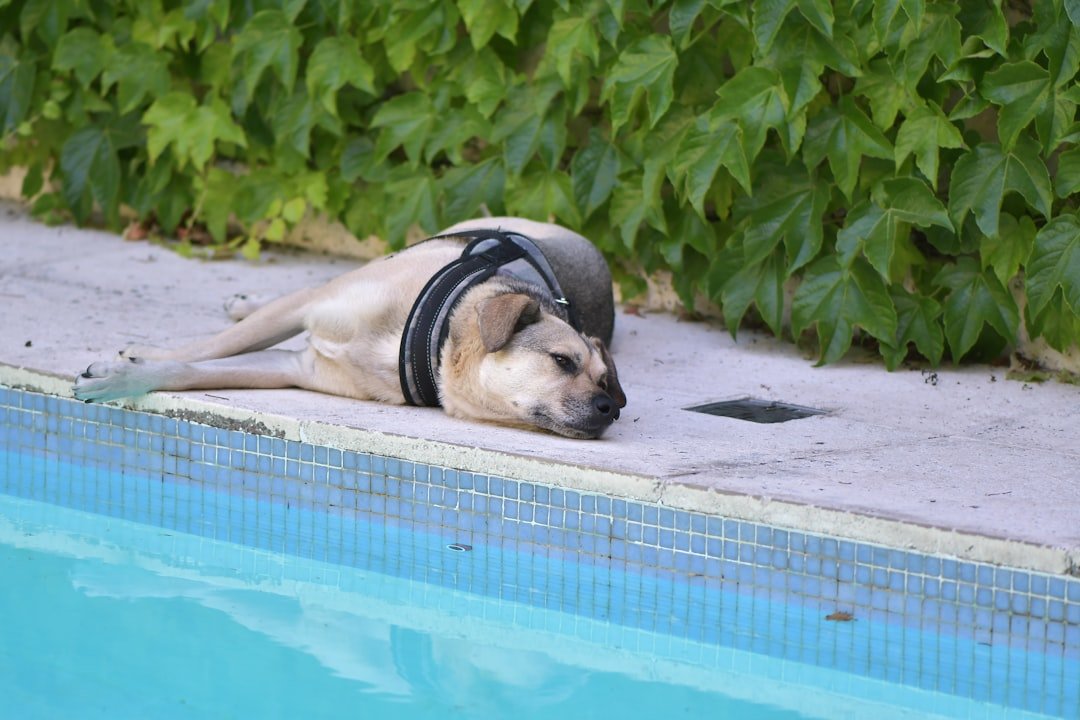
Heatstroke is Florida’s great equalizer, catching fit dogs and fragile ones alike when humidity smothers the body’s ability to cool. Panting moves heat only if sweat – or in dogs, moisture from airways – can evaporate; tropical air robs that escape hatch. Dark pavement can sear pads and radiate upward like a griddle, turning a short walk into an ER dash.
Risk isn’t just midday jogs. Brachycephalic breeds, seniors, and anxious dogs overheat during routine car rides or backyard fetch, especially when nights stay warm. Rapid action matters: move to shade, wet with cool (not icy) water, aim a fan at the chest and groin, and head for a veterinarian while cooling continues.
Poison in the Backyard: Cane Toads, Plants, and Household Toxins
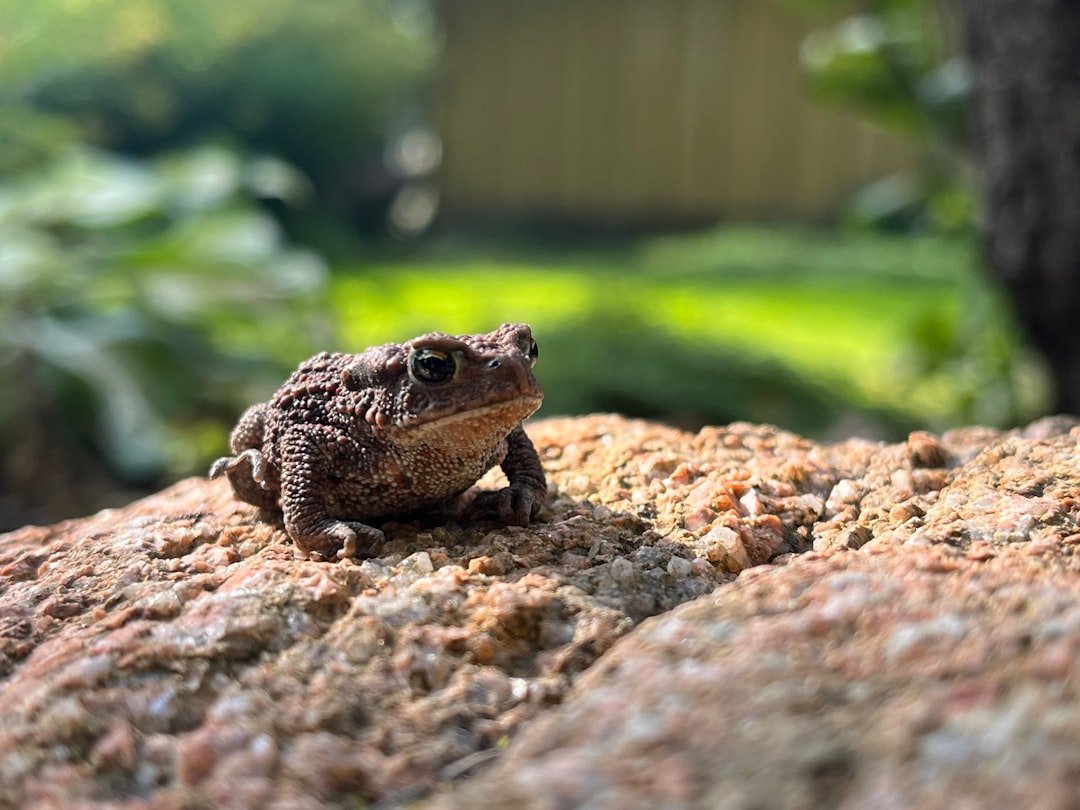
South Florida’s infamous cane toad is a repeat offender, coating curious mouths with potent toxins that trigger drooling, head-shaking, vomiting, and seizures. Encounters spike after rain or lawn watering, when toads roam patios and dog bowls like trespassers in plain sight. Immediate first aid helps: wipe and rinse the mouth outward with flowing water, keeping the head angled down so toxins don’t wash deeper.
Backyards hide other pitfalls. Sago palms threaten acute liver failure, while cocoa mulch and dropped sugar-free gum (xylitol) push pets into life-threatening trouble. Inside, rodent baits and essential oils add risk, which is why locking products away and supervising outdoor time beat any after-the-fact scramble.
Coiled Threats: Snakebites and Envenomation Patterns
Florida’s venomous lineup – eastern diamondback, pygmy rattlesnake, cottonmouth, and coral snake – creates seasonal bite clusters, often on a dog’s curious nose or forelimb. Pit viper venom can cause rapid swelling, pain, and bleeding, while coral snake neurotoxins may produce delayed weakness. Bites tend to rise with warm, rainy months when both prey and predators move more.
Old myths still circulate, but tourniquets, cutting, or suction do harm. The right response is calm transport, minimal movement, and prompt veterinary care where antivenom and pain control can be deployed. Leashes near brush, yard cleanup, and avoiding dusk walkabouts in known snake habitat lower the odds more than any lucky charm.
Waterfront Risks: Salt, Hooks, and Red Tide Days
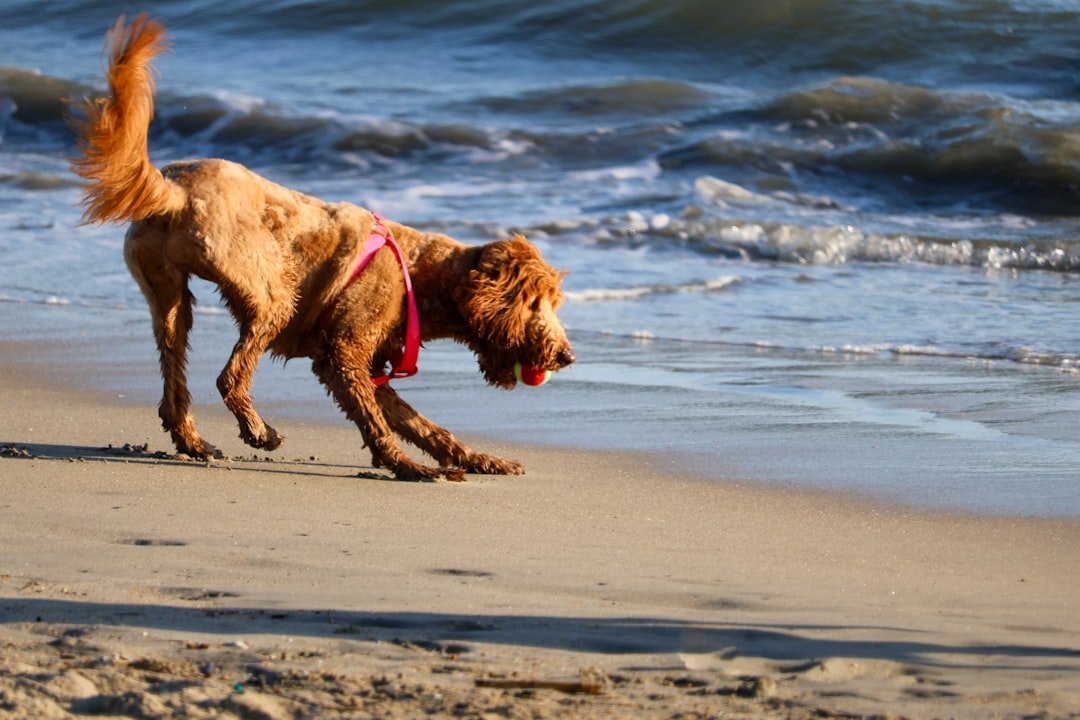
Beach bliss can flip fast when dogs gulp seawater, trading fun for vomiting, diarrhea, and dangerous sodium shifts. Add fish hooks hidden in bait or seaweed, and a sniff becomes a surgical problem – never yank a barbed hook without veterinary guidance. On some days, aerosolized toxins from red tide and other algal blooms irritate airways and eyes, especially in sensitive pets.
Simple habits make the difference. Offer fresh water often, rinse off salt and algae, and keep a short leash around piers and surf-casting zones. Check local bloom advisories and skip shoreline play when fish kills or respiratory irritation reports pop up.
Storm Season Medicine: Floods, Power Outages, and Infectious Risks
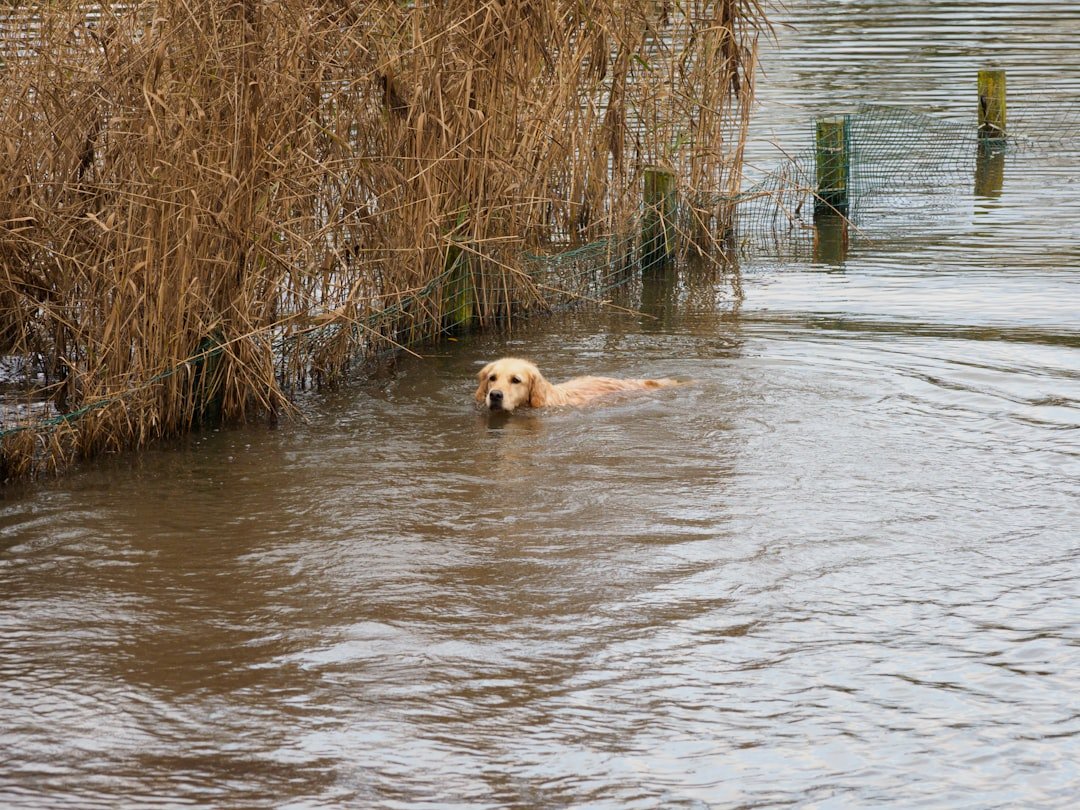
Hurricanes and summer deluges reshape pet health in a blink – standing water, debris, and disrupted routines multiplying hazards. Flooded neighborhoods force wildlife into yards, while downed fences and broken screens open doors to bad encounters. Cuts and punctures get contaminated quickly, and dirty water brings gastrointestinal illness risks for pets that lap first and ask questions later.
Vector-borne diseases don’t take snow days in Florida; mosquitoes thrive nearly year-round, keeping heartworm prevention nonnegotiable. After floods, veterinarians watch for leptospirosis exposures linked to rodent-contaminated water, especially in outdoor-adventuring dogs. A go-bag with meds, vaccination records, and a carrier turns chaotic evacuations into manageable moves.
Why It Matters
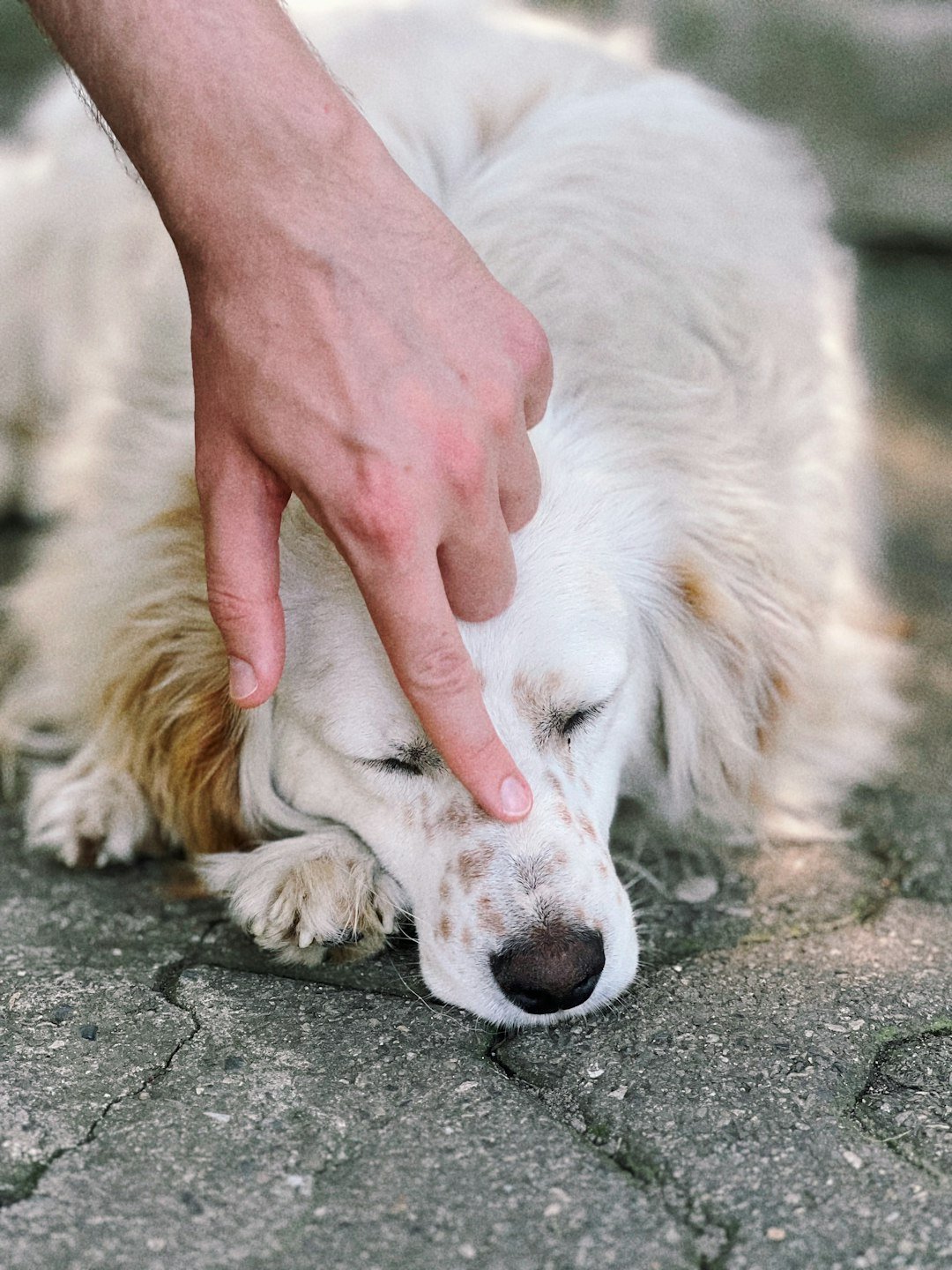
Florida compresses multiple biomes – and their hazards – into a single, densely populated peninsula. That means veterinarians aren’t just treating isolated mishaps but managing predictable, environment-driven surges that strain staff and supplies. Compared with cooler, landlocked regions, Florida clinics juggle more heat injuries, marine exposures, and interactions with invasive species.
Seeing the patterns changes outcomes. Owners who recognize a cane toad at twilight or the first signs of heat stress can shave off the minutes that matter. The broader lesson is scientific, not anecdotal: climate, wildlife ecology, and human behavior co-produce emergencies, and the best defense is anticipatory care rather than heroic rescues.
The Future Landscape
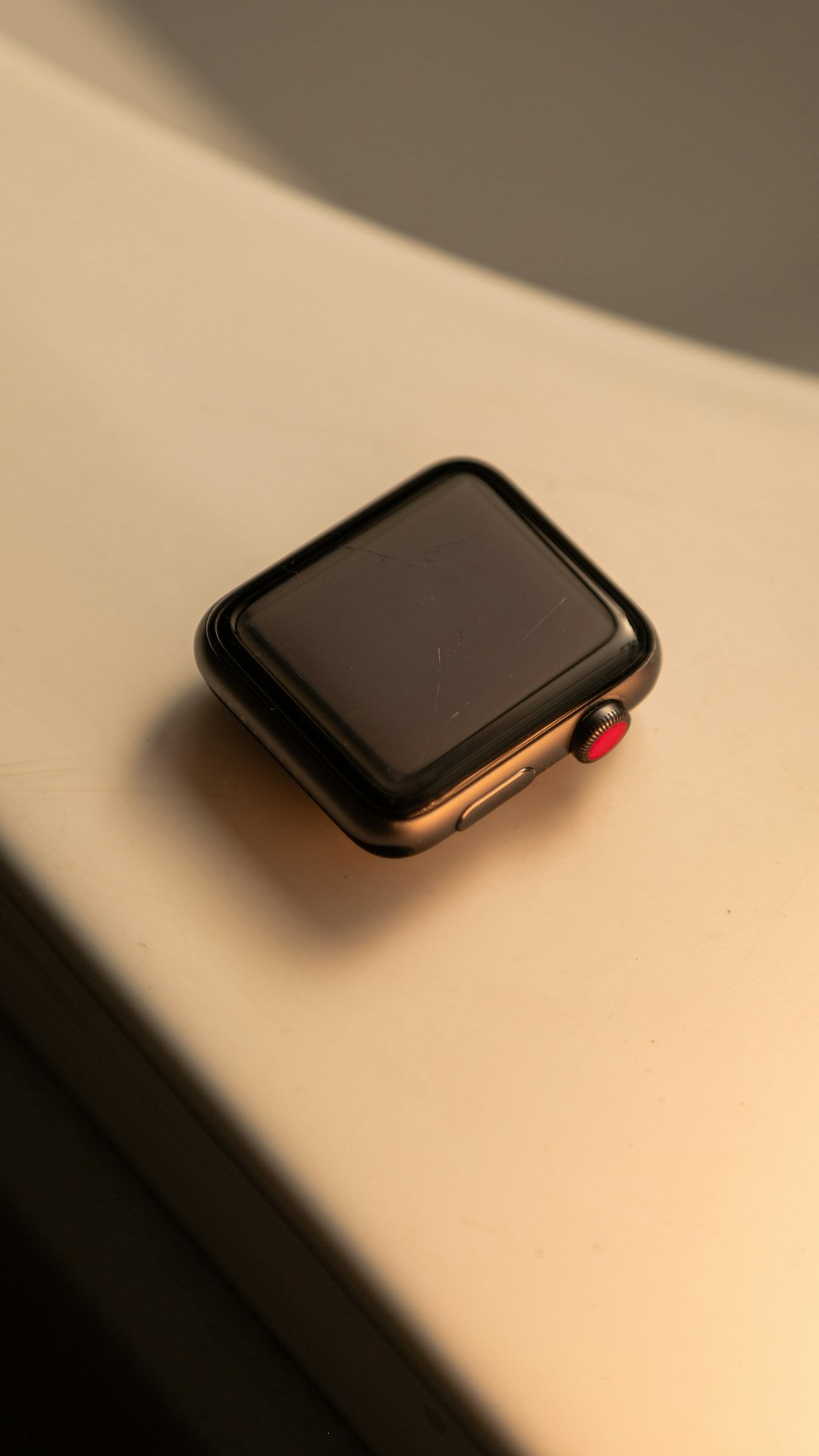
Emerging tools could bend the curve from reaction to prevention. Wearable sensors that flag rising body temperatures, neighborhood-level heat and pollen maps, and real-time harmful algal bloom dashboards are moving from research to routine. Some clinics are piloting AI triage systems that parse intake notes and weather feeds to predict case spikes hours ahead.
On the wildlife front, better yard design – barrier lighting, toad-proof fencing, snake-deterring landscaping – may prove more scalable than eradication battles. Rapid diagnostics for snake venom type, improved antivenom logistics, and targeted public alerts during high-risk windows should trim complications. The challenge is equity: getting the right tools into the hands of weekend beachgoers and lifelong locals alike.
Conclusion
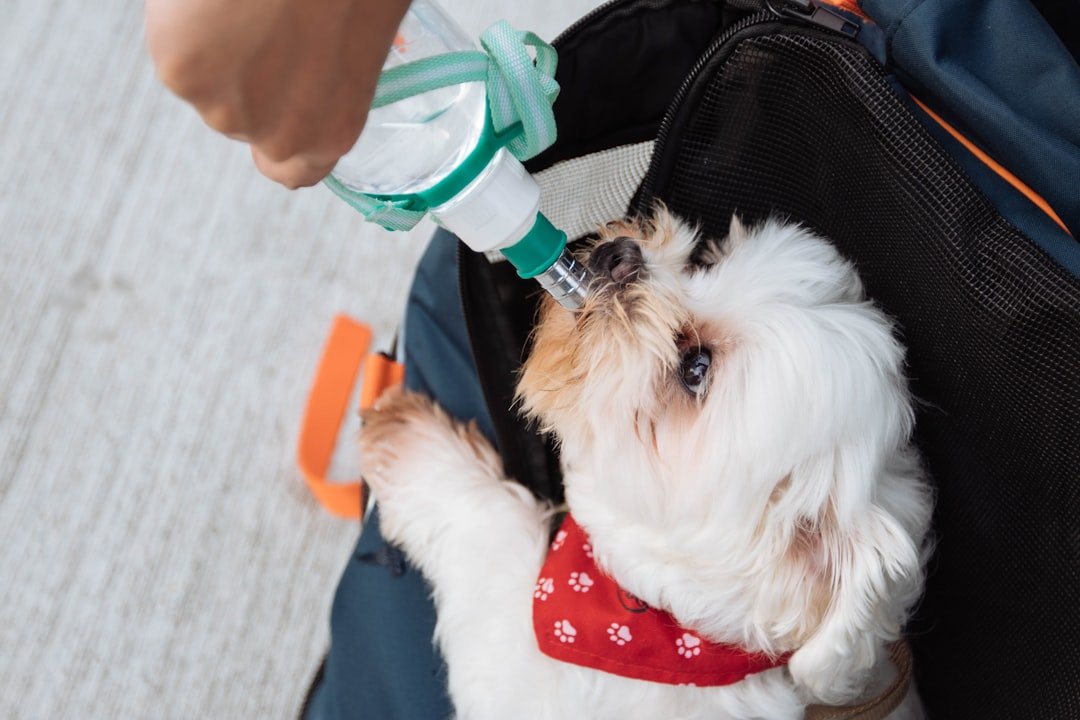
Make a Florida-ready plan before the forecast demands it. Build a vet go-bag with records, meds, a spare leash, and a clip-on water bowl, and save your nearest 24-hour ER’s address in your phone. Walk at cooler hours, keep fresh water flowing, and teach a reliable “leave it” for surprise amphibians and baited hooks.
Pair habits with information. Check local red tide or algae advisories, keep year-round parasite prevention on schedule, and ask your veterinarian about vaccines relevant to your pet’s lifestyle. Share what you learn with neighbors and dog-park friends – the emergencies that happen most often here are the ones we can most reliably prevent.
Suhail Ahmed is a passionate digital professional and nature enthusiast with over 8 years of experience in content strategy, SEO, web development, and digital operations. Alongside his freelance journey, Suhail actively contributes to nature and wildlife platforms like Discover Wildlife, where he channels his curiosity for the planet into engaging, educational storytelling.
With a strong background in managing digital ecosystems — from ecommerce stores and WordPress websites to social media and automation — Suhail merges technical precision with creative insight. His content reflects a rare balance: SEO-friendly yet deeply human, data-informed yet emotionally resonant.
Driven by a love for discovery and storytelling, Suhail believes in using digital platforms to amplify causes that matter — especially those protecting Earth’s biodiversity and inspiring sustainable living. Whether he’s managing online projects or crafting wildlife content, his goal remains the same: to inform, inspire, and leave a positive digital footprint.