
Have you ever wondered what could be lurking in the cosmic shadows, sending mysterious messages across billions of years? Deep in the vast emptiness of space, something extraordinary is happening right now. Enigmatic signals, known as FRBs, release as much energy in less than the blink of an eye as the sun emits in one day. These aren’t your typical cosmic whispers – they’re thunderous radio explosions that appear without warning, vanish in milliseconds, and then sometimes return with haunting regularity.
On 13 October 2021, astronomers reported the detection of hundreds of FRBs from a single system. But that was just the beginning of what scientists now call one of astronomy’s most perplexing puzzles.
The Cosmic Lighthouse Mystery
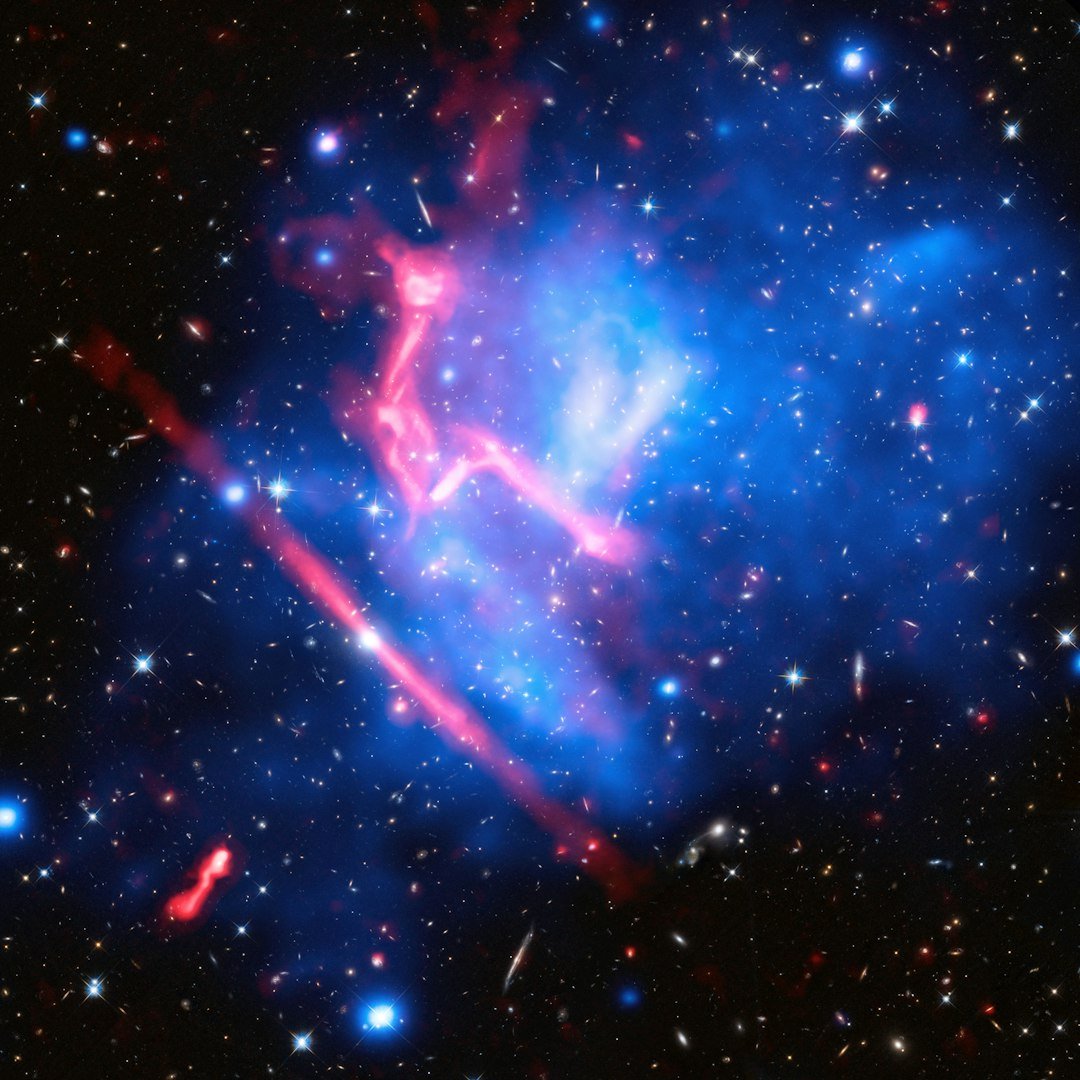
Picture this: you’re sitting in complete darkness when suddenly, someone across the country flashes a lighthouse beam so bright it temporarily blinds you, then disappears forever. That’s essentially what fast radio bursts do on a galactic scale. FRBs are millisecond-long bright flashes of radio waves from space. Mysterious fast radio bursts, or millisecond-long bright flashes of radio waves from space, have intrigued astronomers since the first detection of the phenomenon in 2007.
What makes these signals particularly mind-boggling is their incredible power output. Think about every ray of sunlight that hits Earth in an entire day – now compress all that energy into a single millisecond flash. The latest research is another step forward in the quest to unlock the secrets of FRBs, which generate as much energy in a thousandth of a second as our Sun does in an entire year. It’s like the universe is shouting at us in a language we don’t understand, using more energy than seems physically possible.
The CHIME Revolution
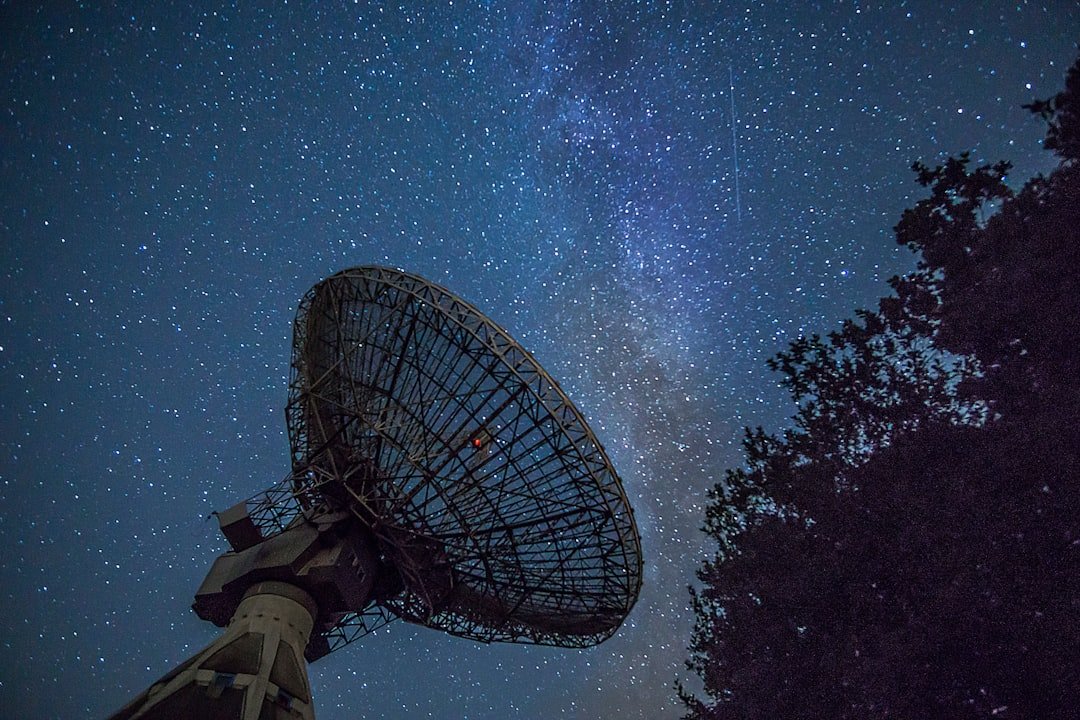
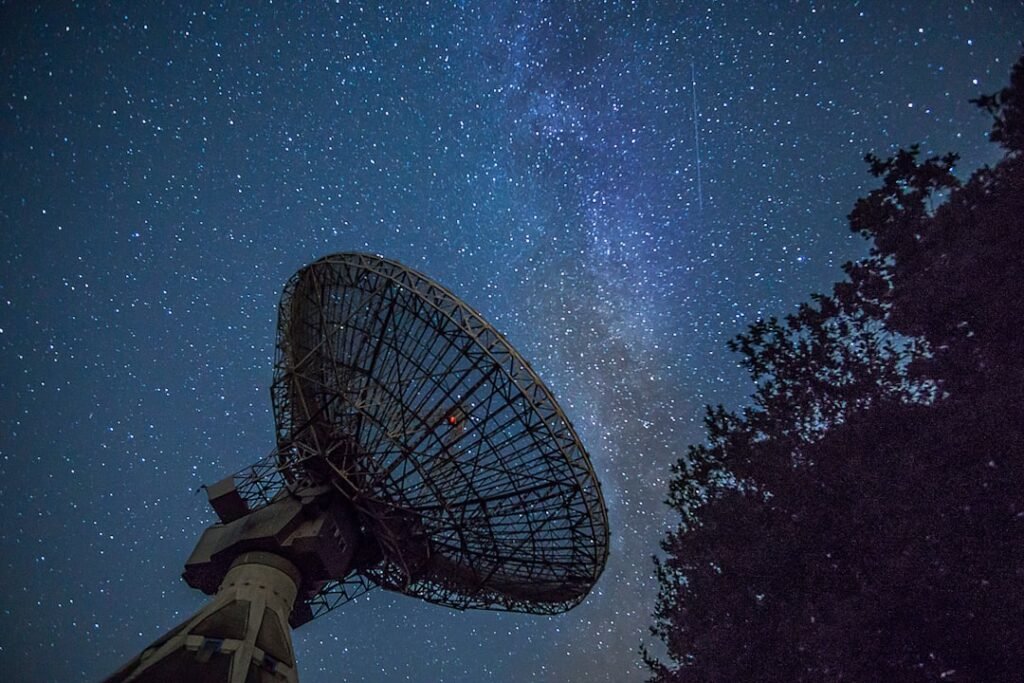
Everything changed when scientists built what looks like a giant metallic halfpipe in the Canadian wilderness. The clarity of the new detection is thanks to a significant upgrade to The Canadian Hydrogen Intensity Mapping Experiment (CHIME), a large array of halfpipe-shaped antennae based in British Columbia. CHIME was originally designed to detect and map the distribution of hydrogen across the universe. But this telescope had an unexpected talent – it became the universe’s most prolific FRB hunter.
Since 2018, CHIME has fundamentally transformed our understanding of these mysterious signals. A large stationary radio telescope in British Columbia has nearly quadrupled the number of fast radio bursts discovered to date. The telescope, known as CHIME, for the Canadian Hydrogen Intensity Mapping Experiment, has detected 535 new fast radio bursts during its first year of operation, between 2018 and 2019. Imagine finding a few dozen mysterious coins scattered across a beach, then suddenly discovering thousands more – that’s what CHIME did for FRB science.
The Repeating Enigma
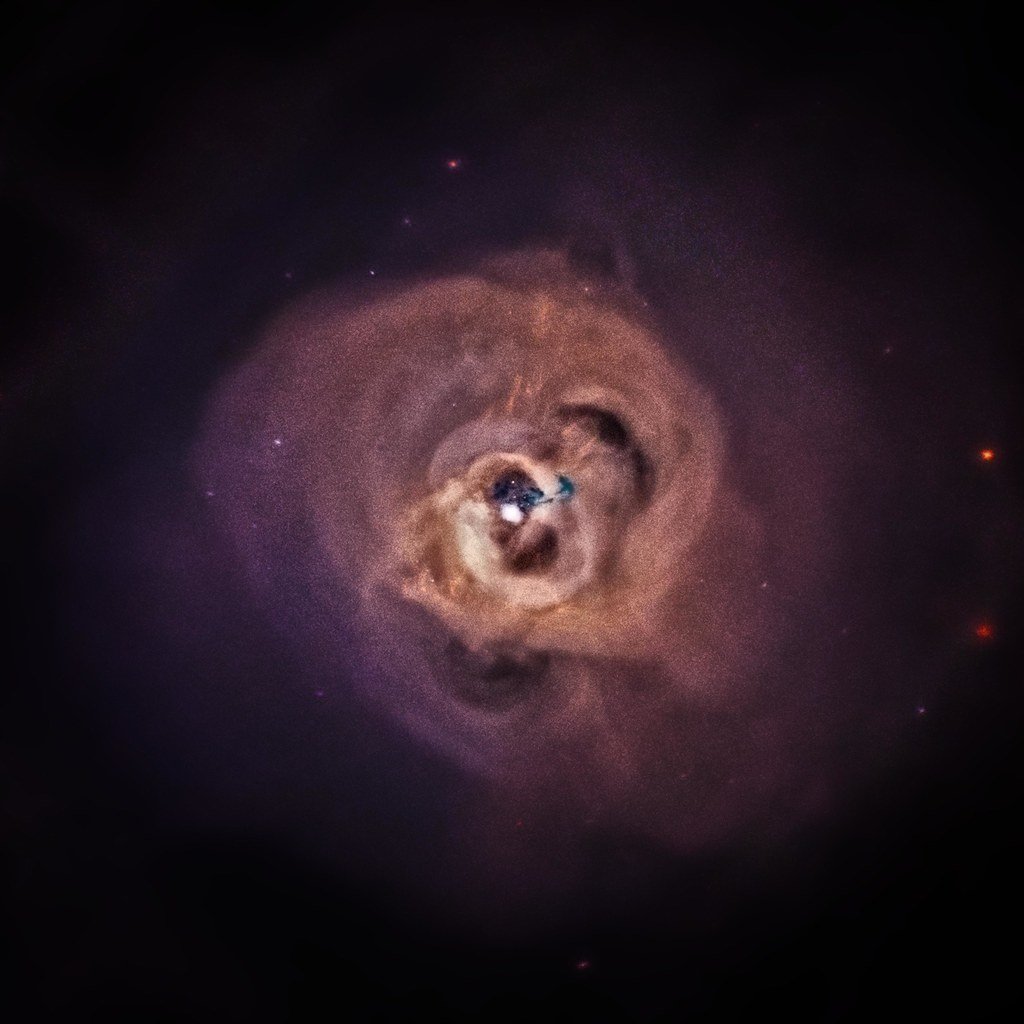
Here’s where things get really weird. Most FRBs flash once and disappear into cosmic silence, like shooting stars that never return. But some have developed what seems like a compulsive need to communicate. The newly discovered bursts appear to fall in two distinct classes: those that repeat, and those that don’t. Scientists identified 18 FRB sources that burst repeatedly, while the rest appear to be one-offs.
The repeating FRBs behave like nothing else we know in the universe. Like most repeating FRBs, each burst drifted from higher to lower frequencies over time. But with FRB 20220912A there was also a never-before-seen drop in the centre frequency of the bursts, revealing what sounds like a cosmic slide-whistle when converted into a sonification using notes on a xylophone. Scientists recorded this particular signal making sounds like a musical instrument played by an invisible cosmic musician.
The Record-Breaking Flash of 2024
Just when researchers thought they understood the patterns, 2024 delivered a cosmic curveball. Discovery of a new repeating FRB 20240114A by the CHIME/FRB Collaboration (at position RA (J2000): 321.9162 +- 0.0087 deg, Dec (J2000): 4.3501 +- 0.0124 degrees) was reported on 26 January 2024. The three bursts from the FRB were detected at “2024-01-14 21:50:39, 2024-01-21 21:30:40, and 2024-01-24 21:20:11 UTC”, and associated with a galaxy cluster at 425 Mpc.
But FRB 20240114A wasn’t content with just three appearances. On 5 March 2024, a “burst storm” was reported from FRB 20240114A by the FAST radio telescope. This source became what astronomers call hyperactive, producing dozens of bursts in rapid succession, like a cosmic machine gun firing radio bullets across the universe. The intensity was unprecedented – telescopes around the world scrambled to observe this cosmic fireworks show.
The Impossible Location
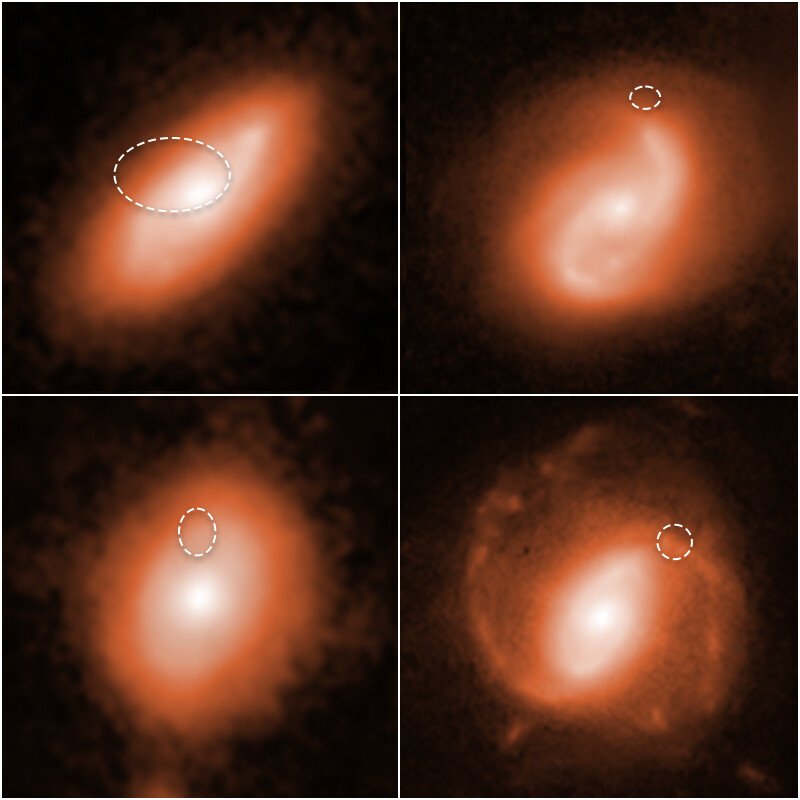
Then came a discovery that completely shattered astronomers’ expectations. The FRB’s location is surprising and raises questions about how such energetic events can occur in regions where no new stars are forming. FRB 20240209A appeared to originate from the cosmic equivalent of a retirement home – a dead galaxy where star formation stopped billions of years ago.
Following FRB 20240209A back to its source showed the burst originated from the outskirts of the galaxy where hardly any stars exist, about 130,000 light-years from the galactic center. The location of this FRB so far outside its host galaxy raises questions as to how such energetic events can occur in regions where no new stars are forming. It’s like finding a massive explosion in a completely empty field with no apparent source – the discovery left scientists scratching their heads and reconsidering everything they thought they knew.
The Brightest Flash Ever Recorded
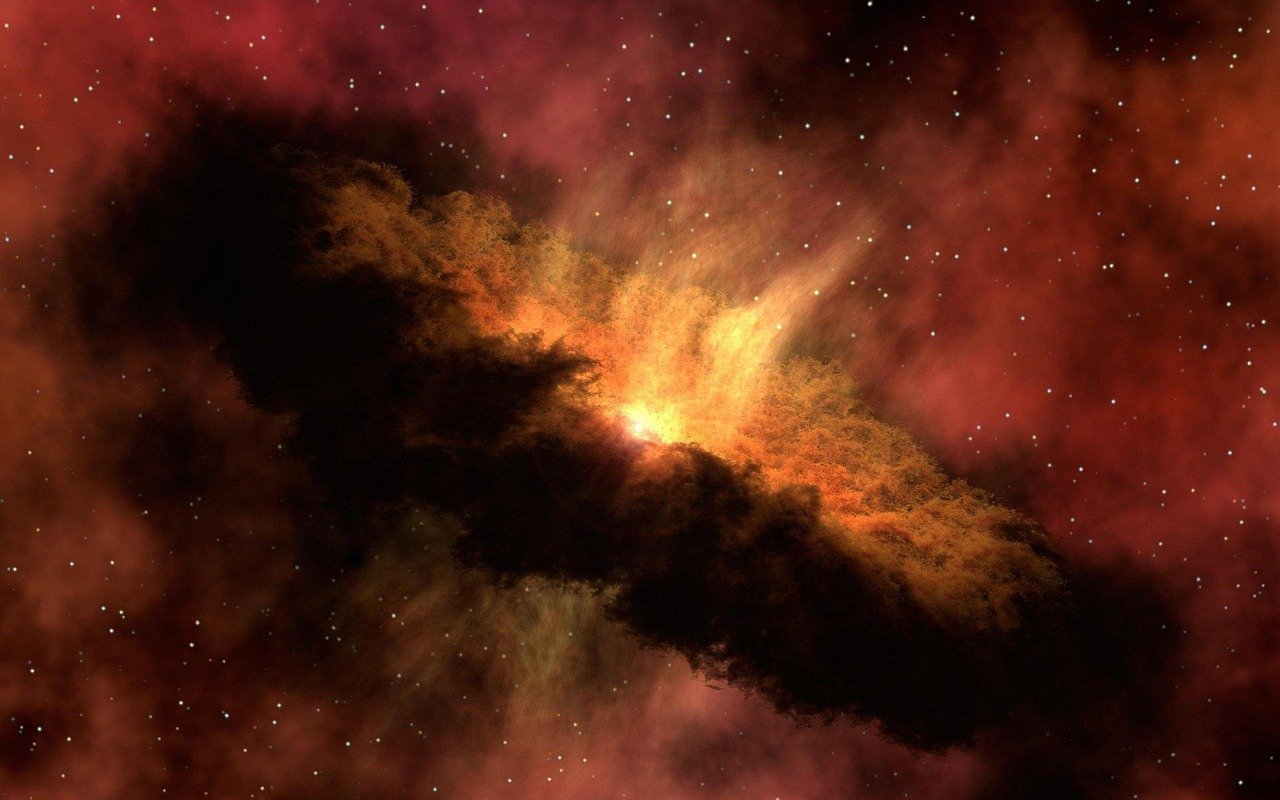
Recent discoveries have brought what may be among the most significant FRB findings in history. Astronomers detected the brightest fast radio burst ever seen. A dazzling radio burst detected by astronomers, offers the clearest view yet of the environment around these mysterious flashes. Scientists playfully nicknamed it RBFLOAT – short for “Radio Brightest FLash Of All Time” – but the implications were anything but lighthearted.
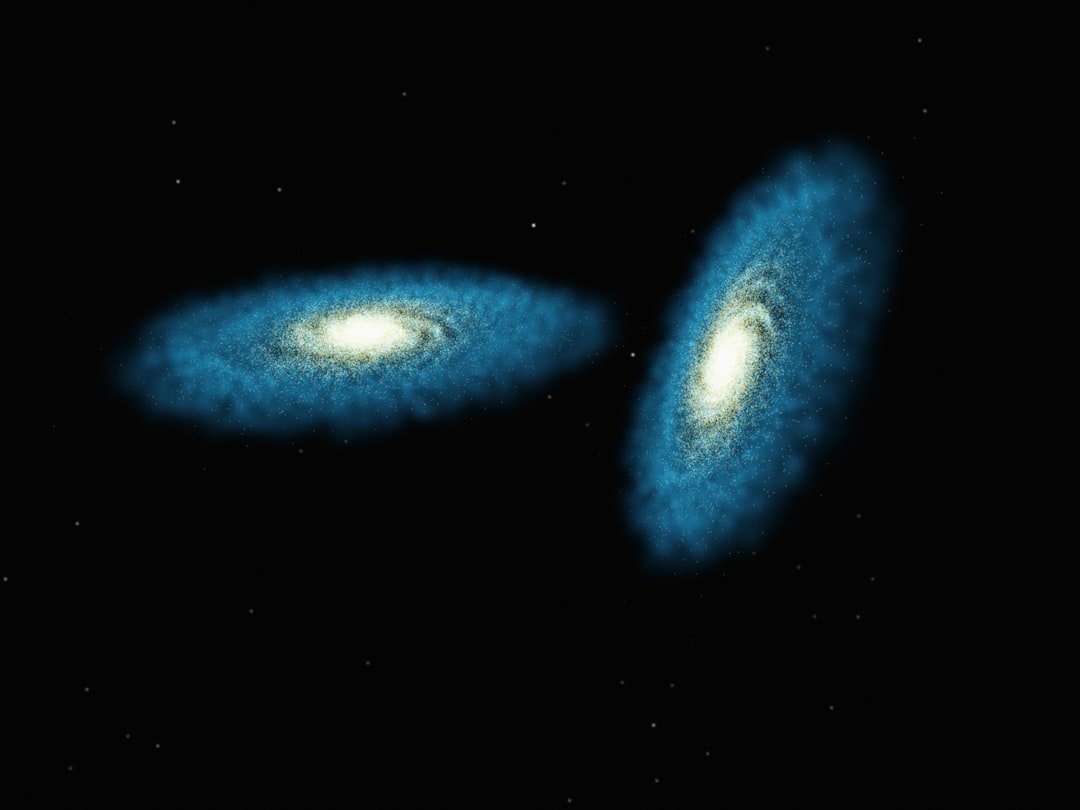
This burst was so powerful that astronomers initially weren’t sure it came from space at all. Initially, the flash was so bright that astronomers were unsure whether it was an FRB or simply a terrestrial event caused, for instance, by a burst of cellular communications. That notion was put to rest as the CHIME Outrigger telescopes focused in on the flash and pinned down its location to NGC4141 – a spiral galaxy in the constellation Ursa Major about 130 million light years away, which happens to be surprisingly close to our own Milky Way.
The Precision Revolution
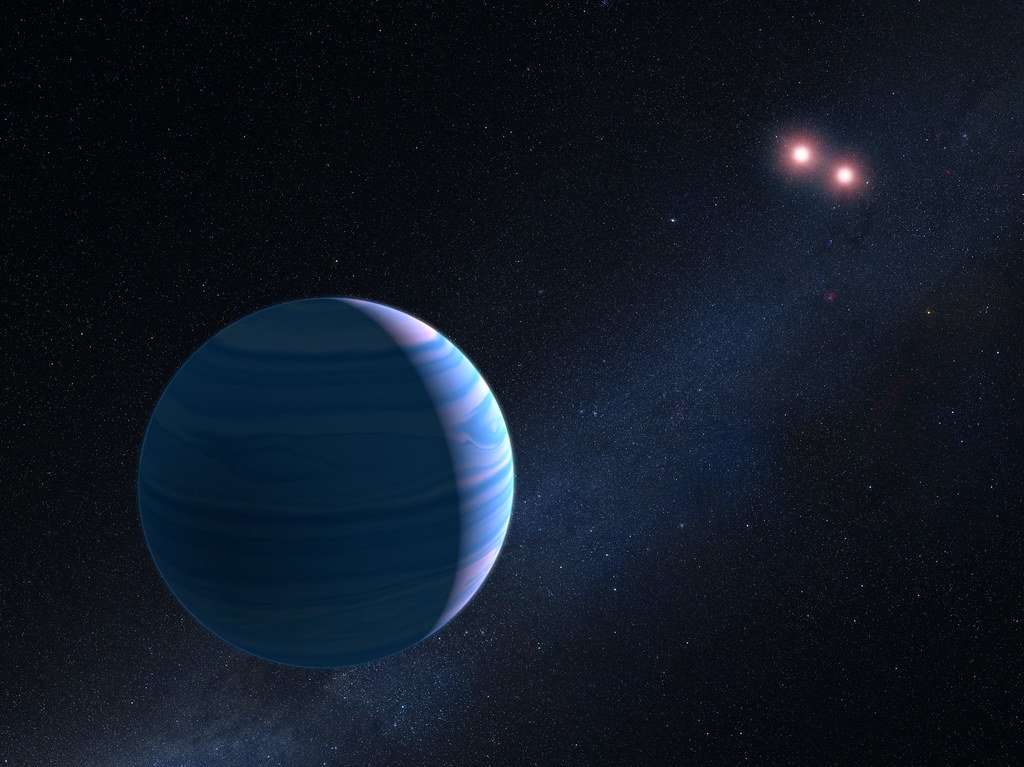
What makes RBFLOAT truly revolutionary isn’t just its brightness – it’s the unprecedented precision with which scientists located its origin. “Imagine we are in New York and there’s a firefly in Florida that is bright for a thousandth of a second, which is usually how quick FRBs are,” says MIT Kavli graduate student Shion Andrew. “Localizing an FRB to a specific part of its host galaxy is analogous to figuring out not just what tree the firefly came from, but which branch it’s sitting on.”
The breakthrough came from CHIME’s new “outrigger” telescopes scattered across North America. Together, the telescopes work as one continent-sized system that can focus in on any bright flash that CHIME detects, to pin down its location in the sky with extreme precision. Together, the telescope array identified the FRB and determined not only the specific galaxy, but also the region of the galaxy from where the burst originated. It’s like having eyes on both coasts simultaneously, creating a cosmic microscope that can peer across millions of light-years with stunning accuracy.
The Search for Origins
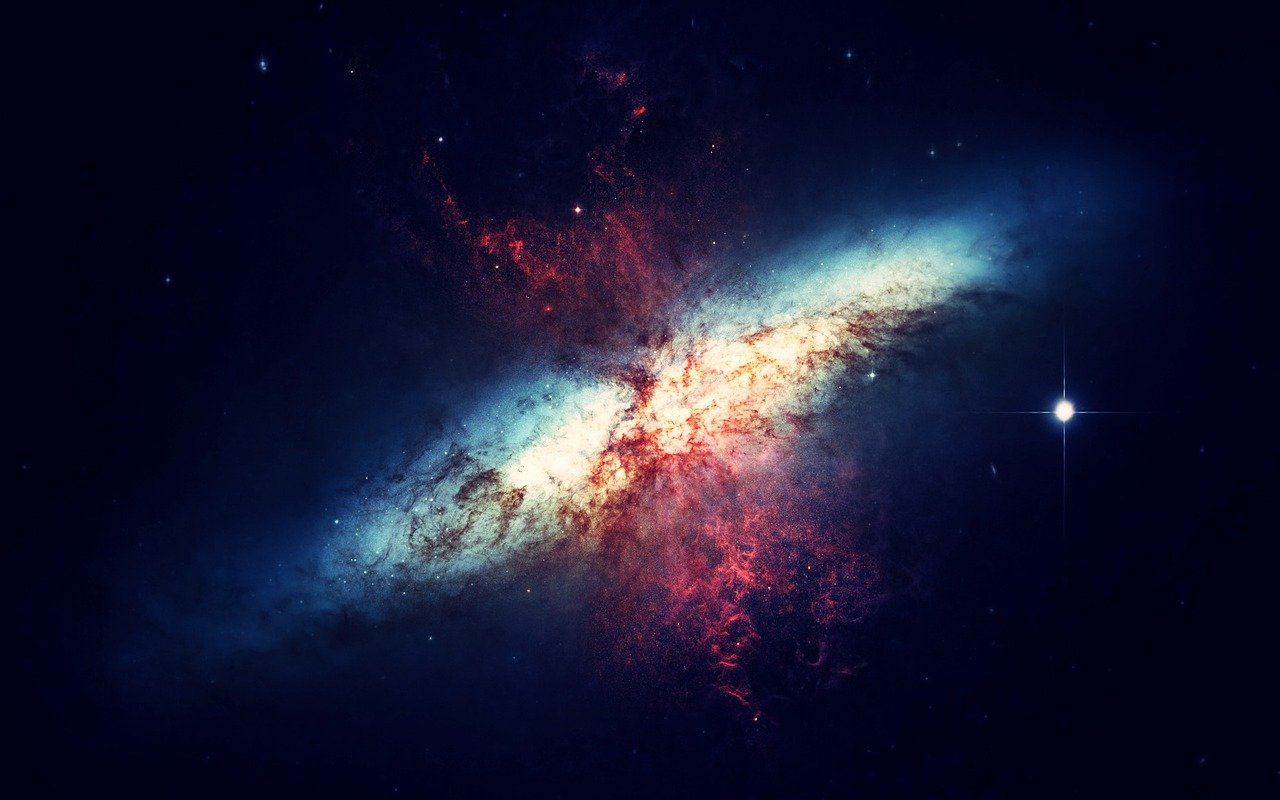
Despite all these discoveries, the fundamental question remains: what creates these cosmic screams? While scientists generally agree that the bursts arise from extremely compact objects, the exact physics driving the FRBs is unclear. Some models predict that fast radio bursts should come from the turbulent magnetosphere immediately surrounding a compact object, while others predict that the bursts should originate much further out, as part of a shockwave that propagates away from the central object.
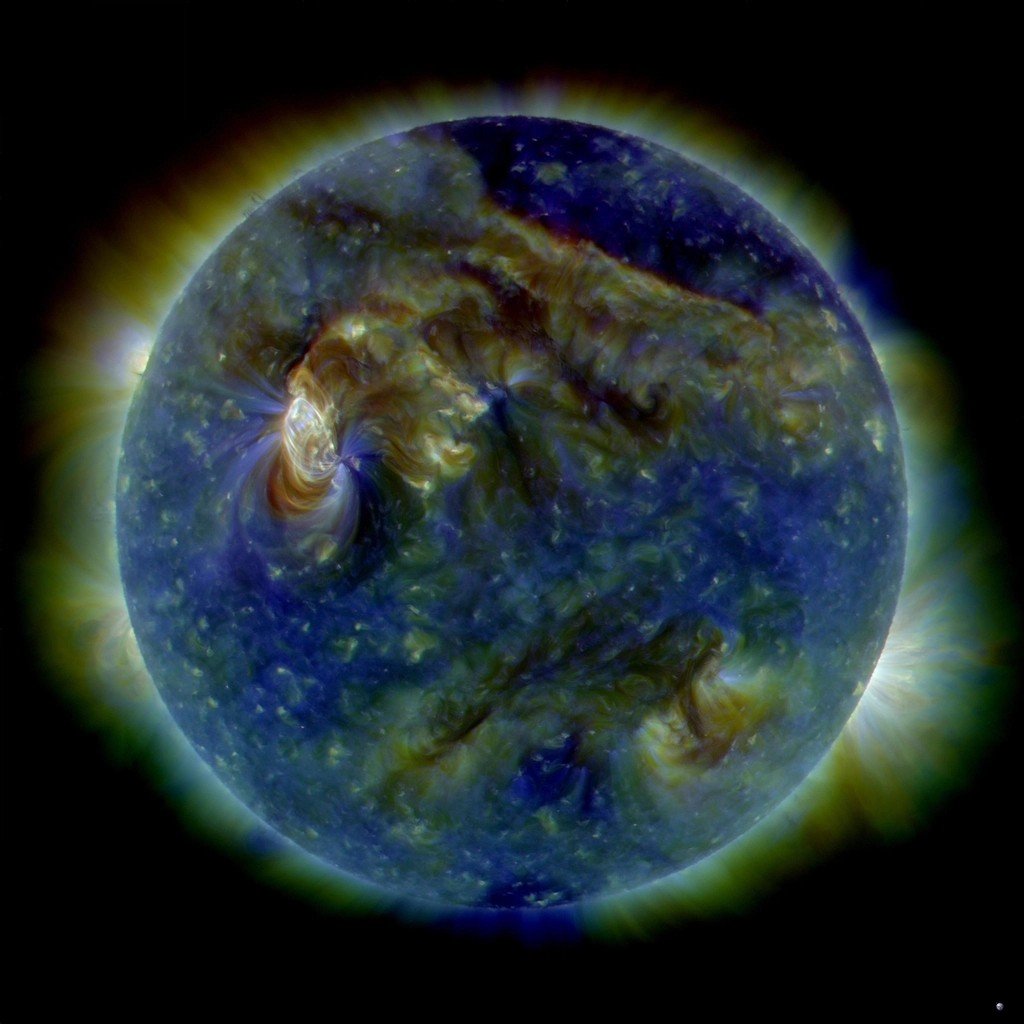
The leading suspects are magnetars – neutron stars with magnetic fields trillions of times stronger than Earth’s. Possible mechanisms involve some kind of jarring starquake, or alternatively, an explosion caused when a magnetar’s twisting magnetic field lines snap and reconnect. A similar phenomenon happens on the Sun, causing solar flares, but a magnetar’s field is a trillion times stronger than the Sun’s magnetosphere. Imagine the most powerful magnet you can think of, then multiply that strength by a trillion – that’s the kind of cosmic powerhouse that might generate these signals.
Conclusion: The Cosmic Mystery Deepens
As we continue studying these phenomena, these mysterious signals from deep space continue to challenge everything we thought we knew about the universe. From the hyperactive burst storms of FRB 20240114A to the impossible location of FRB 20240209A, each discovery raises more questions than it answers. The brightest flash ever recorded – RBFLOAT – has given us unprecedented precision in tracking these cosmic explosions, yet their true nature remains as elusive as ever.
“It’s clear that there’s still a lot of exciting discovery space when it comes to FRBs, and that their environments could hold the key to unlocking their secrets,” Eftekhari said. Upgrades to FRB detection technology and the addition of outrigger telescopes will enable the detection and tracing of even more bursts in the future, which could potentially reveal patterns and help determine whether repeating flashes occur in specific types of galaxies, Eftekhari said.
Perhaps these signals are the universe’s way of reminding us that despite all our technological advances, we’re still cosmic infants trying to understand forces beyond our imagination. The repeating bursts continue their mysterious transmissions across billions of years, carrying secrets we’re only beginning to glimpse. What will the next breakthrough reveal about these cosmic messengers?