
Picture this – you’re peacefully fishing along the Trinity River when suddenly, a massive silver fish launches itself ten feet out of the water, nearly taking your head off. Welcome to the wild reality of invasive species taking over Texas waterways. Two of the biggest threats to Texas lakes, giant salvinia and zebra mussels, continue to spread to new areas in Texas, with giant salvinia forming dense mats that can double in size in just one week. These unwelcome invaders aren’t just making headlines – they’re rewriting the rules of survival in our beloved rivers and lakes.
The invasion is happening faster than most people realize. According to recent estimates, invasive species costs total approximately $120 billion across the United States every year. In Texas alone, the battle against these ecological criminals has become a full-time war that’s affecting everything from weekend boating trips to municipal water supplies.
Zebra Mussels: The Tiny Terrorists Clogging Everything
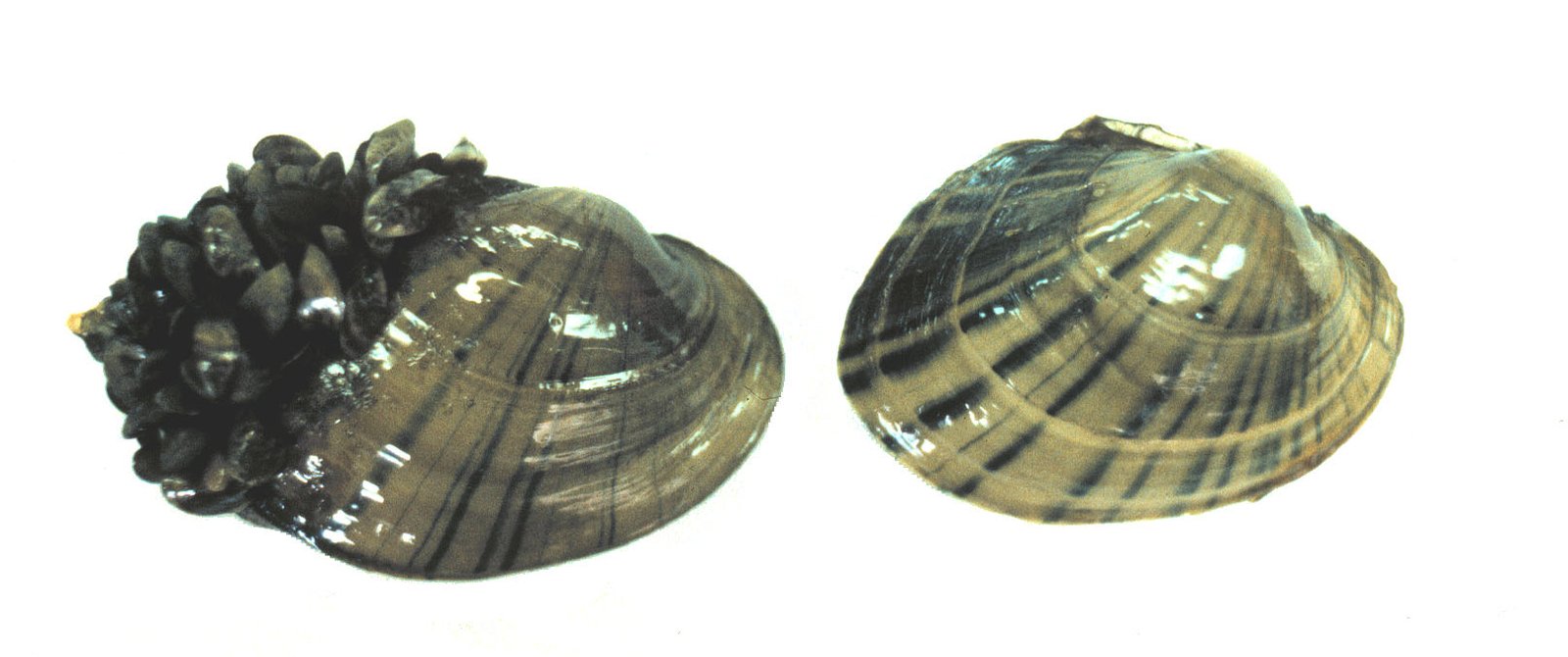
Don’t let their size fool you – zebra mussels pack a punch that would make a heavyweight boxer jealous. Zebra mussels are now found in 35 Texas lakes across six river basins, with an adult female producing up to one million offspring in a year. These quarter-sized mollusks arrived in Texas uninvited and decided to make themselves permanently at home.
What makes zebra mussels particularly terrifying is their superglue-like attachment system. These invasive mussels cause costly damage to boats and infrastructure for water supply and control, alter lake ecosystems and cause harm to native aquatic life, while also littering shorelines with hazardous, sharp shells that impact lakefront recreation. Think of them as nature’s version of superglue mixed with a paper shredder – they stick to everything and cut up anyone who tries to remove them.
Giant Salvinia: The Green Monster Choking Our Waters
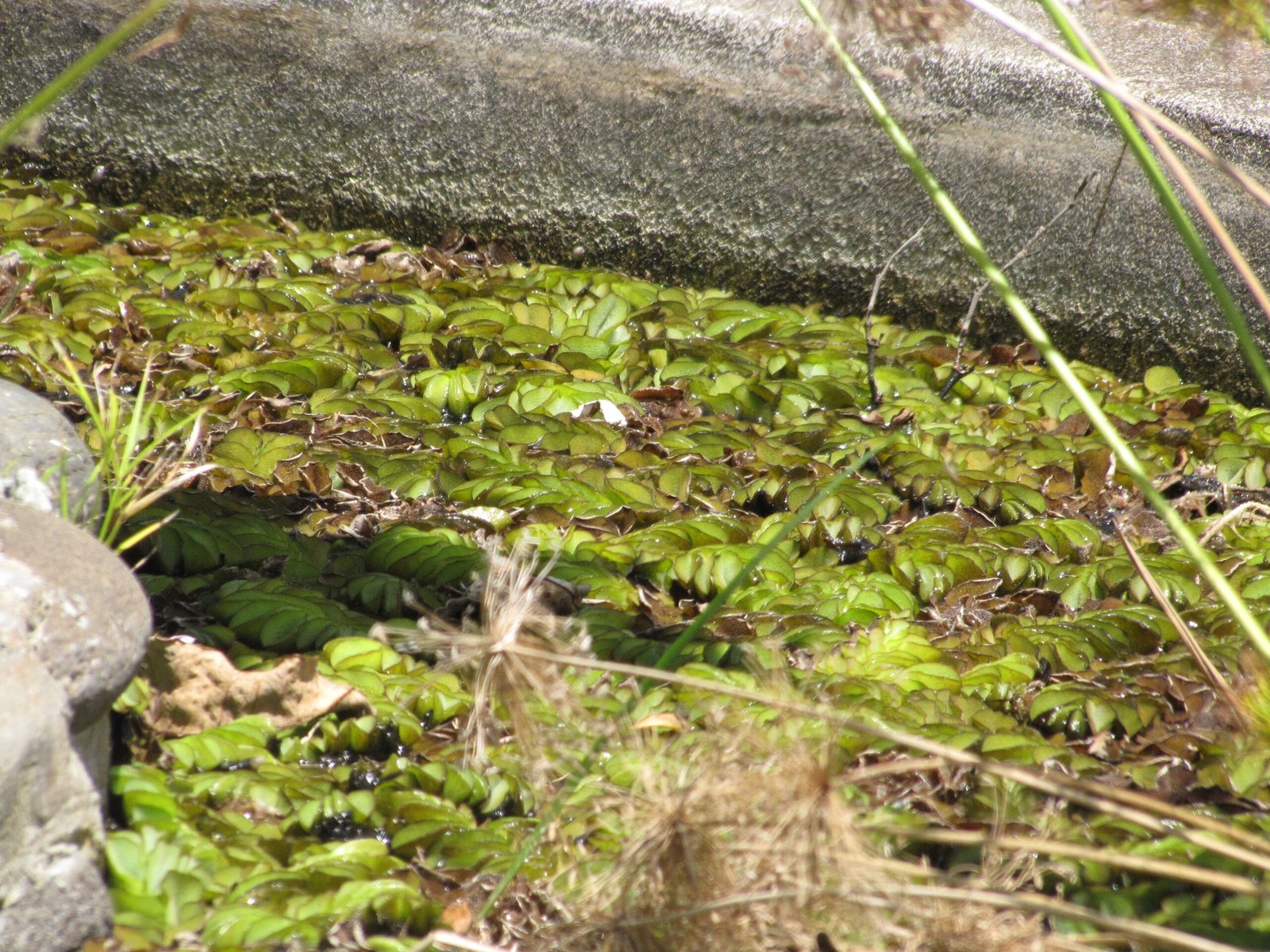
If zebra mussels are the terrorists, giant salvinia is the suffocating blanket slowly strangling Texas waterways. Giant Salvinia has been found in approximately 25 East Texas lakes, forming dense mats that can impede boater access and grows rapidly, with an infestation capable of doubling its size in just one week. Imagine trying to navigate through a waterway that’s essentially been carpeted with thick, impenetrable vegetation.
This floating menace doesn’t just make boating impossible – it creates ecological dead zones. A small quarter-acre pond can become completely covered with giant salvinia in as little as six weeks from the point of invasion, with salvinia chains coalescing to form dense mats that shade out native aquatic species and reduce dissolved oxygen levels in water. It’s like putting a thick blanket over an aquarium and wondering why all the fish are gasping for air.
Silver Carp: The Flying Fish That Can Kill You
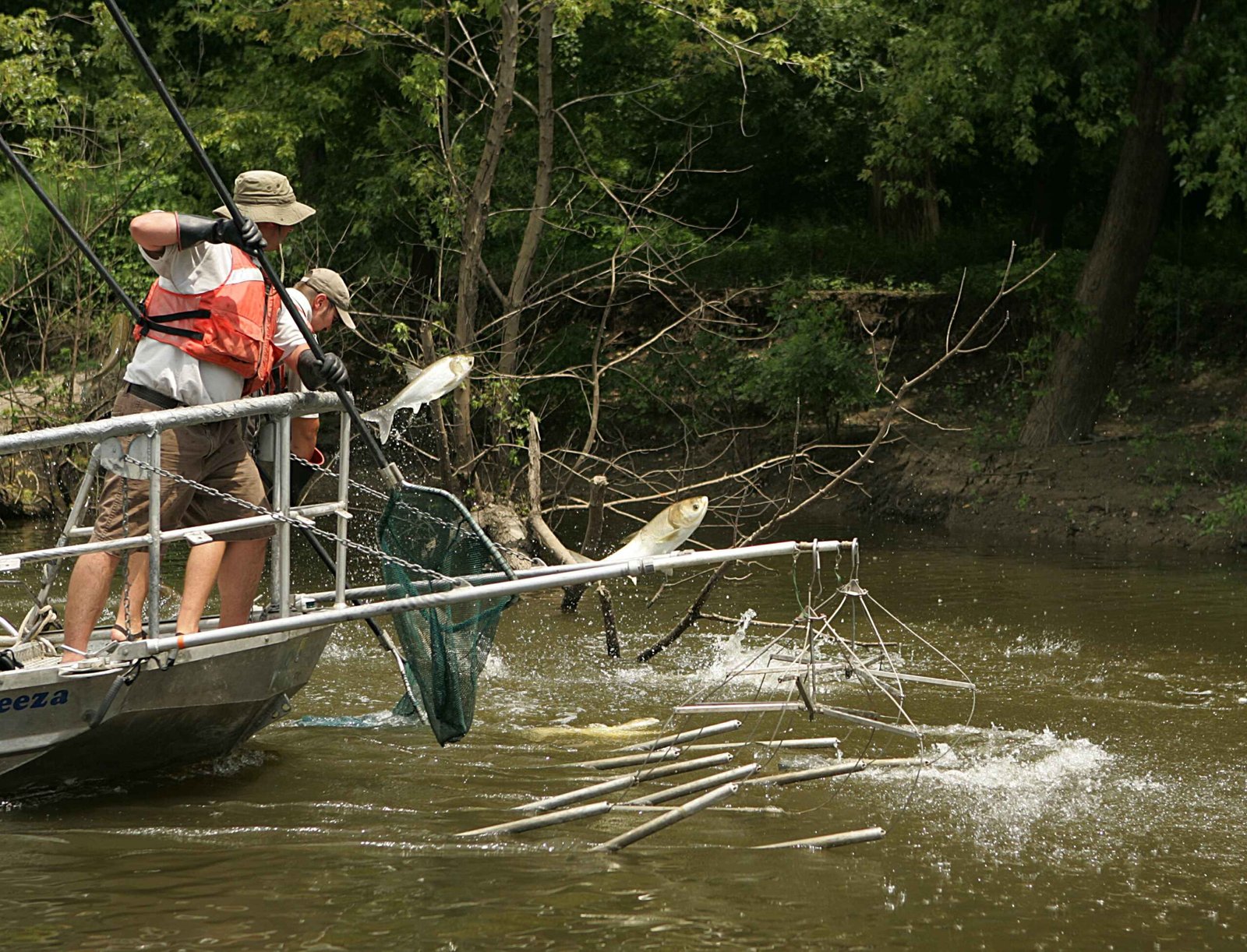
Now here’s where things get really wild – and potentially dangerous. Silver carp can pose a risk to humans, as they can jump up to 10 feet out of the water when startled by the sounds of watercraft, often jumping into boats and sometimes injuring boaters, with jumping silver carp becoming a significant hazard when present in large numbers. These aren’t your peaceful pond fish; they’re 60-pound flying torpedoes with an attitude problem.
Silver carp were first reported from Texas waters in 2018, though they pose a significant risk to Lake Texoma’s ecosystem and boaters with adequate flow and upstream river area for them to become established and reproduce if introduced. The good news? They’re still relatively new to Texas. The bad news? They breed like there’s no tomorrow and have a track record of taking over entire river systems.
Bighead Carp: The Vacuum Cleaner of the Water World
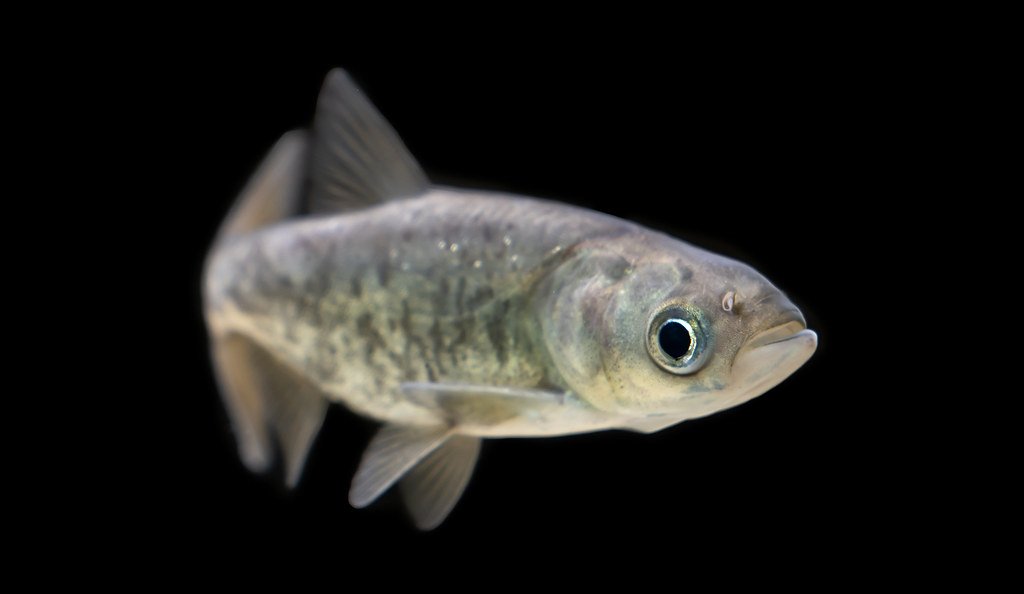
Meet the silver carp’s equally problematic cousin, the bighead carp. Bighead carp are invasive, large-bodied, fast-growing, highly fecund, voracious-feeding fish that are rapidly colonizing North American waterways, with individuals capable of reaching weights up to 100 pounds and lengths of 4 feet. These underwater vacuum cleaners are literally eating their way through the foundation of aquatic food webs.
In Texas, bighead carp have been reported in Bexar, Jones, and Taylor counties in the Upper San Antonio and Brazos river drainages, found in both large rivers and smaller tributaries, especially near spillways. Their strategy is simple but devastatingly effective: they filter out the microscopic organisms that native fish depend on for survival, essentially starving out the competition.
Quagga Mussels: The New Kid on the Block
Just when Texas thought zebra mussels were bad enough, their even more aggressive cousin showed up to the party. The Texas Parks and Wildlife Department reports that invasive quagga mussels have been detected for the first time in Texas, with the discovery made by National Park Service staff at the International Amistad Reservoir in the Rio Grande basin along the Texas-Mexico border near Del Rio. It’s like finding out the neighborhood bully has an older, meaner brother.
Quagga mussels are a close relative of the zebra mussel, which has invaded 35 Texas lakes across six river basins since it was first introduced in Texas in Lake Texoma in 2009, with this being the first detection of quagga mussels in Texas waters and the first finding of any invasive mussel species in the Rio Grande basin. This expansion into new territory signals that the invasion is far from over – it’s actually accelerating.
Asian Clams: The Silent Infrastructure Destroyers
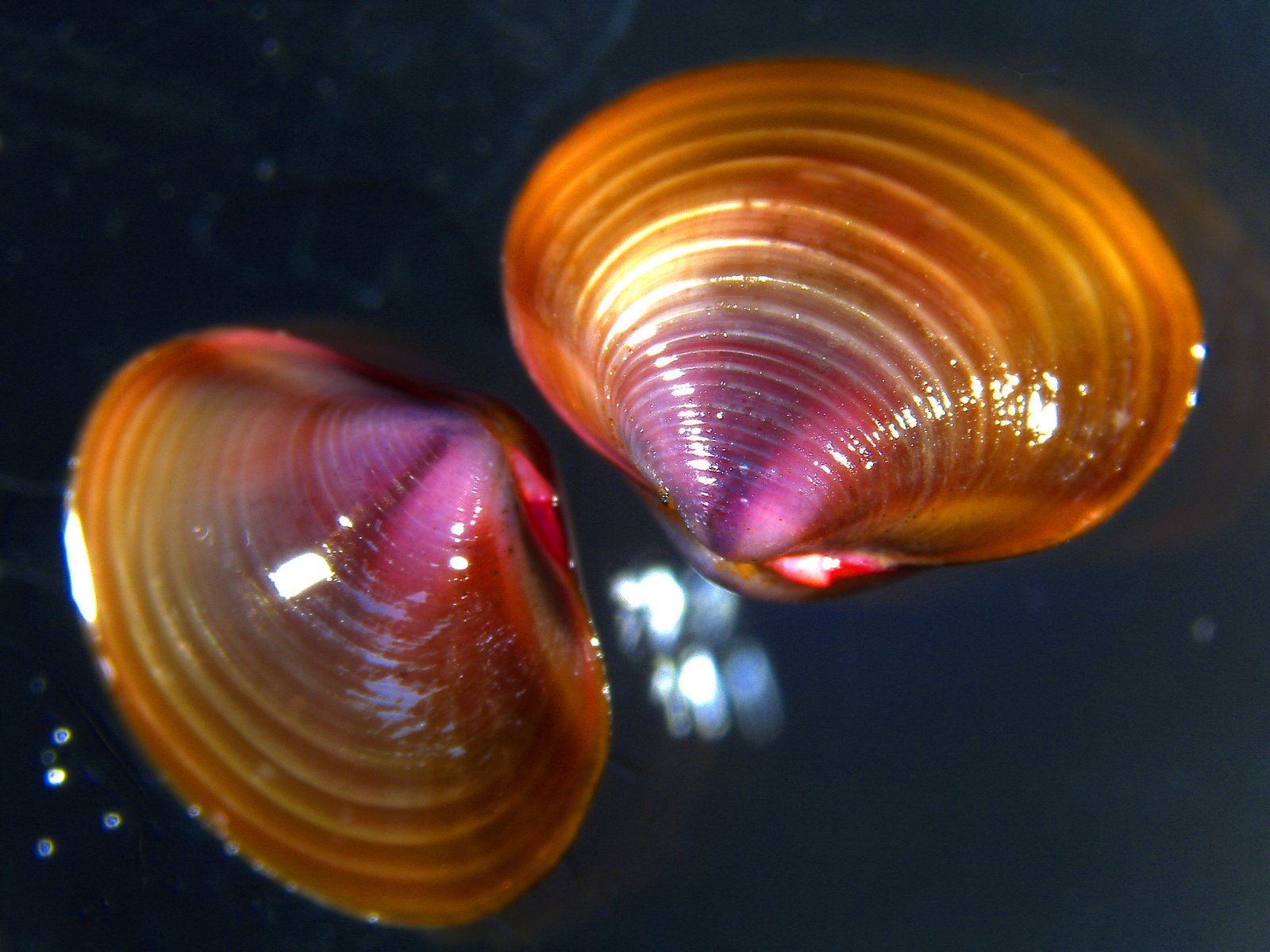
While everyone’s focused on the dramatic jumpers and rapid spreaders, Asian clams are quietly wreaking havoc on Texas infrastructure. Texas rivers are currently packed with Asian clams, small, lightly-colored mollusks that have become the bane of nuclear power plant managers, as water drawn from rivers for cooling purposes carries Asian clams and their larvae, which can clog condenser tubes, service water pipes, and other equipment. They’re the ultimate stealth operatives of the invasive species world.
Asian clams reproduce rapidly and are tolerant to cold waters, adding to their success as an invasive species, with the ability to self-fertilize and release up to 2,000 juveniles per day and more than 100,000 in a lifetime. Their reproductive strategy is basically to overwhelm any system through sheer numbers – quantity over quality taken to its logical extreme.
Feral Hogs: The Muddy Water Contaminators
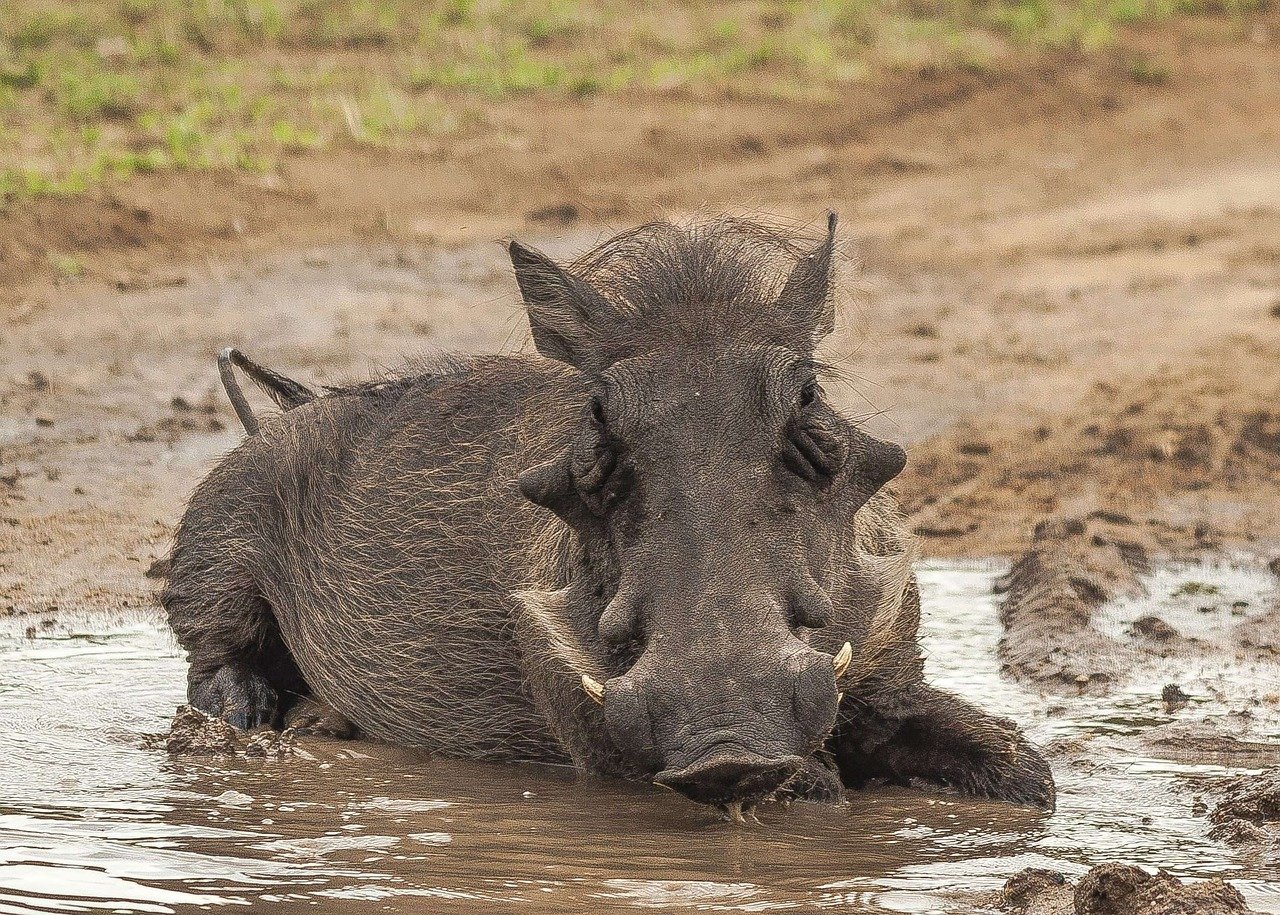
Now here’s where things get really gross – and potentially dangerous to human health. There are an estimated 2.6 million feral hogs in Texas, and they are drawn to water, moving towards larger water supplies during temperature rises to regulate their body temperature. These aren’t just cute farm animals gone wild; they’re walking water contamination factories with attitude.
Since feral hogs spend their time in and around bodies of water, their waste ends up in bayous through direct deposition or stormwater runoff, increasing bacteria concentrations, with a recent Alabama study showing streams in watersheds with feral hogs had 40 times the bacteria levels than those without them. That’s not a typo – forty times more bacteria. It’s like having a sewage treatment plant malfunction directly in your local creek.
Apple Snails: The Illegal Inhabitants
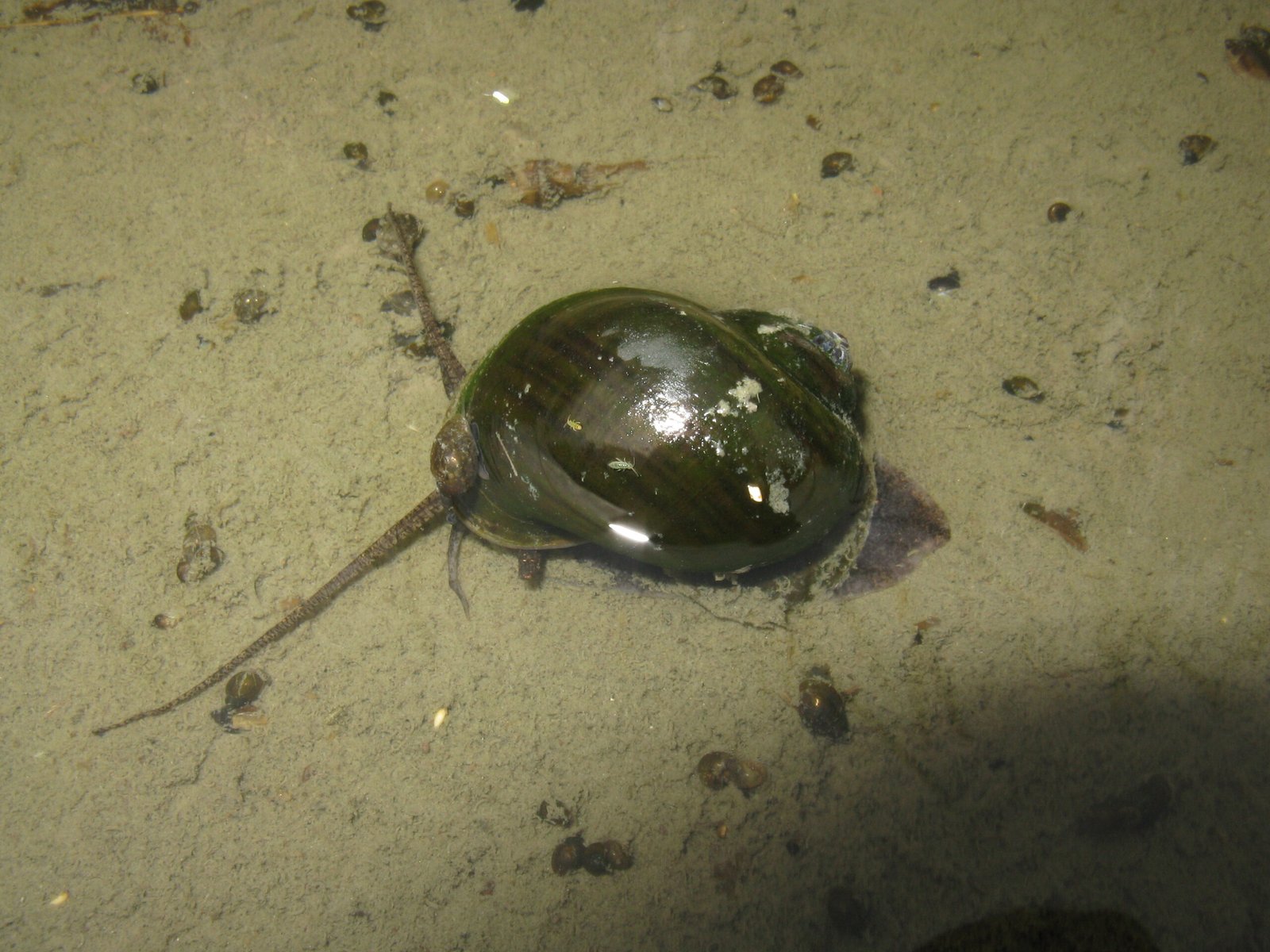
Here’s an invasive species so problematic that simply possessing one is illegal in Texas. It is illegal to possess or transport apple snails, with the River Authority granted the ability to work with members of the public to collect both adults and egg cases through a training process by Texas Parks and Wildlife Department. When a state makes it illegal to even hold a snail, you know it’s serious business.
People interested in helping to mitigate the apple snail population growth can join the River Authority’s River Warriors volunteer group, where skilled science and volunteer staff equip volunteers with methods to remove the snails and their egg cases from the San Antonio River. It takes an army of volunteers just to keep these slimy invaders in check.
Red Imported Fire Ants: The Stinging Water Warriors
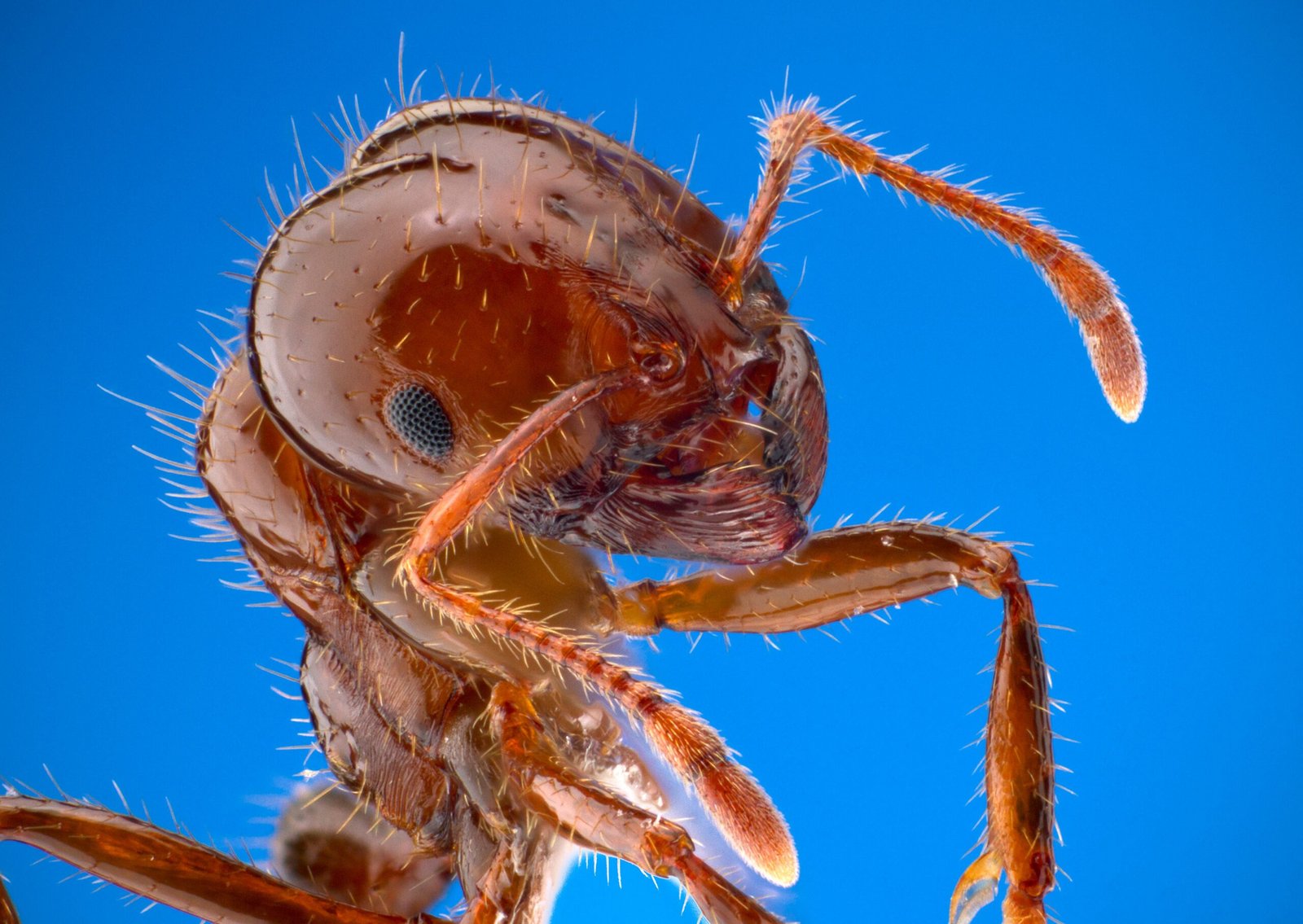
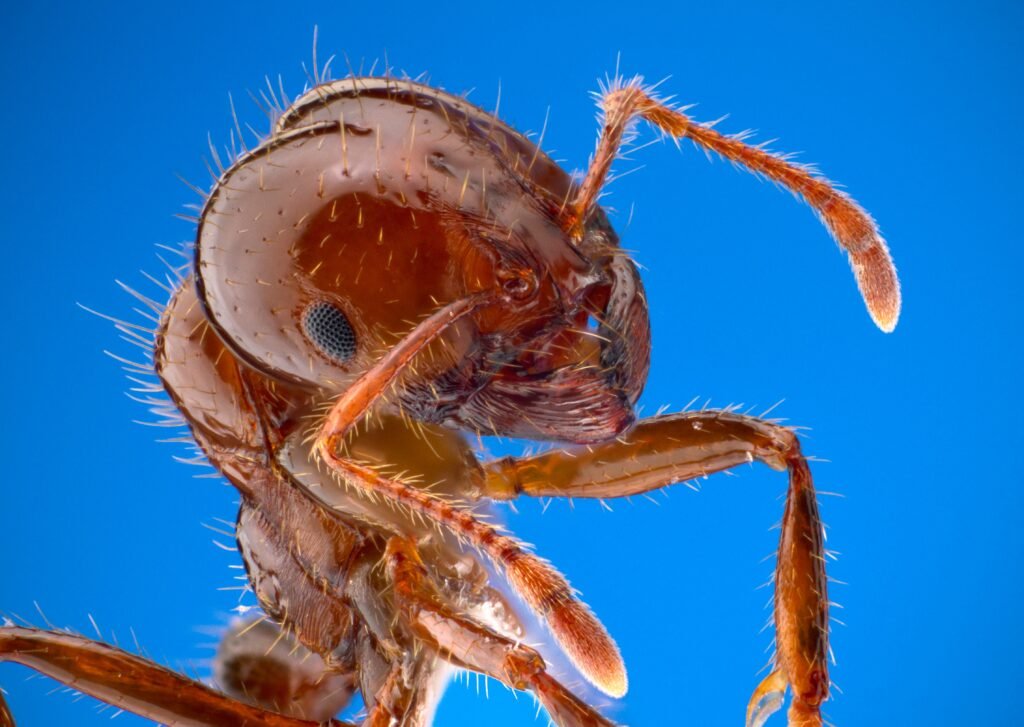
Don’t think invasive species are limited to fish and mollusks. Red imported fire ants came from South America, most likely in soil carried in on a ship docking in Alabama, and spread rapidly across the southern United States. While they might not live in water, they certainly affect water environments and the people trying to enjoy them.
Red imported fire ants damage electrical wiring and some crops, their stings are painful and they will sting repeatedly, and their mounds can be large and interfere with people’s activities. Try enjoying a peaceful day by the river when every step might land you on a fire ant mound. These tiny terrorists have turned simple riverside activities into potentially painful experiences.
The Economic Tsunami: Counting the Costs
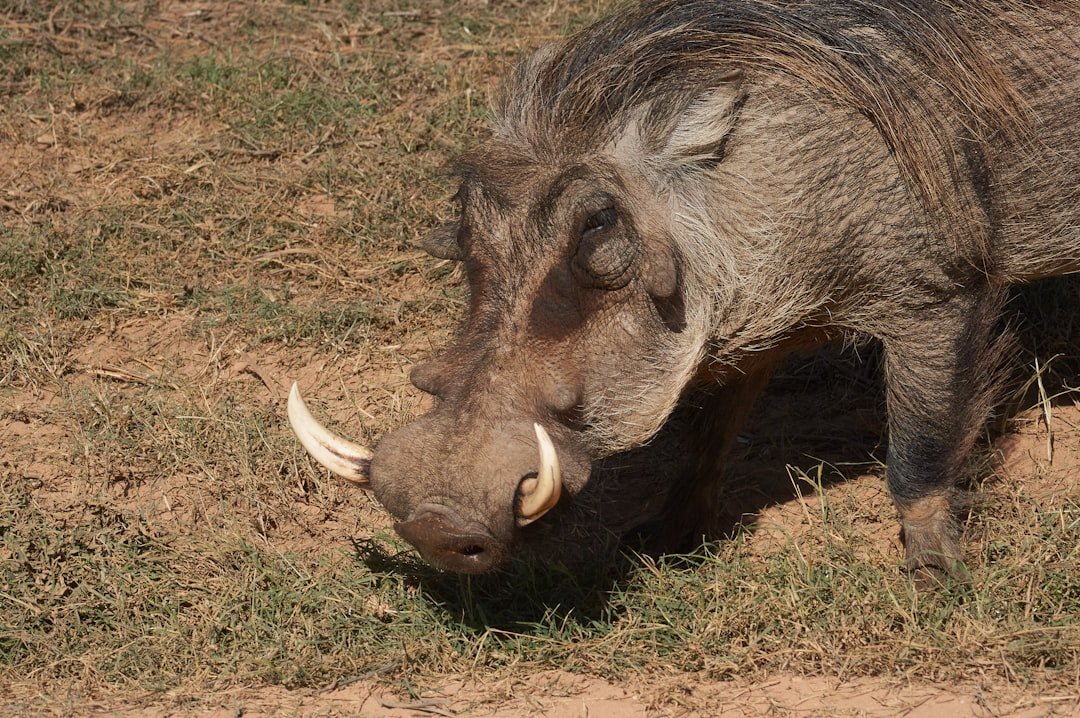
The financial devastation these invaders cause is staggering and keeps climbing every year. Conservative estimates show $500 million in agriculture losses alone from feral hogs, not including damage to natural resources and wildlife or the cost landowners incur from keeping feral hogs off their property. And that’s just one species among many causing havoc.
Combined, invasive species have caused an immense amount of agricultural, ecological, and economic damage, with local scientists worried they’ll continue to wreak havoc unless state regulators and citizens alike start implementing stronger measures to stop them from spreading. We’re not just talking about a few damaged crops here – entire industries are under siege.
The Human Health Crisis: When Water Becomes Dangerous
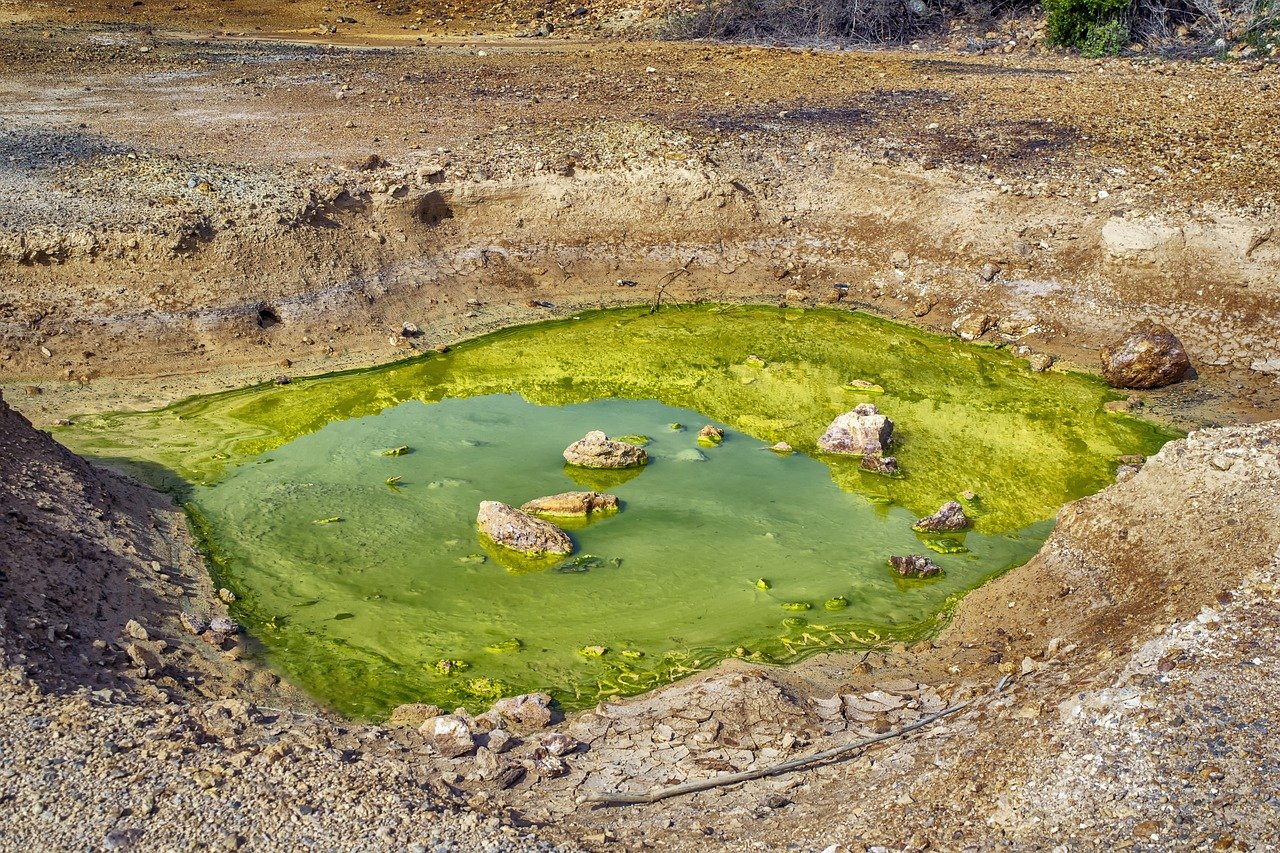
Perhaps most alarming is how these invasions are making our water supplies dangerous for human contact. Feral hog contamination has the potential to be detrimental to water quality in Texas, causing human health concerns, with feral hogs carrying brucellosis, a bacterial disease that spreads among pigs through close contact. Swimming in contaminated water isn’t just unpleasant – it can literally make you sick.
As of 2018, about 300 Texas water bodies do not comply with state water quality standards established for E.coli bacteria, with elevated concentrations indicating fecal contamination and posing increased health risks to downstream users. When hundreds of water bodies fail basic safety standards, we’re looking at a public health emergency hiding in plain sight.
The Fight Back: Texas Takes Action
The state isn’t just sitting around waiting for the apocalypse. Texas Parks and Wildlife Department urges boaters and paddlers to do their part to protect Texas lakes from aquatic invasive species during boating season by taking just a few minutes to clean, drain and dry their boats and equipment every time they visit any lake. It’s like a statewide hygiene campaign for boats – simple but potentially game-changing.
In Texas, a reduction in bacteria levels was achieved when Texas Wildlife Services removed 537 feral hogs from the Plum Creek Watershed in Caldwell and Hays Counties over a two-year period, with the overall level of bacteria in Plum Creek decreasing by 48% compared to an adjacent area where feral hogs remained. Proof that fighting back actually works – when we remove the invaders, our waters start healing themselves.
The battle against invasive species in Texas rivers isn’t just an environmental issue – it’s an economic, health, and quality of life crisis rolled into one massive challenge. From flying carp that can knock you unconscious to microscopic mussels shutting down power plants, these uninvited guests have turned our peaceful waterways into ecological war zones. But here’s the thing that might surprise you – every single boater who cleans their equipment, every volunteer who removes apple snails, and every hunter who targets feral hogs is actually a frontline soldier in this fight.
What’s your role going to be in this underwater revolution?